

Every year at 15:00 on 24 December, Sweden sits down in front of the television to watch Donald Duck. The state broadcaster has shown a compilation of old Disney cartoons, known as Kalle Anka, at that hour since 1960, and for many families missing it is almost like missing dinner. By then the sun has already set in Stockholm, and the ham is still hours away. Christmas in Scandinavia is celebrated above all on 24 December. Swedes, Norwegians and Danes spend the 25th at home, so check museum and restaurant hours for that date separately.
Why it is evening by three in the afternoon
Around the winter solstice the sun sets in Stockholm at about 14:50, in Oslo at around 15:10, and in Copenhagen a little later, around half past three. It gets light after eight, and in Stockholm closer to nine. That leaves six or seven hours of daylight, and Scandinavians answer with candles. Swedish windows glow with paper stars and seven-candle electric arches, while in Denmark candles burn at breakfast, in cafes and even in offices. So schedule walks and photos for the morning and midday, and save museums, saunas and restaurants for the dark, which falls while Ukraine is still on its lunch break.
Lucia on 13 December: a crown of candles and saffron buns
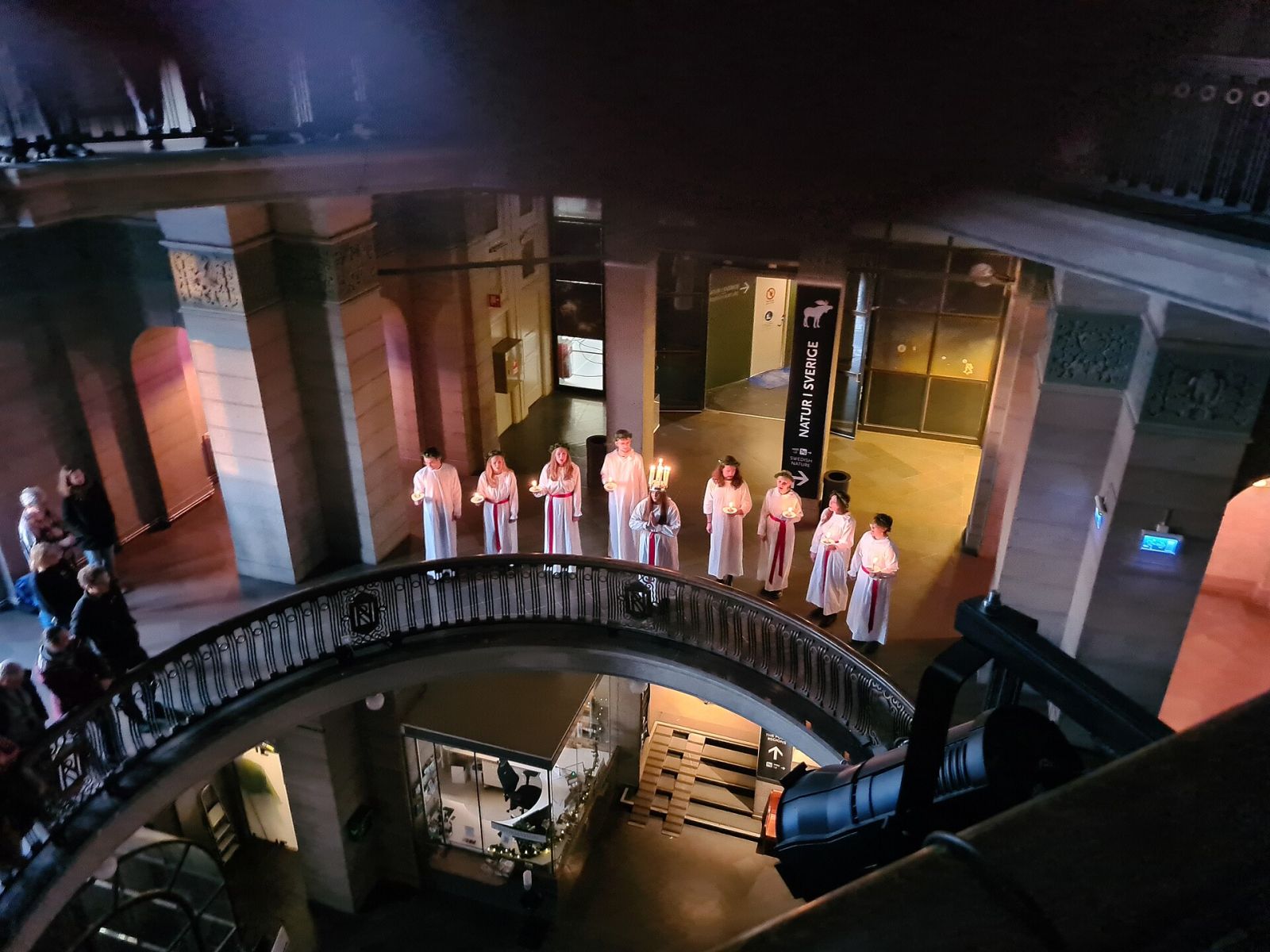
The most beautiful Swedish ritual falls on 13 December, which in 2026 is a Sunday. In the old calendar this was considered the longest night of the year, so the Christian saint Lucia of Syracuse became the bringer of light here. The procession is led by a girl in a white gown with a red sash and a wreath of candles on her head, followed by attendants holding candles and star boys in paper cone hats. They sing the Neapolitan tune Santa Lucia in Swedish, and in a dark church it gives goosebumps even to sceptics.
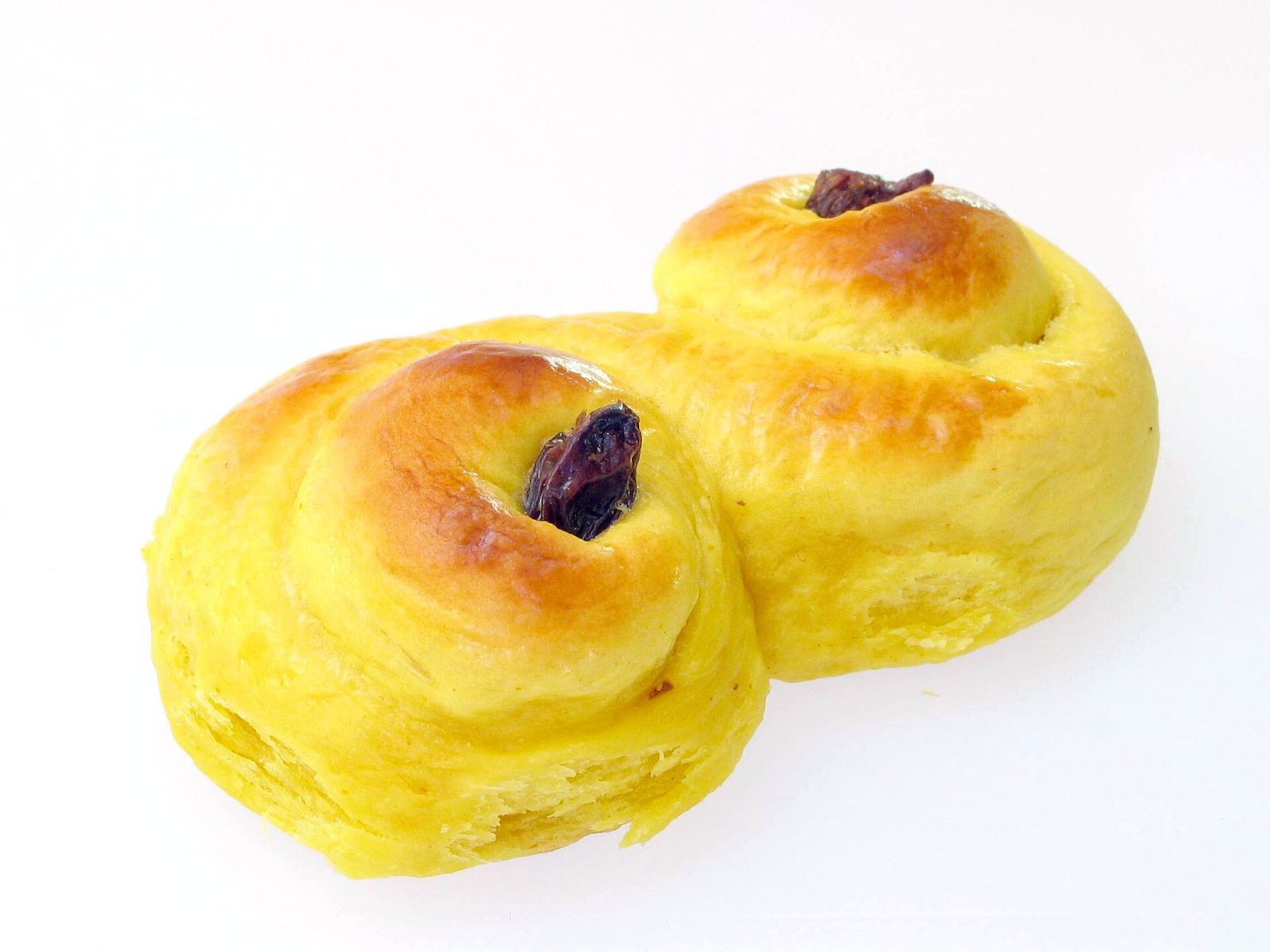
Lucia visits schools, offices, hospitals and care homes, often early in the morning. In Stockholm the biggest concerts take place in old churches and usually need tickets, while some celebrations are open to everyone. The current year's events are listed on Stockholm's official tourism portal. For Lucia, Swedes bake lussekatter, S-shaped saffron buns with raisins. They were once called devil's cats, and saffron was supposed to keep evil spirits away. Today they mostly keep the cold away, together with glögg and gingerbread biscuits.
The Gävle Goat: a straw record holder for arson attempts
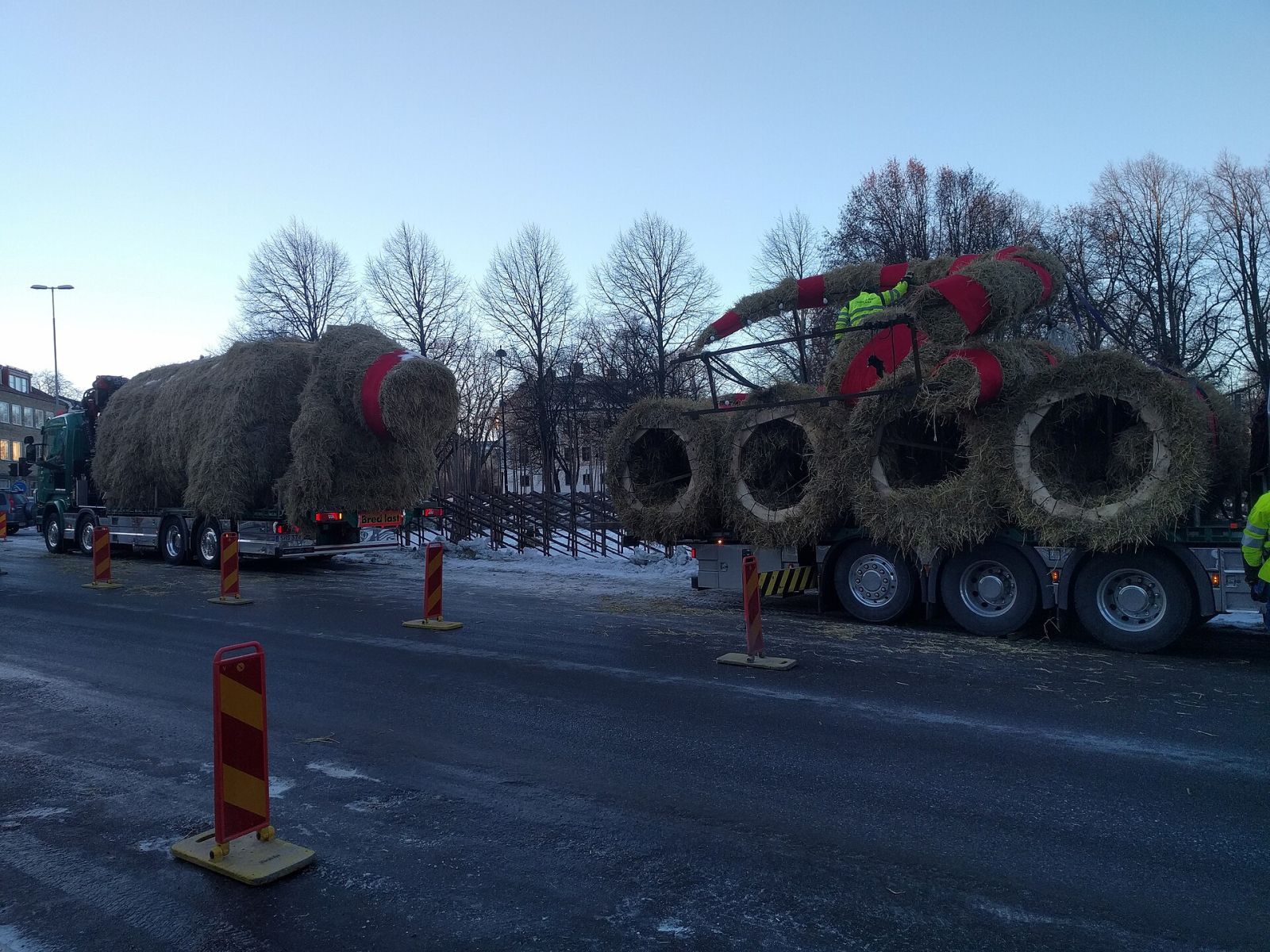
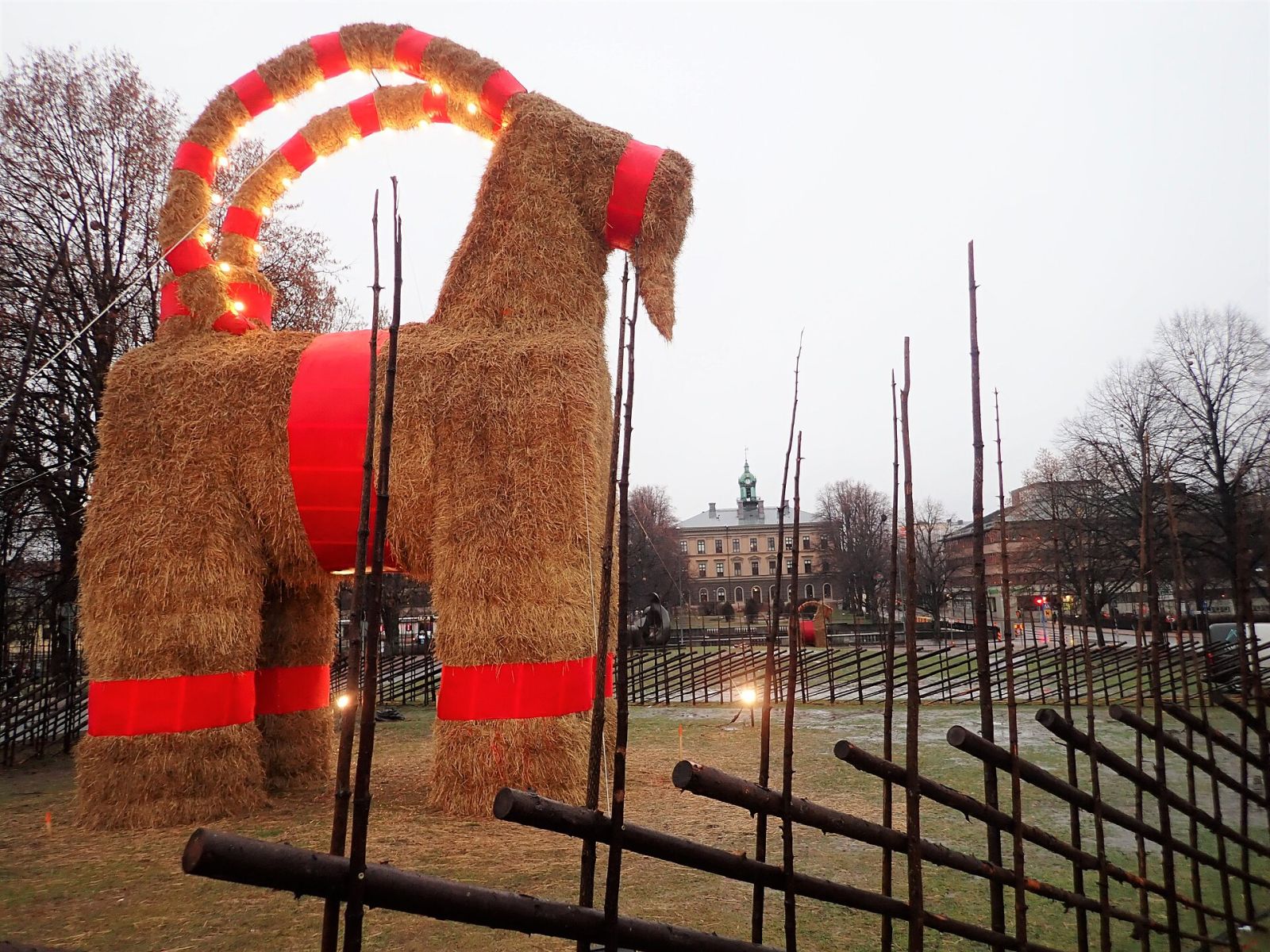
In the town of Gävle, a little over an hour by train from Stockholm, a giant straw goat, Gävlebocken, has gone up on the first Sunday of Advent since 1966. The first one was 13 metres tall. In 2026 the goat appears on 29 November, and from that day a webcam watches it, while half the internet watches the webcam. The reason is simple: as of December 2025, 43 of the 60 goats had been destroyed or damaged. Most were burned, and in 2016 the goat was torched on its opening day, a few hours after its fiftieth birthday party. The last known arson was in 2021.
Recent seasons have added variety. In 2023 jackdaws pulled the straw apart, leaving only the frame. In 2024 the goat survived for the first time in several years, thanks to tougher straw. And in 2025 it was blown over by Storm Johannes on 27 December. To state the obvious: arson here is a criminal offence, and people have been arrested for it. Look at the goat, photograph the goat, bet with your friends on whether it will make it to Christmas, but keep the matches in your pocket.
Julbord and julebord: a smorgasbord on a Christmas scale
The Swedish julbord, the Christmas banquet table, is served in restaurants from roughly late November until 23 December, and weekend tables are booked weeks in advance. It is eaten in rounds, with a clean plate each time. First comes herring, in a dozen versions: in mustard, with onion, in cream. Then salmon, cold Christmas ham with mustard, and then the hot dishes: meatballs, little prinskorv sausages and Jansson's Temptation, a bake of potatoes, cream and sprats. Between rounds people drink schnapps, and before each glass they sing a short drinking song. A restaurant julbord is not cheap, but it is the easiest way to taste a Swedish Christmas without having a Swedish grandmother.
The Norwegian julebord sounds almost the same but also means the season of office Christmas parties. From November, Norwegians go to restaurants in groups, and on a Friday evening in Oslo or Bergen you should not expect a table at a good place without a booking. On the table you will find ribbe, roast pork belly with crackling, and pinnekjøtt, salted and dried lamb ribs steamed over birch sticks.
Lutefisk and Christmas beer: for the brave
Norwegian lutefisk starts out as dried cod. It is soaked for several days in water, then in a lye solution, then in water again, and the result is a fish with the texture of a soft, wobbly jelly. It is served with bacon, mushy peas, potatoes and mustard sauce, and washed down with aquavit. Plenty of Norwegians freely admit they eat it once a year for tradition's sake. A tip from the Norwegians themselves: don't use silver forks with lutefisk, because it turns silver black.
Before Christmas, breweries make juleøl, a darker and stronger Christmas beer. In Norway supermarkets may only sell beer up to 4.7% alcohol, anything stronger is at the state-run Vinmonopolet chain, and shops sell no alcohol at all on Sundays. Denmark has its own excuse for a party: on the first Friday of November at 20:59, Tuborg trucks deliver Christmas beer to the bars, and the evening is simply called J-Day.
Denmark: hygge and an almond hidden in the cheek
The Danish word hygge is known worldwide from books about cosiness, but in December it really comes alive: candles, woollen socks, gløgg and long dinners. The main dinner, juleaften, is also on 24 December. On the table there is duck or pork with crackling, caramelised potatoes and braised red cabbage. Dessert is risalamande: cold rice pudding with whipped cream, vanilla and chopped almonds under hot cherry sauce. One whole almond is hidden in the bowl, and whoever finds it gets a present, most often a marzipan pig. The trick is that the lucky one keeps quiet and hides the nut in their cheek while the family works through a third helping looking for it. After dinner everyone dances around the tree, holding hands and singing.
Tivoli in winter and what to plan for on the road
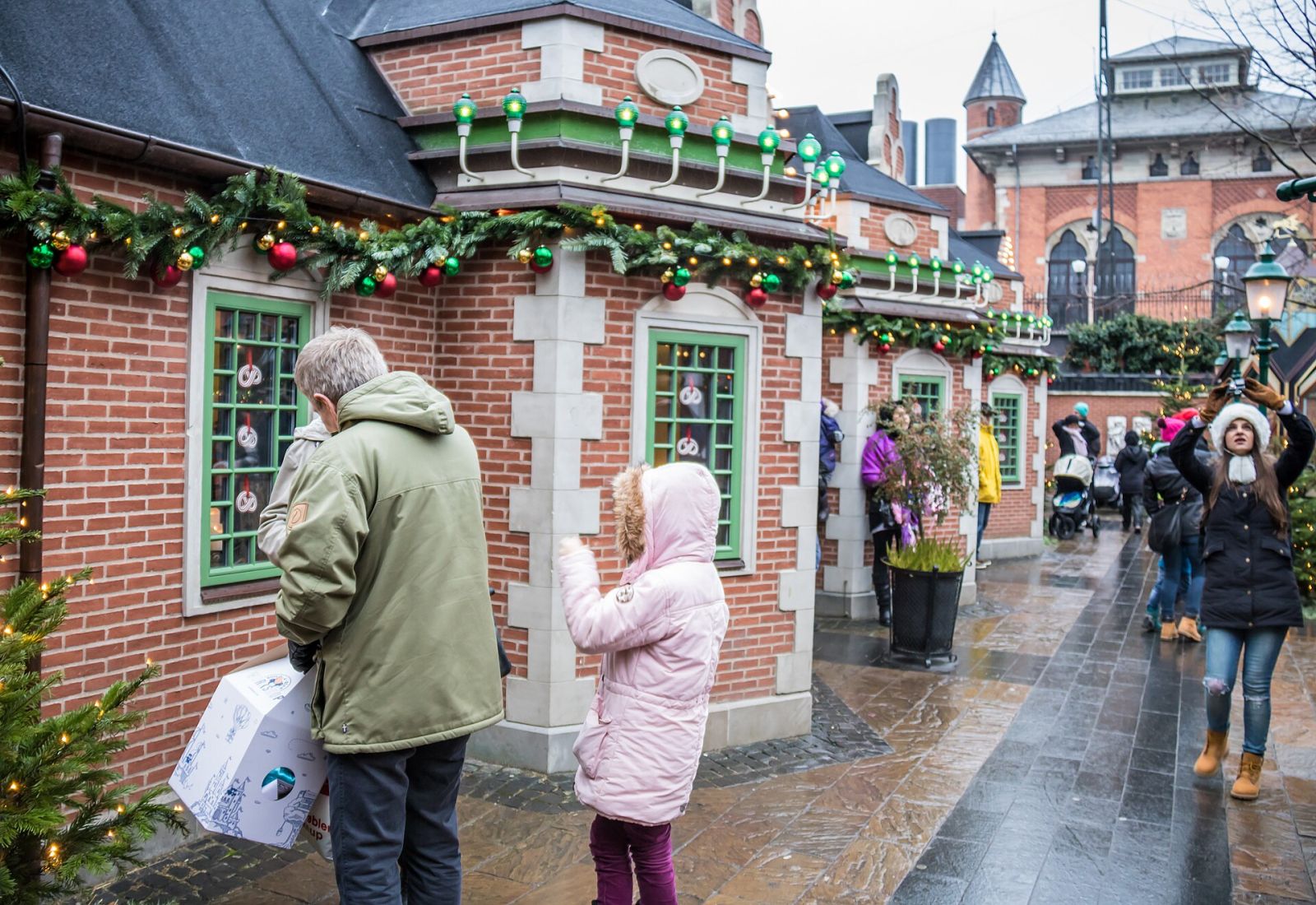
The Christmas season at Tivoli Gardens in Copenhagen runs from 13 November 2026 to 3 January 2027. Some rides are open, garlands glow over the lake, and the stalls sell æbleskiver, round pancake balls with jam and icing sugar, and gløgg. Tickets are dated, rides cost extra, and it is best to check the hours for the holidays themselves on the official Tivoli website. More winter markets across the continent are collected in our guide to Christmas markets in Europe.
The logistics are strict. On 24 December shops open only until lunchtime or not at all, on the 25th and 26th most are closed, restaurants are more often closed than open on Christmas Eve, and public transport runs a holiday timetable. Snow in Copenhagen is not guaranteed: it is more often around zero, windy and drizzly, while in Stockholm and Oslo frost alternates with thaw, so a warm jacket and waterproof shoes are a must. We checked the Tivoli and Lucia dates in late October 2026, and julbord and hotel prices change every season, so look up current ones before booking.
Table: Scandinavian Christmas by date
| When | Tradition | Country | Where to see it |
|---|---|---|---|
| 13 November 2026 to 3 January 2027 | Christmas at Tivoli, æbleskiver and gløgg | Denmark | Tivoli Gardens, Copenhagen |
| from 29 November 2026 | the Gävle straw goat | Sweden | central Gävle, online webcam |
| late November to 23 December | julbord: herring, ham, Jansson's Temptation | Sweden | restaurants in Stockholm and Gothenburg, booking needed |
| November to December | julebord, lutefisk, juleøl | Norway | restaurants in Oslo and Bergen |
| 13 December | Lucia, lussekatter, glögg | Sweden, also Norway and Finland | churches, schools, concerts in Stockholm |
| 24 December | Christmas Eve, Kalle Anka at 15:00, risalamande | Sweden, Denmark, Norway | at home with hosts, shops and restaurants mostly closed |
The best time for a trip is mid-December: the markets are open, julbord season is in full swing, Lucia has already lit the way, and the cities have not yet sunk into the holiday hush when everything is shut. For Christmas Eve itself, the ideal is an invitation to a local family. Without one, book a hotel with a festive dinner in advance, so that on 24 December you are not hunting for an open kitchen in a dark city.