

You do not need a visa for a short trip: Ukrainian citizens with a biometric international passport enter Sweden visa-free and can stay for up to 90 days within any 180-day period. So the question is not whether you will be let in, but what to see in Sweden beyond the obligatory Stockholm, and how much to budget for it.
The main planning trap is this: most itineraries stop at the capital and skip the very things worth coming back for. Stockholm rests on water and its old town, but the real contrast comes from the north with its northern lights and the west coast with its slower pace of life. Below we break it all down, with prices as of 2026 and a few honest caveats.
Do you need a visa for Sweden in 2026?
No, a separate Swedish visa is not required. Sweden is part of the Schengen area, so the general visa-free rule applies to biometric passport holders: up to 90 days within a 180-day window, with no right to work. Your passport must be valid for at least three months beyond your planned date of departure from Schengen.
Partner links: booking through them supports the blog at no extra cost to you.
Two things have changed and are worth keeping in mind. From October 2025, the EU is gradually rolling out the Entry/Exit System (EES) at its external borders: instead of a passport stamp, they take your fingerprints and photo, so queues at your first crossing may be longer. The ETIAS authorisation that has been written about so much is still not in force as of 2026, and no start date has been officially confirmed; according to the latest information it is being pushed further back. Check the current conditions before your trip on the official EU portal and the website of Ukraine's Ministry of Foreign Affairs.
What to fit into two or three days in Stockholm
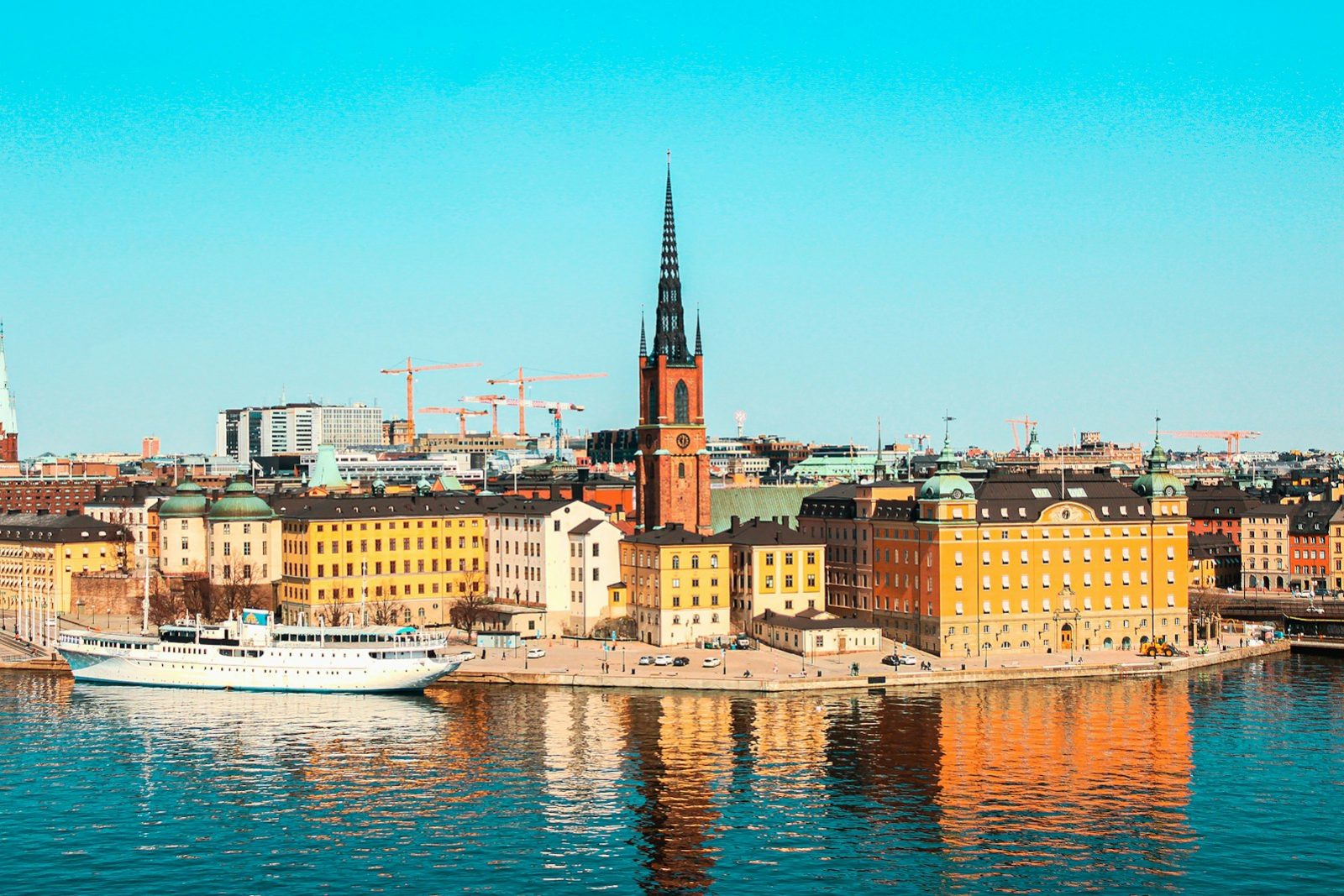
Stockholm is spread across fourteen islands, and that is not marketing metaphor but a practical detail: moving between districts, you cross water again and again, by bridge or by ferry. The core for a first visit is compact.
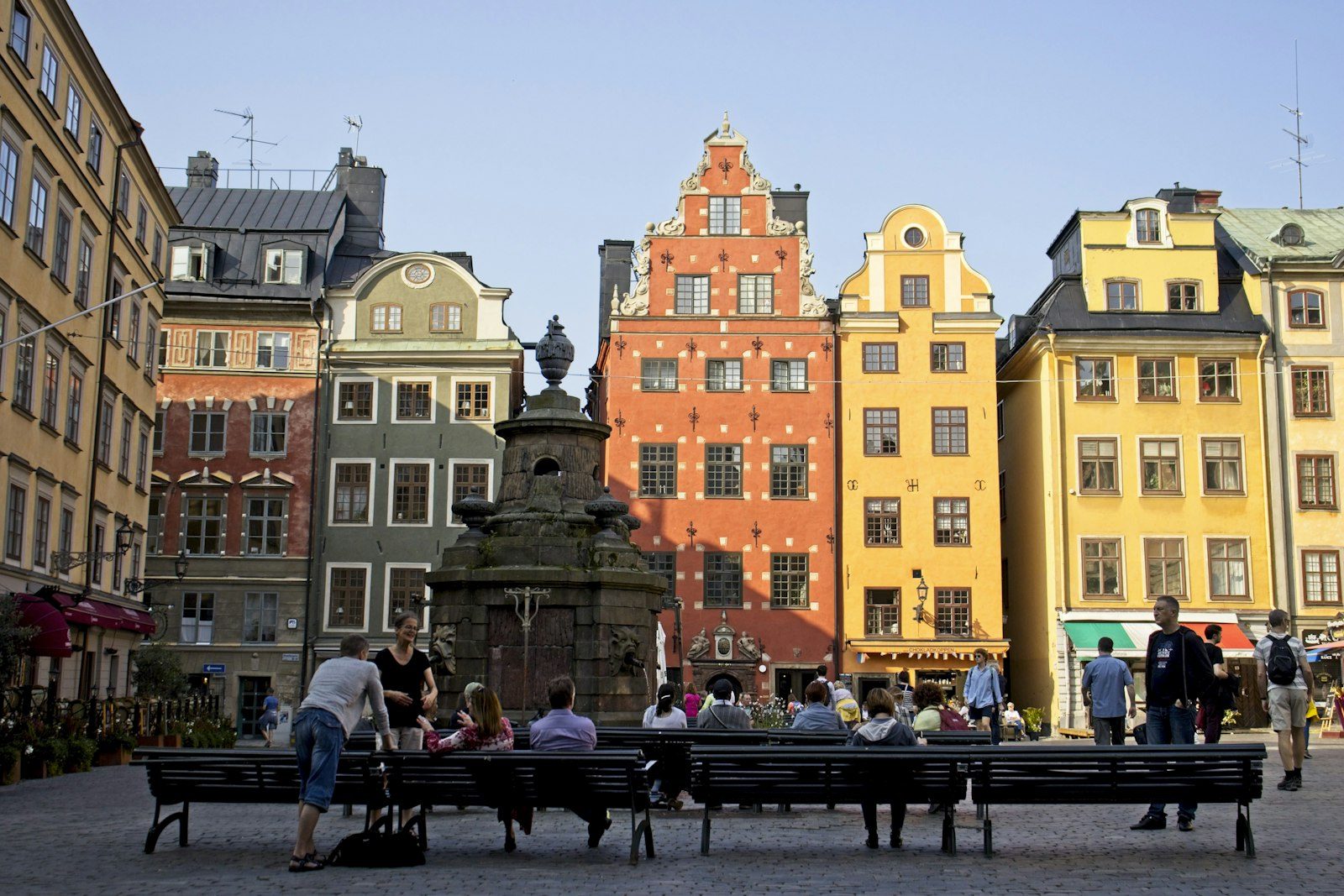
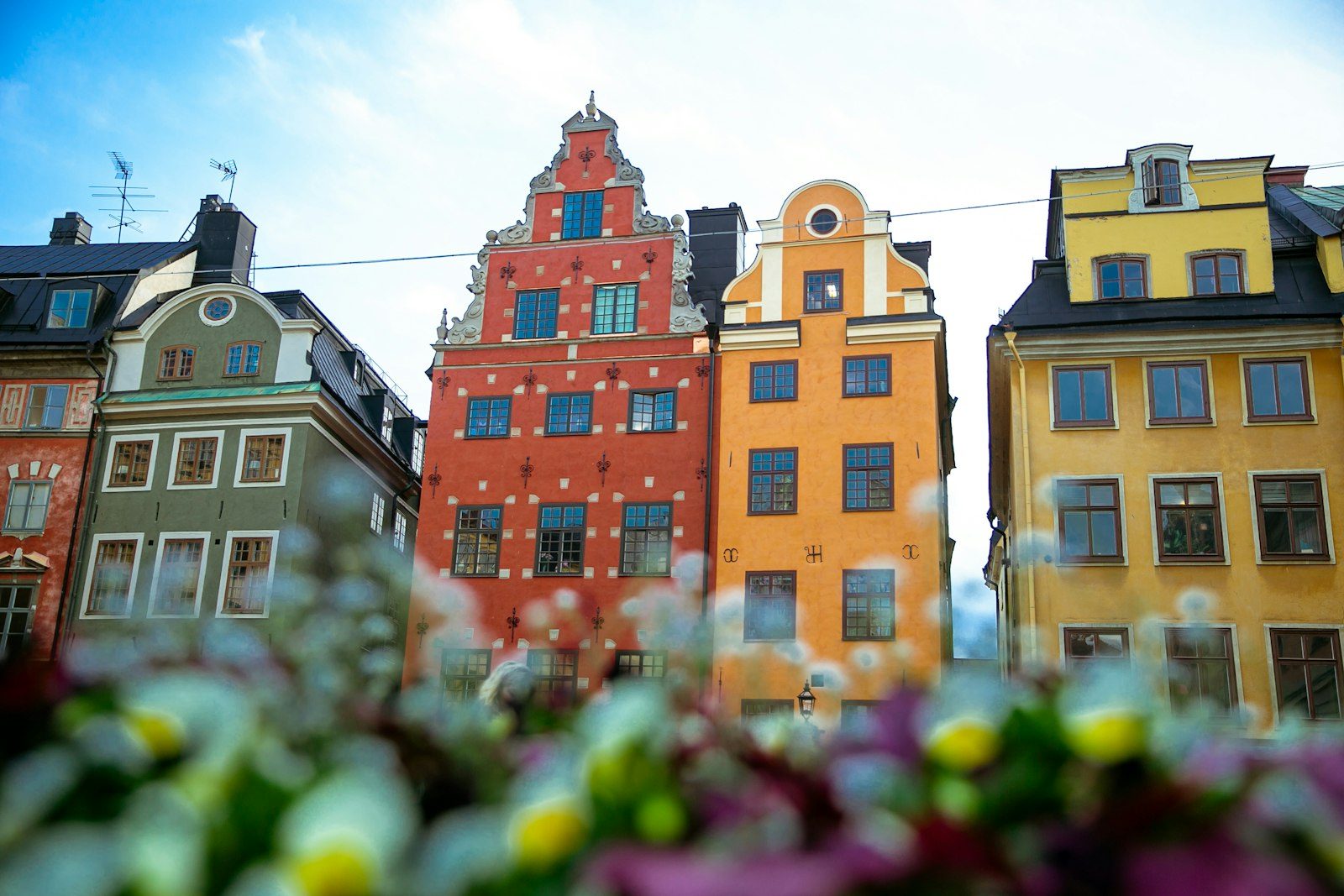
Gamla Stan, the old town on the island of Stadsholmen, is the medieval heart of the capital: narrow cobbled lanes, colourful facades on Stortorget square, the Royal Palace and the slimmest alley, Mårten Trotzigs Gränd, less than a metre wide. It is touristy and pricey in the cafes, but everything is close together and can be seen on foot in half a day.
A must-see is the Vasa Museum on the island of Djurgården. Inside stands the only almost fully intact 17th-century ship in the world: the galleon sank right in the harbour during its maiden voyage in 1628, lay on the seabed for more than three centuries and was raised in 1961. Over ninety percent of the timber survived, and the scale of it can only be felt in person. Allow around an hour and a half for the visit.
Right next to it, on the same island, are Skansen, the world's first open-air museum with historic buildings and Scandinavian animals, and the Gröna Lund amusement park. If you have the time and energy left, head up to the Mosebacke viewpoint or stroll the heights of the Södermalm district for the views over the water.
How much Stockholm costs: transport and museums
Sweden is expensive but predictable, and cards are accepted almost everywhere; cash has effectively disappeared. Here are rough 2026 prices in kronor (SEK); double-check them before your trip, as fares are updated.
| Expense | Approximate price | Detail |
|---|---|---|
| Single SL ticket | around 42 SEK | 75 minutes with transfers on metro, bus and tram |
| 72-hour SL travel pass | around 350-415 SEK | worth it from three active days; also covers city ferries |
| Vasa Museum, adult | 195 SEK in winter, 240 SEK in summer | free under 18; pricier in the summer season |
| Lunch at a simple cafe | from 120-170 SEK | weekday lunch menus are cheaper than dinner |
A budget tip: many of the capital's museums have free entry (Moderna Museet, part of the National Museum), and the weekday dagens lunch costs noticeably less than the same dish in the evening. If you travel around a lot, the pass pays for itself quickly, since it also works on the commuter ferries.
Where to go from the city: the Stockholm archipelago
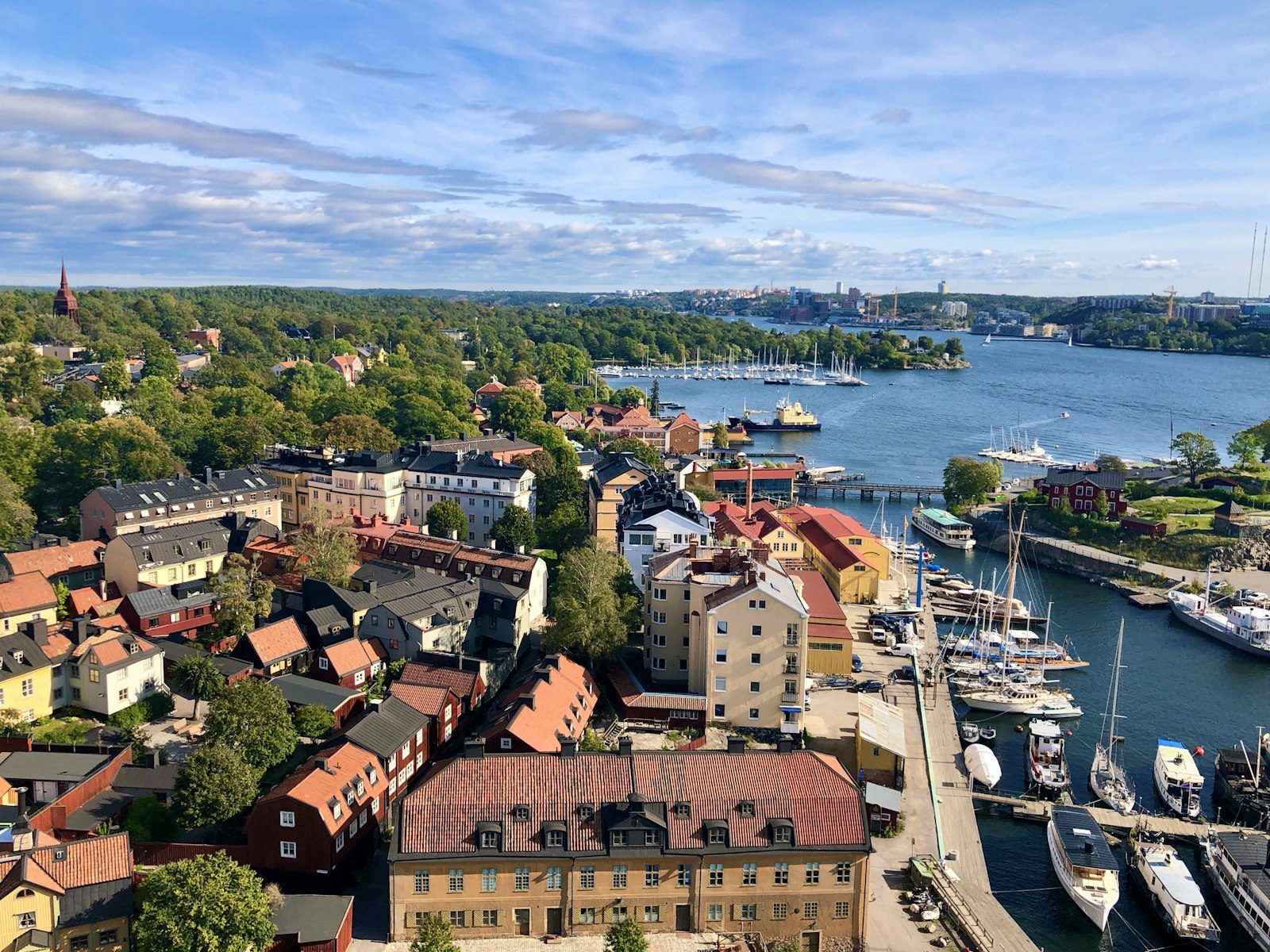
The cheapest advantage over its neighbours, one rarely described in guidebooks, is that the sea begins right at the centre. The Stockholm archipelago is around thirty thousand islands and skerries, and the nearest of them are reachable in an hour to an hour and a half on an ordinary ferry, not an expensive cruise.
For a first visit, take Vaxholm: Waxholmsbolaget ferries depart from the Strömkajen quay in the centre, the journey takes about an hour with stops, and a one-way ticket costs roughly 100-110 SEK. This is a town of wooden summer houses and a fortress set on the water, a place Swedes themselves head to for the weekend. Some of the routes are included in the SL travel pass, so check that before buying a separate ticket.
Who it will not suit: if you have only one full day in Stockholm, the archipelago will eat it whole, leaving no time for the Vasa. In that case, save the islands for your next visit; they are not going anywhere.
Gothenburg: how the second city differs from the capital
Gothenburg on the west coast is not a scaled-down copy of Stockholm but a city with its own character: quieter, with a fish market under the roof of an old church (Feskekörka), canals and a reputation as the friendliest in the country. People come here for the relaxed rhythm, the seafood and their own archipelago south of the city, reached by tram ferries.
The main draw for families is the Liseberg amusement park, one of the largest in Scandinavia. Entry costs roughly from 125 SEK, while a full ride pass is considerably more, from 395 SEK, and the price also fluctuates depending on the day. The finest time here is not summer but Christmas: the park turns into a fairy tale of lights, and, unlike many places, there is no stifling crowd in this season.
Is it worth going to Lapland for the northern lights?
Yes, if you are ready for the cold and have picked the right month. Swedish Lapland in the far north is a trip in its own right, not an add-on to the capital: it lies more than 1200 kilometres from Stockholm (about 1250 km by rail), reached by night train or by plane to Kiruna.
The northern lights season runs roughly from late September to early April, with the best chances on dark, clear nights from December through March. The main address is Abisko, a national park about a hundred kilometres west of Kiruna. Its trump card is the "blue hole," a local microclimate that keeps the sky here clear even when it is cloudy all around. A chairlift takes you up to the Aurora Sky Station, above the clouds.
An honest caveat: the aurora is nature, not a timetable, and even in perfect Abisko no guide can guarantee it every night. Plan several nights in a row to improve your odds, and do not schedule the north for a single day. In winter the temperature here can drop below minus twenty, so without serious clothing the trip turns into an ordeal.
When to go to Sweden
There is no universal "best month"; it all depends on what you are coming for. A warm, bright summer and a northern winter for the aurora are effectively two different itineraries.
| Season | What it offers | What to keep in mind |
|---|---|---|
| June to August | long bright days, the archipelago open, warm enough for walking | peak prices and crowds, queues at museums, pricier accommodation |
| May and September | mild weather, fewer people, lower hotel prices | the archipelago water is cool, some seasonal ferries run less often |
| December to March | the northern lights up north, Christmassy Gothenburg | short days in the south, serious frosts beyond the Arctic Circle |
How much to budget and what to choose first
Sweden is among the most expensive countries in Europe, and the main cost is accommodation and food, not museum tickets. You can genuinely cut costs: eat the dagens lunch, take a travel pass instead of taxis, see some museums for free, and look for lodging away from Gamla Stan island.
If it is your first time and only for a short while, do not spread yourself thin: three days in Stockholm with the Vasa, Gamla Stan and one ferry into the archipelago will give you a complete impression. If you have already been to Sweden or specifically want the north, build your route around Lapland in the dark season and set aside at least three or four nights for it. And leave Gothenburg to those who love quiet seaside cities and plan to keep heading west.