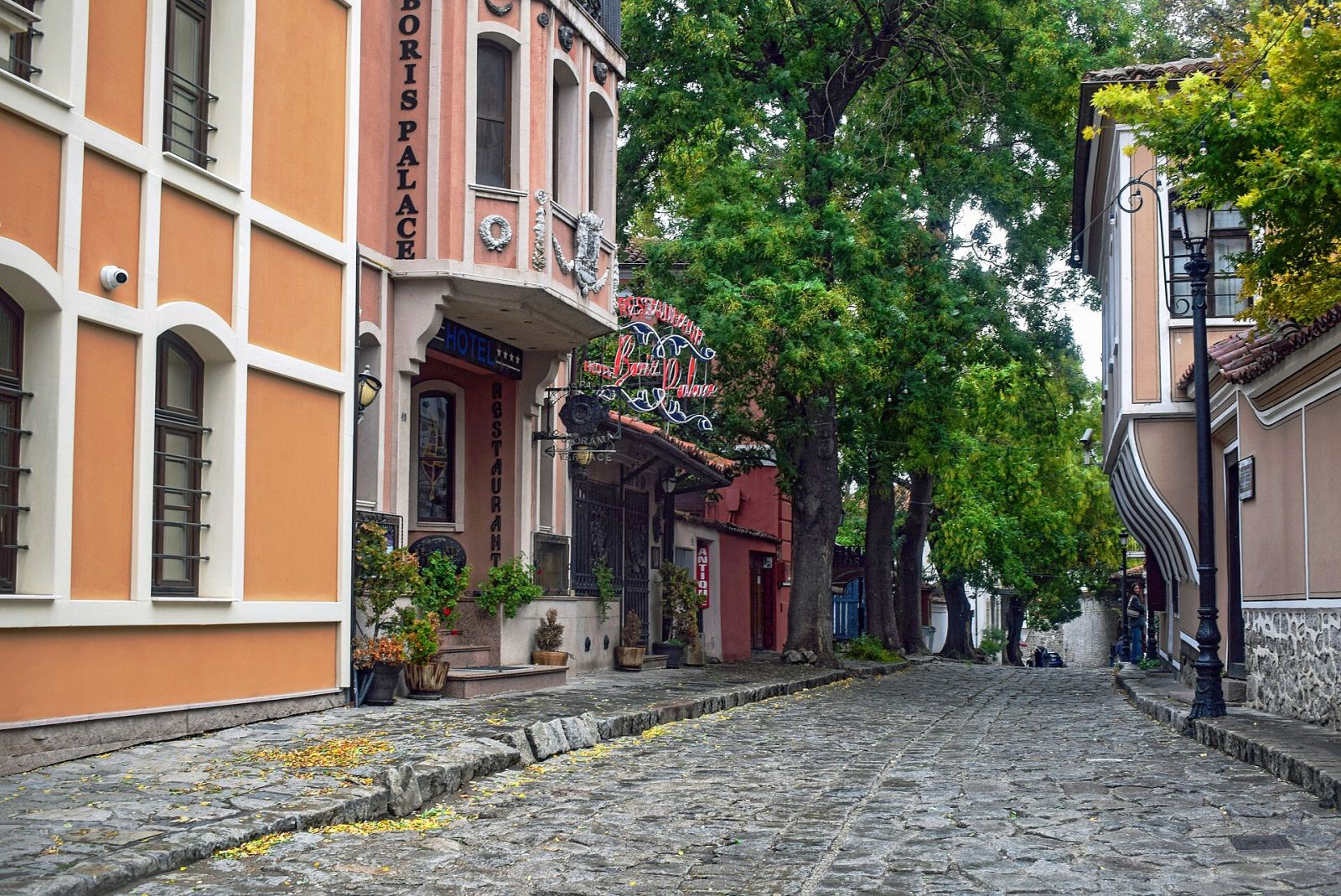
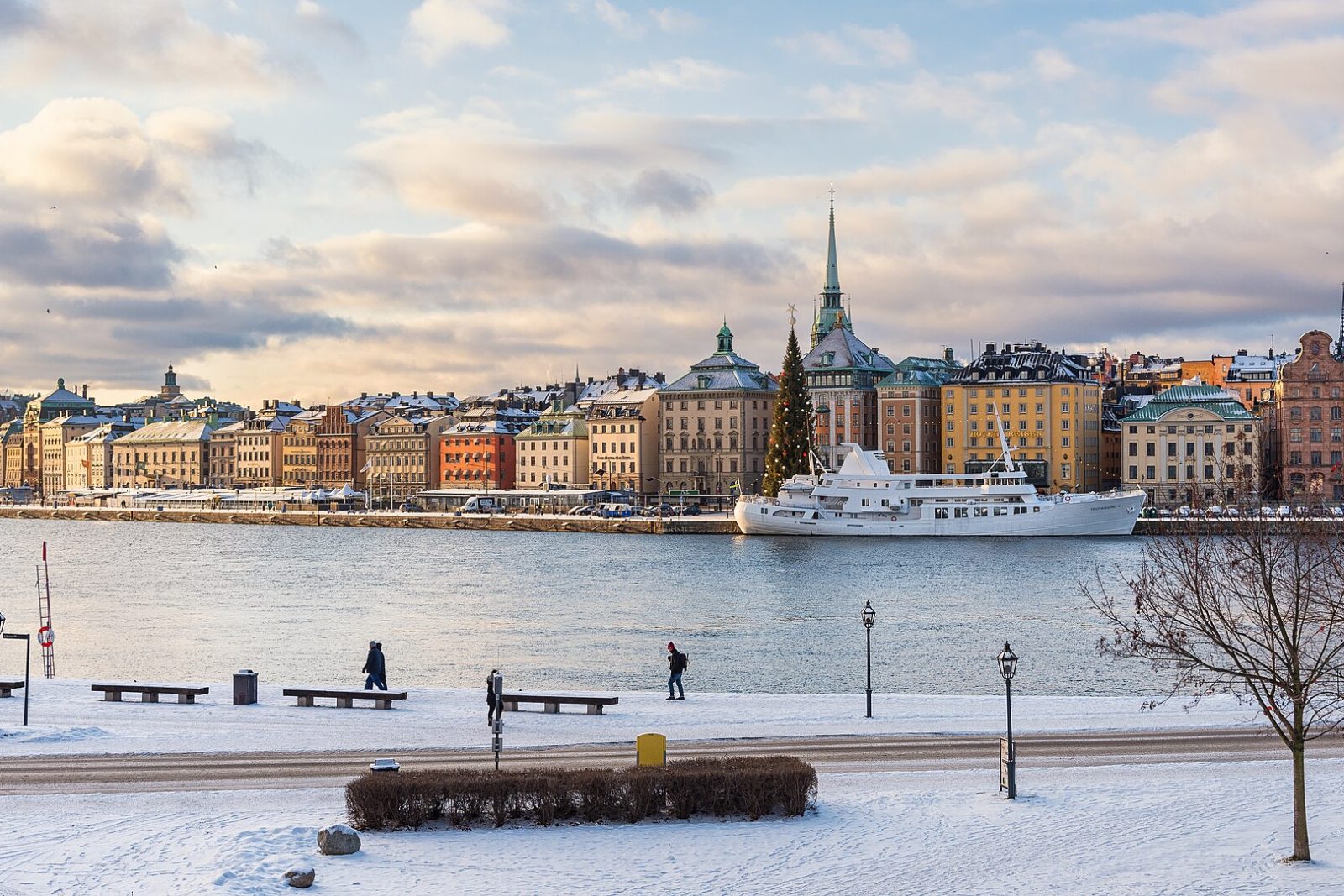
The short version of what to see in Stockholm on a first visit: the old town of Gamla Stan, the Vasa warship museum, and the city hall where the Nobel Prize is handed out. These are the three anchors the city unspools from, and each one has a handful of things a short walk away. Stockholm sits on fourteen islands stitched together by bridges, so "seeing the centre" here means hopping from island to island, sometimes without even noticing it.
The city is compact for a capital and, at the same time, stretched out by water. The metro runs like clockwork, but half the distances are nicer to cover on foot or by ferry. What follows is not just a list but a logic: what sits next to what, how much time to budget, and where not to cut corners.
Gamla Stan: where to start
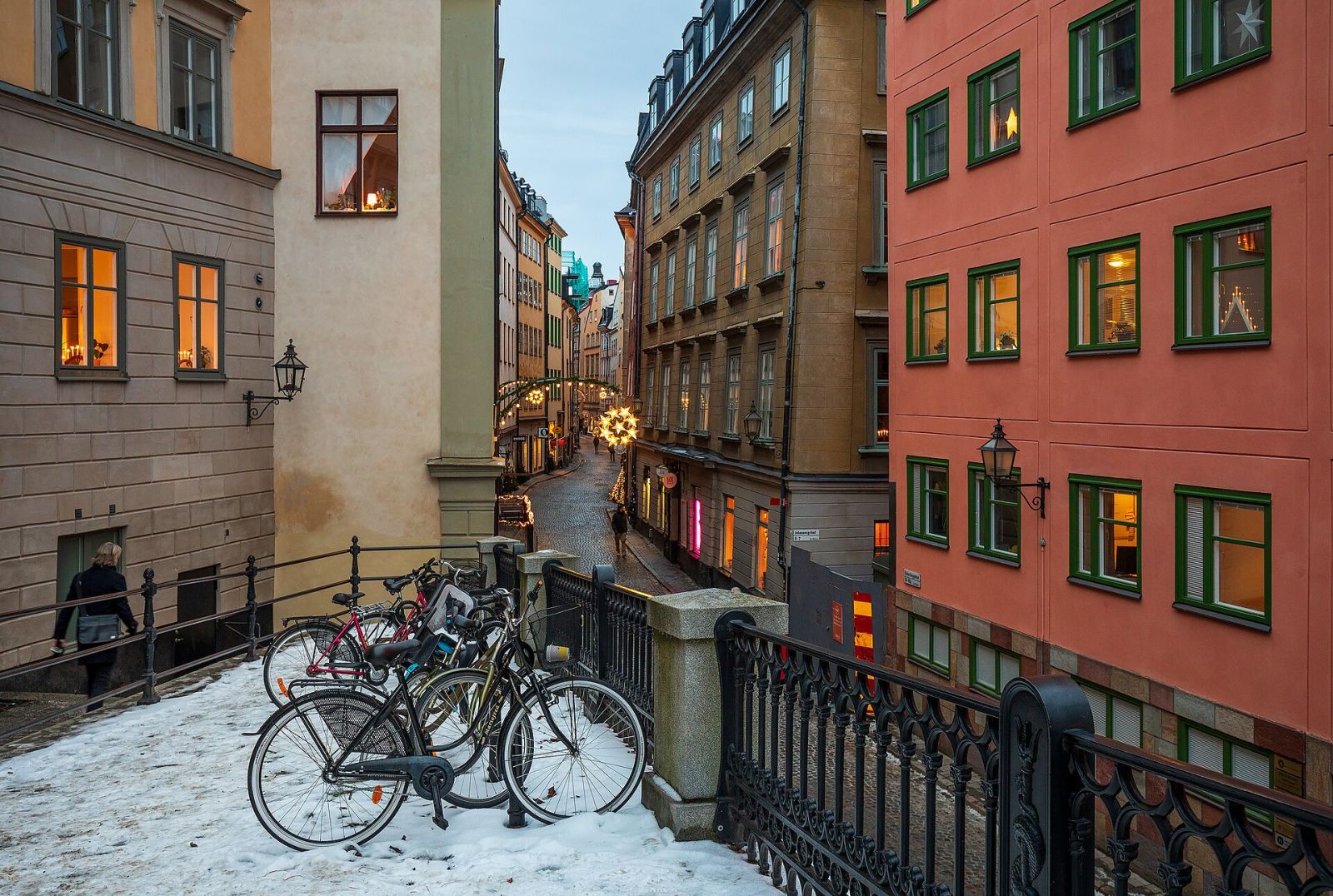
Gamla Stan is the old town on its own island, and this is where Stockholm began back in the 13th century. Narrow cobbled lanes, ochre and terracotta facades, tiny squares that surface out of nowhere around a corner. The main spot is Stortorget square, with its row of coloured houses that end up on every postcard of the city. Next to it stands the Royal Palace, the monarch's official residence and one of the largest working palaces in Europe by room count.
Tucked in here too is Mårten Trotzigs Gränd, the narrowest alley in the city, under a metre wide at its tightest point. Finding it without a map is tricky, and that is part of the fun. Gamla Stan is also the most touristy part of Stockholm, so it gets crowded by day and café prices run noticeably higher. The trick is simple: come early or toward evening, when the crowd thins and the cobblestones glow with warm light.
- The Royal Palace. Changing of the guard at noon, state rooms, a treasury with the crown regalia. Worth an hour inside.
- The Cathedral (Storkyrkan). The city's oldest church, home to the famous wooden sculpture of Saint George and the Dragon.
- Stortorget. That very square with the coloured facades and the old well, the heart of the old town.
Why is the Vasa museum a must-see?
If Stockholm has one unmissable place, it is the Vasa warship museum. The story is almost unbelievable: a huge warship sank in 1628 just a few hundred metres off shore, on its very first outing, because it was built too tall and top-heavy. It lay on the harbour bed for over three hundred years, and the brackish Baltic water kept the timber almost intact. The ship was raised in 1961, and today it is the only 17th-century vessel in the world preserved almost in full.
Seeing it in person is a different scale from what photos suggest. A hull as tall as an apartment block stands in a dim, spotlit hall, ringed by several levels that let you look down onto the deck, the carved figures, the cannons. It is that rare case where a museum built around a single object holds your attention for an hour or two with no effort. The Vasa museum is consistently the most visited in Scandinavia, so peak-season queues are real, and it is worth buying tickets online in advance.
The city hall where the Nobel Prize is awarded
The red-brick city hall (Stadshuset) on the waterfront is one of the city's symbols, and not only for its architecture. This is where the Nobel Banquet takes place every year on 10 December, a formal dinner in honour of the laureates in the Blue Hall. Even more striking is the Golden Hall next to it, clad in over eighteen million gold mosaic tiles. You can only go inside on a guided tour, which run to a timetable in several languages, so it is worth checking the hours ahead.
A bonus is the city hall tower, over a hundred metres tall. In the warm season you can climb it, and the view from the top is arguably the best panorama over Stockholm's islands and rooftops. The ascent is part on foot, part by lift, and numbers at the top are capped, so at the height of summer there may be a short wait.
Djurgården: the island of museums
The separate island of Djurgården is essentially an open-air museum quarter, and it is worth blocking out a whole day for it. Besides the Vasa, several other strong spots sit here, easy to string into one route because everything is within walking distance. The island is green, with parks and water along its edges, so even the walks between museums are pleasant.
| Place | What it is | Who it suits |
|---|---|---|
| ABBA The Museum | Interactive show about the great Swedish band, costumes, studio, karaoke | Anyone who grew up on pop and likes a bit of fun |
| Skansen | The world's oldest open-air museum, with historic buildings and Nordic animals | Families, or anyone wanting "old Sweden" in an hour |
| The Vasa museum | That 17th-century ship, the island's main magnet | Pretty much everyone, this is the baseline |
| Nordiska museet | The story of Swedish life, fashion and traditions under a dramatic roof | Fans of ethnography and fine architecture |
ABBA The Museum deserves a separate mention, because it is that rare museum even people who dislike museums walk into. Inside you can step onto a virtual stage with holograms of the band, record your own track, and hear the story of how four Swedes briefly became the biggest pop group on the planet. Light-hearted, but done with love.
Why go out to the archipelago?
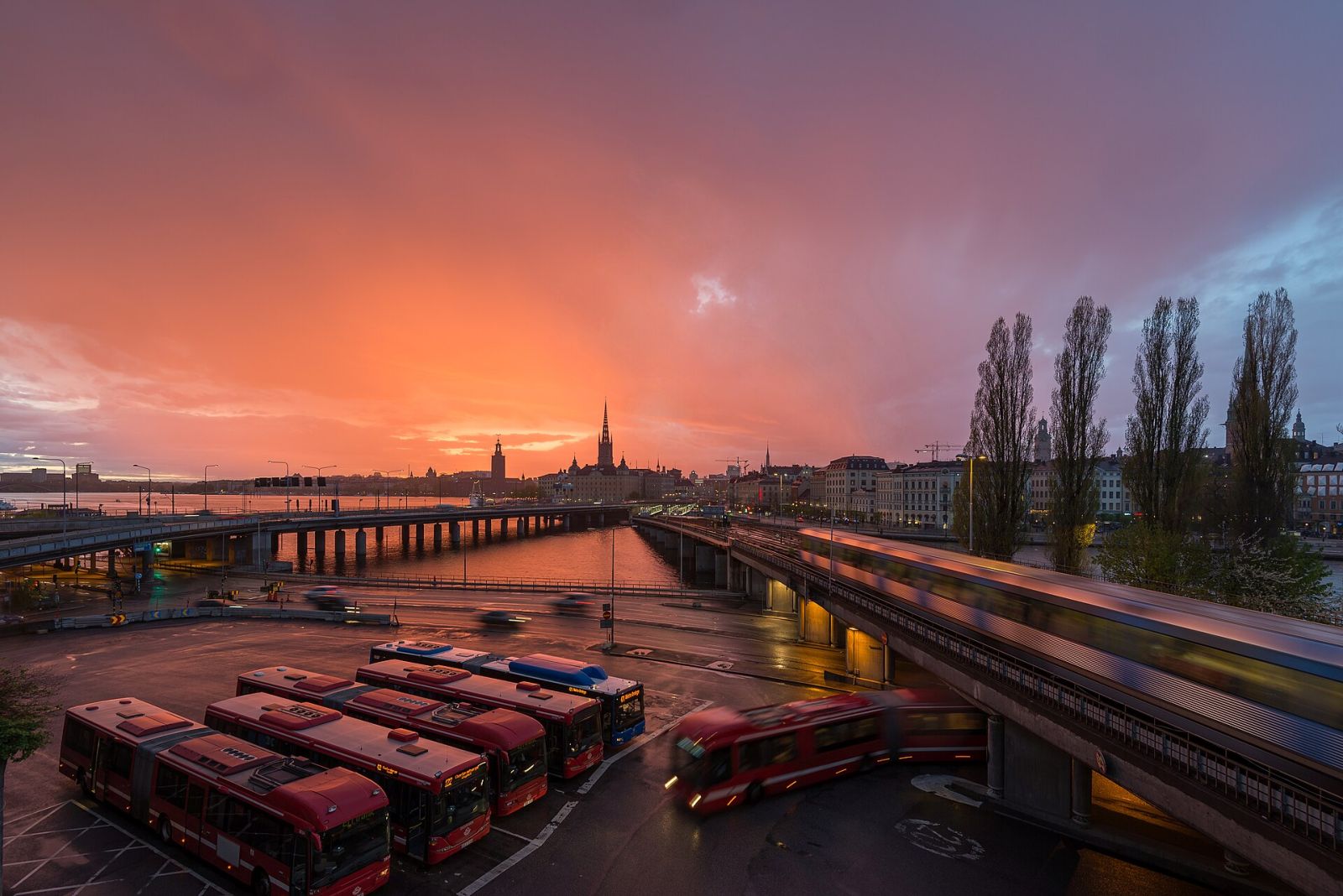
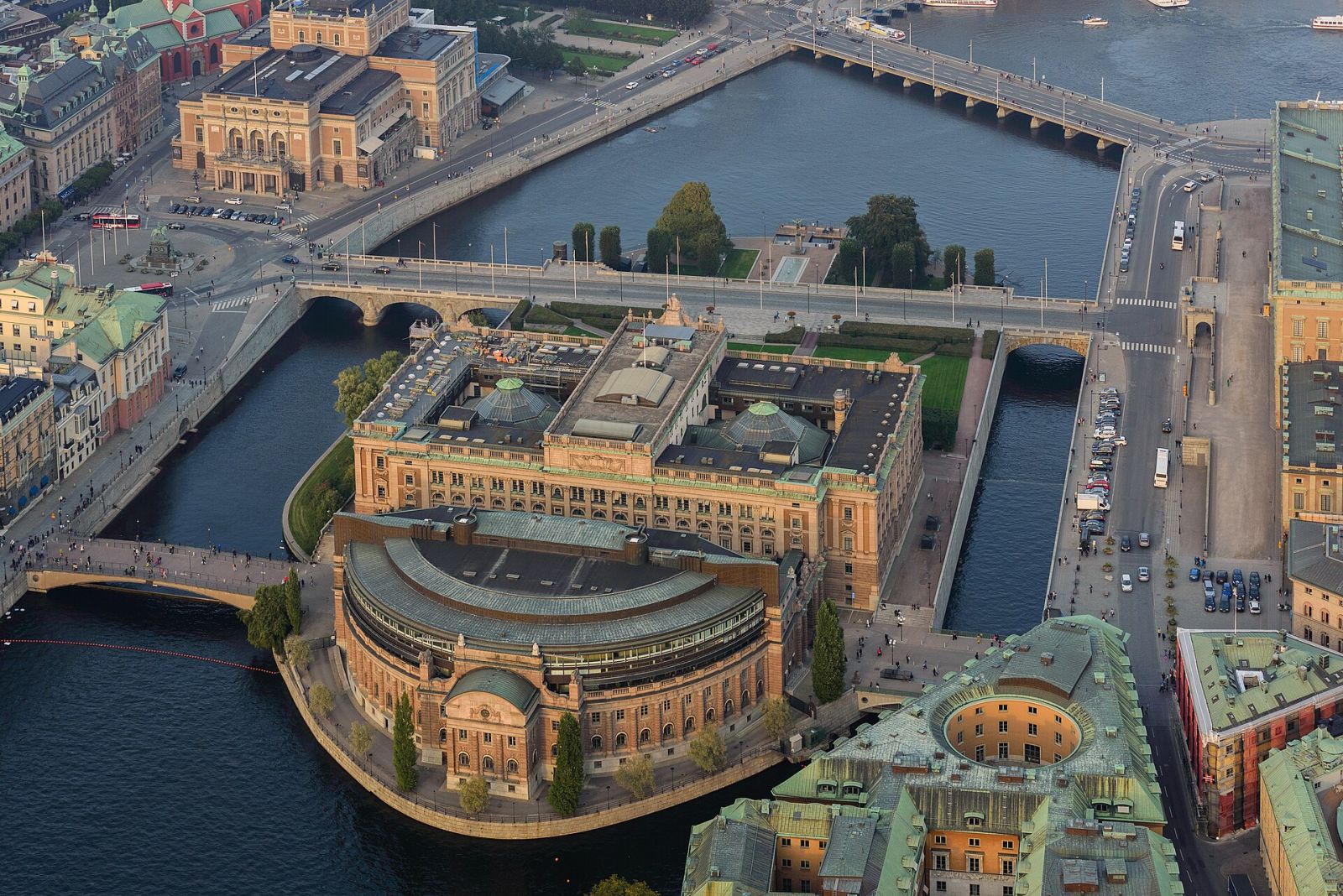
Stockholm does not end at the city. To the east sprawls an archipelago of around thirty thousand islands, and this is the side of the capital many people come back for. The city itself, for that matter, also sits on fourteen islands, so water here is not scenery but a way of life. The simplest way to feel it is a ferry ride: scheduled boats run from the centre to the nearest islands year-round, with longer routes added in summer.
Even a short hour on the water changes how you read the city: from there you see just how tightly Stockholm is sewn together from islands, bridges and straits. If you have a spare day, it is worth taking a ferry out to one of the classic islands, such as Vaxholm or Fjäderholmarna, the closest to town and served frequently. Timetables depend heavily on the season, so check the current schedule before you go, especially outside summer, when some routes pause.
When to go?
The best window is late spring and summer, roughly May through August, when it is warm, everything is open, and the days are impossibly long. In June the sun in Stockholm barely sets, it stays light until late at night, and the city simply refuses to sleep. This is the prime time for the archipelago, the ferries, and time on the water.
| Season | Weather and daylight | Who it suits |
|---|---|---|
| May, August | Warm, long days, fewer tourists than at peak | The best balance of weather and crowds |
| June, July | White nights, everything open, the highest prices and crowds | Those coming for the archipelago and the light |
| September, October | Cool, golden autumn, quieter museums | Anyone who likes walks without the crowds |
| December | Christmas markets, cosiness, very short daylight | Those after the atmosphere and Nobel week |
Winter is its own story. Stockholm in winter is cosy, with Christmas markets in Gamla Stan and warm cafés, but there is one downside to be honest about.
The honest downside: expensive, and dark in winter
Stockholm is frankly expensive, even by Nordic standards. Coffee, lunch, museum tickets, hotels, all of it costs noticeably more than in Central or Eastern Europe, and it is worth budgeting with a margin. It helps a little that many museums have free-entry days, and that the water, the parks and a wander through Gamla Stan cost nothing at all.
The second honest downside is the winter light. In December the sun rises late and sets around three in the afternoon, so there is very little daylight left, and you still have to ration it across the city. For some that is atmospheric, with snow, lanterns and candles in the windows; for others it is simply too gloomy. If this is your first visit and the main goal is to see the city by day, pick the warm season and save winter for a return trip, for the Christmas mood.
The main thing about Stockholm: do not try to cram it all into one list. Build around Gamla Stan, the Vasa and Djurgården, add the city hall for the view and the history, and for whatever time is left, just board a ferry and watch the city from the water. That part, when the islands trade places past the railing, is the one that stays with you the longest.