

It's a widely accepted truth that (almost) everyone loves cheese.
And it's an almost equally accepted truth that Europe makes some of the very best cheese in the world.
There are cheeses that go back thousands of years. There are cheeses invented centuries ago by monks, cheeses mentioned in the classics of literature, and cheeses given deliberately off-putting names just to dare people into trying them.
Partner links: booking through them supports the blog at no extra cost to you.
There are stinky cheeses, cheeses laced with ash, cheeses made in frankly stomach-churning ways, and some of the most expensive cheeses on the planet.
Everyone has their own favorite, of course, but here are 22 of ours.
Grana Padano
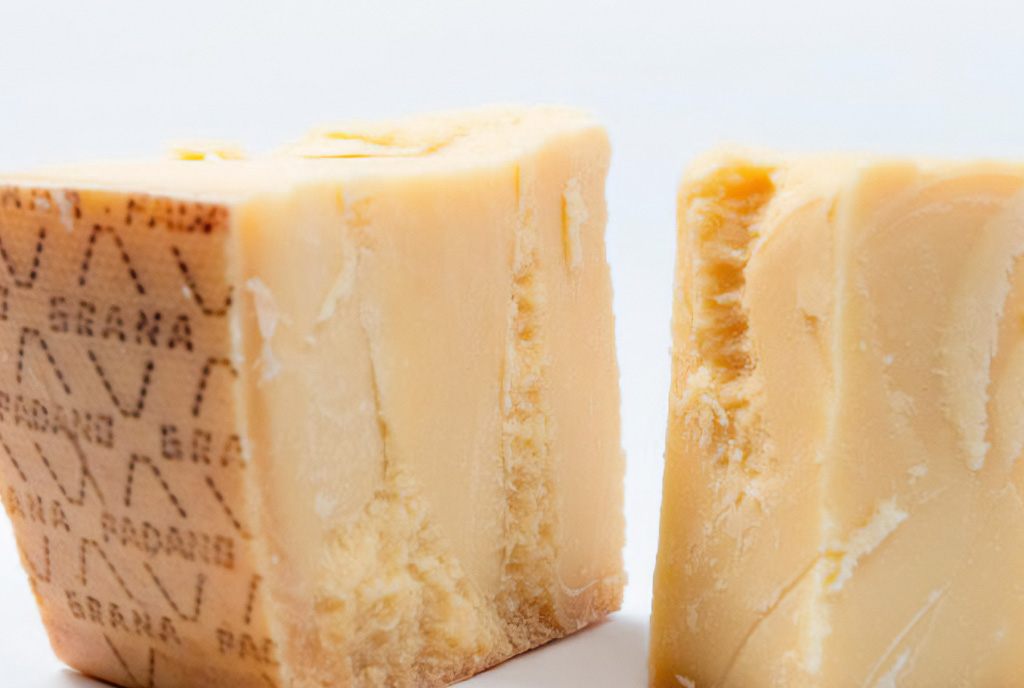
Everyone knows Parmesan, of course, but you may not be quite as familiar with this hardworking Italian cheese, Grana Padano. Like Parmesan, it hails from Emilia-Romagna in northern Italy; and like Parmesan, its nutty flavor and firm, flaky texture make it perfect for scattering over a salad or grating onto pasta. It's usually a little cheaper than Parmesan too. In fact, that "Parmesan" you thought you were eating may well have been Grana Padano, which has a slightly milder flavor. That doesn't mean it isn't good: try it in chunks to enjoy the grainy texture, and spread a little chutney or fruit preserve on top.
Gruyere
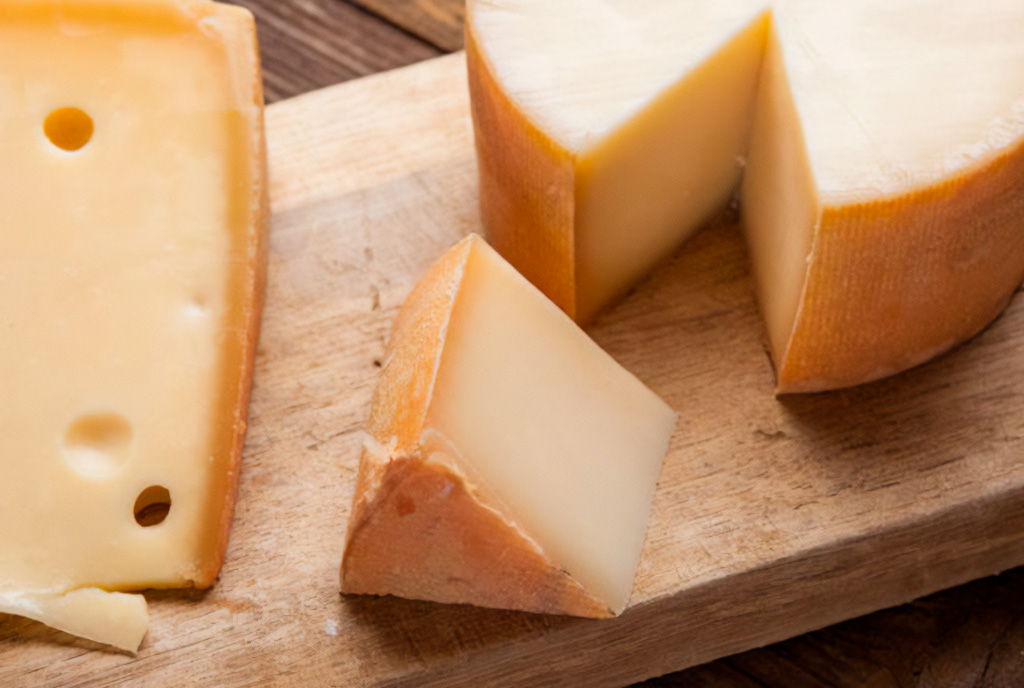
Sweet or savory? With Gruyere you get both, plus a distinctive nutty note that reins in the sweetness just a touch. Made in Switzerland (the village of Gruyeres itself holds protected status for its cheese), it's one of Europe's most beloved cheeses, pairing wonderfully with chutney or jam, or used in recipes (even simple ones like a croque monsieur).
Serra da Estrela
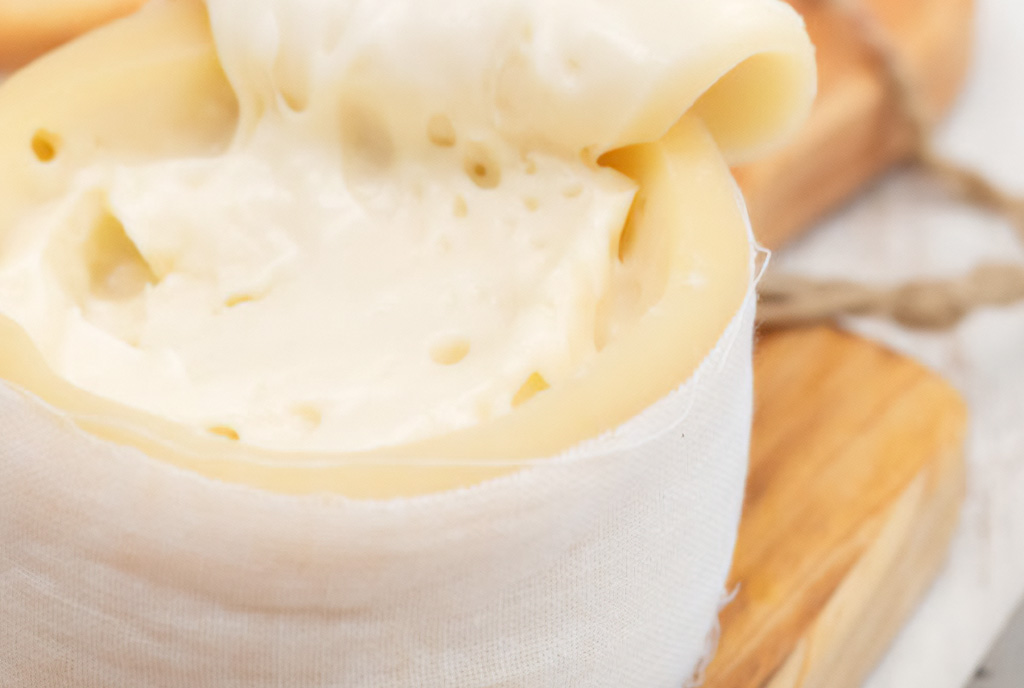
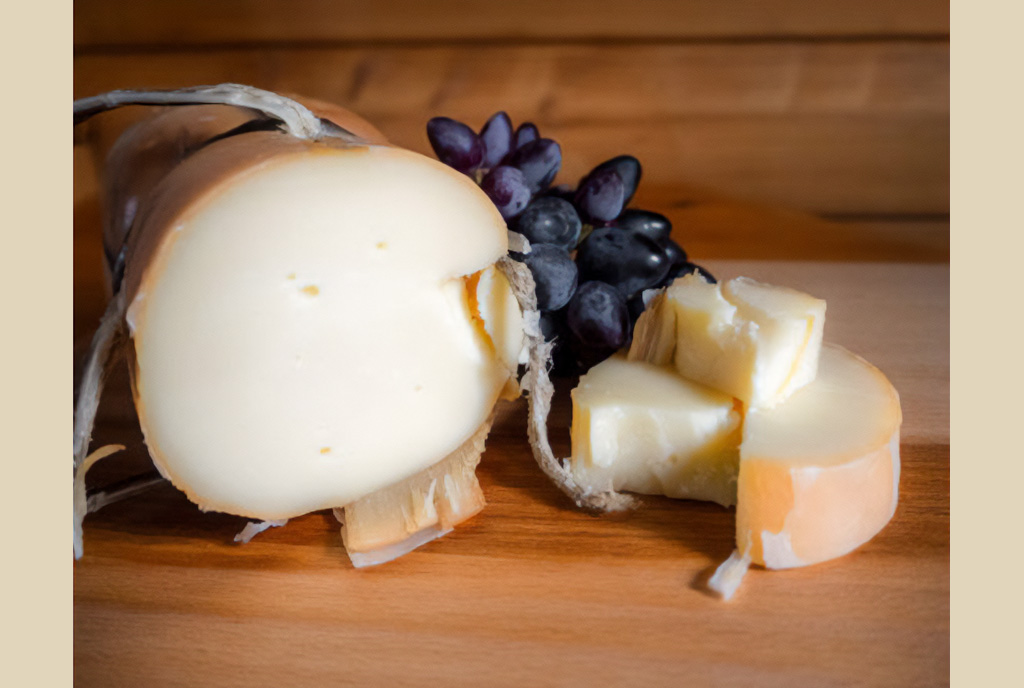
A Portuguese favorite, this tangy cheese is listed as an endangered food by the Slow Food movement and holds protected status from the EU. That means it can only be made in a small pocket of the mountainous Serra da Estrela region, and producers have to follow strict procedures. Made during the winter months from sheep's milk, it's a spreadable cheese with a big, bold flavor.
Halloumi
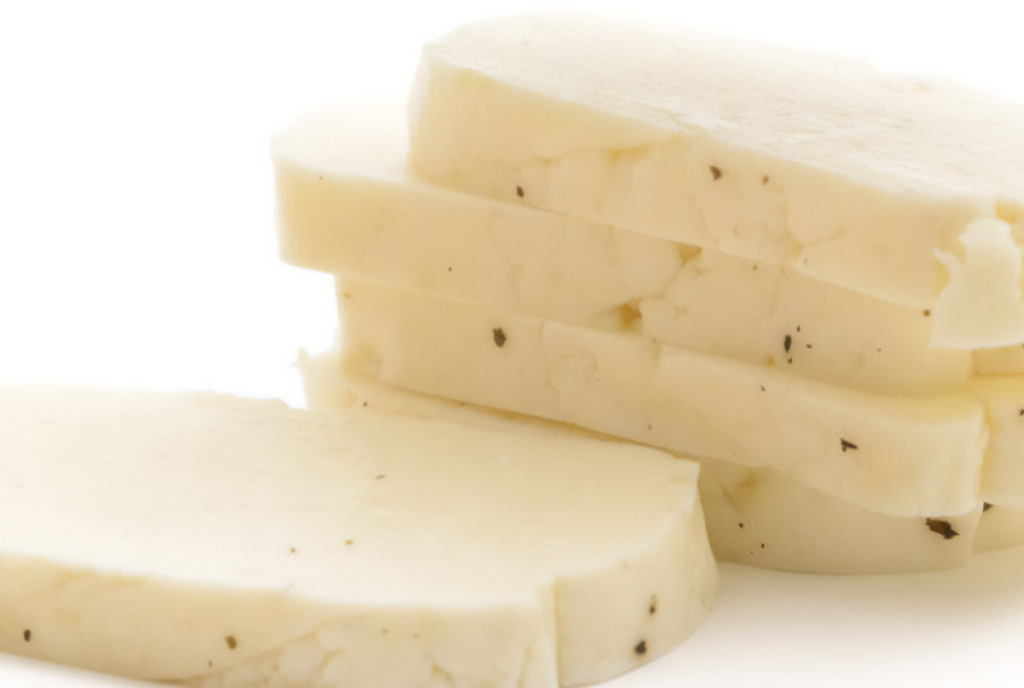
If you've been to Greece, you've probably had the pleasure of eating halloumi: a salty, rubbery, squeaky cheese that's perfect for the grill. Usually a blend of sheep's and goat's milk, halloumi originally comes from Cyprus, but it's now a staple across Greece and the eastern Mediterranean. Fry it until browned and crisp on the outside for the best experience.
Cheddar
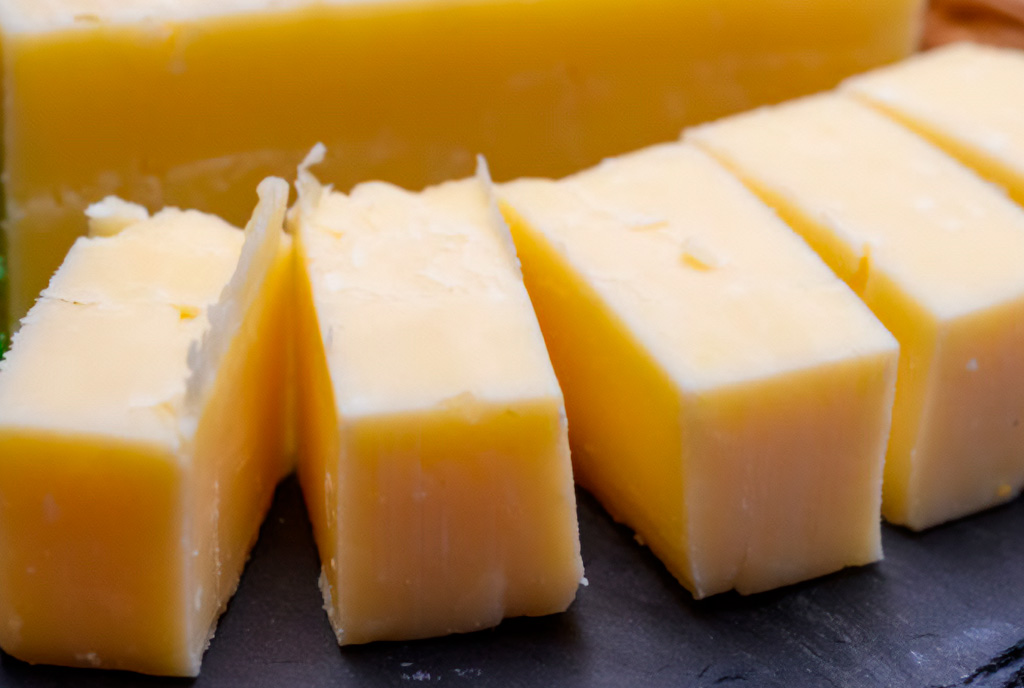
You might think you know cheddar, but the cheap, flavorless stuff you so often find in supermarkets is no match for the real thing. Sharp yet sweet, firm yet crumbly, genuine cheddar (from the town of the same name in southwest England) is a beautifully balanced cheese that's lovely on its own, with chutney, in recipes, or in a simple toasted sandwich. The finest examples may even have tiny crystals running through them. No wonder more than half the cheese sold in Britain is cheddar.
Manchego
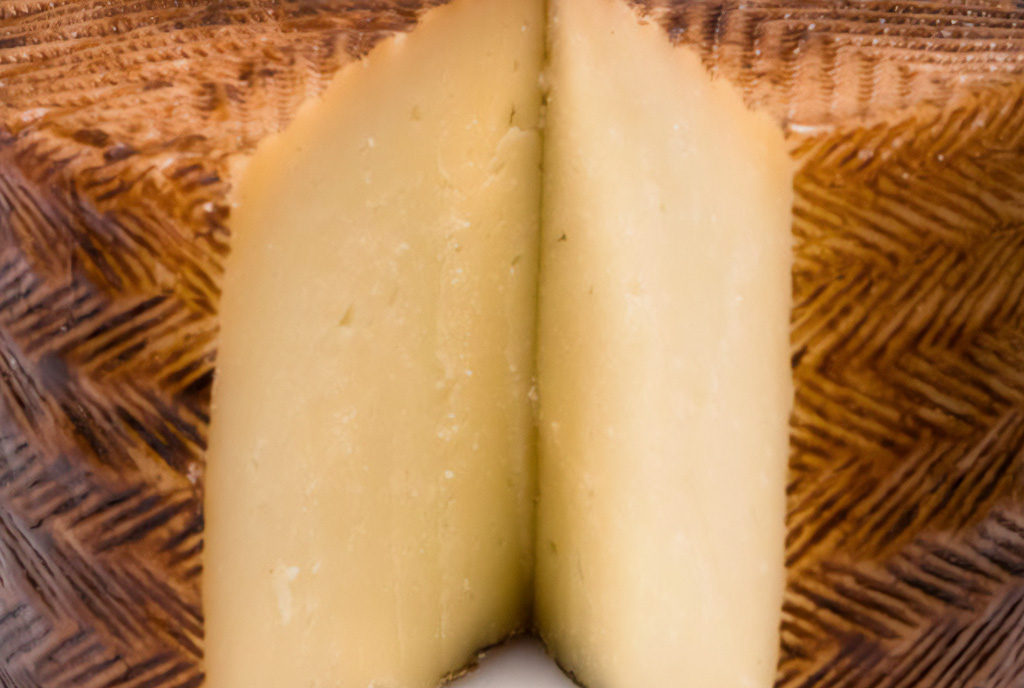
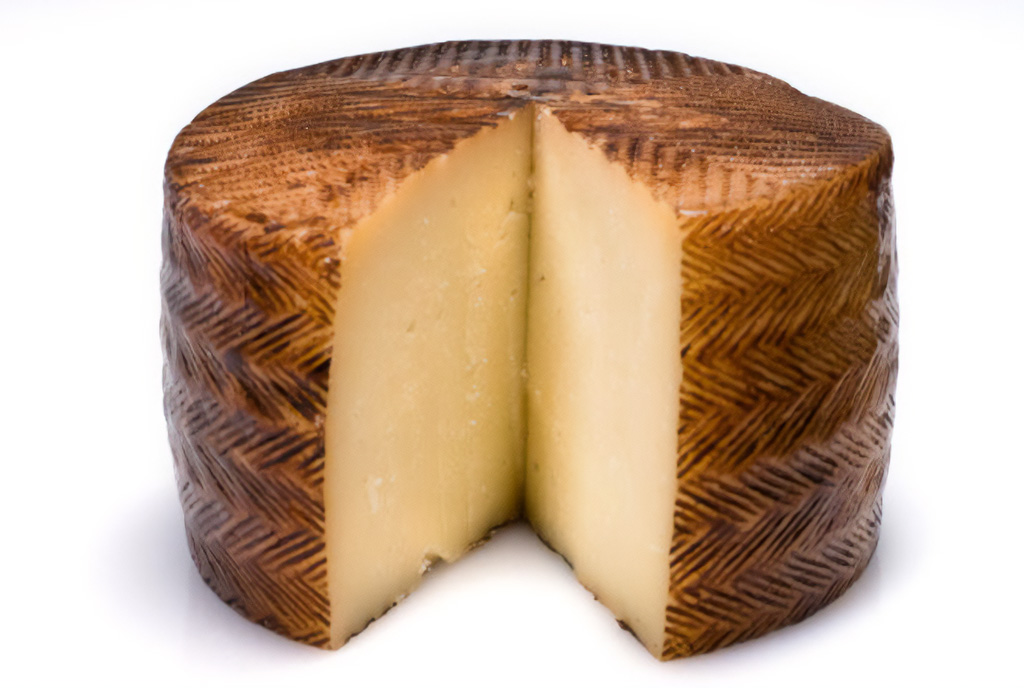
This is the king of Spanish cheeses, and for good reason: tangy but not off-puttingly sharp, firm but with a pleasantly crumbly edge, and a perfect match for membrillo, or quince paste. Even Cervantes name-checked it in "Don Quixote," that's how popular it is. Made from unpasteurized sheep's milk, it's aged anywhere from a couple of months to a couple of years, and the longer it goes, the tangier and more crumbly it gets.
Morbier
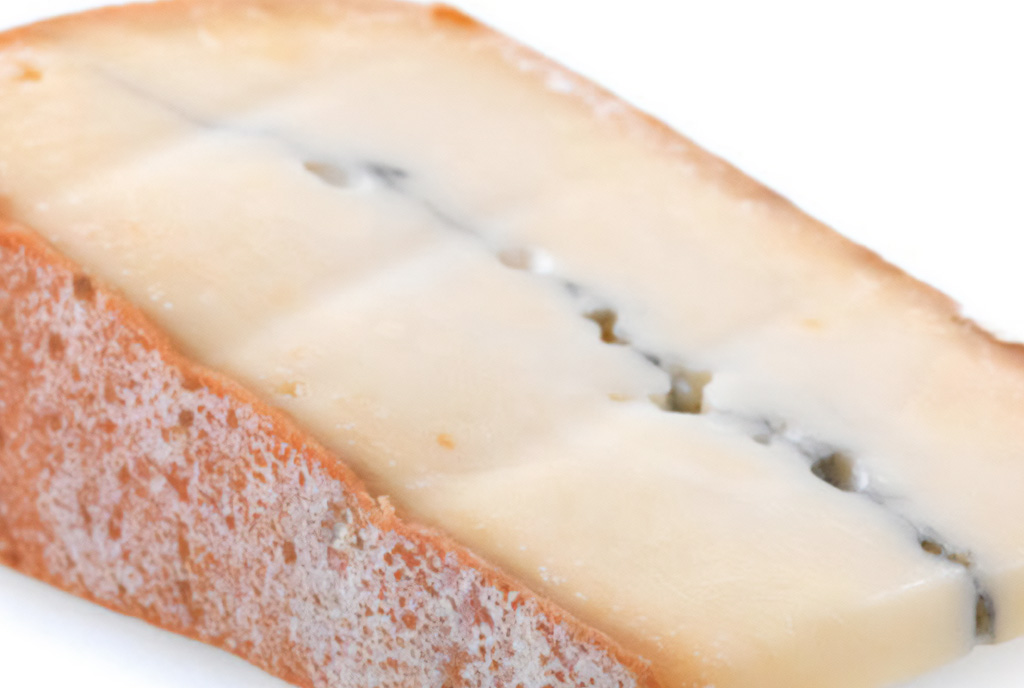
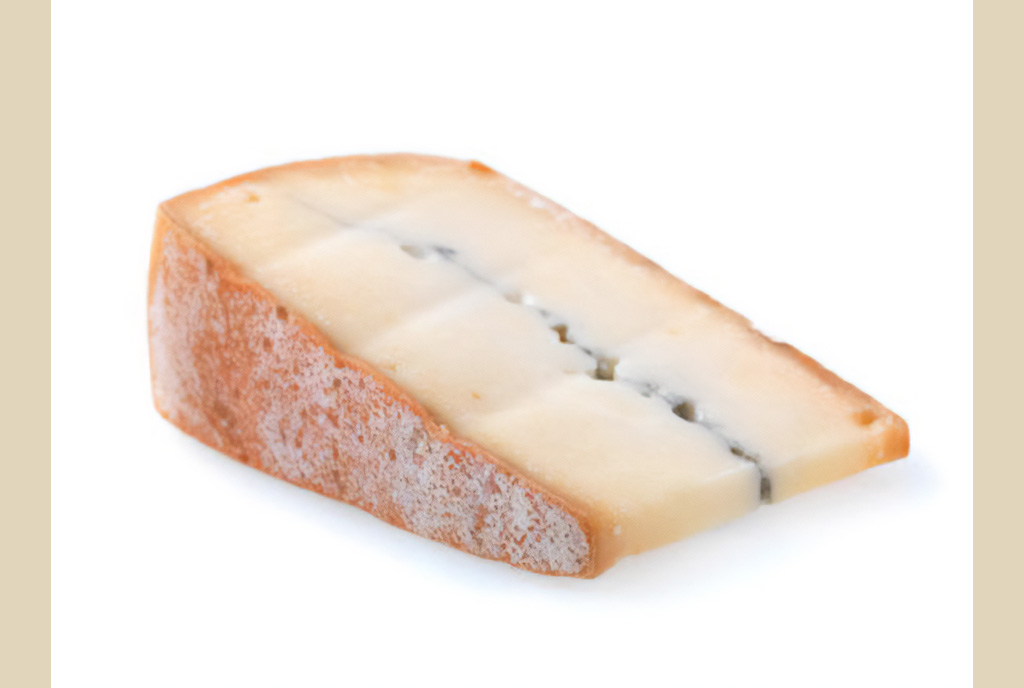
The gray streak running through its center makes Morbier one of the prettiest cheeses on our list. That line is actually ash, scattered over the first layer before the second one is added (it was originally made from morning and evening milk, though that's no longer the case). You won't taste it, though: Morbier, which holds protected status, is soft and creamy with a faintly bitter aftertaste that keeps it from being too sweet.
Bitto
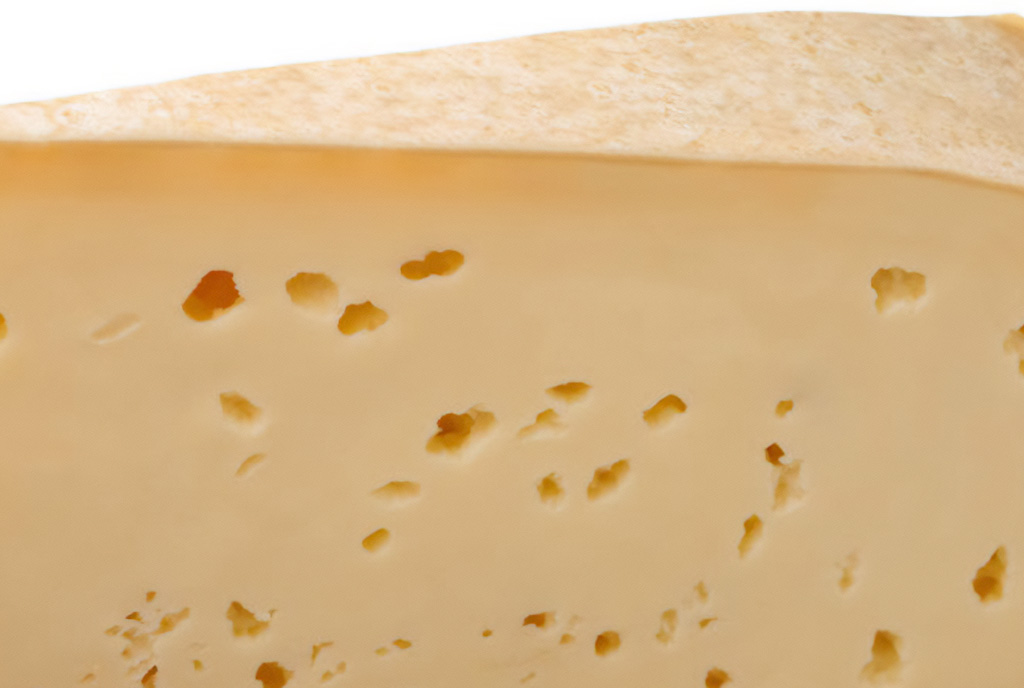
This 2,000-year-old cheese, made in the Orobie Alps of northern Italy from cow's and goat's milk, carries "Presidio Slow Food" status, which means it's an endangered product that usually costs more to make than the price it sells for. That last part isn't necessarily true of Bitto, though, since a good one (which can be aged for up to 10 years) can fetch some of the highest prices for cheese anywhere on the planet.
Havarti
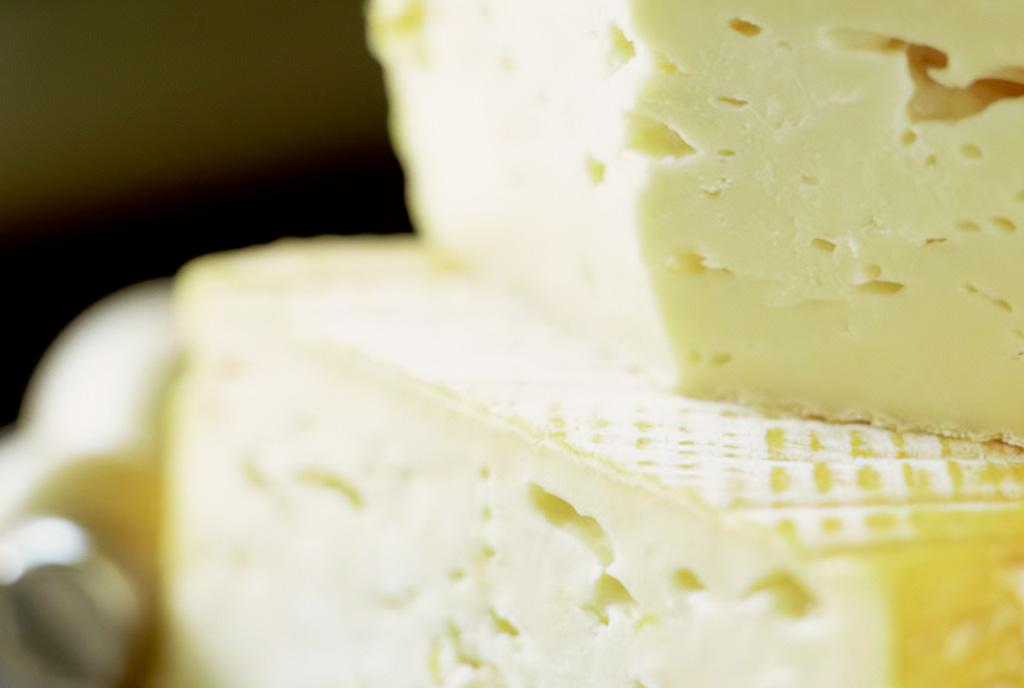
Halloumi isn't the only cheese that grills well. Havarti softens beautifully under the grill, and it also works nicely as a sliced cheese. Mild in flavor and semi-firm, it's named after Havartigaarden, a farm owned by Hanne Nielsen, who traveled around Europe to study the best cheesemaking techniques before returning to Denmark and applying her craft to the local milk.
Wensleydale
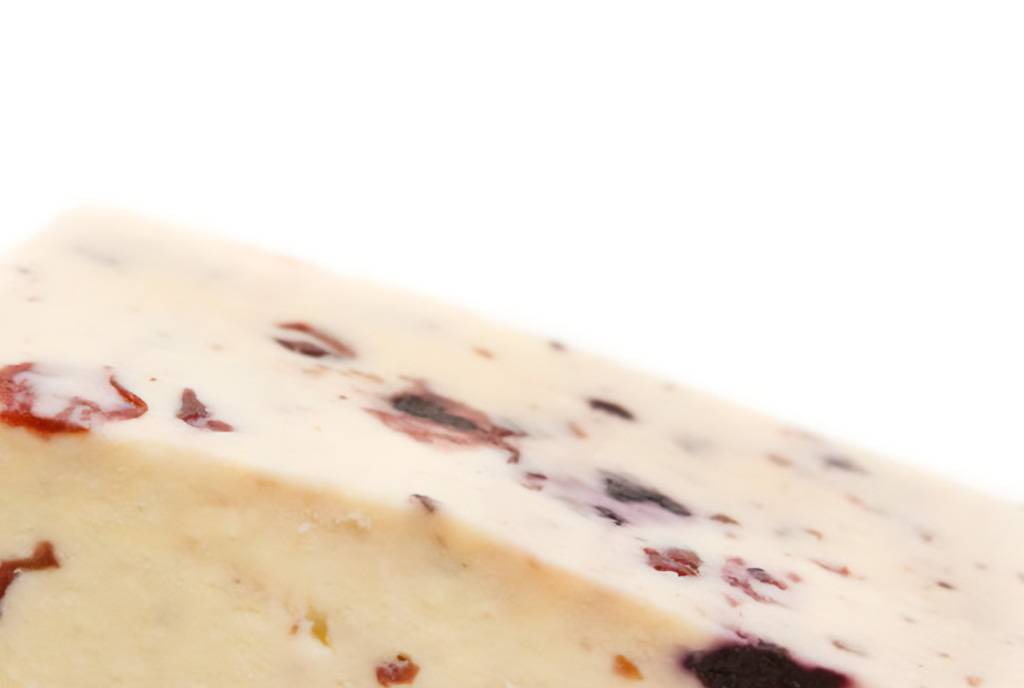
Cheddar may be Britain's most famous cheese, but few Brits get by without a bit of Wensleydale. That's especially true around Christmas, when Wensleydale studded with cranberries is a must on the cheese board. Made by monks in northern England since the medieval period, its mild flavor and crumbly texture have made it one of the country's most popular cheeses. It's even the favorite of cartoon characters Wallace and Gromit.
In Yorkshire (where it comes from), Wensleydale is often eaten with fruit cake.
Cabrales
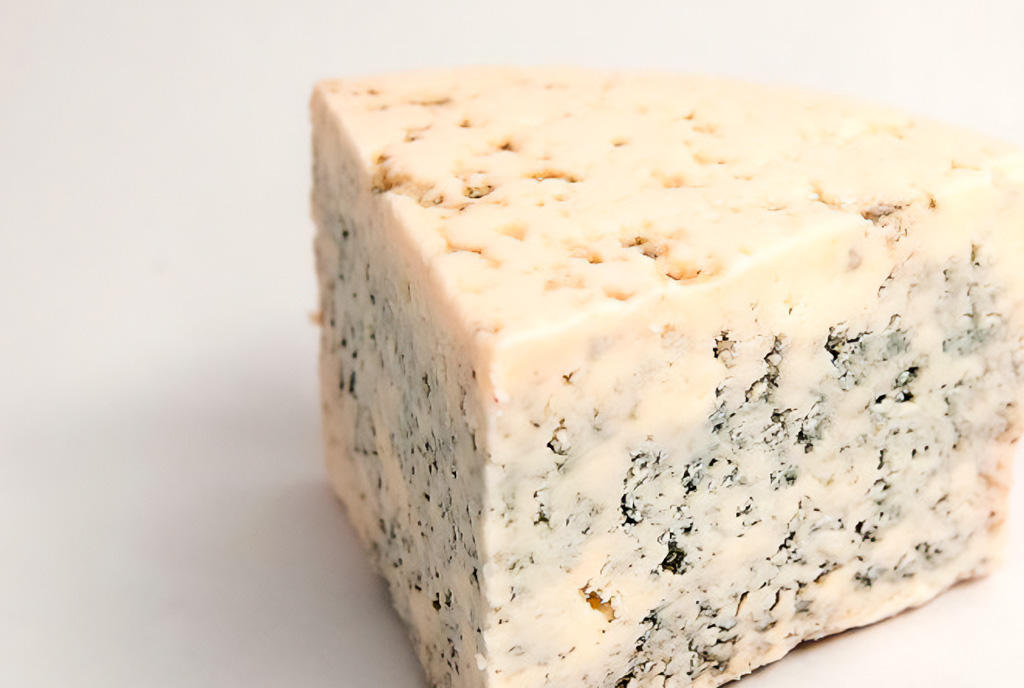
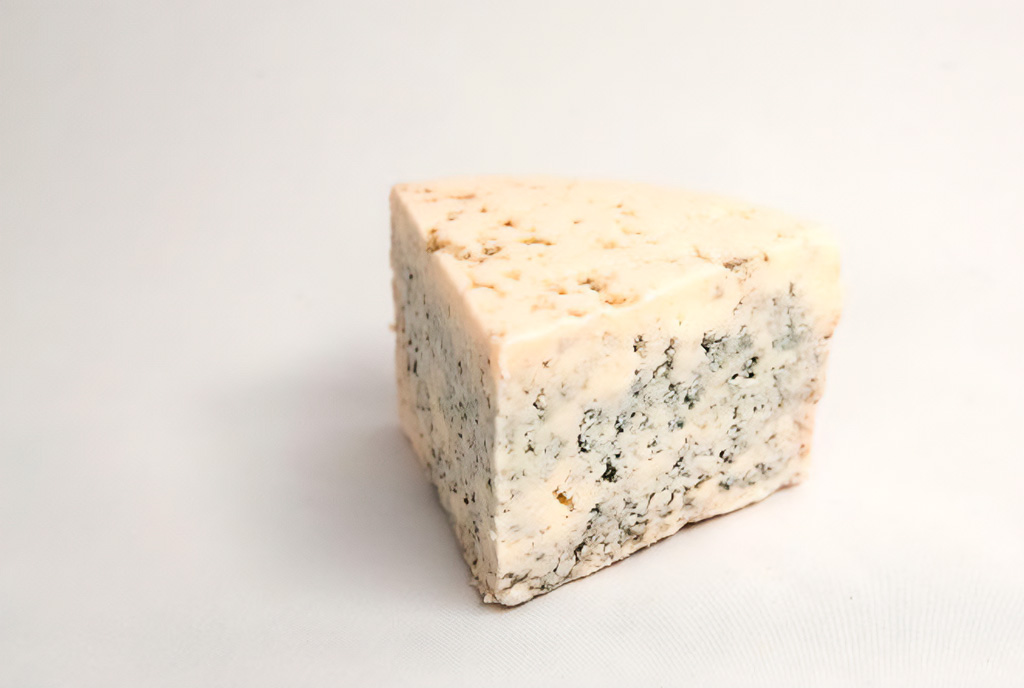
There's blue cheese, and then there's Cabrales, made in Asturias in the north of Spain and aged in caves for up to five months. Especially pungent (thanks to its blue-green veins and its blend of goat's, cow's, and sheep's milk), it's semi-firm, very salty, and incredibly delicious. Spread it on a cracker, but savor it: in 2019, a four-pound wheel of Cabrales sold at auction for a staggering $22,890, making it the most expensive cheese in the world.
Comte
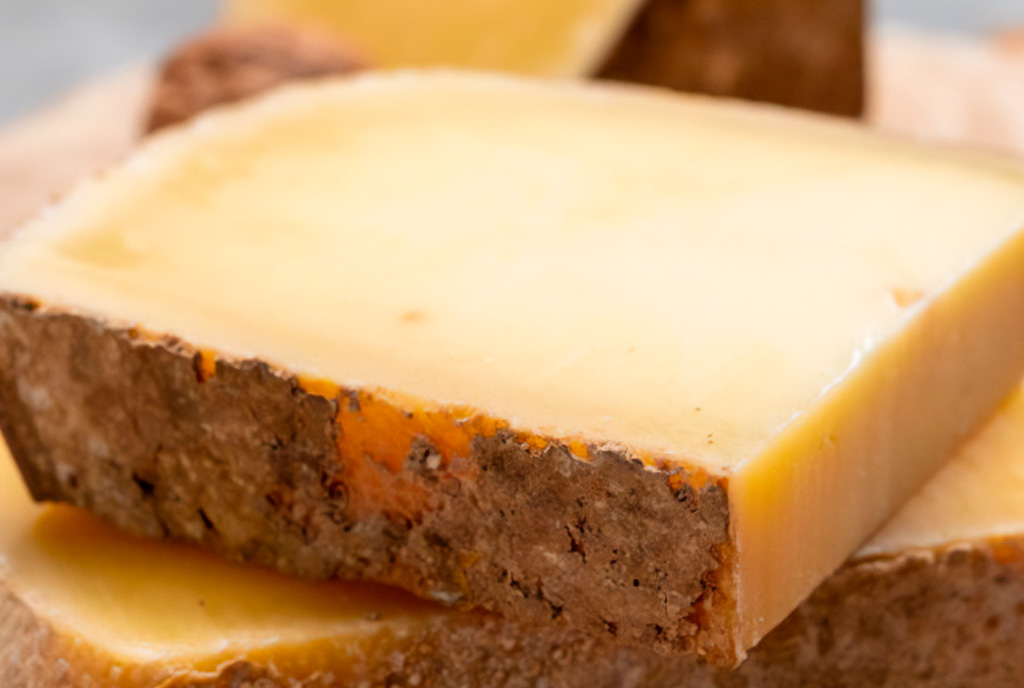
If you think it tastes like Gruyere, you're right: it's made in the Franche-Comte region of France, right on the Swiss border, and it's also known as Gruyere de Comte. Once again, it's sweet but nutty, with a good hit of saltiness, and the texture is just as firm. That said, fans of both cheeses argue that Comte is a touch creamier. Best to try them side by side and judge for yourself.
Pecorino Romano
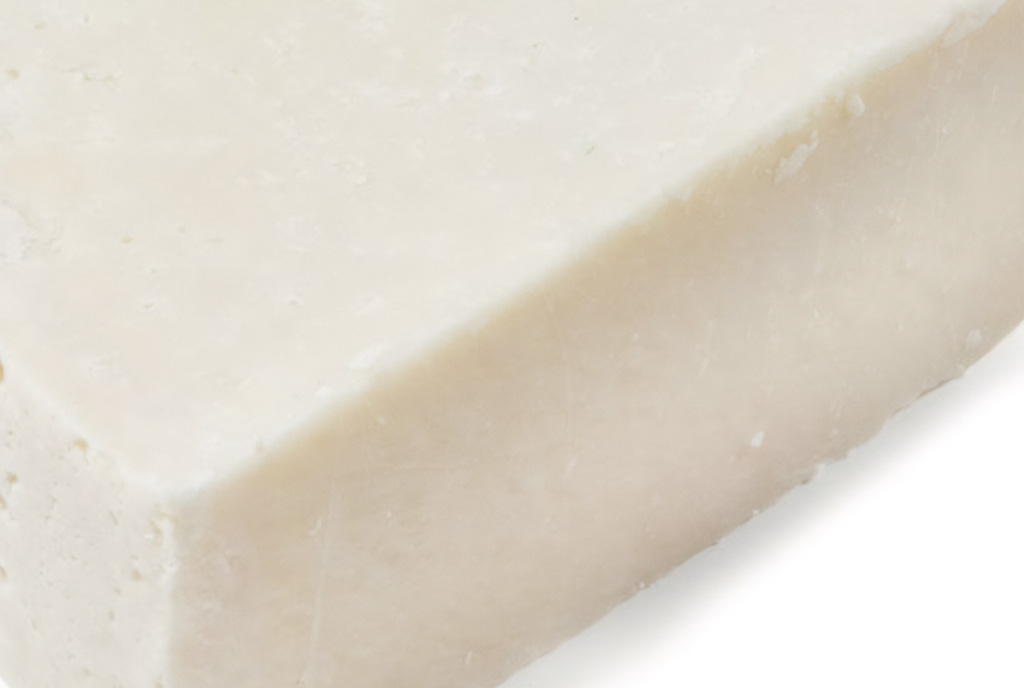
Here's another of Italy's great all-rounders. Like Parmesan and Grana Padano, it's often grated over pasta, but where those two are nutty, Pecorino has a salty tang. It can be made in several areas (Sardinia turns out an excellent Pecorino Romano, as does Lazio, where it originates), but it's always made from sheep's (pecora) milk and always firm, flaky, and packed with saltiness. The famous Roman pasta dishes gricia and amatriciana both rely on Pecorino.
Bryndza
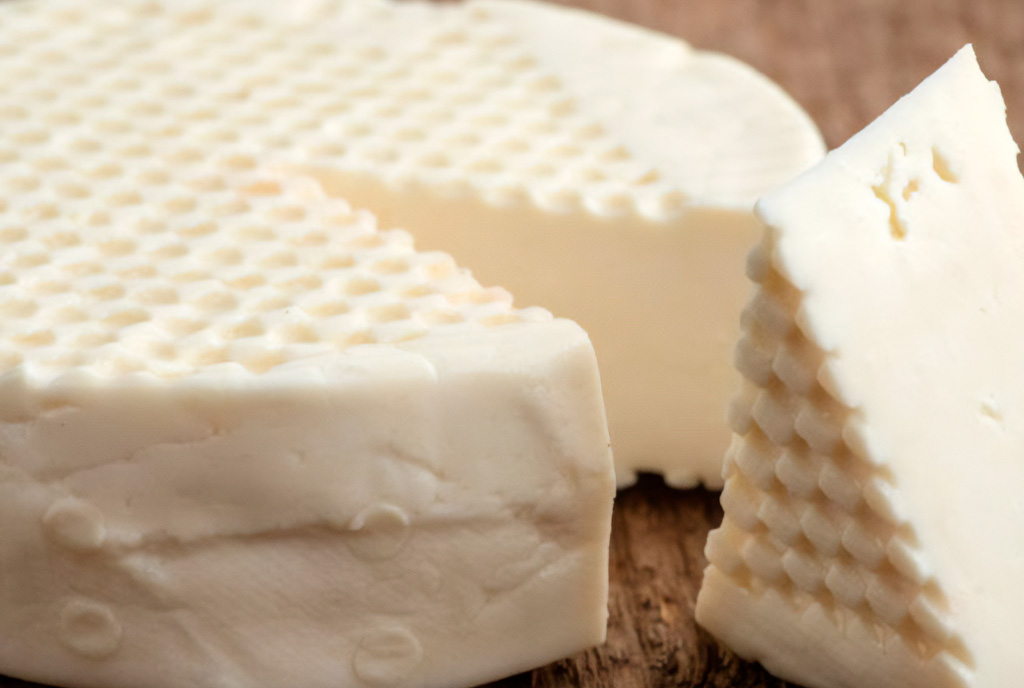
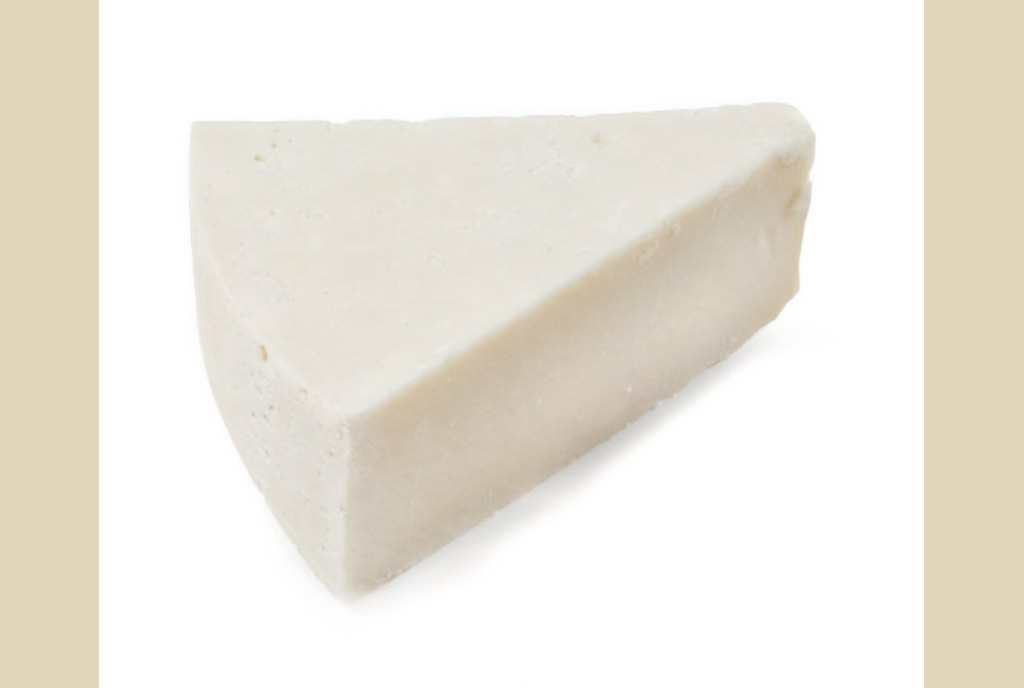
A crumbly, tangy white cheese, Bryndza is perhaps best known as a product of Slovakia, but it's eaten right across the Carpathian Mountains, and its name comes from the Romanian word for cheese. Its slightly sour flavor and spreadable nature make it a great filling for dishes, such as bryndzove halusky, a popular Slovak dish of dumplings.
Gouda
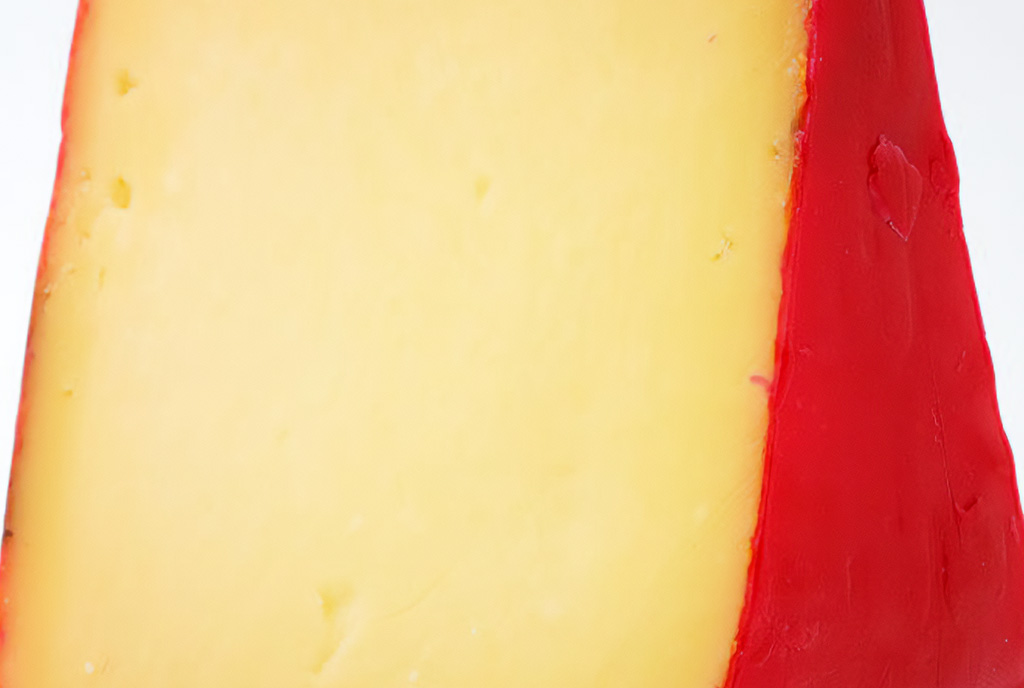
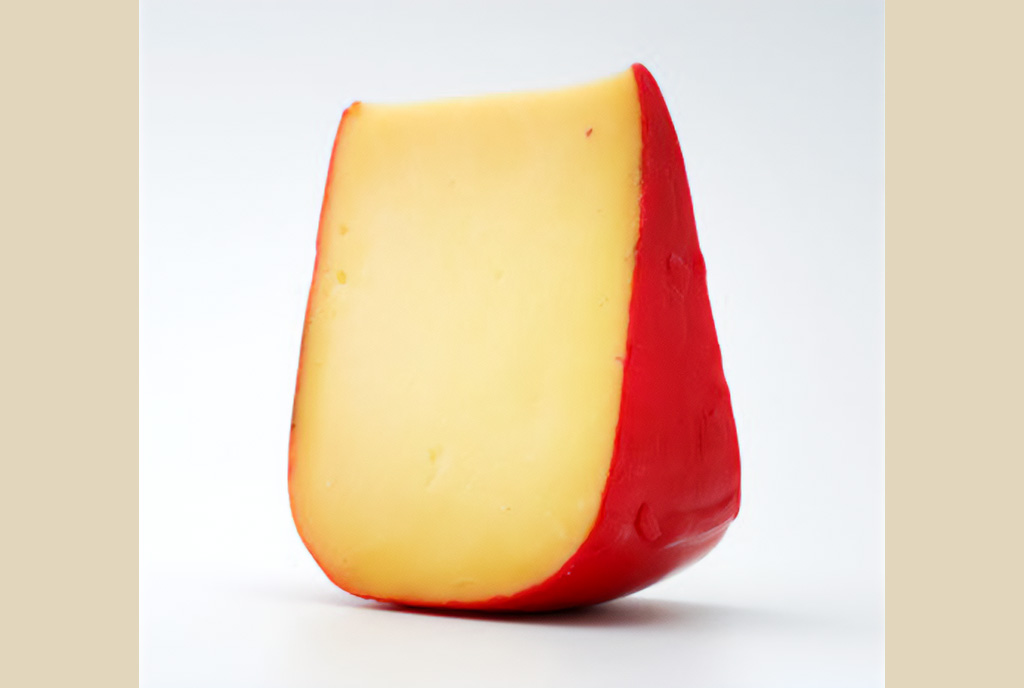
The Netherlands is famous for its cheeses. The weekly cheese market in Alkmaar, where the traditional weighing and carrying is reenacted, is one of the country's must-see sights. There you'll find stalls piled high with Gouda, perhaps the most famous Dutch cheese of all. A glowing orange, it's been made since the medieval period (the first written mention of it dates back to 1184). It can be aged anywhere from a few months to several years, and while young ones are softer with an almost sweet flavor, the wheels grow firmer and nuttier the longer they age.
Callu de Cabrettu
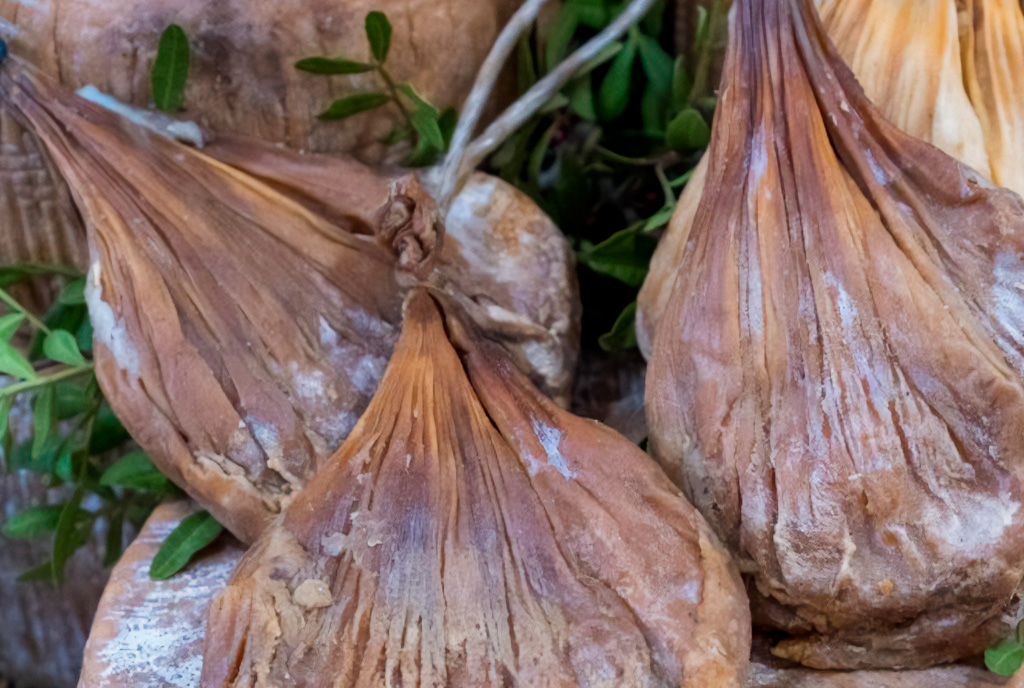
You may have heard of Casu Marzu, the most dangerous cheese in the world, but you're unlikely to buy it, since its sale is banned. Instead, try this goat cheese, also made in Sardinia, an island known for its sheep and shepherds. If you're squeamish, look away now: the cheese is made from the stomach of a young kid, still full of its mother's milk. The stomach is tied off, hung up, and left to age naturally until it turns into a tangy, almost creamy cheese. This one is for the true devotees.
Metsovone
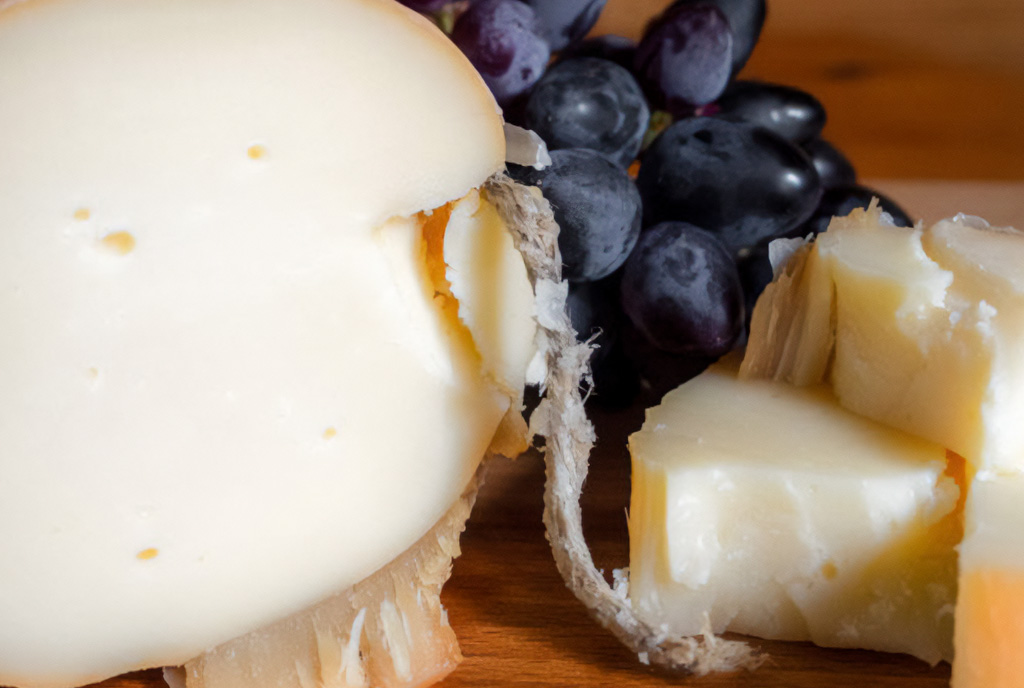
You know all about feta, of course; now it's time to try a lesser-known Greek cheese. Metsovone comes from the country's remote north, specifically a mountain town called Metsovo. Made from cow's milk, either on its own or with a small addition of sheep's or goat's, it's semi-firm and naturally smoked. Like that other Greek staple, halloumi, it takes particularly well to the grill.
Vieux-Boulogne
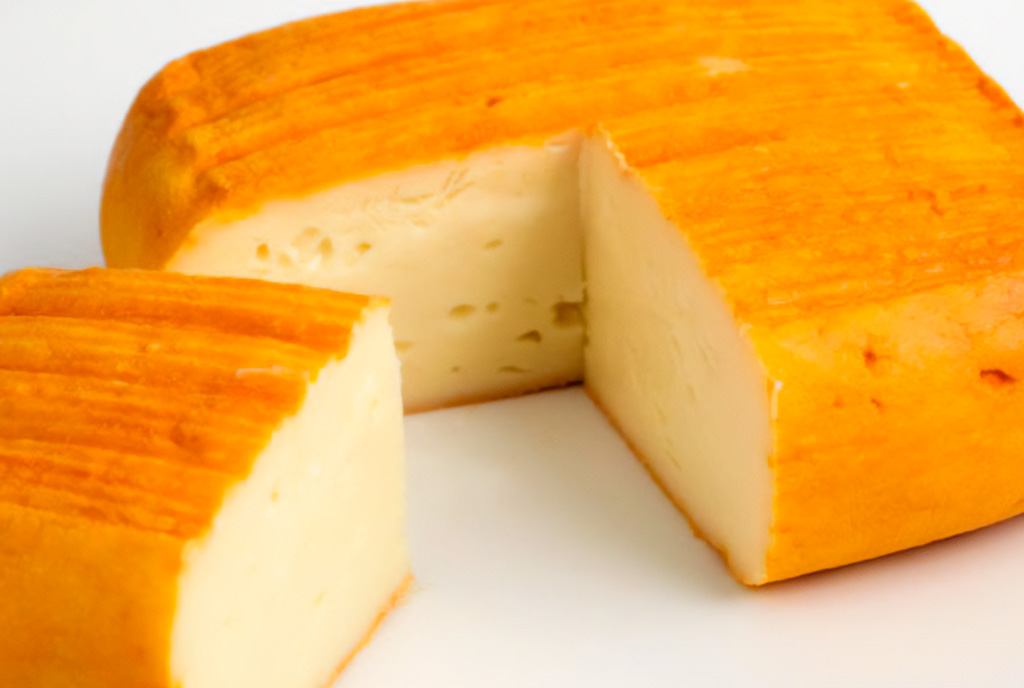
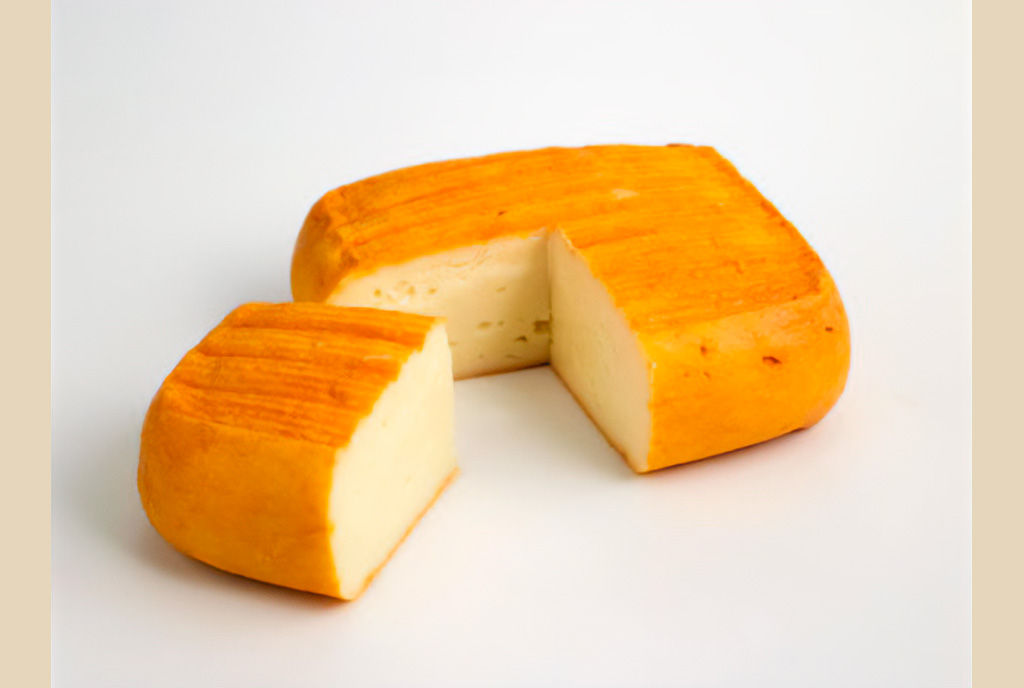
It's said to be the smelliest cheese in the world, and that's no small feat, especially considering it comes from France, where pungency is very much in fashion. Made in the northern coastal region of Pas-de-Calais since the 1980s, it's unpasteurized and unpressed, which makes it soft as well as smelly beneath that glowing orange rind. Don't forget to serve it with a chunk of baguette.
Jarlsberg
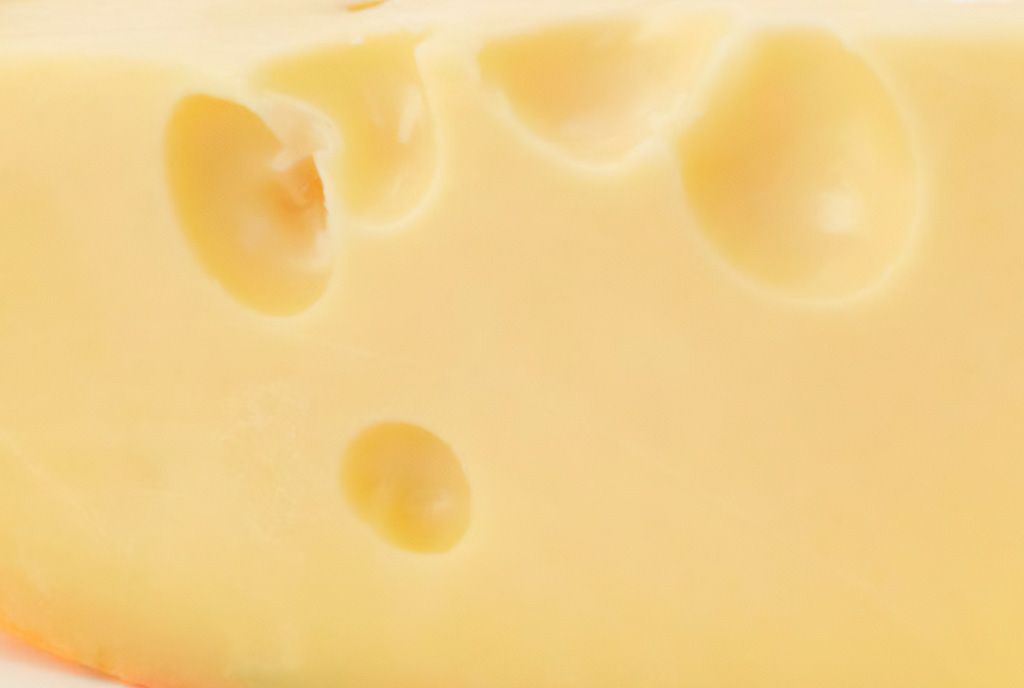
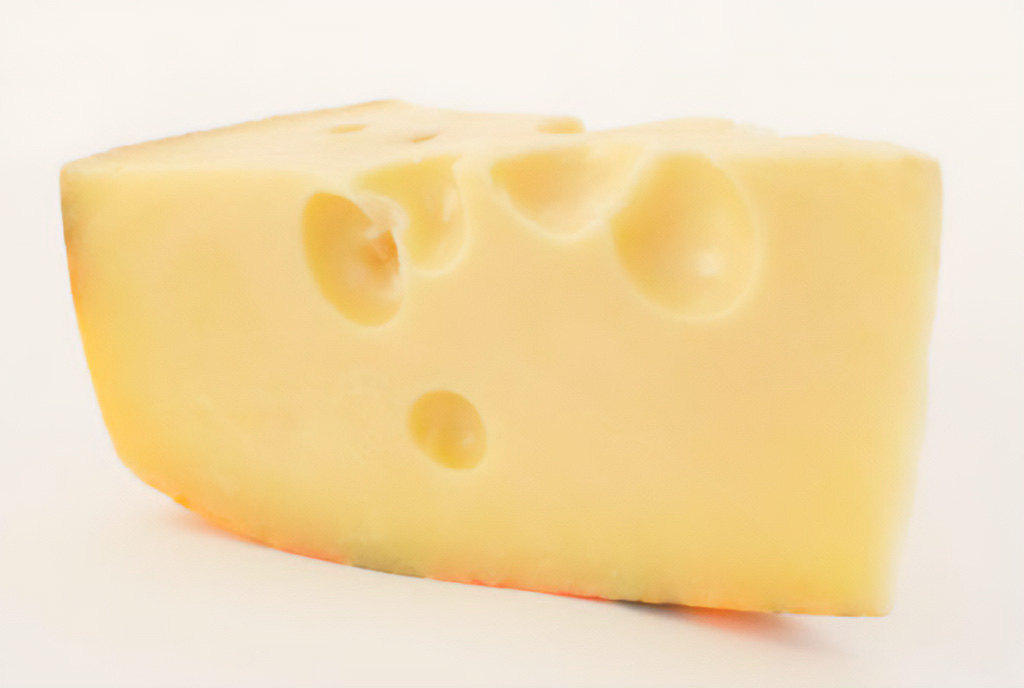
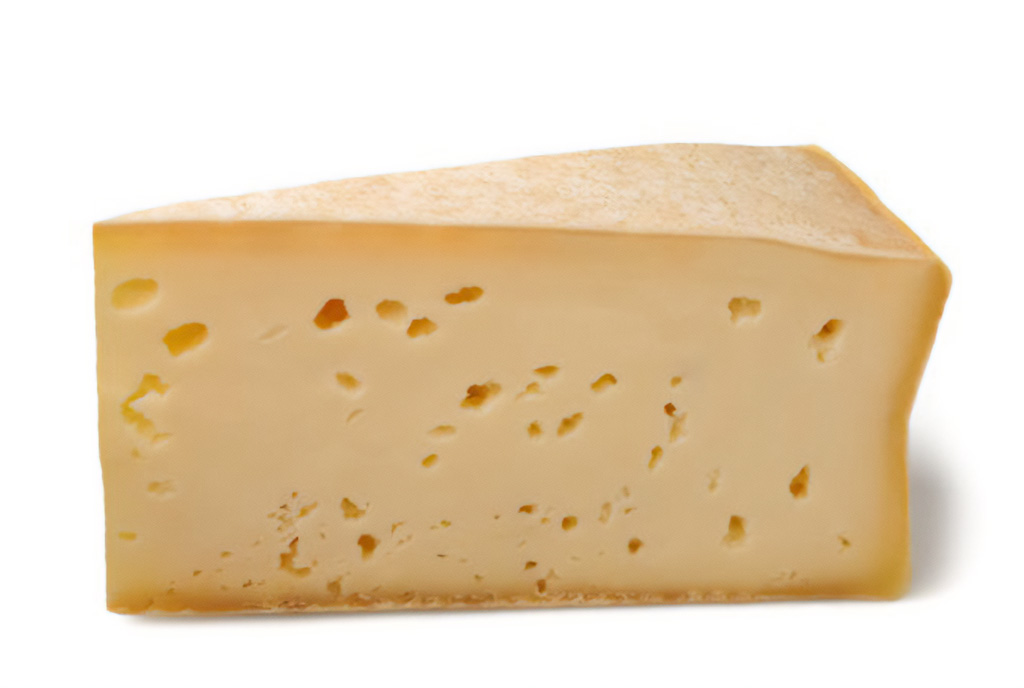
You might assume a slightly sweet cheese full of enormous holes could only mean Switzerland, but sweet, nutty Jarlsberg comes from Norway, though Swiss Emmental was brought to the area in the 19th century, before Jarlsberg came along. It's also made under license in Ireland and the United States, specifically in Ohio.
Gubbeen
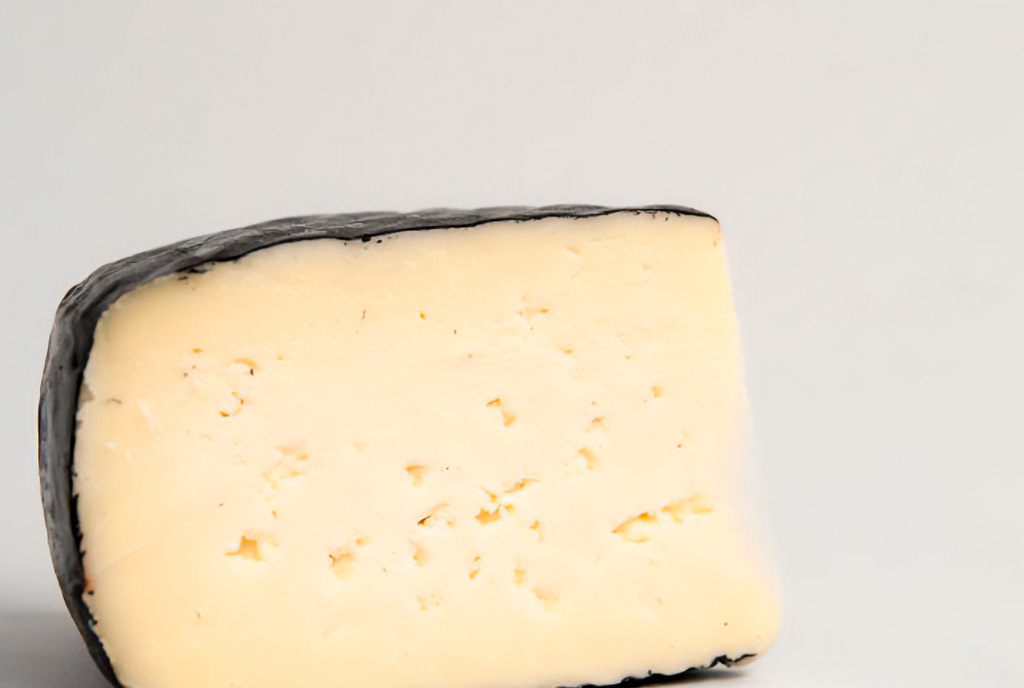
Ireland's best-loved cheese has a beautiful wrinkled rind, a soft, semi-soft center, and a mild, if slightly nutty, flavor. Want something stronger? There's a smoked version too. One sweet detail: the rind is washed daily during the ripening process.
Puzzone di Moena
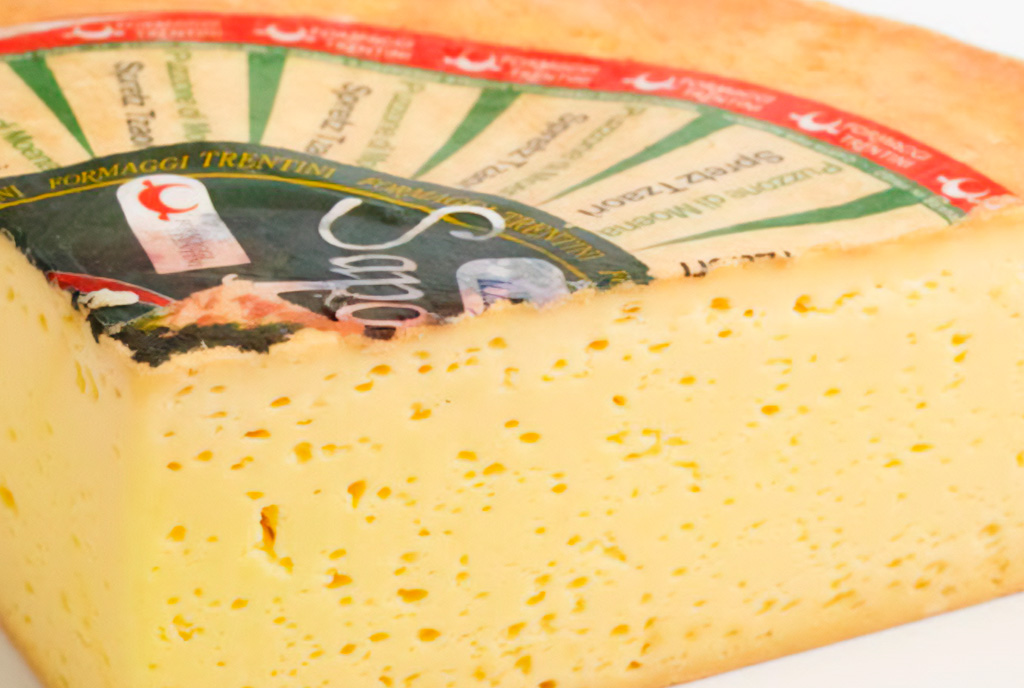
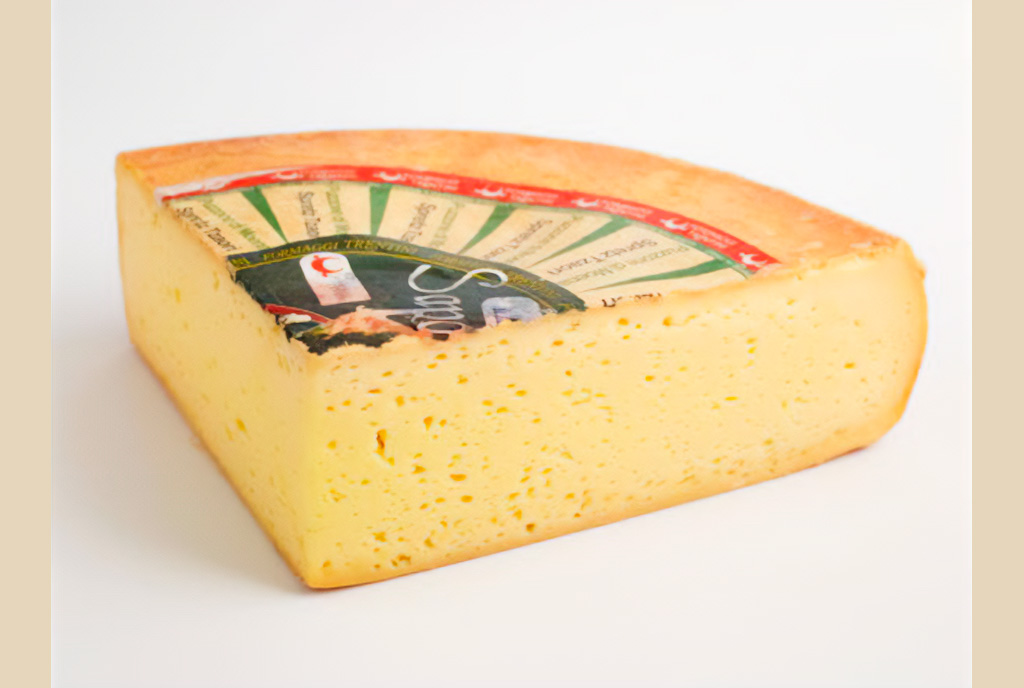
The name means "the big stinker from Moena," which should give you a fair idea of how this cheese from Trentino in northern Italy tastes. A traditional cheese of the Ladin people (a distinct ethnic group living in the Dolomites), it was originally popular with farm workers who liked to add some variety to their limited diet. Once called Fassa Nostrano, its name was changed in 1974 after a radio broadcast. Now it's popular with people who simply want to eat it because of the name.
Luneberg
The warm orange glow that this Austrian cheese gives off comes from the saffron mixed into milk from cows grazing the mountain valleys around Vorarlberg in the west of the country. There's a strong Swiss influence in the area. The result? It tastes like a more aromatic, saffron-tinged Emmental.