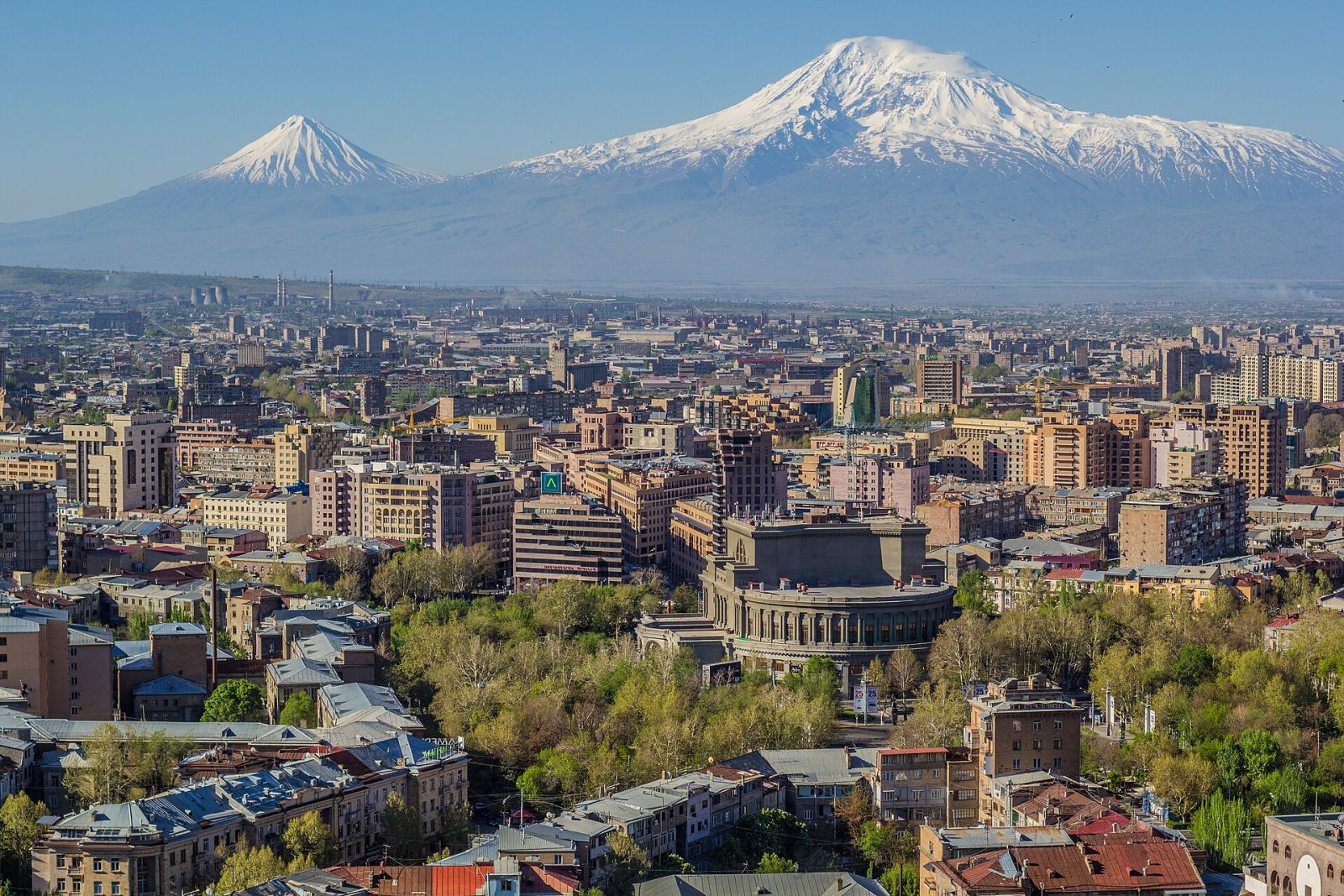


Armenian food rests on three pillars: fire, dough and dried fruit, and its cornerstone, lavash flatbread, was inscribed on UNESCO's list of intangible cultural heritage back in 2014. This is one of the world's oldest culinary traditions, and also one of the most affordable to explore: a filling lunch in Yerevan still costs noticeably less than in Tbilisi or Istanbul.
One nuance saves a lot of disappointment: Armenian cuisine is not spicy. If you are expecting Georgian adjika levels of heat, the logic here is different. Flavor is built on herbs, smoke and tang.
Khorovats: barbecue as a national idea
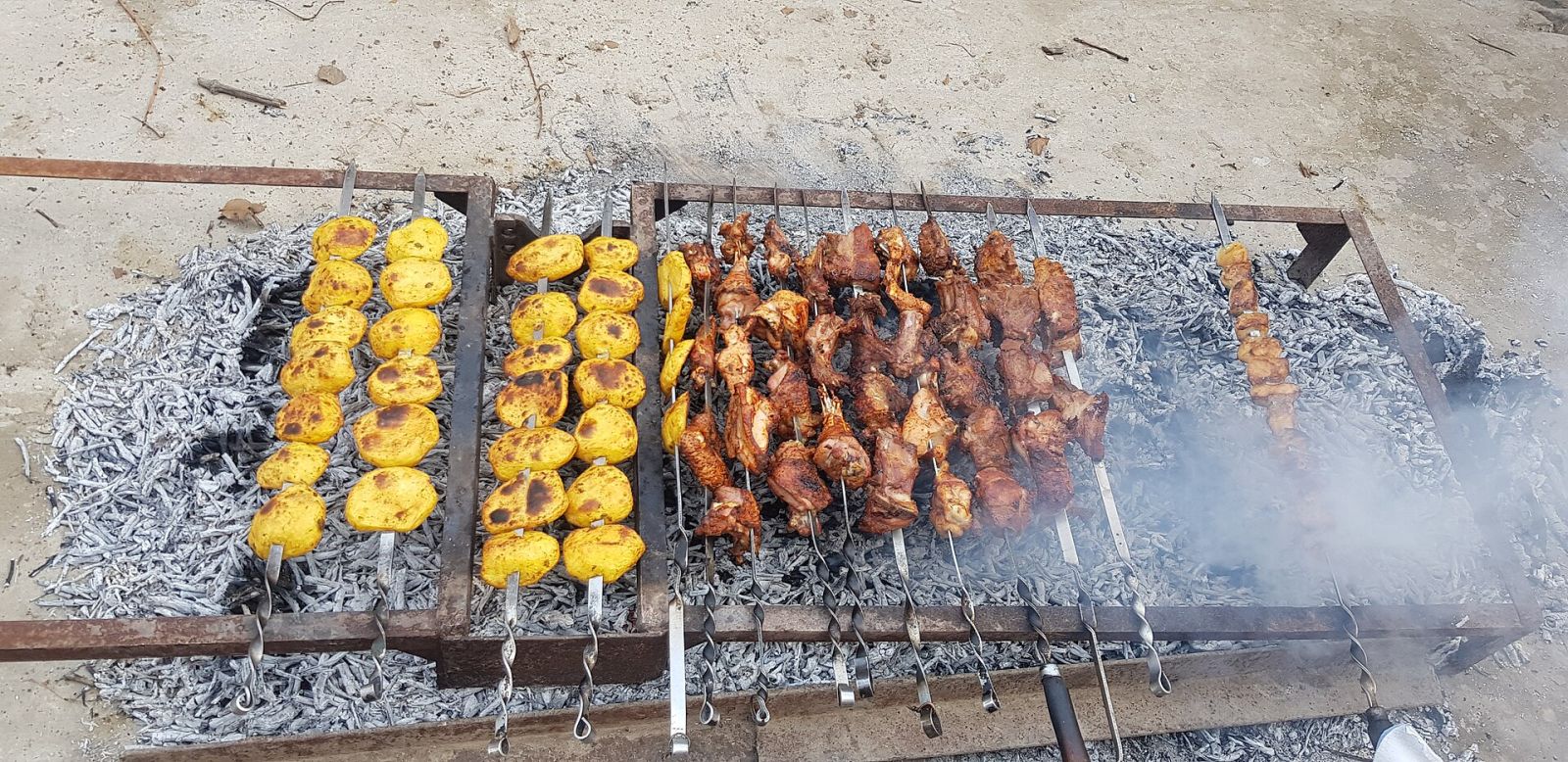
Khorovats, Armenian barbecue, is not a menu item, it is a genre of its own. The meat, most often large bone-in cuts of pork, gets minimal marinade, frequently just salt, pepper and onion, because the real ingredient is smoke from charcoal or grapevine wood. It always comes with vegetables roasted on the same grill: eggplant, peppers and tomatoes, peeled of their charred skin and dressed with herbs. That vegetable course carries the same name, khorovats, and for vegetarians it works as a full main.
You can try it anywhere, from roadside grills to restaurants, but one address is legendary: Proshyan Street in Yerevan, which locals bluntly call barbecue street. Portions are enormous everywhere, one order between two people is the safe move.
Dolma: a regional dispute that tastes great
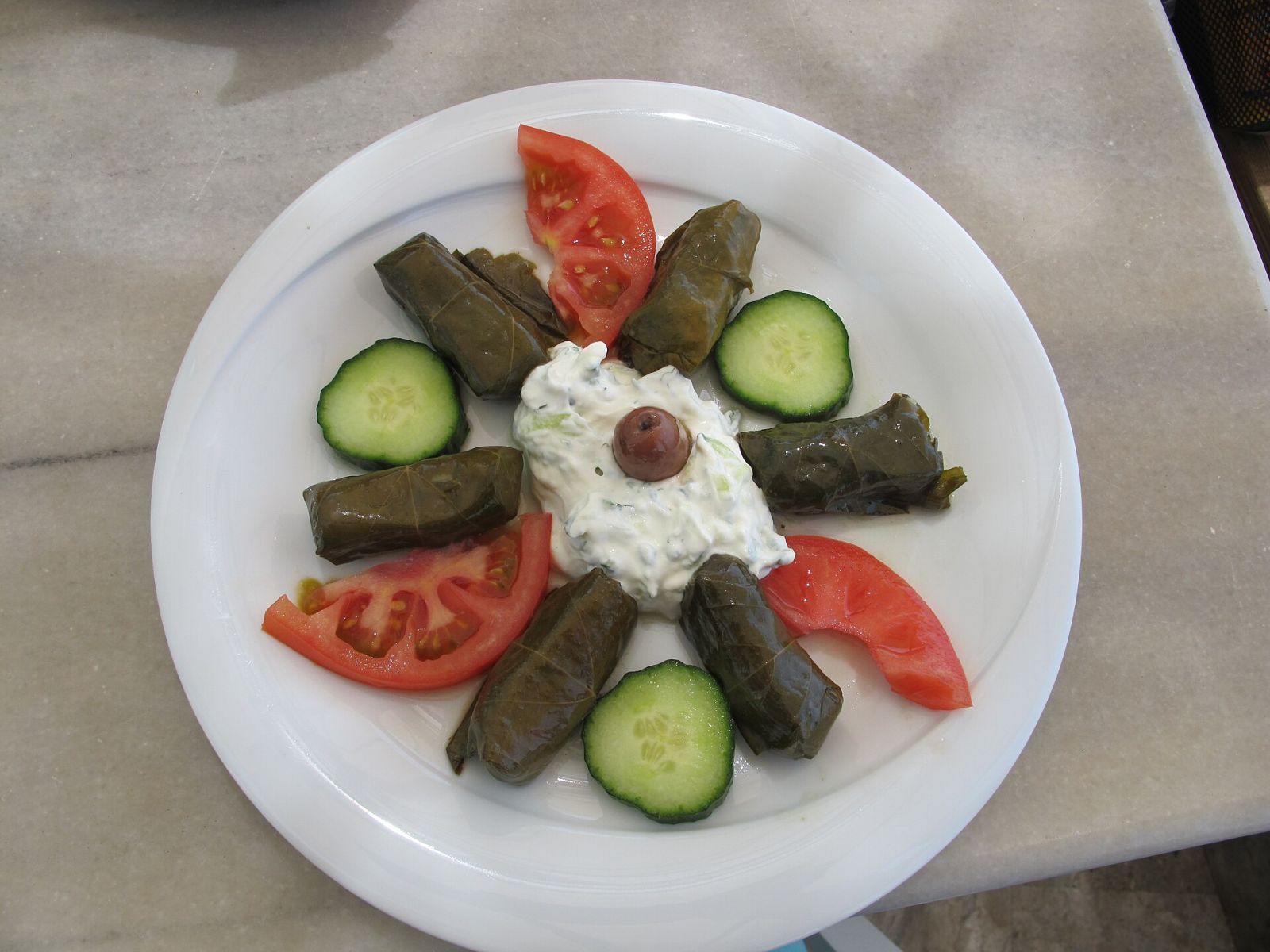
Dolma, beef and rice with herbs wrapped in grape leaves, is another dish half the region claims as its own. The Armenian version stands out for its herb mix, and during fasting periods it gets a meatless filling of lentils and beans, called pasuts dolma. It is served with matsun, a garlicky fermented milk sauce, and that pairing, hot dolma with cold matsun, is the correct way to eat it.
Lavash: the bread on UNESCO's list
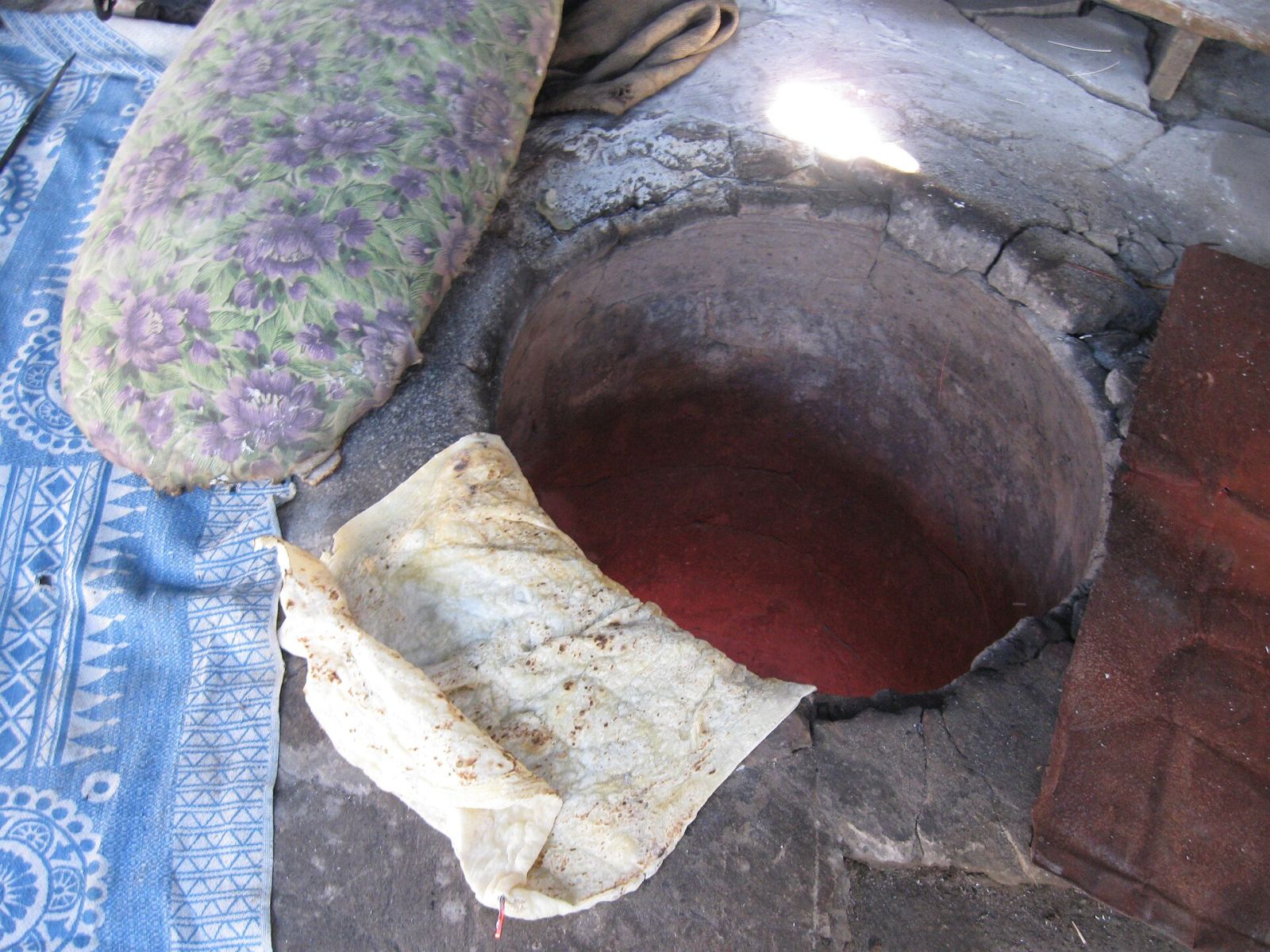
Thin lavash is baked in a tonir, a clay pit oven: the dough is stretched over a cushion and slapped onto the scorching wall, and the sheet is ready in half a minute. This exact technique and the culture around it are inscribed on the UNESCO intangible heritage list. Lavash here is not a side dish but a tool: it wraps cheese and herbs, it picks up meat, and dried sheets keep for months, revived with a sprinkle of water.
Look for places with the tonir right in the dining room: in many restaurants in Yerevan and Garni, lavash baking doubles as a small show, and a fresh hot sheet with cheese costs pennies. A separate variety that is easy to miss: zhengyalov hats, a flatbread stuffed with up to twenty kinds of wild greens, cooked on a dry pan and sold straight from street stalls.
What else to order?
- Khash: a dense broth of beef feet eaten in the morning, with dried lavash and garlic crumbled in. A winter ritual more than a dish, not the gentlest introduction to the cuisine.
- Spas: a yogurt and wheat soup, light and pleasantly sour, eaten hot or cold.
- Ishkhan: Sevan trout, baked or grilled. The logical place to order it is at Lake Sevan itself, in the fish cafes near Sevanavank.
- Kufta: meat pounded until springy and shaped into balls, more delicate than it sounds.
- Basturma and sujukh: air-dried spiced beef and cured sausage, the best edible souvenirs after the sweets.
Gata and the sweets of the GUM market
Gata, a layered pastry with a sweet filling of flour, butter and sugar called khoriz, is Armenia's signature dessert. Every region has its own canon: the round Garni version sold next to the Garni temple, the flaky Yerevan style, huge decorated versions for holidays. Buy it fresh, ideally still warm.
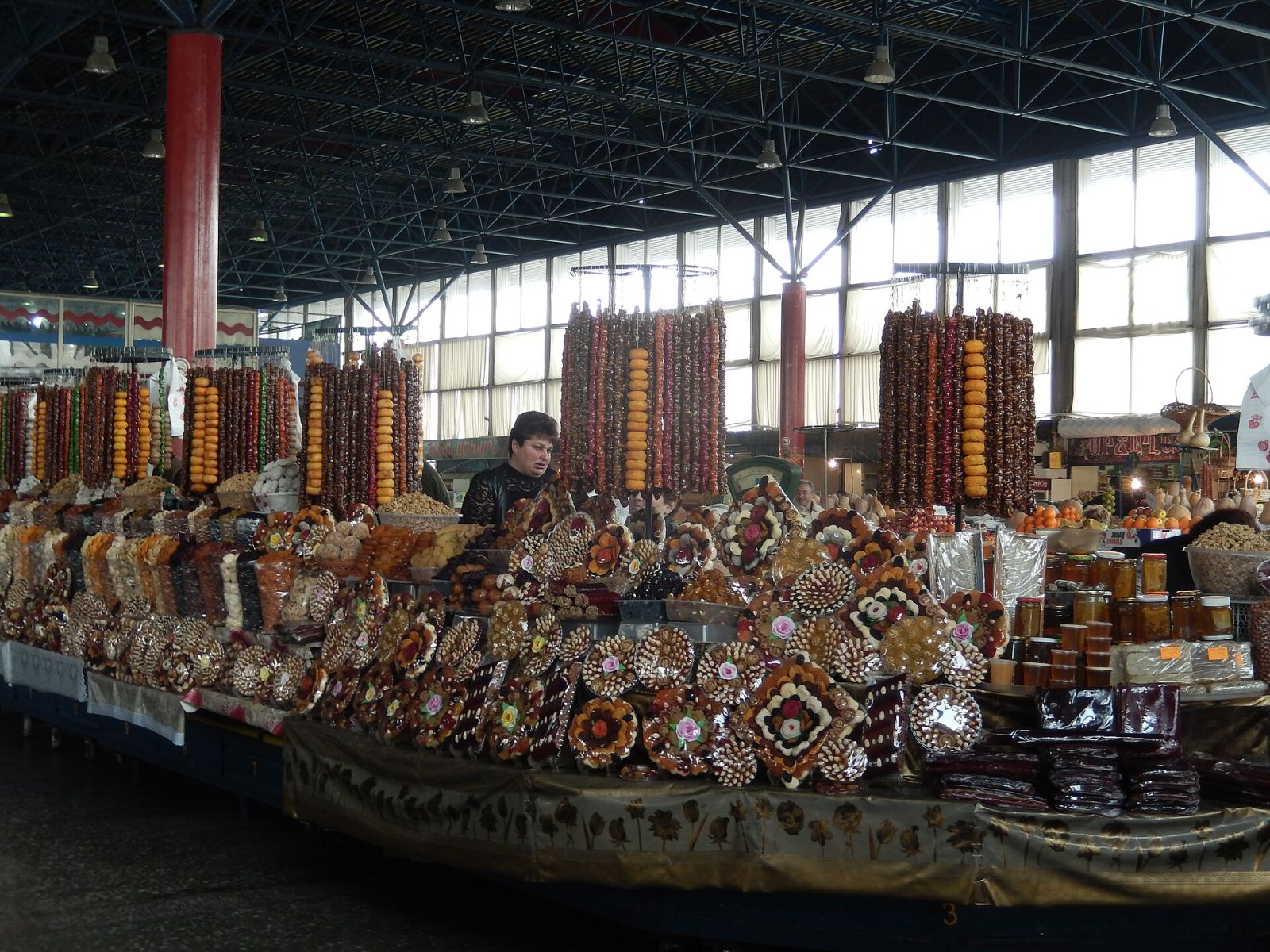
For everything else sweet, head to the covered GUM market in Yerevan, a gastronomic landmark on par with the monasteries. Rows of dried fruit stacked in pyramids, apricots and prunes the size of half a palm, figs, peaches. The signature item is sweet sujukh: walnuts threaded on a string and dipped in thickened grape juice, shaped suspiciously like a sausage, hence the name. Also look for fruit lavash, sour sheets of dried plum or cherry-plum paste. Haggling is expected, and vendors hand out samples generously before you buy anything.
Armenian brandy and Areni wine
The brandy story is the famous one: the Yerevan Ararat factory has been running since 1887, and a tour with a tasting at the ArArAt facility is a classic of any itinerary, book ahead. Technically the drink is brandy, not cognac, but you will never hear that word at an Armenian table. For bottles to take home, go for five stars of aging or more.
The wine story is more interesting than most visitors expect: in the Areni-1 cave, archaeologists found the world's oldest known winery, over 6,000 years old. Modern wines from the indigenous Areni grape, dry reds above all, have made a serious quality leap over the past decade, and tastings in Areni village slot neatly into the drive toward Tatev. In Yerevan the scene centers on Saryan Street, lined with wine bars and known locally as wine street.
What does it cost: benchmarks
| Item | Where | Approximate price |
|---|---|---|
| Lunch at a canteen or casual cafe | Yerevan | $5-8 per person |
| Dinner with khorovats and wine | mid-range restaurant | $15-25 per person |
| Zhengyalov hats | street stall | $1-2 |
| A kilo of dried persimmon or apricots | GUM market | $4-8 |
| A decent bottle of Areni | shop | $6-12 |
Prices drift with the dram exchange rate, so check current numbers before the trip, but the proportions hold: street food and markets are cheap, while tourist-facing restaurants in central Yerevan charge close to European levels.
Three parting tips
First: Armenian portions are generous and refusing seconds borders on a diplomatic incident, so order less than you think you want. Second: the best food often hides in unremarkable rooms, follow the crowds of locals rather than English-language signage. Third: skip the fridge magnets and bring home edibles. Sujukh, basturma, mountain herb tea and a bottle of Areni say more about the country than any souvenir, and that taste is what will pull you back.