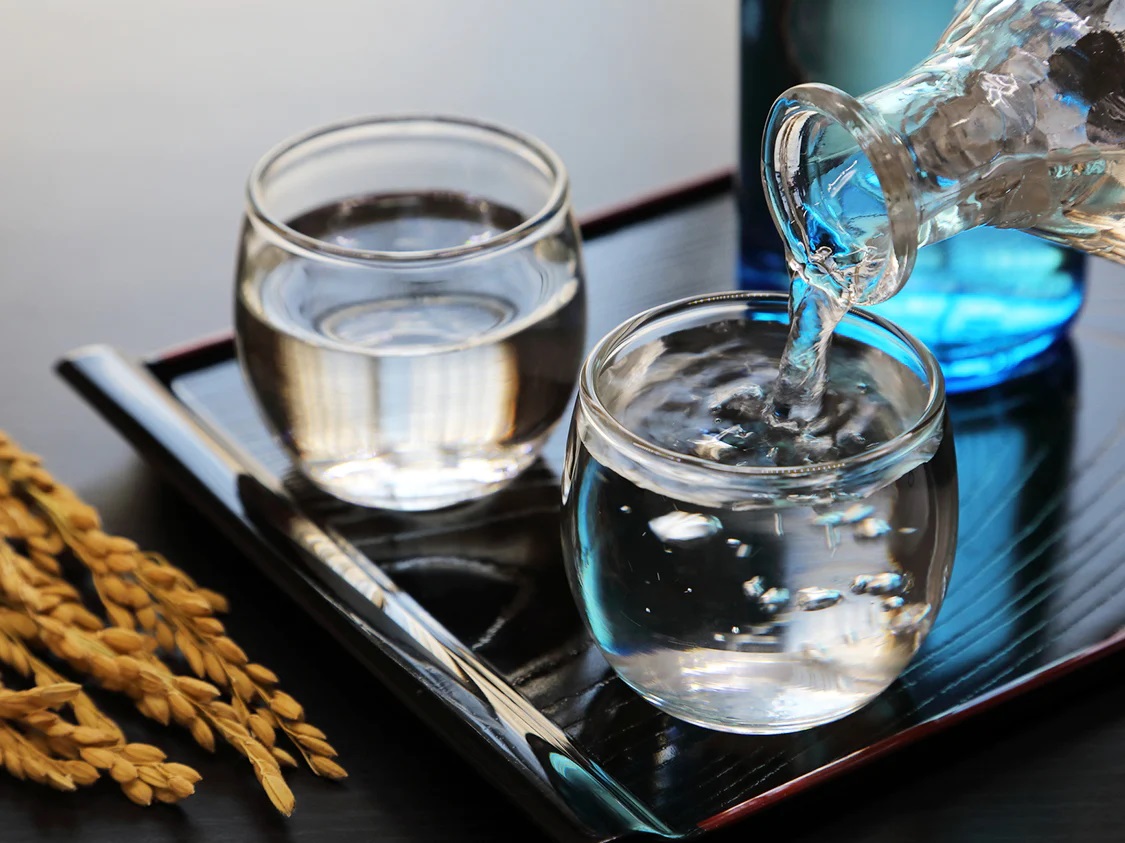


"No moon, no blossoms. I drink my sake, utterly alone."
This wistful haiku was written by the Japanese poet Matsuo Basho in 1689, shortly before he set off on a 1,200-mile journey through Tohoku, the vast northeastern part of Japan that stretches all the way to Hokkaido.
He recorded that journey in his celebrated travel diary "The Narrow Road to the Deep North," which went on to become a classic of Japanese literature.
A modern version of the poet's trek might include visits to hundreds of sake breweries in the region, many of which produce some of the finest sake in Japan.
Whether a sake tour will inspire timeless haiku is, of course, another matter entirely.
Daishichi Brewery: "The sake has body and a rich flavor that is really closer to red wine than to white," says Ad Blankestijn of Daishichi.
Award-Winning Sake
Daishichi Brewery: "The sake has body and a rich flavor that is really closer to red wine than to white," says Ad Blankestijn of Daishichi.
The Tohoku region, led by brewers from Fukushima Prefecture, has spent several years now collecting gold medals at the annual Japan Sake Awards.
Partner links: booking through them supports the blog at no extra cost to you.
"Tohoku has the highest reputation for sake in the country among people working in the industry," says John Gauntner, a sake expert and the author of numerous books on Japan's national drink, including "Sake Confidential."
At the annual sake awards ceremony, hosted by the National Research Institute of Brewing, hundreds of sake brands from breweries across Japan are judged and rated.
In 2018, judges handed breweries in six Tohoku prefectures a combined 69 gold medals out of the 232 awarded across the country's 37 prefectures.
Melinda Joe, a Tokyo-based journalist and a judge on the panel of the International Wine Challenge (a separate competition with its own sake tasting), says sake from Tohoku stands out for its light, clean and elegant style.
"Tohoku sake has a bit more sensuality to it, a bit more give," says Joe.
Research by the Japan Sake and Shochu Makers Association.
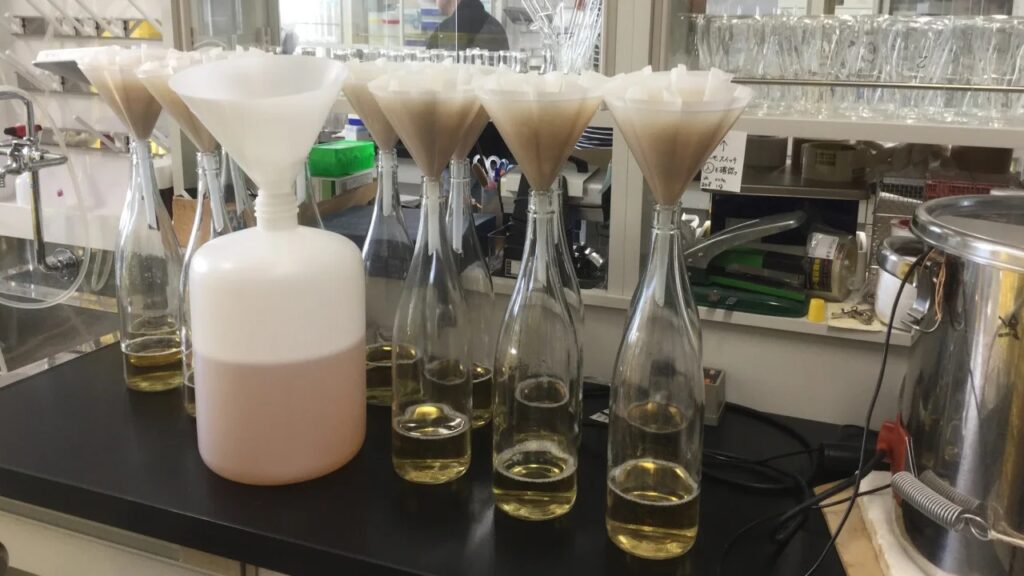
Part of what sets Tohoku sake apart is geography. Winters here are harsh, with heavy snowfall, and historically, given the region's remoteness, agriculture was the main pillar of the local economy, explains Hiromi Iuchi of the Japan Sake and Shochu Makers Association.
The region has long produced enormous quantities of sake, Iuchi says, but over the past few decades there has been a shift toward improving brewing technique.
This came under the guidance of a guild of master brewers known as Nanbu Toji, based in Iwate Prefecture in the Tohoku region.
The group's influence is so far-reaching that toji (brewers) in western Japan pay close attention to what their counterparts in Tohoku are doing, Iuchi adds.
Sake expert John Gauntner says the lower temperatures in Tohoku shape both production and flavor.
"Tohoku breweries have always had colder weather, so they can ferment, brew and store at lower temperatures, which, among other things, gives the sake a very light, delicate, refined and elegant flavor profile compared with the rest of Japan."
Kenichi Ohashi, one of the world's leading sake experts and co-chair of the International Wine Challenge, says Tohoku sake is distinguished by its aromatic qualities.
"Personally, I love many of the sake producers in Tohoku. It's one of the things that makes Tohoku so appealing to me."
Which Bottles Are the Best?
Ohashi singles out Mutsu Hassen from the Hachinohe Shuzo brewery in Aomori, winner of the trophy at the 2016 International Wine Challenge.
A Tohoku journey: beautiful landscapes from Japan's most underrated region.
"It has a good, medium weight on the palate, but it's also very perfumed," Ohashi says, while also praising the handsome label, which depicts the trawlers that ply the seas around Hachinohe at night in search of squid.
Another sake Ohashi recommends is the award-winning Yamawa, from the Yamawa brewery. Though it may sound counterintuitive, Ohashi highly rates Yamawa's water-like qualities.
"The Japanese will usually pay good money for a water-like taste, as with fugu (blowfish).
"This sake is all about texture rather than umami. It's a very clean, transparent sake, like high-quality water."
How to Plan Your Own Sake Safari
For visitors making the trip north, several breweries offer tours in English along with tastings, but you need to book them in advance through their websites.
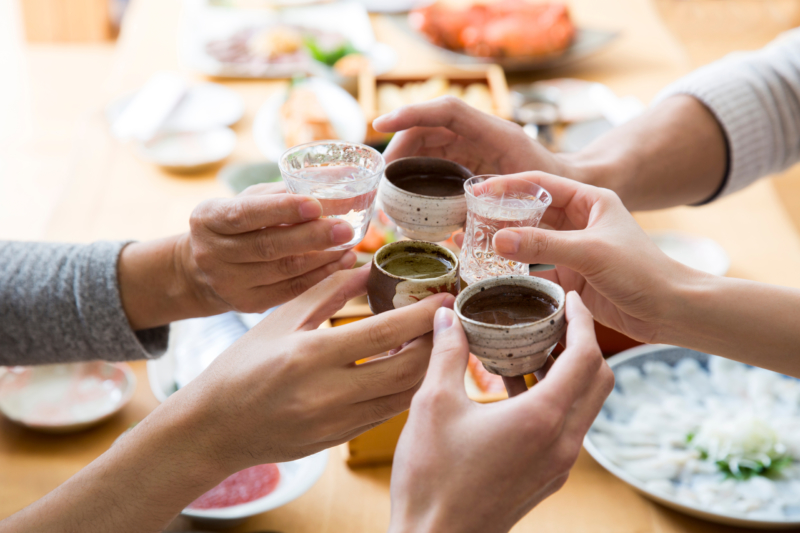
Daishichi Brewery, founded in 1752 in Fukushima, is unusual in that it still follows the kimoto method, a labor-intensive brewing technique that has largely been abandoned in favor of modern methods.
"The reason Daishichi has held on to the kimoto method is that it produces a particular kind of sake," explains Ada Blankestijn, Daishichi's director of overseas sales and marketing.
"Sake that has body and a rich flavor and is, in essence, closer to red wine than to white, and that you can pair with creamy dishes, with meat, with French cuisine... food with stronger flavors."
Senkin Shuzo, a family-run brewery in Iwate, has been making sake since 1854.
Yuri Yaegashi, one of the current ninth-generation owners, recommends visiting the brewery, set in a limestone-rich area, in early summer or in autumn.
While Ryusen Yaezakura is Senkin Shuzo's award-winning sake, Yaegashi also recommends Mori no Takara, made with matsutake mushrooms, a local delicacy grown in Iwaizumi.
"Matsutake are very special mushrooms for the Japanese, ones that stir up nostalgia," says Yaegashi. That said, the aroma can be a bit of an acquired taste.
"Some people say it smells like socks," Yaegashi adds.
According to Yukiko Takahashi of Takashimizu, the award-winning Takashimizu sake, brewed at the Goshono brewery, strikes a balance by offering a gentle aroma and a refined flavor at the same time.
"It's the kind of sake that can accompany almost any dish thanks to its gentle yet refined character," Takahashi adds.