

Italy's ongoing 1-euro house sale has been ideal for people looking to start a new life in some of the country's more remote corners.
For those after something closer to the action (closer to Rome, to be precise) the pickings have been slim.
Until now.
Partner links: booking through them supports the blog at no extra cost to you.
This month, the picturesque town of Maenza became the first in the Lazio region to start selling houses for little more than a euro.
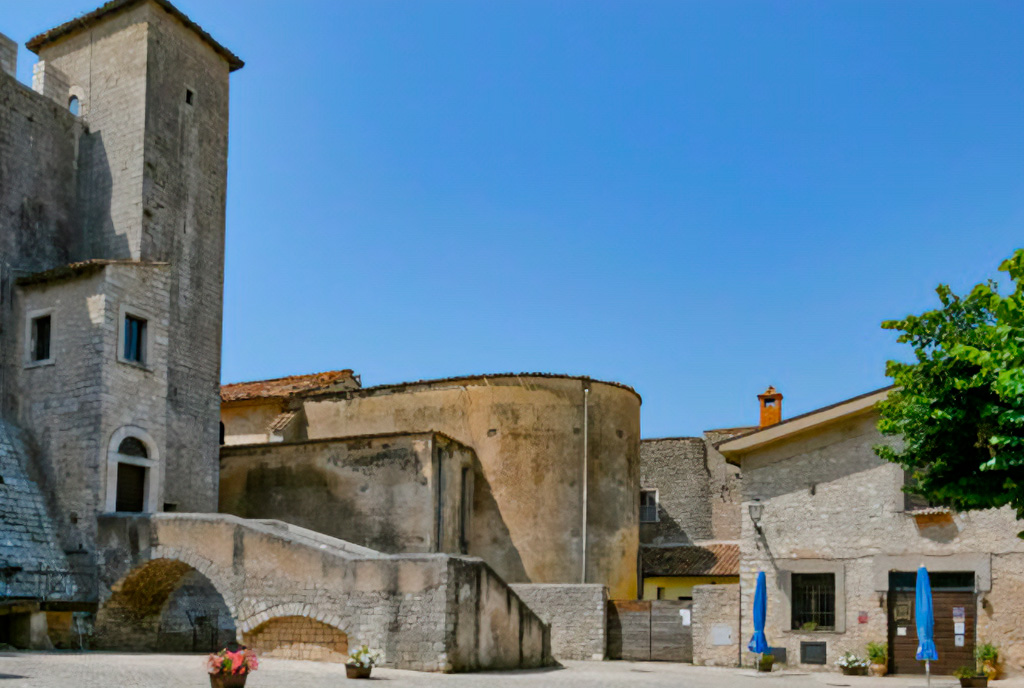
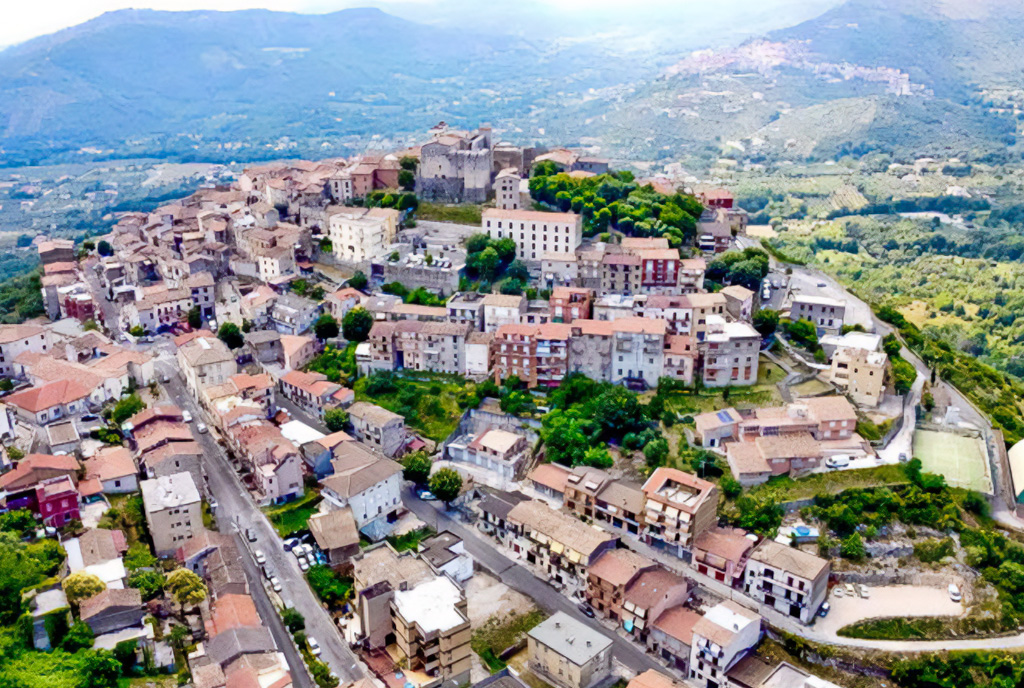
This historic spot, perched high in the wild Lepini hills south of the capital, where shepherds and warrior tribes once lived, is offering dozens of abandoned stone dwellings in the hope of attracting new residents.
Mayor Claudio Sperduti says he is launching an ambitious "revival pact" for his hometown, aiming to breathe new life into its quiet lanes. The goal, he says, is to restore all the crumbling, abandoned properties by acting as a go-between for the old owners and the potential buyers drawn in by the low prices.
"We're doing this step by step. When the original families get in touch and hand over their old houses to us, we list them on the market through dedicated public notices on our website, to keep everything fully transparent," Sperduti explains.
Interested buyers are also invited to contact the town hall to make specific requests about a property, and local officials will try to meet their needs.
The town hopes it can breathe new life into roughly 100 abandoned properties, some of which have become a potential hazard to passersby because of their dilapidated state.
Applications for the first few houses put up for sale close on August 28, but the mayor reassures anyone who misses out that more houses will come onto the market as negotiations continue with their original owners.
Those who do manage to buy a property in Maenza must commit to renovating it within three years and put down a security deposit of 5,000 euros (about $5,840), which is returned once the work is complete.
A detailed renovation plan for what the property will become, whether a home, a B&B, a shop or a restaurant, must also be submitted.
Living there is not compulsory, but families with children and young couples who want to live in Maenza on a semi-permanent basis are encouraged to apply, Sperduti says.
If several candidates want the same house, priority goes to those who plan to settle there and to those planning the quickest renovation.
Fresh Oxygen

Sperduti says his town, unlike others, is not offering 1-euro houses to halt a shrinking population, even though it has barely topped 3,000 people over the past 20 years. Instead, it is a move to stop real estate agents and speculators from snapping up the old houses for profit.
"Families and young people often leave town to move into more spacious houses in nearby towns and villas out in the countryside, but there's always some newcomer who takes their place, so it balances out," Sperduti says.
"This isn't a dying town, people still live in the old district, but it needs modernizing, a bit of fresh oxygen."
It is a long-term revival project that gives interested buyers time to come and see for themselves what Maenza has to offer, including plenty of other appealing options.
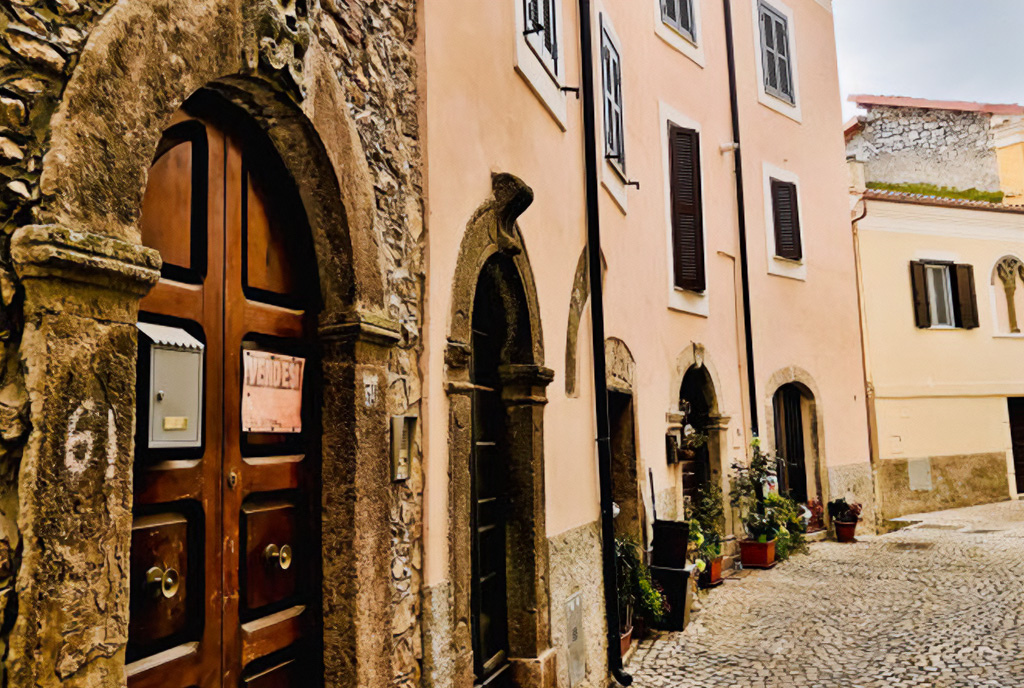
Bright "for sale" signs have been fixed to many doors, including some going for a slightly higher price.
"One owner, who was desperate to get rid of his old property even if it meant giving it away for free, ended up selling it for 3,000 euros to someone who turned up in town," the mayor says. "The house isn't fancy, but it isn't falling apart either."
Given that most of the old dwellings are small, around 50 to 70 square meters, doing them up is a relatively cheap proposition.
Tax breaks for eco-friendly renovation and earthquake-proofing upgrades mean, according to Sperduti, that costs start at 100 euros per square meter. So the price of restoring a run-down house should start at around 5,000 euros.
Wars and Miracles

Maenza was founded by shepherds fleeing Saracen raids on the coast, but later flourished with the arrival of the Volsci tribes, who capitulated to the Roman Empire after two centuries of bloody wars.
The origin of the town's name is said to be linked to the German city of Mainz, but locals prefer the claim that it comes from a Latin phrase meaning "thriving people."
On clear days, the view from Maenza stretches all the way to Cape Circeo, where, according to legend, Odysseus was bewitched by the sorceress Circe, and out to the Pontine Islands. The town rises above a fertile former marshland dotted with lush gardens, kiwi plantations, lakes and grazing buffalo.
Wild horses roam the surrounding forests of chestnut, beech and holm oak and the walnut groves. Trails for hiking, horse riding and cycling, lined with wild orchids, lead to a mountain refuge stocked with food, firewood and coffee.
The Middle Ages were Maenza's golden age, followed by bloody power grabs, with endless battles between feudal lords and the Holy See. For decades the town was under the control of the ruthless Borgia papal family.
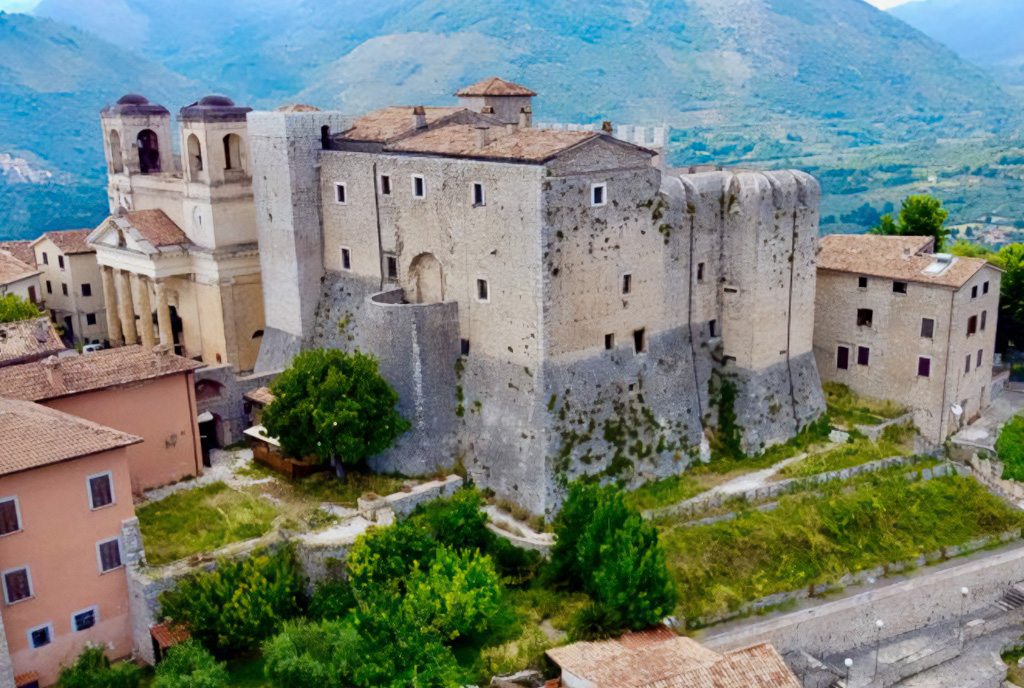
Part of the town was bombed during the Second World War. In the recently restored, cliff-hanging baronial castle, Saint Thomas Aquinas is said to have performed a miracle, turning sardines into herring, a fish previously unknown in Italy.
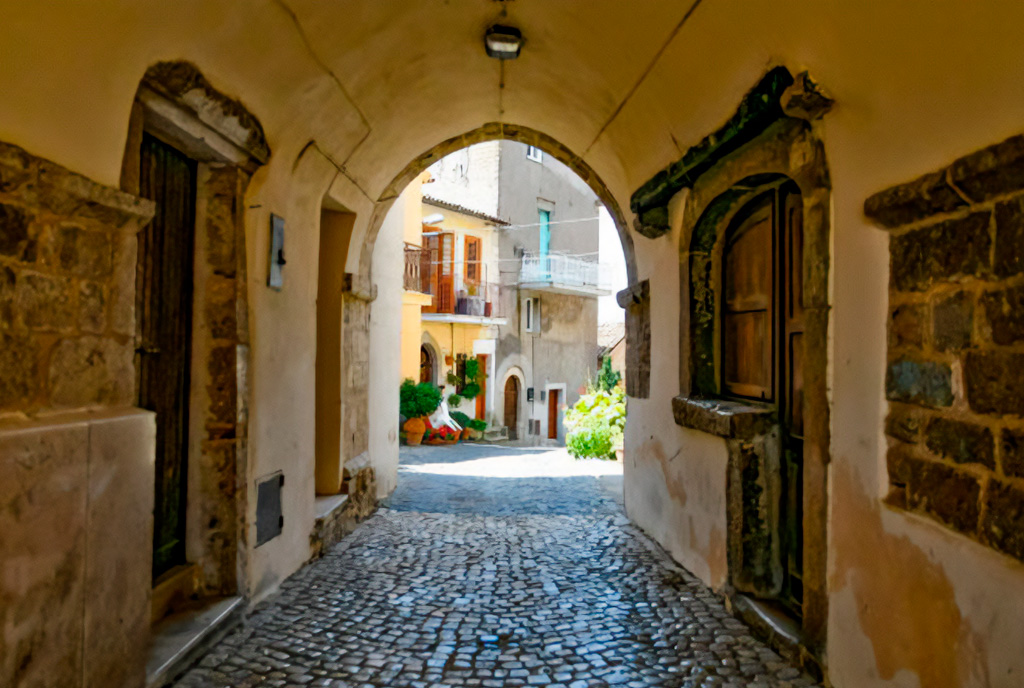
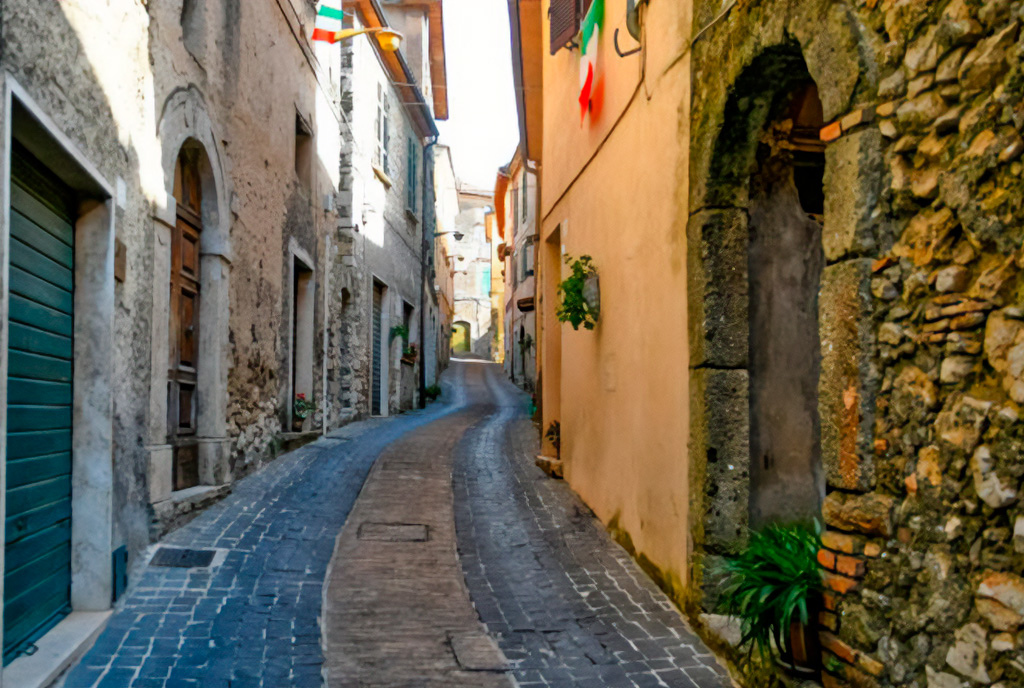
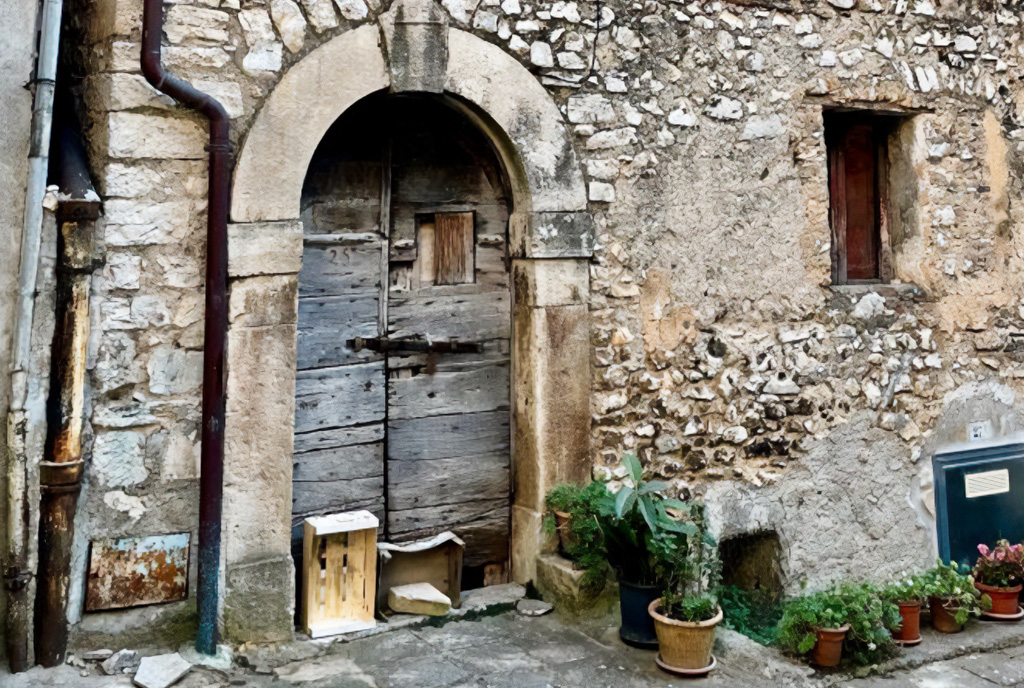
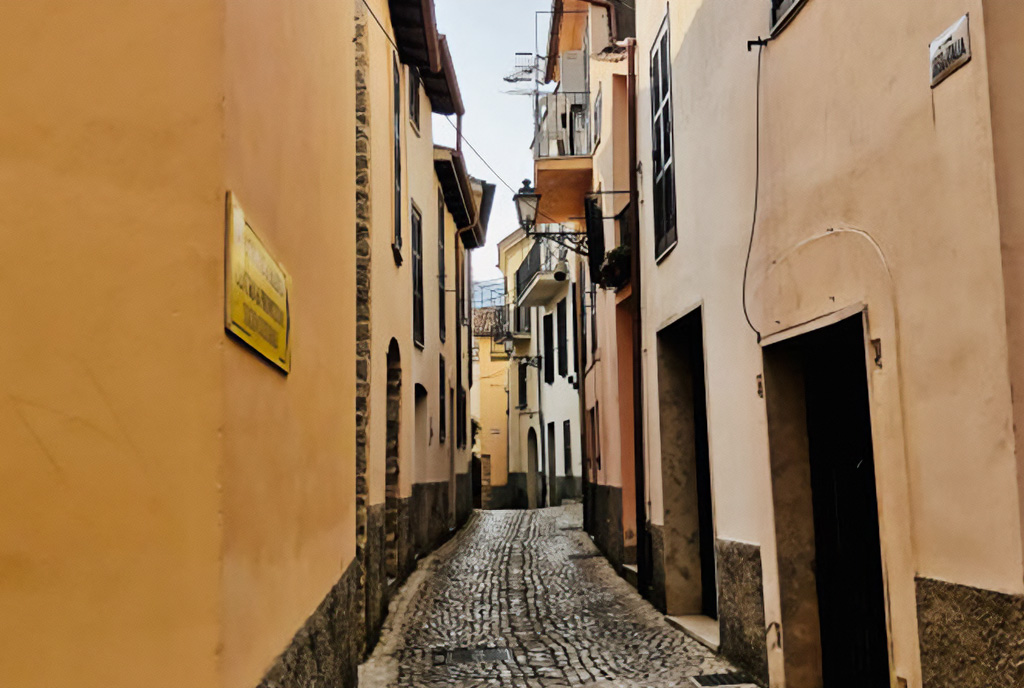
The old district is a maze of winding arched alleys, narrow passageways and stairways paved with huge cobblestones, worn glossy by centuries of passing carts and hooves, and thick stone portals adorned with friezes. Emblems and coats of arms decorate the buildings.
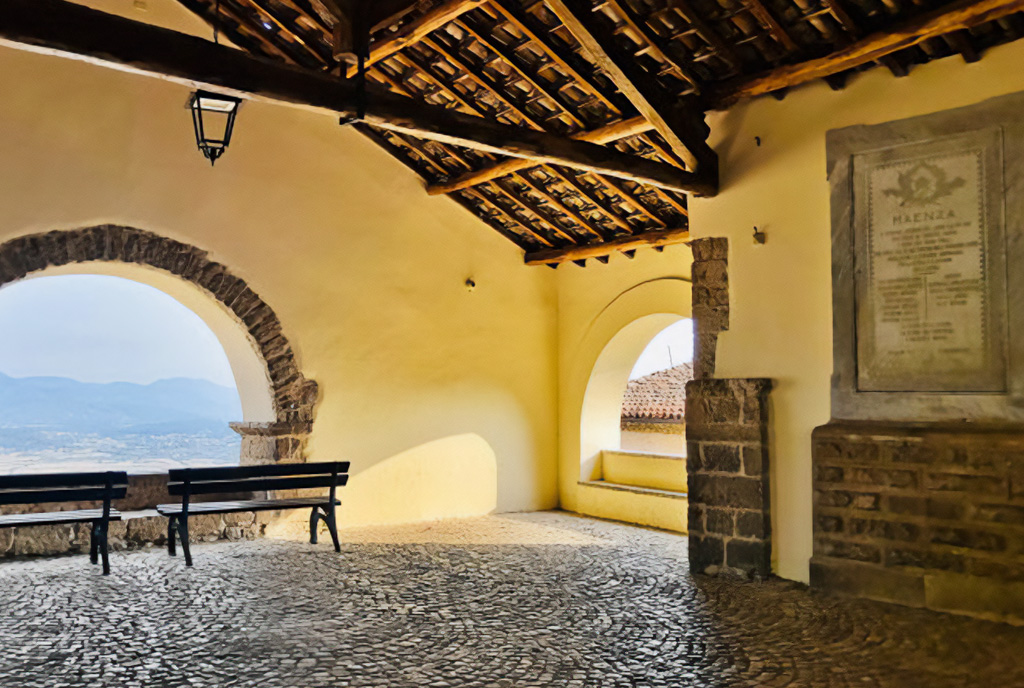
The finest panorama opens up from the Loggia dei Mercanti, where travelers and pilgrims once rested and merchants gathered to sell their wares.
The 1-euro houses now up for sale date back to the 1700s, look out over a tiny square and boast unique views of the sea and the Pontine Islands.
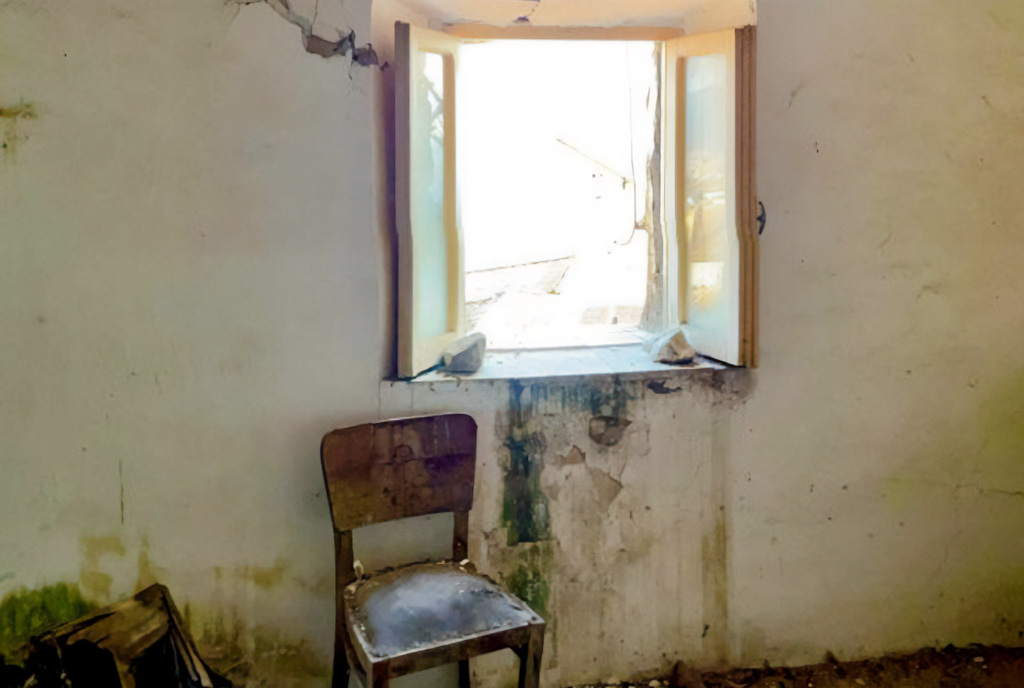
They are built from large, rough dark-gray stones, with thick window frames and an arched entrance portal. Inside, old tiles still cover the walls, dusty chairs lean against cracked walls, and wooden doors hang from their hinges. Built-in kitchenettes are rusting and falling apart.
Among the abandoned items are ladders, chandeliers still hanging from the ceilings, and old fridges.
Food Fairs

Maenza is known for its juicy cherries and the beauty of its women. There is a spot called the "quarter of beautiful women," which, however, may also point to a seedier past as a red-light district.
Some of Lazio's most striking coastal spots are just a stone's throw away, including Terracina, Sabaudia, Sperlonga and Gaeta.
In summer there are concerts, art exhibitions and watermelon-eating contests, along with food fairs.
Local delicacies include cherry jams, syrups, liqueurs and honey.
"Crespelle" are fried, crispy golden strips of dough coated in sugar and flavored with cinnamon, lemon, raisins and pine nuts. The secret recipe is passed down through families.
Other staple dishes include dried and spiced "coppiette," strips of horse meat, smoked olives, artichoke fettuccine, potato gnocchi, snail soups, polenta with snail sauce, wild boar, hare and delicious buffalo mozzarella.
And what to wash it all down with? A glass of the local strawberry wine, fragoletto.