

Visiting the world’s most important natural and cultural wonders can feel like a Herculean task.
The World Heritage List, one of the most prestigious and recognizable conservation lists out there, includes more than 1,000 sites around the globe.
That number is almost certain to grow when the World Heritage Committee of the United Nations Educational, Scientific and Cultural Organization meets from June 28 to July 8 in Bonn, Germany.
Partner links: booking through them supports the blog at no extra cost to you.
Rather than wading through that encyclopedic list, why not start at the very beginning with the first 12 sites?
The Galápagos Islands in Ecuador, Yellowstone National Park in the United States and Gorée Island in Senegal were among the 12 sites added to the inaugural list in 1978.
Only countries that had signed the convention creating the World Heritage Committee and its list could nominate sites, and just 40 nations had done so when the first nominations came in. Thirty-seven years later, 191 countries have signed the convention.
“There is an incredible diversity of sites in the world, both natural and cultural,” said Mechtild Rössler, deputy director of UNESCO’s World Heritage Centre and a 22-year veteran of the organization. “The beauty of this convention is that the text defining natural and cultural heritage is very broad.”
Making the list is a big deal. Government officials spend years preparing their nominations, and conservation officials hope the designations will bolster their work.
And what tourist attraction doesn’t boast about its World Heritage status?
While we wait to learn who the newest members of this prestigious list will be, here are the first 12 World Heritage sites, listed in the order they appeared in the minutes of the September 1978 meeting in Washington.
L’Anse aux Meadows National Historic Site, Canada
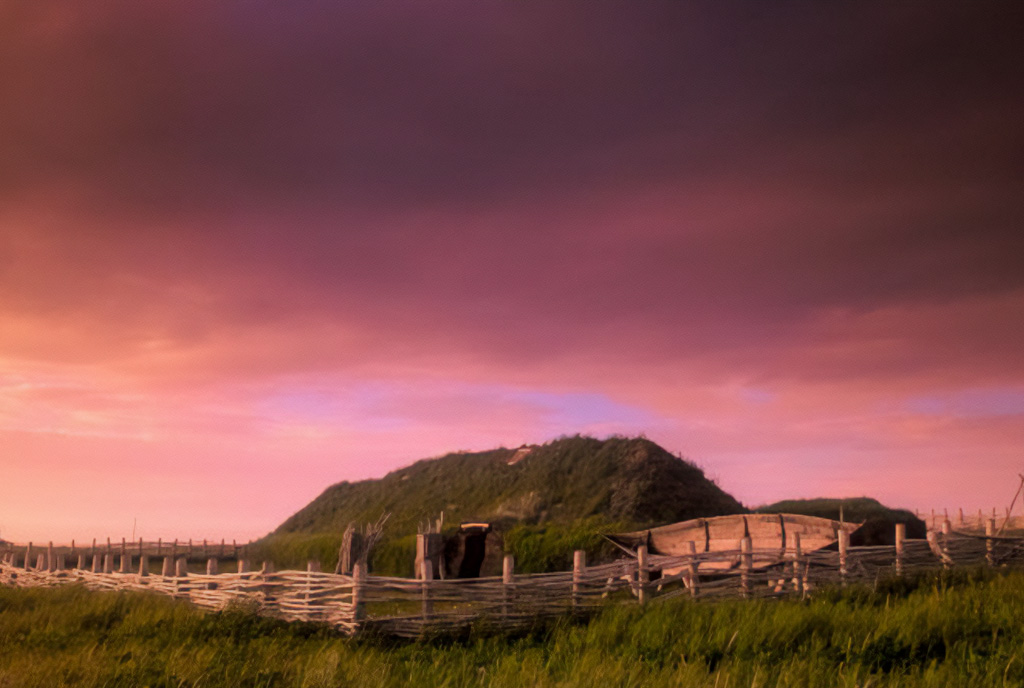
The remains of an 11th-century Viking settlement at L’Anse aux Meadows National Historic Site on the island of Newfoundland in Canada are the earliest evidence of the first European presence in North America.
Excavations uncovered timber-framed, turf buildings similar to those found in Viking-era Iceland and Greenland during the same period. It is the first and only known Viking site in North America.
The site was protected by the Canadian government in 1977, just a year before it joined the World Heritage List.
Nahanni National Park, Canada
Located in Canada’s Northwest Territories along the South Nahanni River and the Flat River, Nahanni National Park was protected as a national park by Canada in 1972.
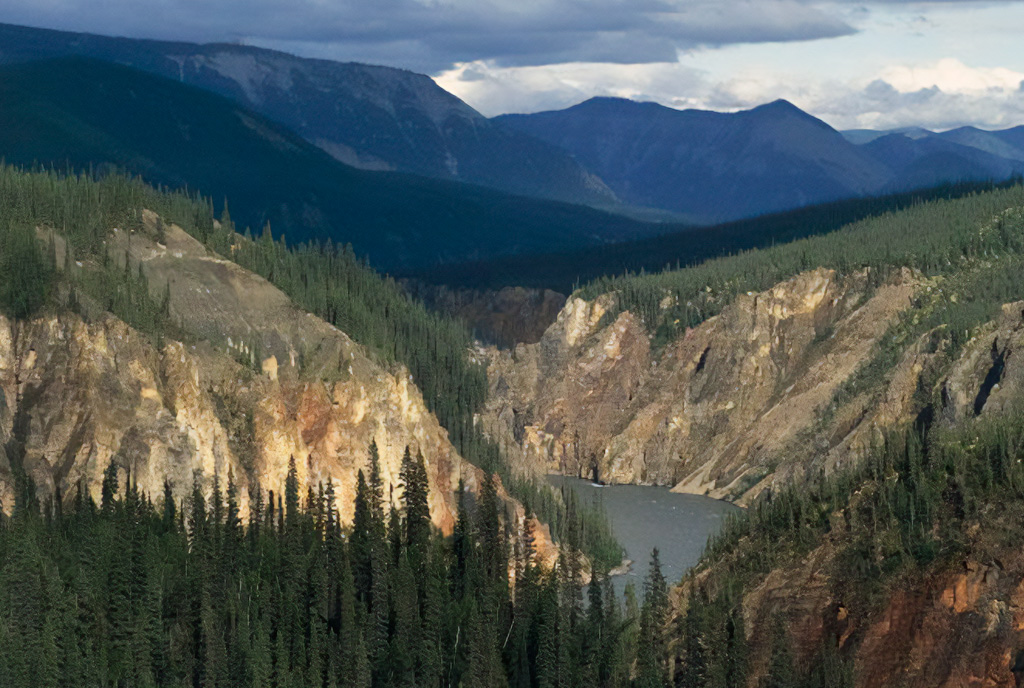
Nahanni features nearly every known type of North American river and stream, along with enormous waterfalls, granite peaks, deep canyons, a unique limestone cave system and evidence of ancient rivers.
The park is home to roughly 40 mammal species and 170 bird species.
Galápagos Islands, Ecuador
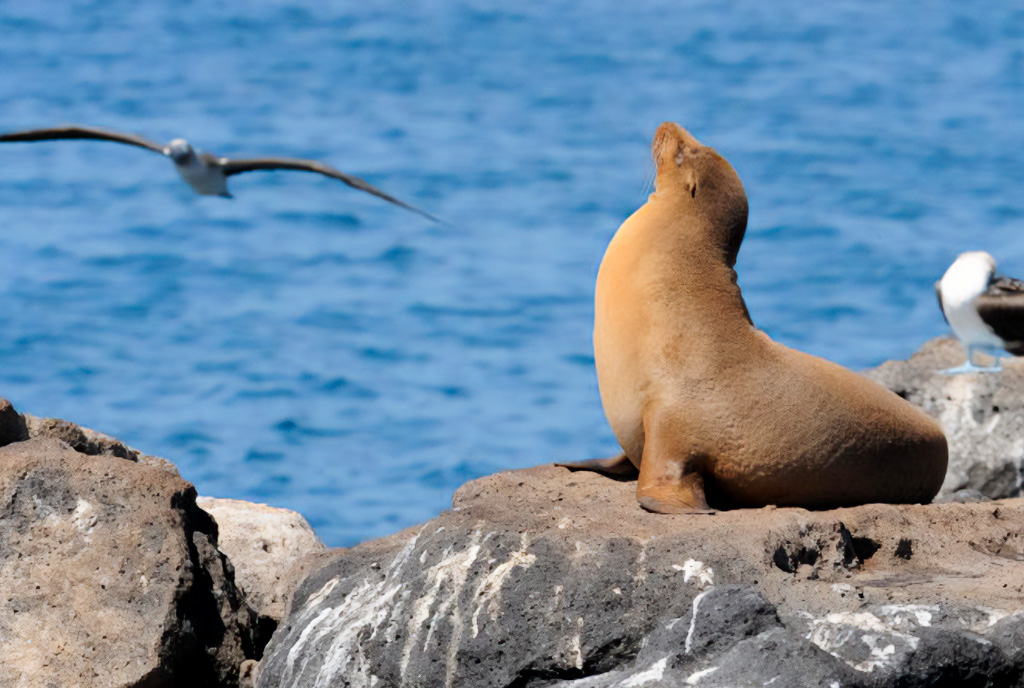
The 19 islands and the surrounding marine reserve that make up the Galápagos Islands are part of a unique archipelago with unusual wildlife, vegetation and seismic activity that inspired Charles Darwin’s theory of evolution.
Located about 1,000 kilometers (620 miles) off the South American mainland, where three currents meet in the Pacific Ocean, the Galápagos Islands host an intriguing collection of animal and plant life.
Residents include the blue-footed booby, giant tortoises, flightless cormorants and marine iguanas.
About 97% of the total land area was declared a national park in 1959.
The Galápagos Marine Reserve was created in 1986 with an area of 70,000 kilometers and was expanded to 133,000 kilometers in 1998.
City of Quito, Ecuador
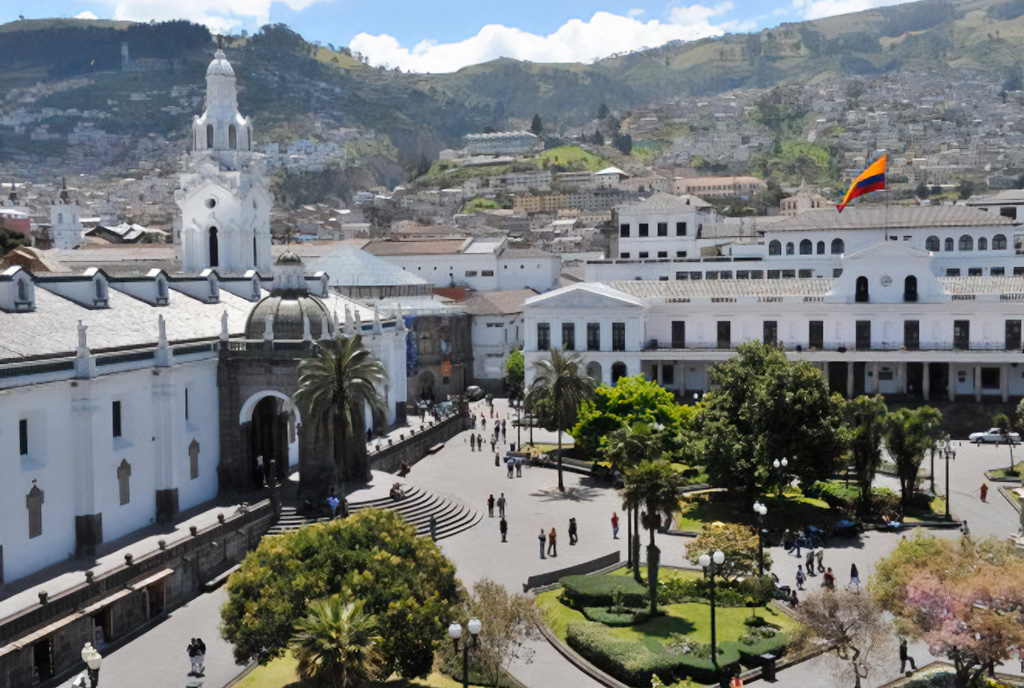
Named after the Quitu people who lived in the area before the Spanish conquest, Ecuador’s capital was built in the 16th century on the ruins of an Inca city. Despite numerous earthquakes, Quito’s historic center is remarkably well preserved.
Visitors can admire the Baroque style of the Quito School, a blend of European and local elements, in the monasteries of San Francisco and Santo Domingo, as well as in the Church and Jesuit College of La Compañía.
Built in the old Spanish style, the cathedral, the archbishop’s palace, the government palace and the town hall all face the city’s main square.
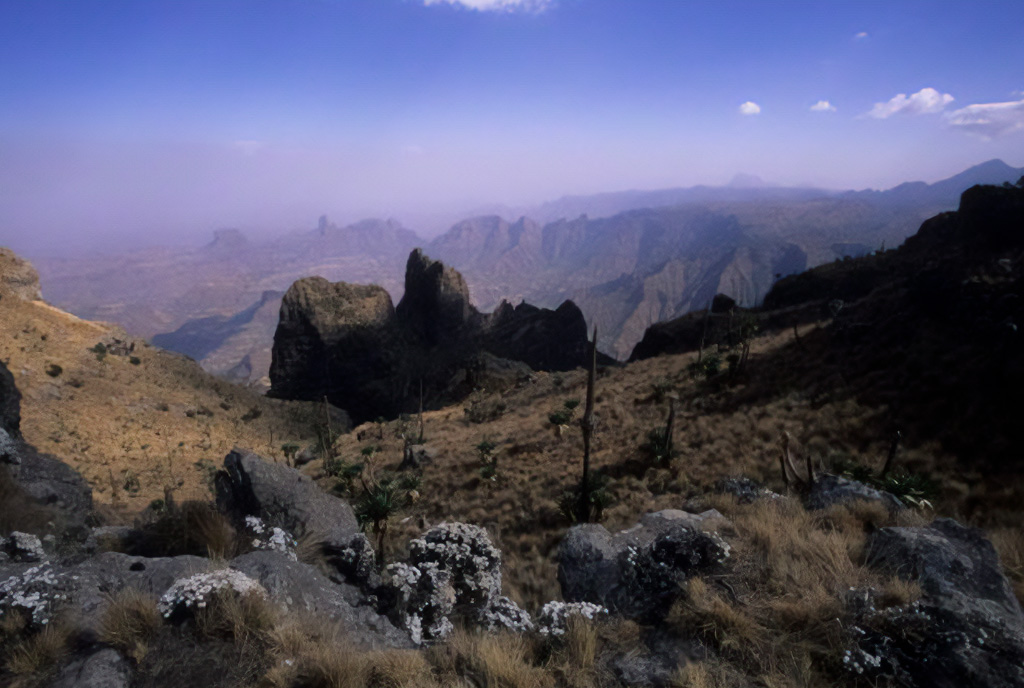
Simien National Park, Ethiopia
Incredible mountain peaks, deep valleys and rare animals all call Simien National Park home.
Here you’ll find the walia ibex (a goat found nowhere else in the world), the rare gelada (baboon) and the Simien fox. The park is also home to leopards, spotted hyenas, jackals and 400 bird species.
The park is of tremendous importance because of its biodiversity, with species said to rival those of the Grand Canyon in the United States.
However, it was established in an area inhabited by people, and it faces human and livestock demands on its resources.
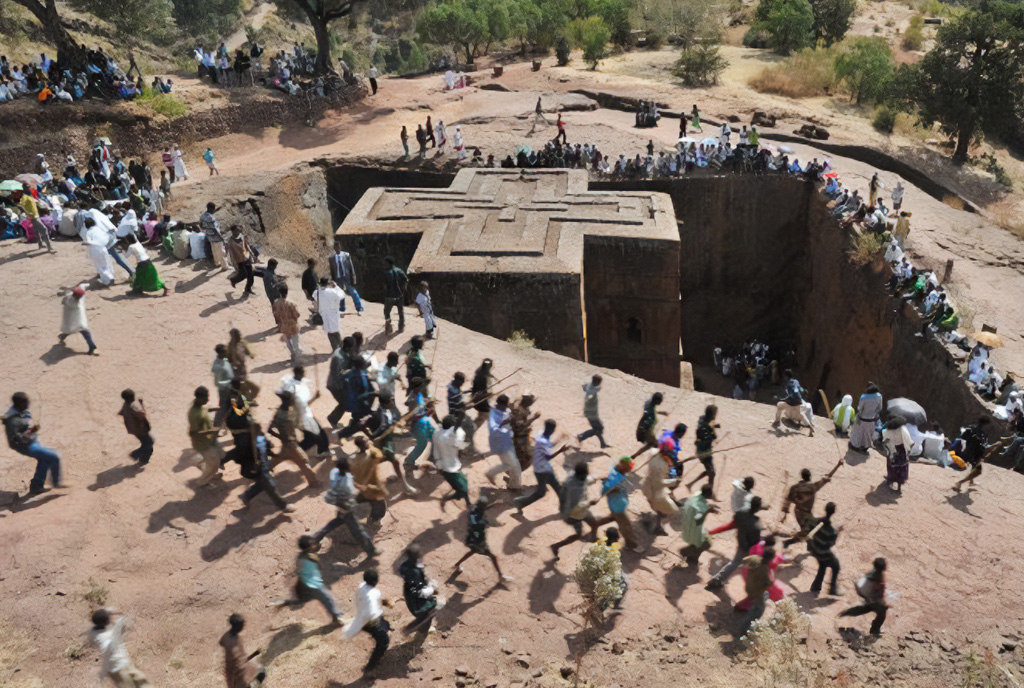
Rock-Hewn Churches, Lalibela, Ethiopia
At a time when Muslim conquests had made it impossible for Christians to make pilgrimages to the Holy Land, King Lalibela in the 12th century decided to build a “New Jerusalem” in the mountainous region of Ethiopia.
The result was 11 medieval, monolithic cave churches of the 13th century.
The churches were carved out of solid rock, while the doors, windows and other parts of the structures were sculpted as well. There is also an extensive network of passages, trenches, caves and catacombs.
The Lalibela churches and the traditional village are still a place of pilgrimage and worship, where the faithful gather to mark important dates on the Ethiopian Christian calendar.
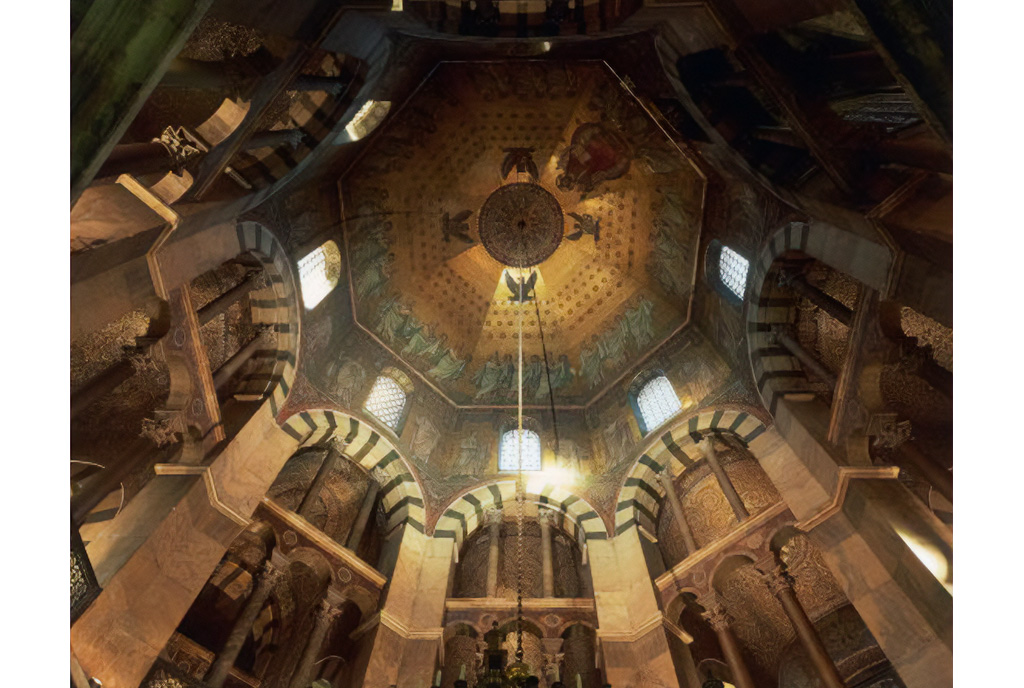
Aachen Cathedral, Germany
The Frankish royal estate of Aachen in western Germany had served as a spa since the first century.
Soon after Charlemagne took over its administration in 768 A.D., he made the estate his permanent residence and turned it into a center of religion and culture.
Emperor Charlemagne’s own Palatine Chapel was the first vaulted structure north of the Alps since antiquity.
The chapel has been considered an artistic marvel since its creation. It featured bronze doors, columns of Greek and Italian marble and a grand mosaic (now destroyed).
The unification of the West under Charlemagne is symbolized in part by the building of the chapel between 793 and 813. Charlemagne was buried there in 814, and 200 years later he was canonized, drawing pilgrims to the site.
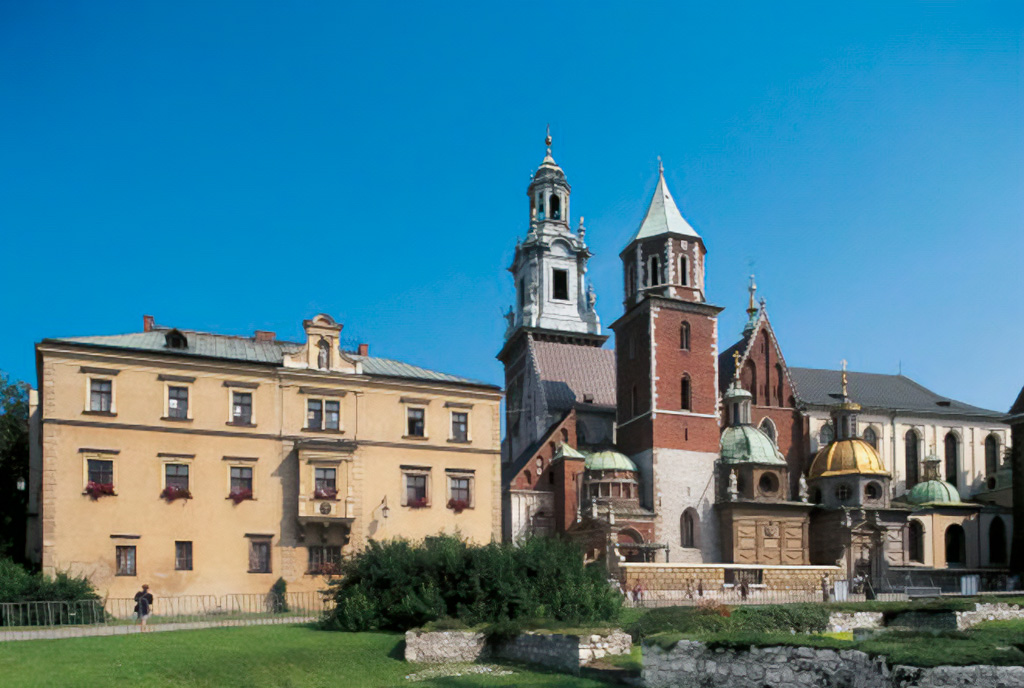
Historic Center of Kraków, Poland
The former capital of Poland, the historic center of Kraków dates back to the 13th century as a trading town with the largest market square in Europe and one of the oldest university quarters on the continent.
Bolesław the Shy ordered that the old town, known as Stare Miasto, be laid out on a strict grid of orthogonal streets in 1257, when he decided to unite the different peoples around Wawel, a hill inhabited since Paleolithic times and the site of the Royal Wawel Castle, which is now a museum. The castle’s origins date to the 11th century, and there are remains of fortifications dating to the 14th century.
Wawel also holds the Royal Treasury and the Gothic Cathedral of St. Wenceslas, which hosted many important events for Polish royal families, including coronations, weddings and funerals.
Apart from Stare Miasto, the old district of Kazimierz was the city’s Jewish quarter. The Jewish community of Kazimierz, which numbered 64,000 people, was deported to Auschwitz. Only 6,000 returned after the end of World War II.
Wieliczka and Bochnia Salt Mines, Poland
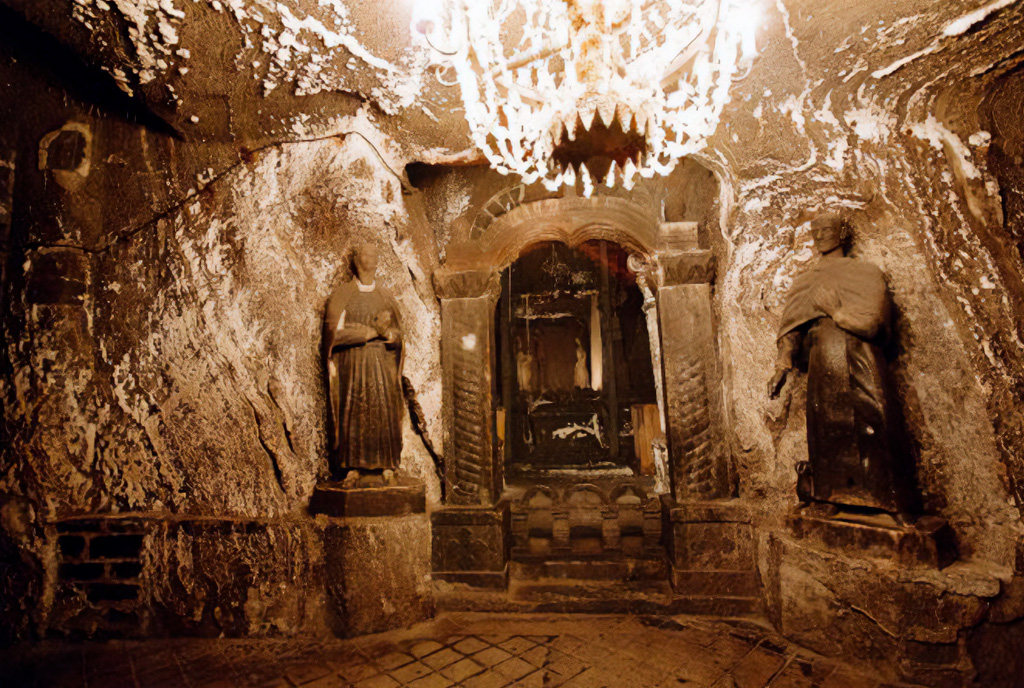
Although the Wieliczka and Bochnia salt mines in Poland are a splendid example of mining techniques from the 13th to the 20th century, there is far more in their underground chambers than a historical ode to salt extraction.
The areas carved out for salt were transformed into storerooms, workshops and chapels, with statues and other decorations carved from the rock salt. Tourists have been visiting the site since the early 19th century.
Gorée Island, Senegal
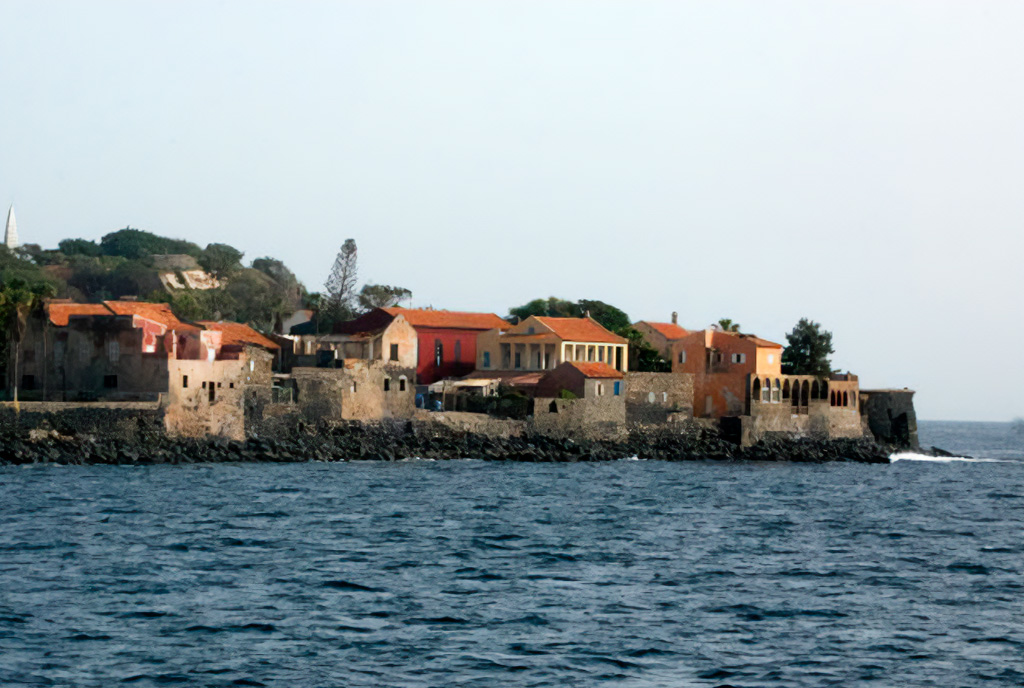
From the 15th to the 19th century, an estimated 20 million Africans passed through Gorée Island, the largest slave-trading center on the African coast.
Ruled first by the Portuguese and then by the Dutch, English and French, the island, just two miles off the coast, holds elegant slave traders’ houses and grim cells that held captured Africans before they were shipped to the Americas.
Built by the Dutch, the House of Slaves, dating to 1776, is the last surviving slave house on the island.
Added to the list of historic sites by the colonial administration in 1944, Gorée saw no further construction that could have damaged the island’s historic features.
Senegal gained independence in 1960, and the island was added to the newly independent nation’s national heritage list in 1975.
Mesa Verde National Park, United States
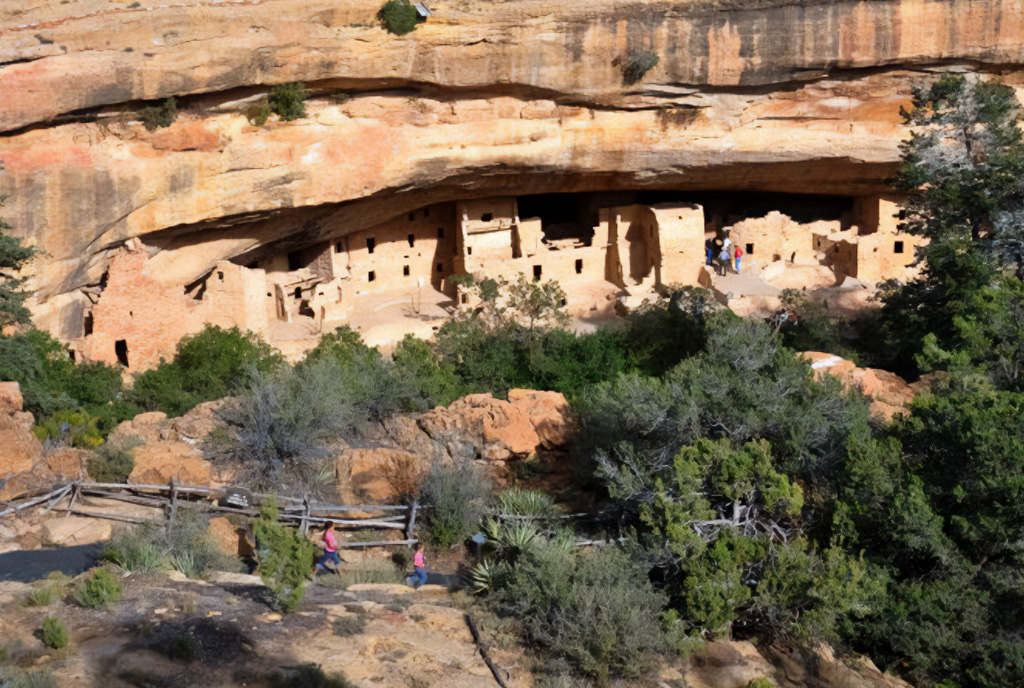
The striking structures of the Pueblo people in southwestern Colorado are protected within Mesa Verde National Park, where ancient Pueblo dwellings dating from the 6th to the 12th century still stand at more than 8,000 feet.
There are impressive villages built atop the mesa and majestic cliff dwellings built of stone. There is evidence of advanced knowledge of construction techniques and irrigation, crucial to survival on the land where the Pueblo people lived.
Yellowstone National Park, United States
Established as the first national park in the United States in 1872, Yellowstone National Park is one of the few remaining large, intact ecosystems in Earth’s northern temperate zone.
Yellowstone has more than 10,000 thermal features, about half of all the thermal features in the world. It has over 300 geysers, a volcano and countless waterfalls.
The park is also home to some of the last remaining members of a wild, continuously free-roaming herd of bison that once roamed the Great Plains.