

“This isn't your usual flight,” says veteran Air Canada captain Dave Butler. “Today we're going to have some fun.”
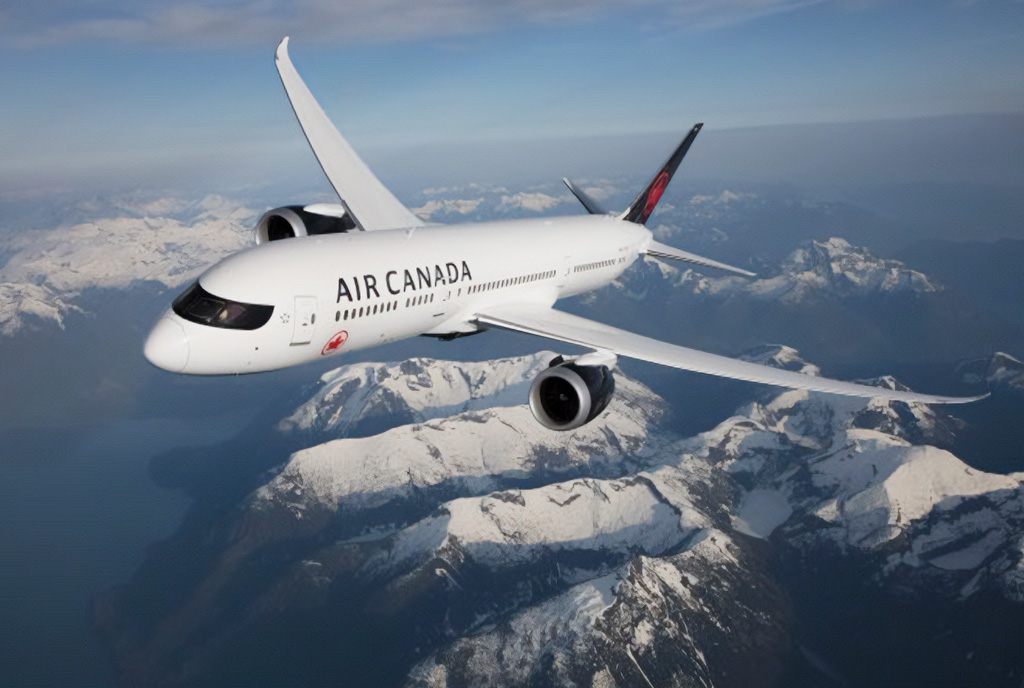
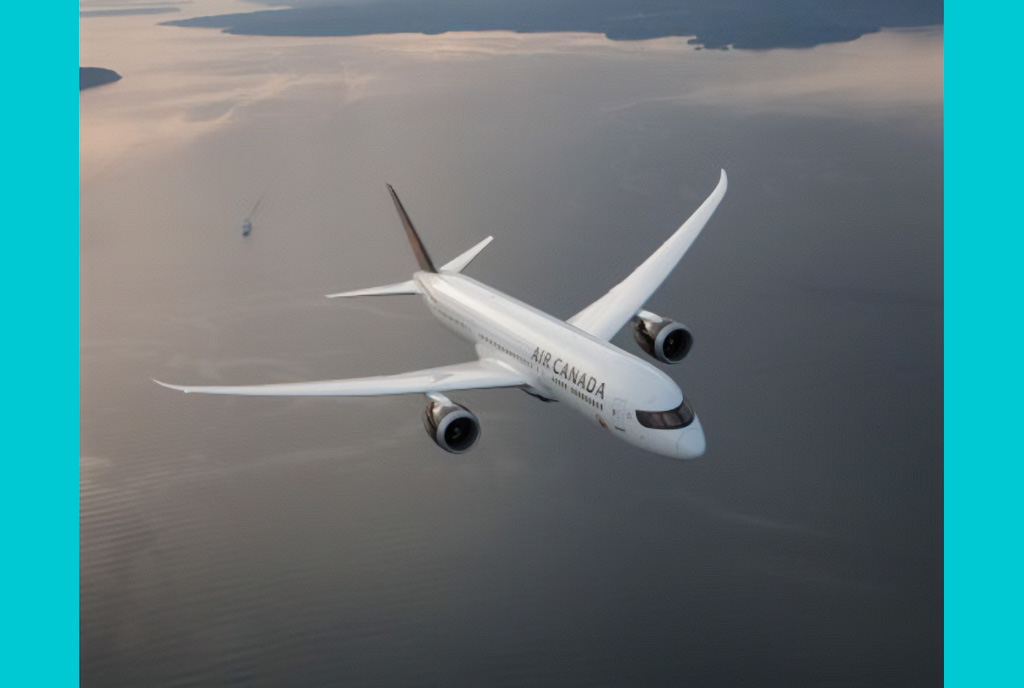
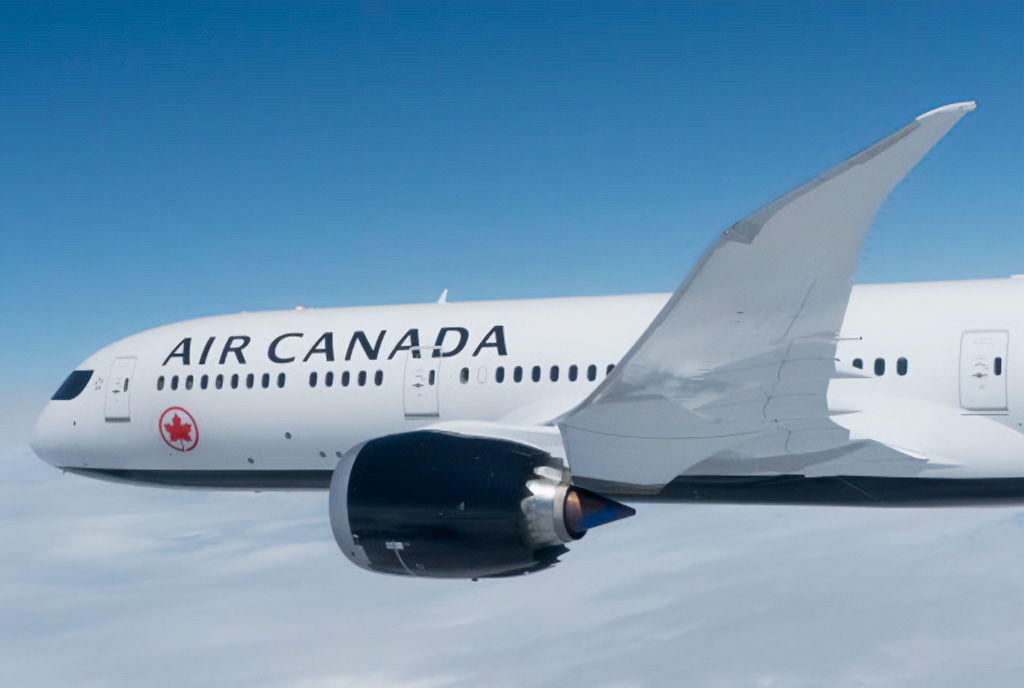
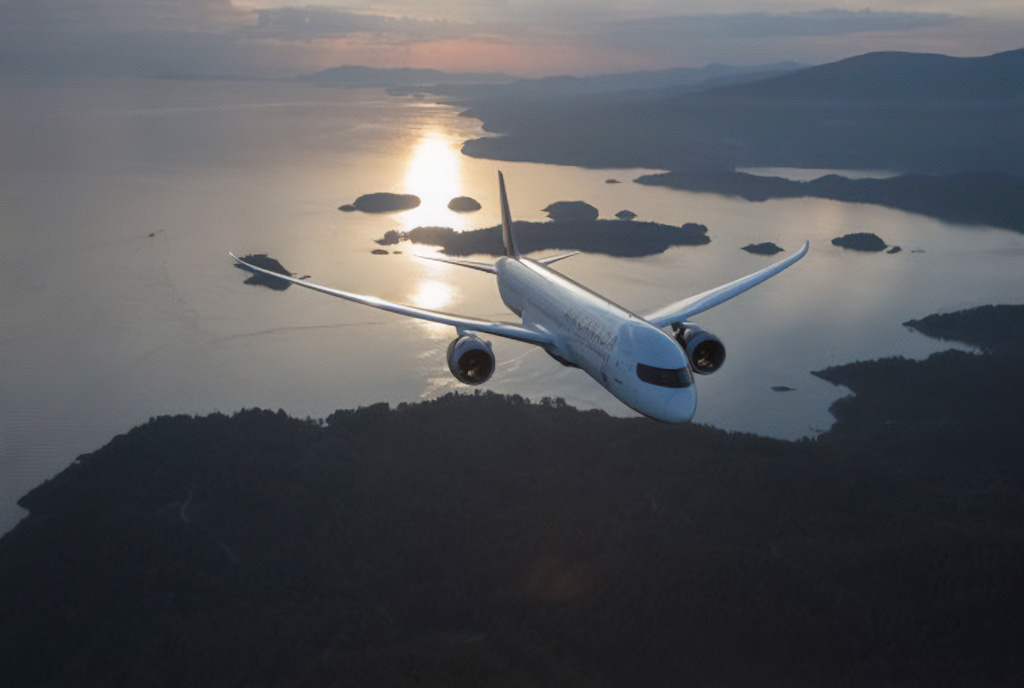
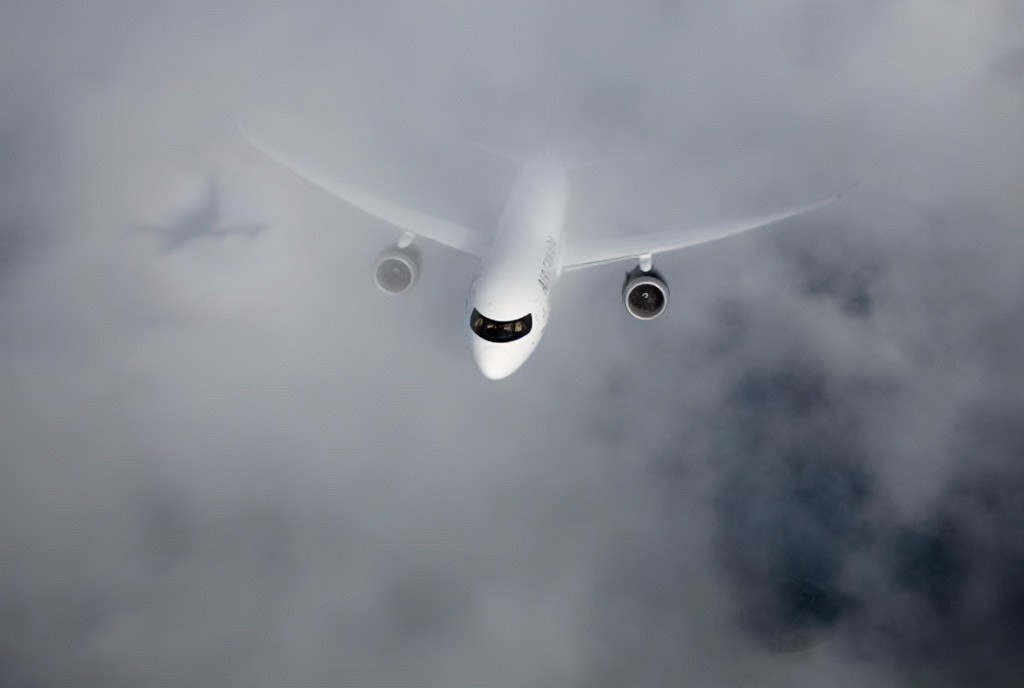
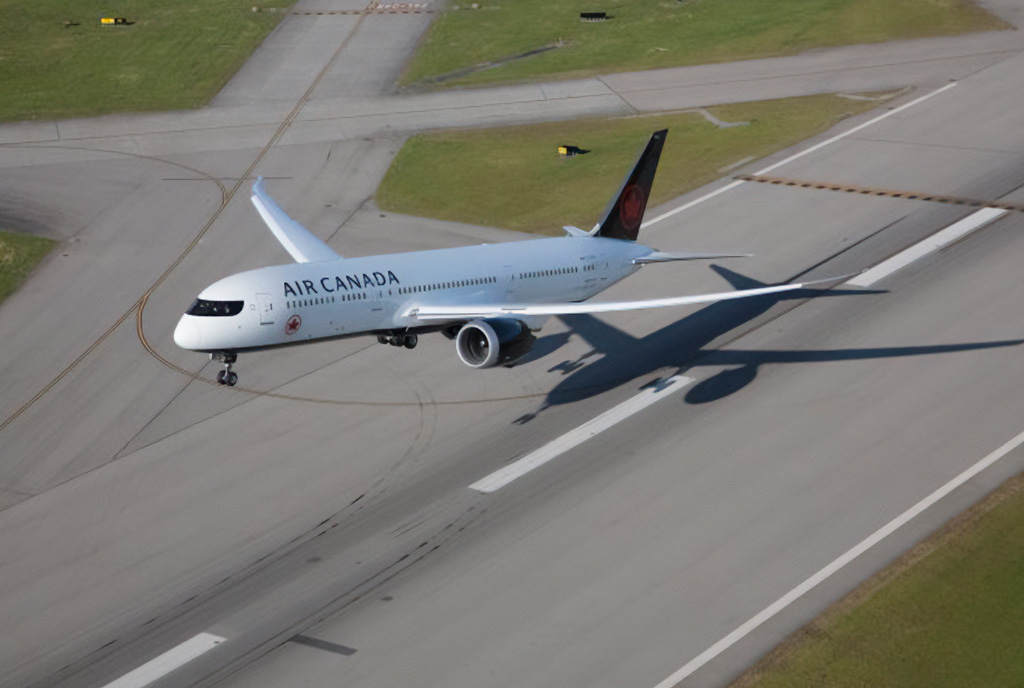
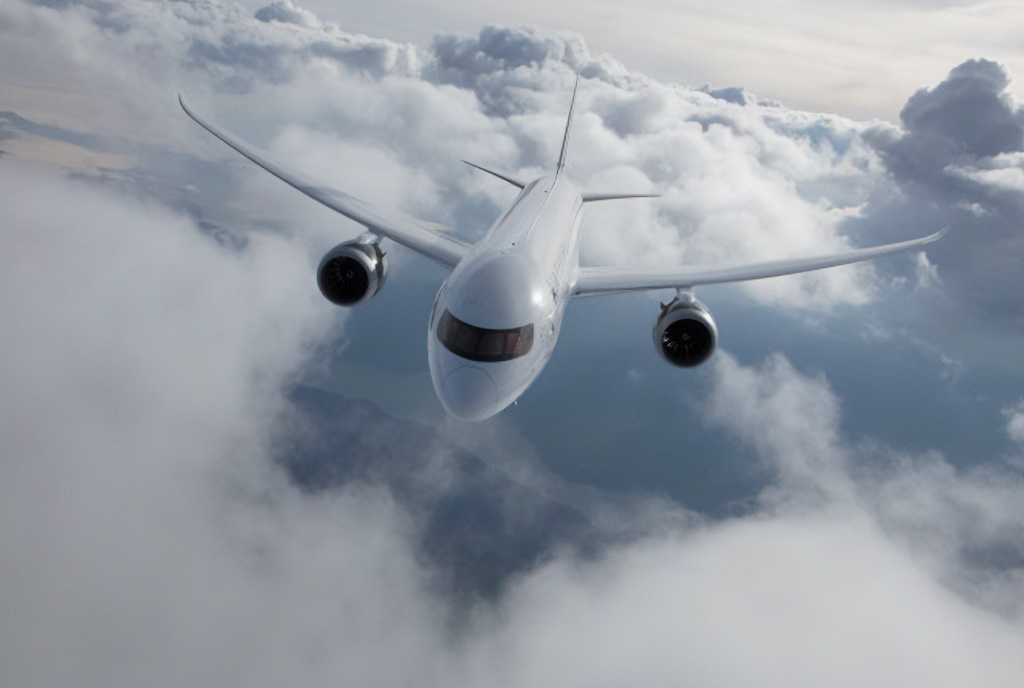
Air Canada pulled a 787 Dreamliner out of regular service to turn it into a genuine runway model during a demanding two-day photo shoot showcasing the airline's new corporate rebrand. The final product is pure glamour, but the painstaking process behind it is a side of the aviation industry that few people ever get to see.
Only a handful of airline staff were aboard the 298-seat jet.
Partner links: booking through them supports the blog at no extra cost to you.
The pristine aircraft had been delivered from Boeing just days earlier. The usual pre-flight safety briefing, normally handled by a flight attendant, was delivered by Butler himself.

A Fresh Look
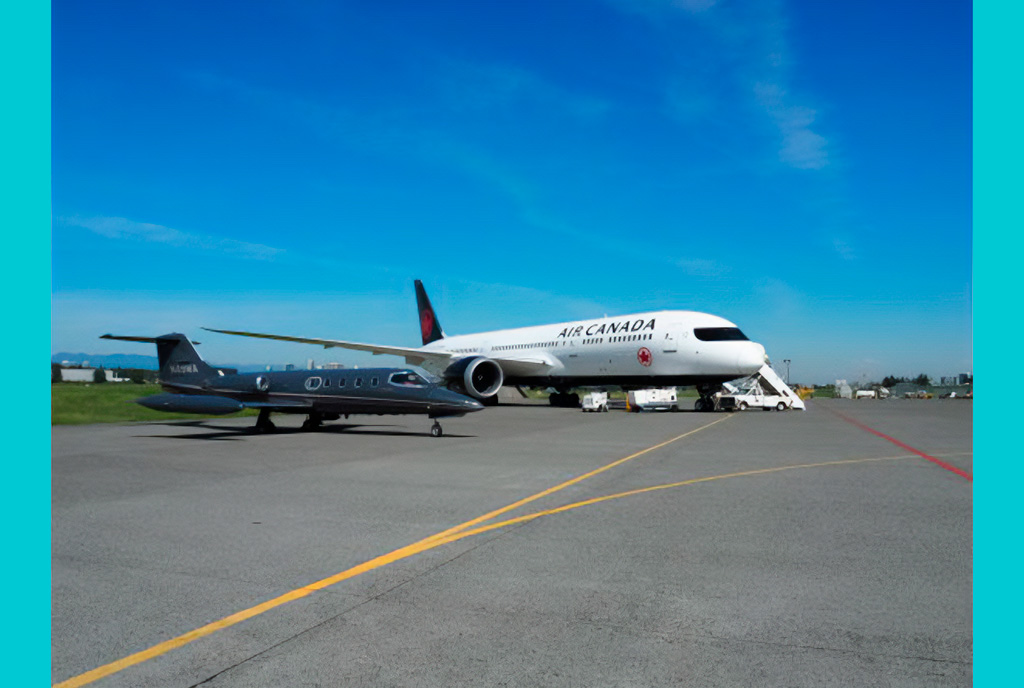
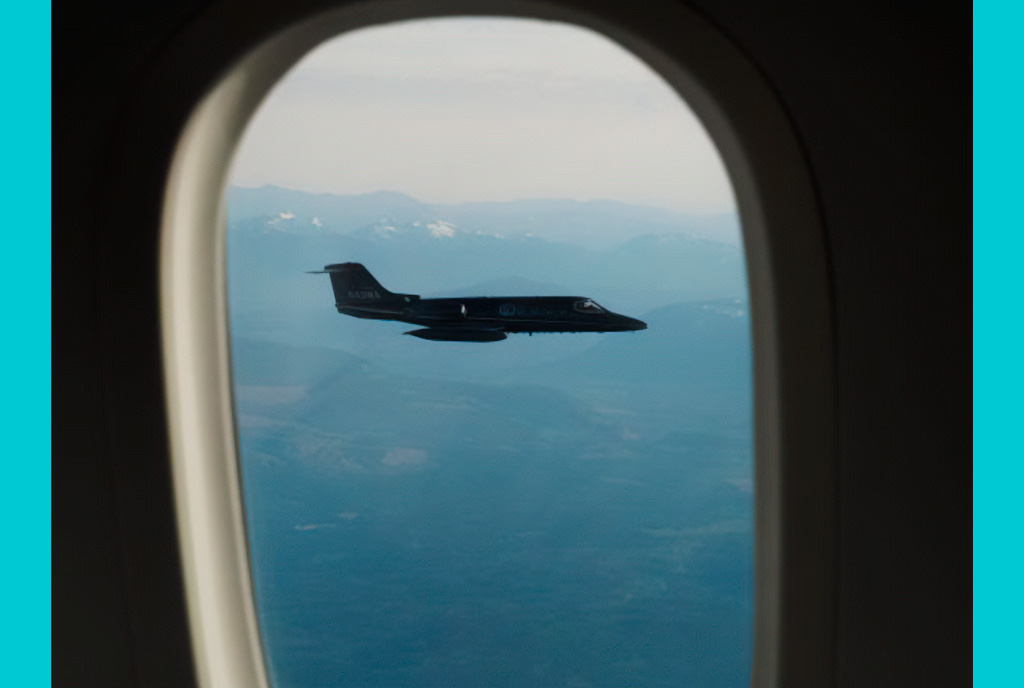
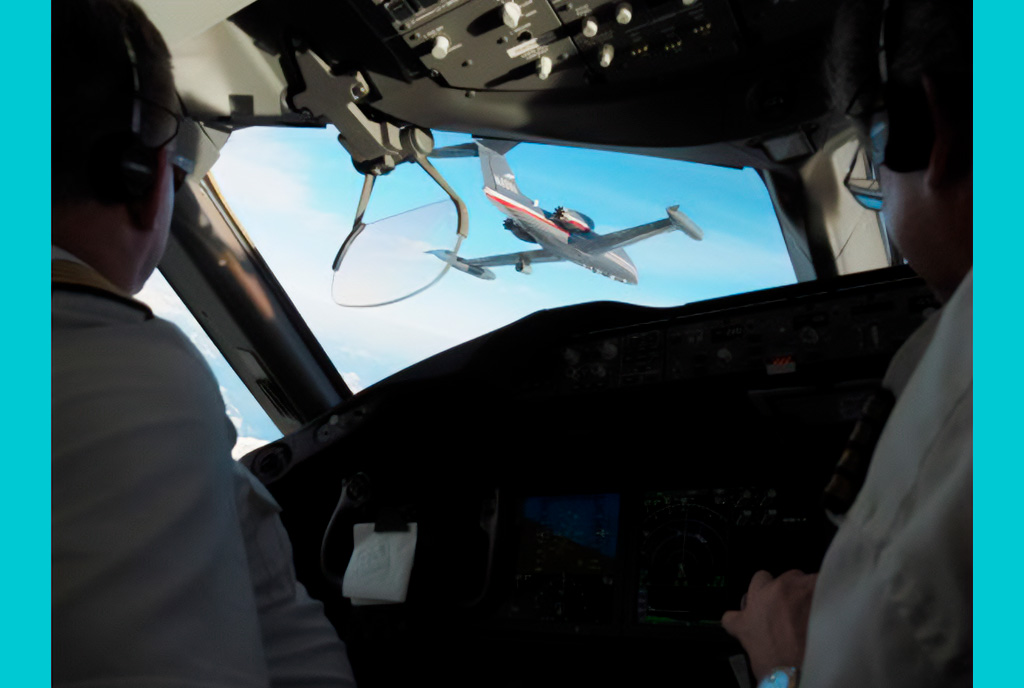
Over two days in May, the long-haul jet took off from and returned to Vancouver, British Columbia. Trailing the Air Canada aircraft was a Learjet 25B business jet, flown by aerial photographers from Wolfe Air Aviation of Los Angeles.
Air Canada is in the middle of a top-to-bottom overhaul. From uniforms to catering to the color scheme of its jets, the carrier is shedding more than a decade of pearlescent blue in favor of black, white and red across its fleet. This image shoot will become the backdrop for the airline's rebrand.
Kevin La Rosa II, a pilot and aerial coordinator with Wolfe Air, led the team for the high-altitude shoot.
“Our crew loves being part of a new livery shoot, because we're all airplane fans too. So we come in and study what the paint job looks like... we literally plan out how we're going to attack and cover every single part of the aircraft,” La Rosa said.

An Airliner Ballet
The final product looks effortless: cutting-edge machinery captured soaring above the natural beauty of Canada's west coast. Capturing images like these is a ballet in which the pilots have to know every move, yet the dance between two aircraft can't be choreographed in advance. The sky is an unpredictable photo studio.
La Rosa, 31, is a second-generation aerial photographer. His credits include work on Marvel films and nearly every Transformers movie. He earned his Screen Actors Guild card flying a helicopter for the 2005 film “Mr. and Mrs. Smith.”
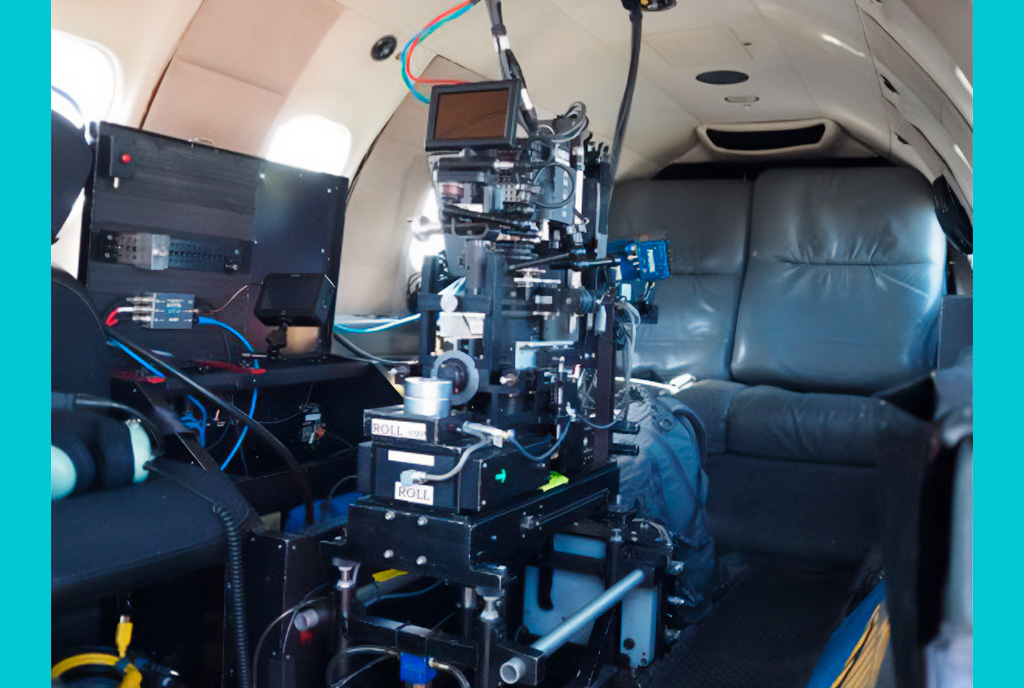
The cramped cockpit of the modified business jet has three monitors up front, giving La Rosa and his co-pilot a way to see through the lens.
“Wherever we point our eyes, we have a very quick reference for what the framing looks like,” La Rosa said. “We're literally flying with the shot. The jet becomes nothing more than a [camera] dolly in the sky.”

The Learjet's cabin is barely bigger than a minivan. Packed with a million dollars' worth of high-tech photo gear, the flights last only about two hours. The jet's engines guzzle fuel, but they respond instantly, giving the short-winged Learjet quick, nimble handling. Add an underwing camera pod and a dark gray paint job, and the 40-year-old aircraft could easily be mistaken for something sinister.
In fact, during a low pass over downtown Vancouver on the first evening of the shoot, police phone lines lit up with calls from concerned residents who thought they were watching some kind of military activity.
Outsmarting the Airliner

Aboard the modified business jet was Brian Losito, Air Canada's corporate photographer, who normally spends his days documenting the Montreal-based airline's fleet from the ground.
“Kevin puts me in the perfect light and the perfect background,” said Losito, who took 2,500 photos on the first day alone. “But if I didn't get the shot, I'll ask them. I'm constantly on the radio.”
During the flight, Captain Butler handled communication with air traffic control and coordination with the Learjet, while Captain Mark Watt, a seasoned formation pilot who races planes in Reno in his spare time, hand-flew the 787.
Hand-flying the 787 means outsmarting an advanced aircraft. With steep banks and rapid turns planned for the perfect shot, Watt had learned during an earlier flight how to stop the autopilot from automatically leveling the jet and its wings while he maneuvered.
Every flight has to be carried out in close coordination with air traffic control. Watt and Butler take on the responsibility of keeping a safe distance between the aircraft.

Once the formation is set, the Learjet switches off its location-tracking transponder, and the pair becomes a ‘flight of two.’
“We're the mother ship for ATC,” Watt said. The Learjet “can always see us, they never lose sight of us, even when we lose sight of them.”
Flying on the Edge
Flying the nimble Learjet this close to the 206-foot Dreamliner is extremely dangerous. La Rosa has to maintain a safe distance at all times while getting the perfect shot.
“You just have to adapt. You have to be completely flexible. Safety is number one. If anyone isn't comfortable with something, we shut it down,” Watt said.

Like a massive ship on the water, the 787 leaves a wake that can flip a smaller aircraft if it gets too close in the wrong spot: below and behind the jet's wings.
“It could damage the airplane and hurt us,” La Rosa said. “You can feel it when you're right next to it. I've never been caught in the wake, and I never want to be.”
Even with the Lear flying just feet ahead of the 787's nose, La Rosa could feel the Air Canada jet's bow wave nudging the tail of the much smaller aircraft. From inside the 787, you could hear the roar of the Learjet's engines as it closed in.
As a passenger on the empty airliner, it's tempting to press your nose to the window and watch the sleek business jet slip in close. But the lucky few on board had to keep their distance. A single face in those huge windows could ruin an otherwise perfect shot.