

As we wound down a series of curves toward the Seal Island Bridge, my ears popping while we left the green hills of the highlands behind and drew closer to Bras d'Or, a vast inland sea, Donnie Hall told me he was surprised by all the attention his little Cape Breton Island was suddenly getting.
An electrician by trade, Hall spent years working in a coal mine, once the dominant industry in this remote corner of the Canadian province of Nova Scotia.
But now that the coal mines are closed, tourism has become the main industry, and calls are coming in from all over the world from people who had never heard of Cape Breton before, asking about hotels, restaurants, and things to see.
Partner links: booking through them supports the blog at no extra cost to you.
Driving the minivan with me in the passenger seat, Hall turned his mustachioed face toward me and shook his head with a faint smile of wonder as he told me what he made of this newfound fame.
"It all started as a joke," he said with a hint of a Maritime accent, a lilt that hints at the region's Scottish past. "We never expected any of this."
What happened? Donald Trump.
Or, to be precise, a website launched earlier this year called "Cape Breton if Donald Trump Wins."
It was created by a local radio host with a modest pitch: that Americans might want to think about spending some time here, or maybe even relocating to this scenic island, if the controversial Republican candidate became president.
As the story spread across international news channels, American interest surged.
A rugged refuge
The fairly simple website, which features testimonials from Americans who have fallen for the island along with plenty of useful information about Cape Breton, has racked up more than 1 million clicks so far.
And some really do seem ready to make the move: Google reported that searches for "how to move to Canada" jumped sixfold when Trump became the likely Republican nominee.
Cape Breton has long been one of Canada's best-kept secrets, an island roughly twice the size of Delaware, connected to mainland Nova Scotia by the 1.4-kilometer Canso Causeway.
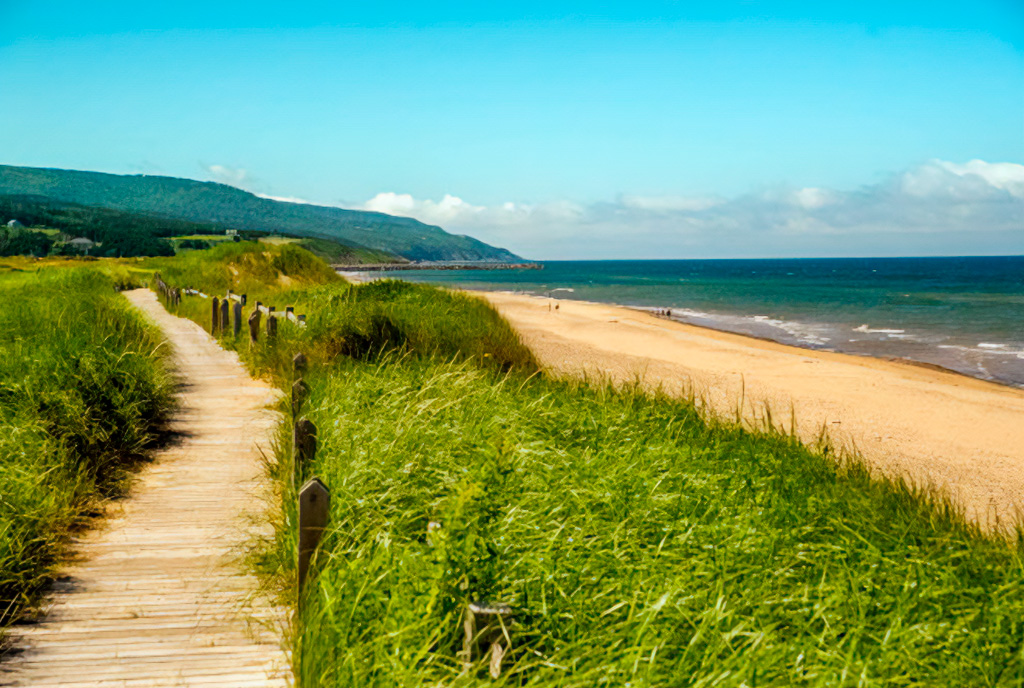
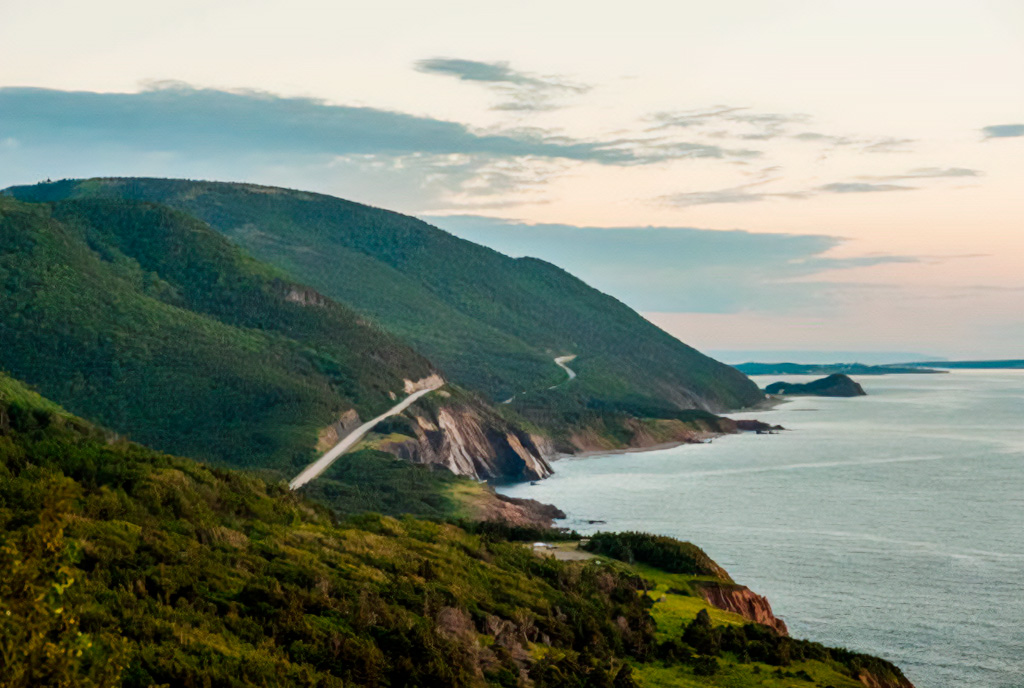
On this island, the famous Cabot Trail, a scenic two-lane highway, runs through Cape Breton Highlands National Park, with much-photographed views of green hills tumbling down to beaches ringed by cliffs.
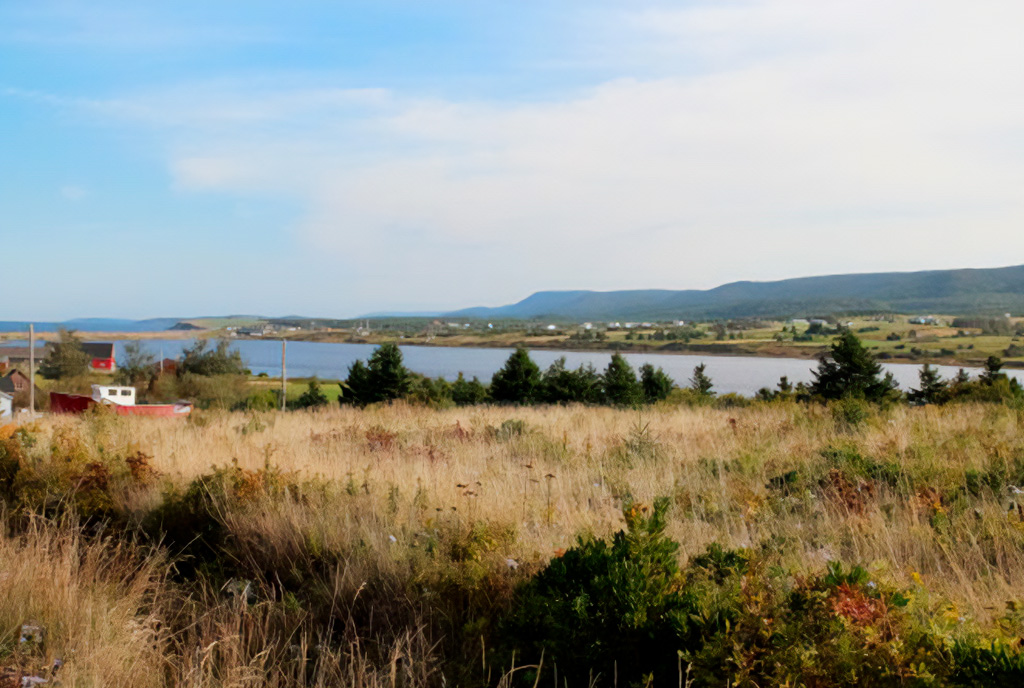
Alexander Graham Bell was one of its notable residents, and a national historic site and museum are devoted to his work here, on a spot overlooking the white sails of yachts and catamarans on Bras d'Or, the inland sea that cuts across the island.
Cape Breton has always taken pride in its distinct identity, rooted in its Scottish past.
The island is filled with the sound of fiddles, musical gatherings called ceilidhs are still common, Gaelic is still spoken in some corners of the island, and it produces some of the finest single malt whisky on the continent.
The island passed from British control to French and back again before becoming part of Nova Scotia once more in 1820. The Mi'kmaq people lived here long before the settlers arrived.
20 stunning shots of Canadian landscapes
Free marketing
The "Trump bump," as they call it here, has been significant.
During my week-long trip to the island, I met Mary Tulle, the CEO of Destination Cape Breton, who noted that searches on their own website climbed by roughly 600%, and those clicks are turning into trips: operators report that bookings are up anywhere from 20% to 200%.
Most of the attention came from nearby states like New York and Massachusetts, but they also received tens of thousands of inquiries from places like Texas, where the island isn't marketed at all.
"We're thrilled with the attention," she says. "As a tourism organization, we've gotten millions of dollars' worth of free marketing."
I saw the island's appeal for myself.
At the Alexander Graham Bell National Historic Site, I set off on a white-glove tour, slipping on a smart pair of white mittens and holding Bell's original jacket, cane, and personal notebook, his notes still visible on the fragile pages.
I sipped whisky, award-winning single malts, at the Glenora Distillery, tasting the pure water from the brook that runs through the grounds and then some fine whisky straight from the casks, before settling in for dinner and a ceilidh, a traditional Scottish celebration with fiddles, piano, and song.
And I even learned a few words of Gaelic at a place called Highland Village, an open-air museum where costumed guides walk visitors through the different generations of homes that early Scottish settlers lived in.
Driving the Cabot Trail, sailing Bras d'Or

I also drove the famous Cabot Trail by car with two friends.
Named after the Genoese explorer John Cabot, who landed in this region in 1497 (scholars still argue about the exact spot), the trail makes a 298-kilometer (185-mile) loop around the northern tip of the island, often hugging the curves of the Cape Breton Highlands as it snakes above the ocean below.
With dinner waiting for us that night in Sydney (the island's largest city), we set off into the mountains, enjoying the drive but making few stops along the way.
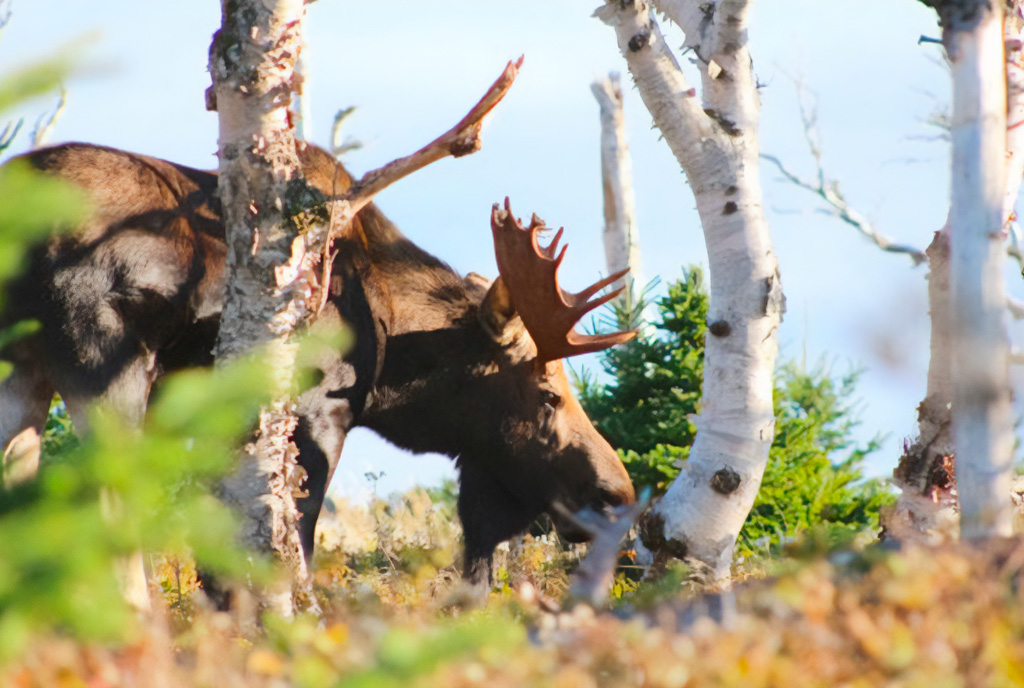
Once we entered the national park, though, we decided to set aside a couple of hours to walk its signature trail. The Skyline Trail, a 9-kilometer loop (5.5 miles), follows a well-worn path through moose and bear habitat to a breathtaking headland where the cliffs drop away on both sides to the Gulf of St. Lawrence below.
We kept a brisk pace through the boreal forest, reaching the boardwalk on the headland within an hour.
I had walked the same trail 13 years earlier and remembered watching pilot whales spouting below. This time they didn't grace us with their presence, but we took a few minutes to soak in the view: the Cabot Trail carving its way through the green on the left, and the endless blue of the water on the right.
We made it back in time for dinner that night, stopping once more to grab some very fresh lobster rolls at a little seaside spot with the fittingly bucolic name "The Rusty Anchor."
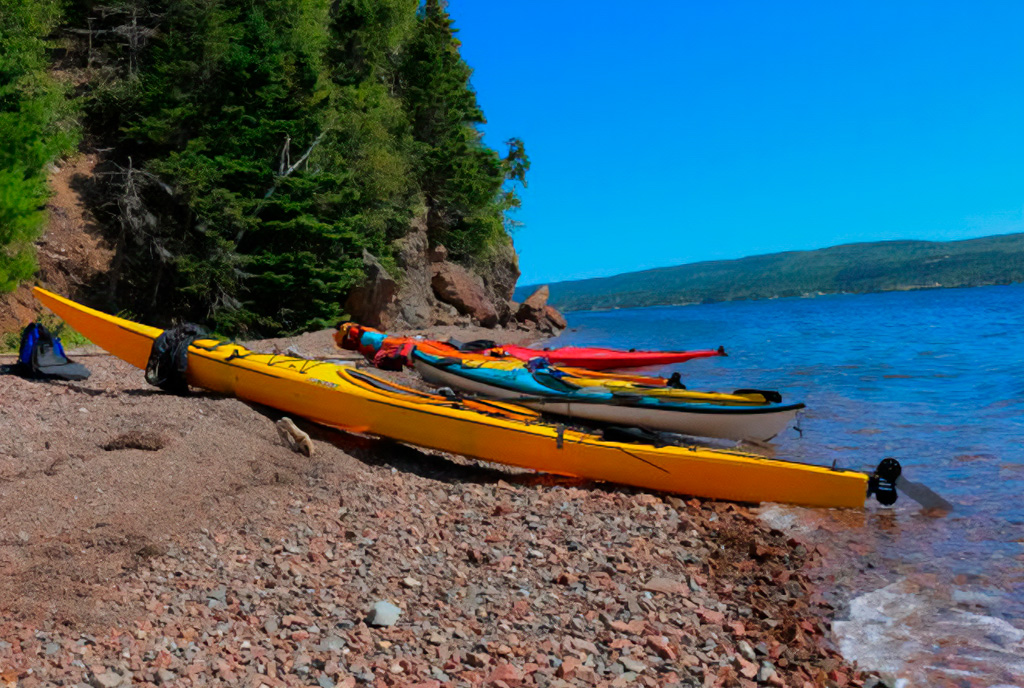
A few days later, at the end of my trip, I got the chance to spend some time on the water. Climbing aboard Captain Paul Jamieson's 42-foot catamaran, I spent three days sailing the calm waters of Bras d'Or. At more than 1,000 square kilometers, we had plenty of places to explore, slipping into little coves, stopping for a swim, and taking in the sunlit lighthouses.
Moored in the charming town of Baddeck, we headed out for a beer at the local yacht club, and I asked the captain what he made of the whole Trump affair.
He figured his charter bookings had ticked up a bit, but added that once people see the island, it really doesn't need any help.
"We've got some of the best sailing spots in the world right here. We have the warmest water north of North Carolina. You've seen a couple of coves, but we have thousands of them," he said, adding that it isn't just about the sailing.
"People come aboard, and I tell them, 'Well, we've got Alexander Graham Bell here, and the Cabot Trail over there,' there's so much here. It really is one of the finest islands in the world."