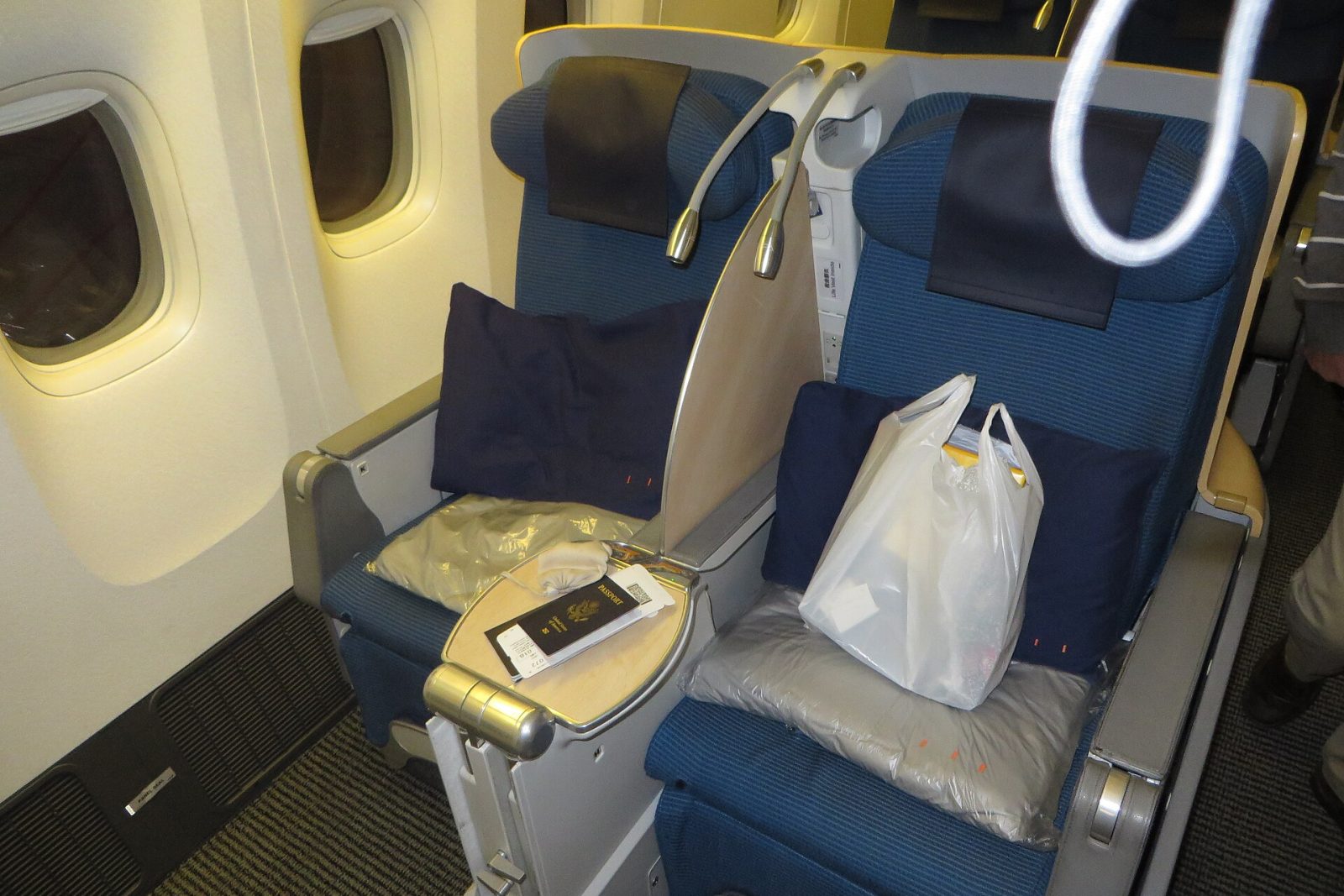


The fear of flying yields not to willpower but to understanding: a flight is statistically safer than the drive to the airport. Boil the accident rate down to a plain number and you get roughly one serious event per tens of millions of flights, while your odds of getting hurt in the car on the way to check-in are far higher than in the air. The catch is that your brain doesn't care about statistics. It reacts to altitude, to sounds, to that dropping sensation in your stomach, and those reactions have to be handled on their own terms.
Why is flying actually safe?
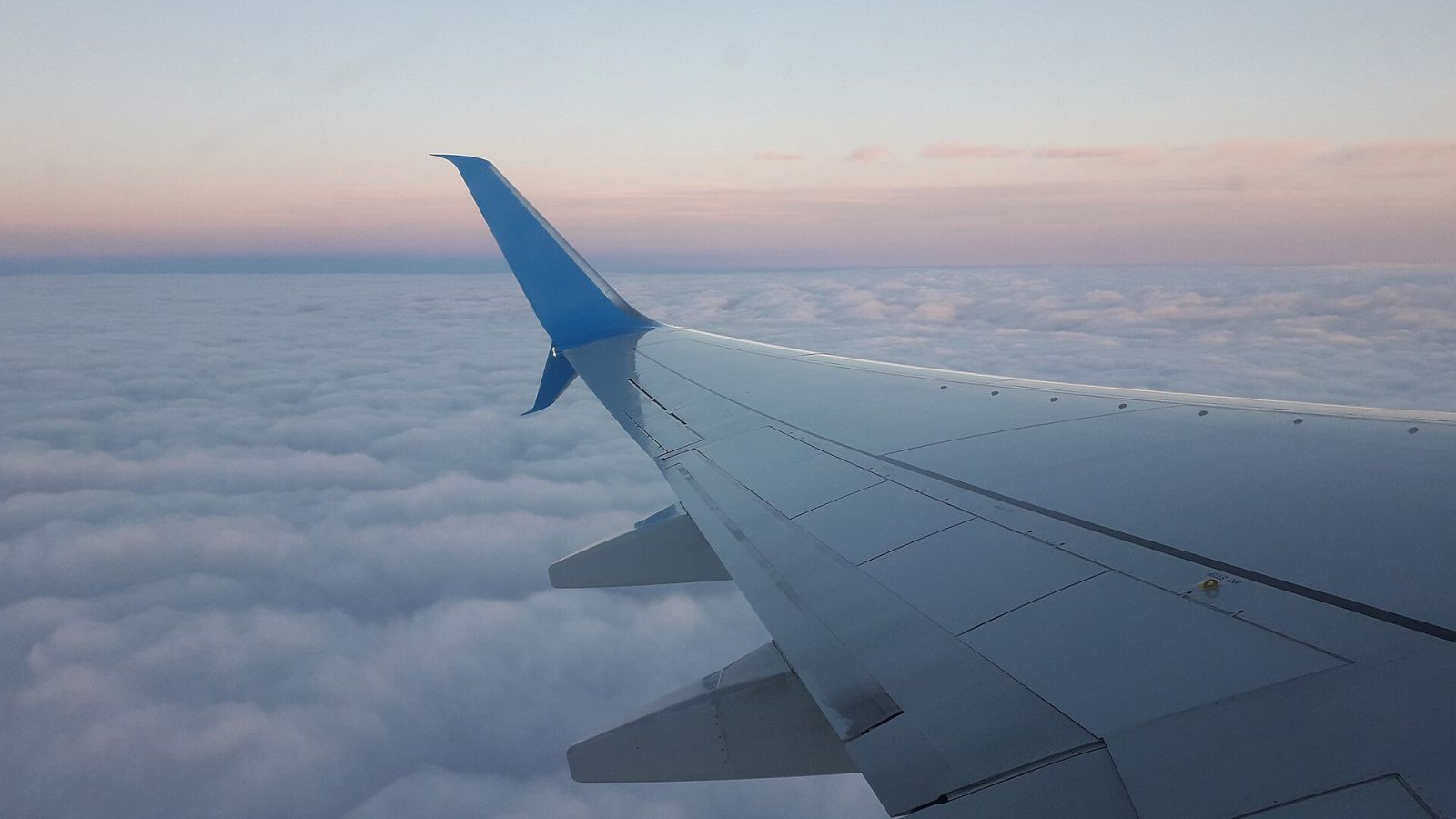
Commercial aviation is the most heavily regulated form of transport there is. Every engine goes through hundreds of hours of testing, every pilot logs thousands of hours in the simulator, and the aircraft itself is designed to keep flying even with one engine gone. An Airbus or a Boeing stays up not because the engines pull it upward, but because the wing generates lift. Lose both engines at cruise altitude and the jet doesn't drop like a stone, it glides for dozens of kilometres, and the crew has time.
It helps to line up perception against reality here, because the gap between the two is exactly what feeds the anxiety.
| What it feels like | What is actually happening |
|---|---|
| "We're about to crash" | The plane glides without engines, the structure has an enormous safety margin |
| "Turbulence will snap the wing" | Wings flex by metres by design, that is the material doing its job |
| "The pilot is panicking" | The crew works through rehearsed checklists, most situations are routine |
| "Strange noise, something broke" | Landing gear, flaps, thrust changes, all of it is a normal sound of a flight phase |
Is turbulence dangerous?
No. This is probably the single most important thing to internalise, because the shaking is what scares people most. Turbulence is just unevenness in the air, roughly like potholes on a road. The car bounces, but the bridge doesn't collapse. Engineers made the wing flexible on purpose: it absorbs the jolts by bending a few metres, and that flex is built into the design rather than being a sign of trouble.
Cases where turbulence damaged an aircraft badly enough to threaten the flight are one-offs across decades in modern aviation. The injuries that do happen are almost always tied to an unfastened seatbelt, not to the strength of the fuselage. That is why pilots ask you to buckle up even when the sign is off. Not because they expect something terrible, but because bumpy air is mostly about spilled juice and the reflex to grab the armrest.
What are those sounds and sensations?
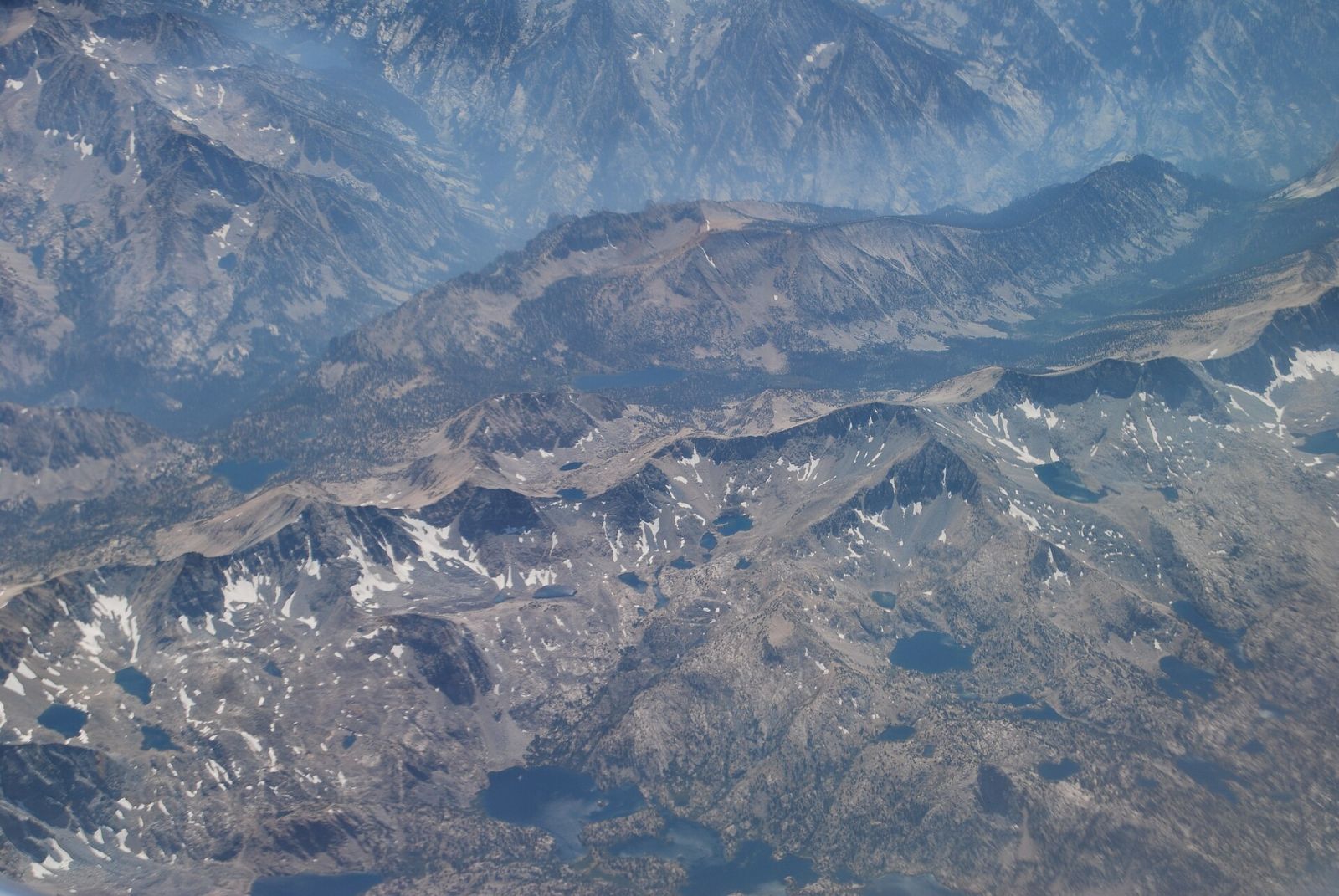
Half of the panic is born from not knowing. You hear an unfamiliar hum, your body senses a shift, and imagination fills in the worst. Here is what is really going on at the key stages.
- Takeoff roll and liftoff. The engines spool up to full power, you're pressed into the seat, then the nose pitches up sharply. A couple of seconds later, a dull thump underneath, that is the landing gear tucking into the fuselage. Entirely normal.
- Climb. Sometimes it feels like the engines "eased off" and the plane is sinking. In reality the crew simply reduced thrust to cruise settings after takeoff. Altitude isn't dropping.
- Cruise. The quietest phase. A light vibration and a steady hum, background noise the brain tunes out if panic doesn't keep poking at it.
- Descent and landing. The flap mechanisms whine, the gear rumbles again, your ears pop from the pressure. The touchdown can be firmer than you expect: pilots deliberately plant the jet onto wet concrete to avoid skidding.
Once you know the script in advance, each sound stops being an alarm and becomes just another item on the programme.
Techniques that genuinely calm you down
Body and mind are almost independent here, so you have to work on both. The fastest lever is breathing, because through it you can manually override the physiology of panic.
The 4-7-8 breath
The pattern is simple. Inhale through the nose for four counts, hold for seven, slow exhale through the mouth for eight. A long exhale switches on the parasympathetic nervous system, the one in charge of calm, and the heart physically slows. Three or four cycles are usually enough to take the edge off that first sharp surge during takeoff. You breathe unnoticeably, your seatmate won't spot a thing.
Distraction that works
Anxiety needs your full attention. Take it away and it weakens. So the busier your mind, the less fuel is left for fear.
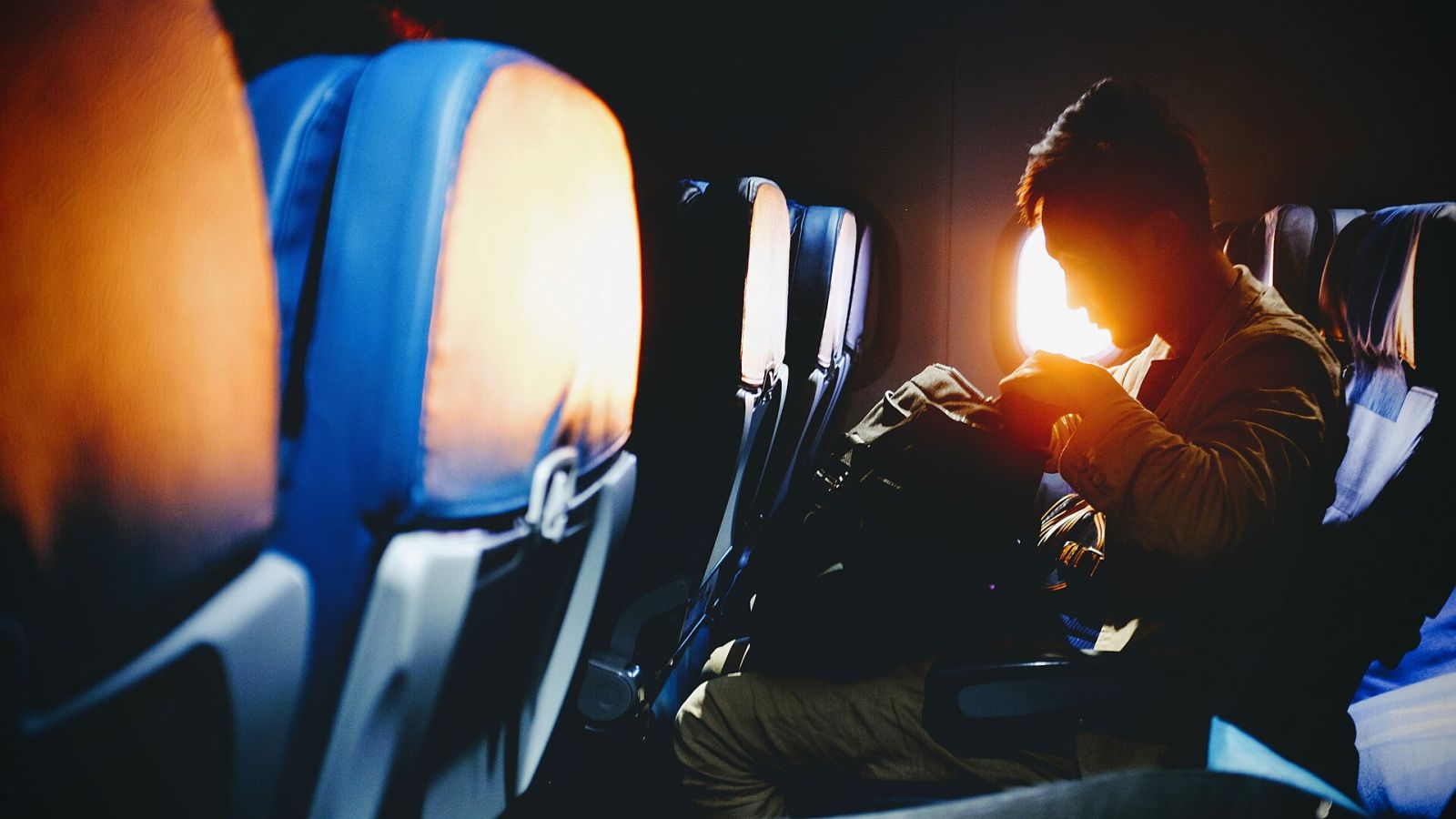
- Download a series or a film beforehand that will genuinely pull you in. Not a calm one, something you can't look away from.
- Bring active noise-cancelling headphones. They remove that same low hum that feeds the anxiety, and half the battle is done.
- A phone game that demands attention beats meditation if you're new to meditation.
- Chatting with your seatmate counts too. People strike up conversations on planes surprisingly easily.
One more trick, name the fear silently to yourself: "this is anxiety, not danger." It sounds trite, but the brain really does settle a little when you separate the emotion from the actual risk.
Which seat should you pick?
Where you sit affects the sensation more than you'd think. If it's turbulence that gets to you, there are zones where you feel it less.
| Seat | Upside | Downside |
|---|---|---|
| Over the wing | Centre of gravity, least shaking, the most stable | Poorer window view |
| Closer to the nose | Quieter, engines are behind you, less vibration | Longer walk to the exit |
| Aisle | No "boxed-in" feeling, easy to stand up | Neighbours climbing past you |
| Tail | Often cheaper | Shakes the most, engine hum is closer |
The sweet spot for an anxious passenger is an aisle seat over the wing, toward the front of the cabin. And book the seat in advance rather than leaving it to airport check-in: when you control even this small thing, the overall sense of control feels bigger.
How to prepare for the flight?
Half the battle can be won on the ground, the day before departure. A body worn down by lost sleep and caffeine slips into stress more easily, so the basics here aren't a formality.
- Sleep well the night before. A sleep-deprived brain is worse at braking anxiety, and irritability amplifies any discomfort.
- Skip coffee and energy drinks that morning. Caffeine is a stimulant, it physiologically mimics the same anxiety: racing heart, tremor, that on-edge feeling.
- Don't "calm down" with alcohol. A glass seems like it will help, but at altitude alcohol behaves differently, it dehydrates you, wrecks your in-flight sleep, and often spikes panic once it wears off.
- Arrive at the airport with time to spare. Rushing to check-in is extra stress stacked on top of the fear of flying.
- Eat light. An empty stomach reacts more sharply to nerves, but overeating right before takeoff isn't wise either.
Drink water during the flight. Cabin air is dry, and dehydration worsens headaches and irritability, which is direct feed for anxiety.
When should you see a professional?
Everything above helps if the fear stays within the range of discomfort. But there is also clinical-level aviophobia, where a person can't board a plane for years, cancels important trips, and the very thought of a flight triggers attacks. This isn't a weakness of character, and it isn't something you "just have to tough out." It's a genuine anxiety disorder, and it responds well to treatment.
A few markers for when to seek help:
- You turn down work, holidays, or visits to family purely because of the plane.
- Weeks before a flight you start getting insomnia, panic attacks, intrusive thoughts.
- Breathing techniques and distraction don't work at all, the fear fully paralyses you.
The most effective approach here is cognitive behavioural therapy: over a few sessions a psychologist unpacks your specific triggers and hands you tools. There are also dedicated fear-of-flying courses, often run by the airlines themselves, where pilots and psychologists lead the programme together and the finale is a training flight as a group. Sleeping pills or sedatives, only on a doctor's prescription and never combined with alcohol.
The fear of flying is a normal reaction of the brain to an unnatural situation, and it's nothing to be ashamed of. But it's a reaction you can unlearn: through understanding the mechanics of flight, through breathing, through a few flights after which the "terrifying" turns routine. Most people who once shook with fear end up simply dozing off at takeoff. You will too.