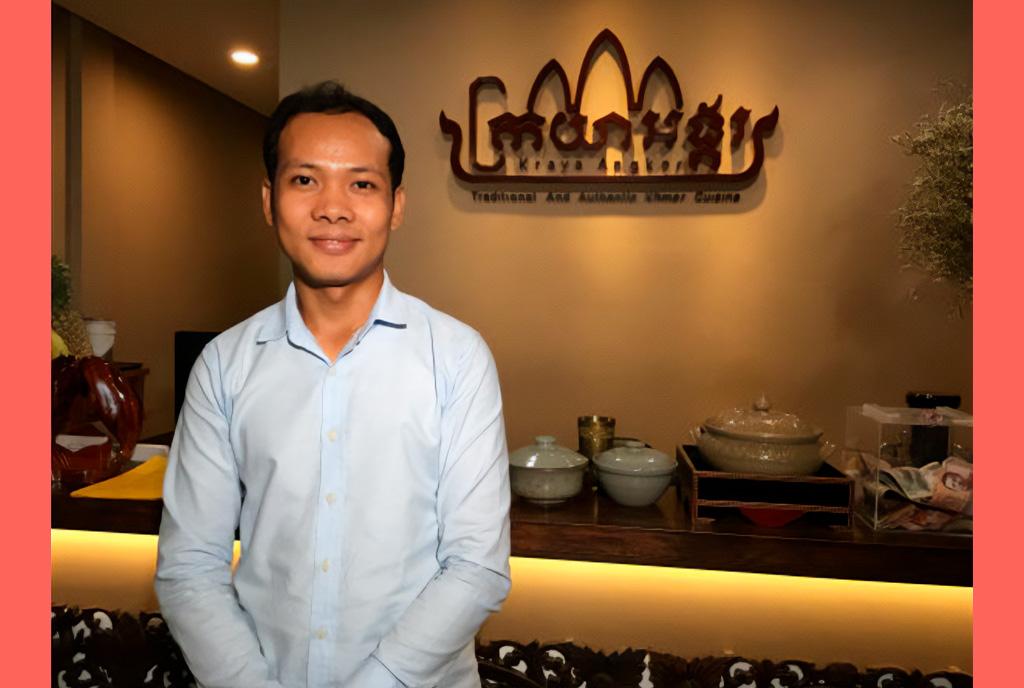


It was while studying in France that Ly San, now 29, decided to revive traditional Khmer cuisine.
Missing the flavours of his native Cambodia, he began researching traditional Khmer food, only to find that written records of the country's national recipes and ingredients were hard to come by.
He realised that much of this knowledge had been lost during the civil war of the early 1970s and the brutal Khmer Rouge rule that followed, when hundreds of thousands of people died from executions and starvation.
Partner links: booking through them supports the blog at no extra cost to you.
«We ate very little (during that period), so people lost their (culinary) education,» he says. «People were also killed. So the food we ate was...»
Cambodian cuisine: How to cook and eat a tarantula
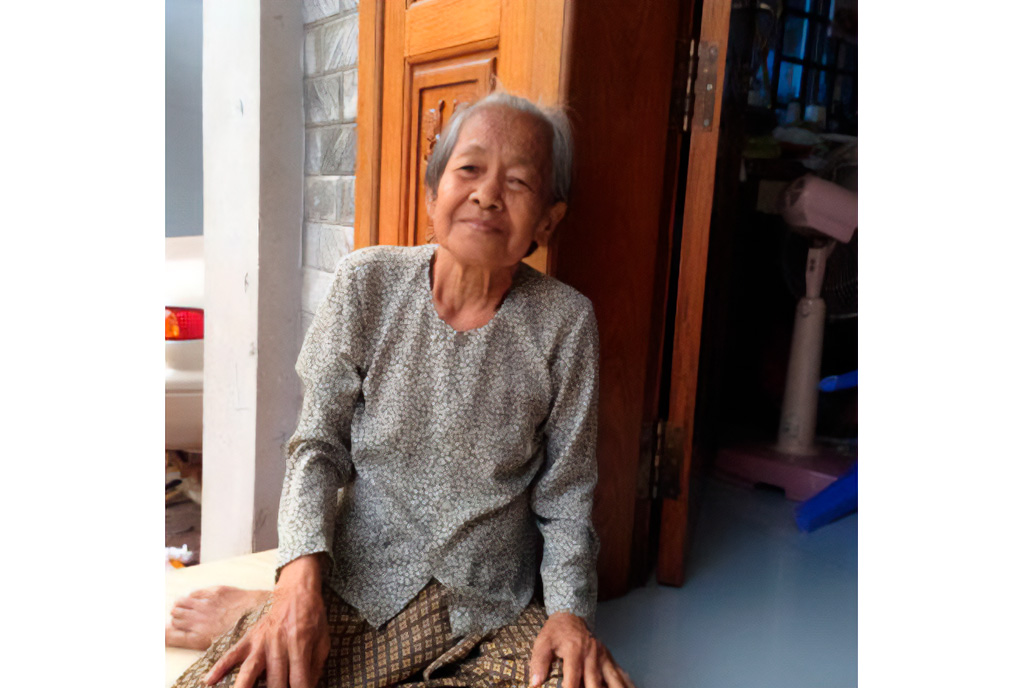
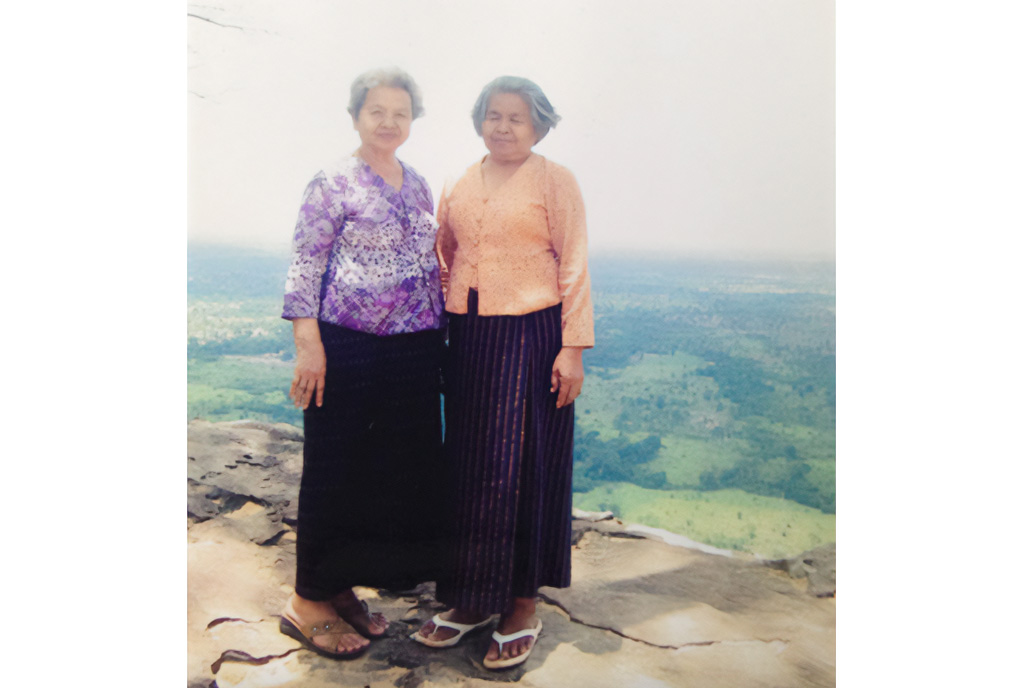
Determined to learn more, San spent six years talking with elderly Cambodians about the recipes they loved before political upheaval tore the country's kitchens apart.
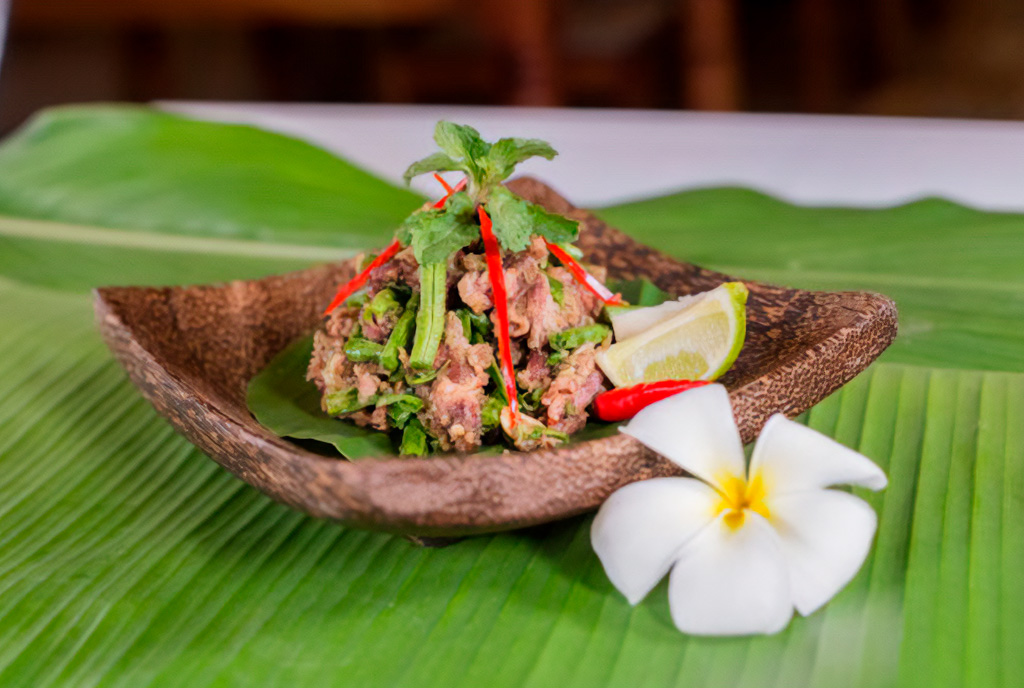
In 2016, San opened a restaurant in Phnom Penh, Kraya Angkor, where he serves these dishes.
He came to see that his country's cuisine was far richer than he had ever imagined.
«Food... no one can forget it. It's one of the markers of Cambodian culture.»
A search across the country
Before San, a lawyer who teaches at the Royal University of Law and Economics in Phnom Penh, began his project, he thought of Cambodian cuisine as «simple».
But his research in his hometown of Siem Reap, where he interviewed older people about the dishes they grew up with, changed how he saw it.
«That passion took hold and pushed me to learn more,» he explains. «As I gained more knowledge about Khmer food, I began to realise how deeply it shapes people's lives, along with the significance of Khmer food culture.»
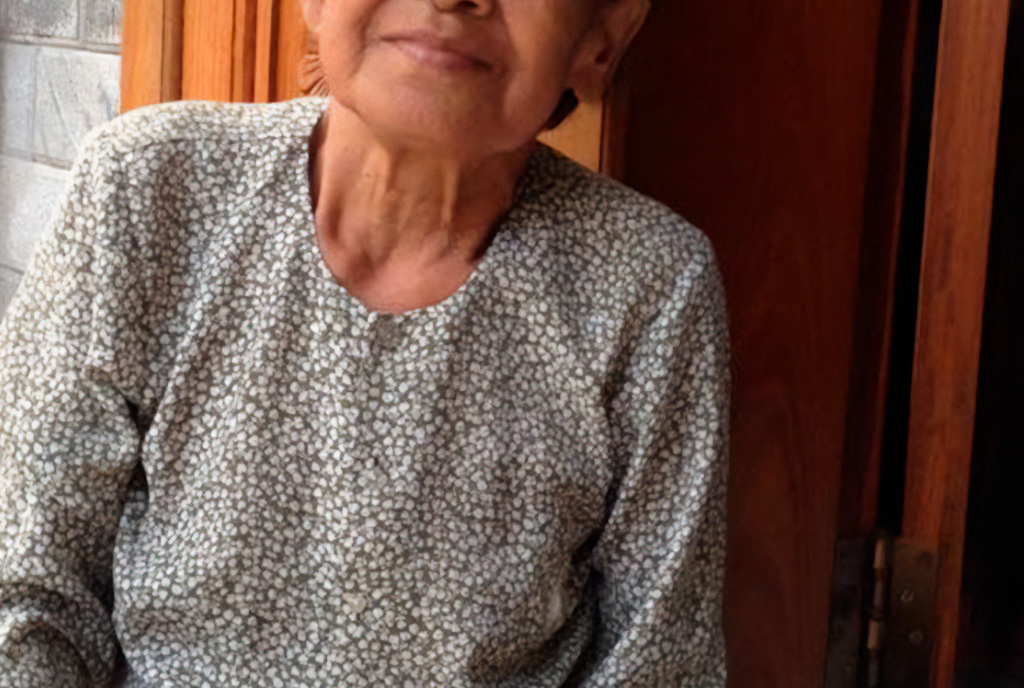
After one elderly woman taught him to make «num ansom», a dish usually reserved for the royal family, San decided to widen his search, travelling across Cambodia to talk and cook with older citizens.
The top 23 cities for street food
Six years on, San had interviewed 26 Cambodians and written two hefty books, one filled with recipes and another detailing ingredients.
«I only learn from older people who have been cooking for many generations,» he says. «I go to them, I go to their homes and I cook with them.
«They teach me, they tell me about the taste of these dishes. I take lots of photos and I learn to make these dishes spicy or salty, and so on.»
Fit for a king
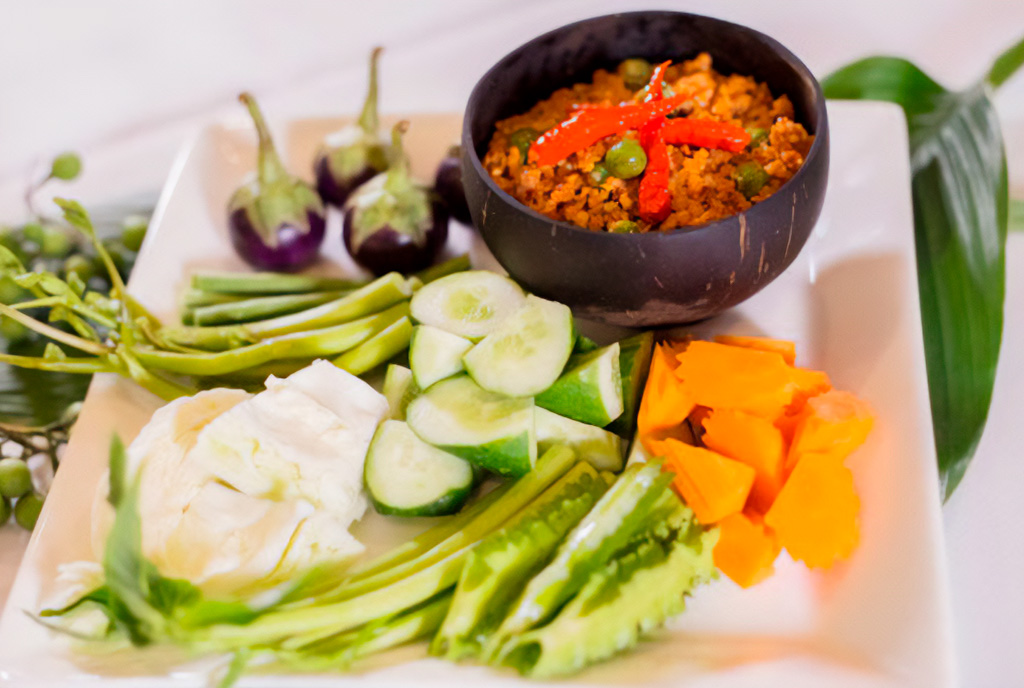
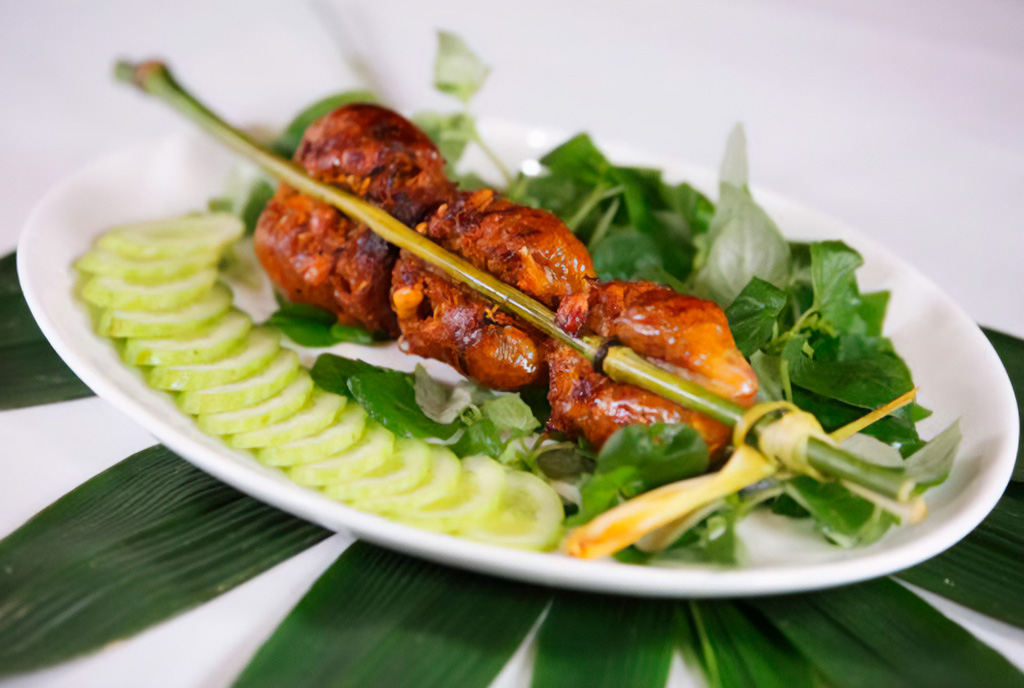
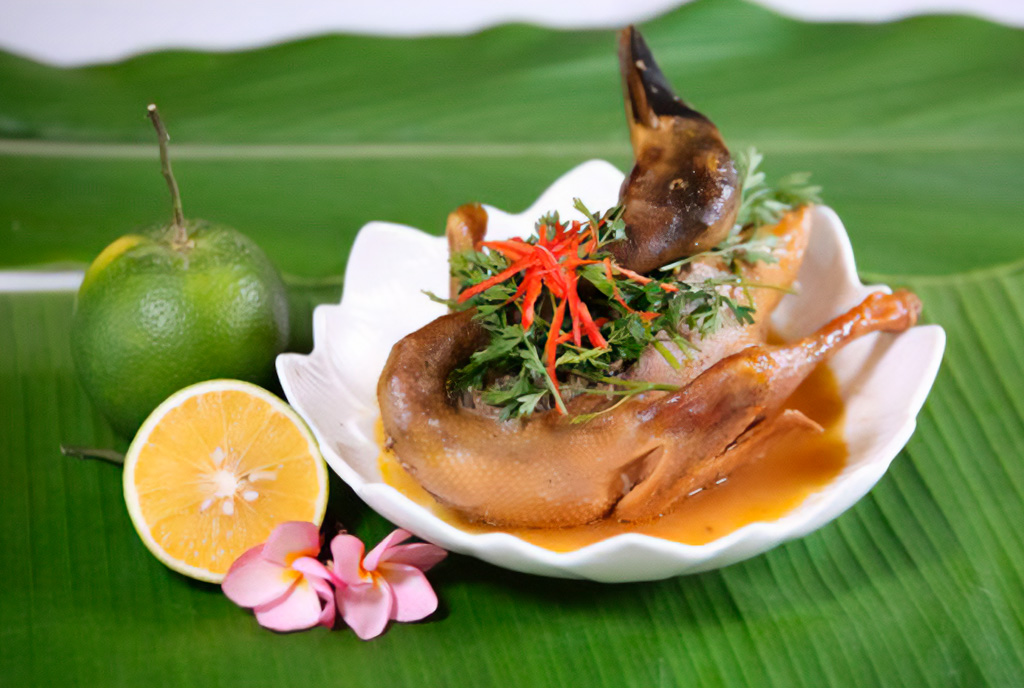
Broths, curries, seasonings, grilled meats and dipping sauces. All of these, San discovered, are part of traditional Khmer cuisine.
He also learned about the three Khmer classifications of food: royal, elite and peasant.
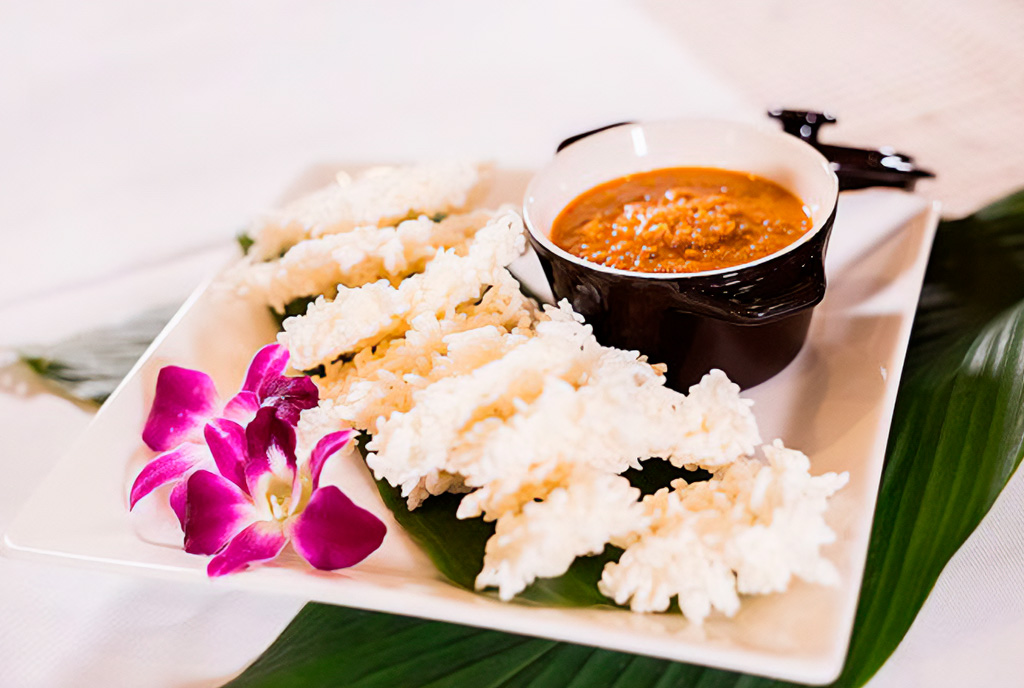
Royal food, such as num ansom, a snack of pan-fried sticky rice with a sauce of minced pork, chilli and coconut milk, was once served mainly to those in Cambodia's royal palace. The ingredients in such dishes are richer, more varied and heavier on meat.
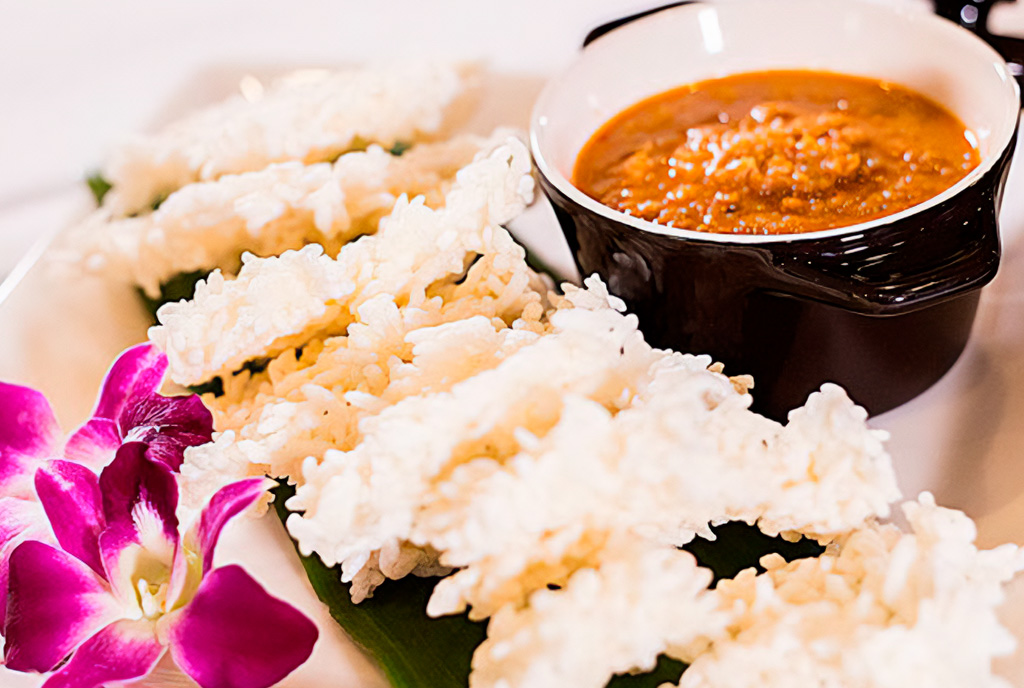
Num ansom by grandmother Sok Loun
Elite dishes, intended mainly for the country's officials and wealthy citizens, are less elaborate and made with lower-grade meat and ingredients.
A guide to Cambodia
Peasant, or everyday, food, such as «kor ko», a fish soup that remains popular in the country, is made with simple, readily available ingredients.
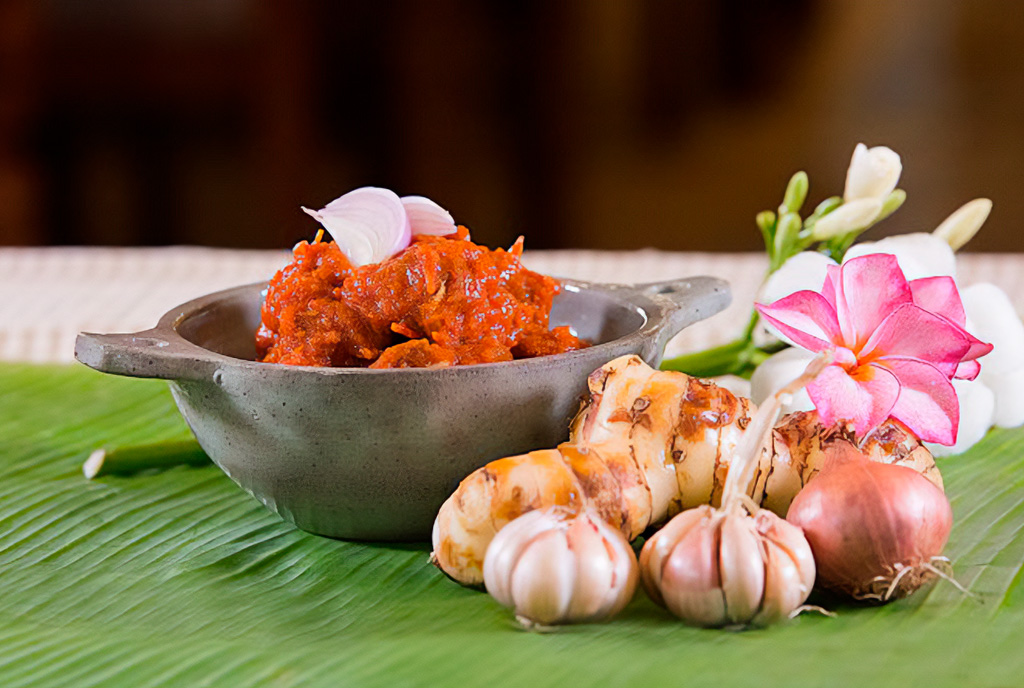
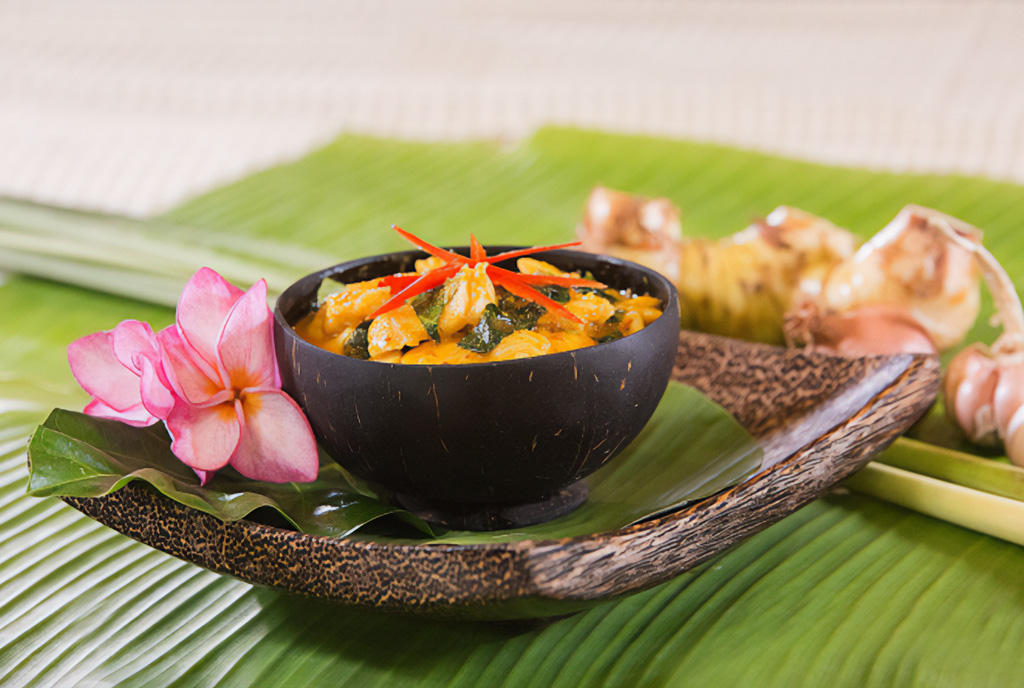
Fragrant and delicate, all of these dishes rely heavily on galangal, garlic, lemongrass, kaffir lime leaves and turmeric for flavour. This subtlety sets Khmer cuisine apart from other Southeast Asian cuisines, such as Thai, with its bold flavours.
«The way we cook is very different from other countries and reflects how our country has developed,» San says. «Khmer food is very... good for your health.»
A complicated culture
Cambodia's famous Angkor temples are striking reminders of the country's rich heritage and culture, despite a modern history marked by war.

After the communist Khmer Rouge came to power in 1975, its Marxist leader Pol Pot launched a drastic campaign of social engineering, sending people out of the cities to communal farms in the countryside.
Intellectuals and the middle class were subjected to torture and execution, while hundreds of thousands of people died from disease and the famine brought on by Pol Pot's revolutionary policies.
The scars of the Khmer Rouge: How Cambodia is healing from genocide
Records of the country's cuisine were destroyed by the Khmer Rouge, and people ate purely to survive, living on the little that was available at the time.
«Cambodians just ate in groups, ate porridge and small amounts of food and lots of water to stay steady,» San says.
Although San is reluctant to say whether his elderly mentors shared their experiences of Cambodia's struggles, it's clear that what began as a personal project has taken on a greater meaning.
«This experience is very important. It taught me how to protect Cambodian culture,» San says. His restaurant Kraya Angkor serves dishes from all three categories of Cambodian cuisine, and among its regular guests is Cambodian Princess Norodom Buppha Devi.
He is also working to combine the two Khmer books he has written into one all-encompassing cookbook, and hopes it will eventually be published in French and English.
«I want to show Cambodians their food and give them the chance to taste real Cambodian food.»