


For almost 33 years he lived as a hermit on a beautiful island in the Mediterranean, where he was the only resident.
Mauro Morandi, known as the Italian Robinson Crusoe thanks to his devoted online followers, was the caretaker of the Sardinian island of Budelli, savoring the silence, the solitude and the peace of nature while living in an old hut built from beach stone.
There was no social bustle, no fine dining, no friends: his only companions were birds and cats. He slept on a camp bed and owned little clothing. Having given up every comfort, he preached a monk-like existence devoted to self-reflection and meditation on Budelli's pink beach, dusted with coral.
Partner links: booking through them supports the blog at no extra cost to you.
Then his blissful world came to an end.
After years of clashing with the marine park authorities, who wanted to evict him and turn the island into an ecological observatory, Morandi accepted his fate in May. Posting a blunt resignation message, «My eggs are broken» (slang for «I've had enough»), he left.
Moving back home and starting a new life can be hard for anyone. All the more so for an 82-year-old who spent three decades living alone on a paradise island. Is it possible to move on and adapt all over again?
According to Morandi, the answer is a firm «yes!»
«It never truly ends,» Morandi says. «I'm living proof that a second, brand-new life is possible. You can always start over, even in your 80s, because there are other things you can try, a completely different world.»
Backing up his words, Morandi is clearly thriving after moving back to civilization on the inhabited island of La Maddalena, not far from Budelli.
«I'm happy, and I've rediscovered the pleasure of a good life and the joy of everyday comforts,» he says.
A new home
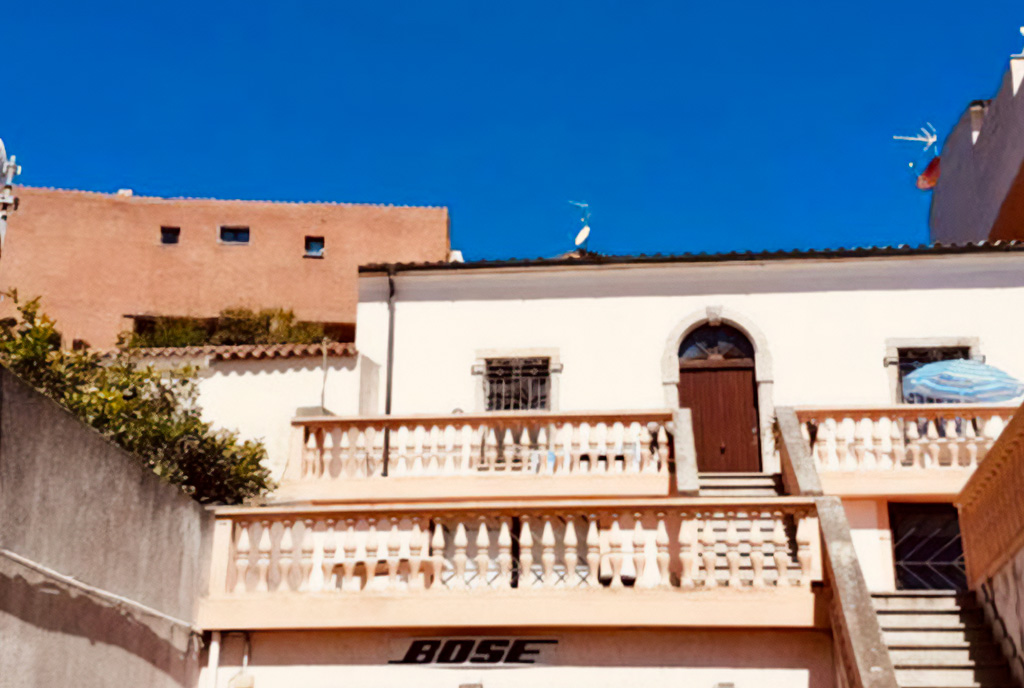
Drawing on the pension from his former life as a teacher, he bought himself an apartment with all the conveniences he had gone without before.
Morandi is polishing up his social skills. After years of solitude, he now longs to talk with people, swap ideas and post photos and comments on social media to connect with the world. He is also writing his memoirs.
«For a long time I lived alone, and for far too many years after I first landed on Budelli I didn't want to talk to anyone,» he says. «It's true that I can no longer enjoy the solitude of the island, but my life has now taken a new turn, focused on connecting with others and being close to other people.»
Morandi, originally from Modena in northern Italy, ended up on his former home of Budelli in 1989 by chance, while trying to sail from Italy to Polynesia. He fell in love with the crystal-clear waters of the atoll, the coral sands and the beautiful sunsets, and became its caretaker.
Although he met the occasional visitor to the island, for the most part he lived alone. In recent years his online presence, posting images from Budelli, allowed him to connect with a virtual community.
Now he has real company. His tiny whitewashed new house, with a panoramic terrace overlooking the sea, sits in the lively tourist town of La Maddalena, though it is tucked away in a quieter spot that keeps his privacy intact.
He says he misses the quiet of Budelli. He isn't used to the noise of cars, trucks and «motorcycles with broken mufflers roaring past outside,» but on the whole he likes his new surroundings, which he finds fairly relaxing.
A rekindled romance
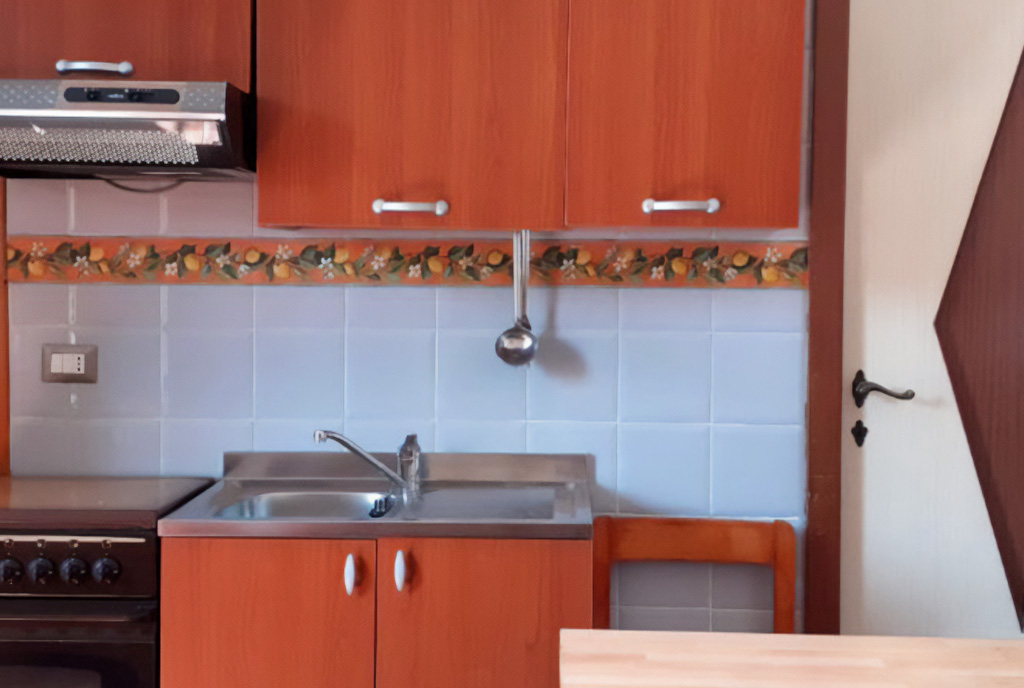
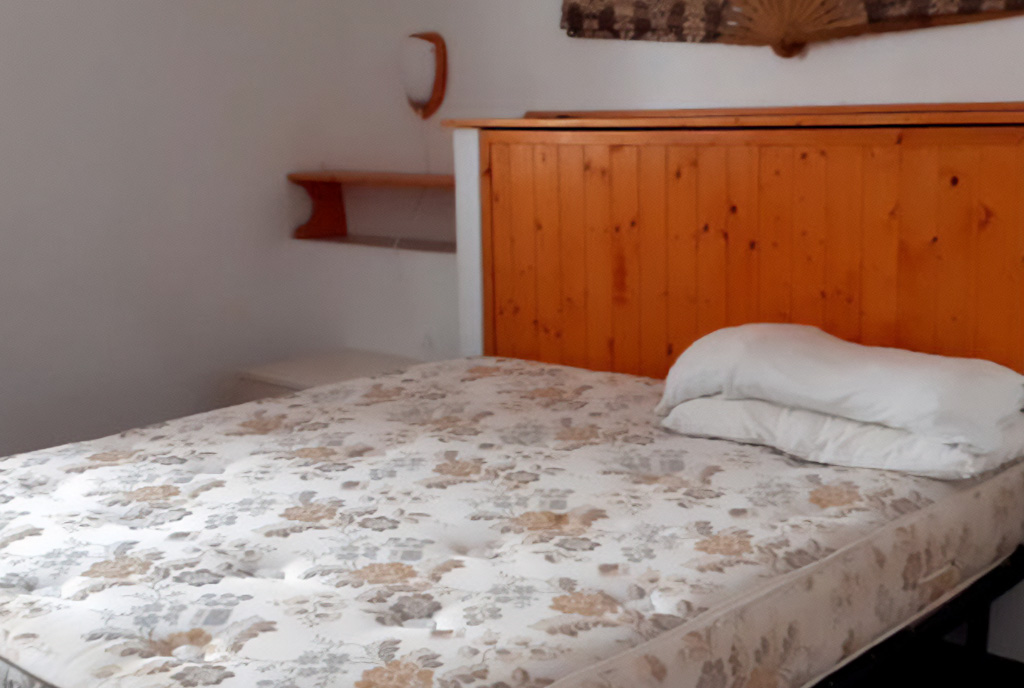
The perks include a brand-new, fully equipped kitchen, a bedroom with a king-size bed and, the greatest luxury of all, a shower. He also has shelves stacked with books.
Another bonus of returning to civilization is the revival of an old love. Morandi now shares his new home with a former sweetheart from his youth.
And then there's the food.
Enjoying delicious meals again that he hadn't tasted in decades, he recalled the «taste of life» and everything he had given up, he says, such as enjoying wines and liqueurs with friends after dinner.
But he doesn't gorge on ice cream, pizza or ham. He craves something that was plentiful on Budelli but impossible to eat: fish.
«I still lead a simple life. In the morning I head down to Cala Gavetta to buy fresh fish straight from the nets. At last, after so many years of going without, I can enjoy fish again. It may sound incredible, but I can't get enough of plates of fresh, crispy fried fish.
«On the island I had no boat, so I couldn't fish, and food was scarce and limited. I always had to wait for people to bring me supplies from the mainland, and when they couldn't come, I had to make do with what I had. Here, if I need to buy something, I just walk into town.»
Mountains and meals
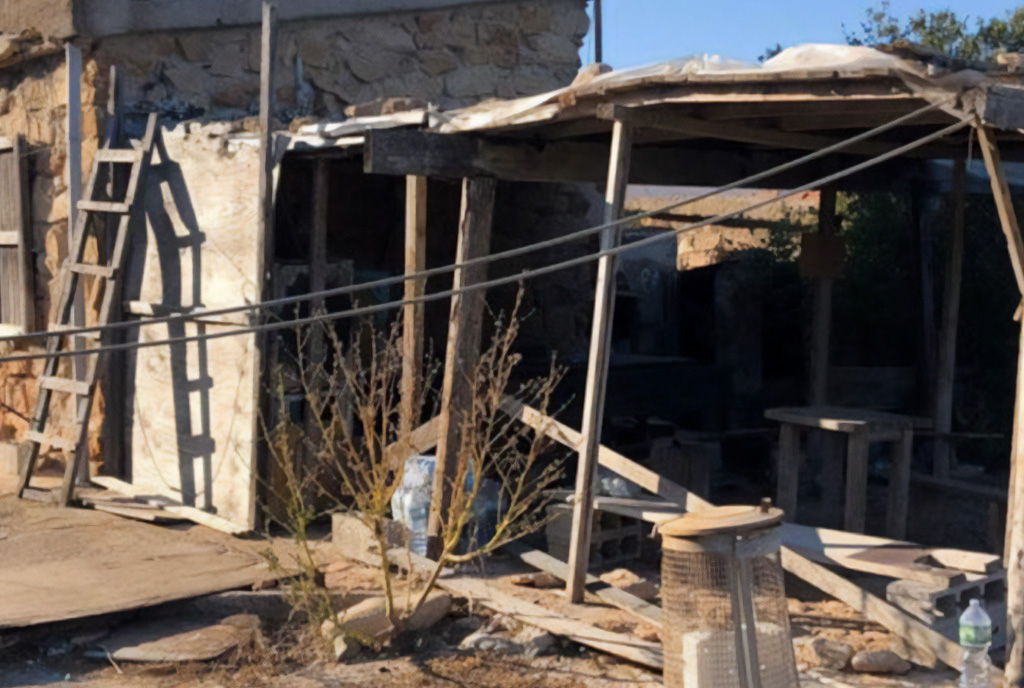
Morandi admits that life on Budelli had become hard, especially last winter, which brought colder-than-usual temperatures and gloomy conditions that left his solar-powered fridge unable to keep food fresh, leaving him dependent on canned food for months.
He still remembers the first time he ate fresh fish again, when on a trip to the Italian Alps after Budelli he stopped over with a friend who owns a restaurant, where he savored both the mountain scenery and the fine cuisine.
«It was wonderful. I discovered that there is beauty even up there: the landscape, the mountains, the food. I had the best linguine allo scoglio (flat spaghetti with seafood), and it was far cheaper than in La Maddalena. After all, the freshest fish in Italy isn't in Sardinia, it gets shipped off to northern markets like Milan.»
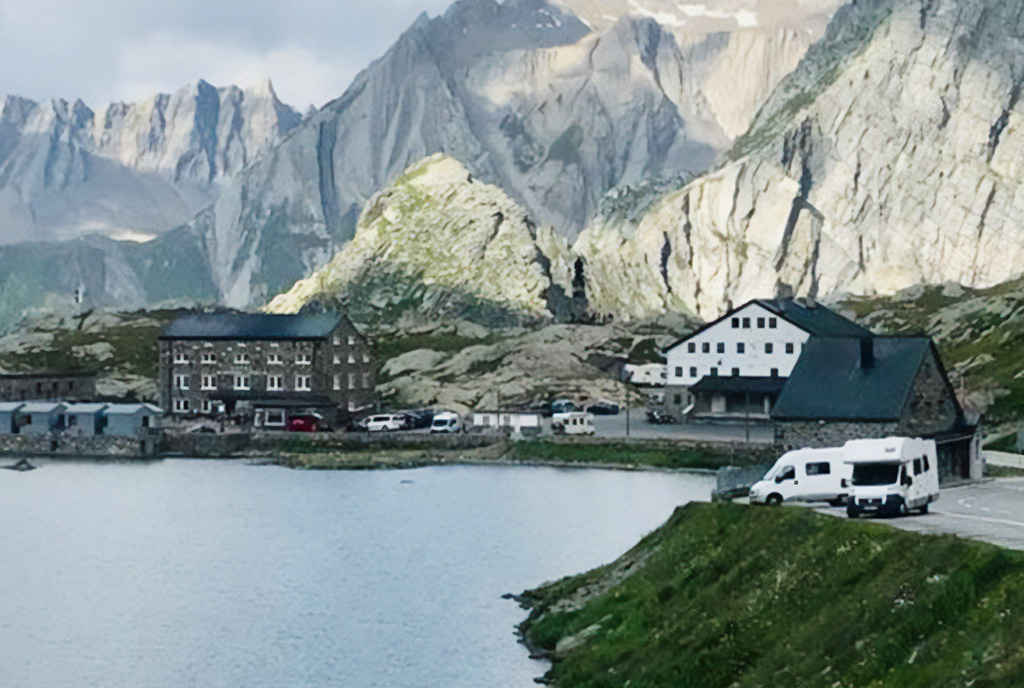
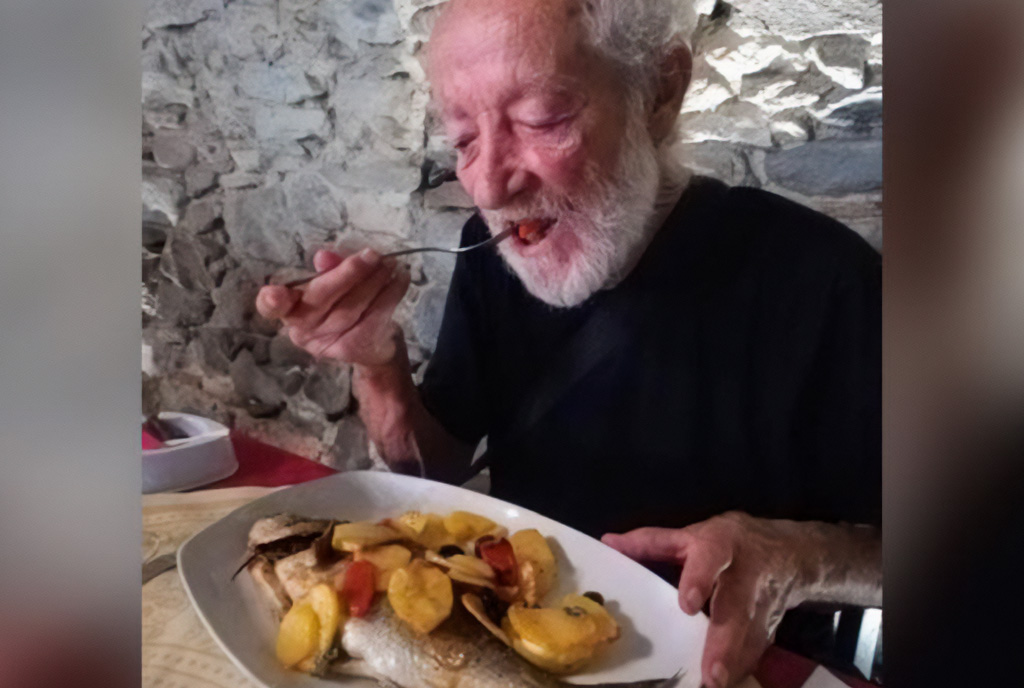
Morandi has documented his return to land, posting photos online of himself eating fried plaice with potatoes and tomatoes, exploring Mont Blanc and visiting picturesque mountain villages. He plans to head back to the Alps at Christmas.
It's a shift in outlook compared with last year, when Morandi, speaking to journalists, said he was ready to do whatever it took to stay on Budelli. «I don't know where else to live, certainly not back home in the north, or what to do. This is my life,» he said at the time.
Now he is enjoying his daily routines on La Maddalena.
«In the morning I have breakfast on my terrace with a barley coffee,» he says. «Then, once I've enjoyed a cigar, I take a walk down to the port along the tiny path that connects to my house, or into the village, where I meet people and do my shopping.
«I walk a lot. The doctor says it's the best way to heal my bad leg, but people often give me a lift back home so I don't have to carry heavy bags.»
A busy man
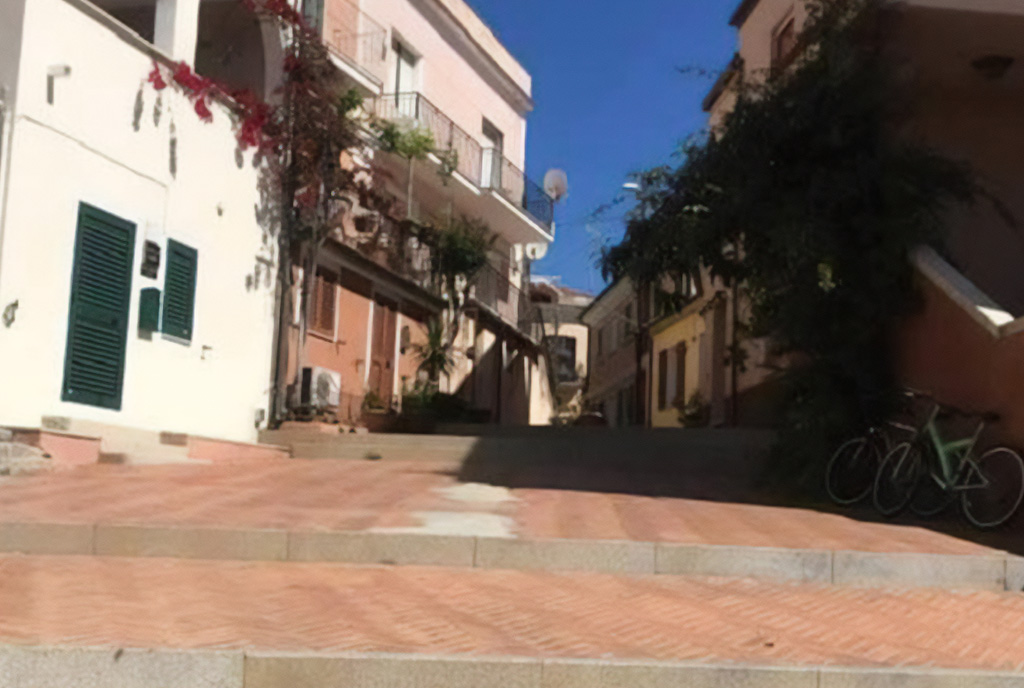
Now fully vaccinated against Covid-19 and happy to wear a mask in public, he enjoys mixing with the locals.
«I was surprised at how many people are friendly, and I'm usually invited for coffee, lunch or dinner,» he says. «I was afraid the locals wouldn't give me a warm welcome. I'm glad not everyone hates me, only those who envied the life I led on Budelli. Many people love me. They come up and congratulate me on my struggle, they want to have their photo taken with me.»
Many people, especially abroad, saw him as a hero for devoting his life to protecting the island, while others argued that he was using the romantic myth of the «noble savage» to hide the fact that he was an illegal resident.
Ownership of Budelli has changed hands several times in recent years. Since 2015 it has belonged to the La Maddalena National Park, making Morandi's role as caretaker obsolete.
The authorities told journalists they were simply following the law, «restoring an illegal structure» in which Morandi lived, a former World War II radio station. They said he had «no right» to stay on the island, since it was no longer private.
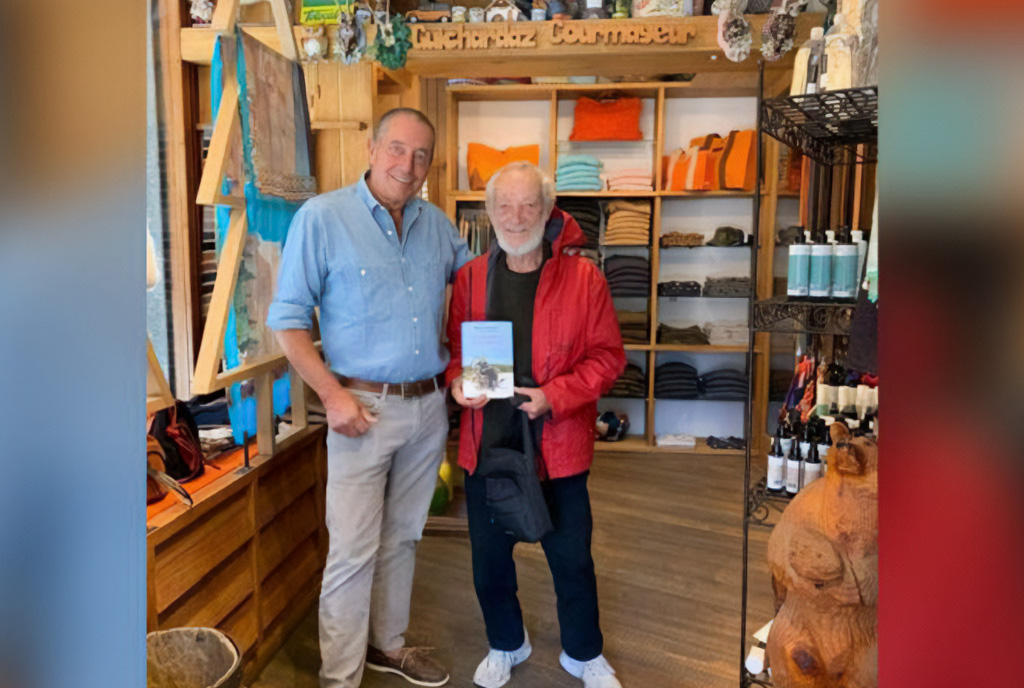
Morandi's fight to stay drew worldwide attention, and even now that he has left, he remains in the spotlight. He has written a book about his life on the deserted island, is planning a second, and says his story may soon become the subject of a film.
How does he see himself in a few years, what will his future look like? Morandi says he is settling in La Maddalena for good: «I'll be right here. The cleanest sea and beach, Punta Tegge, is nearby, and I can get around by bus if I need to.»
The lost silence
Would he go back if the park authorities changed their minds?
«I don't pine for it,» he says. «Still, I might be willing to return as caretaker, but only if this time I'm paid for my work. I won't work for free anymore.»
Budelli hasn't been left entirely behind. Morandi sometimes returns on day trips to collect a few personal belongings he left there.
He still worries about the island's future. As caretaker he regularly chased off tourists who broke the ban on the pink beach, cleared litter from the sand and stopped trespassers who tried to land at night.
For now, La Maddalena is his new world, one he plans to discover.
«I was on that island for so long, and this place was so close the whole time, yet I'm only now realizing that I don't know it.»
So every day, as he walks through the town, he photographs the quiet, forgotten corners, perhaps still searching for that lost silence.