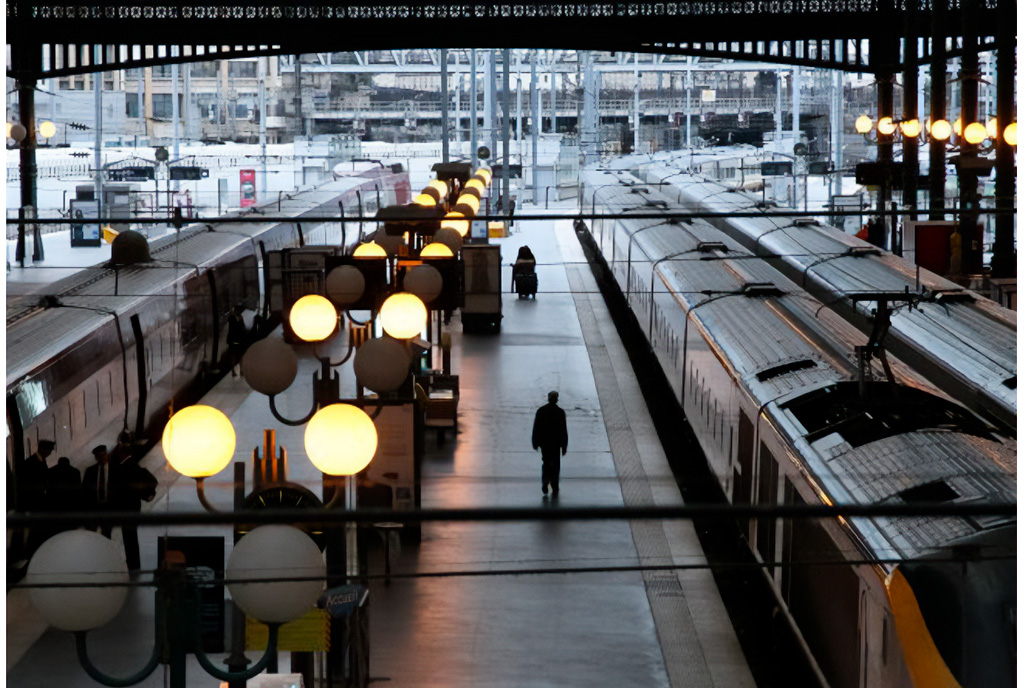


Whatever it is about railway stations, the atmosphere of anticipation, the sheer romance of travel, the grand rail terminals of Paris have it in spades.
Central Paris may be only a few miles across, but it is served by seven major stations, some of them within spitting distance of each other. Each one serves a different region, and the clue is often in the name.
Gare du Nord connects to destinations north of Paris, while the lines out of Gare de Lyon head toward France's third-largest city.
Partner links: booking through them supports the blog at no extra cost to you.
Every station tells the story of the world's enduring love affair with train travel. These grand buildings were designed to make the best possible first impression on travellers from all over the globe, often with monumental works of art.
And they still do just that today. Alongside the usual cafes, boutiques and restaurants, the stations regularly host free art exhibitions and public events.
Here is our guide to the French capital's terminus stations.
Even if you don't have a ticket in hand, it's worth visiting one of these seven palaces of travel possibility.
Gare du Nord
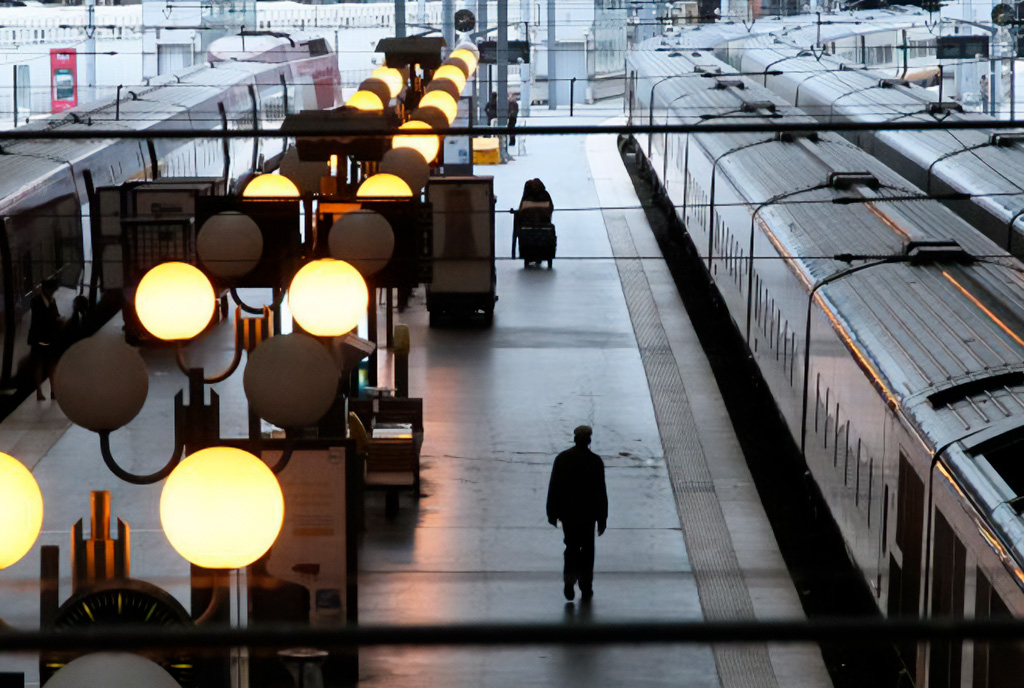
The busiest railway station in Europe, with around 700,000 people passing through every day, Gare du Nord has recently been earmarked for a well-deserved makeover.
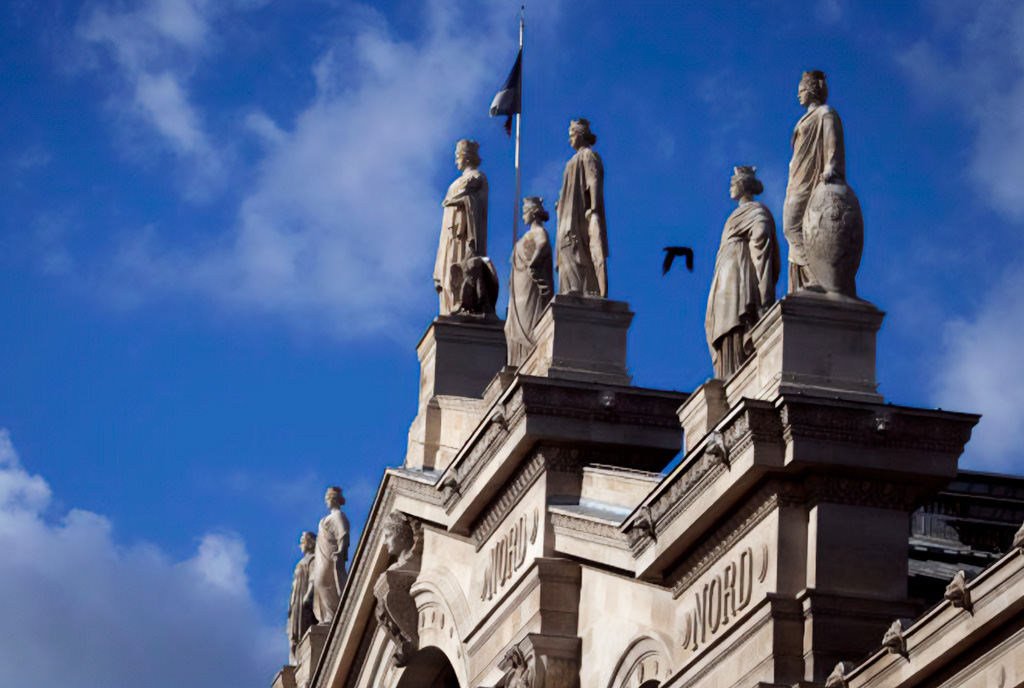
Opened in 1864, its facade is crowned with nine statues along the roofline, each representing destinations beyond France, with a figure of Paris at the centre.
Below them stand 14 more modest statues representing French regional cities.
Where to head from here?
This is the hub for Eurostar, connecting London (via Paris) with destinations in the Netherlands, Belgium, Germany, Switzerland and France.
Accessible via Metro lines 4 and 5; RER B connects to Charles de Gaulle airport, Roissy.
Good to know
The station features in the films "Amelie" (2001) and "The Bourne Identity" (2002).
Gare Saint-Lazare
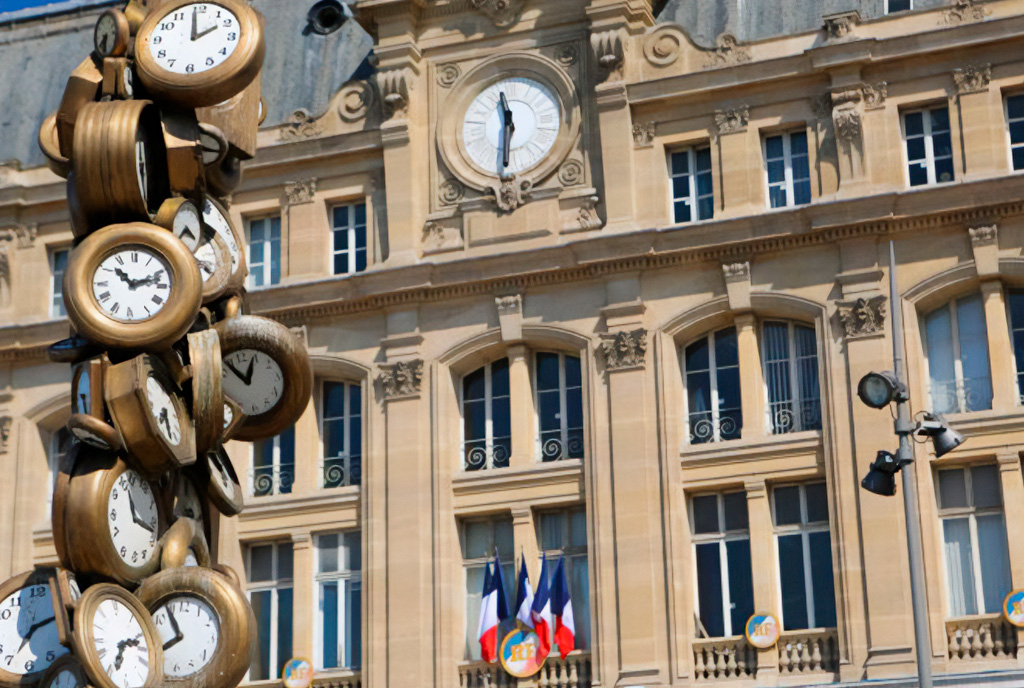
In the very heart of Paris, just steps from Place de la Madeleine, the Paris Opera and the city's grandest department stores, this is the capital's second-busiest station.
When it opened as a simple wooden structure in 1837, it was the first railway station in Paris, but the terminal was soon expanded into its present form.
These days it is mostly a commuter terminal serving 450,000 passengers a day, but it was once the hub for the glamorous flow of ocean liners arriving via Cherbourg.
Travel-inspired artworks, a teetering stack of bronze suitcases, a pile of clocks, bring the main forecourt to life.
An enclosed passageway, the Marie-Antoinette Gallery, links the station to the old-world luxury of the Hilton Paris Opera.
Where to head from here?
Gare Saint-Lazare serves northwestern France. It can be reached via Metro lines 3, 12, 13 and 14.
Good to know
The station was depicted in the works of Impressionist painters Edouard Manet and Claude Monet.
In 1998, the Musee d'Orsay and the National Gallery of Art in Washington, D.C. staged an exhibition titled "Manet, Monet and the Gare Saint-Lazare".
Gare de l'Est
A five-minute walk from Gare du Nord, Gare de l'Est opened in 1849 to handle traffic heading to Strasbourg in eastern France.
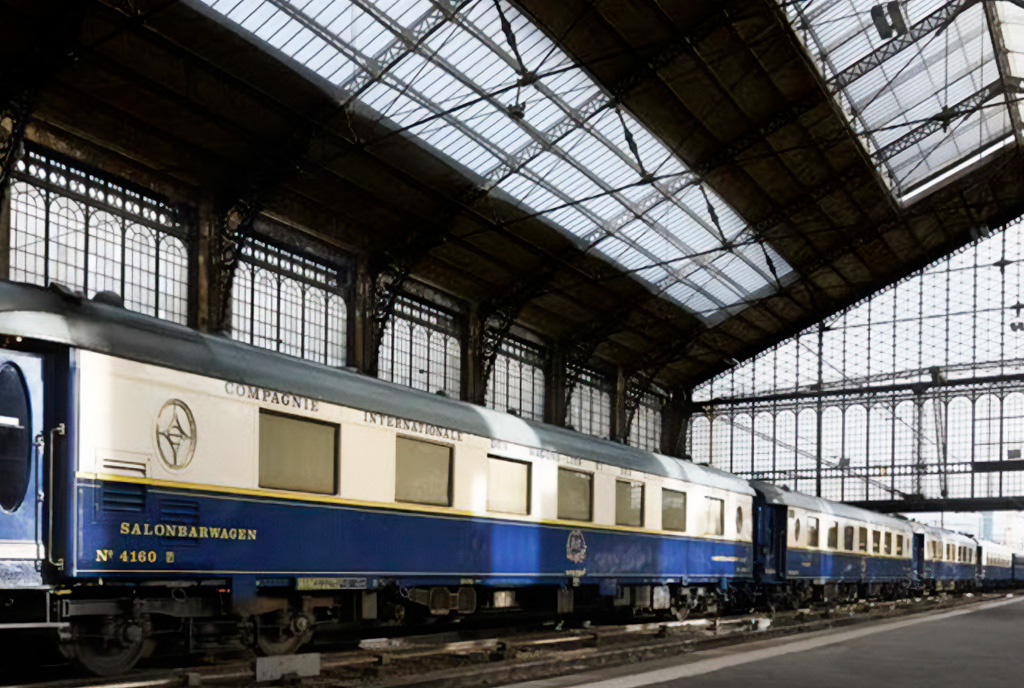
Its main attraction is the Venice-Simplon Orient Express, a private luxury travel experience made famous by Agatha Christie's "Murder on the Orient Express".
Confusingly, there is more than one Orient Express: both passed through Gare de l'Est, but the Venice-Simplon Orient Express is the one Christie wrote about.
It stops here on its way to Venice once a week, though sadly the service to Istanbul has been cut back to just once a year.
You'll recognise it by its royal-blue carriages and upmarket dress code (smart casual by day, black tie by night).
The Venice-Simplon Orient Express began operating in 1919, but the original Orient Express service, which connected Paris with Vienna from 1883 to 2009, was an ordinary overnight express train.
Where to head from here?
East: from the eastern French cities of Reims and Nancy to Luxembourg, Germany, Poland and all the way to Moscow.
Accessible via Metro lines 4, 5 and 7; RER B from Gare du Nord (a few minutes' walk away) connects to Charles de Gaulle airport, Roissy.
Good to know
Beneath the station, under platforms 4 and 5, there is a secret miniature train complete with a station, tunnels and railway workers.
The Saint-Denis tourist board organises occasional tours.
Gare de Lyon
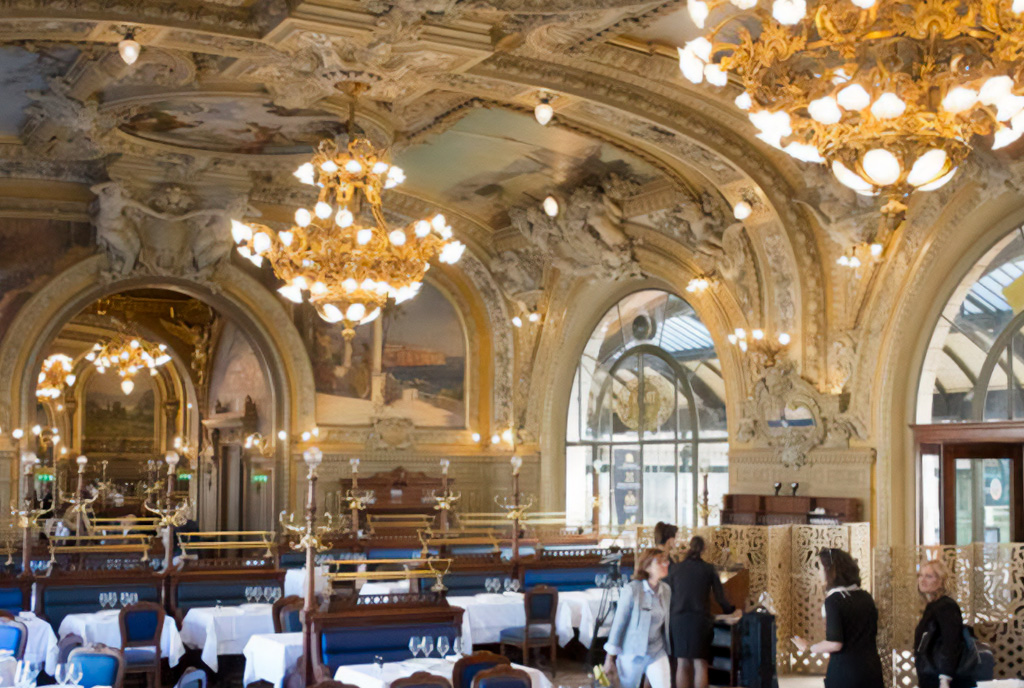
Built for the World's Fair in 1900, this station is considered one of the finest examples of architecture from its era.
Its clock tower is modelled on the clock tower of London's Houses of Parliament, home to the great bell known as Big Ben.
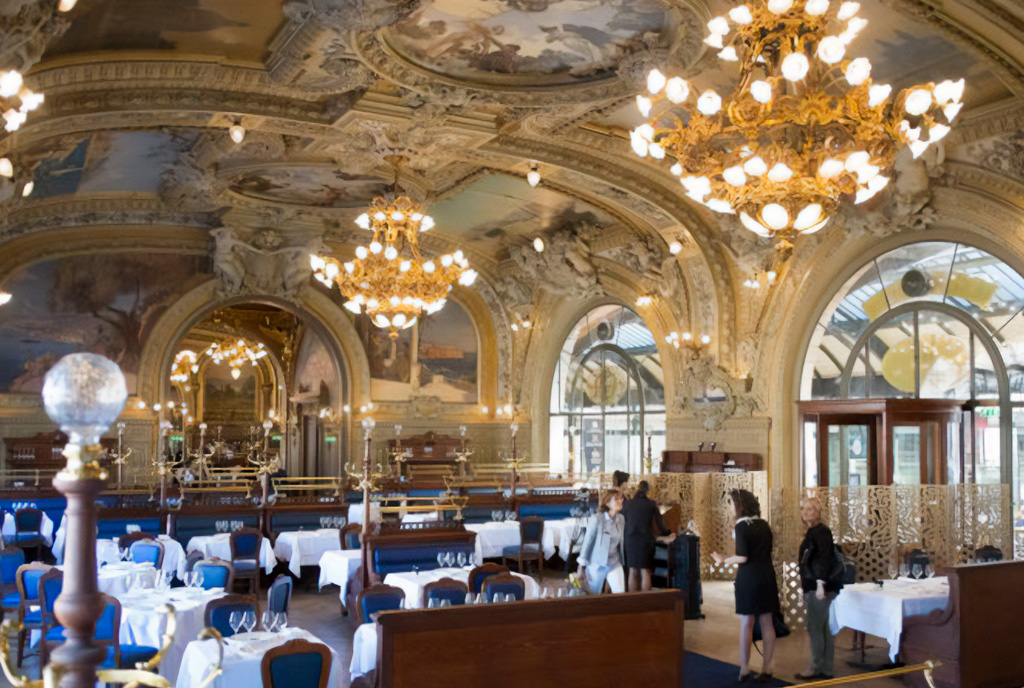
It's arguably the most beautiful of the Paris stations. It's also home to one of the city's most famous restaurants: Le Train Bleu. Open since 1901, its decor has a grandeur comparable to the Palace of Versailles.
Painted ceilings, gold leaf and glittering chandeliers hint at the gilded prices on the menu.
Just below is the Montreux Jazz Cafe, far cheaper and arguably more fun. From July through August this is one of the busiest stations in Paris, with families, dogs, cats and even hamsters in carriers included, leaving the city to head south.
Where to head from here?
Southern France, southern Germany, Monaco, Switzerland, Italy, Spain.
Metro lines 1 and 14; Air France coach to Charles de Gaulle airport, Roissy.
Good to know
Gare d'Orsay was built at the same time as Gare de Lyon, but sadly its platforms turned out to be too short for modern trains, and it closed in 1939.
It was later converted into the Musee d'Orsay.
Gare d'Austerlitz
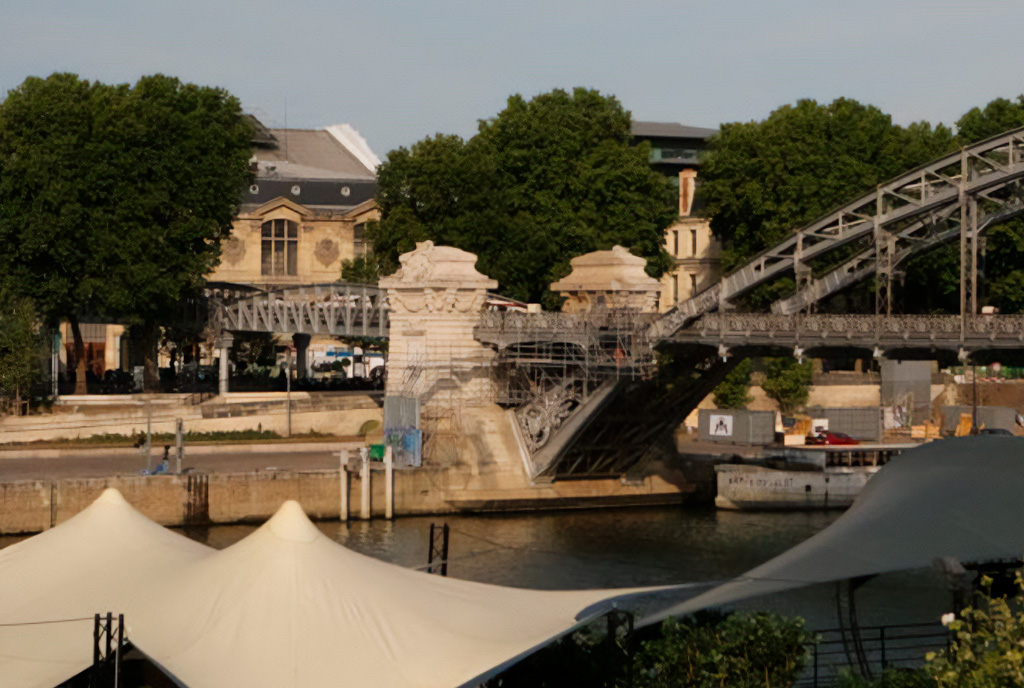
Opened in 1840 as Gare d'Orleans, this station was eventually renamed Gare d'Austerlitz in honour of one of France's greatest victories, the Battle of Austerlitz during the Napoleonic Wars.
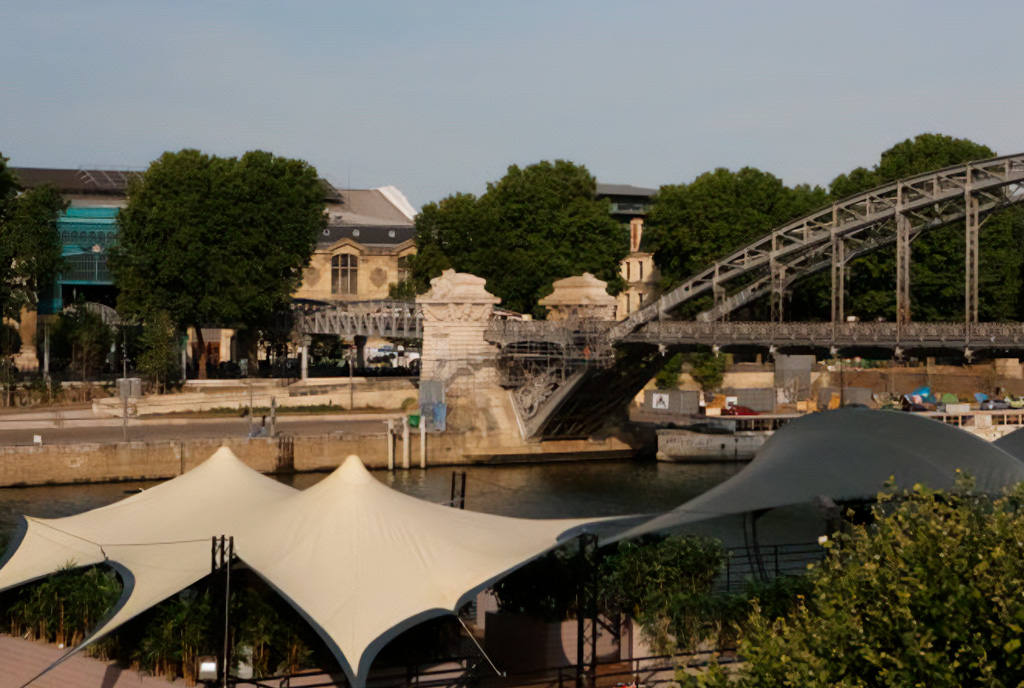
The only working station beside the Seine, Gare d'Austerlitz offers a lovely view of the river and is one of two stations on the Left Bank (Rive Gauche).
On the quayside, a turquoise metal entrance leading from the Metro bridge into the station contrasts with the old stone building and features a statue personifying the Orleans destination.
Where to head from here?
Central and southern France, including Lyon, Grenoble, Nimes, Dijon, Toulon and, of course, Orleans.
Accessible via Metro lines 5 and 10.
Good to know
By a sad coincidence, during the Second World War Gare d'Austerlitz was the terminal from which children were evacuated to the countryside for safety, but also the place from which thousands of Jews were sent to internment camps.
Gare de Montparnasse
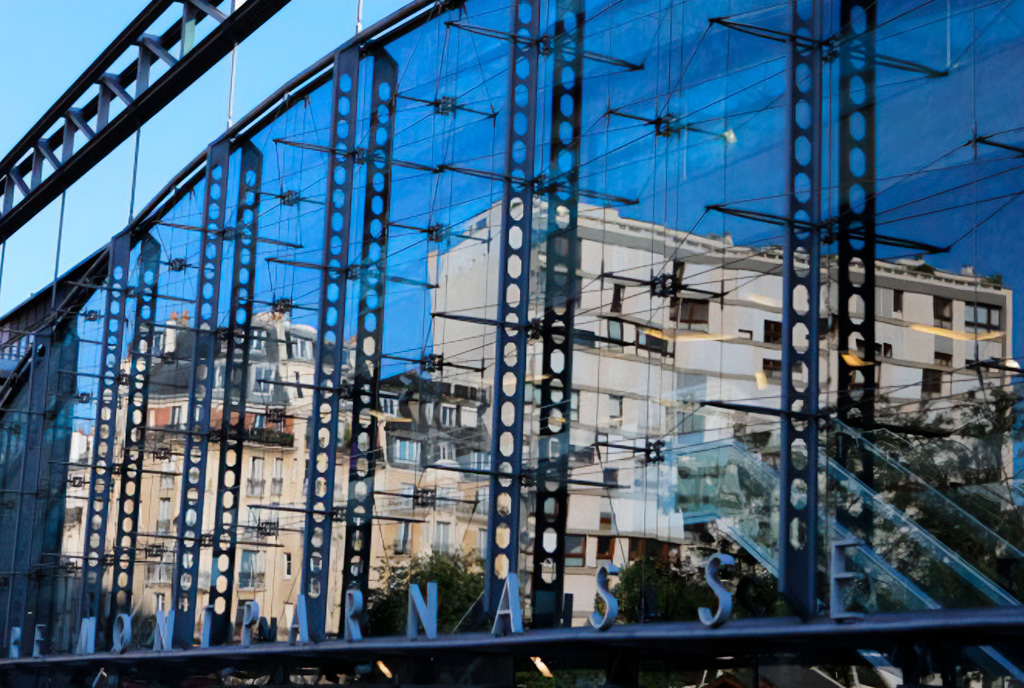
Looking at the modern glass-and-steel facade of this station, you would find it hard to believe that it originally opened in 1840 as Gare de l'Ouest.
The original building was demolished in 1969 to make way for the 59-storey Montparnasse Tower, one of Paris's least-loved buildings: in 2008, VirtualTourist.com voted it the second-ugliest building in the world.
The views from the top are considered the best in Paris, and a popular joke has it that this is the only place from which the tower itself cannot be seen.
Where to head from here?
Western and southwestern France, from Brittany through Tours and Aquitaine to the Pyrenees themselves and northern Spain.
Accessible via Metro lines 4, 6, 12 and 13; Air France coach to Charles de Gaulle airport, Roissy.
Good to know
In 1885, the Granville-Paris Express overran its stop on arrival at Gare de Montparnasse and crashed through the terminal walls.
It is the subject of an iconic photograph showing the locomotive hanging over the pavement below.
There was one fatality: a woman passer-by, who was killed by falling masonry.
Gare de Bercy
Undoubtedly taking the crown as the ugliest railway station in Paris, Gare de Bercy (built in 1977) is also the smallest and sits in the least glamorous neighbourhood.
Even so, it still plays its part. It specialises in car-carrying trains that transport passengers' vehicles to the south of France.
Working in cooperation with the neighbouring station, travellers can drop off their cars at Bercy to be shipped to their chosen destination, while they themselves board a passenger train from Gare de Lyon.
Where to head from here?
Lyon, Clermont-Ferrand, Dijon, Auxerre. Accessible via Metro lines 6 and 14.
Good to know
This tiny railway station is also an important hub for coaches connecting to the rest of Europe. From here you can reach Germany, the Netherlands, Belgium, the United Kingdom, Switzerland and Italy.