

If you are wondering what to see in Paris on a first trip, keep three things in your sights: the Eiffel Tower, the Louvre and Notre-Dame cathedral. But the city's real secret is not any of them. It is the streets, quays and squares that sit between those landmarks, the ones that pull people back for a second visit. Paris is compact, the historic core is genuinely walkable, and the city opens up far better on foot than from a museum queue.
Below is a breakdown of the main sights with honest caveats: where to book ahead, what is under restoration, when to go and how to get around. And where you will meet not a postcard but a line, a price tag and a crowd.
Eiffel Tower: go up, or admire from below?
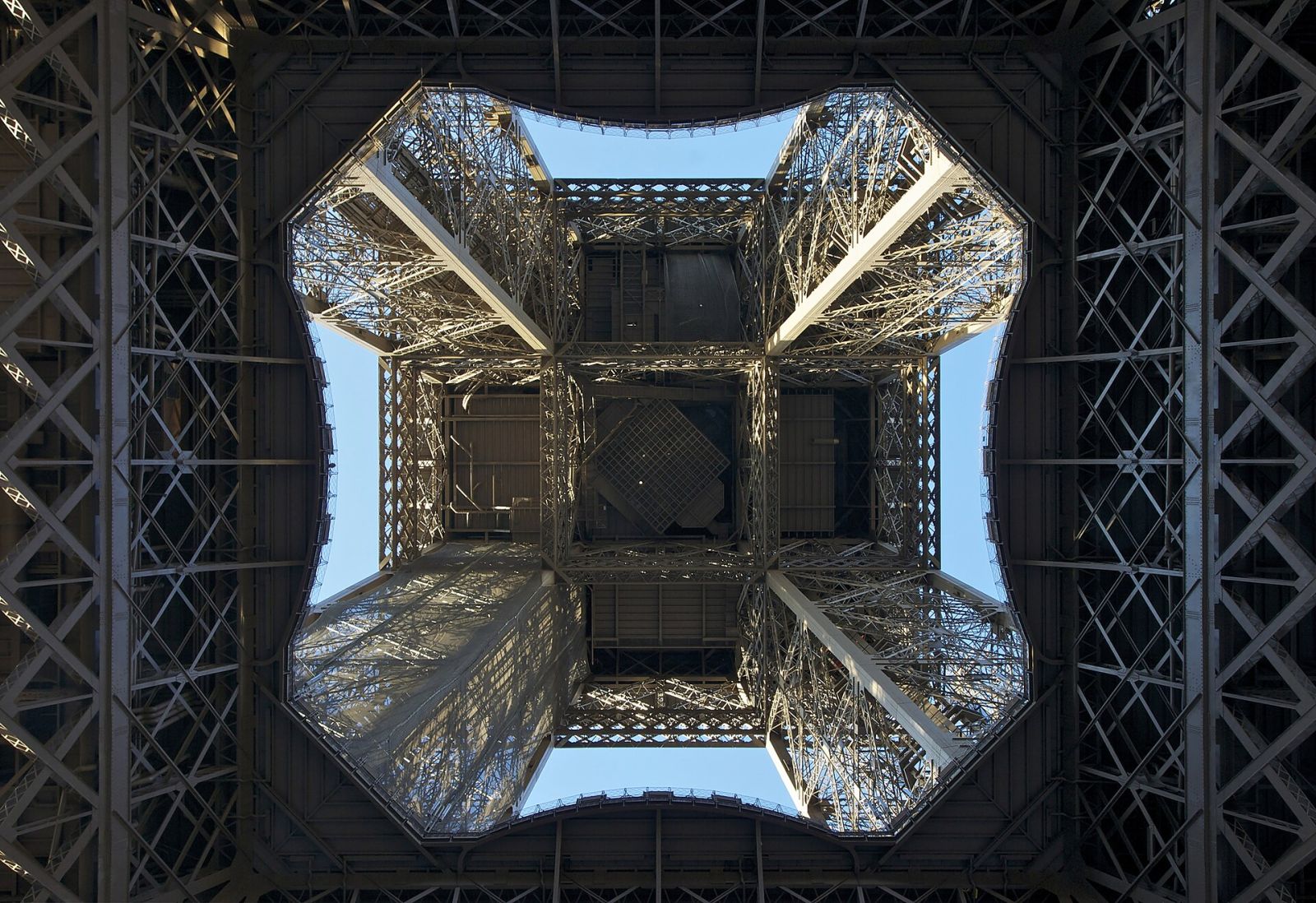
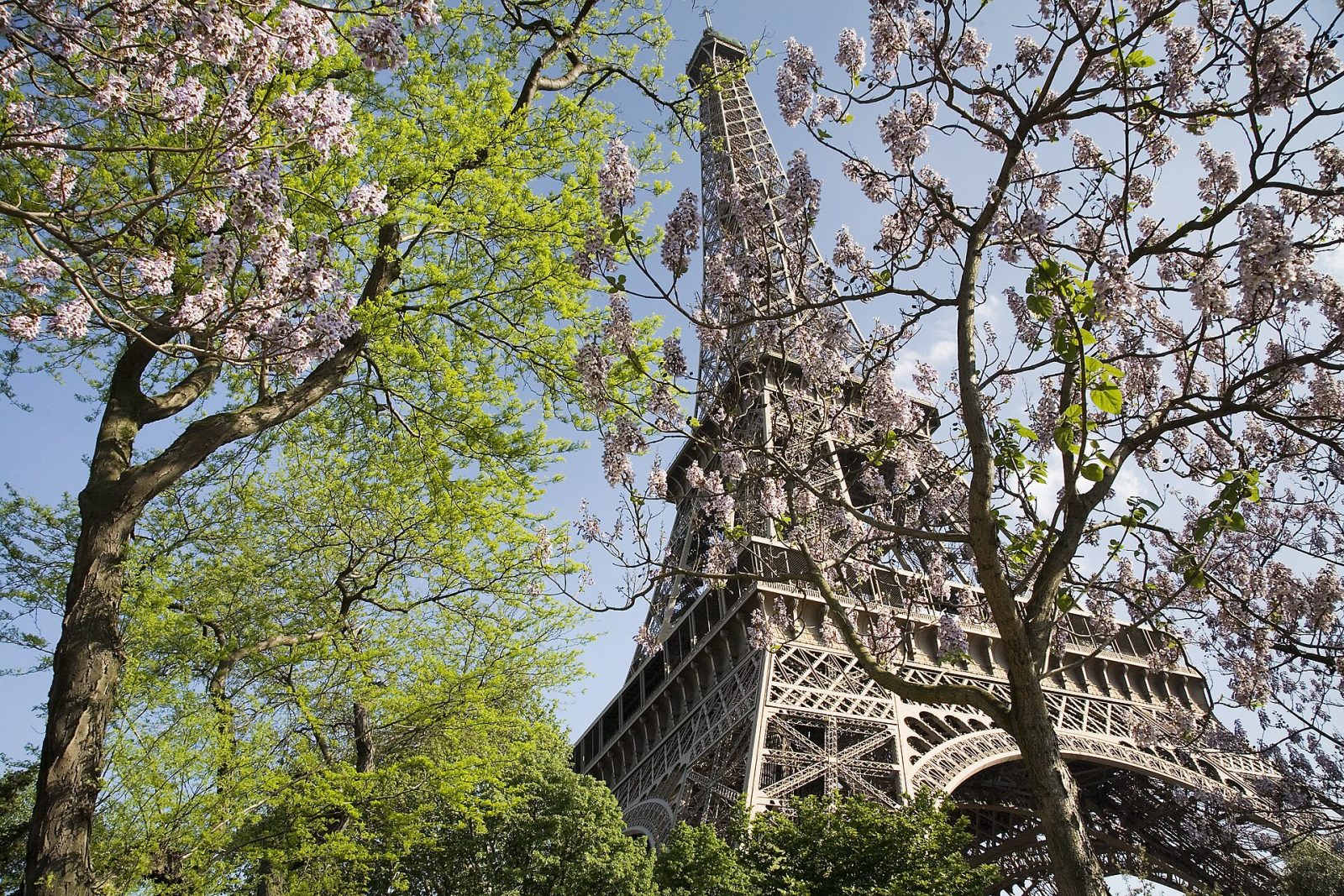
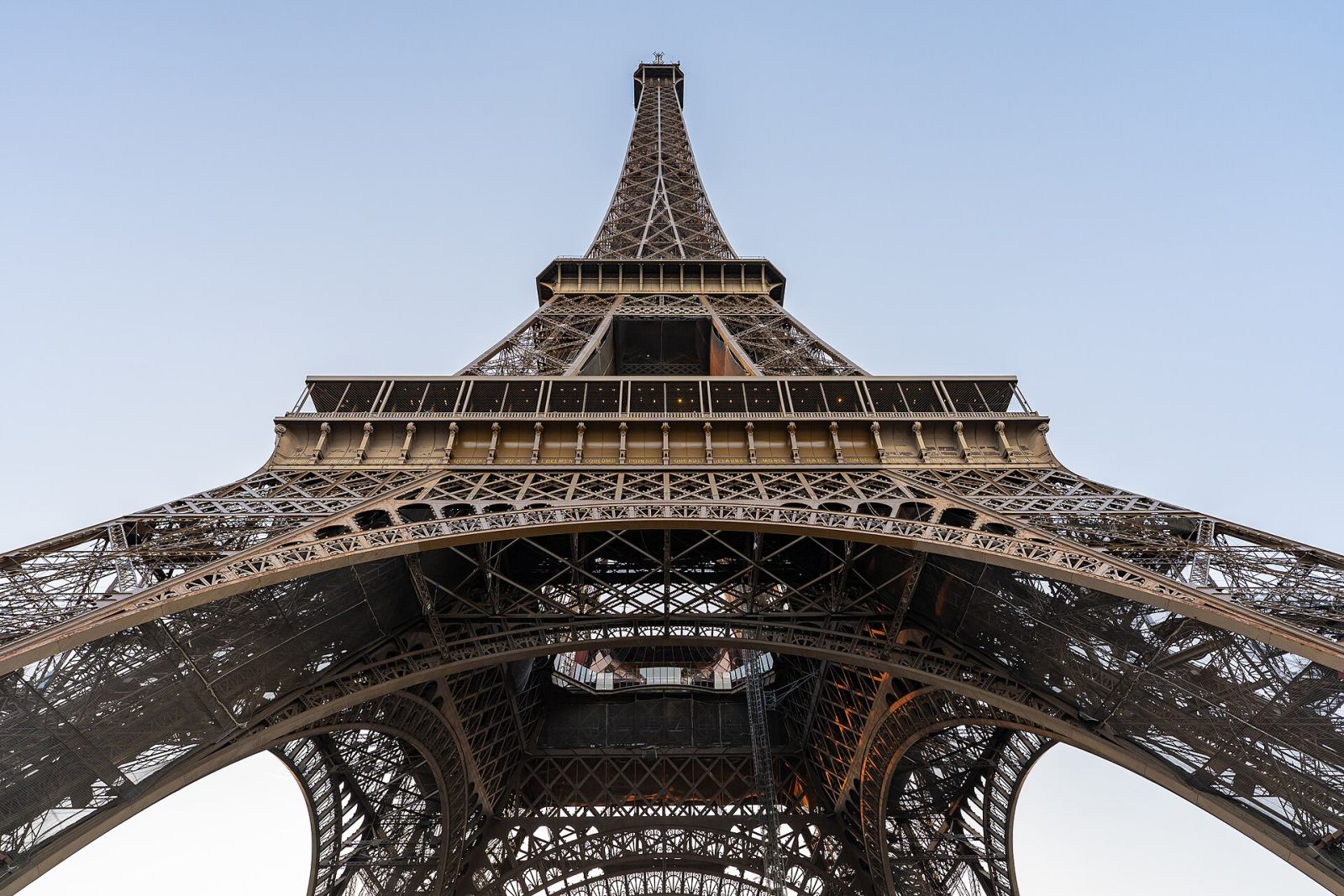
The tower went up in 1889 as a temporary structure for the World's Fair, outlived every sceptic, and became the symbol of the country. It stands over 300 metres tall, with three levels for visitors, lifts and stairs. Book online ahead of time, because the walk-up queue in high season eats an hour or two, sometimes more.
Partner links: booking through them supports the blog at no extra cost to you.
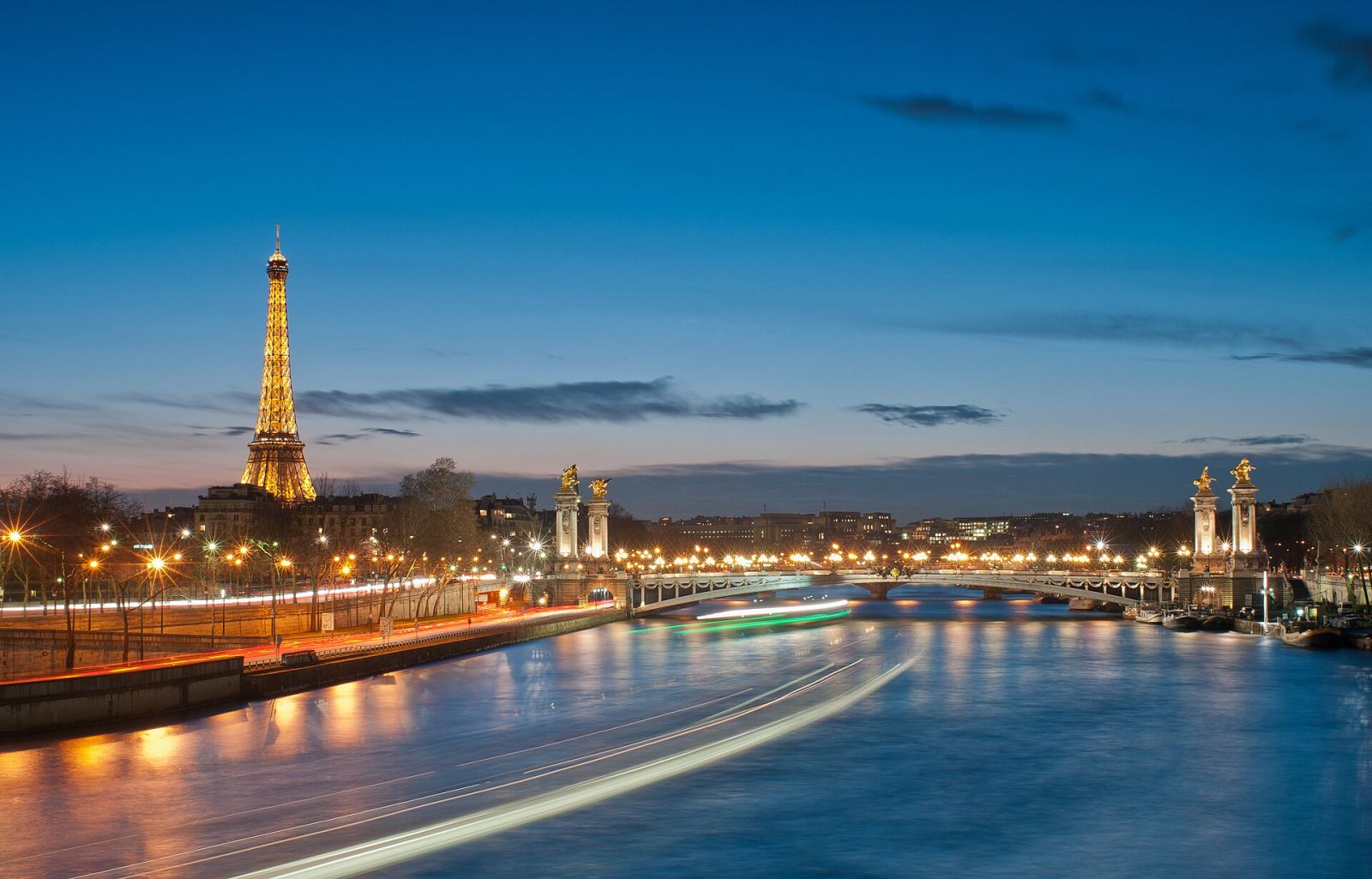
Here is a detail the guidebooks skip: the best view of the tower itself is not from it, but from the side. Cross the river to the Trocadéro plaza, from there it stands full-length and looks especially dramatic toward dusk. And every evening after dark the tower sparkles for five minutes with thousands of tiny lights, a show worth timing your walk around. If you go up, pay for the top level. The middle is cheaper, but the summit panorama earns the difference.
The Louvre: why the ticket needs a reservation
The Louvre is not a two-hour museum. It is a former royal palace with a collection you physically cannot cover in one visit. The Mona Lisa lives here, along with the Venus de Milo, the Winged Victory of Samothrace and tens of thousands more works. The glass pyramid in the courtyard, the entrance everyone recognises, is a modern addition from the late twentieth century.
The golden rule: reserve a timed ticket online. Without one you risk either not getting in on peak days, or standing in the queue under the pyramid. A few things that will save your energy:
- Enter through the Carrousel du Louvre shopping mall or from the metro rather than the main pyramid, where the crowds are thinner.
- The Mona Lisa is always mobbed and behind glass, and smaller than everyone expects. Do not build your visit around one painting.
- Pick one or two wings in advance. Trying to see everything ends in exhaustion within an hour.
- The museum is closed on Tuesdays, a classic newcomer's trap.
If big museums wear you out, there is a smaller and, many would say, more pleasant option nearby: the Musée d'Orsay across the river, with the Impressionists housed in a former railway station.
Notre-Dame cathedral: where things stand now
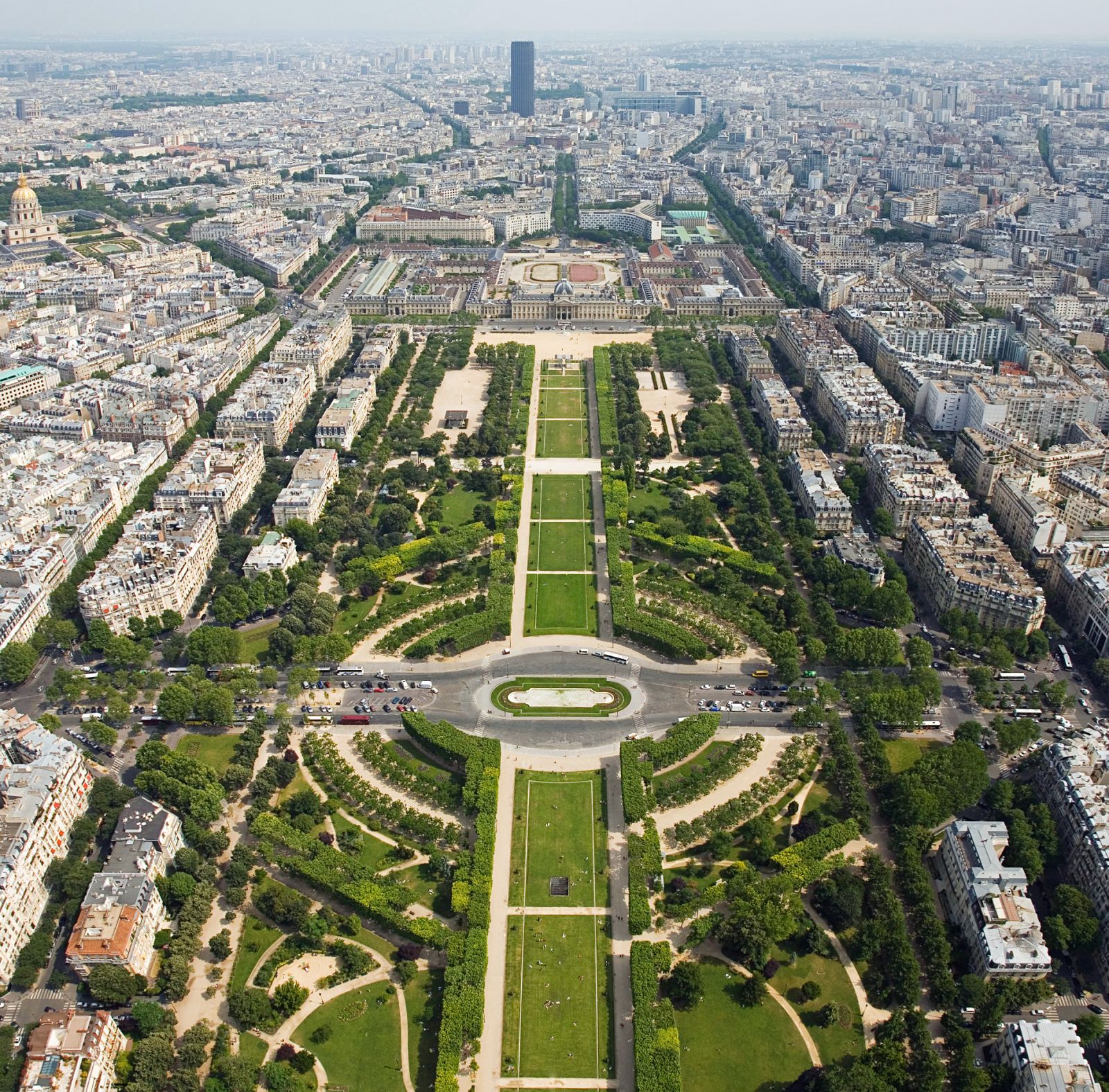
Notre-Dame has stood on the Île de la Cité, the historic heart of Paris, since the twelfth century. In April 2019 a major fire destroyed the spire and part of the roof, and the cathedral closed for a long restoration. It reopened to visitors at the end of 2024 after an enormous rebuild, so you can step inside again.
Worth knowing in advance: entry inside is currently free, but at peak hours a timed online reservation often applies, and without it you risk a long line. Work on the surrounding area is still ongoing in places. Do walk all the way around the outside. From the quay and the small garden behind, you can see the famous flying buttresses, the external supports that hold the walls up. Check the current access rules before you travel, as they are still shifting.
Montmartre and Sacré-Cœur: Paris from above
Montmartre is a hill in the north of the city and a former artists' village, where Picasso, Renoir and Toulouse-Lautrec once worked. The white basilica of Sacré-Cœur crowns the summit, built in the late nineteenth century, and its steps offer one of the widest views over all of Paris. Entry inside is free.
The mood here is split. The Place du Tertre, with portrait artists at their easels, is charming but touristy to the hilt, and the coffee prices match. Step just off it, though, onto the narrow cobbled lanes with old staircases and a working vineyard, and you find the Montmartre people actually come for. You can climb on foot up the stairs or take the funicular from the base. And mind your pockets: Sacré-Cœur is a known haunt for pickpockets and pushy bracelet sellers.
Champs-Élysées and the Arc de Triomphe
The Champs-Élysées is the wide ceremonial avenue running from the Place de la Concorde up to the Arc de Triomphe. Parades pass along it, and it is lined with flagship stores, cafés and cinemas. Honestly, as a shopping street it is overrated and pricey, but walking it once for the sheer scale and sense of the city is worth doing.
The Arc de Triomphe itself, on the Place Charles de Gaulle, is worth it without question. Napoleon commissioned it to honour the army, and the flame over the Tomb of the Unknown Soldier burns beneath it. Stairs lead to the top, and from the viewing platform you can see twelve avenues radiating out from the arch in a single star. Reach the arch by the underground passage, never across the road: the traffic circle around it is one of the most chaotic in Europe.
Versailles: is the day trip worth it?
Versailles is not Paris but a separate town a few dozen kilometres out, reachable by RER suburban train in under an hour. And it is probably the strongest day trip from the city. The former residence of the French kings, a palace of staggering scale with the Hall of Mirrors, and grounds larger than some districts of the capital.
A few practical warnings, because Versailles is good at ruining the mood with queues:
- Book online and arrive at opening. By midday the crowd inside the palace becomes a wall.
- Allow at least half a day, ideally a full one. The gardens alone, with their fountains and the Trianons, take hours.
- In the warm season the park runs its "musical fountains" on weekends, a separate ticket and a separate spectacle.
- Monday is the palace's closing day. Do not repeat other people's mistake.
The Seine, the quays and a river cruise
The Seine splits the city in two, and the riverbanks are on the UNESCO list for good reason: half of what people come to Paris for lines them. A walk along the quays from Notre-Dame past the bridges to the Louvre is a free alternative to any museum. Along the way you pass the famous bouquinistes, the green stalls of old books and prints perched right on the parapet.
A Seine cruise is a pleasant way to see the city from the water and rest your legs. The routes loop between the main bridges and the tower, and after dark, lit up, it is especially lovely. The bridges are worth attention too: the ornate, gilded Pont Alexandre III, the oldest Pont Neuf despite its name meaning "New Bridge", and the footbridges where couples once clipped padlocks.
Getting around Paris
The metro is the main and fastest way to move. The network is dense, with around three hundred stations, and almost everything touristy sits near an entrance. Tickets come singly or in a carnet booklet, and there are day and multi-day passes that pay off quickly. The map is easy to read: lines by number and colour, direction by the terminus station.
| Mode | When it works | Catch |
|---|---|---|
| Metro | Long distances, any weather | Fast but no views; watch your things in the crush |
| RER (suburban train) | Versailles, airports, outskirts | Faster than metro, wider fare zones |
| On foot | Centre: Louvre, Île de la Cité, quays | The best way to feel the city |
| Vélib' bike share | Quays, parks | Cheap, but traffic is dense, stay alert |
The centre is genuinely walkable: about twenty minutes from the Louvre to Notre-Dame along the river, with something to see every hundred metres. Save the metro for the long hops and the end of the day, when you have no walking left in you.
When to go to Paris?
The most comfortable windows are late spring and early autumn. May and June bring warmth, long daylight and everything in bloom; September and October see the crowds thin while the weather stays mild. July and August are peak tourist months and, at the same time, when Parisians themselves leave, with some small cafés and shops shut for the holidays.
| Season | Weather and crowds | Best for |
|---|---|---|
| Spring (Apr-Jun) | Warm, in bloom, busy | Those after the classic Paris |
| Summer (Jul-Aug) | Heat, peak tourists | Those who can only travel in summer |
| Autumn (Sep-Oct) | Mild, crowds ease | The best balance of price and comfort |
| Winter (Dec-Feb) | Grey and damp, but cheaper | Bargain hunters and Christmas-window lovers |
The honest downside: what to brace for
Paris has a way of disappointing anyone expecting a flawless fairy tale, so it helps to know ahead. Queues at the top sights are long, and without online tickets you will lose half a day to them. Prices in the centre bite: a coffee on a terrace by the tower costs what a full lunch does in a residential district, so eat a little away from the main magnets.
And a word on pickpockets. Around the Eiffel Tower, on the metro's tourist lines, on the Sacré-Cœur steps and in the crush by the Louvre, there are quick hands and small scams, the "gold ring" trick or a petition thrust at you to sign. Keep your bag in front, your phone out of a back pocket, and do not engage with overly insistent strangers. This does not make the city dangerous. It is simply the price of its popularity.
A one-day route
With only a day, do not scatter yourself; stick to the centre along the river.
- Morning: the Louvre on an advance reservation, one or two wings, then the Tuileries garden for a breather.
- Afternoon: a walk along the quay to the Île de la Cité, the outside of Notre-Dame, coffee on the Left Bank.
- Evening: the Trocadéro and the Eiffel Tower under its sparkling lights as it gets dark.
A two-to-three-day route
Give the second day to hills and panoramas, and the third to a trip out of town.
- Day 2: Montmartre and Sacré-Cœur in the morning, the Champs-Élysées and the Arc de Triomphe after lunch, a Seine cruise toward evening.
- Day 3: Versailles for half a day or a full one, palace and gardens, back to the city for dinner.
What counts as essential and what can wait for the next trip is up to you, but the tower, the Louvre and the Seine quays are the minimum people travel a long way to Paris for. Ticket prices, opening hours, Notre-Dame access rules and the Versailles fountain schedule all change from time to time, so check the latest on the official sites before you go.