

Food and water in Asia take down more travelers than all the snakes, monkeys and mopeds combined: by various estimates, a third to a half of visitors to South and Southeast Asia catch a stomach upset in their first week. The good news is that the risk is manageable. A handful of plain rules about water, ice, street food and fruit removes most of the danger.
One caveat up front: this is travel experience distilled into practical rules, not medical advice. If you have chronic conditions or any doubts, talk to a doctor before the trip, and check health guidance against official sources such as CDC Travelers' Health.
Water: there is really only one rule
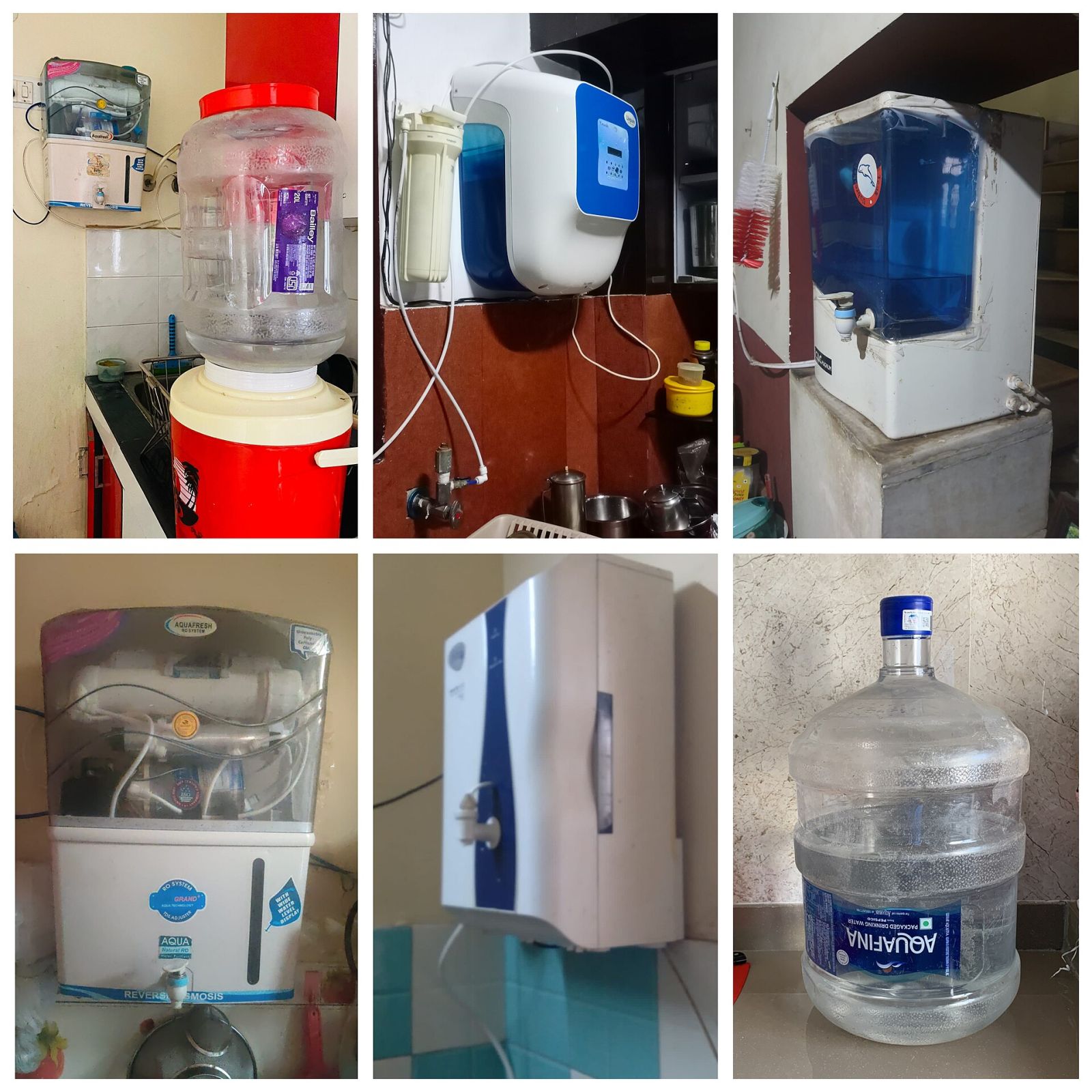
Do not drink from the tap. Anywhere: not in India, not in Thailand, not in Vietnam, not even in a decent hotel with a marble lobby, because the pipes between the treatment plant and your faucet live a life of their own. Bottled water costs pennies and is sold on every corner. Check that the cap is sealed with an intact factory ring: in tourist areas refilled bottles topped up from the tap do turn up.
The less obvious traps: brush your teeth with bottled or boiled water too, keep your mouth shut in the shower, and judge salads and fresh juices by what water washed the greens and whether ice went into the glass. Boiled water is safe, so tea and coffee from street stalls are usually fine. For trekking and remote areas filter bottles and purification tablets earn their place; in cities they are overkill.
What about ice?
Ice in bigger cafes and chain restaurants is mostly industrial, made from purified water, and you can recognize it by the cylindrical shape with a hole through the middle. Crushed ice hacked off a block at a street stand is a lottery. The rule is simple: tube ice with the hole is fine, chopped block ice deserves caution, and in your first days it is easier to skip ice altogether.
Street food: the queue rule and the fire rule
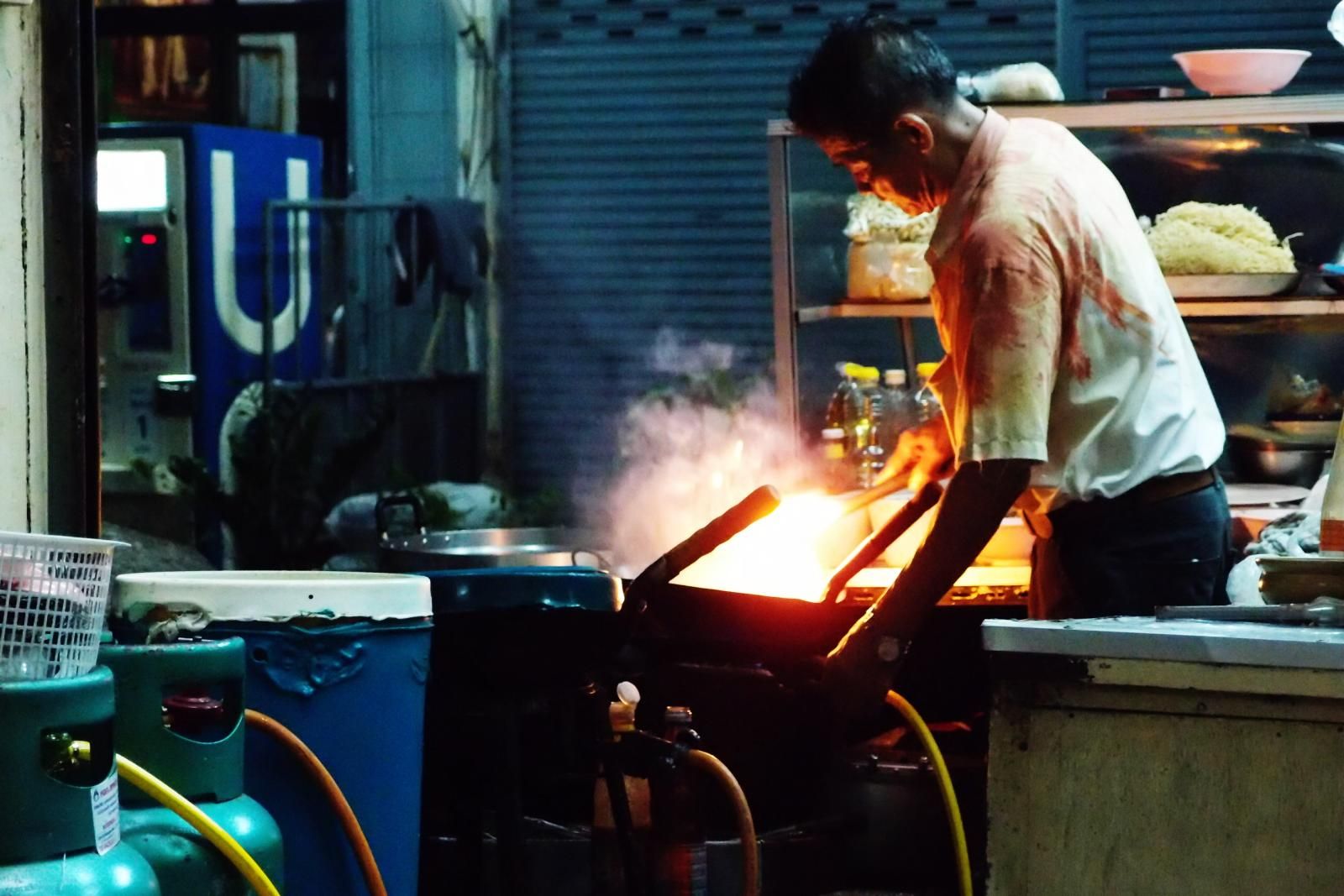
Here is the paradox that breaks every newcomer's brain: street food in Asia is often safer than a tourist restaurant with an empty dining room. The explanation is mundane. A stall with a line of locals has furious turnover, ingredients never sit long enough to spoil, and everything is cooked in front of you on a screaming-hot wok. In the empty restaurant, that seafood may have been waiting in a lukewarm fridge since yesterday.
- The queue rule: eat where locals eat, and at peak hours. A line of office workers at 1 p.m. is the best sanitary certificate on the planet.
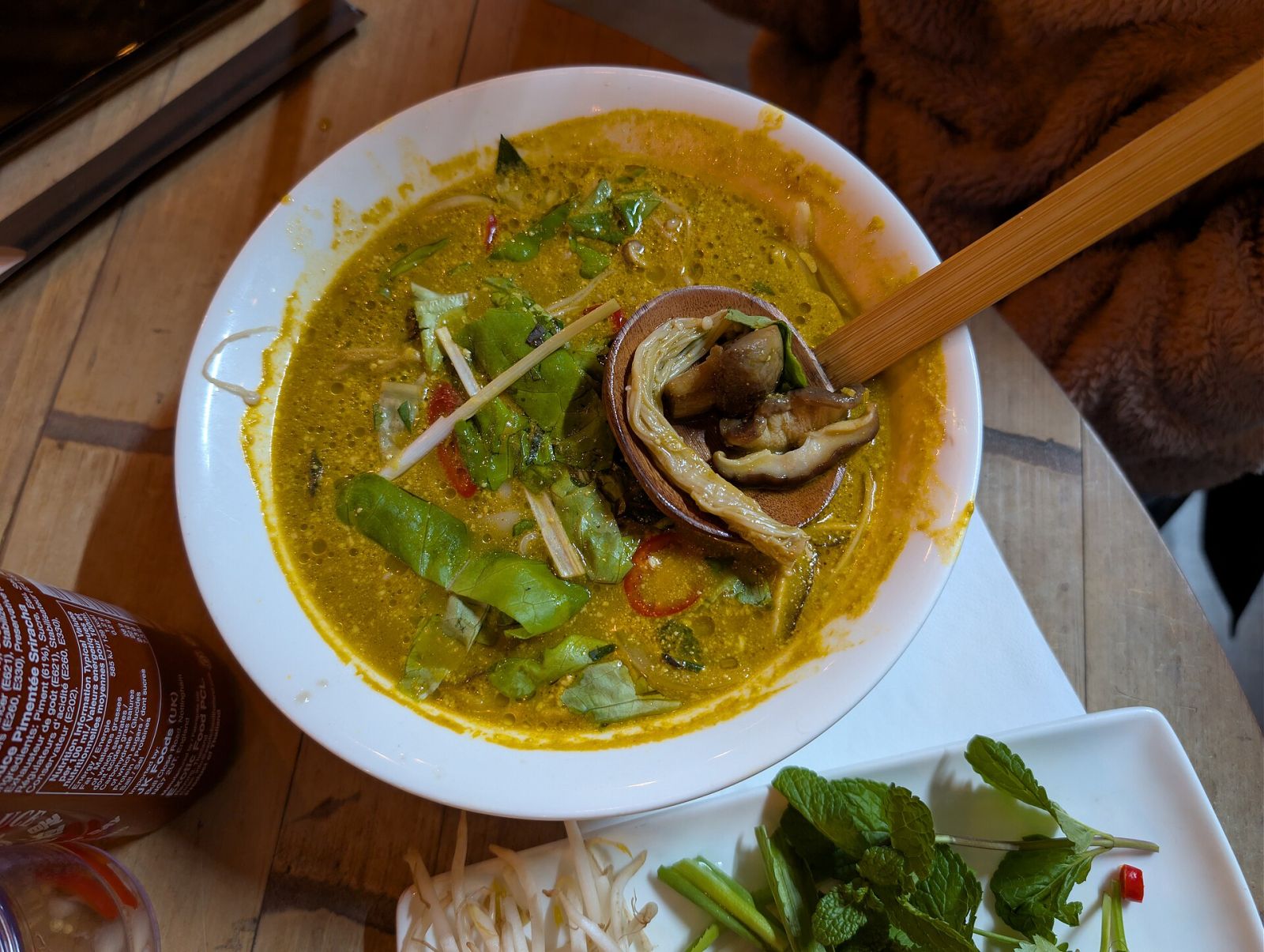
- The fire rule: pick dishes that are fried, boiled or steamed in front of you and served hot. Wok noodles, soup bubbling in a cauldron, skewers straight off the grill. Heat kills most pathogens.
- Walk past anything sitting cooked on the counter for hours in the heat: seafood salads, cut fruit on ice, open sauce bowls everyone dips into.
- Watch the cook's hands and what handles the money. If one bare hand does both cash and food, move to the next stall.
Fruit: if you peel it, it is yours
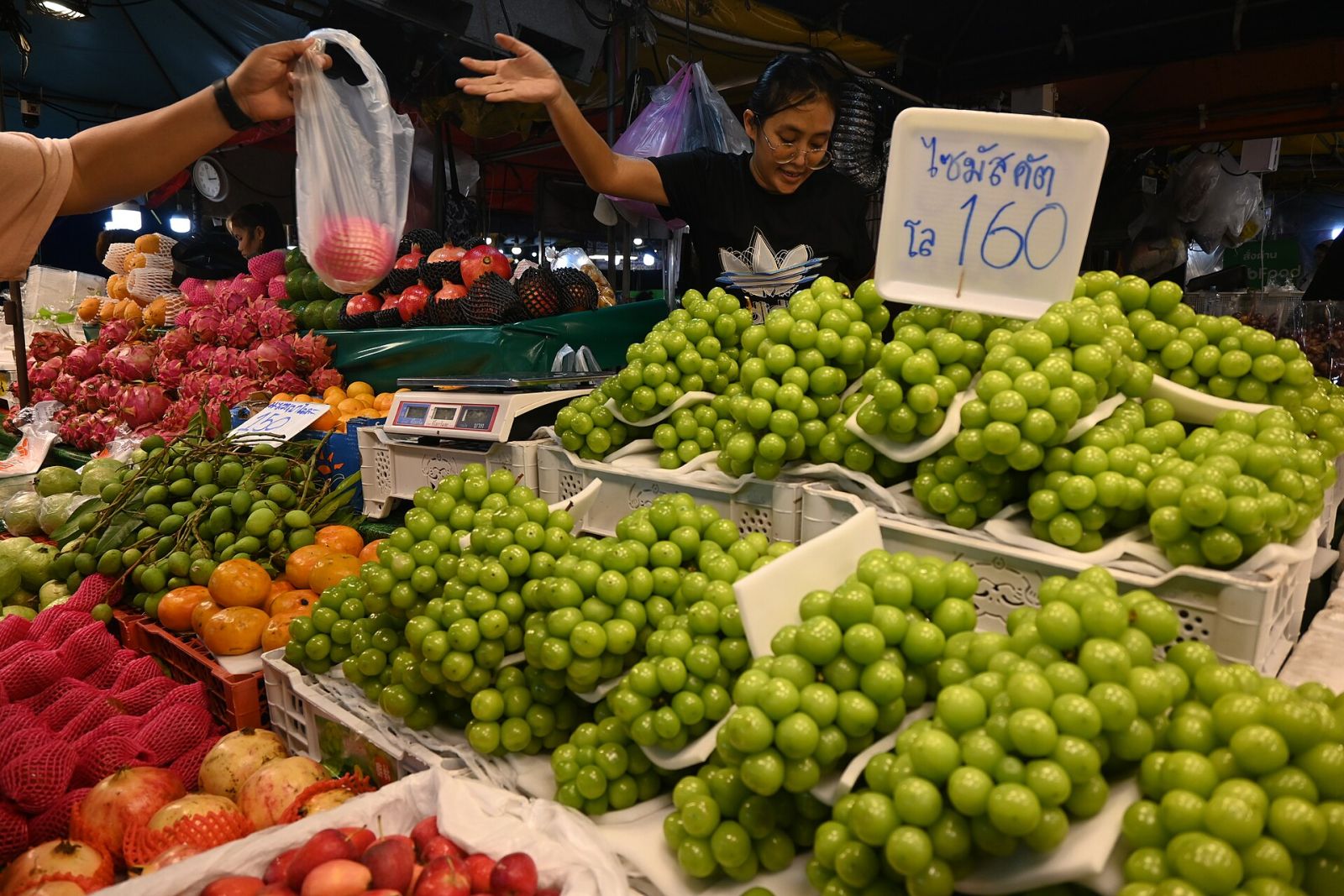
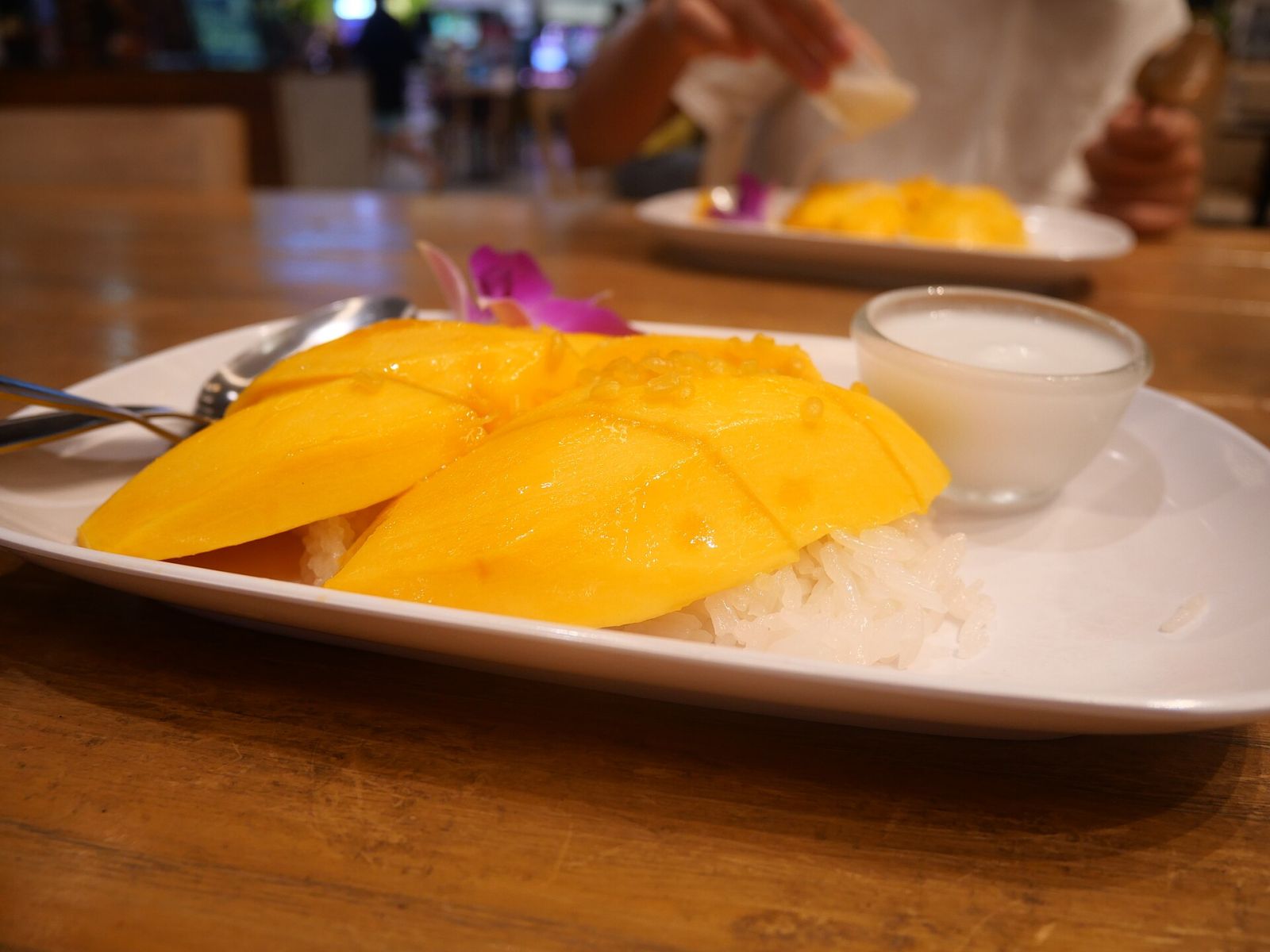
The old traveler's formula "boil it, cook it, peel it or forget it" still holds. Bananas, mandarins, mango, mangosteen, lychee, papaya, pineapple: anything you free from its skin with your own hands is safe by definition. Fruit eaten with the skin needs a bottled-water wash, which turns grapes and apples into a luxury on the road. Pre-cut fruit in street-side bags looks tempting, but it was washed in who knows what, cut who knows where and kept on questionable ice. In the first week, cut your own: every guesthouse has a knife and a board.
What about drinks other than water?
Hot drinks are safe by definition, boiling does the work. Judge fresh juices by the stall: if the fruit is peeled and pressed in front of you into a clean cup with no ice, the risk is minimal. Coconut is arguably the perfect road drink, opened with a machete right before your eyes, sterile inside. Be more careful with dairy: lassi and shakes are delicious, but milk spoils fast in the heat, so buy them at places with a fridge and a steady crowd, not from a table baking in the sun. Beer and soft drinks from sealed bottles are fair game, just mind, once again, the questionable ice in the glass.
The first days: let your stomach warm up
Most food poisonings come not from exotic dishes but from the greed of the first 48 hours. After the flight, the time zones and the climate change, your body is more vulnerable, and your gut flora has not yet met the local bacterial lineup. The sensible strategy is to start soft, soups, rice, fried noodles, and phase in spice, seafood and street experiments from day three or four. Hot chili, by the way, fights on your side: capsaicin suppresses some bacteria, and locals do not pepper everything out of habit alone.
The gut first-aid kit
| Item | Why |
|---|---|
| Oral rehydration salts (ORS) | The single most important item: restores water and electrolytes during diarrhea |
| Adsorbent (activated charcoal or similar) | First response to a mild upset |
| Loperamide | An emergency brake for travel days; never with fever or blood in the stool |
| Probiotics | Gut flora support before and during the trip |
| Hand sanitizer | A sink before every meal is not guaranteed |
| Thermometer | Separates an upset from an infection with fever |
An antibiotic belongs in the kit only if a doctor prescribed it before the trip, together with clear instructions on when it is actually warranted. Blind self-medication with antibiotics is a bad idea that also breeds resistant bacteria.
When is it a doctor, not a pharmacy?
Most travelers' stomach adventures pass within one to three days on rehydration and a bland diet. But some red flags are not for heroics: blood or mucus in the stool, fever above 38.5 °C (101.3 °F), diarrhea lasting more than three days without improvement, or signs of serious dehydration such as dizziness, dry mouth and no urination for six to eight hours. With children the threshold is lower still: dehydration in small kids develops within hours. Medical care in Asia's tourist regions is accessible and affordable, every resort town has a private clinic with English-speaking doctors, and travel insurance bought before departure covers the bill. Going a day early is always cheaper than going a day late.
Asia feeds you well enough to justify flying halfway around the world for it. Bottled water, hot food from a busy stall, fruit under your own knife and a pack of rehydration salts in the backpack: that kit is enough to keep the culinary side of the trip the brightest chapter instead of the most dramatic one.