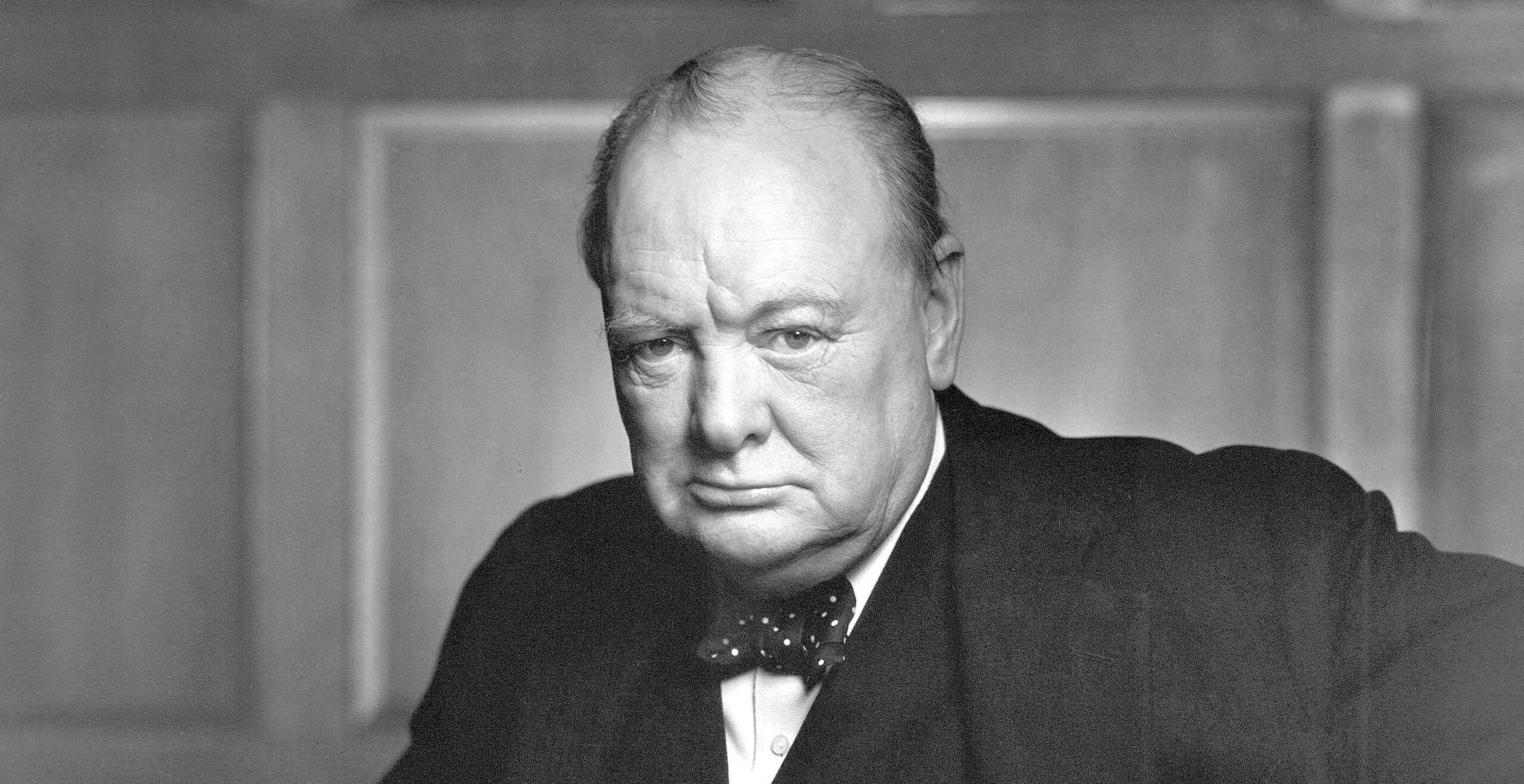


He may have died in 1965, but Winston Churchill, Britain's famous leader, remains a formidable presence in the country he led to victory in the Second World War.
Most of us know the headline moments of his life, but few know the details.
Behind that famously stubborn political facade and the iconic hat and cigar was a Nobel Prize-winning author, a flawless student, a masterful painter, and a devoted father and husband.
Partner links: booking through them supports the blog at no extra cost to you.
One way to get to know the man behind the hero is to visit these fascinating English landmarks dedicated to Churchill.
Blenheim Palace (Oxfordshire)
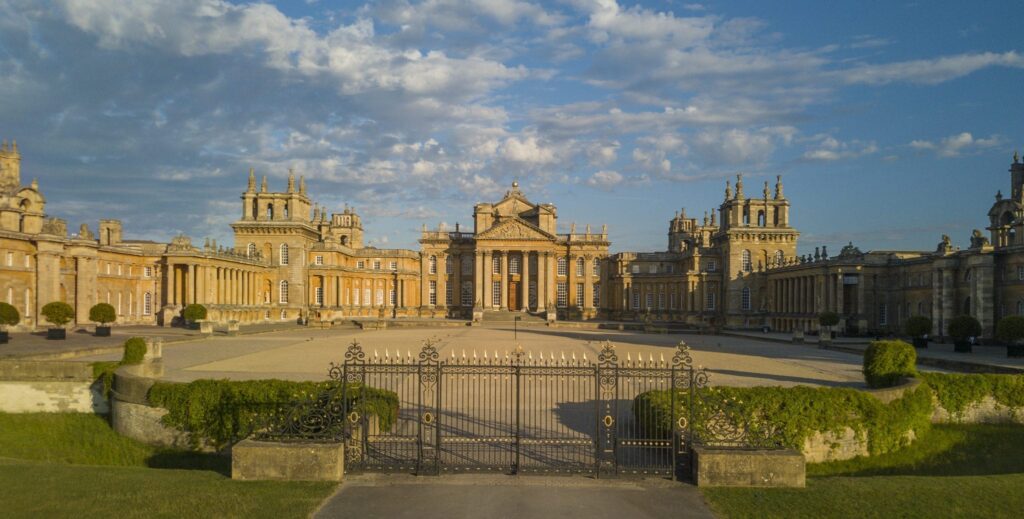
The start of Churchill's life was anything but modest.
He was born into the British aristocracy, and his early years were spent at Blenheim Palace: a 2,000-acre Baroque mansion of 187 rooms, built in the early 1700s in honour of his distant relative John Churchill, Duke of Marlborough.
At a new exhibition set beside the room where he was born, visitors can view diary extracts, personal photographs, and family artefacts for an intimate journey through his life.
Elsewhere on the estate, a new historical trail lets guests walk in his footsteps.
Highlights include the chapel where he was christened and the Temple of Diana, where he proposed to Clementine, his wife.
"We shape our buildings," Churchill once said. "Thereafter they shape us." That feels self-evident amid the grandeur of Blenheim Palace.
Harrow School (London)
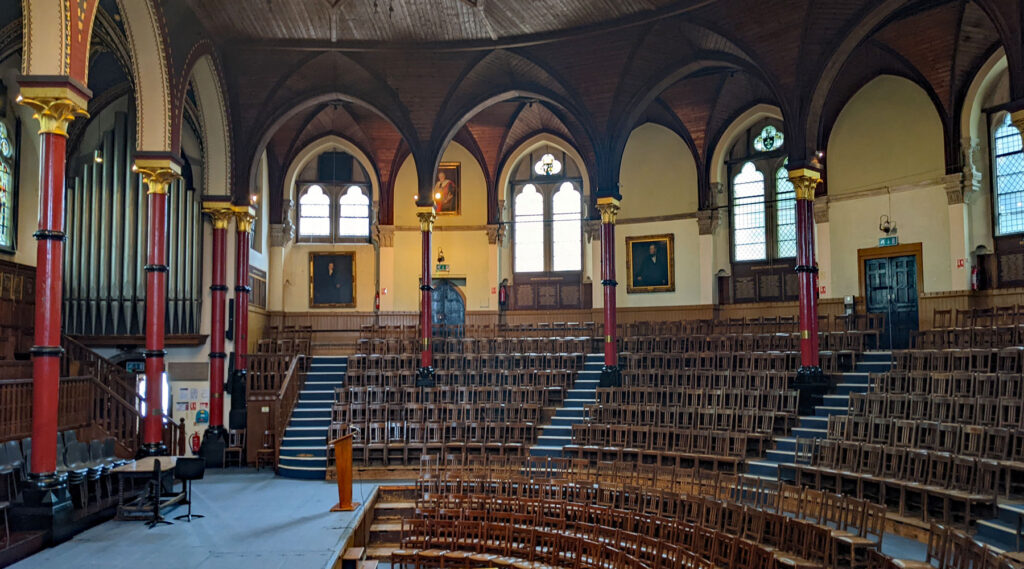
The roll of former pupils at Harrow, one of the world's most famous private schools for boys (founded almost 500 years ago), reads like a register of political and military achievement.
Churchill, who attended the school from 1888 to 1893, undeniably tops that list.
Surprisingly, his academic record was rather underwhelming.
He failed the entrance exam (though he was admitted anyway) and struggled with his results.
"I am always ready to learn," he wrote. "But I do not always like being taught."
Harrow, which still echoes with English history and upper-class tradition today, nonetheless stayed close to his heart.
Returning as prime minister in 1941, at the height of a seemingly unwinnable war, he delivered some of his most famous words: "Never give in. Never give in. Never, never, never."
Chartwell (Kent)
"A day away from Chartwell," Churchill once said, "is a day wasted."
Churchill's beloved family home, where he lived from 1924 until his death, has been carefully preserved just as he left it.
His presence is felt everywhere: books, photographs, and mementos paint a personal picture of his life beyond politics; 500 of his paintings still hang in his studio gallery; walks wind through the landscaped gardens and lakes he personally helped design and build; and there is the original playhouse of his daughter Mary, where other children can still play.
Running until 22 February is a special exhibition, "Death of a Hero," devoted to the final weeks of his life.
Please note: the house itself is closed throughout January and reopens on 28 February.
Churchill War Rooms (London)
Beneath the streets of Whitehall in London, as bombs rained down on the capital, Churchill and his cabinet gathered in this secret bunker to run the war.
Walking through the narrow maze of tunnels is an eerie and profound experience.
Many of the rooms remain exactly as they were in August 1945, on the day Japan surrendered and the end of the war was officially declared.
You can still feel the tension of those precarious weeks and months, when the fate of Britain and the wider world hung by a thread.
Next door is the Churchill Museum, the only major museum in the world dedicated to his life, featuring rare diaries, photographs, and excerpts from his inspiring wartime speeches.
Ditchley Park (Oxfordshire)
In the early years of the Second World War, when Luftwaffe bombing of Britain's cities and key strategic sites was at its most intense, it was considered too dangerous for Churchill to retreat to Chequers, the prime minister's official country residence.
Its location was well known, and the long gravel drive made a perfect target for German bombs.
Instead, he came to Ditchley Park, a 40-room Georgian mansion that at the time was hidden by dense woodland of mature trees and owned by a political colleague, and he returned there another 12 times over the course of the war.
He was not alone. The house also served as a refuge for children escaping Britain's war-torn cities.
Bletchley Park (Buckinghamshire)
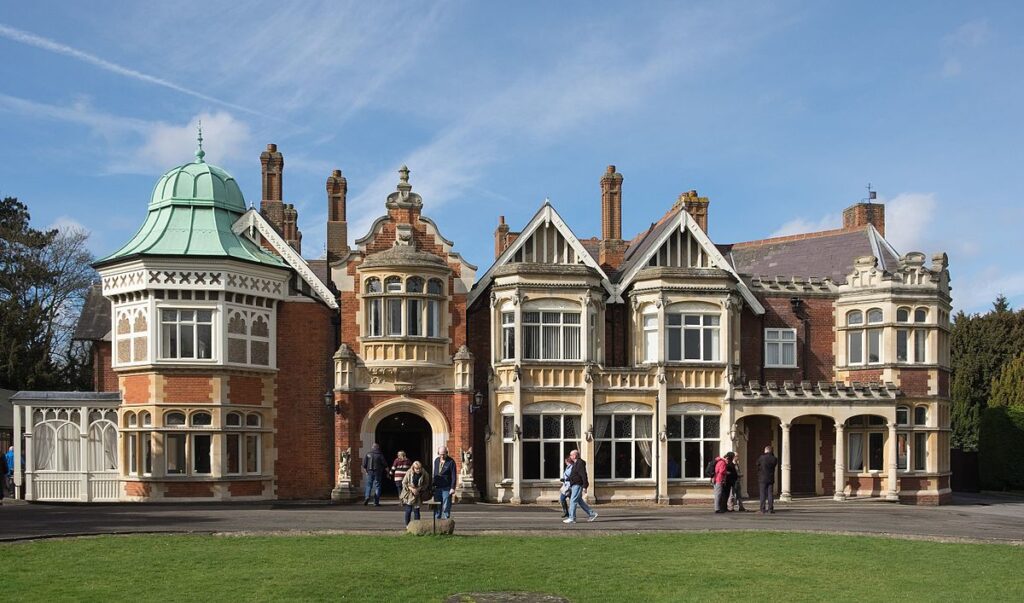
Known during the war as "Station X," Bletchley Park was Churchill's secret weapon.
It was here that an elite team of scientists, mathematicians, and cryptographers managed to crack the supposedly unbreakable "Enigma" code, which the Germans used to relay top-secret messages between their forces.
US General Dwight Eisenhower called it a "decisive" factor in the victory. But it was Churchill who launched the programme, authorising whatever resources were needed and regularly monitoring its progress.
You can take a tour of the top-secret site to uncover the dramatic story of the great minds and code-breaking machines that helped change the course of history.
The story of Bletchley Park was popularised by the film "The Imitation Game," and Robert Harris's 1995 historical novel "Enigma" recreates the wartime atmosphere of Bletchley Park just as vividly.