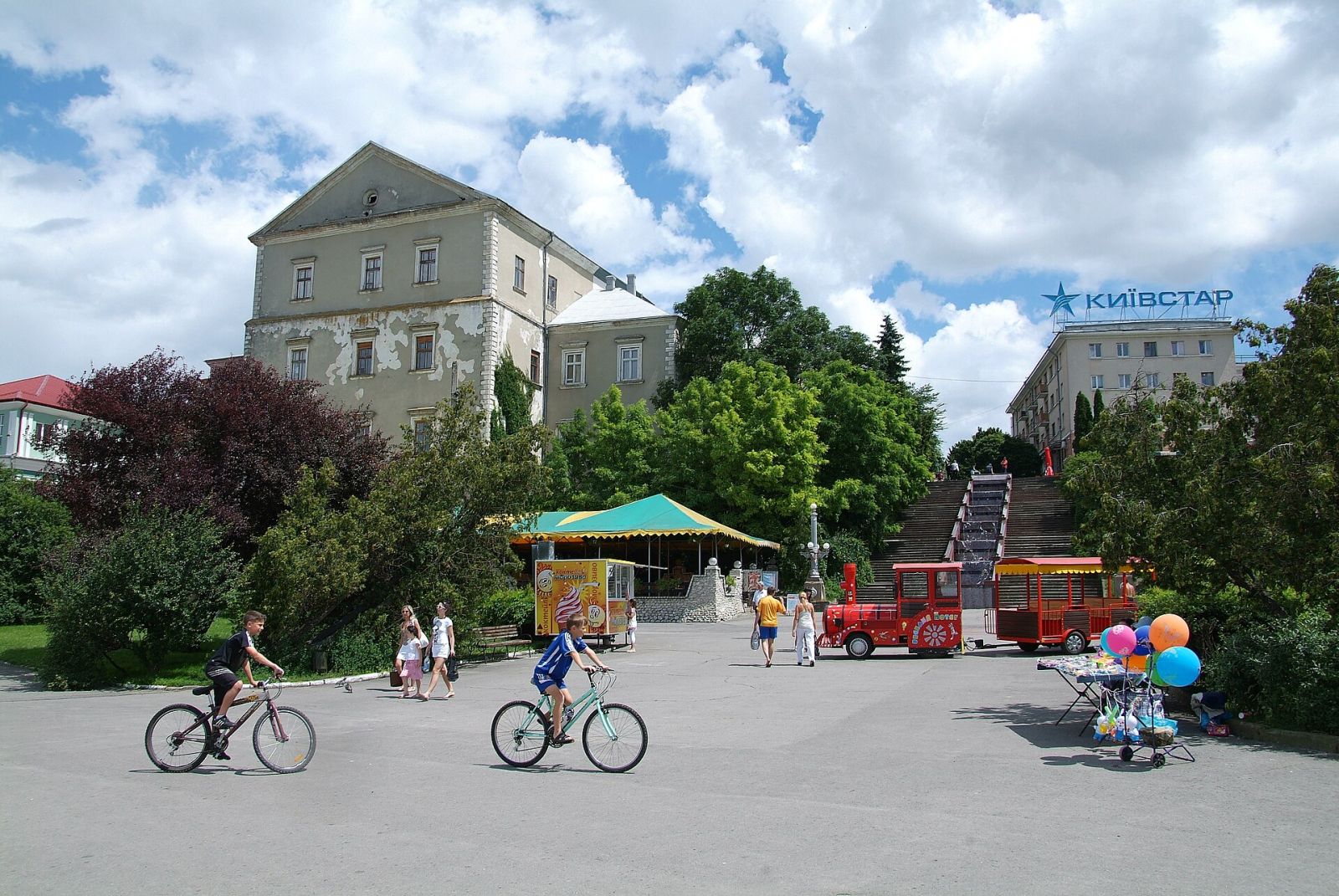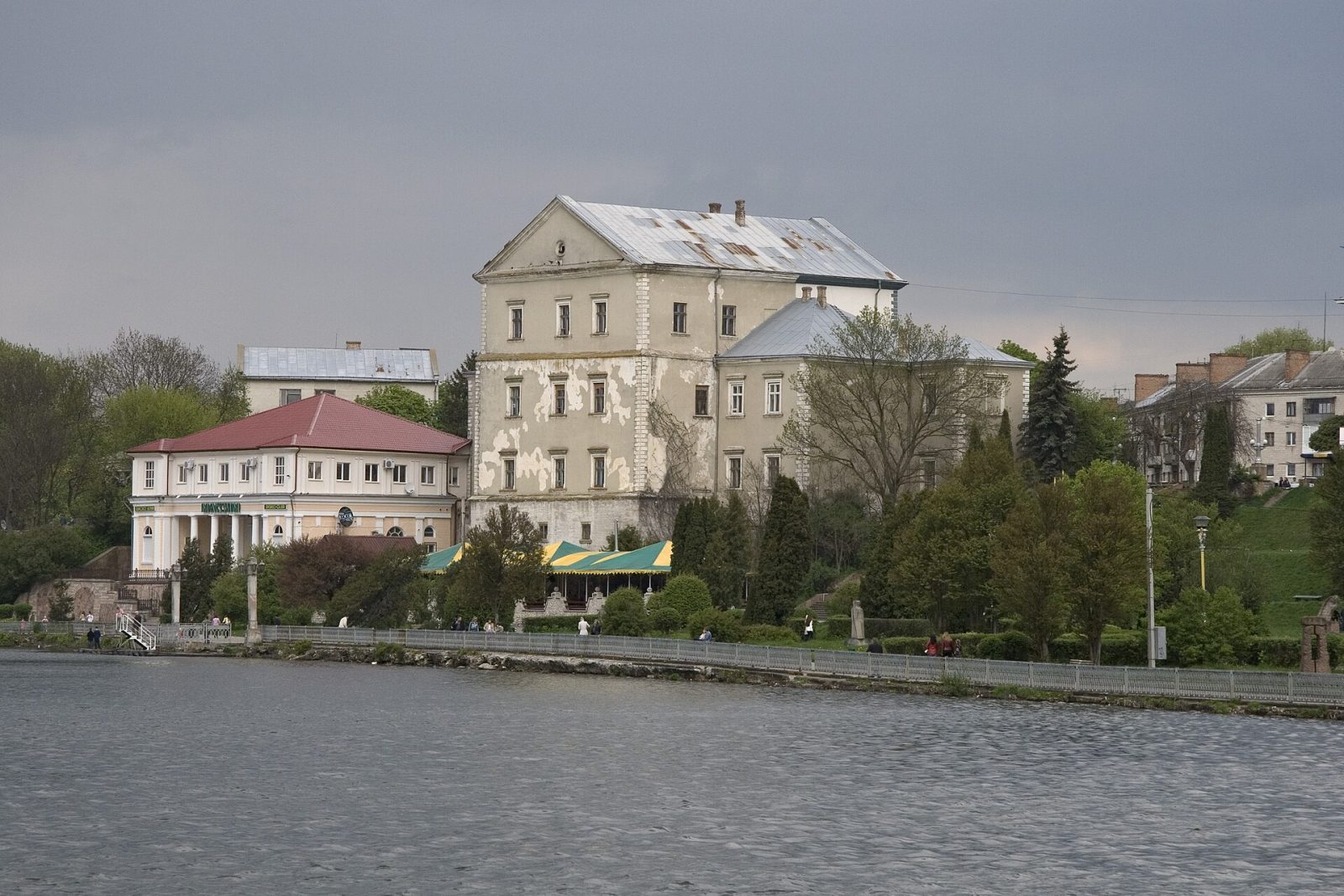


The main reason to come here sits right in the middle of town and covers nearly a hundred hectares of water: Ternopil Pond, a large artificial lake that the whole city wraps around. If you are working out what to see in Ternopil, start at the waterfront and the castle above the water, and the city will lead you the rest of the way through parks and old streets, because almost everything worth seeing follows a single route along the shore.
Ternopil is compact and flat, with none of the exhausting climbs some Ukrainian towns throw at you. The historic core and the embankment can genuinely be walked in one full day, which is a real advantage over cities where half your time goes on getting from A to B. Below is the specifics: what is essential, how long to budget, how to get here, and in what order to walk so you are not circling the lake twice.
Ternopil Pond: why a city built itself around a lake
The pond is more than four hundred years old. It was dammed back in 1548, when Jan Tarnowski was founding this fortress town, and the water was part of the defences: the castle was positioned so the lake covered one of its flanks. That practical decision grew into the city's defining feature, because few Ukrainian cities have a body of water this size in their very centre, complete with a broad embankment and a genuinely seaside mood on summer evenings.
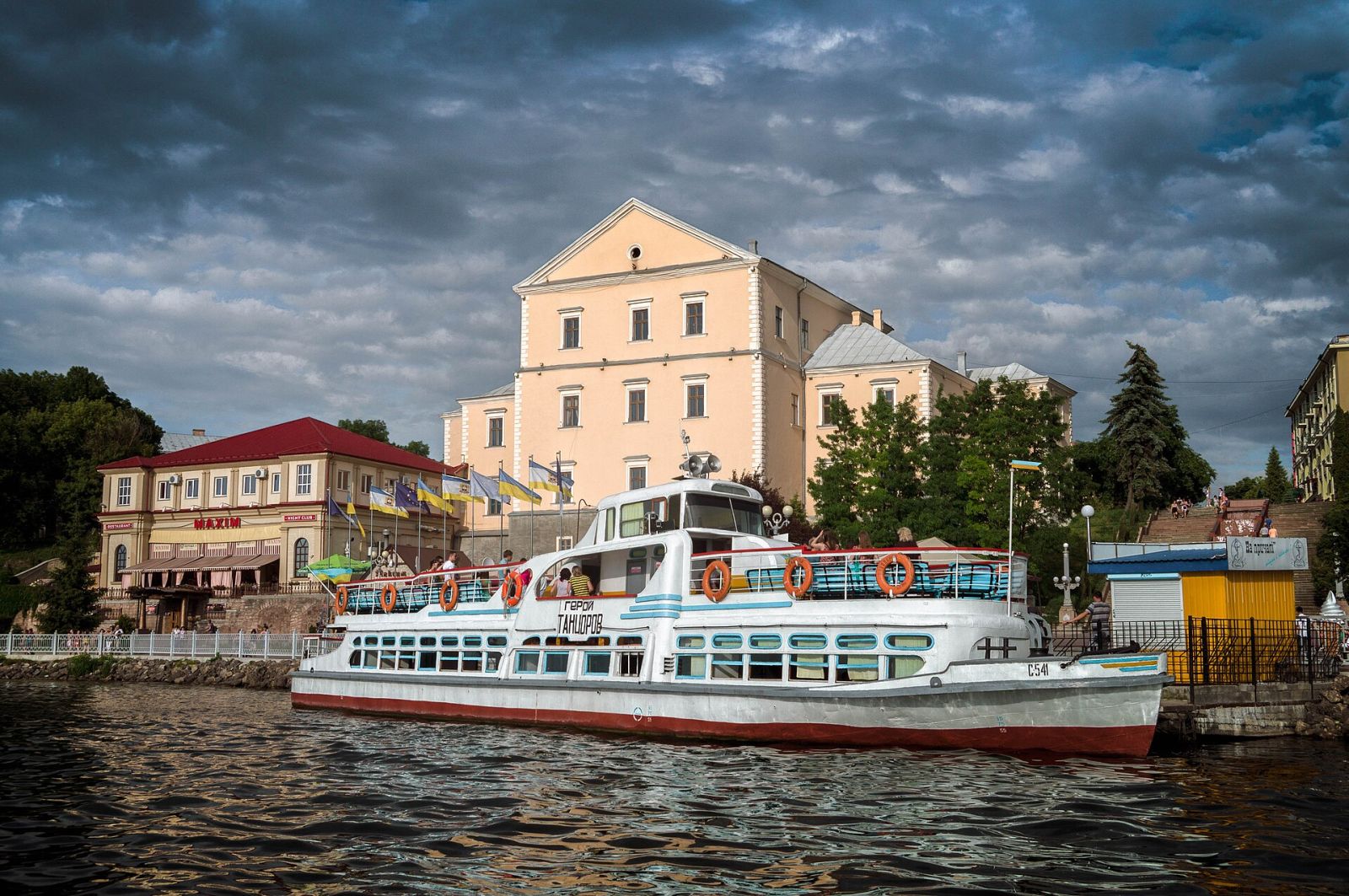
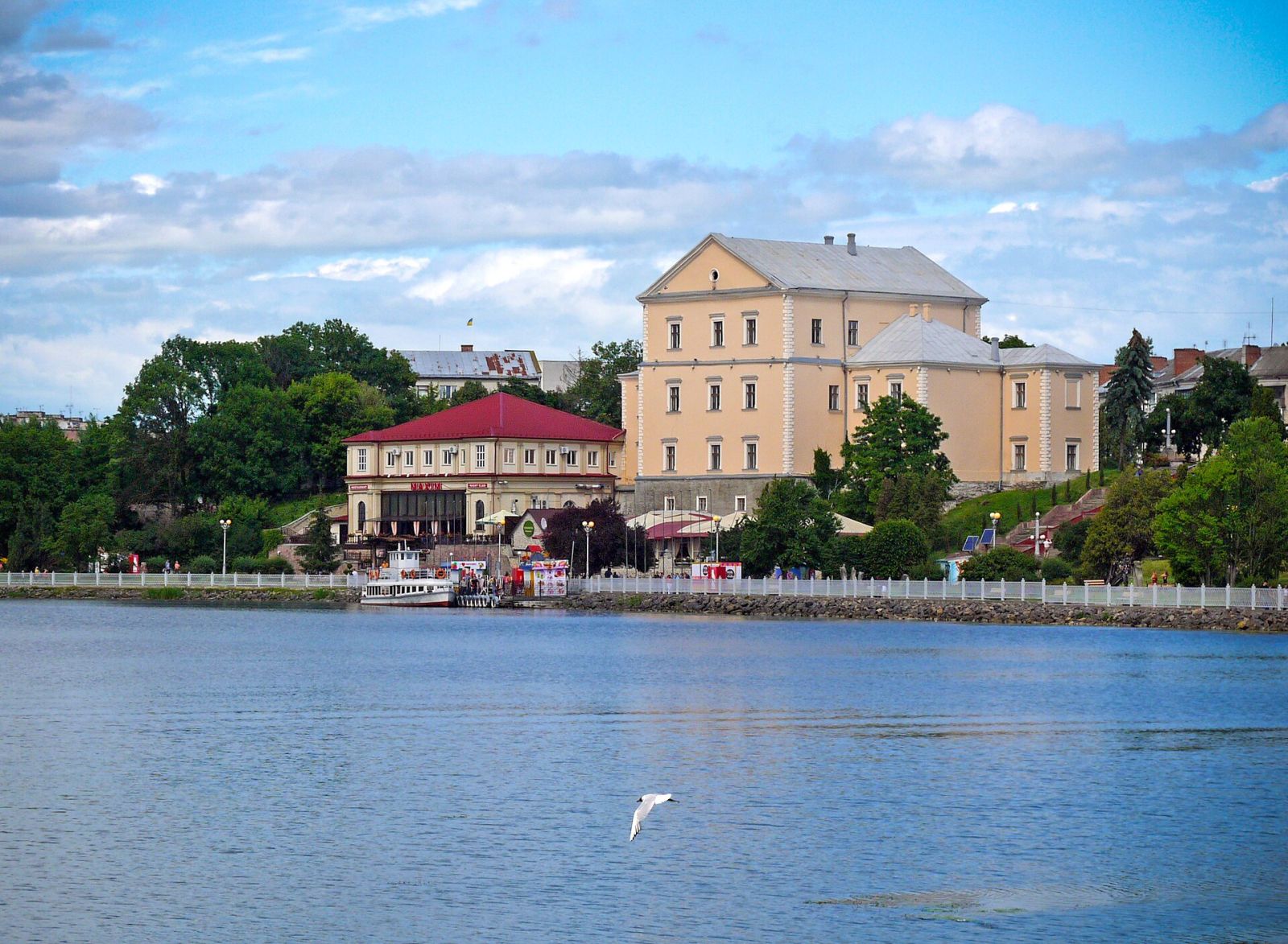
The waterfront runs for kilometres, and it sets the rhythm of any walk here. People jog, cycle, sit with coffee, and in summer boats and pedal catamarans head out. From the water you get a clean view of the castle and the city skyline, so if you have the time and the weather, a short cruise or catamaran ride hands you an angle you simply cannot catch from the bank. Prices and schedules for the pleasure boats are seasonal, so check what is current before you travel.
An honest caveat: the pond is lovely, but not equally cared for all the way round. The most attractive stretch of embankment, with its fountain out on the water and a landscaped promenade, runs opposite the centre. The further you go from there, the plainer the shoreline gets, so if time is tight, stick to the central section and skip the full loop around the lake.
The old castle above the water: what is left of it
Ternopil Castle was built in the mid-16th century as a border stronghold on the south-eastern frontier. The site was chosen deliberately: a headland over the pond, water on one side, ramparts and moats on the others. Over the centuries it survived Tatar raids, Cossack and Turkish sieges, and was ruined and rebuilt many times, so what you see today is more a remodelled 19th-century palace than the fearsome fort of its founding years.
Do not come expecting Kamianets or Khotyn. Ternopil Castle is more modest, and today it houses sports and administrative offices rather than museum halls. Its value lies elsewhere: in the plain fact that the building the city began with still stands over the water on its original spot. A walk around the outside, plus shots from the embankment when the walls mirror in the pond, is what it gives you best. Budget about half an hour for the castle and its surroundings; there is honestly nowhere to spend more time.
The centre: churches, the square and Valova Street
A few minutes from the castle the historic core begins. This is a place to wander without a rigid plan, but keep a few landmarks in mind.
Churches and cathedrals
The oldest structure in the city after the castle is the Nadstavna Church of the Nativity, built at the end of the 16th century, squat and solid, with the features of a defensive church. Nearby, the grand Cathedral of the Immaculate Conception dominates the centre, the main Greek Catholic shrine of Ternopil, its tall towers visible from various points around town. The two buildings neatly capture the contrast of eras: stern antiquity and stately later construction almost side by side.
Theatre Square and Valova Street
The heart of the modern centre is Theatre Square, with its drama theatre and fountain, the place locals name when they arrange to meet. From here it is an easy step onto Valova Street, one of the oldest and most atmospheric in the city. The name is no accident: the town's defensive ramparts once ran along here, and today it is a snug street of old buildings, cafes and an unhurried pace. Walk it slowly; it carries the spirit of old Ternopil that the wide avenues have already erased.
Parks and green spaces: where to catch your breath
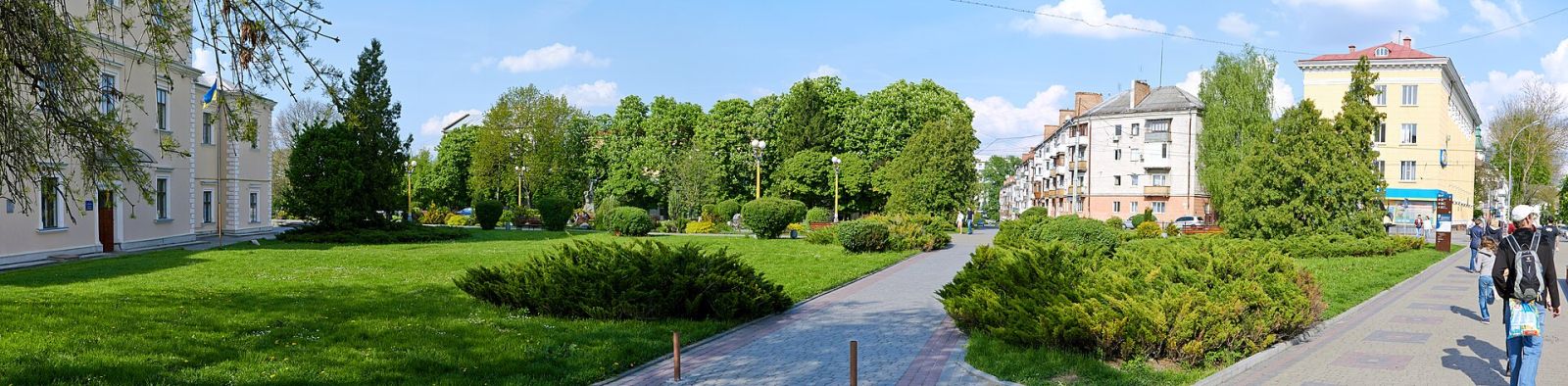
Ternopil is a green city, and the park here is not decoration but part of daily life. The central Shevchenko Park of Culture and Leisure opens straight onto the pond, so it makes sense to fold the embankment and the park into one stretch of your walk. Shaded avenues, viewpoints over the water, spots to rest: after a busy morning in the centre, this is the natural pause before the second half of the day.
Another green gem outside town is the Khorostkiv arboretum, along with the scenic countryside of the wider Ternopil region, but those are separate trips. Within a single day, stick to the central park and the embankment; that is quite enough to feel the city as both green and watery.
Where to go nearby if you have another day
Ternopil works well as a base for the region, and it is the surroundings that make a trip here complete. Here are the strongest options nearby:
- Zbarazh Castle, a sturdy 17th-century fortress half an hour away, one of the best-preserved castles in the region, with a museum inside.
- Kremenets, with its Castle Hill and the ruins of Bona's Castle, a town ringed by hills, a little over an hour from Ternopil.
- Pochaiv Lavra, the second most important Orthodox shrine in Ukraine after the Kyiv Pechersk Lavra, impressive even for those not travelling on a pilgrimage.
- Kryshtaleva Cave and the Dniester Canyon in the south of the region, for anyone willing to drive further for the nature.
How to get here and how long to budget
Ternopil sits at a crossroads of western Ukraine, so it is easy to reach from any direction.
| From | How | Approximate travel time |
|---|---|---|
| Lviv | Train / bus | about 2 hours |
| Kyiv | Train | 5–6 hours |
| Ivano-Frankivsk | Bus / train | 2–2.5 hours |
| Khmelnytskyi | Bus / train | about 1.5 hours |
The railway station and the bus station stand close together, a few minutes apart, and from them the centre and the embankment are a short walk. The city is compact enough that you barely need transport inside it: almost everything essential falls within walking distance along the pond. Exact train and bus schedules are seasonal, so check current departures before you travel.
A one-day route
To save you wandering, here is a working order that never sends you back down the same road twice:
- Morning. The old castle above the pond, then out onto the embankment and the central stretch with the fountain on the water.
- Midday. The Nadstavna Church, the cathedral, Theatre Square, and a walk down Valova Street with a coffee.
- Afternoon. The central park along the pond, and if you fancy it, a cruise or catamaran ride on the water.
- Early evening. Back to the embankment: at sunset the water and the lights of the centre give you the best shots of the day.
Ternopil is rarely the first name on a western Ukraine itinerary, and that is a shame. It is a city that does not overwhelm at first glance but stays with you: a lake at its very heart, a castle over the water, one quiet old street and greenery all around add up to a calm, human pace that the louder tourist centres often lack. One day is just enough for the city itself, and as a base for the region's castles and shrines it is hard to beat.