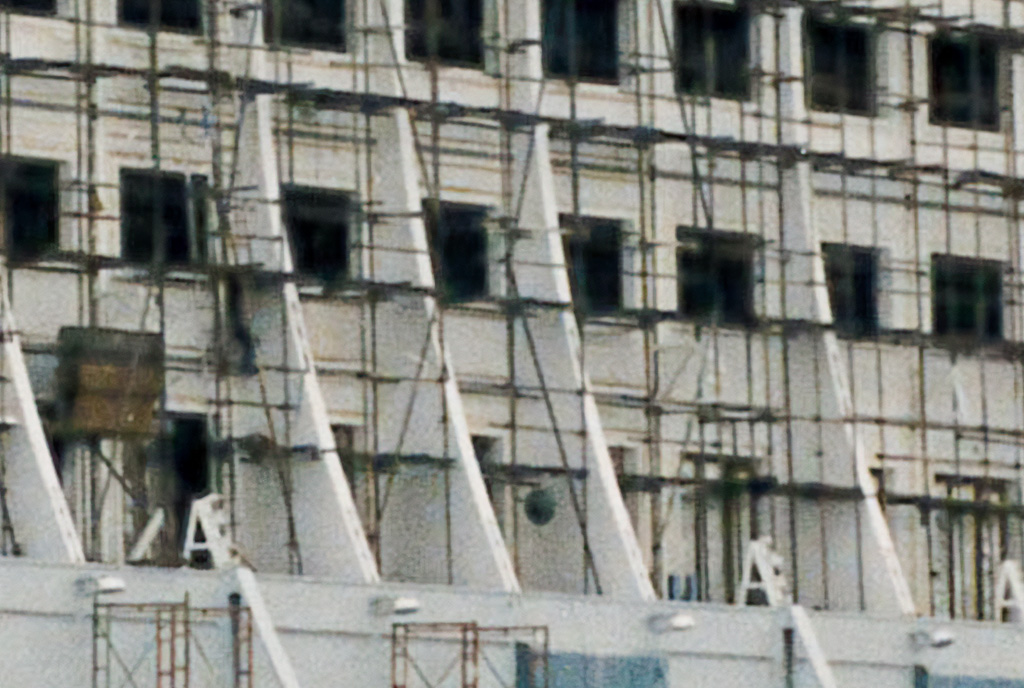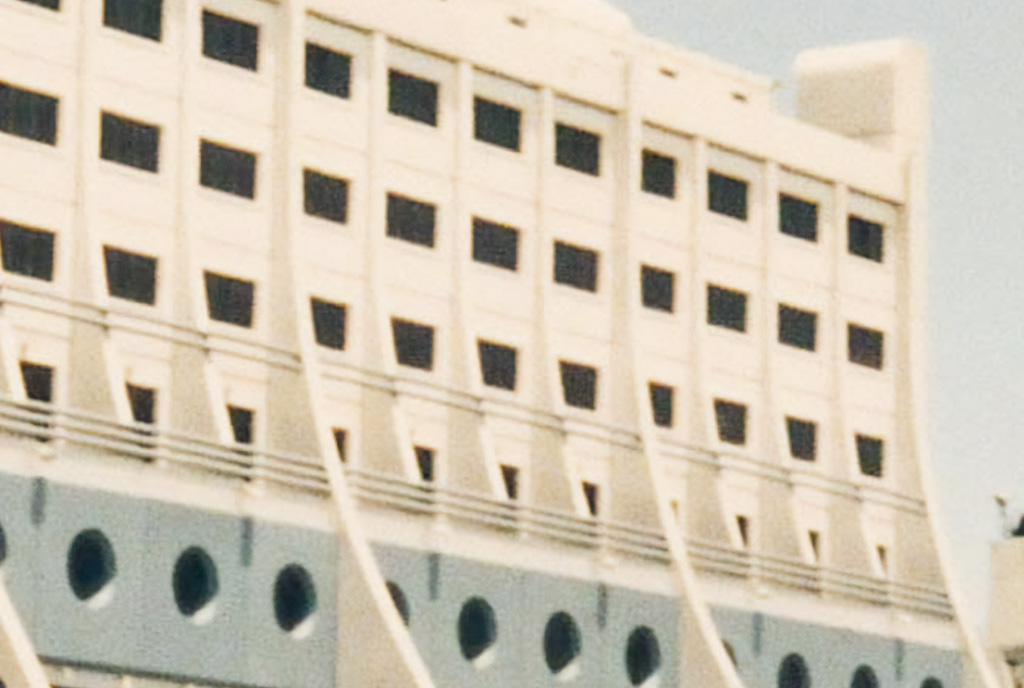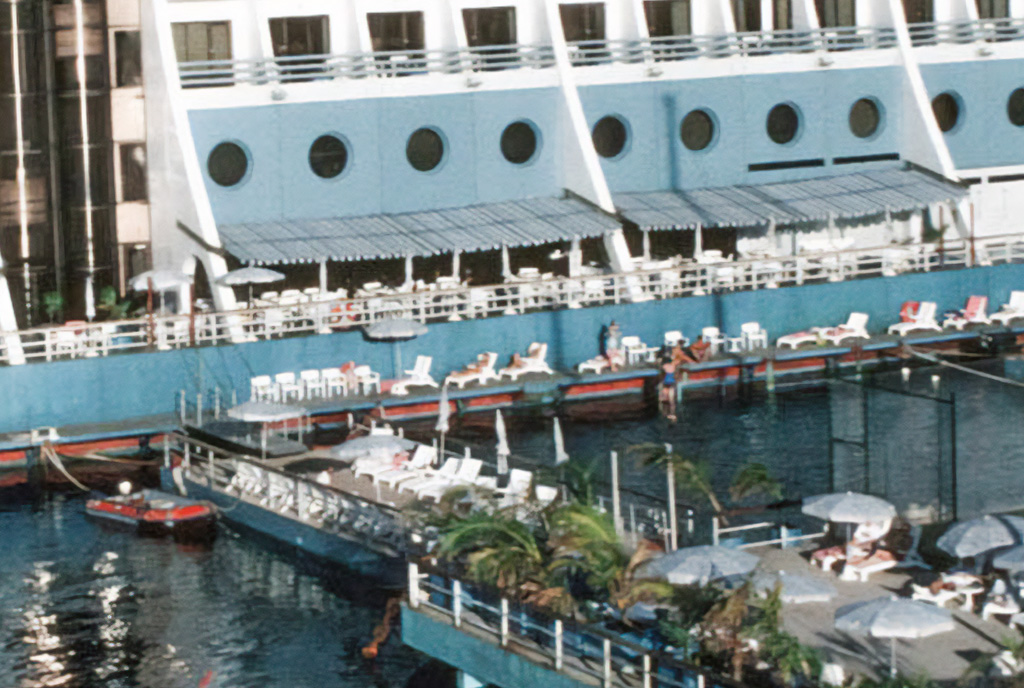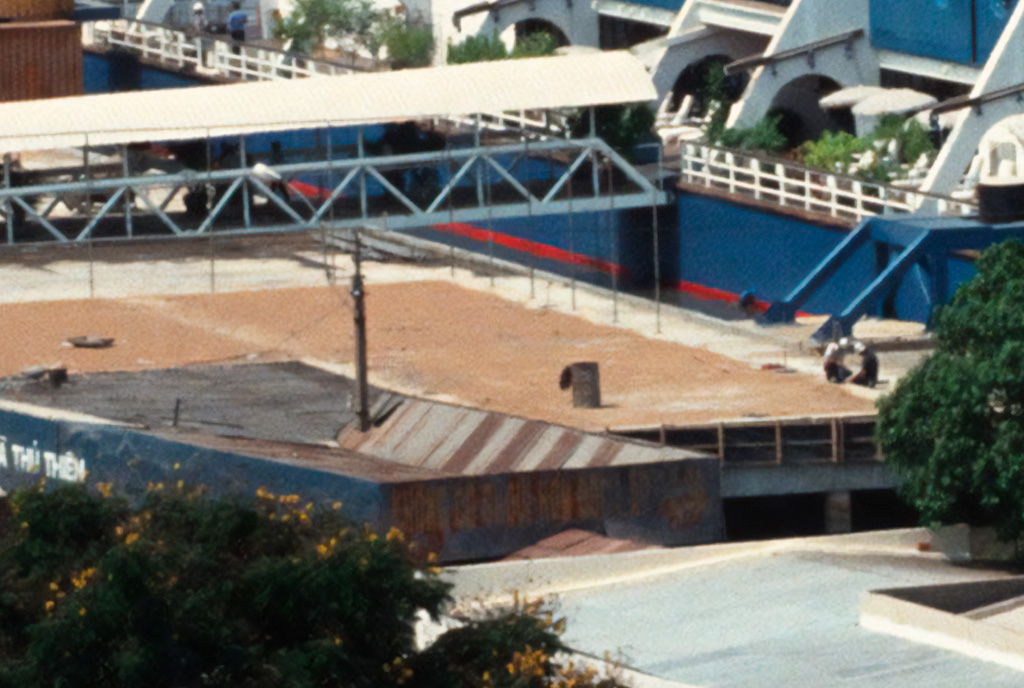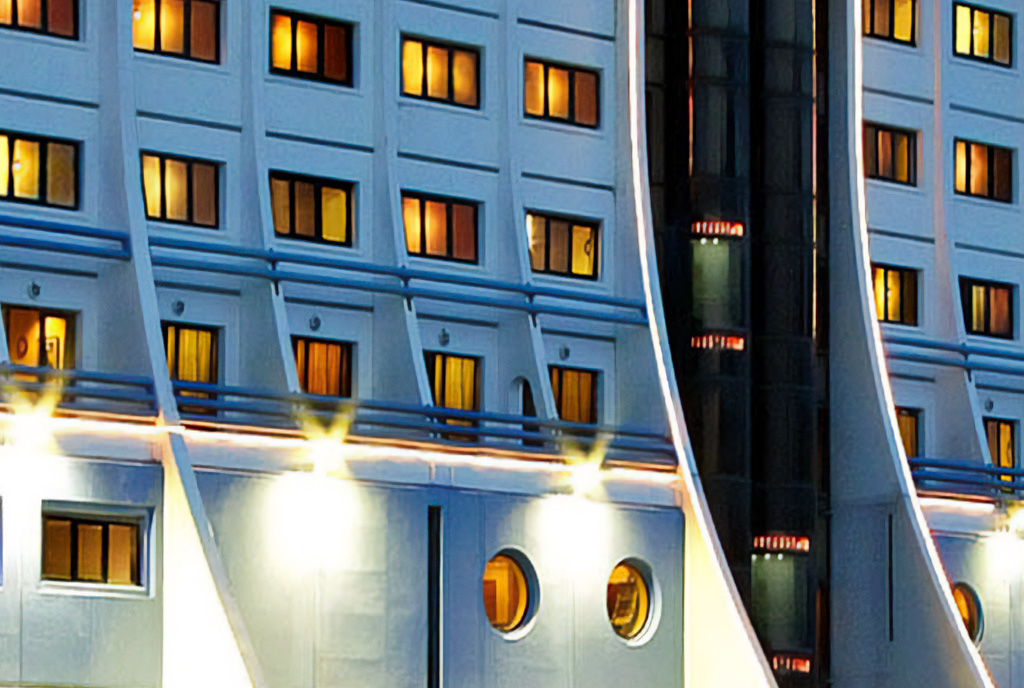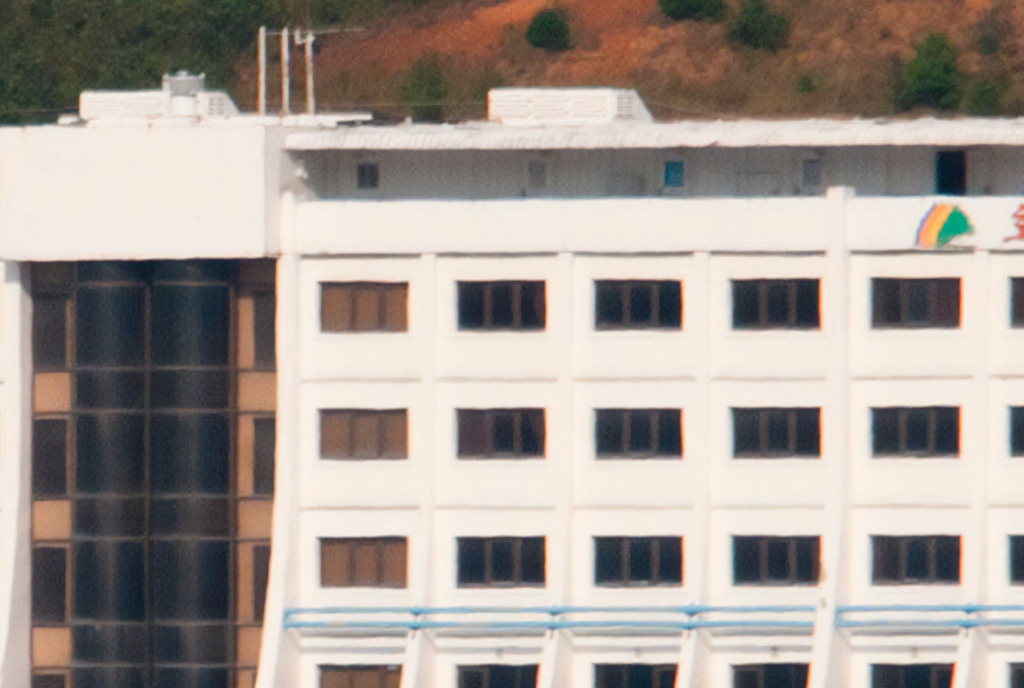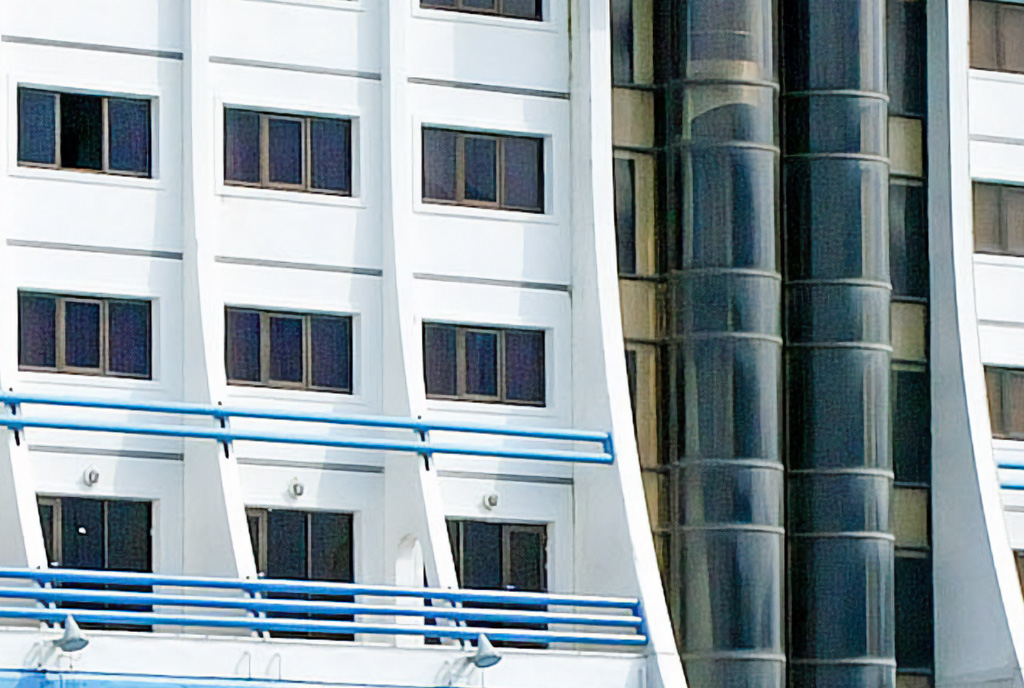


It was once an exclusive five-star resort perched right above Australia's Great Barrier Reef. Today it sits in a state of neglect in a North Korean port, a 20-minute drive from the demilitarized zone, the restricted strip of land that divides the two Koreas.
For the world's first floating hotel, this is the final stop on a bizarre 10,000-mile journey that began more than 30 years ago with glamorous helicopter rides and fine dining, but ended in tragedy.
Now marked for demolition, this rusting vessel with a colorful past faces an uncertain future.
Partner links: booking through them supports the blog at no extra cost to you.
Intelligence reports in South Korea suggest that the Haegumgang floating hotel was among the sites destroyed by the North Korean government in 2022, along with the Onjonggak rest house, where televised reunions of families separated across the DMZ were once held.
Here is a closer look at the significance of Mount Kumgang and why the floating hotel may be gone for good.
It's a sad end to a long and colorful history, which continues below.
A Night on the Reef
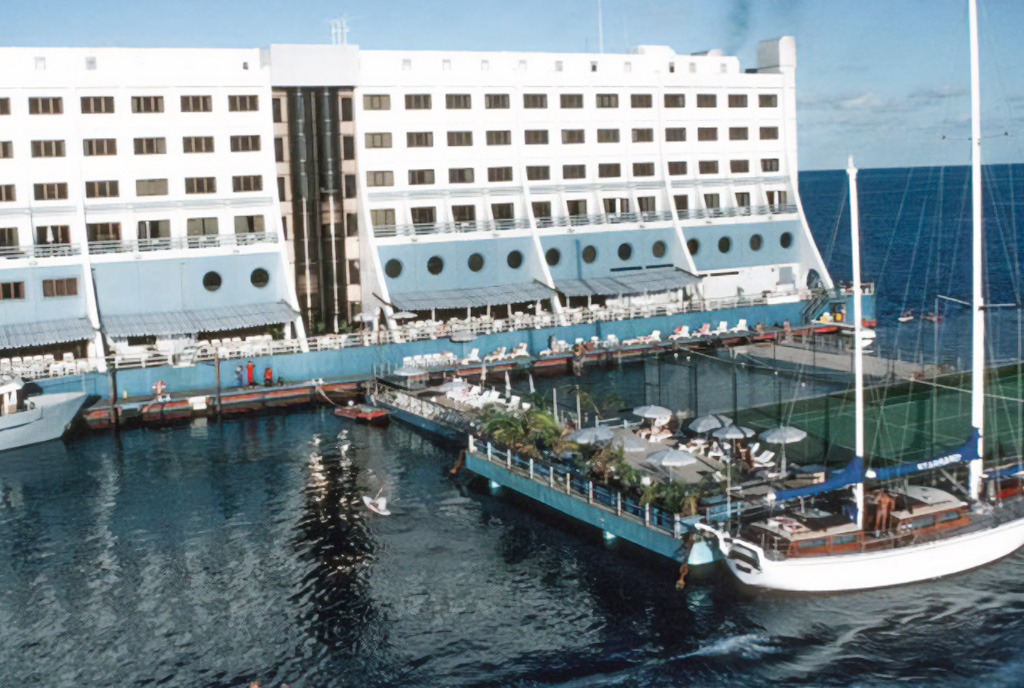
The floating hotel was the brainchild of Doug Tarca, a professional diver and entrepreneur of Italian descent who lived in Townsville, on the northeastern coast of Queensland, Australia.
"He had a great love and respect for the Great Barrier Reef," says Robert de Jong, curator of the Townsville Maritime Museum. In 1983, Tarca founded a company called Reef Link to ferry tourists by catamaran from Townsville out to the reef formation off the coast.
"But then he said, 'Wait a minute. What about letting people stay out on the reef overnight?'"
At first, Tarca thought about permanently mooring old cruise liners to the reef, but he realized it would be cheaper and more eco-friendly to design and build a purpose-made floating hotel. Construction began in 1986 at Singapore's Bethlehem shipyard, a subsidiary of the now-defunct American steel giant.
The hotel cost around $45 million, more than $100 million in today's money, and was transported by a heavy-lift ship to John Brewer Reef, the chosen spot in the Great Barrier Reef Marine Park.
"It's a horseshoe-shaped reef with calm waters in the center, so it's perfect for a floating hotel," says de Jong.
The hotel was anchored to the seabed by seven enormous anchors, positioned so as not to damage the reef. No sewage was dumped overboard, water was recycled, and any garbage was taken back to the mainland, which somewhat limited the structure's impact on the environment.
Named the Four Seasons Barrier Reef Resort, it officially opened for business on March 9, 1988.
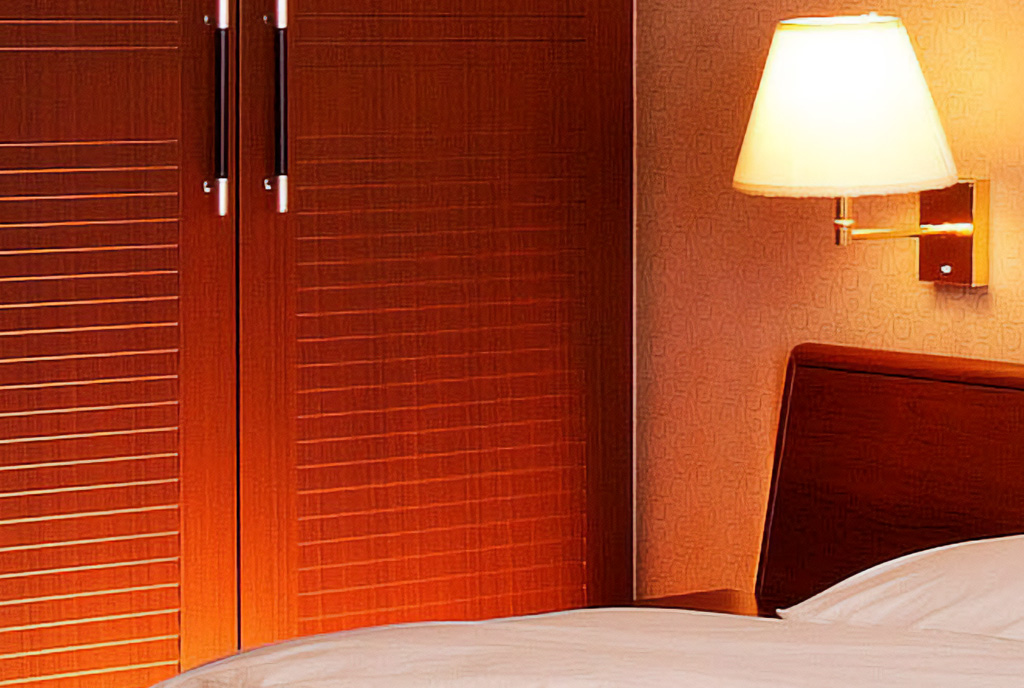
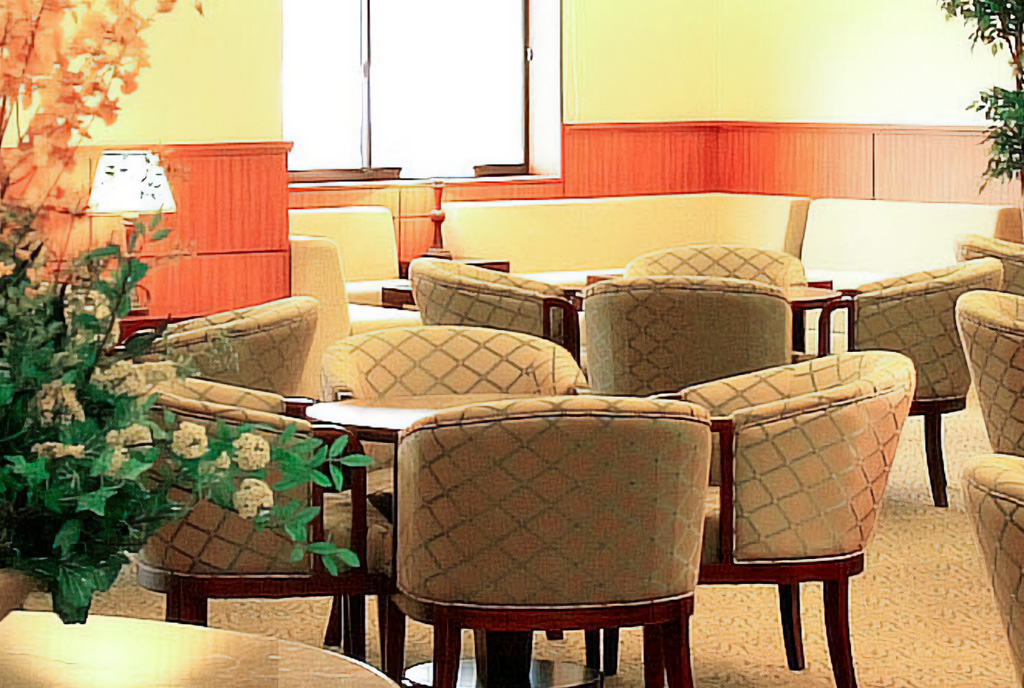
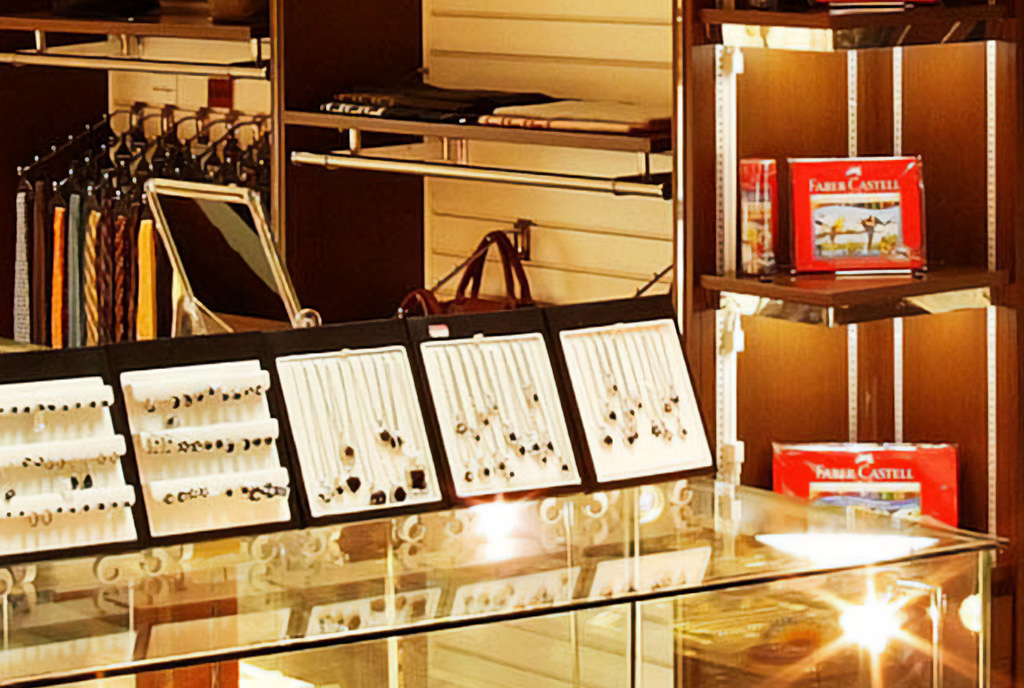
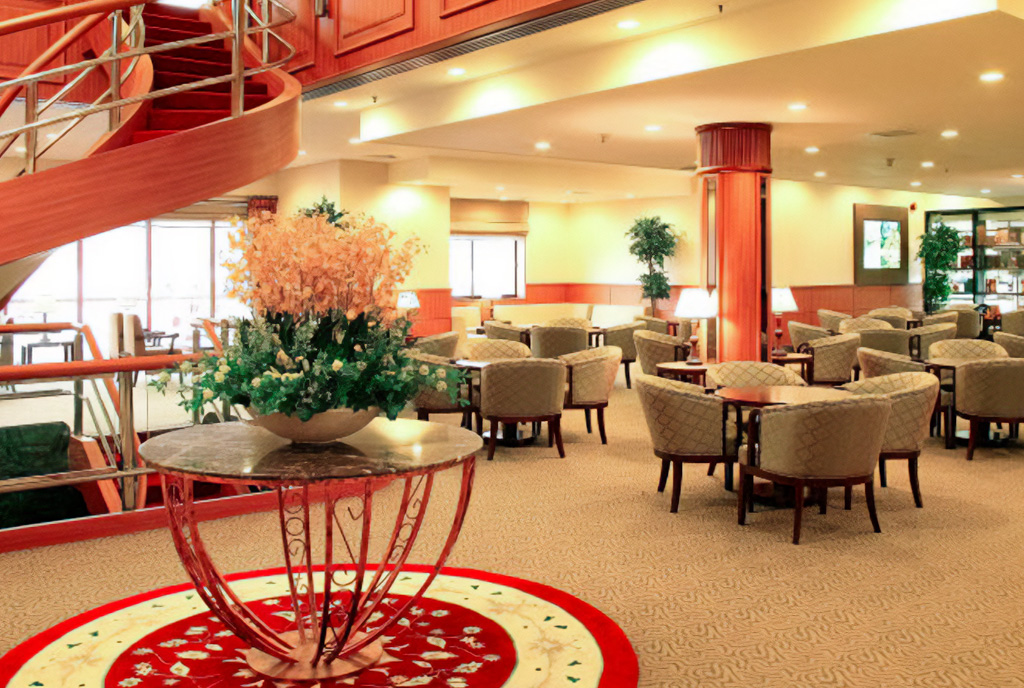
"It was a five-star hotel, and it wasn't cheap," says de Jong. "It had 176 rooms and could accommodate 350 guests. There was a nightclub, two restaurants, a research lab, a library and a shop where you could buy diving gear. There was even a tennis court, though I think most of the tennis balls probably ended up in the Pacific Ocean."
The Whisky Bottle
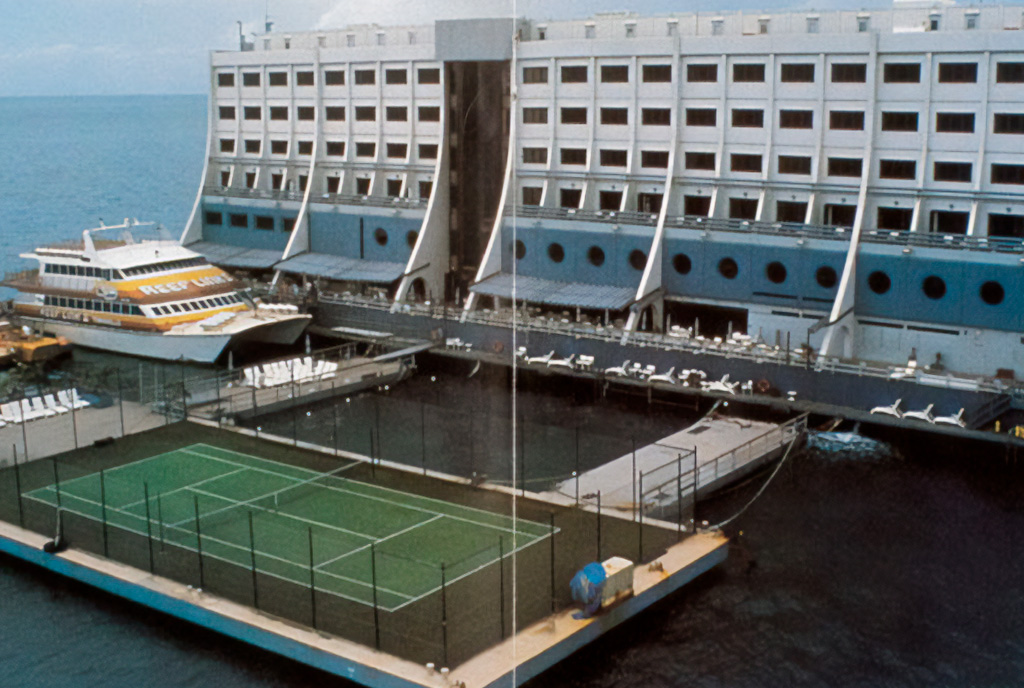
Getting to the hotel required either a two-hour trip on a fast catamaran or a much quicker helicopter flight, which was also pricier, costing $350 for a round trip when adjusted for inflation.
The novelty of it all created a genuine buzz at first, and the hotel was a dream for divers. Even non-divers could enjoy incredible views of the reef thanks to a special submarine called the "Yellow Submarine."
Soon, however, it became clear that the effect of bad weather on guests had been underestimated.
"If the weather was bad and you needed to get back to town to catch a flight, the helicopter couldn't fly and the catamaran couldn't sail, which caused a lot of inconvenience," says de Jong.
Interestingly, the hotel staff lived on the top floor, which on a floating hotel is the least desirable place because it sways the most. According to de Jong, employees used an empty whisky bottle hanging from the ceiling to gauge the strength of the swell: when it started swinging uncontrollably, they knew a lot of guests would get seasick.
"That was probably one of the reasons why the hotel was never truly commercially successful," he says.
There were other problems too: a cyclone struck the structure just a week before opening, irreparably damaging the freshwater pool that was part of the complex. Two miles from the hotel, a World War II ammunition dump was discovered, which scared off some customers. And indeed, apart from diving or snorkeling, there wasn't much to do.
After just one year of operation, the Four Seasons Barrier Reef Resort became too expensive to run and closed, having never reached full occupancy.
"It disappeared very quietly," says de Jong, "and was sold to a company in Ho Chi Minh City in Vietnam that wanted to attract tourists."
An Unexpected Direction
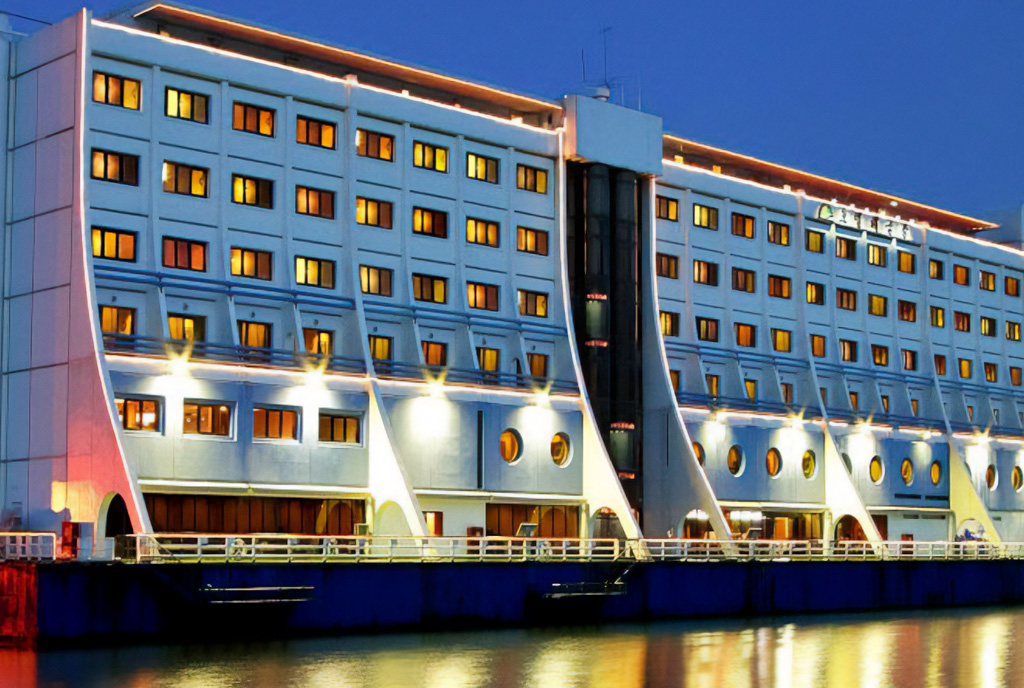
In 1989, the floating hotel set off on its second voyage, this time 3,400 miles north. Renamed the Saigon Hotel, but better known as "The Floater," it remained moored on the Saigon River for nearly a decade.
"It became really successful, and I think the reason was that it wasn't in the middle of nowhere but right on the waterfront. It floated, but it was connected to the mainland," says de Jong.
In 1998, however, "The Floater" ran out of steam financially and closed. But instead of being scrapped, it found an unexpected new lease of life: it was bought by North Korea to draw tourists to Mount Kumgang, a scenic area near the border with South Korea.
"At the time, the two Koreas were trying to build bridges, they were talking to each other. But a lot of hotels in North Korea weren't really tourist-friendly," says de Jong.
After another 2,800-mile journey, the floating hotel was ready for its third adventure, with a new name: the Haegumgang Hotel. It opened in October 2000 and was managed by the South Korean company Hyundai Asan, which also ran other facilities in the area and offered packages for South Korean tourists.
Over the years, the Mount Kumgang region attracted more than 2 million tourists, according to Hyundai Asan spokesman Park Sung-wook.
"On top of that, the Mount Kumgang tour improved inter-Korean reconciliation and served as a key point for inter-Korean exchange, as a center for reuniting separated families, to heal the sorrow of national division," he says.
Tragedy
In 2008, a North Korean soldier shot and killed a 53-year-old South Korean woman who had wandered beyond the Mount Kumgang tourist zone into a military area. As a result, Hyundai Asan suspended all tours, and the Haegumgang Hotel closed along with everything else.
It's unclear whether the hotel operated at all afterward, but certainly not for tourists from South Korea.
"Information is scarce, but I believe the hotel operated only for members of North Korea's ruling party," says de Jong. On Google Maps, it can still be seen moored to a pier in the Mount Kumgang area, rusting away.
In 2019, North Korean leader Kim Jong Un visited the Mount Kumgang tourist zone and criticized many of the facilities, including the Haegumgang Hotel, for their state of neglect; he ordered many of them to be torn down as part of a plan to redevelop the zone in a style more in keeping with North Korean culture. But then the pandemic hit, and all the plans were put on hold. It's unclear whether the plan to demolish everything will be carried out anytime soon, or at all.
In the meantime, the floating hotel lives to see another day, its legacy still intact. It will likely remain one of a kind, since the idea of floating hotels never really caught on.
Or, in a sense, it did.
"The ocean is full of floating hotels," says de Jong. "They're just called cruise liners."