


Part of the experience of staying in a ryokan, a traditional Japanese guesthouse, is the relief you feel the moment you cross the threshold. It's a shift in mindset, a chance to switch fully into a different, older rhythm of life, where there's little left to do but relax and enjoy the untroubled surroundings.
Ryokan design tends to be understated, reflecting Japan's traditional aesthetic, and you'll rarely find televisions or other trappings of the modern age during your stay (though Wi-Fi is usually available if you need it).
Wooden floors are lined with tatami (woven straw mats). The rooms are modular; after dinner, staff transform the sitting room into a bedroom, laying out single futons (even if you're traveling with a husband or partner), buckwheat-husk pillows, and bedding suited to the season, heavy layers of thick quilts in winter and lighter linens in warm weather.
Partner links: booking through them supports the blog at no extra cost to you.
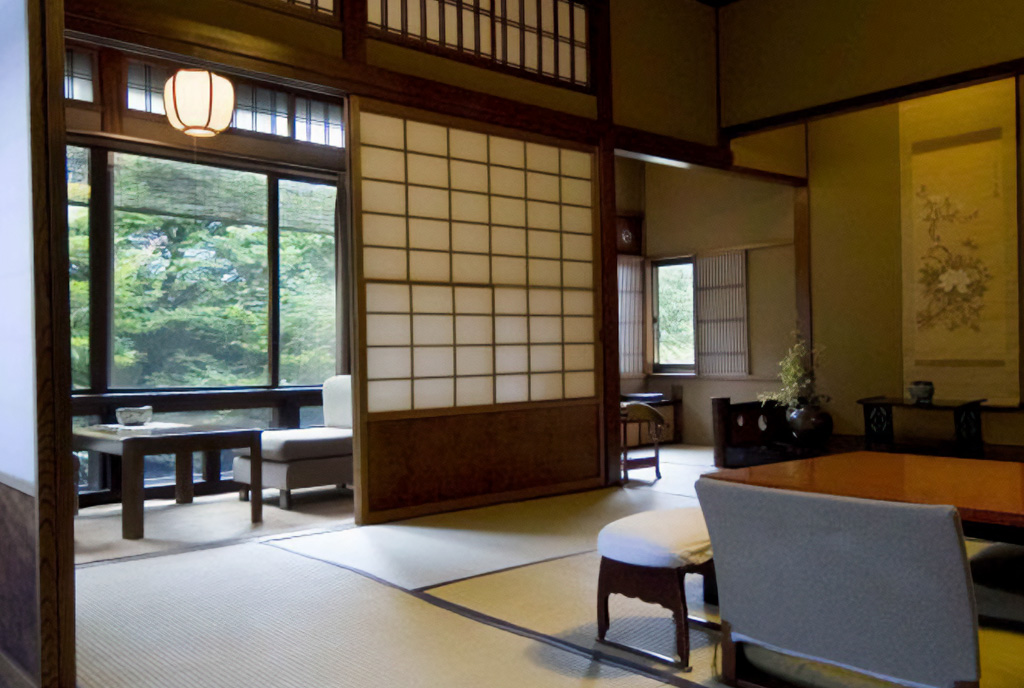
Guests even shed their ordinary clothes during a ryokan stay. Once you slip into the yukata (a light cotton kimono) provided by the guesthouse, you'll live in that robe, along with the socks and wooden sandals, while you eat, bathe, and even wander around town.
Speaking of bathing: rural ryokans are often countryside buildings of centuries-old wood and paper, set around mineral-rich hot springs that bubble up from Japan's volcanic mountain spine. These springs, known as onsen, have been celebrated for their healing properties for centuries. Those benefits can be physical, some waters are especially good for arthritis, others for the skin, but sinking into any hot spring brings a sense of calm to anyone lucky enough to try it.
Combined with the quiet rhythm of the ryokan, the rustle of kimono and the soft tread of socks over tatami, you may not even remember what stress feels like.
Here are six of Japan's most exquisite ryokans.
Lamp no Yado
Tucked into a rocky cove at the very tip of the Noto Peninsula on Japan's main island of Honshu, this wind-swept ryokan has welcomed travelers seeking seclusion and solitude for more than four centuries.
The ryokan was originally built around the Yoshigaura onsen, a freshwater hot spring that gushes up from the Sea of Japan. These days, you can bathe in indoor or outdoor tubs, or in your own cedar-lined rotenburo, a private open-air bath that comes as part of the deluxe package.
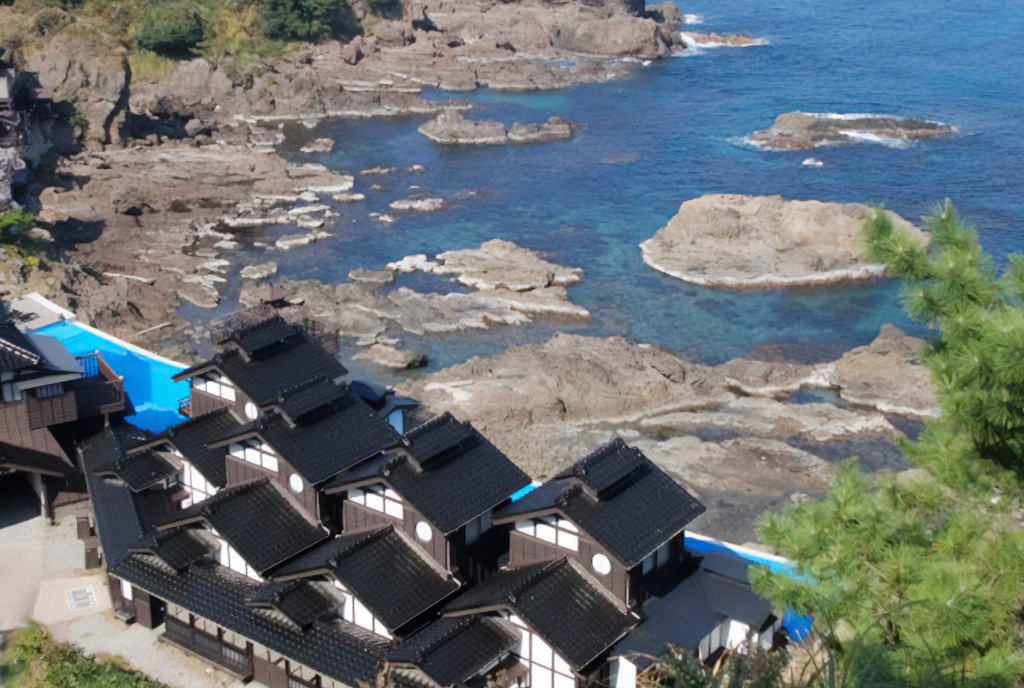
On the grounds there's a spa offering treatments that use gold leaf, along with a wide blue pool that, wedged into a miniature hot spring of black rock, looks almost out of place in the rugged setting.
Lamp no Yado sits on Toyama Bay, known throughout Japan for its unique marine ecology. Visit in spring and your superb multi-course dinner might include shiro-ebi (white shrimp) and hotaru-ika (firefly squid), the delicacies this region is famous for.
Whether you're soaking in the onsen, sipping Lamp no Yado's house sake, savoring the seafood, or watching the waves roll in over the volcanic rocks as weary pilgrims have done for centuries, the place enchants with its quiet beauty.
Lamp no Yado, 10-11 Jike Misaki-machi Suzu Ishikawa, Japan; +81 (0768) 86-8000
Beniya Mukayu
Set in a mossy garden of Japanese maples and persimmon trees, Beniya Mukayu is the most serene place to stay in Kaga, a district in the mountains between Kyoto and Kanazawa that's known for its charming onsen ryokans, inns built beside or over natural hot springs and often open to the public for a fee.
The name Mukayu is rooted in the concept of "nothingness" described by the Chinese philosopher Zhuangzi. The idea of emptiness takes on a comforting aspect here, because the few things that are present are simply so beautiful.
Set next to the Yamashiro hot spring, which grew popular in the 10th century for its natural healing qualities, Mukayu invites guests to bathe in the onsen and do very little else.
The owner's personal friendship with Kenya Hara, the Japanese graphic designer and art director of Muji, means this is one of the most visually striking places in all of Japan.
Hara contributed part of his personal art collection for display in the ryokan (a captivating Tsukubai, a modern reimagining of the traditional washbasin found at the entrances to Buddhist holy sites, sits on the ground floor).
Guests can enjoy the art, or pull design books from the ryokan's library and unwind in the study, but remember: part of the true ryokan experience, in the architect's words, is savoring the feeling of having nothing to do.
Beniya Mukayu, 55 1 3 Kaga-shi Ishikawa, Japan; +81 (0761) 77 1340
Elite capsules: inside Tokyo's most beautiful capsule hotels
Nishimuraya Honkan
Hidden on the slope of a densely forested hill, west of Kyoto near the coast of the Sea of Japan, this seventh-generation onsen ryokan is a labyrinth of wooden and paper rooms surrounding private gardens filled with Japanese pines, stone carp pools, and seasonal flowering plants.
Nishimuraya is the jewel of Kinosaki Onsen, a town that has drawn bathers to its healing waters since the eighth century. The buildings here are beautifully arranged around a tree-lined canal that blooms in spring.
Nishimuraya's public baths are wonderful, finished in golden wood and dating back to 1854.
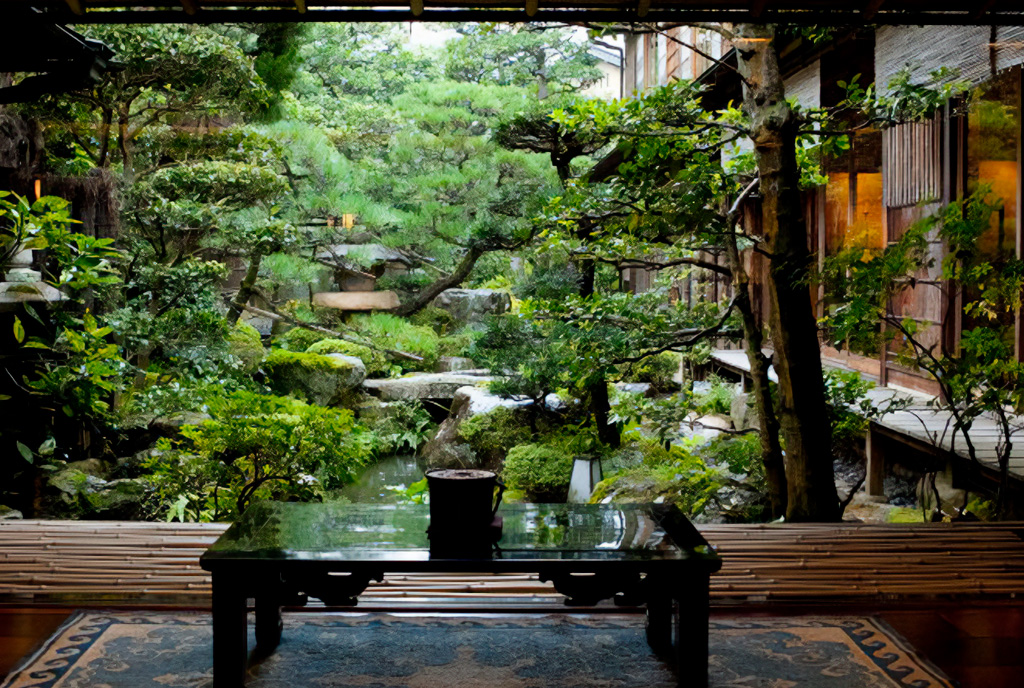
Part of the pleasure of visiting Kinosaki, though, is joining the other onsen pilgrims as they drift lazily from one public bath to the next. Kinosaki has seven historic public onsen, one for each day of the week, the locals say. Guests at Nishimuraya receive a yumepa pass, which entitles them to visit every public bath in Kinosaki for free.
As you stroll through town, you'll notice everyone wearing yukata, geta (traditional wooden sandals), and a sleepy, happy expression, as if marveling at their own good fortune.
Nishimuraya Honkan, Toyooka 4 6 9 Hyogo 669-6101, Japan; +81 796-32-2211
Kayotei
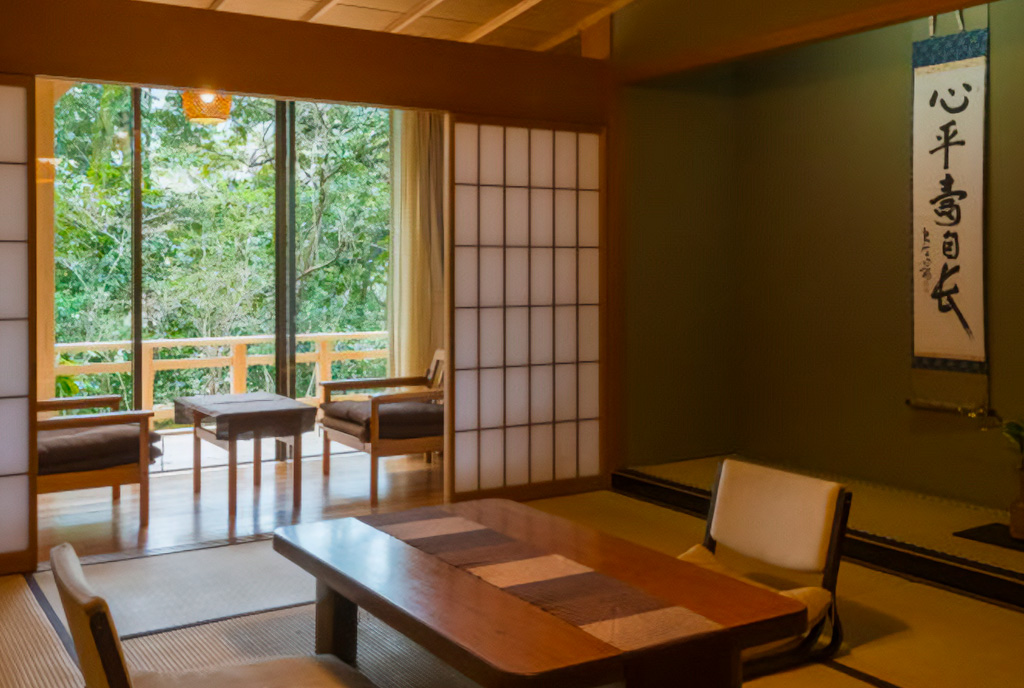
The grounds of Kayotei stretch up the mountainside and down to a rushing river at the foot of the Yamanaka Onsen gorge. Every window in the ryokan faces the mountain, which means you won't see another building during your entire stay unless you want to.
Kayotei's ten rooms are impeccably decorated with antique furniture the owner's family has collected over generations. The decor changes with the season to reflect the weather. Plants in the central garden atrium are chosen for their seasonality, and special new pieces that collectors want to highlight are often on display. Among them are painted screens, antique festival masks, and the fine ceramics this region is famous for.
The seasonal, multi-course kaiseki (Japanese haute cuisine) is the highlight of Kayotei. The kitchen staff head into the mountains each day to gather fresh, local herbs, vegetables, and roots. Dishes are presented as carefully as works of art, so you'll probably want to snap a few photos for Instagram.
You may appreciate the cooking even more knowing that the chefs sometimes compete with wild boars for the best herbs and roots. The animals roam the grounds freely and can occasionally be spotted drinking from the natural pool below the dining-hall terrace, where guests enjoy breakfast in a communal setting. For dinner, you can eat in your room or in the private dining halls on the property.
Kayotei and Yamanaka Onsen, 1 2 0 Higashimachi Kaga Ishikawa 922-0114, Japan; +81 761-78-1410
Tokyo keeps its crown as the city with the most Michelin stars
Otozure
Japan's finest hotels are usually either hyper-traditional, using nothing but wood, paper, and lacquer, or ultra-modern, with no color beyond white, black, and shades of gray.
Tokyo's best hotels, from reasonable to ridiculous in price
The decor at Otozure, set in the striking mountains of Yamaguchi Prefecture on Honshu, follows neither of these aesthetics; instead, it blends intriguing elements of both traditional and modern ryokan design, in warm, orange tones that are unexpectedly relaxing.
Large lanterns light the covered path to a traditional Japanese teahouse, where guests take part in a traditional matcha tea ceremony after arriving.
In densely populated Japan, it's rare to see a hillside not crowned by a house, hotel, or observation deck. From the water garden in Otozure's courtyard, two perfect green cones rise behind the building, creating a sense of seclusion that's hard to find elsewhere in the country. You'll feel instantly at ease with the first sip of the welcoming warm tea.
Otozure, Fukawayumoto 2208 Nagato Yamaguchi 759-4103, Japan; +81 837-25-3377
Hiiragiya
It's no secret that Kyoto is one of the most exquisitely beautiful cities in the world. Having narrowly escaped nuclear destruction during World War II (the "Fat Man" bomb was dropped on the city of Nagasaki instead), Kyoto remains one of the finest examples of Japan's traditional architecture. There are almost too many wonderful ryokans here to choose from.
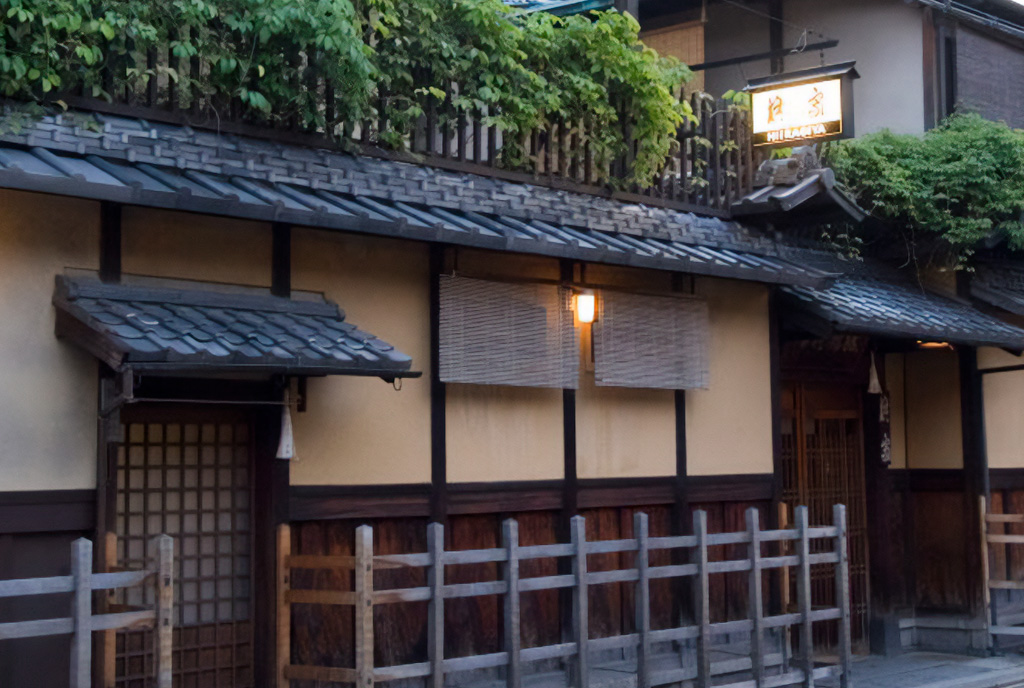
The hospitality at Hiiragiya is what sets it apart. The staff seem to read minds: they appear the very moment you realize you have a question, yet vanish if you'd rather walk in silence along the early 19th-century garden's stone path.
Hiiragiya is named after a variety of holly believed to bring good luck, and the motif appears throughout the property. The owners and staff take pride in pointing out the tiny artistic touches in each of the 28 rooms, clearly proud of the historic heritage of their work.
The ryokan is known as a favorite haunt of Japanese literary luminaries, many of whom wrote eloquently about the place. You may be inspired to do the same after a stay here.
Hiiragiya, Nakahakusancho Fuyacho Anekoji-agaru Nakagyo-ku, Kyoto 604-8094, Japan; +81 75-221-1136