


Foie gras, France's culinary jewel and every bit as celebrated as it is contentious, is a fixture on fine dining menus across the country. Now it is vanishing from those menus during an «unprecedented» crisis that has some producers weighing the idea of shrinking their portions.
At the root of the problem is a bird flu outbreak that has been sweeping the country and the wider Europe for months. It has already battered the nation's poultry industry, and now it threatens one of France's proudest bastions: its Michelin-starred restaurants.
«For a month now we have been receiving less foie gras, and this week we got none at all,» says Pascal Lombard, chef and owner of Le 1862, a one-Michelin-star fine dining spot set in the bucolic countryside of southwestern France.
Partner links: booking through them supports the blog at no extra cost to you.
With regular deliveries of the luxurious goose liver pate drying up, Lombard has begun arranging emergency meetings with local producers.
This is not the first time foie gras has faced a crisis.
Its traditional production, which involves force-feeding geese and ducks, has long drawn condemnation from animal rights campaigners, who have managed to get such methods banned elsewhere.
Even so, while the French appetite for the delicacy has scarcely dimmed over concerns about animal cruelty, another threat to bird welfare is now curbing how much of it people can enjoy.
The epicenter of the outbreak
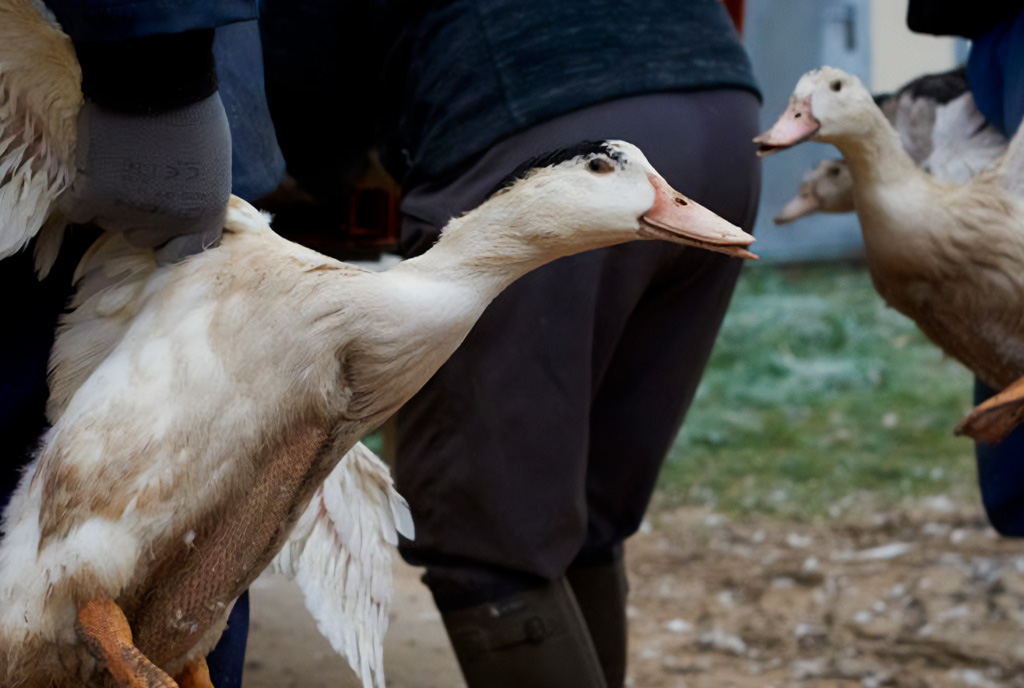
The town of Les Eyzies, home to Lombard's restaurant, sits at the very heart of Perigord, one of the epicenters of the latest bird flu outbreak.
The country has had to cull 16 million birds since the outbreak began in November 2021 in an effort to bring the disease under control, France's Ministry of Agriculture confirmed.
«That number is unprecedented for France, which has never faced a crisis on this scale,» said Marie-Pierre Pe, director of France's interprofessional committee of foie gras producers.
Foie gras production in France is expected to fall by 50% this year, as the outbreak affects 80% of the country's foie gras producers.
A 35-year veteran of the foie gras industry, Pe knows bird flu firsthand. Much like the seasonal flare-ups in the human world, bird flu hits Europe almost every year as birds migrate to Africa and back.
How to eat sushi properly: tips on ordering and enjoying it
This year the outbreak emerged in spring and reached the Pays de la Loire region in the west and the Perigord area in the southwest, two of France's most important poultry-producing districts.
Pays de la Loire alone accounts for 72% of the ducks and geese raised in the French foie gras industry, according to Pe.
«I have a small, friendly message [for customers and producers]: we need to share with one another,» Pe said, adding that people should eat less foie gras this year so that more people get the chance to enjoy the delicacy.
«There will certainly be smaller pack sizes, to make it easier to serve every customer,» she said.
Isolation and vaccination
To make matters worse, other major foie gras-producing countries in Europe are facing a similar crisis, making it harder to make up the shortfall through imports.
Bird flu has been detected across the European Union since October 2021, including in the member countries of the European Foie Gras Federation (Spain, Belgium, Bulgaria and Hungary), according to the European Commission's latest report on the outbreak.
To put an end to the outbreak and help production return to normal levels in 2023, Pe and her fellow foie gras producers are relying on two words the Covid pandemic made all too familiar: isolation and vaccination.
«We have a monitoring program that follows the same principle as what we learned in the fight against Covid-19,» she said.
The 50 best breads in the world
In areas where bird flu has been detected, producers shelter their ducks and geese to keep them from catching the virus from migratory birds.
That requires producers to cut the number of birds on their farm so they have enough indoor space to house them, according to Pe.
Two vaccine candidates are in clinical trials, but they will not be available until at least 2023, Pe said.
Meanwhile, in Les Eyzies in southwestern France, chef Lombard is working on new dishes to fill the gap left by the foie gras shortage.
«Between bird flu, the war in Ukraine and everything else, we are going to run out of a lot of products, and we will have to adapt to whatever ingredients we do have,» Lombard said.
«2022 will be a year with a few more vegetable dishes and a little less meat.»