

A springlike climate all year round. Mountains that soar above an ocean of the deepest blue. An abundance of exotic fruit and superb seafood. Wines like nowhere else.
It can seem as though Madeira has everything. And yet Portugal's "pearl of the Atlantic" has always had an image problem.
"A dull, stuffy little place," a British friend told the American writer Paul Bowles back in the 1950s. "Nobody goes there except very old ladies."
Partner links: booking through them supports the blog at no extra cost to you.
Bowles, famous for his travels through the wild corners of North Africa, ignored the warning and was enchanted by Madeira. Less than four hours by air from London or Paris, the island is still popular with older visitors, but this peaceful year-round destination 300 miles west of Morocco is diversifying fast, as new budget flights draw a younger crowd.
Here is what you should not miss when you travel here:
Take a Dip in the Black Lava Pools
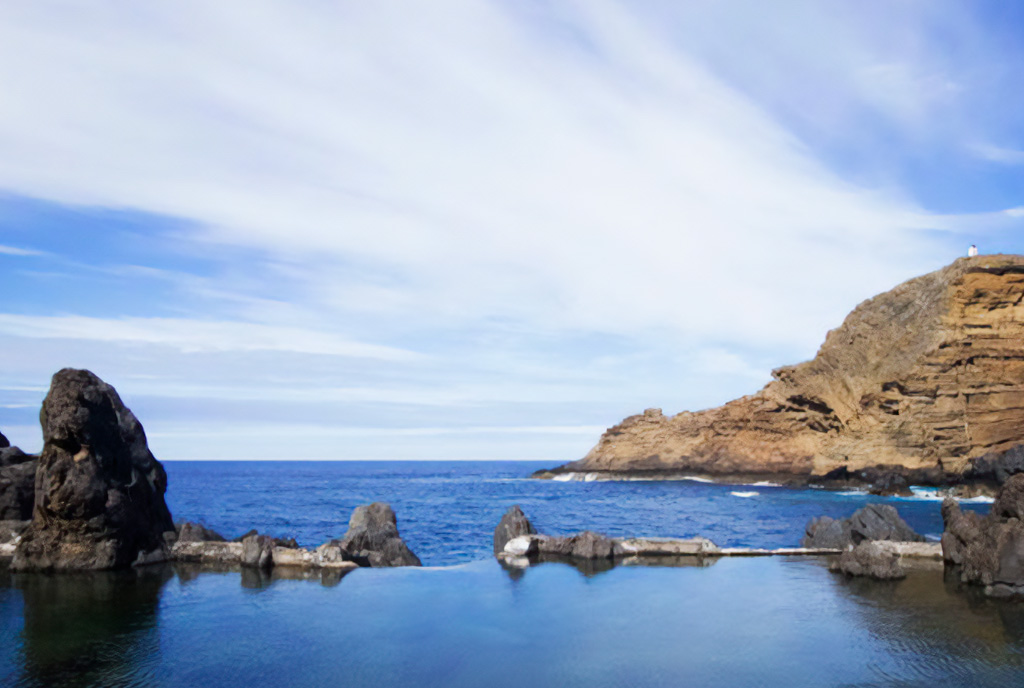
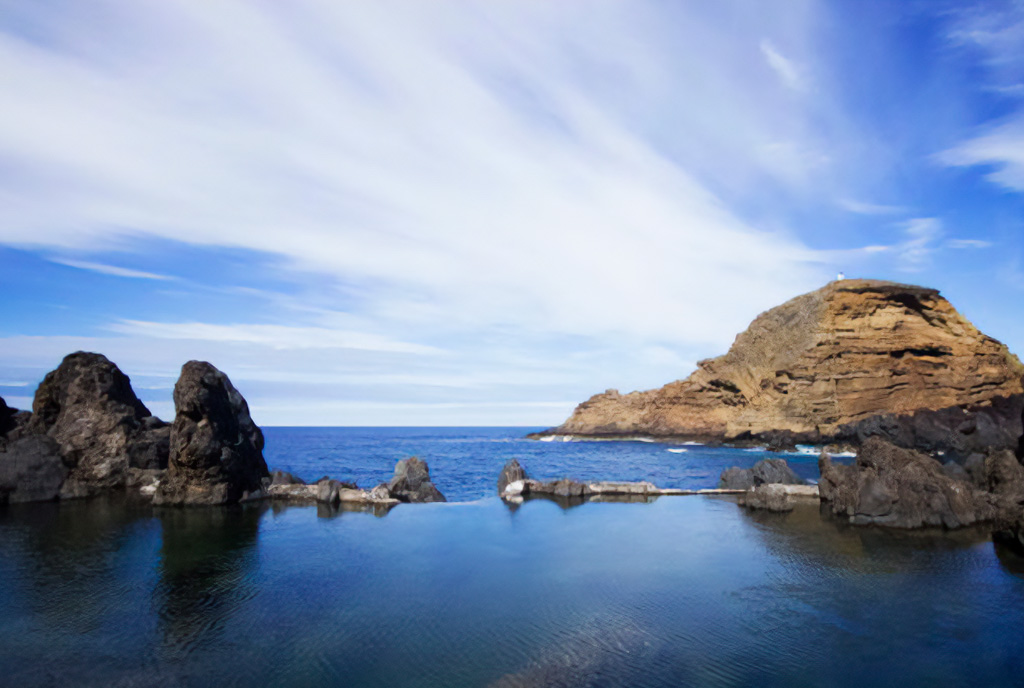
On Madeira, the black lava pools of Porto Moniz sit about as far as you can get from the island's capital, Funchal.
Until recently, reaching them meant several hours of driving along winding mountain roads. Now they are just 50 minutes away, thanks to a network of highways and tunnels carved through the island's rocky heart.
The road building drew criticism for its environmental impact, but it has made the island's most remote corners easy for travelers to reach.
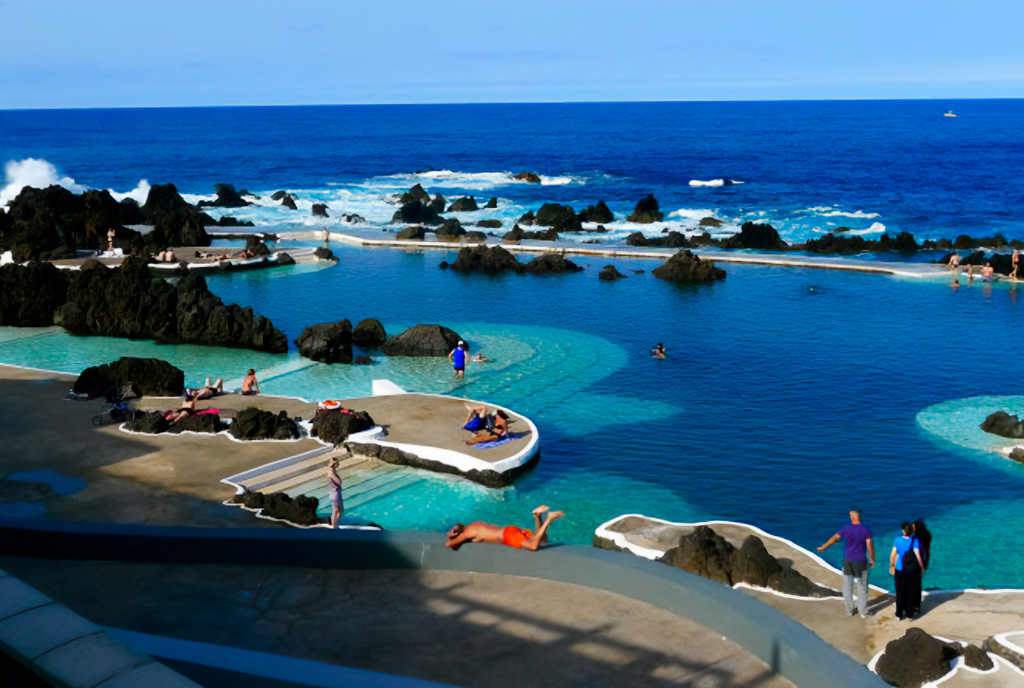
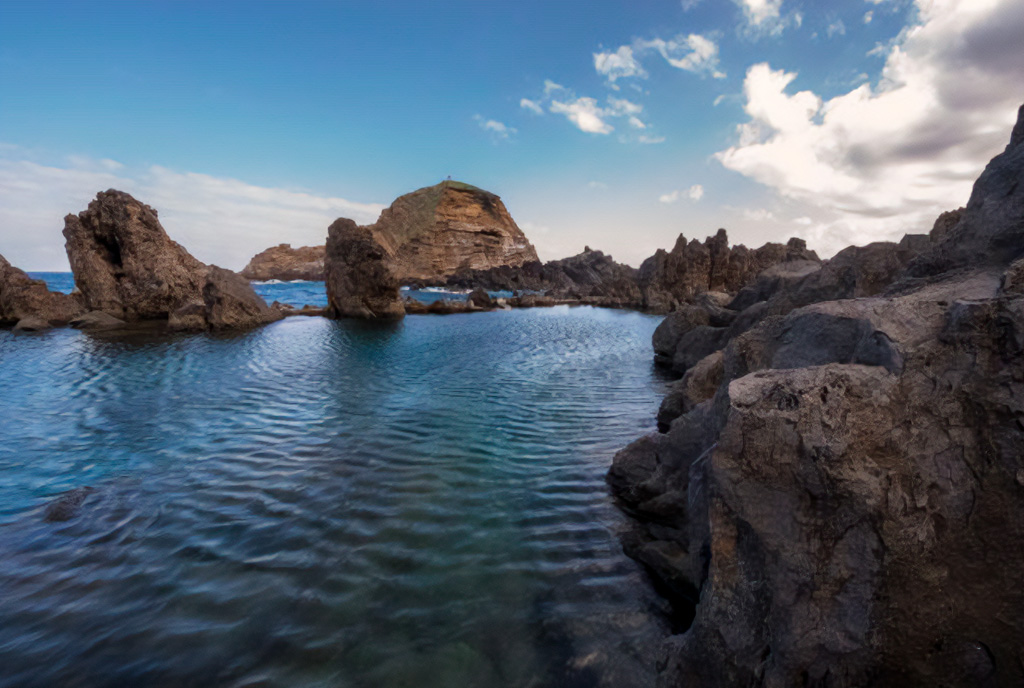
At Porto Moniz, the meeting of Atlantic waves and some prehistoric volcanic eruption created jagged rings of black lava rock along the shoreline.
These have become some of the strangest and most beautiful bathing pools in the world. More than 4,500 square yards of clear, calm saltwater pools, shielded from the churning ocean surf by walls of lava.
Hike the Levadas Through the Laurisilva
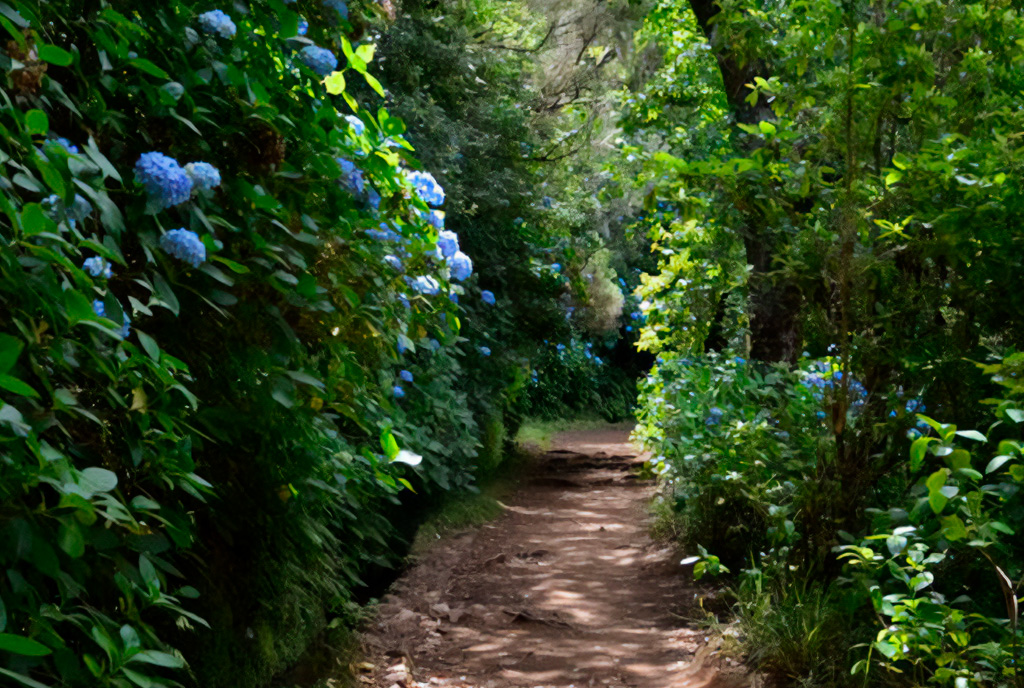
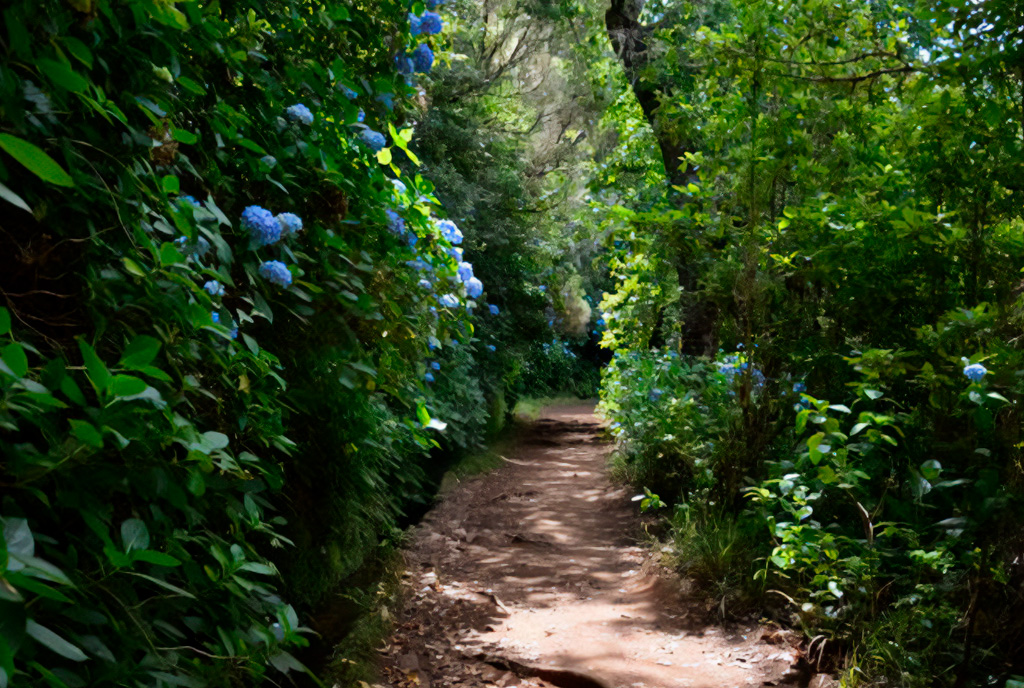
A network of walking trails follows more than 1,300 miles (2,092 kilometers) of narrow stone irrigation channels, known as levadas, that thread across Madeira's mountainous terrain.
Many of them lead into the Laurisilva forest, a remnant of the semitropical vegetation that blanketed the island before Portuguese explorers arrived in 1419.
One of the most scenic is the Levada do Caldeirao Verde, which winds four miles past leafy glades and breathtaking ocean views before opening onto a clearing watered by a 300-foot (91-meter) waterfall.
Dive Into the Tropics at the Farmers Market
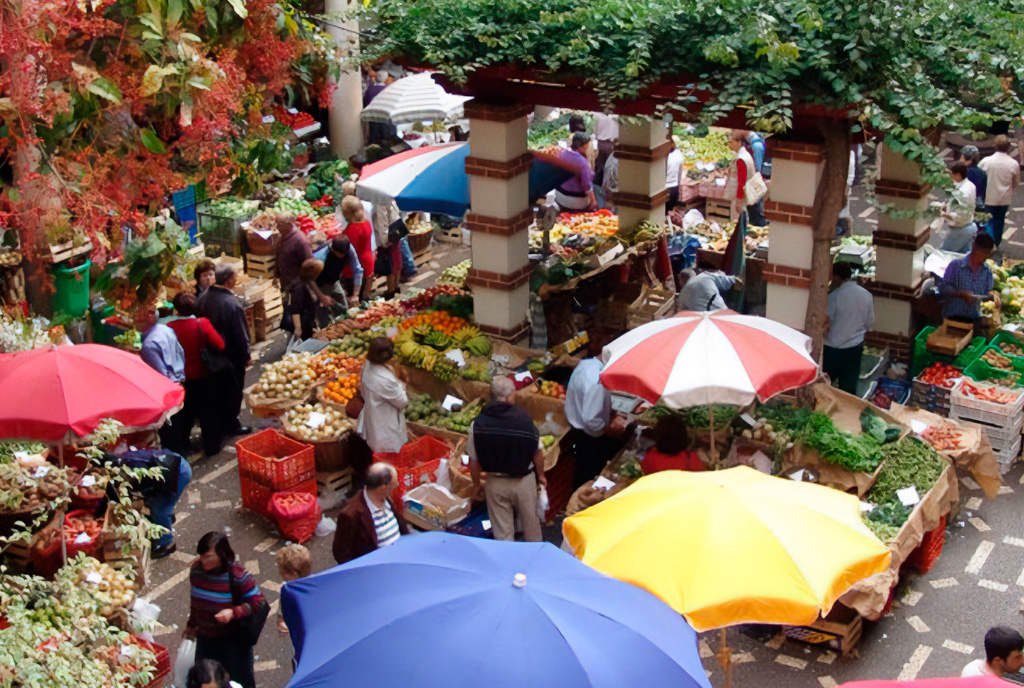
Flower sellers dressed in traditional rainbow-colored skirts. Fishmongers swinging machetes to slice up tuna the size of torpedoes. The Mercado dos Lavradores farmers market in Funchal is a spectacle. The fish is wonderful, but the fruit steals the show.
Practically everything grows here. The island bananas are bursting with flavor, and there is an astonishing variety of passion fruit; papayas, custard apples and something that looks like a phallic pineapple, called monstera deliciosa (it tastes like a banana crossed with a pineapple).
Soak Up the Sun on Porto Santo
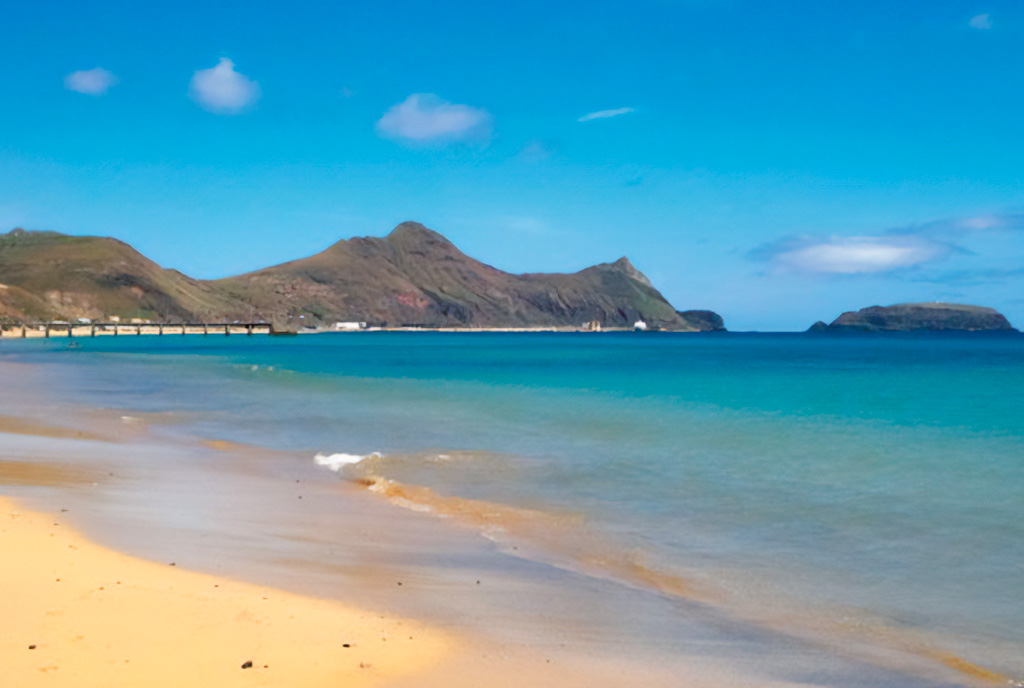
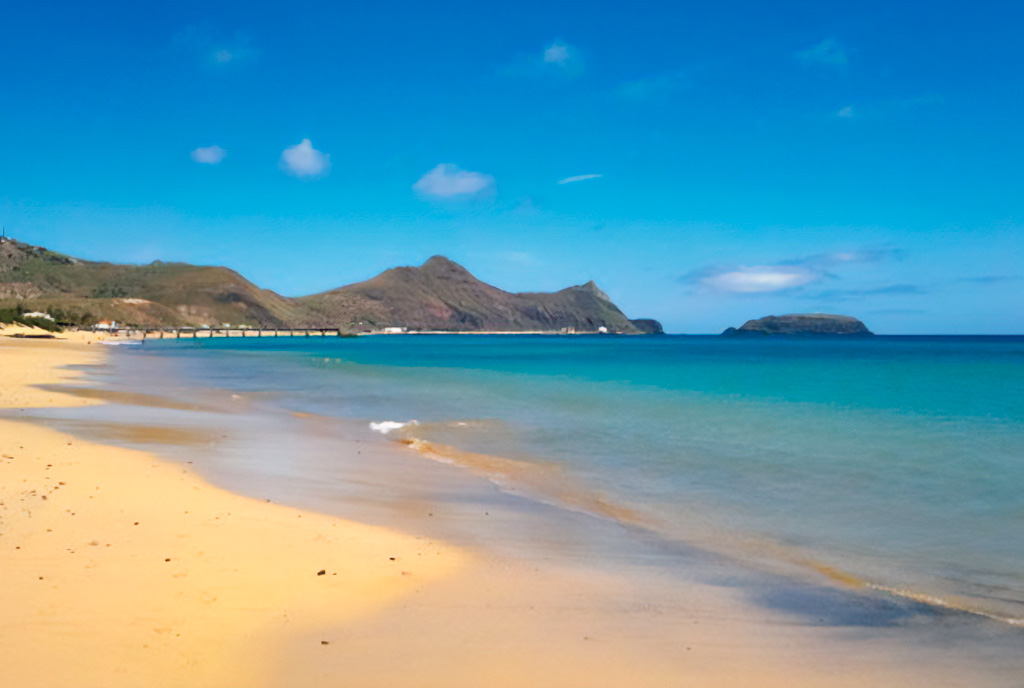
Madeira's big drawback? A lack of beaches. That is exactly where Porto Santo comes to the rescue.
A couple of hours away on the daily ferry, or 15 minutes by plane, Madeira's little sister boasts a six-mile stretch of pure golden sand curving around a bay of crystal-clear water. The island, home to 5,000 people, comes alive in summer when Madeirans arrive to sunbathe.
Out of season, little disturbs the landscape of bare conical hills or the sleepy port town, where you can visit the supposed former home of Christopher Columbus, who married the governor's daughter.
Tuck Into Scabbardfish Sandwiches at the Snack Bar Coca Cola
It is impossible not to notice these nightmarish creatures of the deep laid out at the market. Glistening black snakelike beasts with bulging eyes and wolfish jaws.
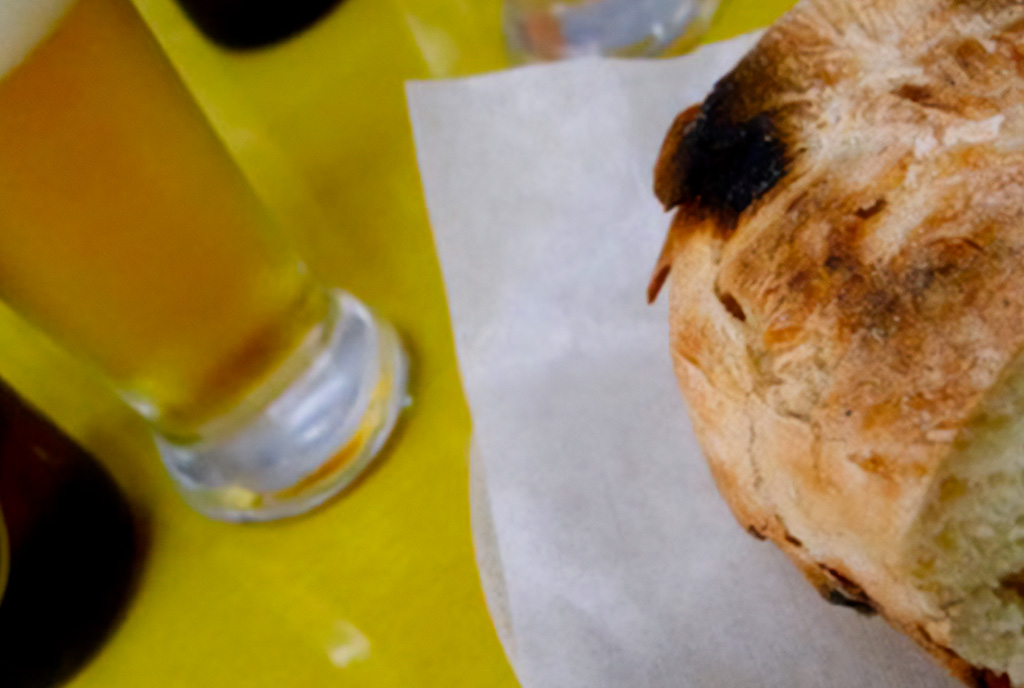
Black scabbardfish is Madeira's favorite seafood. The firm white flesh is served everywhere, often in unusual pairings with fried bananas. Right next to the market, the marble-fronted Snack Bar Coca Cola serves a legendary sandwich, with scabbardfish marinated in onion and vinegar tucked into bolo do caco, a typical Madeiran flatbread.
It is best washed down with an ice-cold glass of the local Coral beer.
Savor Madeira's Michelin-Starred Cuisine
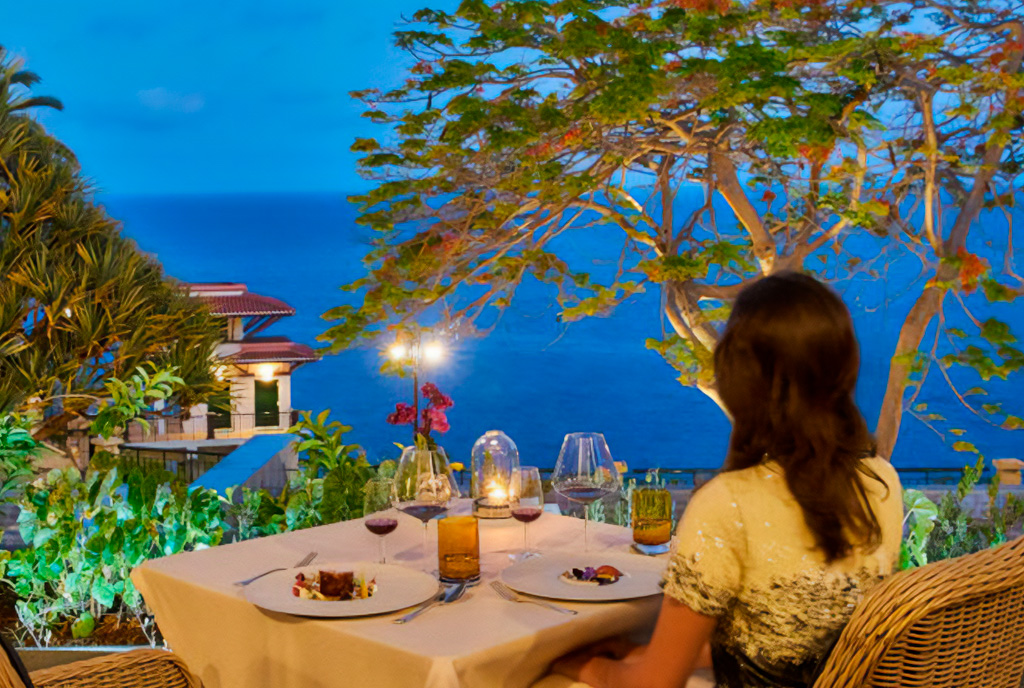
The fine dining is pretty good too. Chef Julio Pereira uses local ingredients to create dishes such as black scabbardfish tempura with creamy clam rice and tamarillo ketchup, or passion fruit creme brulee with apple and basil ice cream.
Madeira's restaurants are quickly earning an international foodie reputation. Il Gallo d'Oro at the Cliff Bay hotel in Funchal won its second Michelin star in the 2017 edition, while the tire maker's guide awarded a first star to the glamorous William restaurant at Reid's hotel.
For a truly unforgettable meal, there is lunch at Faja dos Padres.
The restaurant sits on a strip of land at the foot of cliffs 250 meters (820 feet) high. You can only get there by boat or by a dizzying cable car descent. The tables, shaded by palm trees, look out over a pebble beach.
All around lie gardens that supply organic fruit and vegetables. Local fishermen bring in their catch daily for chef Amandio Goncalves, who serves dishes of fried clams, salted tuna or parrotfish, barbecued and paired with sweet potato.
Faja was once a refuge for Jesuit priests, who made sweet malmsey wines there to brighten their isolation. Modern travelers looking to truly get away from it all can book a stay in one of seven restored houses at the foot of the cliff.
Stay in a Quinta
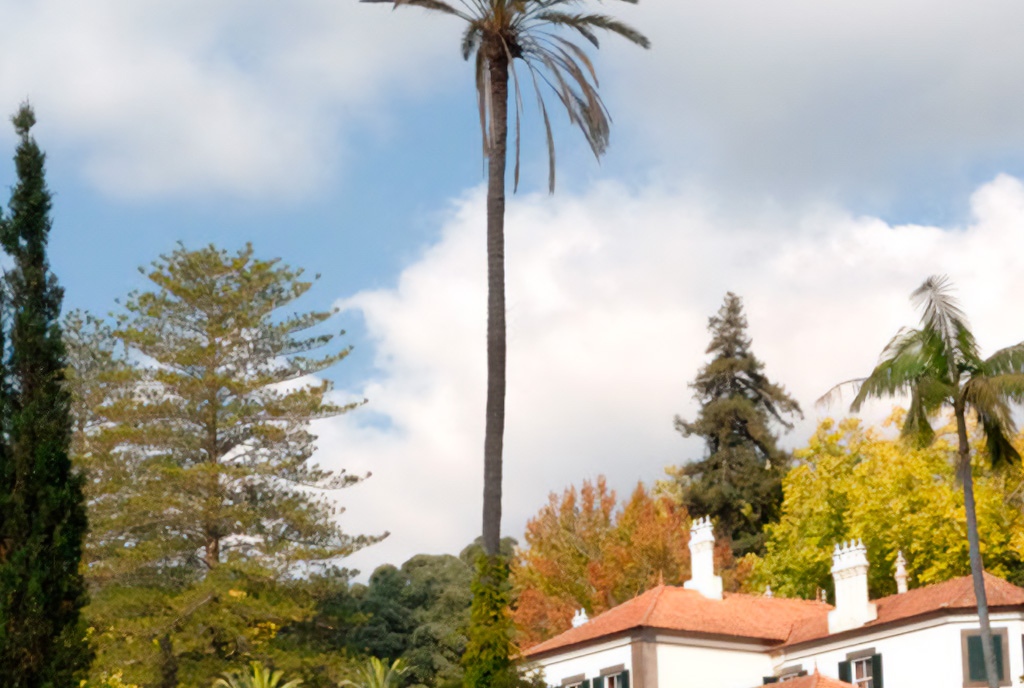
Funchal has plenty of large hotels along the oceanfront, but an alternative is to stay in a quinta. These are aristocratic country houses, often tied to winemaking.
A number of them on the hills above the coast have been turned into boutique retreats, surrounded by gardens and radiating old-world charm.
Among the best is Casa Velha do Palheiro, which began as a count's hunting lodge. There is also Quinta Jardins do Lago, once home to a British general who defended the island against Napoleon. Or Quinta do Estreito, high above the fishing town of Camara de Lobos.
Take the Long Winding Road
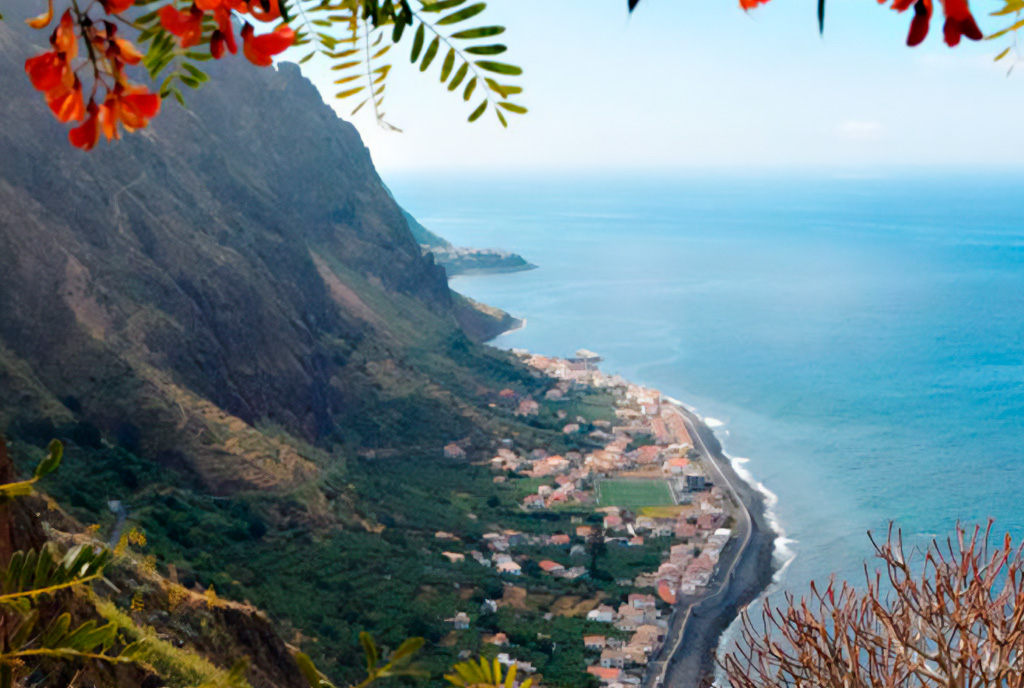
A public works boom in the 1990s gave Madeira hundreds of tunnels, letting new highways slash travel times around the island.
Some of the old clifftop roads, watered by the odd waterfall, have been closed. Even so, Madeira still offers excellent drives.
West of Funchal, it is a roller coaster over dizzying slopes, picturesque villages and wild Atlantic shores. The variety of scenery is staggering.
- There is Africa among the banana plantations of Calheta;
- Ireland a few miles on along the grassy cliffs at Ponta do Pargo;
- cloud-capped peaks that recall Chinese landscape paintings around Pico Ruivo.
Uncover Funchal's Flemish Connection
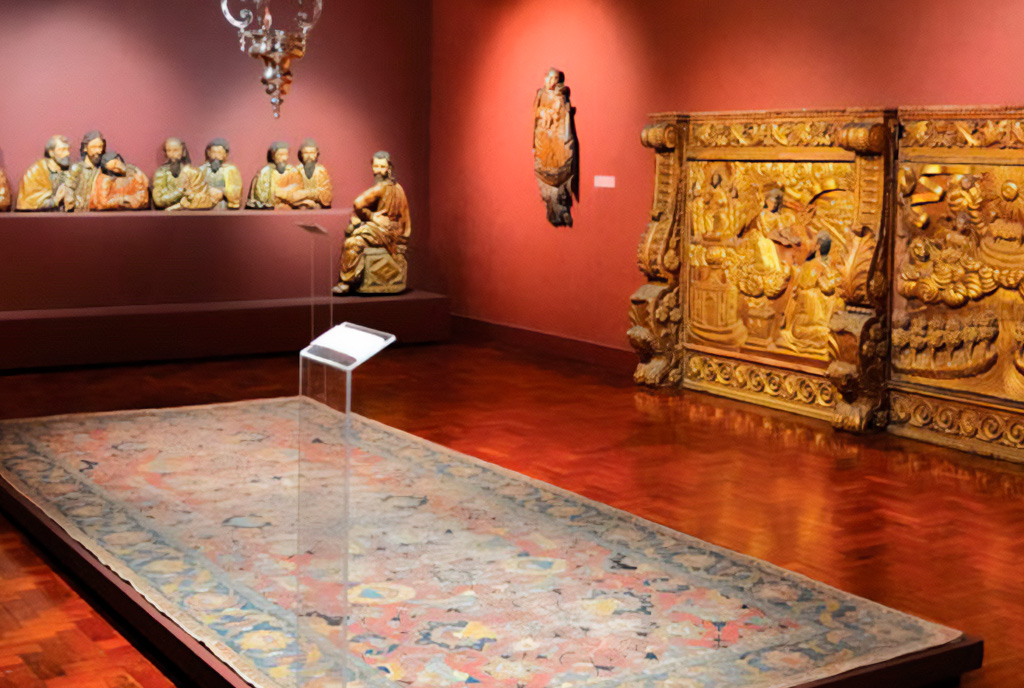
In the 15th century, Madeira was a sugar power, supplying sweetness to Northern Europe.
Merchants in Antwerp and Bruges were among its best customers, which explains how Funchal became a treasure house of artworks by Dirk Bouts, Gerard David and other Flemish masters.
See them at Funchal's Museum of Sacred Art or in the richly decorated Gothic cathedral. Modernists will appreciate the cutting-edge architecture of the Mudas art center or the graffiti-covered doors in Funchal's old town.
The Nuns' Refuge
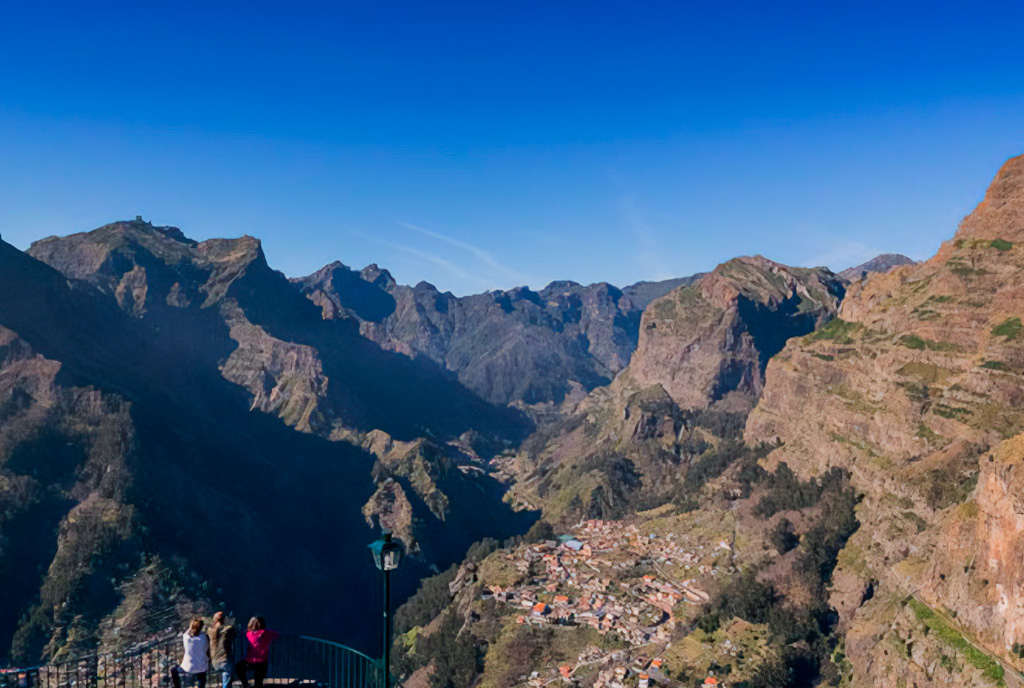
Curral das Freiras is a village encircled by an amphitheater of jagged mountains. The name comes from the nuns (freiras) who hid there to escape pirate raids. Beyond its dramatic setting, the little town is famous for the chestnuts gathered on the wooded lower slopes.
In season they are eaten roasted on the street or at dinner tables in dishes such as chestnut soup, roast kid with chestnuts and chestnut pudding, all washed down with chestnut liqueur.
Learn to Tell Bual From Malmsey
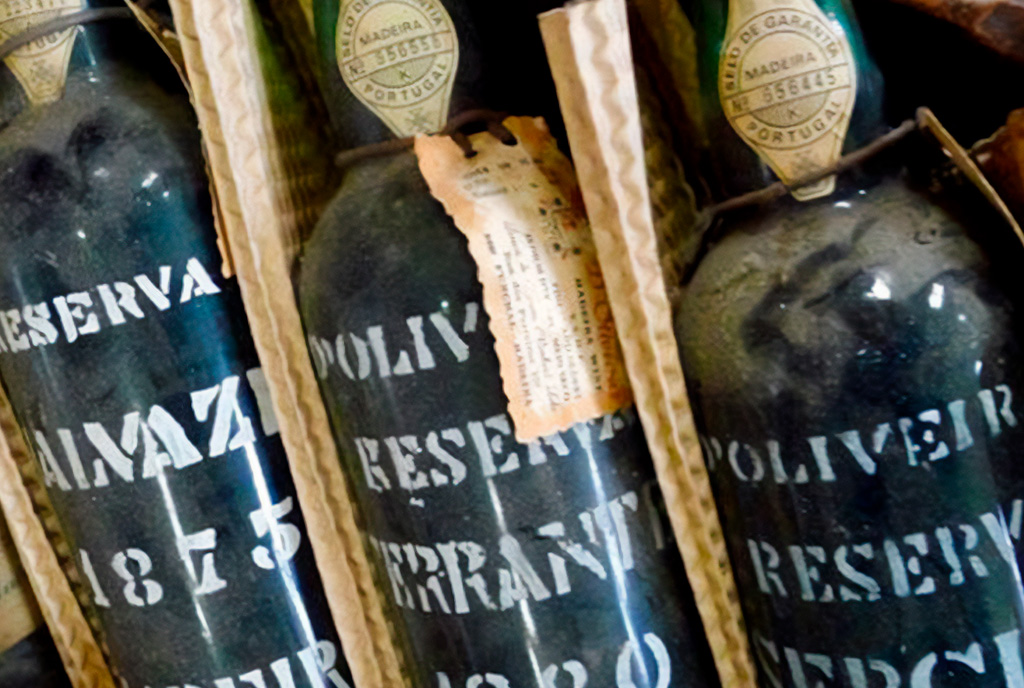
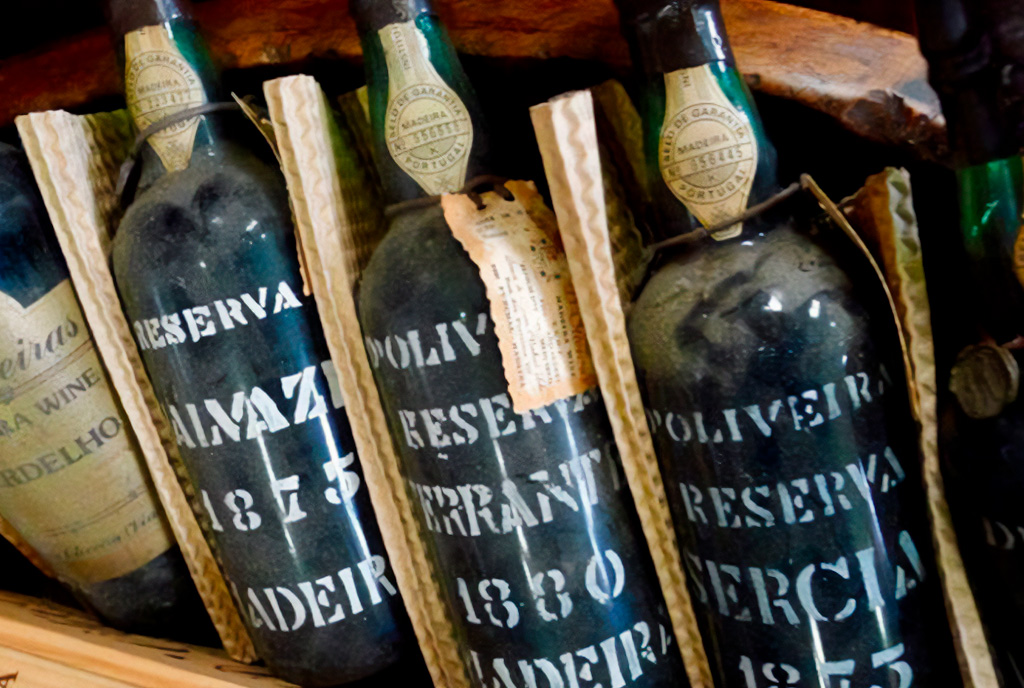
Madeira wine is back in fashion, especially in the United States. Sales have doubled, and rare vintages sell for thousands.
The best are made from a single grape variety, ranging from the drier Sercials and Verdelhos served as an aperitif to the rich Buals and Malmseys, perfect companions to the island's signature molasses cakes. Atmospheric wine cellars scattered across Funchal offer tastings.
Grilling Over Hot Coals
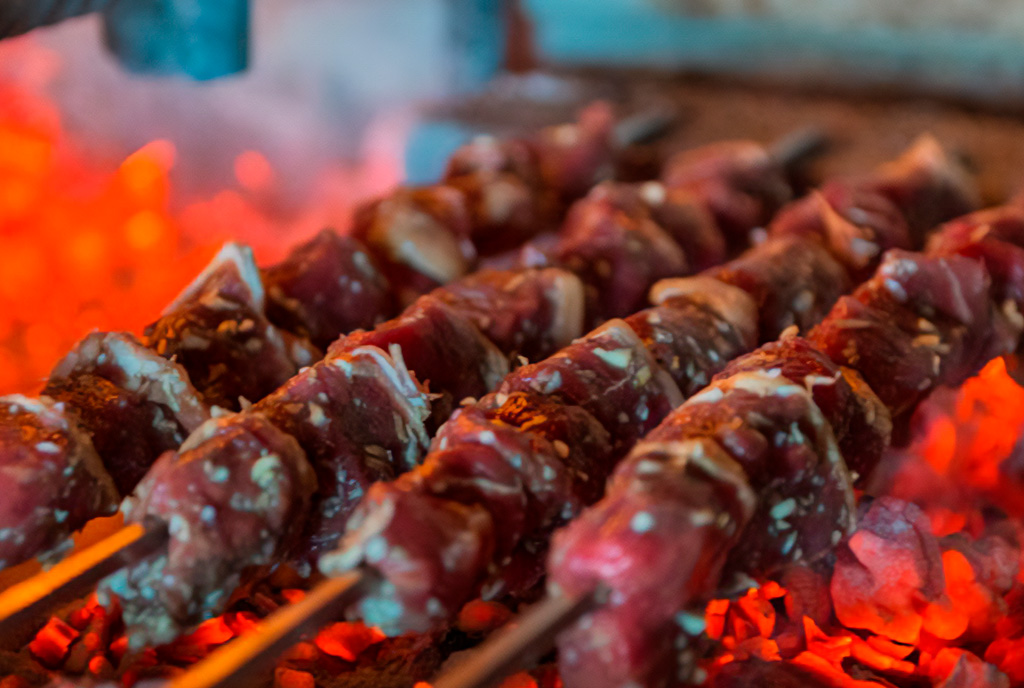
Despite all its seafood-rich waters, the islanders' favorite dish is unabashedly carnivorous.
Espetada involves threading chunks of beef, rubbed with garlic and salt, onto a skewer cut from a bay laurel branch, then grilling them over hot coals.
The best of it is found in the mountain village of Estreito de Camara de Lobos, home to well-known restaurants such as Santo Antonio, Viola and As Vides, where it is served with cubes of fried cornmeal and oregano-scented fries.
Test Your Nerve at the Cabo Girao Viewpoint
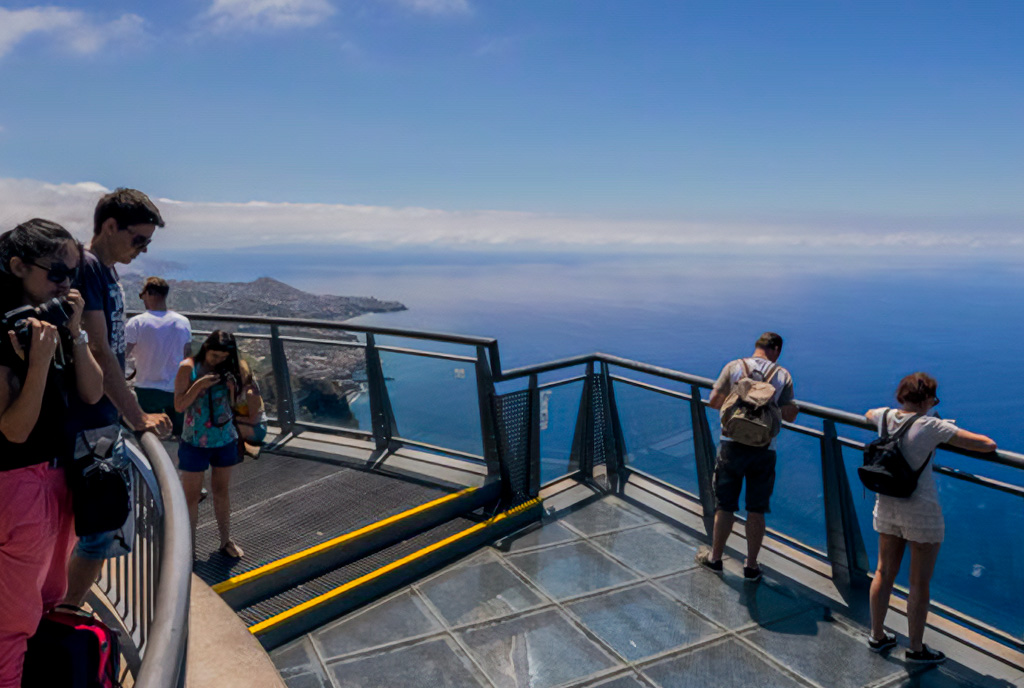
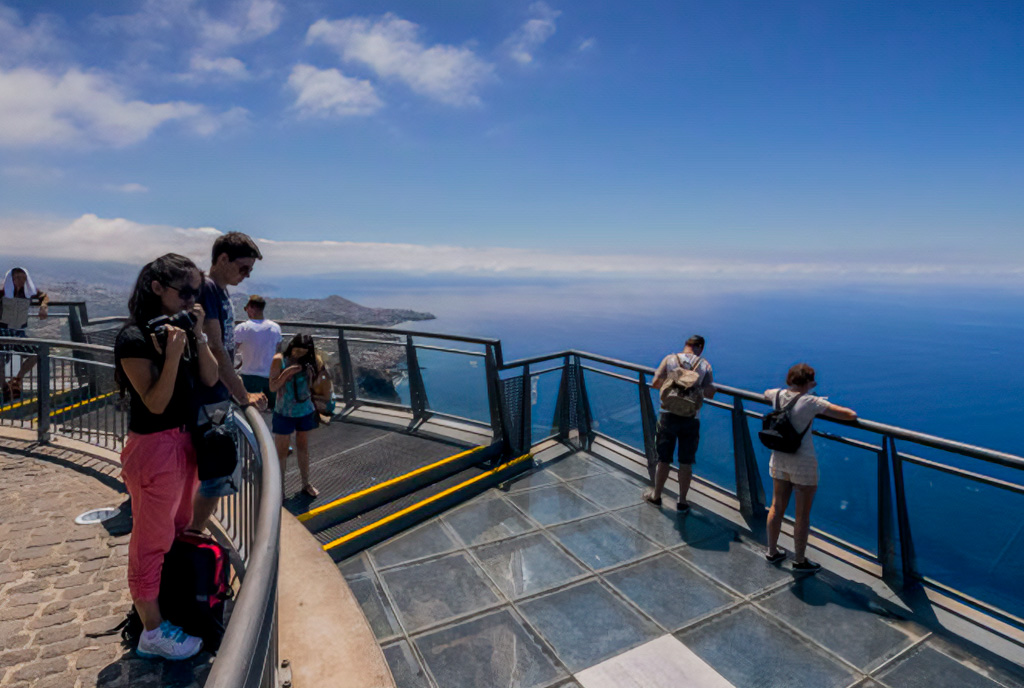
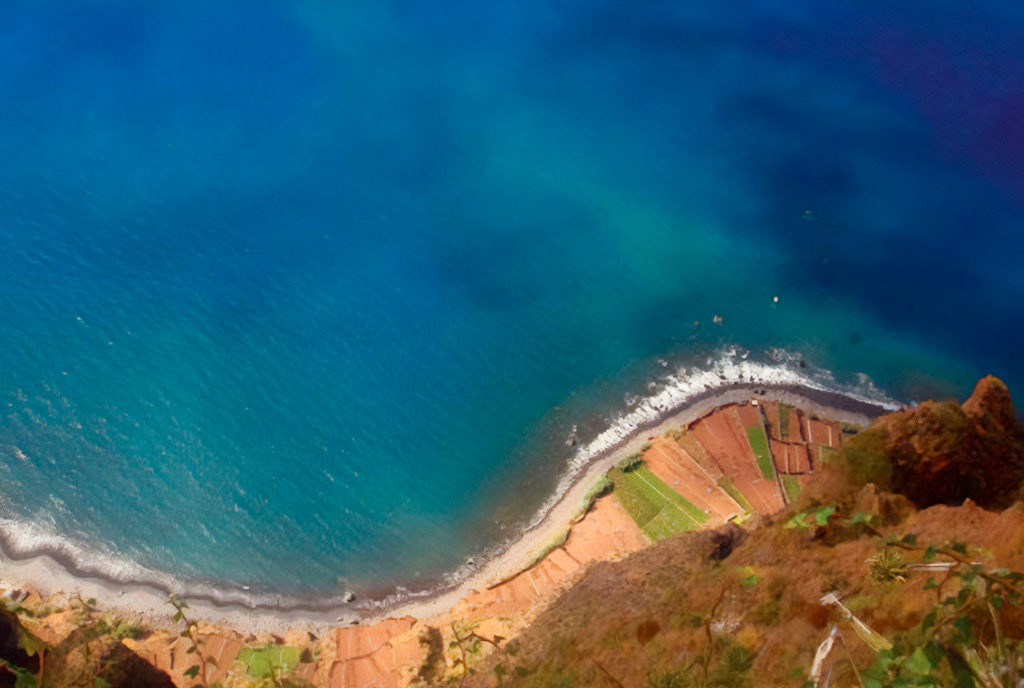
Ireland and Norway may contest Madeira's claim to Europe's highest sea cliff. But such details hardly matter when visitors step onto the glass viewing platform at Cabo Girao and gaze down at the Atlantic waves from 1,900 feet.
The cape is a slab of black rock towering over Camara de Lobos. The sunsets there are phenomenal.
Delight in the Flowers
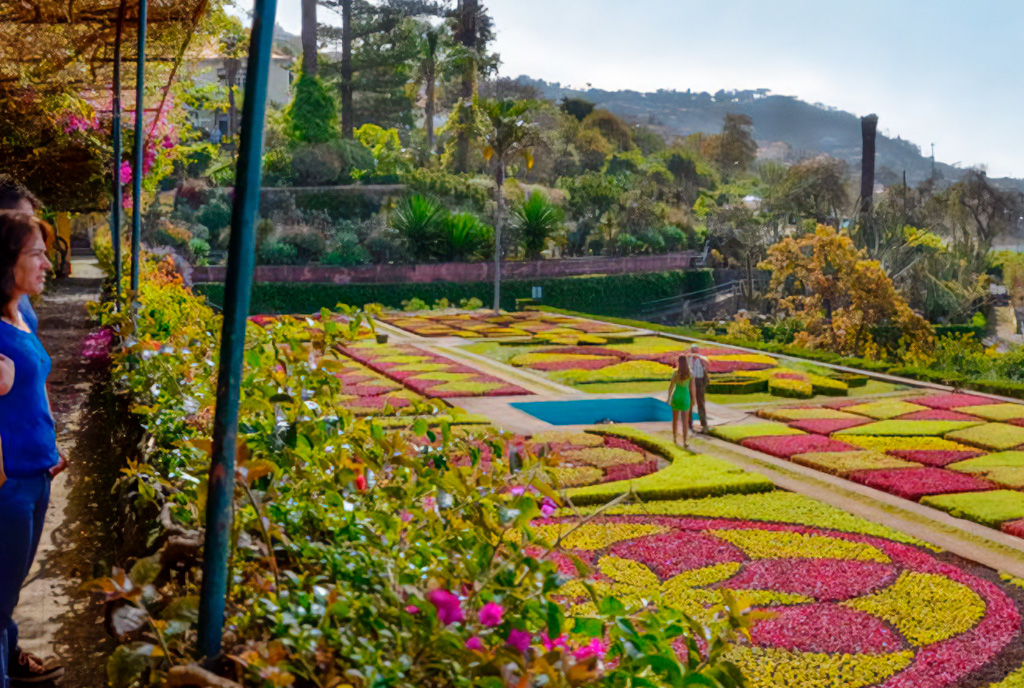
The greatest of all Madeira's public gardens is the Madeira Botanical Garden, brimming with more than 3,000 plant species.
Among them are unique island blooms, such as the bright pink Madeira geraniums or the bushy blue pride of Madeira. The gardens are set around a quinta built by a British family in the 1880s, which enjoys sweeping views over Funchal.
Sip Some Poncha
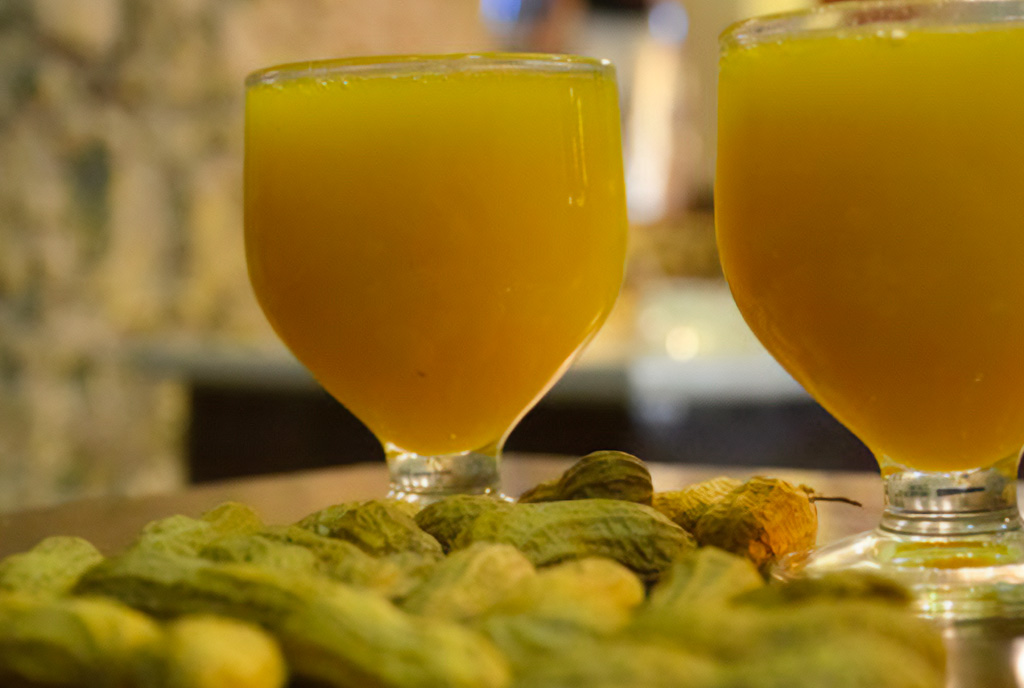
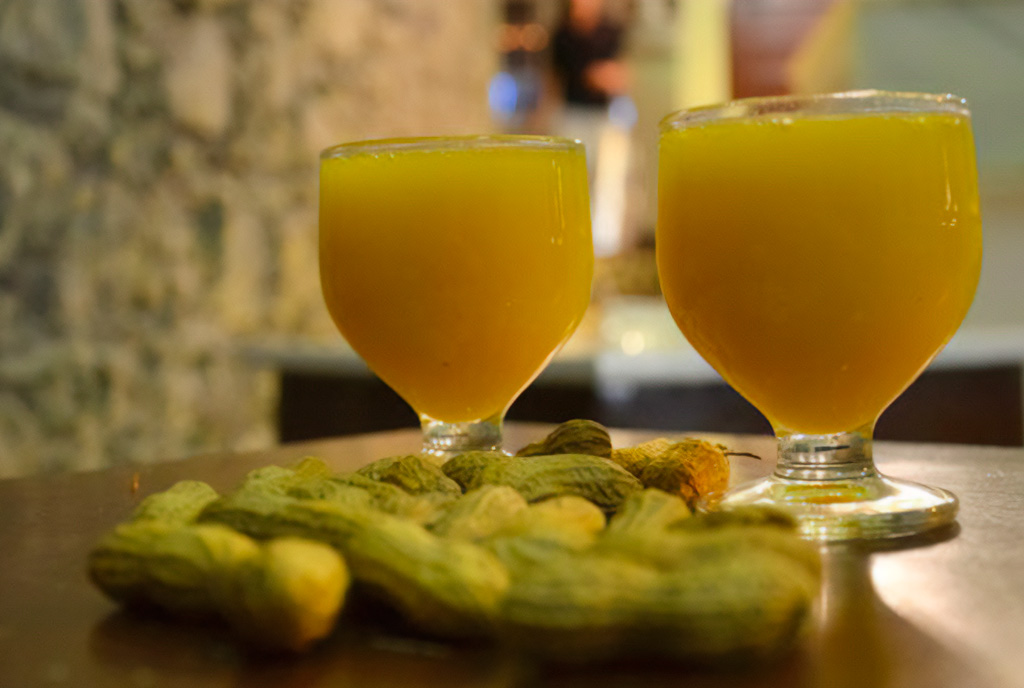
Madeira is famed for its wines, but the locals also quench their thirst with a potent drink called poncha. Traditionally it is made with aguardente de cana (island rum), lemon juice and honey, though passion fruit, tangerine or other fruits are sometimes used.
Ice is optional, but freshly made poncha is always better than the commercial bottled kinds. Try it at Bar Number Two on the seafront in Camara de Lobos.
Limpets at Doca do Cavacas
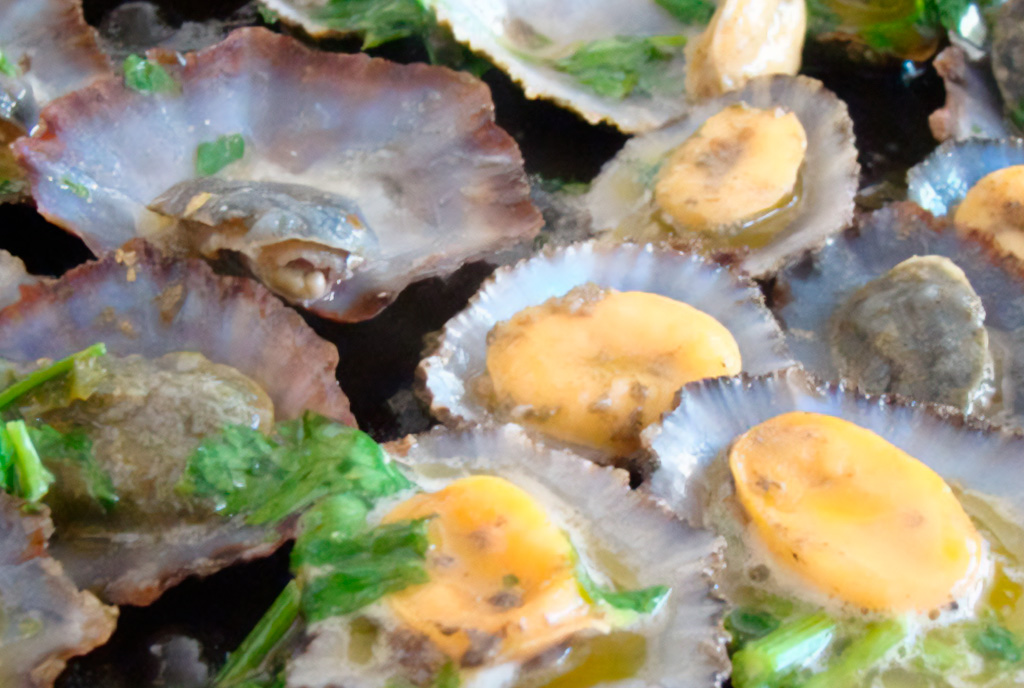
For seafood lovers, little compares with dinner under a starry sky, the sea lapping at your feet. The Doca do Cavacas restaurant, set on Funchal's waterfront, delivers all of that.
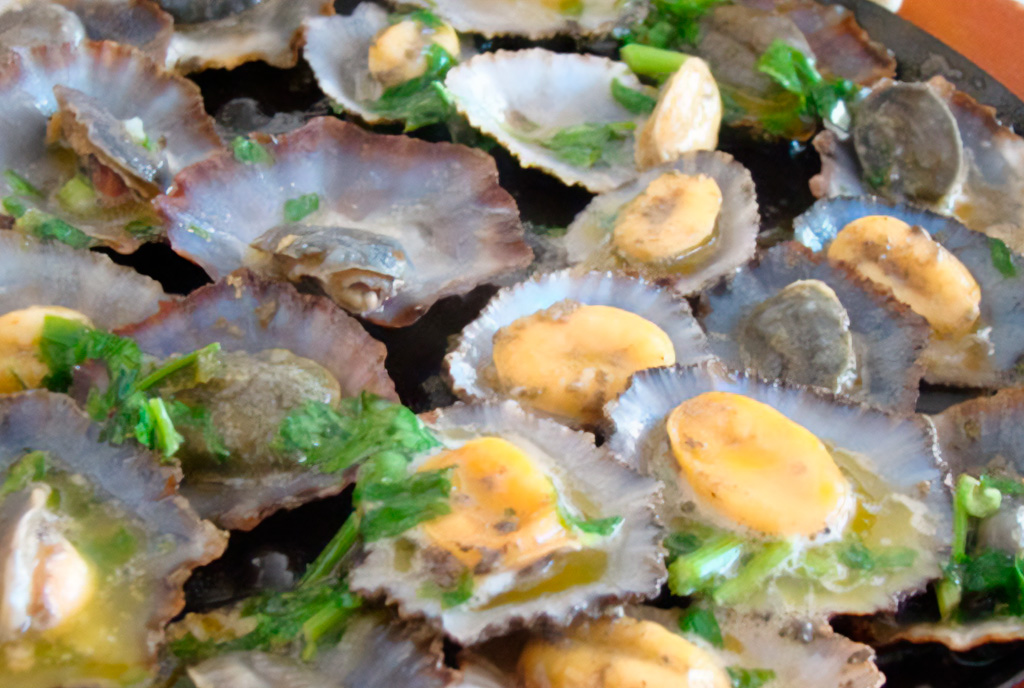
There are limpets (lapas), chewy shellfish cooked in garlic butter; fried fish, the bright red bodiao is delicious; and for dessert, homemade passion fruit pudding.
Walk Above the Clouds
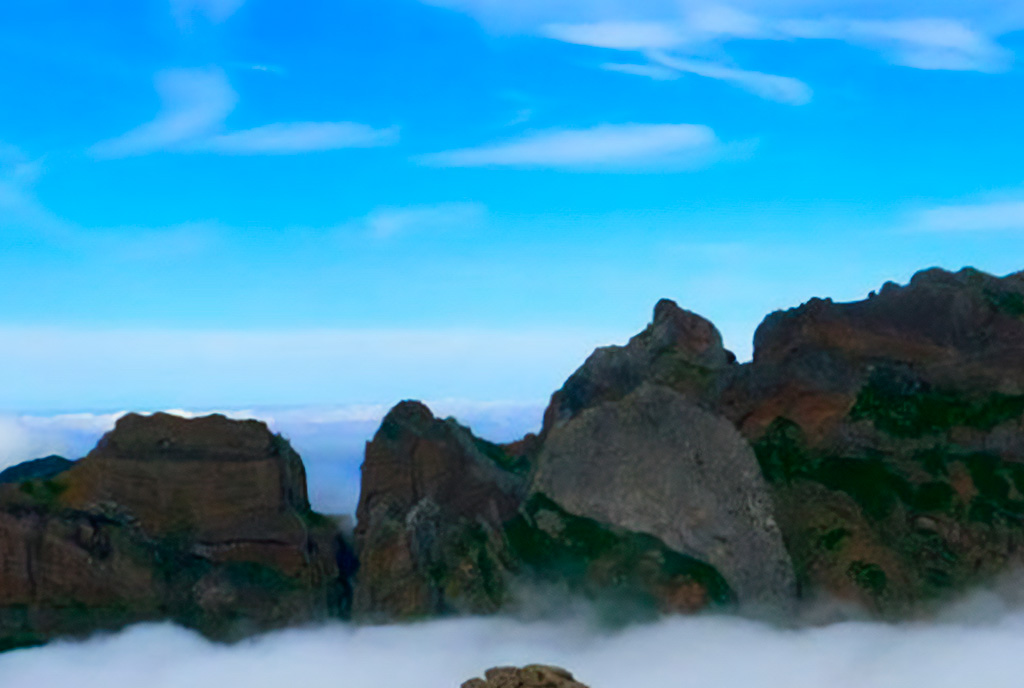
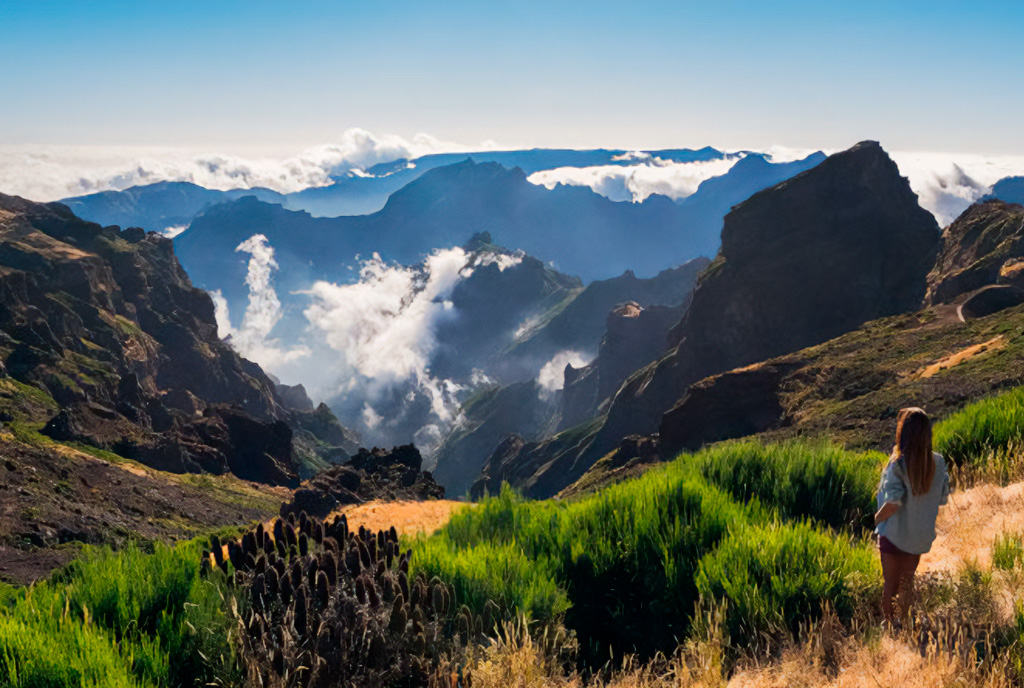
When Funchal is overcast, it is worth heading north to Pico do Arieiro. The steep climb means cars struggle to get out of third gear, but the ascent is worth it when the road emerges onto a sun-drenched plateau, broken by bare peaks that pierce the fluffy white clouds. The views can stretch from the rugged north coast all the way to Funchal in the south.
Slide Down the Mountain in a Basket
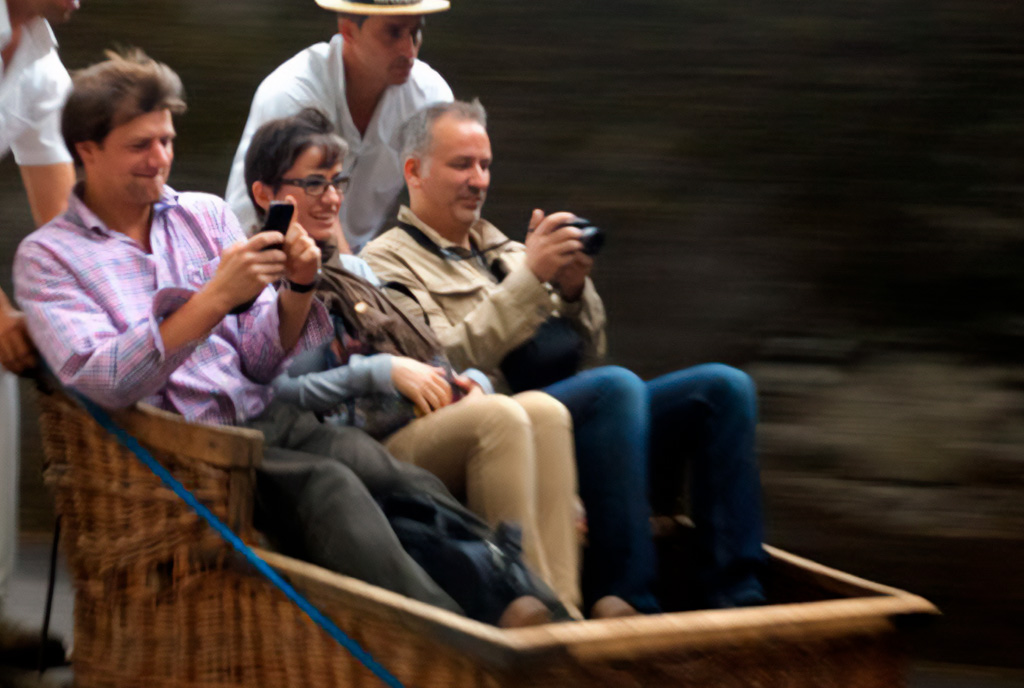
A quintessential Funchal experience since the 1850s. Below a handsome church in Monte, gangs of muscular men in white trousers and straw hats lounge among stacks of toboggans woven from wicker.
Visitors pay 30 euros ($34) per pair, then squeeze into one of these basket sledges, which two men launch on a dizzying mile-and-a-half descent through steep, narrow lanes.
The runners cling to the sledge to steer the way down to Funchal at speeds that can approach 40 miles per hour (64 kilometers per hour).
Feast at the Ferret
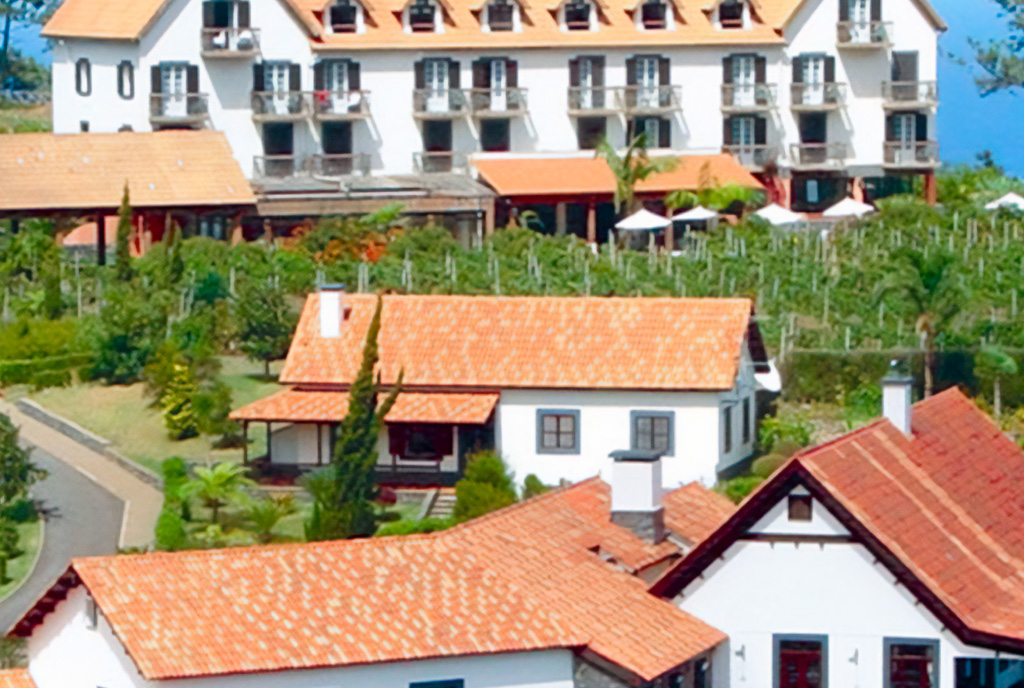
Quinta do Furao is an unusual name for one of the finest hotels on Madeira's north coast.
The former aristocratic residence occupies a stunning spot, surrounded by vineyards atop a cliff with endless ocean views.
Furao means ferret, apparently a nickname of a former owner. The hotel restaurant offers refined cuisine with an unbeatable view and a creative take on local produce. There is sesame-crusted tuna, or quail marinated in sugarcane molasses and Madeira wine.
Channel Your Inner CR7
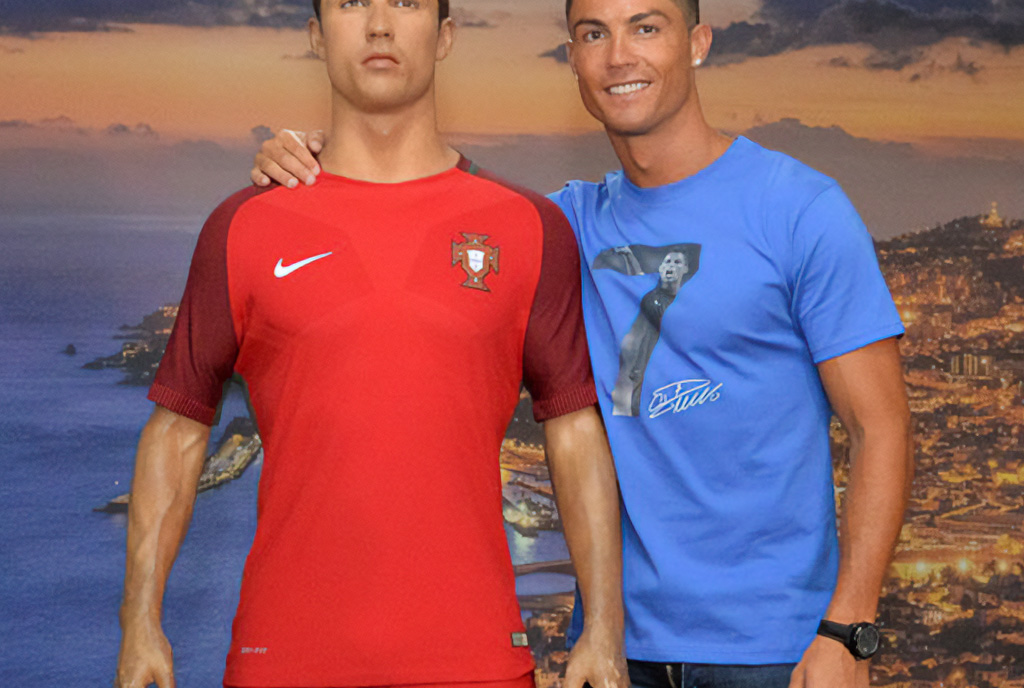
The greatest footballer in the world (sorry, Messi) is a Funchal native.
Cristiano Ronaldo was born there in 1985 and first kicked a ball around with local youth teams before rising to superstardom at Manchester United and Real Madrid.
Madeira erected a larger-than-life bronze statue of its favorite son on the port waterfront, and in 2013 opened the CR7 museum, showcasing his famous number 7 shirts and other memorabilia.
In 2016, the player opened the first in a series of joint ventures with the Madeira-based hotel group Pestana. The Pestana CR7 hotel on the waterfront gives guests a taste of his glamorous lifestyle, complete with a personalized fitness track, an outdoor jacuzzi, an arsenal of electronic gadgets and a rooftop infinity pool overlooking Funchal's spectacular harbor.
Paul Ames is a freelance journalist based in Lisbon. He has been captivated by Portugal ever since he first visited as a child in the 1970s.