


When Florence's Uffizi Gallery reopened this week after yet another forced closure, it did so with plenty of fanfare.
Following a six-month renovation, the gallery's second floor, home to works from the 15th to 17th centuries by masters such as Titian, Caravaggio and Tintoretto, is finally open again. This section, which makes up half of the museum, has been undergoing a rolling renovation since 2018.
But the 1,516 visitors who turned up on opening day, May 4, were in for a surprise. Alongside 14 new rooms and 129 works of art on display for the very first time, the "new" Uffizi carves out space for artists historically shut out of the canon: women and people of color.
Partner links: booking through them supports the blog at no extra cost to you.
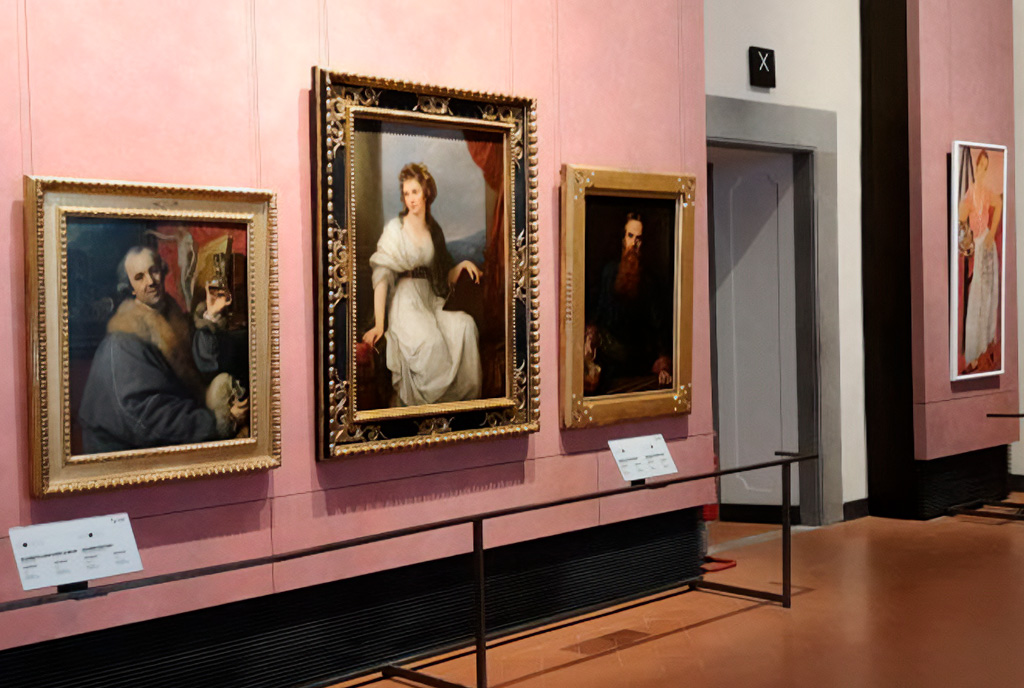
The new route through the gallery begins with an entrance to the second floor via the "Plautilla Nelli Corridor," named after the 16th-century painter and nun who set up a studio in her convent and taught her craft to fellow nuns.
Nelli's "Annunciation," never before shown on a permanent basis, hangs above the entrance to the new rooms.
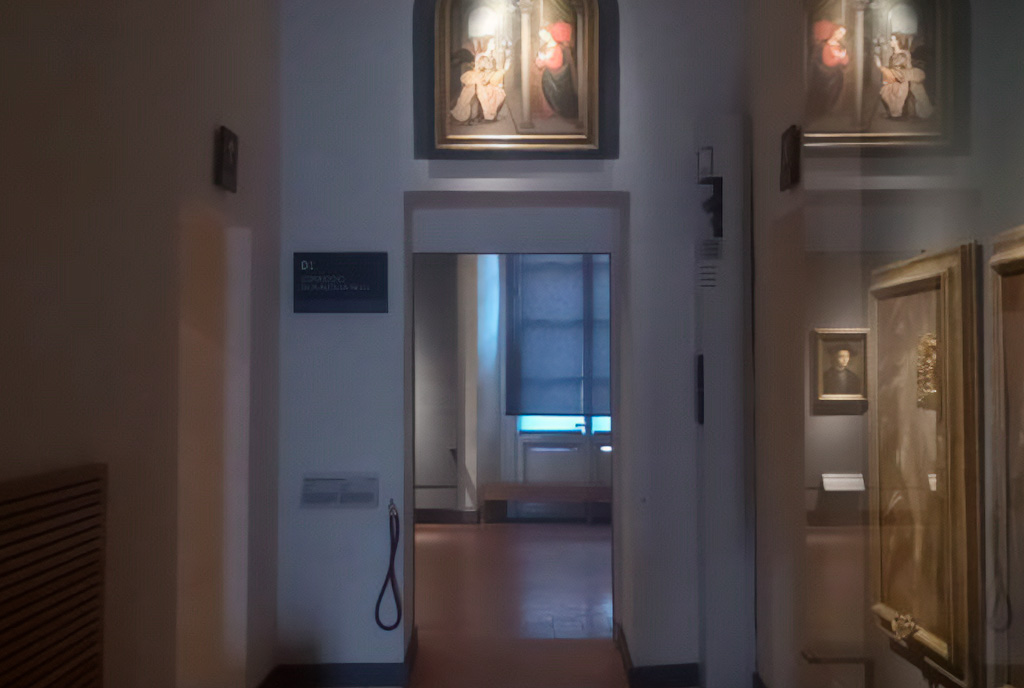
Elsewhere, Artemisia Gentileschi's "Judith Beheading Holofernes," a subject Gentileschi, a rape survivor, painted twice, takes pride of place in a room painted red that also features works by Caravaggio.
This gallery, one of the first to be restored, places the two artists on equal footing right down to its name: "Caravaggio and Artemisia."
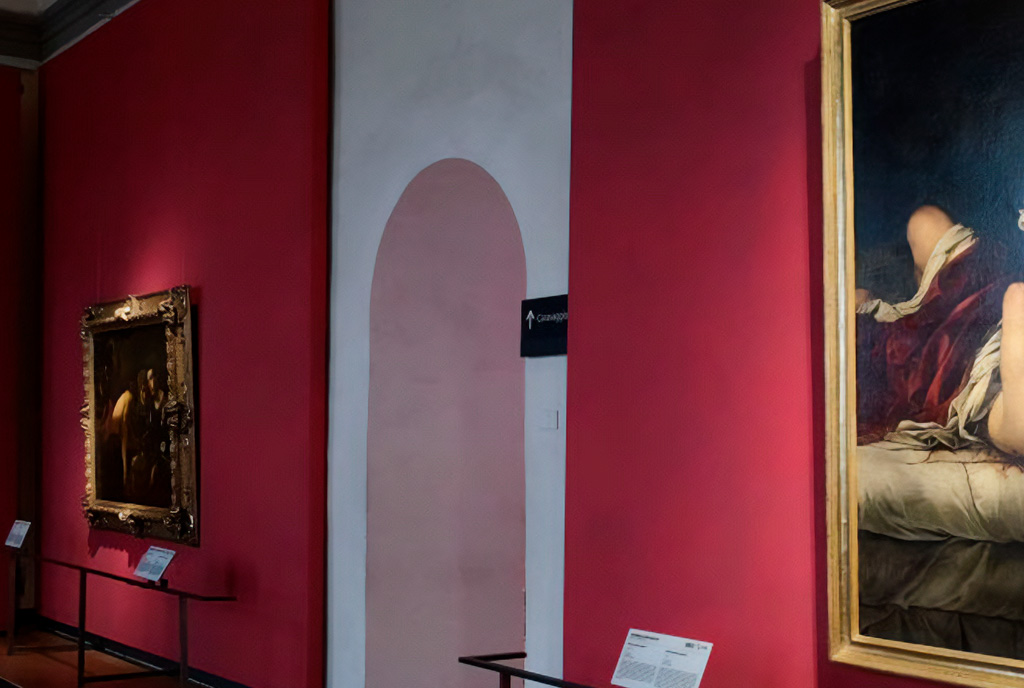
In a room dominated by works by the Carracci brothers hangs a piece by the 16th-century painter Lavinia Fontana, known for her portraits. Works by Gentileschi and Fontana appear in other spots as well.
And in a brand-new self-portrait room, which will soon expand into a larger space, works by five women are shown alongside those by nine men.
Against dusty pink walls, a self-portrait by the celebrated Renaissance sculptor Gian Lorenzo Bernini comes second to a piece by the little-known 16th-century painter Sofonisba Anguissola, who is shown displaying her palette of colors.
And unlike the women in many of the gallery's most famous works, such as Titian's "Venus of Urbino" and Botticelli's "Birth of Venus," these figures are fully clothed.
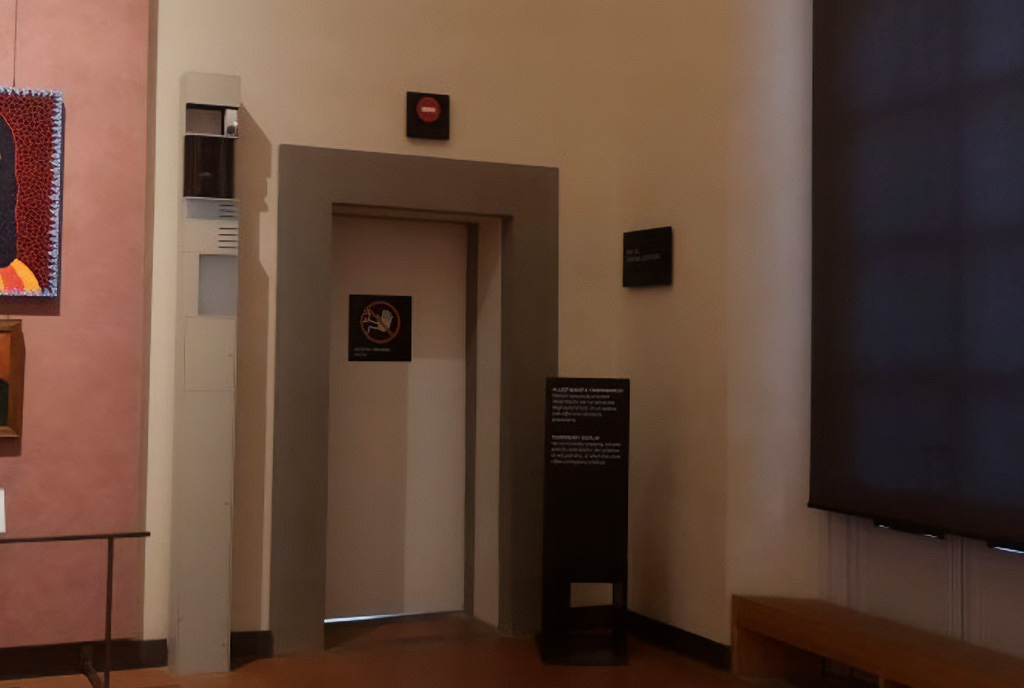
In what gallery director Eike Schmidt calls the "most diverse room" of paintings in the Uffizi, self-portraits by contemporary artists Yayoi Kusama and Tesfaye Urgessa, from Japan and Ethiopia respectively, hang above works by Marc Chagall and Renato Guttuso.
These are the first paintings by artists of color to go on permanent display within the Uffizi Gallery itself. Other works, mostly in different media, are shown in the Palazzo Pitti, the former palace of the Medici family that is now another branch of the Uffizi complex.
"As we move closer to the modern era, it is very important that the paradigms have shifted, and our paradigms have shifted along with them," Schmidt said.
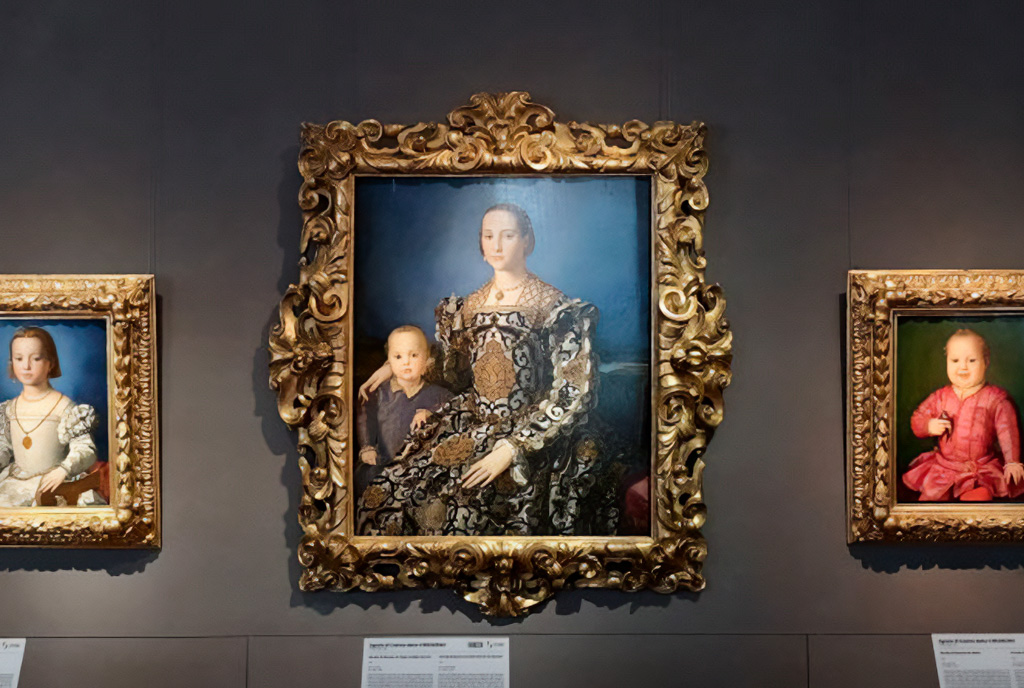
"The Medici [the Renaissance family that founded the collection] were very interested in works of art from other cultures. We have sculptures and works in various materials created on other continents, but very few paintings of non-European origin.
Oil painting on canvas was not confined to Western Europe and the Americas, yet it flourished here. So the works we have from people of color and from different countries and continents are made in other media and are mostly held in the Pitti Palace."
And he promised that the gallery would grow its collection of artists of color, assuring that "even more will be gathered in the future."
Underrepresented artists will play a major role in the 10 new self-portrait rooms set to open over the coming year.
A Suppressed Female Legacy
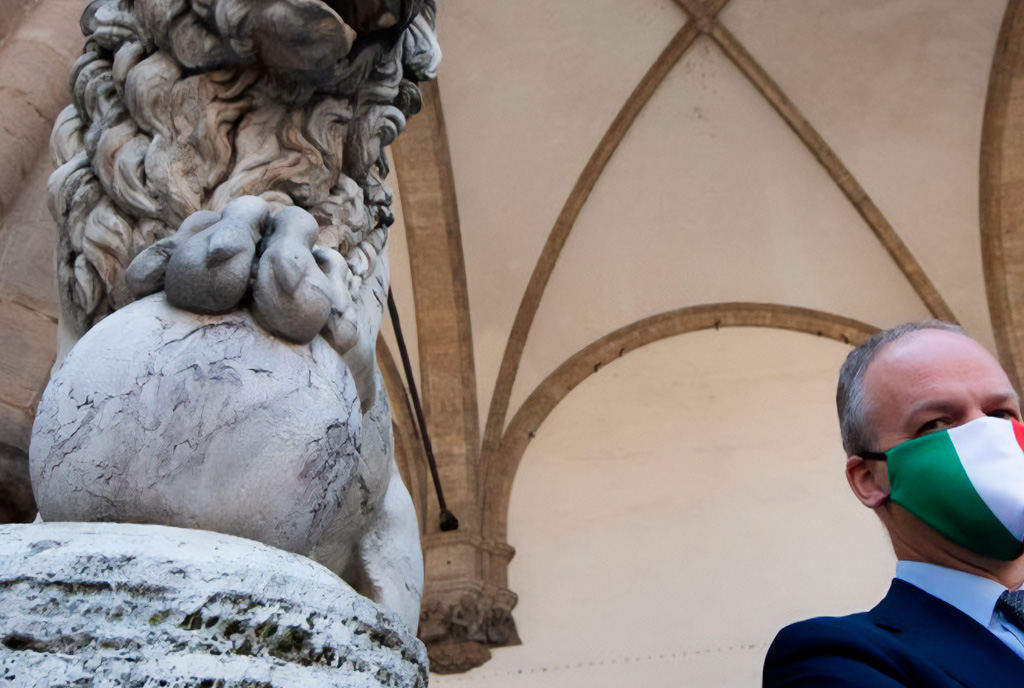
Reassessing the legacy of women artists has been one of Schmidt's priorities since he joined the gallery in 2015. Since arriving, he has staged annual exhibitions devoted to individual women artists, as well as artists of color, from Giovanna Garzoni to Cai Guo-Qiang.
But rather than putting them on show as a token gesture in the 21st century, he says women artists were once part of the canon and were excluded only because of cultural shifts in the 19th century.
"There were many highly regarded women artists, and all these works were commissioned and collected by the Medici family, so the selection had already been made," he said.
The Uffizi holds the world's largest collection of works by women artists predating the 19th century. Schmidt estimates that around 100 to 150 pieces sit in storage, where they were sent in the 1800s, and he promises that more will go on display in the future.
"Women artists were in the minority before the 19th century, so we will never reach a 50:50 ratio, but showing their work is absolutely essential, not least because the quality of their work is just as high, and in some cases higher, than that of their male contemporaries," he said.
Schmidt's drive to feature more underrepresented artists goes hand in hand with his push to draw in new visitors, investing heavily in social media to reach people who might otherwise have no interest in Renaissance art.
Last year he raised eyebrows by inviting influencer Chiara Ferragni to the gallery, later claiming that youth attendance rose 27% in the week after her Instagram posts.
And in February he acquired a work by the British street artist Endless for the collection. The self-portrait shows Endless covering his face with copies of the famous 1990s Calvin Klein underwear ad featuring Mark Wahlberg.
At the time, Schmidt compared Wahlberg's "crotch grab" to the pose in Botticelli's "Birth of Venus," one of the gallery's most famous works, except that Endless flipped the traditional male gaze on its head.
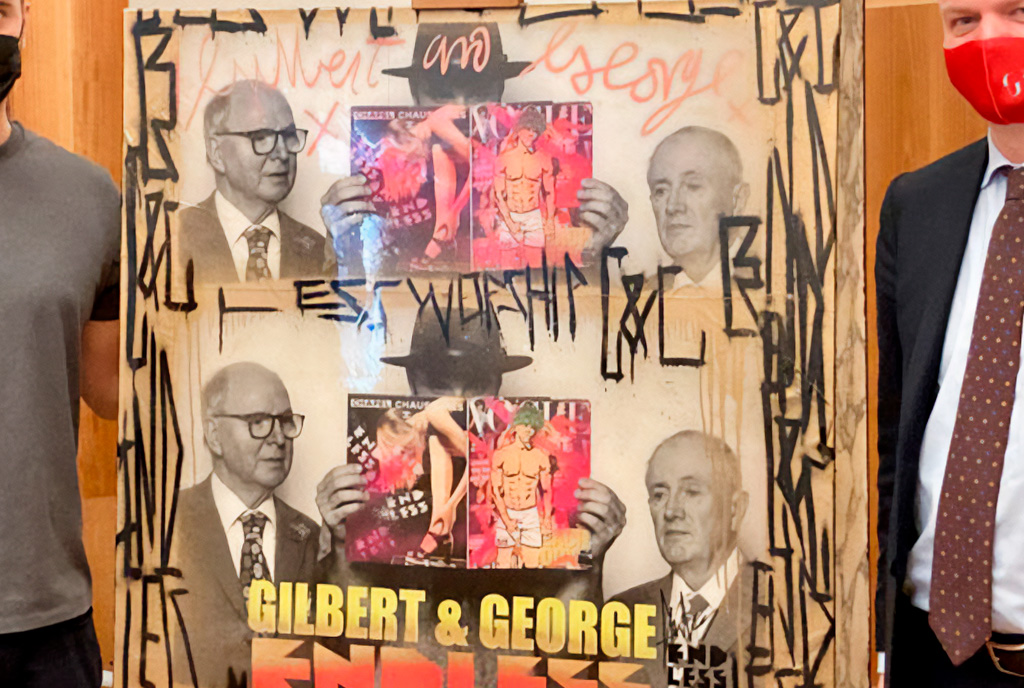
"The Medici, always ahead of their time, would be delighted to see the work of Endless in their collection today," he added.
The revamped Uffizi also features a new entry route into the gallery, designed to break up its notoriously long lines.
Instead of the gallery entrance being tied to the ticket office, creating bottlenecks as visitors pass through airline-style security checks just a few feet from the box office, the two have been separated.
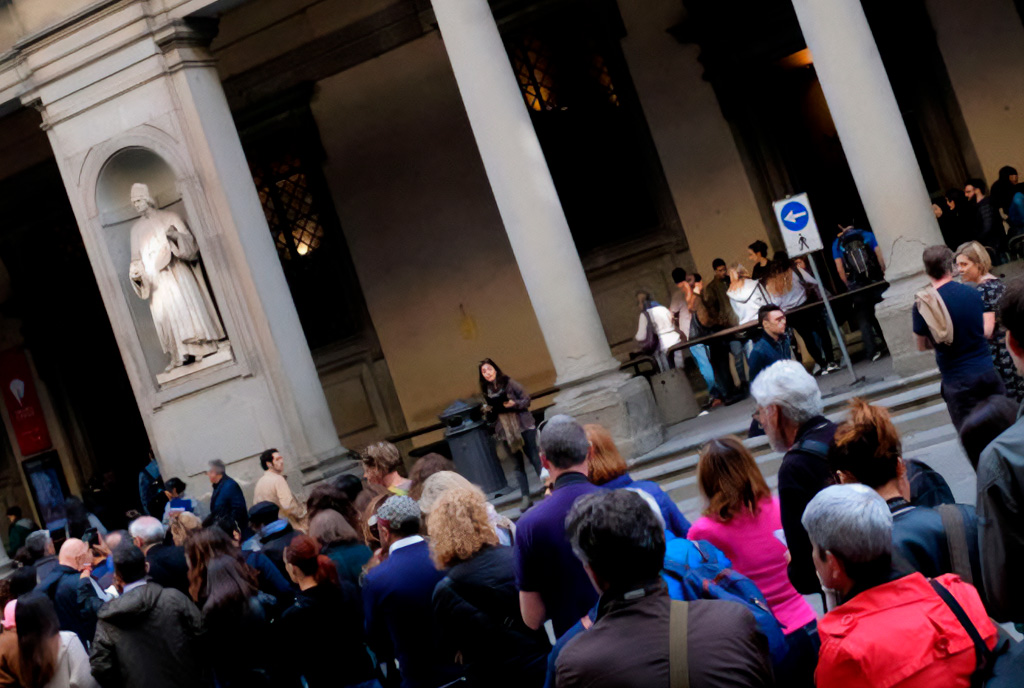
Visitors will now buy tickets on one side of the U-shaped building, beside the Arno River. They will then pass through security on the other side of the courtyard before heading down to the basement to cross the courtyard once more and re-enter the museum. That adds two flights of stairs to an already daunting number for people with mobility issues, though there is a lift for those who need it.
Schmidt's other great hope for spreading out the crowds is the launch of his "Uffizi Diffusi" project, which involves opening local branches of the gallery across the Tuscany region.
This week it was announced that the first regional gallery will open on the island of Elba. From June to October it will host an exhibition of Napoleonic art in memory of the French emperor, who spent 11 months in exile on the island.