


Be swept away by the royal grandeur of the rooms that have been home to Britain's kings and queens for 180 years.
Historic residences don't come much more magnificent than Buckingham Palace in London.
Originally owned by the Duke of Buckingham, Buckingham House (as it was then known) was bought by King George III for his wife, Queen Charlotte, in 1761.
Partner links: booking through them supports the blog at no extra cost to you.
He eventually transformed the former townhouse into a palace, and Queen Victoria became the first monarch to take up residence there in July 1837.
This famous palace has been the London home of Queen Elizabeth II since her accession to the throne, and it first opened its doors to the public almost 25 years ago.
Interest in the Queen has surged in recent years, thanks in part to the success of TV shows like "The Crown", which focuses on the British monarch's early reign, as well as events such as the wedding of Prince Harry and Meghan Markle and the birth of their child, Archie.
While most of Buckingham Palace's 775 rooms remain off-limits, guided tours, usually held from late July to late September, allow visitors to access all 19 State Rooms, the palace gardens and the Royal Mews.
In 2019, the tours will run from 20 July to 29 September.
From the grand staircase to the artworks, sculptures and state coaches, a tour of Buckingham Palace is packed with wonderful sights. Here's our pick of the 15 top highlights:
The Grand Staircase
The striking Grand Staircase is one of the first things you'll see on the tour, and it's also one of the finest. Designed by architect John Nash as part of his commission to remodel the palace for King George IV in the early 1800s, it features gilt-bronze balustrades adorned with intricate patterns of acanthus, oak and laurel leaves.
The staircase, which leads up to the State Rooms, is lit by a beautiful glass dome in the ceiling, and the walls of the upper landing are decorated with portraits of the Queen's ancestors.
The Audio Guide
No one knows the palace better than members of the royal family themselves, so who better to introduce the audio guide than Prince Charles, who was born here?
Every visitor receives a free audio guide, available in English, French, German, Spanish, Italian, Brazilian Portuguese, Japanese, Russian and Mandarin.
There's also a family audio guide (available in English only) with an activity trail.
The Chandeliers
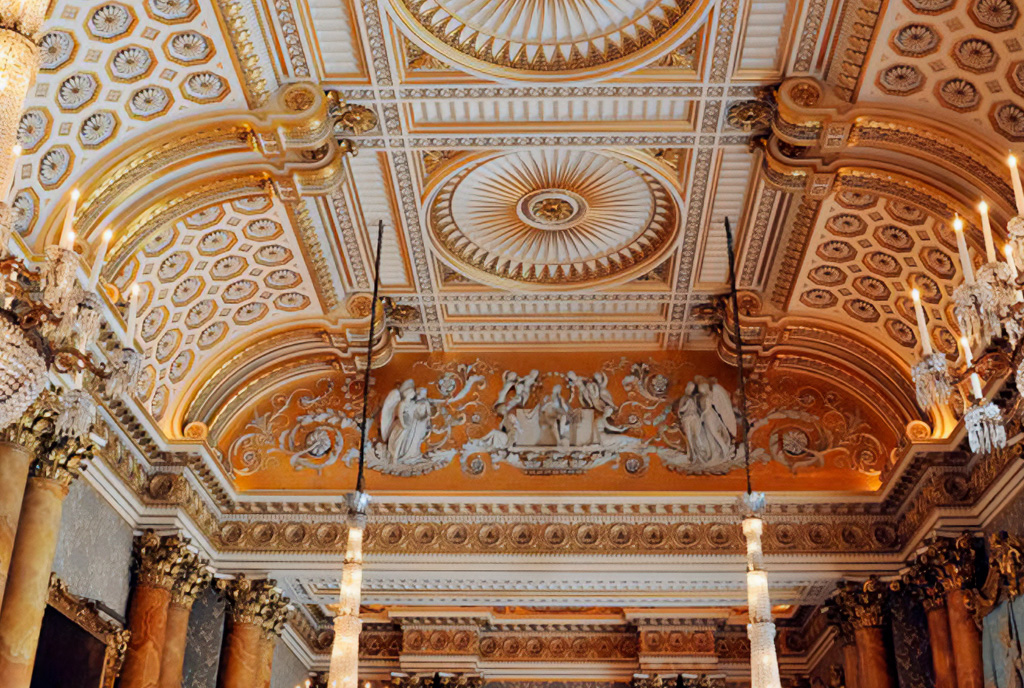
The high ceilings of Buckingham Palace are graced with some of the most spectacular chandeliers you'll ever lay eyes on.
There's the cascade chandelier that hangs in the centre of the White Drawing Room, nine gilt-bronze and glass chandeliers in the Throne Room, six dazzling crystal chandeliers suspended from the ceiling of the Ballroom, and a set of four glass and gilt-bronze chandeliers in the Blue Drawing Room.
All of them can be lowered by remote control for cleaning, but their upkeep costs a pretty penny. Palace officials spent almost £100,000 cleaning the chandeliers between 2004 and 2005.
"Mars and Venus"
Commissioned by George IV to mark the fall of Napoleon, the "Mars and Venus" sculpture by the renowned sculptor Antonio Canova is a true spectacle. Set in the Marble Hall, the sculpture depicts the Roman god of war and the Roman goddess of love in a romantic embrace, and it was carved from a single block of marble.
The Throne Room
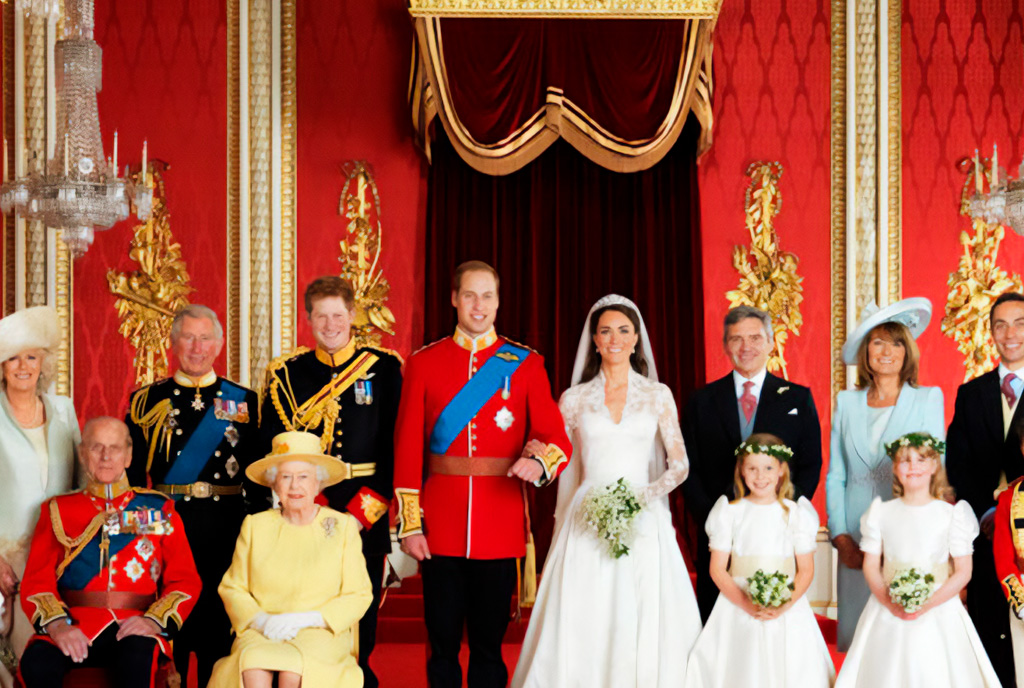
Although you won't get to sit on them yourself, being in the presence of the palace's thrones is a special experience. Raised on a platform in the Throne Room, the red and gold chairs radiate grandeur and bear the embroidered initials of Queen Elizabeth and Prince Philip.
While the Throne Room was used as a ballroom in Queen Victoria's day, these days it mainly serves as a backdrop for royal wedding photographs.
The Picture Gallery
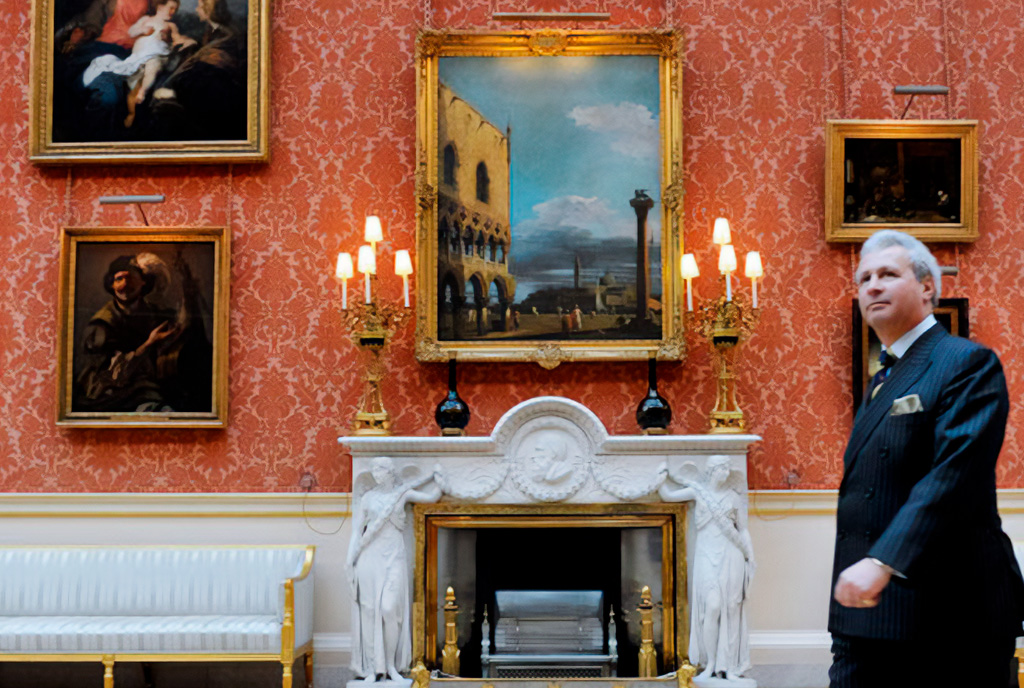
Originally created to display King George VI's magnificent art collection, the Picture Gallery boasts some of the finest paintings from the royal portfolio.
Although the display changes regularly, as the Queen often lends out artworks, the star pieces include self-portraits by Rembrandt and Rubens, "Madonna and Child" by Anthony van Dyck, and various works by the Venetian painter Canaletto.
Queen Victoria's Golden Piano
The White Drawing Room is one of the most opulent state rooms in the palace, and its centrepiece is a stunning grand piano made for Queen Victoria.
Created by S & P Erard in 1856, it was gilded by François Rochard and decorated with elaborate scenes of cherubs and monkeys painted in oils, humorous vignettes of monkeys playing musical instruments and causing mischief.
The piano was used regularly by Queen Victoria and Prince Albert, both of whom were accomplished pianists and loved to play together.
The Sèvres Porcelain Collection
Buckingham Palace is home to an outstanding collection of Sèvres porcelain, made at the Sèvres National Manufactory, which was considered the finest porcelain maker in Europe from the mid-18th century.
Most of the pieces were acquired by King George IV, an avid collector of Sèvres porcelain between 1783 and 1830.
Among the most striking pieces are a ship-shaped potpourri vase that once belonged to Madame de Pompadour, mistress of Louis XV, which can be seen in the Green Drawing Room, and the Table of the Great Commanders of Antiquity, made for Napoleon but later given to George IV by Louis XVIII. This piece is in the Blue Drawing Room.
The Exhibitions
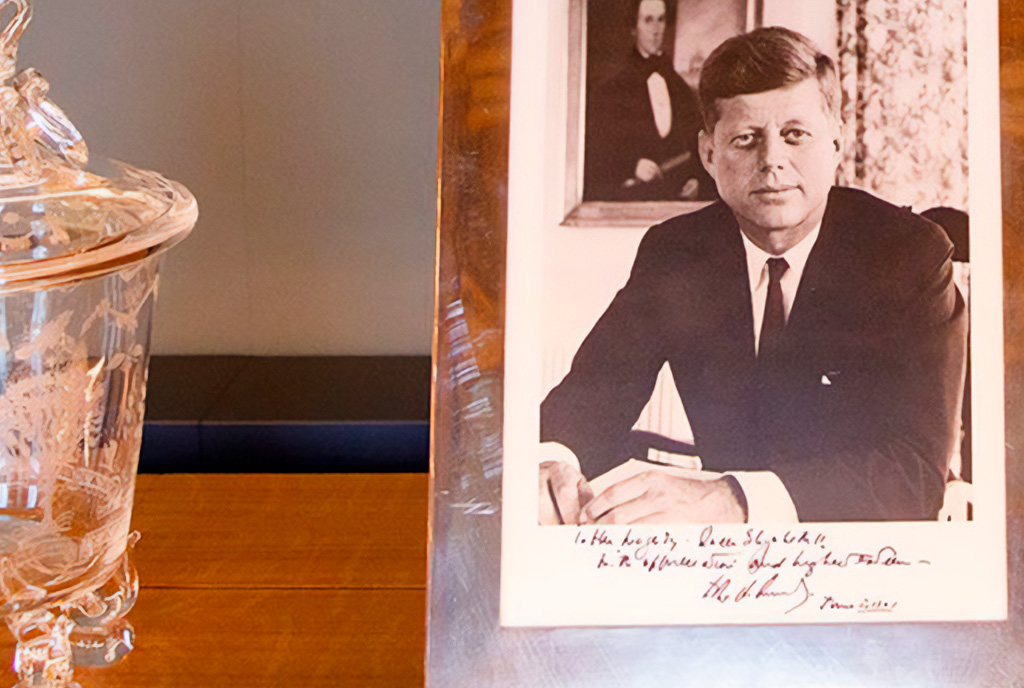
Each summer, a new exhibition is held at Buckingham Palace as part of the public opening. In 2019, the exhibition "Queen Victoria's Palace" celebrates the 200th anniversary of Queen Victoria's birth and reveals how the young monarch transformed Buckingham Palace into a royal residence.
In 2018, a special exhibition was dedicated to Prince Charles's 70th birthday.
The Ballroom
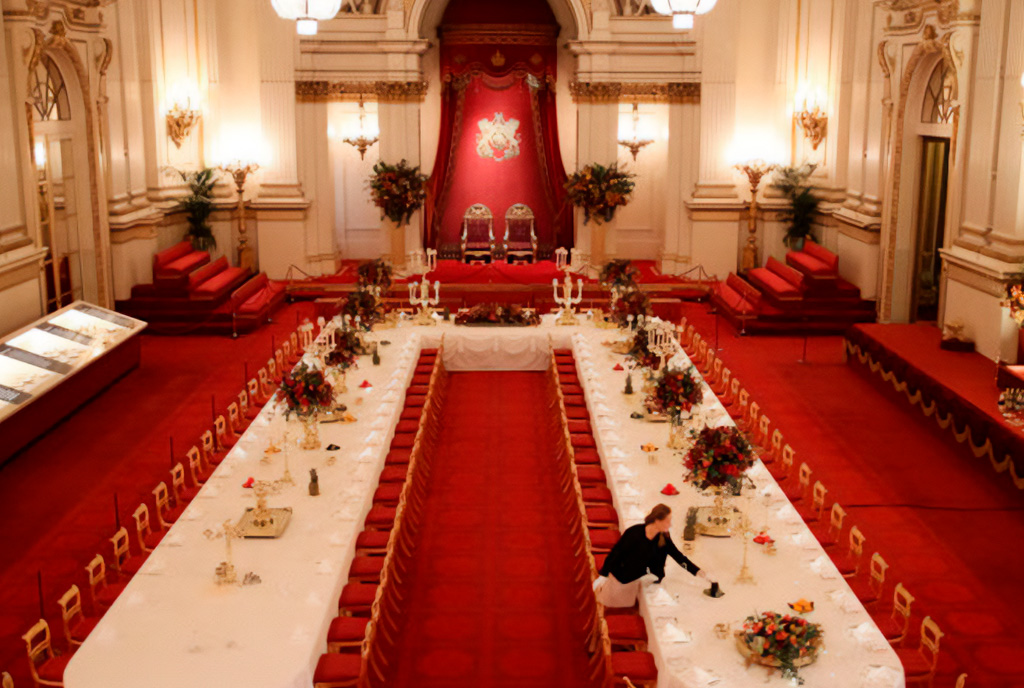
At 37 metres long and 18 metres wide, the Ballroom is the largest and most lavish room in the palace. Inspired by Italian Renaissance design, it first opened in 1856 to mark the end of the Crimean War and is now used for investitures and state banquets, where the Queen hosts heads of state and around 170 guests.
The Secret Door
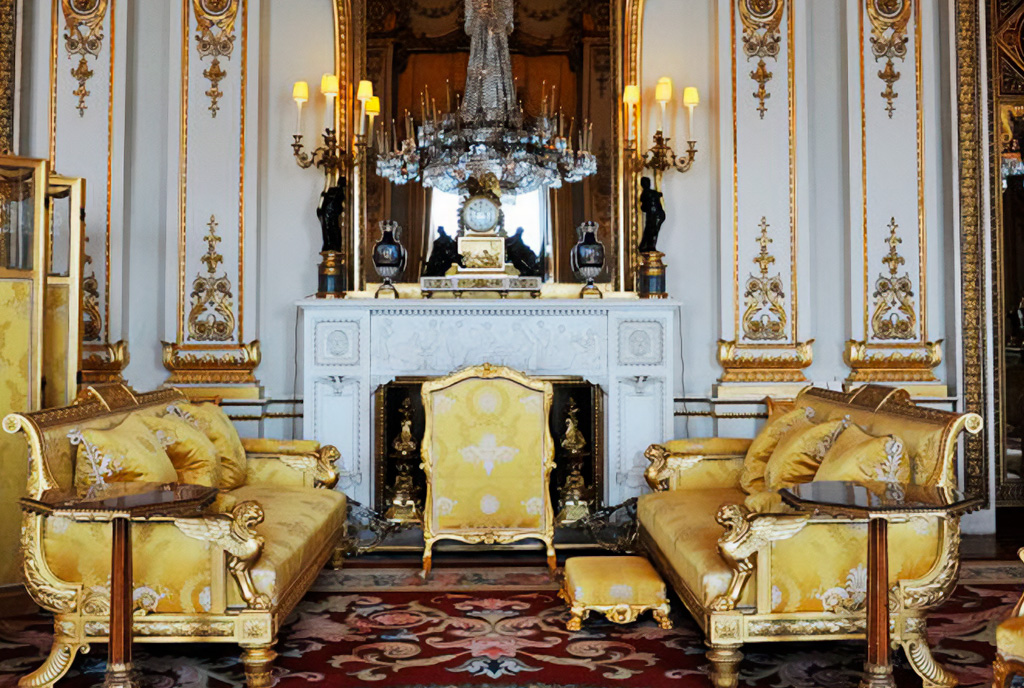
One of the most intriguing features in the White Drawing Room is almost entirely hidden from view. It connects to the Queen's private apartments via a secret door, which she uses to enter the State Rooms when meeting guests.
Sharp-eyed visitors will be able to spot the door, which is concealed behind what looks like a cabinet.
The Music Room
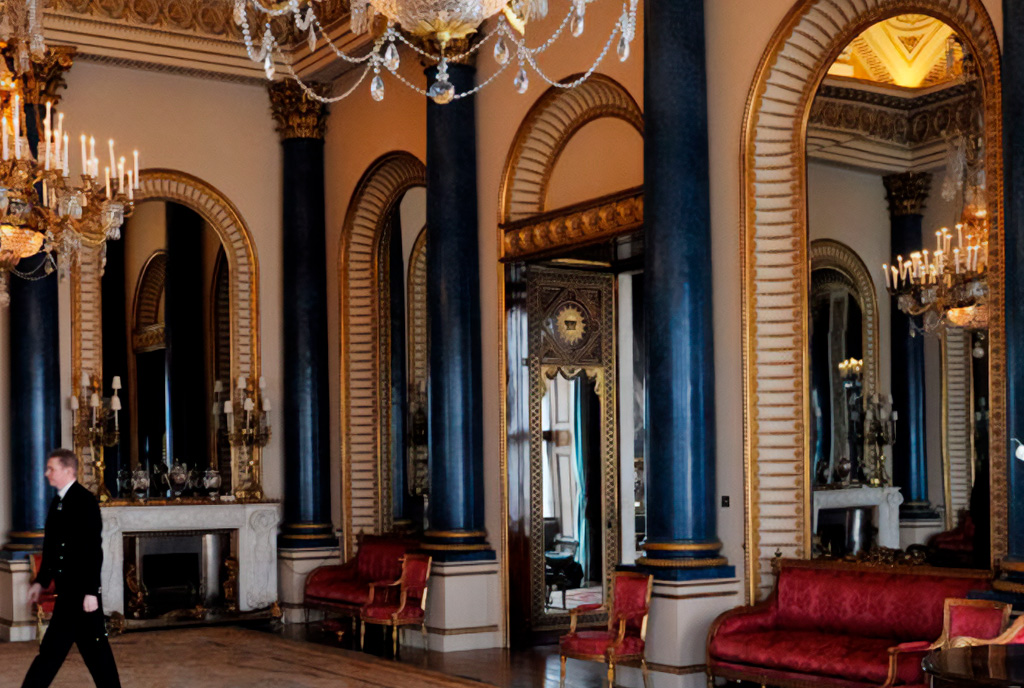
The Music Room is one of the last stops on the tour. It's occasionally used as a concert venue and houses a grand piano by John Broadwood & Sons.
The grand furniture on display here originally belonged to George IV and was supplied to him by the Parisian chair and bed maker Georges Jacob in the late 18th century. Many members of the royal family have been christened in the Music Room, including Prince Charles and Prince William.
The Palace Gardens
The palace gardens are home to 30 species of birds, 150 mature trees and 322 species of British wildflowers. Visitors who wish to explore the grounds can opt for a combined tour of the State Rooms and palace gardens for an additional charge.
The tour begins with a talk inside the palace, followed by a walk through the 39-acre garden, where you'll see a 3-acre lake, a 156-metre herbaceous border, a wisteria-clad Summer House, a rose garden and the 15-foot Waterloo Vase, which is one of Britain's largest garden ornaments.
The tennis court, where King George VI once played against Wimbledon champion Fred Perry in the 1930s, is also included on the route.
The Gold State Coach
The "Royal Day Out" ticket to Buckingham Palace includes a tour of the Royal Mews (as well as entry to the State Rooms and the Queen's Gallery), which are among the finest working stables in the world.
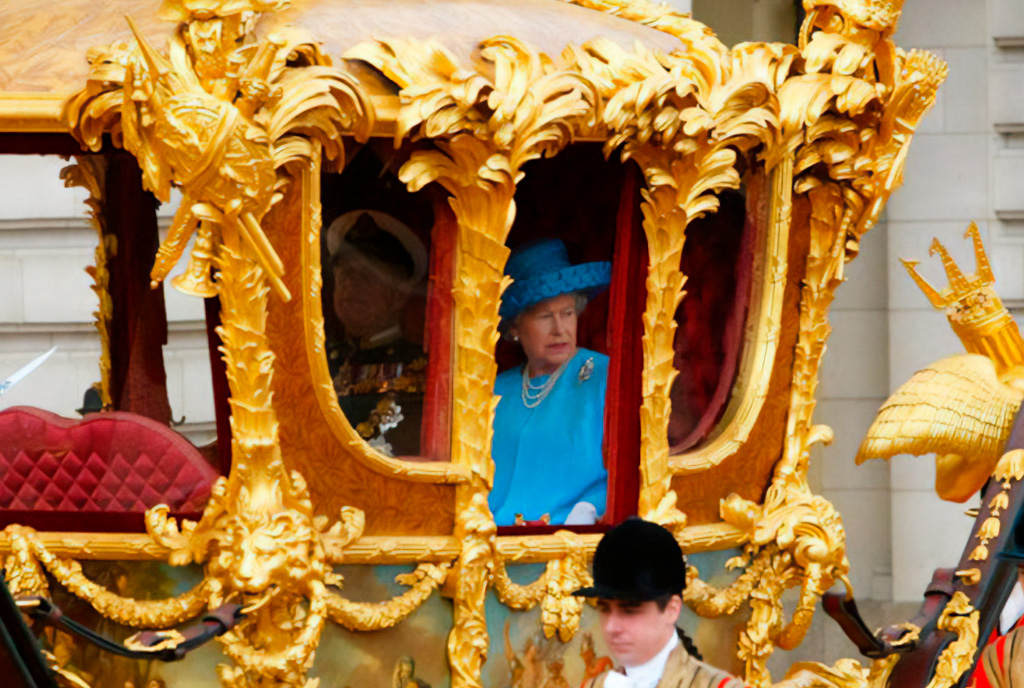
Here, visitors can see impressive historic carriages and coaches, some of which are still used by the monarchy today. The main attraction is the Gold State Coach, built for George III in 1762 and weighing almost four tonnes. It has been used at every coronation since 1821, and, because of its weight, it takes eight horses to pull it.
Many of the Queen's horses, including the famous Windsor Greys, which pulled the royal family's private carriages in Queen Victoria's day, are kept at the Mews.
The Changing of the Guard
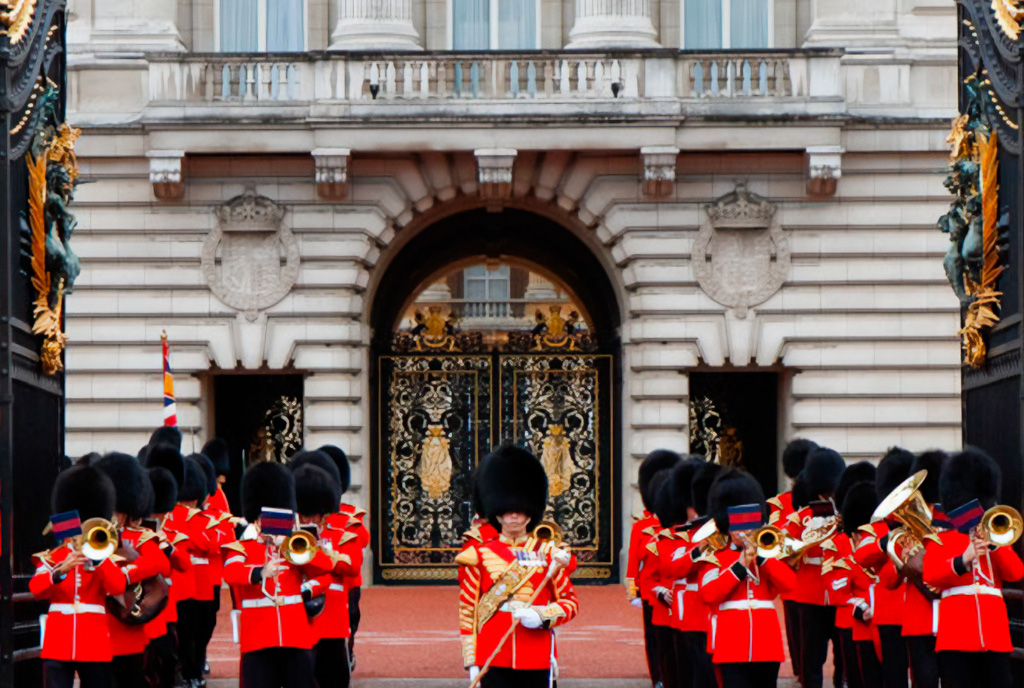
The Changing of the Guard, the official ceremony in which the New Guard takes over duties from the Old Guard, takes place in front of the palace at 10:45 and lasts around 45 minutes. It runs daily from April to the end of July (on alternate days for the rest of the year). The ceremony is held in the forecourt in front of the palace, so if you time your Buckingham Palace tour just right, you'll be able to catch it.
Buckingham Palace will be open to the public from 20 July to 29 September 2019. A tour of the State Rooms costs around £30 for adults and £17 for children under 17.
More extensive combined tours are also available online.
Buckingham Palace, London, SW1A 1AA