

Tourism in Colombia has grown dramatically in recent years, with thousands of people arriving in this South American country after decades when it was all but off-limits because of a long civil war.
There are still plenty of little-explored natural treasures waiting to be discovered here: from swimming through mangroves under starlight to spotting rare birds in remote mountains. Colombians also know how to treat themselves, and a trip in normal times wouldn't be complete without visiting the best spots to eat, drink and dance.
For now, international travelers are allowed to enter Colombia with no Covid-19 testing or quarantine requirements. Keep in mind that countries can change their protocols and travel rules with little notice. More detailed information is available on Colombia's tourism website.
Partner links: booking through them supports the blog at no extra cost to you.
Be sure to check the local Covid infection rate before your trip and avoid demonstrations, which have recently turned violent in some major cities.
Once you're comfortable traveling around Colombia, here are the 13 best things to do:
Coffee Plantations
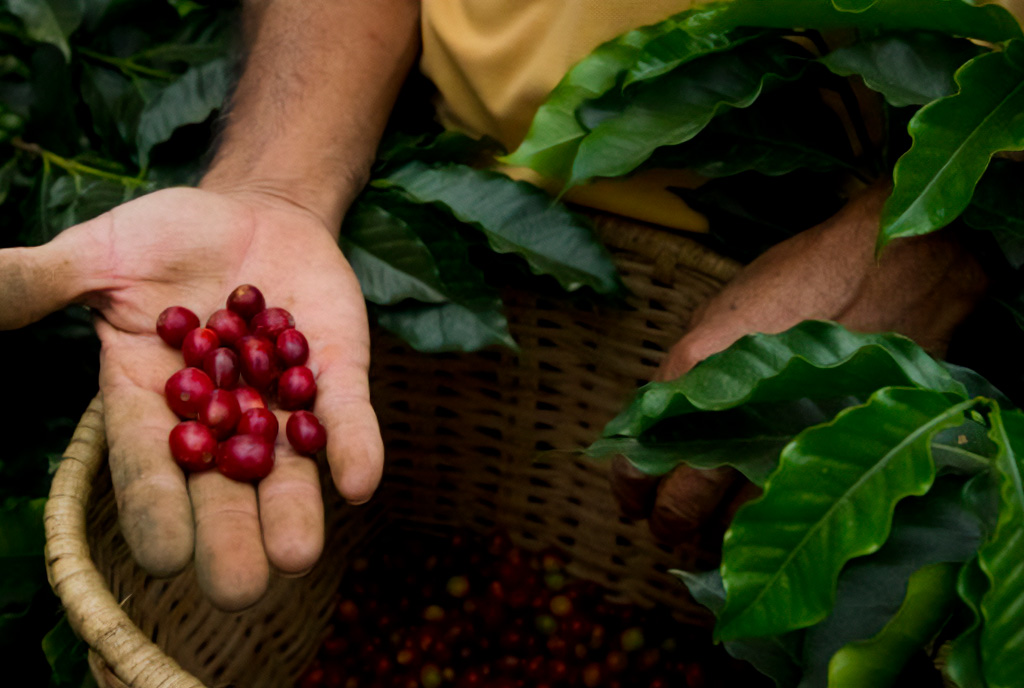
Colombia is famous for its coffee. Although in years past the country (the world's third-largest producer) exported all of its finest beans, lately Colombians have started keeping the best for themselves.
There's no better way to trace the legacy of Colombian coffee than by visiting a plantation. Travelers can ride in a traditional "Willy," an American vehicle used in World War II that Colombians now love for hauling their goods.
From Salento, a small town deep in the country's Coffee Triangle, five kilometers of dusty roads lead to Finca El Ocaso, where coffee experts walk visitors through the process from seed to grind, finishing with a lesson on how to brew the perfect cup.
Don't forget to buy a bag to take home.
Horseback Riding at Cafetal de la Trinidad
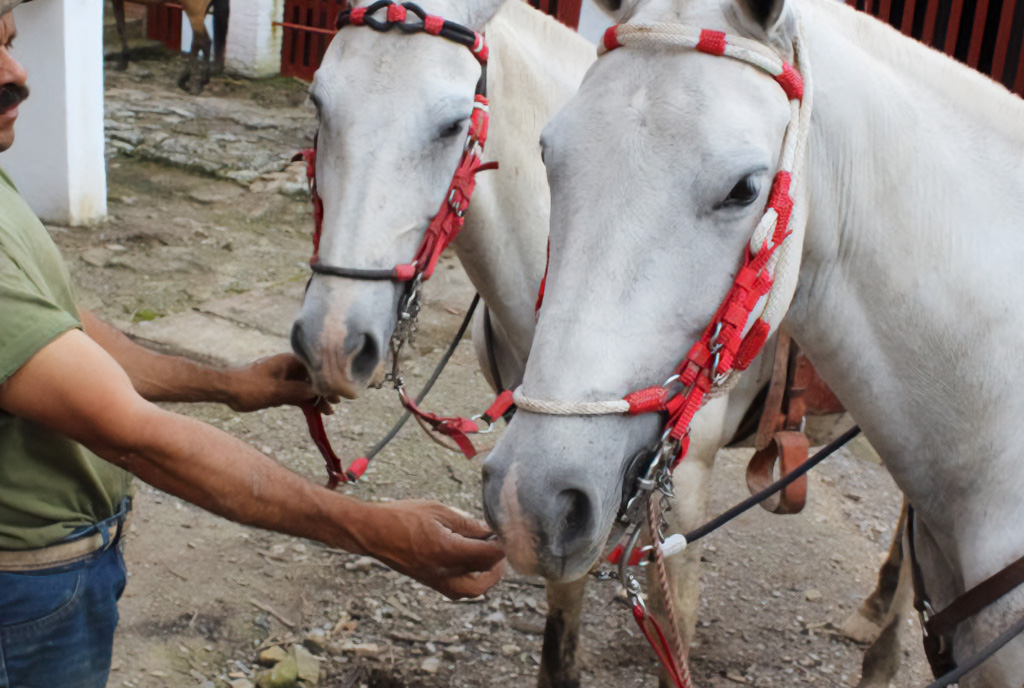
Founded in 1906 and once a family coffee plantation, Cafetal de la Trinidad was abandoned for years due to occupation by FARC guerrillas, who made returning home too dangerous for the family.
In recent years, though, the family's youngest son, Alejandro, and his partner, Anna, have lovingly restored the finca (or farm) to its full glory and now open it to visitors.
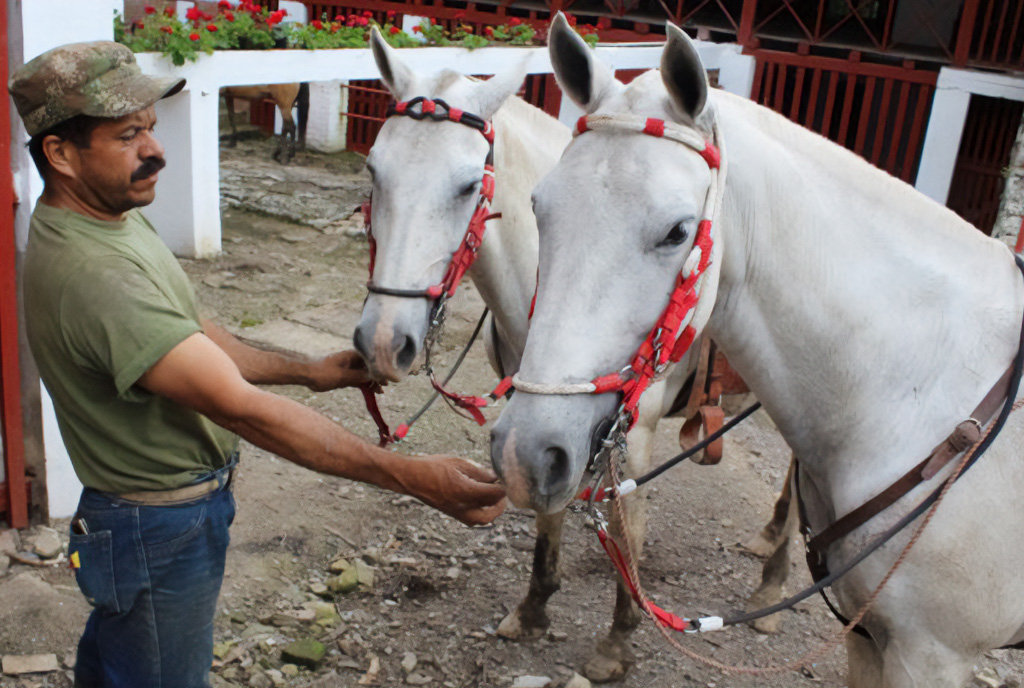
Just two hours from Bogota, but in a completely different world, visitors can enjoy the remote setting, fresh air and breathtaking views by saddling up one of the farm's horses and setting off on a ride through the stunning countryside.
Guests can even set up a picnic and admire a beautiful sunset over the mountains while their horses graze peacefully in the fields.
Swimming with Bioluminescent Plankton
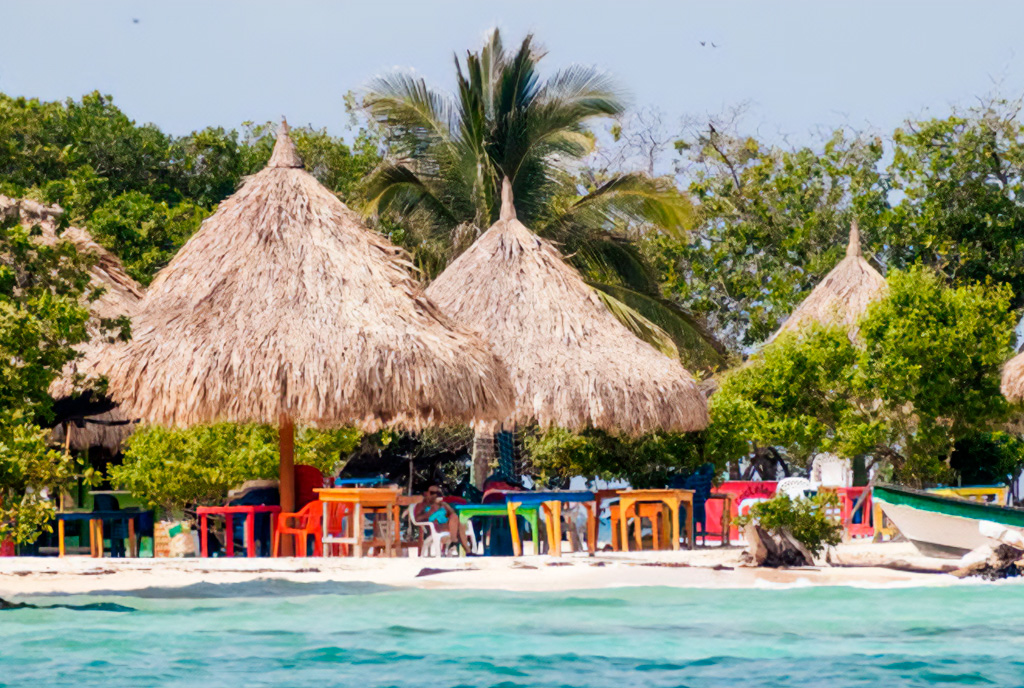
If the crystal-clear ocean wasn't beautiful enough, visitors to Mucura Island can take a night dip among the coastal mangroves and watch the black water light up with millions of blue-green plankton.
The tiny organisms produce light using a chemical called luciferin, glowing when they move. So you can lean back and watch the stars while floating in the Caribbean Sea, or dunk your head underwater and feel like a character out of "Avatar."
The eco-conscious Punta Faro hotel takes guests out to the mangroves on a private boat and brings them back in time for a candlelit dinner.
Bandeja Paisa in Medellin
There's no dish more Colombian than the Bandeja Paisa: hearty, meaty and impressively huge.
And there's no better place to eat Bandeja Paisa than in Medellin, the capital of Antioquia and homeland of the paisas (the name for the people of the Antioquia, Risaralda and Quindio regions).
The dish is usually served on an oval platter and consists of red beans cooked with pork, rice, carne molida (ground meat), chicharron, a fried egg, plantain, chorizo, arepa, hogao (a thick tomato sauce), blood sausage and avocado.
At El Rancherito on Calle 18 in Medellin, visitors can stuff themselves for around $10.
Diving in Cartagena
Although Cartagena is best known for its walled old town, with winding cobblestone streets and colorful balconies, the city also has plenty of underwater treasures.
With the Rosario Islands (a nature reserve made up of 43 tropical islands), an underwater museum, coral reefs and shipwrecks, this stretch of the Caribbean Sea is full of discoveries.
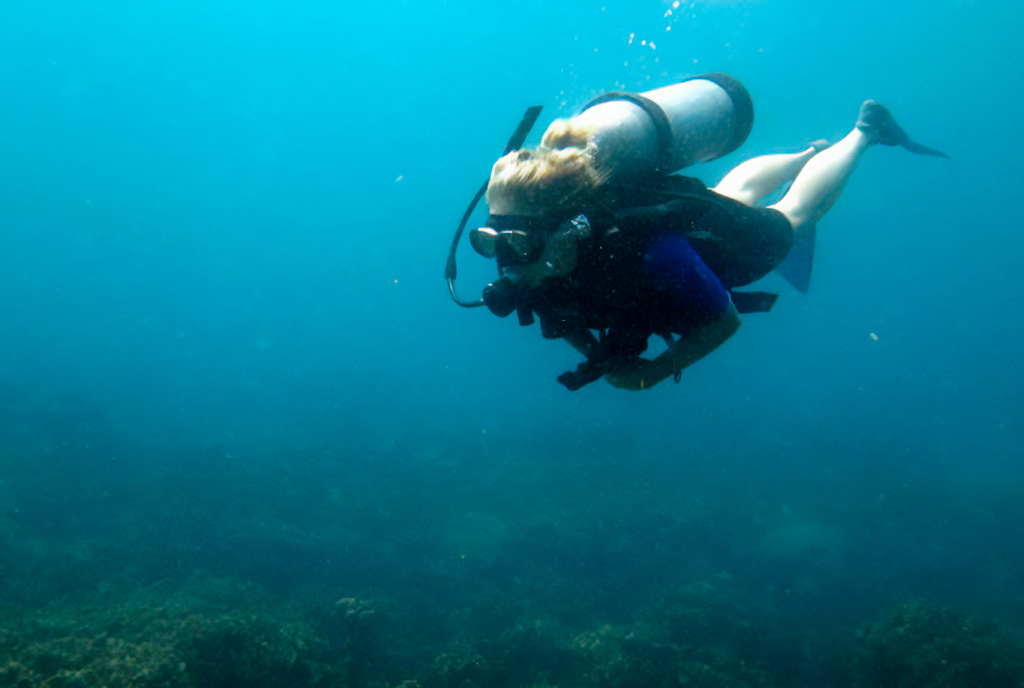
Visitors can learn to dive at Paraiso Dive, a diving school on Tierra Bomba Island, just a short boat ride from Cartagena. Swim in turquoise waters among shallow reefs, deep walls and sunken works of art, and learn about the company's efforts to protect the surrounding reefs.
Birdwatching in the Serrania del Perija
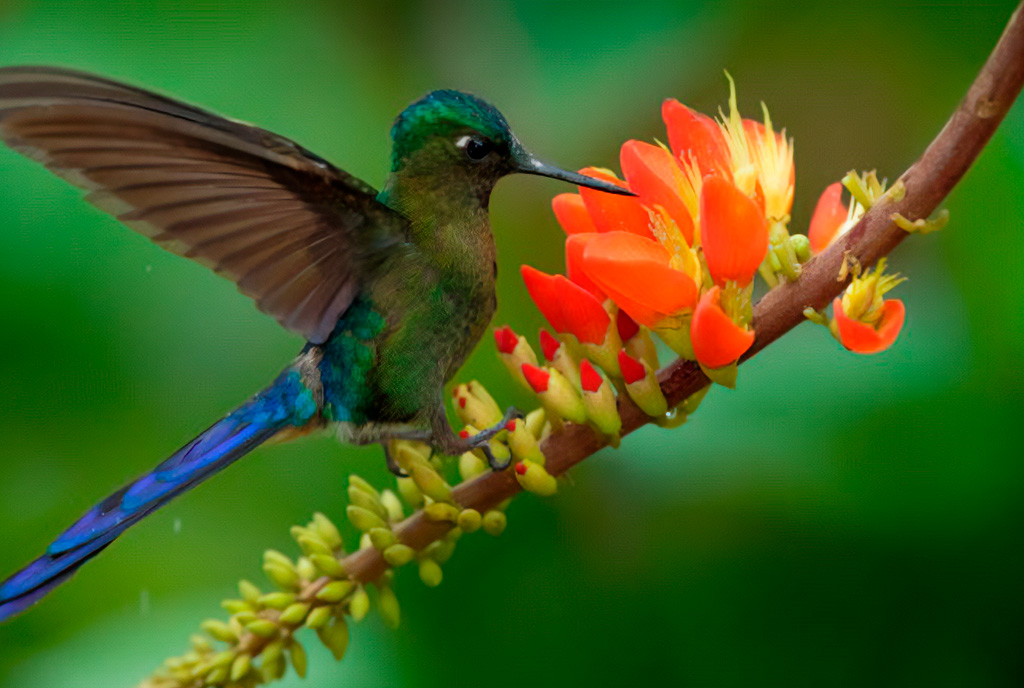
Colombia is home to more than 1,900 species of birds, the largest number in the world.
The Perija mountain range, which stretches along the border of Venezuela and Colombia, is one of the best places for birdwatching and is home to several endangered species that can't be found anywhere else.
After years of guerrilla occupation, the area has started opening up to visitors, and keen birdwatchers head for the Chamicero del Perija reserve. Set in the mountains among Andean forests and Colombia's unique paramo system (an ecosystem found only in the northern Andes), the reserve lies two hours from the nearest village and boasts one of the best sunsets in the country.
Salsa Dancing in Cali

Cali is the salsa capital, where dancers hit the floor as early as midday.
Although the dance was born among the Cuban community in New York in the mid-1900s, salsa soon reached Colombia. Cali decided to create its own style of salsa, and the city has never looked back since.
There are two types of dancers: the old-school purists who stick to the original steps, and the young crowd who love to dance with flair and gymnastic lifts.
The Sondeluz Academy, one of the most famous salsa studios in Cali, specializes in one-on-one lessons. After mastering the basics, and once it's safe to gather in a crowd again, visitors can drop by Zaperoco, a famous salsa club usually packed with talented dancers and a live band on Thursday nights.
Whale Watching
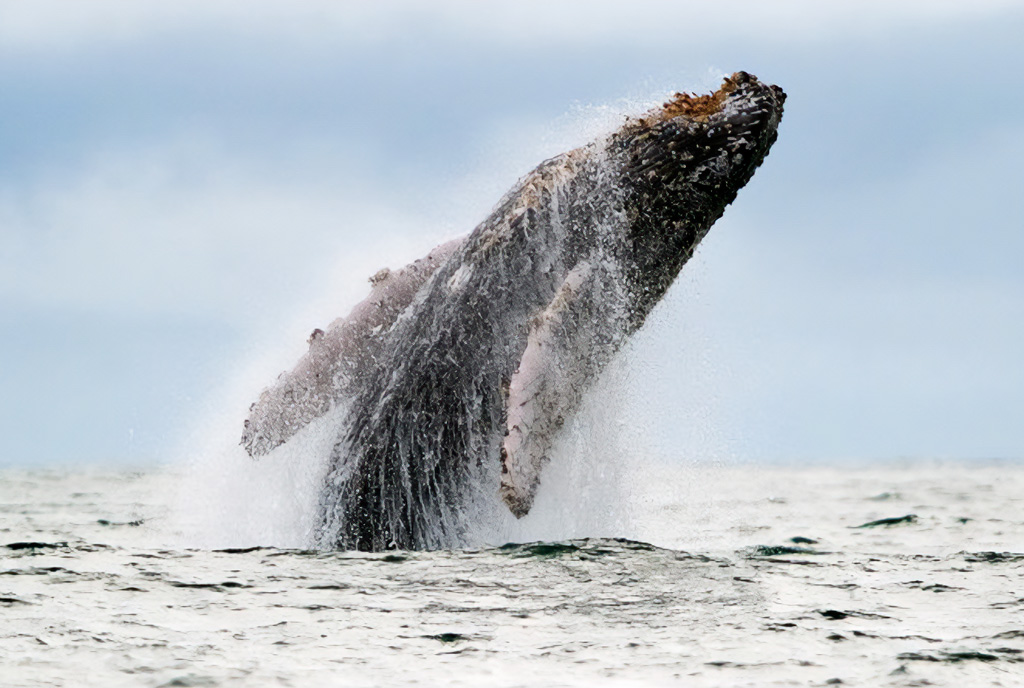
Every year from June to October, locals along Colombia's Pacific coast in Nuqui get ready to watch the humpback whales migrate past their shores.
Set in the Gulf of Tribuga in the Choco department, Nuqui is the perfect place to see mothers and their newborn calves, thanks to warm waters free of strong currents and little traffic from passing boats.
The eco-hotel El Cantil offers a whale-watching package, taking its guests out into the gulf on fiberglass boats, where whales can be spotted from around 200 meters away. The eco-hotel deliberately follows international practices and keeps a respectful distance, although the whales often approach the boats themselves.
Hunting for a Glimpse of "Pink" Dolphins
Pink dolphins are often thought of as something mythical, and although they remain a scientific mystery, they can be found in the Amazon River.
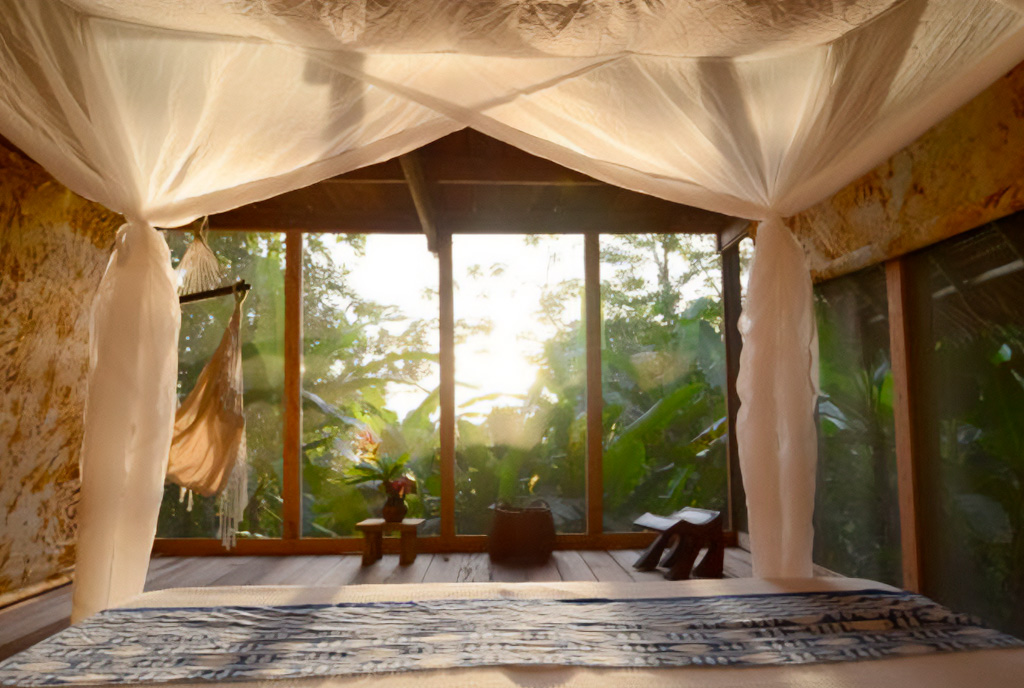
Guests staying at Calanoa Jungle Lodge, an eco-resort set in the Amazon jungle overlooking the great river, can set off on a private speedboat to try to catch sight of the "botos," which can be pink or gray. They are the subject of countless legends: for example, that they turn into handsome men at night to seduce local women (a tale used to explain away unwanted pregnancies).
An Amazing Restaurant
Andres Carne de Res is a reason in itself to head to Colombia's capital, Bogota.
The restaurant, spanning 2.76 square miles, boasts five kitchens, 11 dining areas, two dance floors and typically holds thousands of people a night. Be sure to check the Covid safety measures before booking during the pandemic.
Although it's a 45-minute drive from the capital, it's the place to go in Bogota, and celebrities such as the president, Shakira and the Red Hot Chili Peppers have dined here, choosing from a 64-page menu.
But the food, which includes traditional Colombian dishes like chicharron and patacon, as well as steak and empanadas, is only half the story. After dinner, everyone heads to the dance floor, aguardiente (a traditional Colombian anise liqueur) in hand, and dances salsa all night long.
Hiking to the Lost City
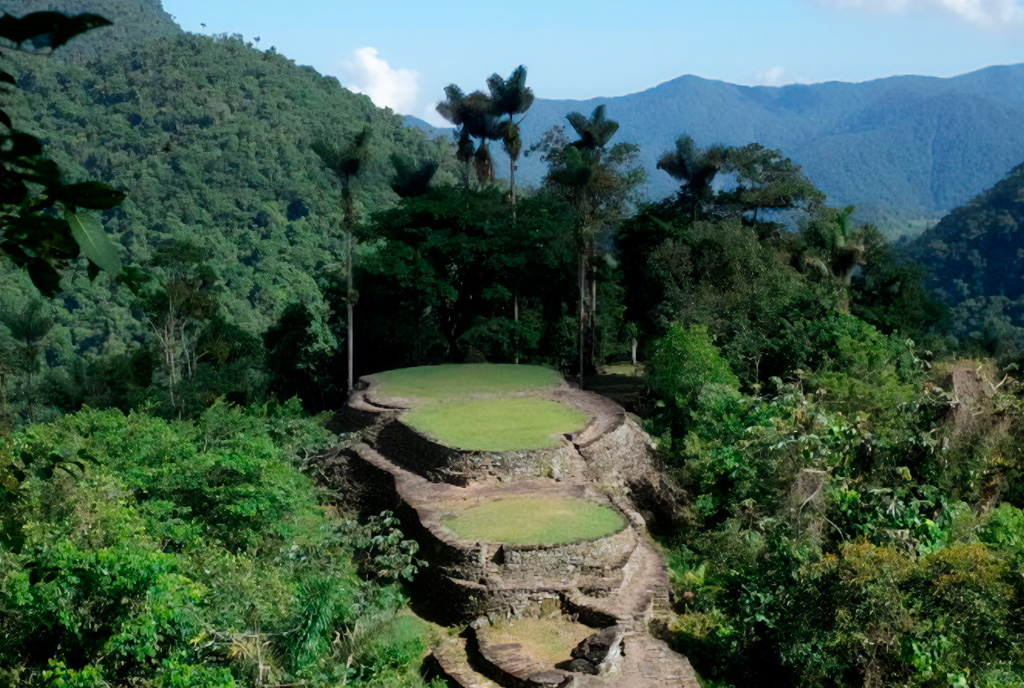
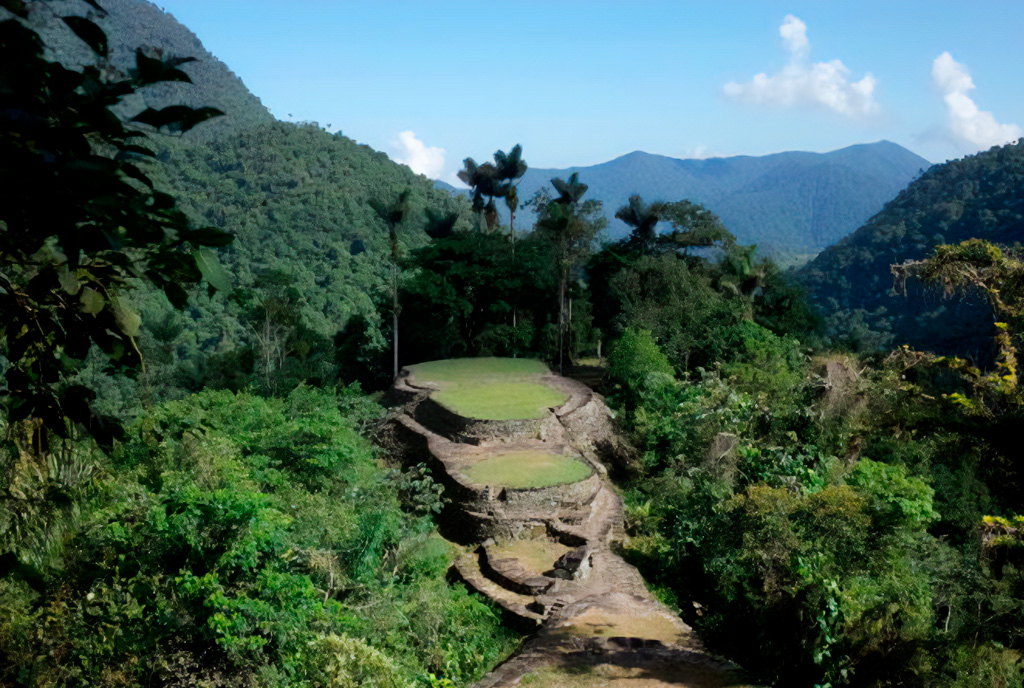
The Lost City is Colombia's answer to Machu Picchu, only cheaper and with fewer tourists.
It's also believed to have been founded around 650 years before Machu Picchu (although the Peruvian site may be several decades older than previously thought, according to a recent study). The demanding two-day hike takes you across waterfalls, natural pools and rivers on the way to the sacred site of the indigenous Tayrona peoples.
Led by indigenous Kogui guides, the Colombian tour agency Expotur offers a four-day package, taking travelers through the Sierra Nevada de Santa Marta jungle and climbing 1,200 steps on the third day to reach Ciudad Perdida. The beautiful ruins are full of relics and ancient carvings, and visitors can hear stories of the ancestors before heading back to begin the descent.
Stargazing in Tatacoa
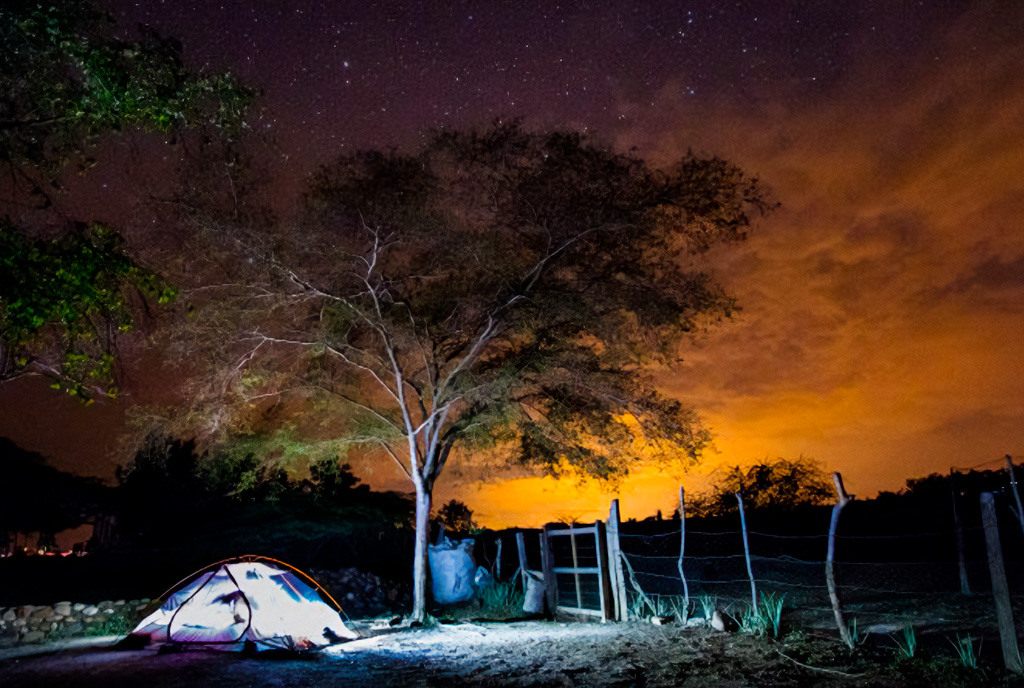
Tatacoa may look like a desert, but it's actually an ancient dry tropical forest. This ecological wonder attracts astronomers from around the world, who flock to its red Martian landscapes to gaze at the stars.
Thanks to its unique location, you can see constellations from both the northern and southern hemispheres here, making for a spectacular sight.
In fact, the stars are so mesmerizing that one Colombian astronomer, Javier Fernando Rua Restrepo, lived in a tent for two years before finding a place to settle permanently. And he liked it so much that he stayed and opened his own observatory, where he hosts a star party every July.
Dodging Crabs in Providencia
For a few weeks each year, Providencia (an island located closer to Nicaragua than to Colombia) is occupied by the Colombian army, which flies in to protect the thousands of black crabs migrating to the sea.
Roads are closed, and locals practice what's known as "crab dodging" to avoid crushing the crustaceans, which are protected by local laws and environmental policy.
The crabs are a local delicacy and provide many islanders with their only income. Because of rising tourism on nearby San Andres, crab numbers have fallen, so the army was brought in to ensure safe passage for the migrating crabs heading to the sea to lay their eggs.
And if you miss the migration season (when catching, eating and selling crabs is banned), you'll have a chance to try one and understand what all the fuss is about.