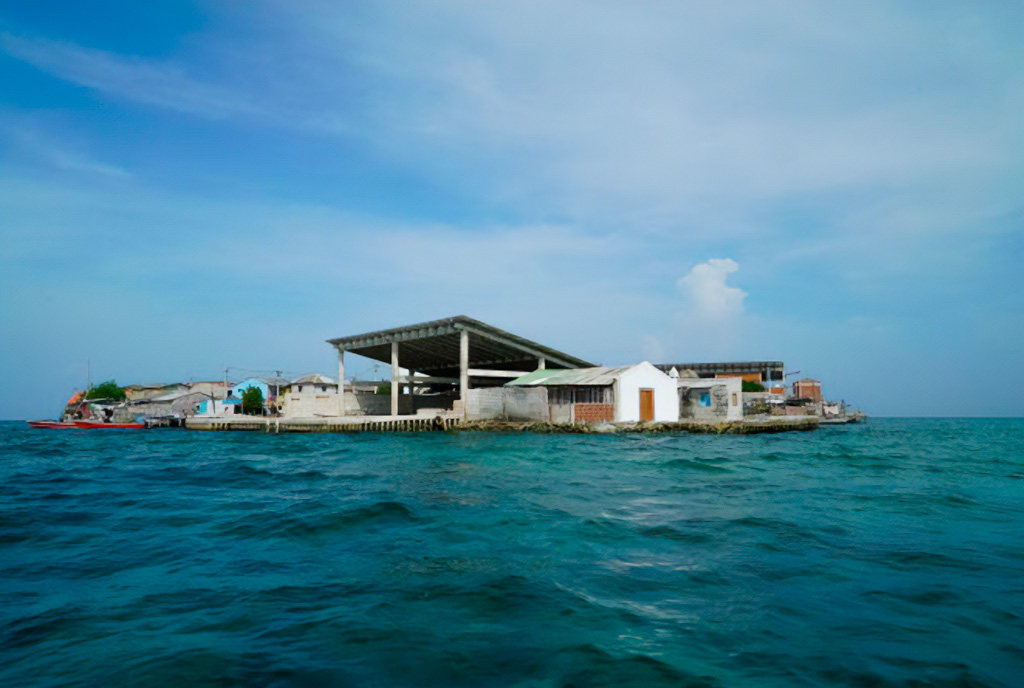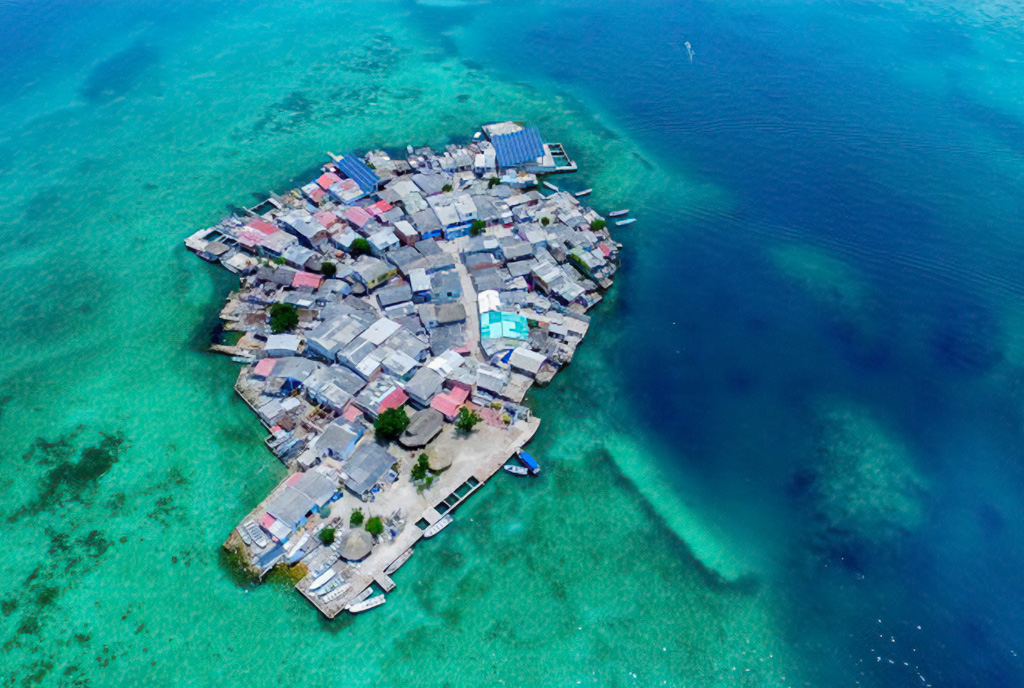


From a distance, it is hard to tell exactly what Santa Cruz del Islote is. Rising out of the sea, the island, one of the most densely populated in the world, seems to float.
In reality, Santa Cruz, set in the San Bernardo archipelago off Colombia, in the Gulf of Morrosquillo, rests on a mix of raised seabed and coral. It is one of the 10 islands that make up the archipelago.
As the legend goes, fishermen from nearby islands spent a night on Santa Cruz and decided to stay for good once they realized there were no mosquitoes. Locals put the absence of mosquitoes down to the lack of mangroves and beaches.
Partner links: booking through them supports the blog at no extra cost to you.
Santa Cruz is not your typical island getaway. There is nowhere for visitors to stay. Tourists usually spend the night at the neighboring Punta Faro hotel on Mucura island and travel to Santa Cruz by speedboat to explore for a few hours.
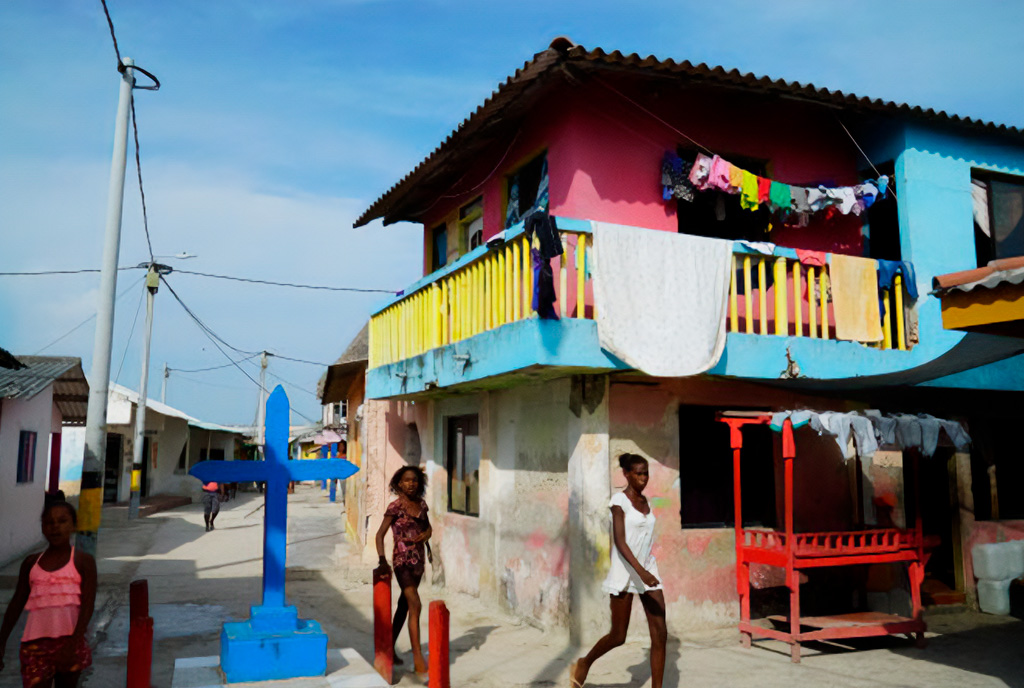
It feels like stepping into a Gabriel Garcia Marquez novel. Santa Cruz stands out for its fairy tale, almost innocent way of life (there are no police on the island), and its colorful houses are handed down from one generation to the next, so there are no outside residents.
By some estimates, around 1,200 people live on the tiny island, which measures roughly the size of two football pitches. But some say the community is smaller.
Juve Nal, a resident in his sixties who has lived on Santa Cruz his entire life, says the number is closer to 900.
"It annoys us that the media always says the island is more overcrowded than it really is," grumbles Nal, who seems to play the part of community leader, guide and spokesman all at once.
Living Cheek by Jowl
Whatever the true population (which no one knows, since no census has been taken in decades), Santa Cruz is a cramped place.
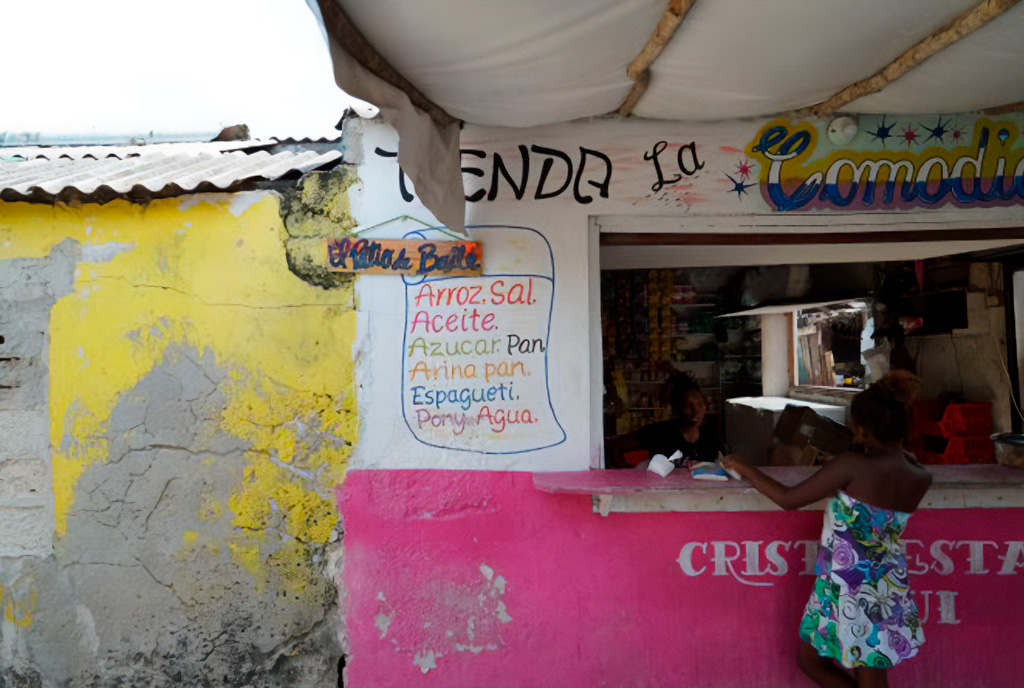
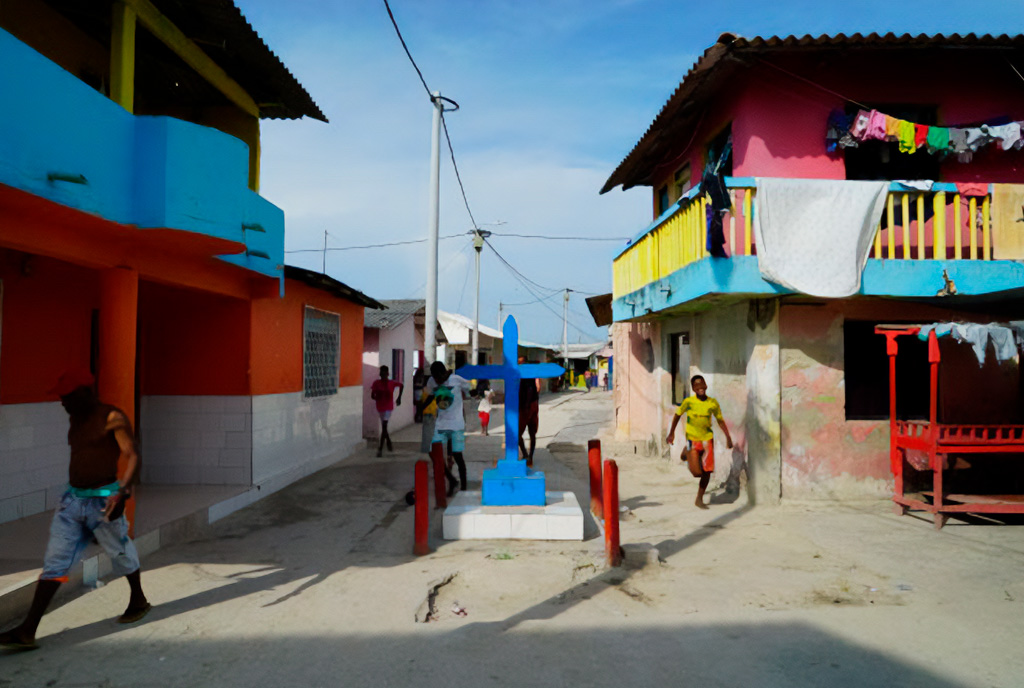
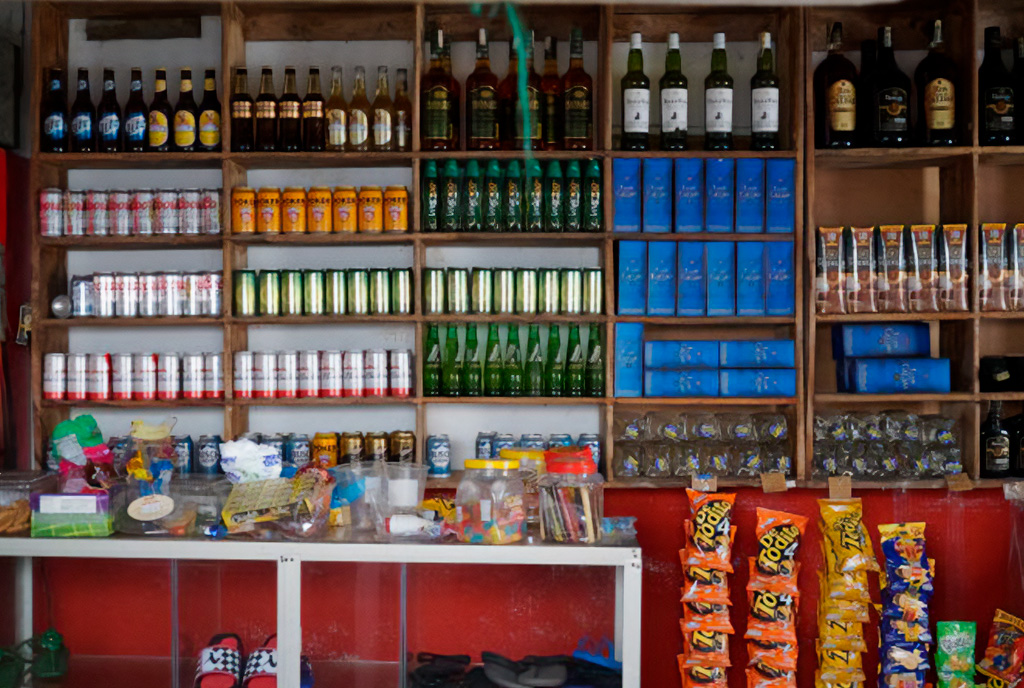
Around 115 houses are jumbled up against one another, while older men with kind eyes and weathered faces sit on their chairs sipping beer, teenagers line the streets nodding their heads and swaying to the rhythm of champeta, and young mothers chatter at the corner shops.
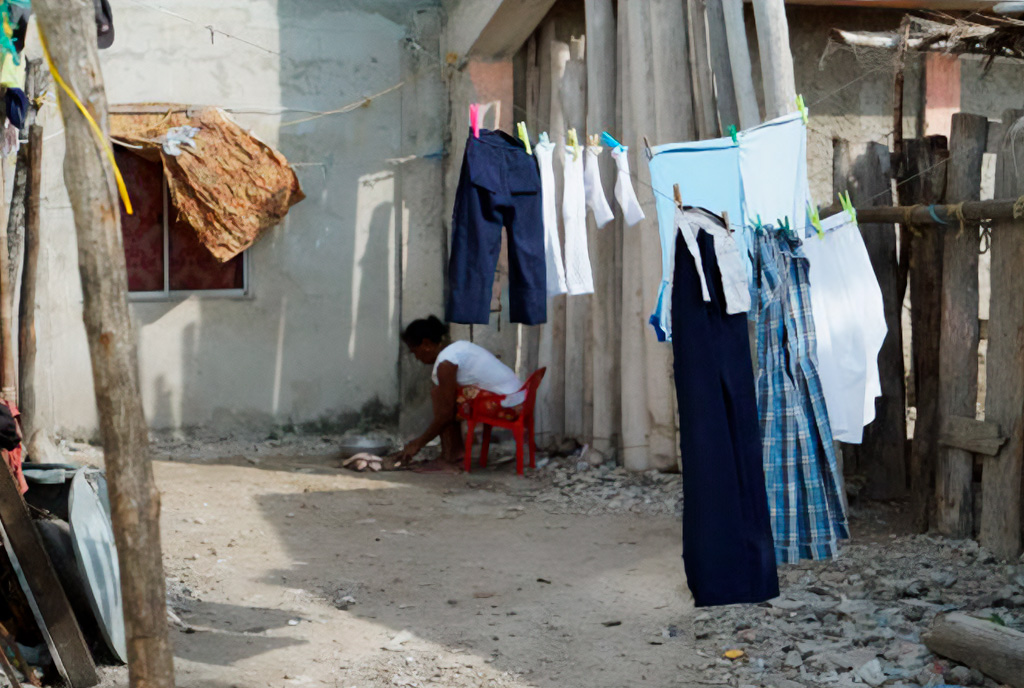
Nal darts in and out of the winding alleyways, ducking under washing lines and pointing out the island's various features, a church here, a school there, while enthusing about the peaceful, laid back way of life.
"There is no crime here," he says, smiling proudly. "We have no police, and we don't need any."
He stops at a small square marked by a large white cross. It is a good spot for a photo, he explains, because this cross is what gave the island its name.

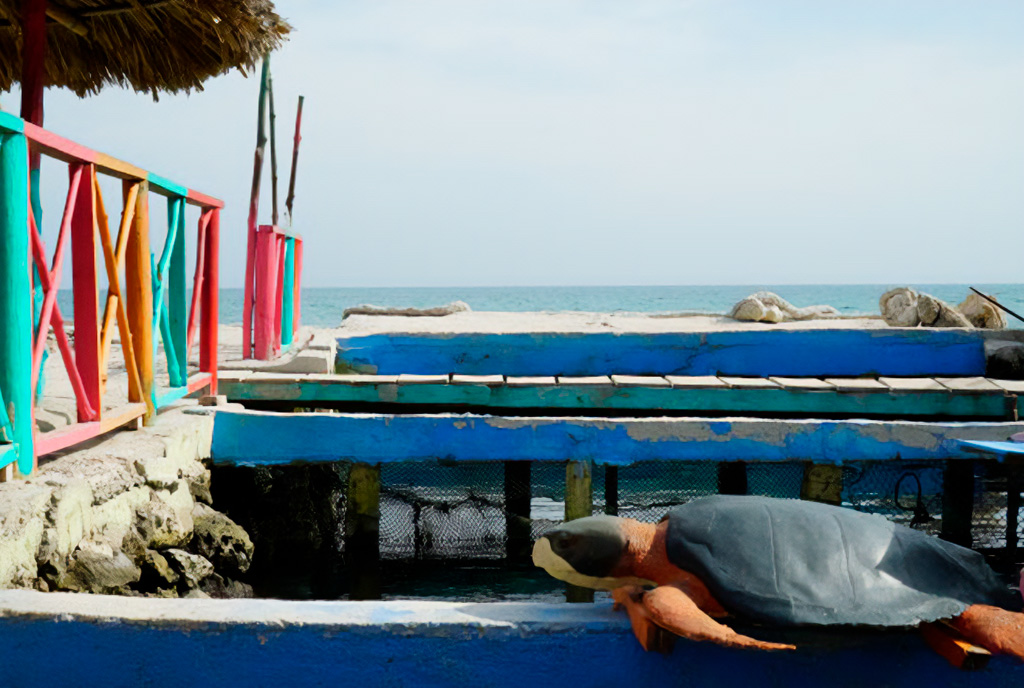
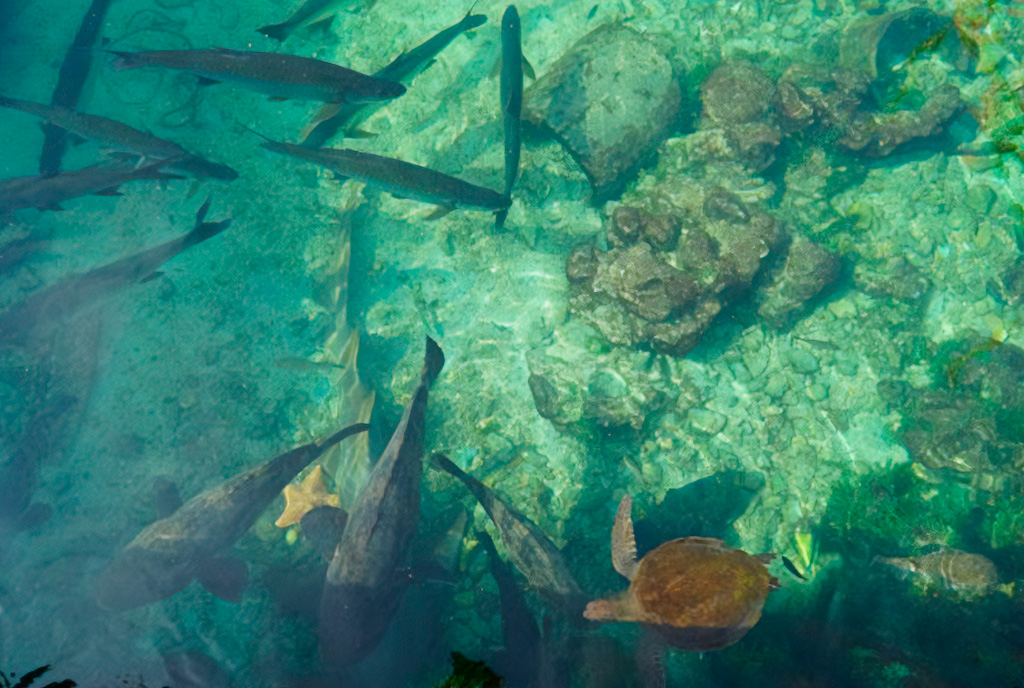
A recent partnership with the Punta Faro hotel has led to a small conservation aquarium on Santa Cruz.
Locals used to treat turtles much like chickens, killing them for their meat. Now they carefully free turtles caught in their fishing nets and look after them until a conservation team from the hotel comes to collect them.
Tourists can pay a small entry fee to visit the aquarium, which is also home to small sharks, rays and fish.
Otherwise, Santa Cruz is packed with houses. Islanders have started building upward, since there is no land left for new homes.
"It is a worry for the future," Nal admits. "We are running out of land, and I don't know what the answer is. We can't keep building up and up."
But the people of Santa Cruz don't want your pity.
"We are happy," says Nal. "Where else in the world is there no need for police, where else can you have an island just for your own little community?
"Every day I wake up to the sound and the sight of the sea. I wouldn't want to live anywhere else."
Visiting Santa Cruz
Visitors are asked to pay 3,000 pesos (1 dollar) on arrival at the island. In recent years, Nal says, more backpackers have been coming and photographing the islanders as though they were visiting a zoo.
"It was very disrespectful," he says. "Now we charge something, and we give them a tour, so that tourists understand we are not just here to be looked at, but so they can learn about our culture."
The money from the tours goes toward conservation efforts and the island's everyday needs, such as buying drinking water, which a boat delivers from the mainland every few weeks.
There are fears the island could fall victim to rising sea levels. Alejandro Alzate, general manager and co-owner of Punta Faro, says Santa Cruz floods regularly and could one day disappear beneath the rising tide.
"The locals don't want to know," he sighs. "They won't listen, because it means that in the end they would have to move. And life on Santa Cruz is something you won't find anywhere else.
"People are proud to live there. It is more than just a community, it is a culture, a way of life. They don't want to be anywhere else."
Life on the island may look precarious, but it is organized chaos, and for the islanders it works just fine.