

Steel pucks, gunpowder and lots and lots of beer. It sounds like a recipe for disaster. But these are actually the essential ingredients of Colombia's national sport: tejo.
The game first appeared among Colombia's Indigenous peoples roughly 500 years ago and was declared the South American country's official sport in 2000 under Law 613.
Beloved for its boozy character, some tejo purists are trying to phase out the beer and get the sport into the Olympic Games.
Partner links: booking through them supports the blog at no extra cost to you.
Sometimes also known as "turmeque," after a town in the department of Boyaca, its exact origins are hard to pin down because of the lack of records.
Tejo, an 'inherited treasure'
"Tejo is unique to Colombia and to Turmeque because it is an inherited treasure from our Indigenous ancestors. It is an achievement that it wasn't wiped out by the colonial conquerors, and it forms a unique link between our past and our present," said Yoani Vela Bernal, the mayor of Turmeque.
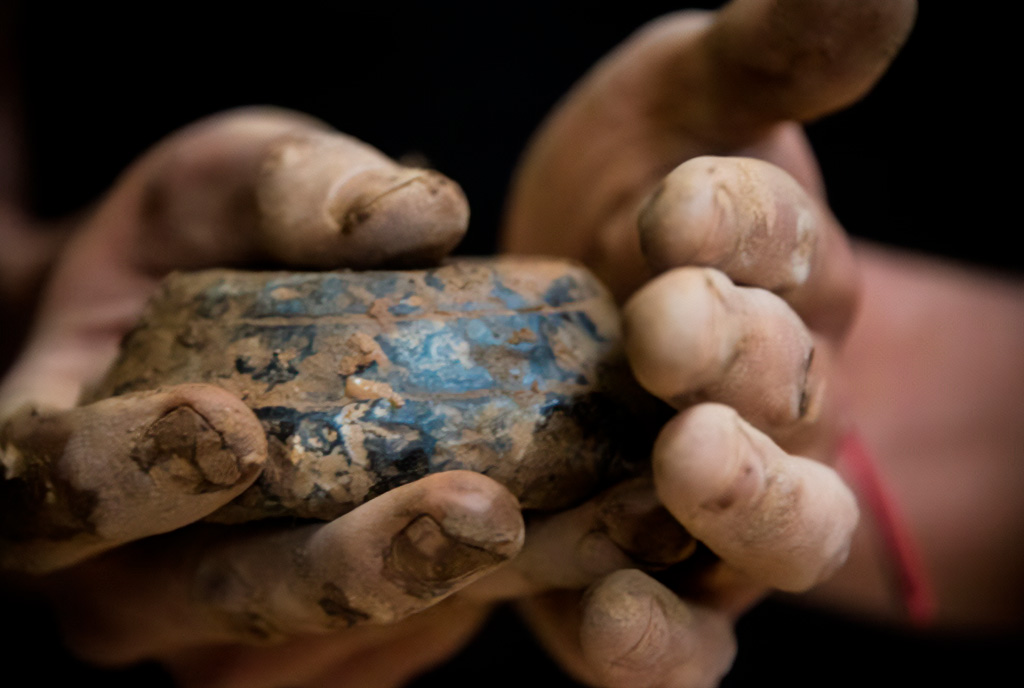
The game originally used stones or small pieces of wood, and the Spanish replaced the stones and wood with lead discs.
Nobody really knows when gunpowder was added to the game, though some believe it happened during the era known as "La Violencia," a decade of bloody conflict between the country's two main political parties that ended in 1958.
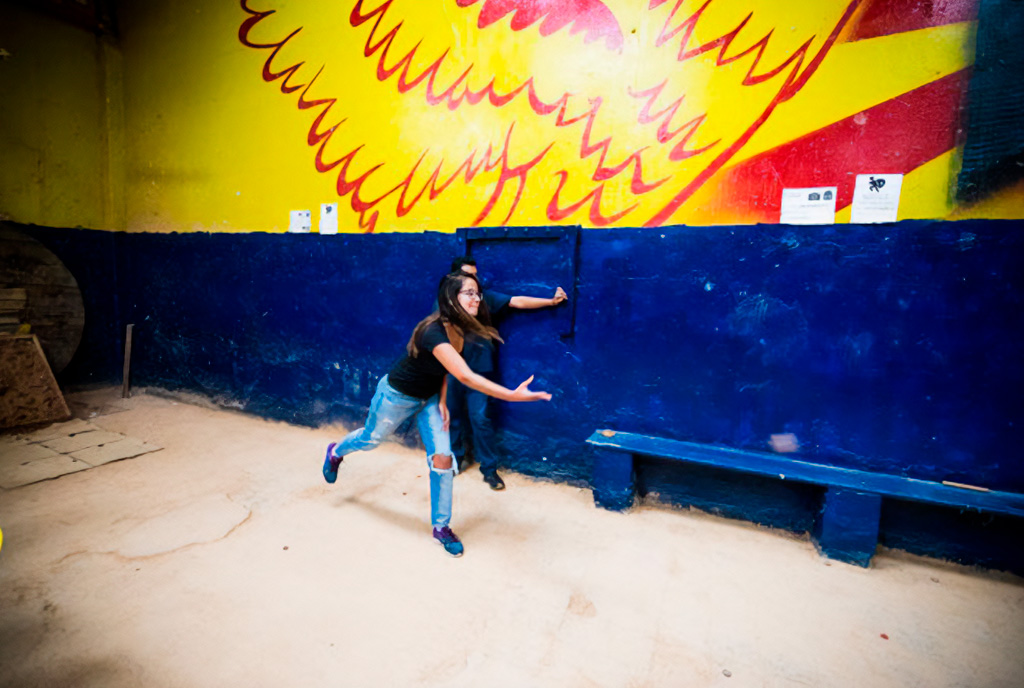
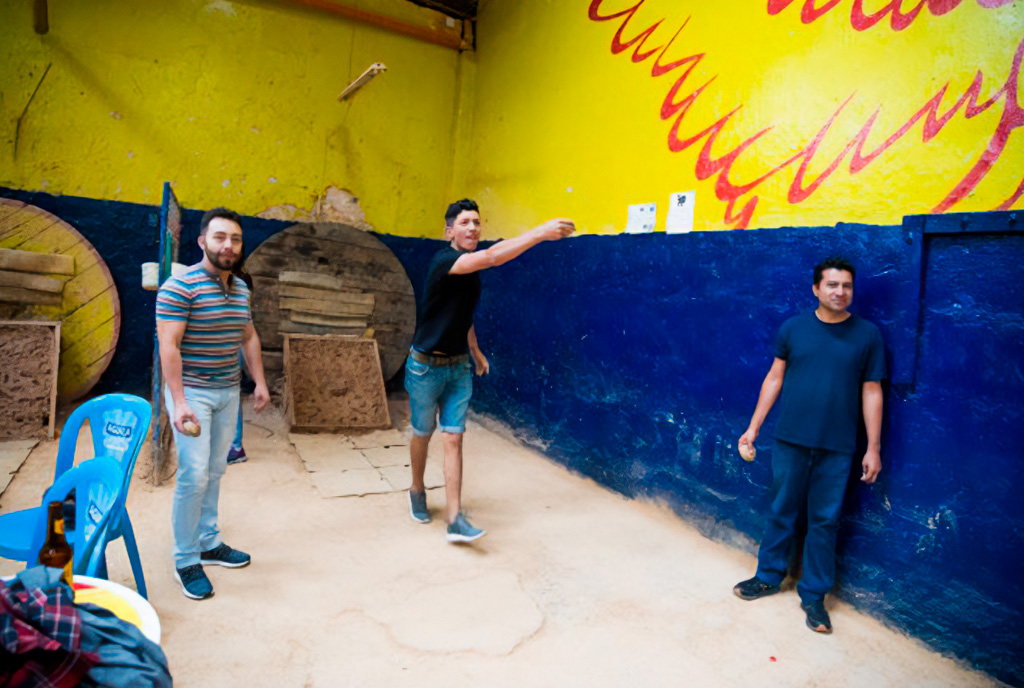
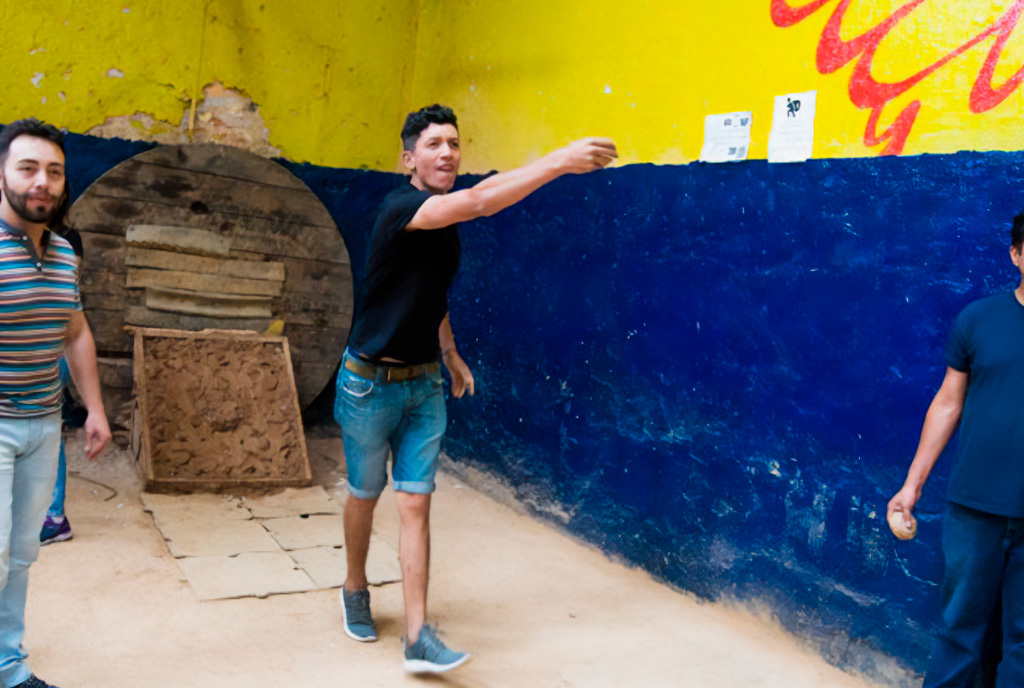
The sport is played either outdoors or in loud, lively bars, with plenty of alcohol flowing. It is even taught in some schools, though without the booze. Players can compete individually or as part of a team, which can have as many as six people.
How to play tejo
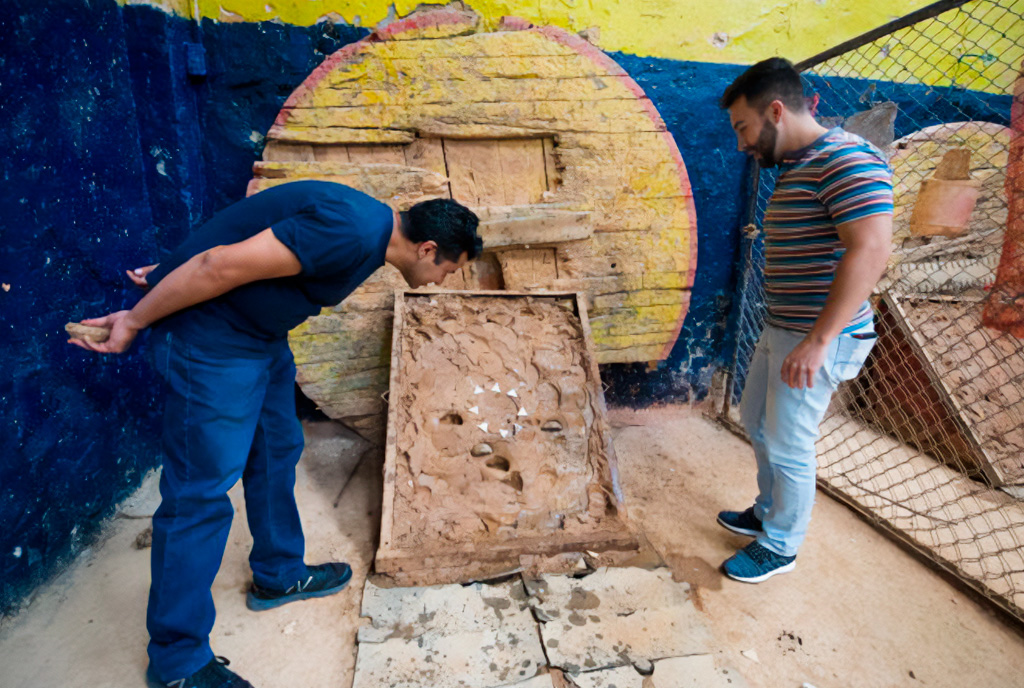
Players take turns hurling a heavy steel disc or puck weighing more than half a kilogram (1.1 pounds) at a board around 18 meters (nearly 20 yards) away.
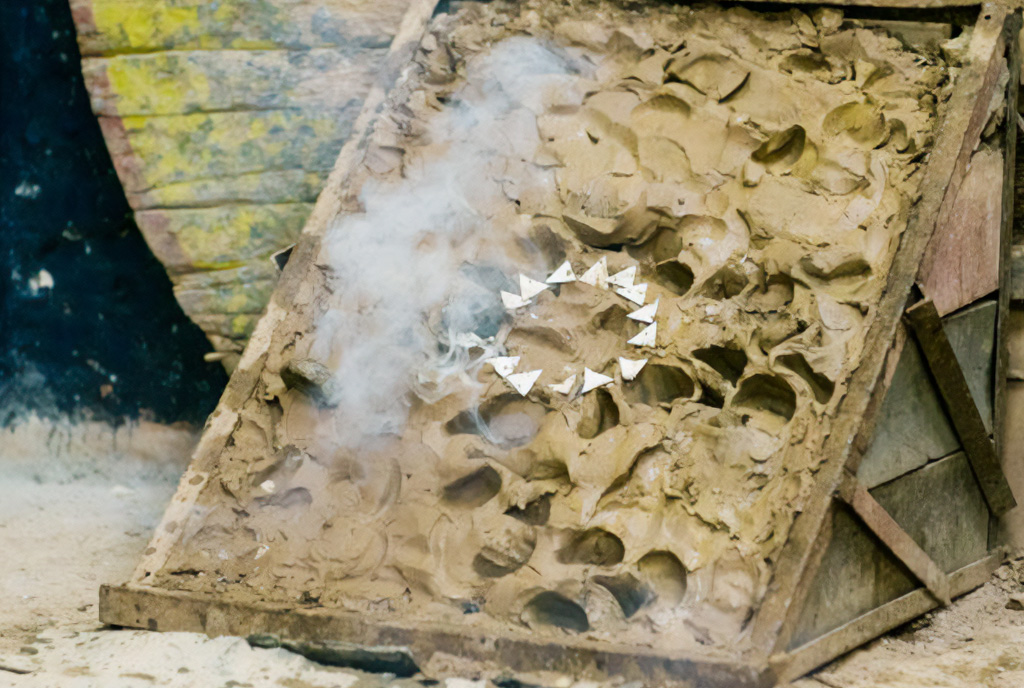
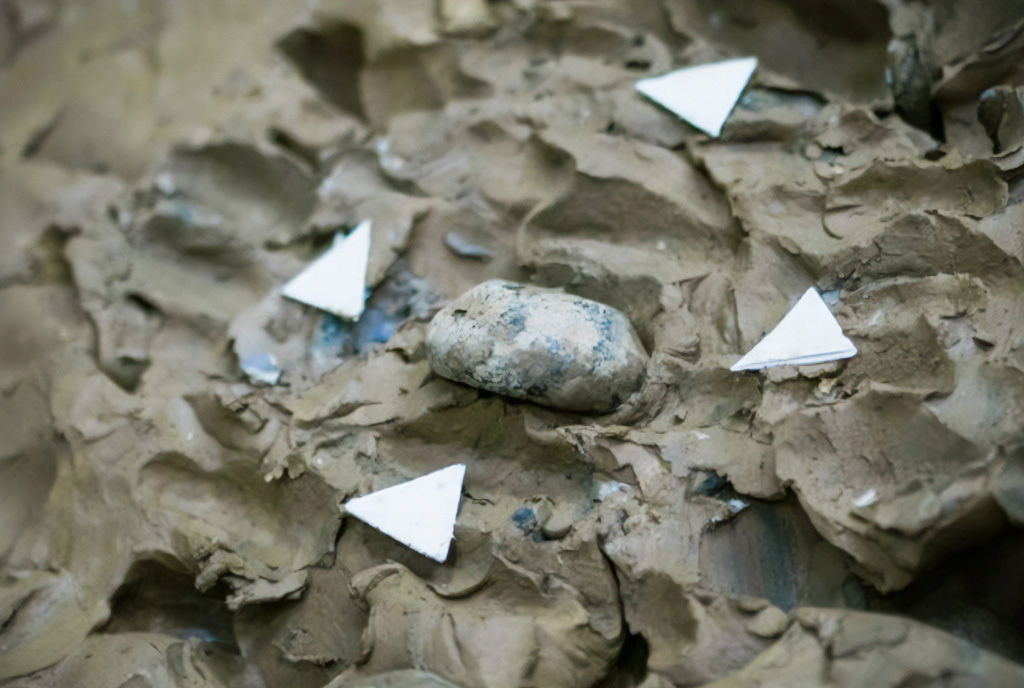
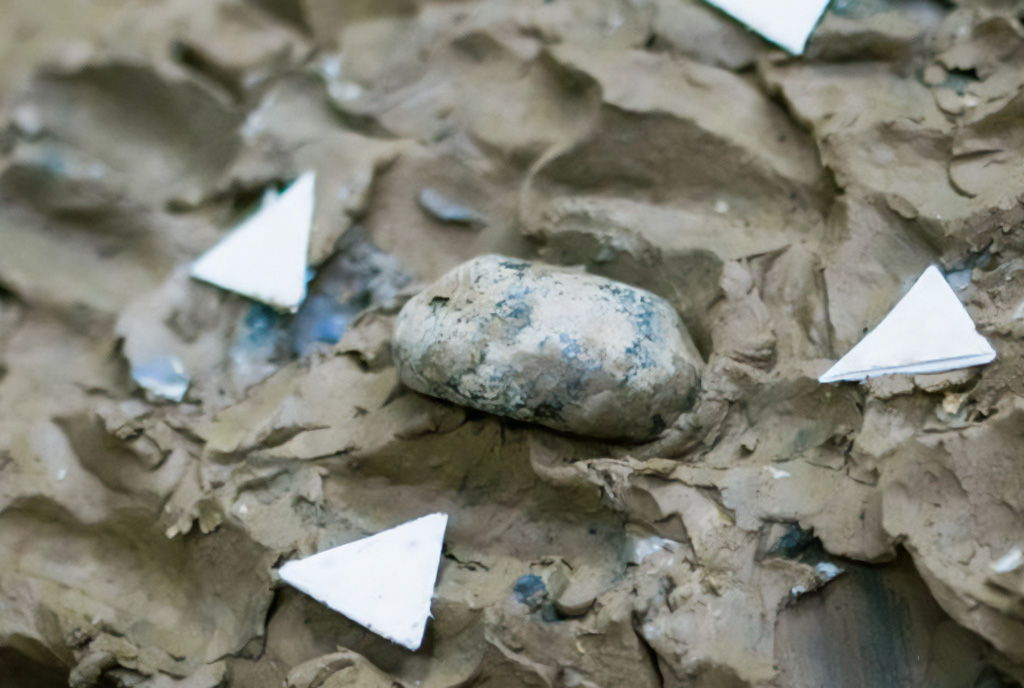
The board, measuring 1 meter by 1 meter, is coated in clay and set at a 45-degree angle. A metal ring, the bocin, sits on the board. The goal is to land the puck, the tejo, in the center of the ring, which earns you six points.
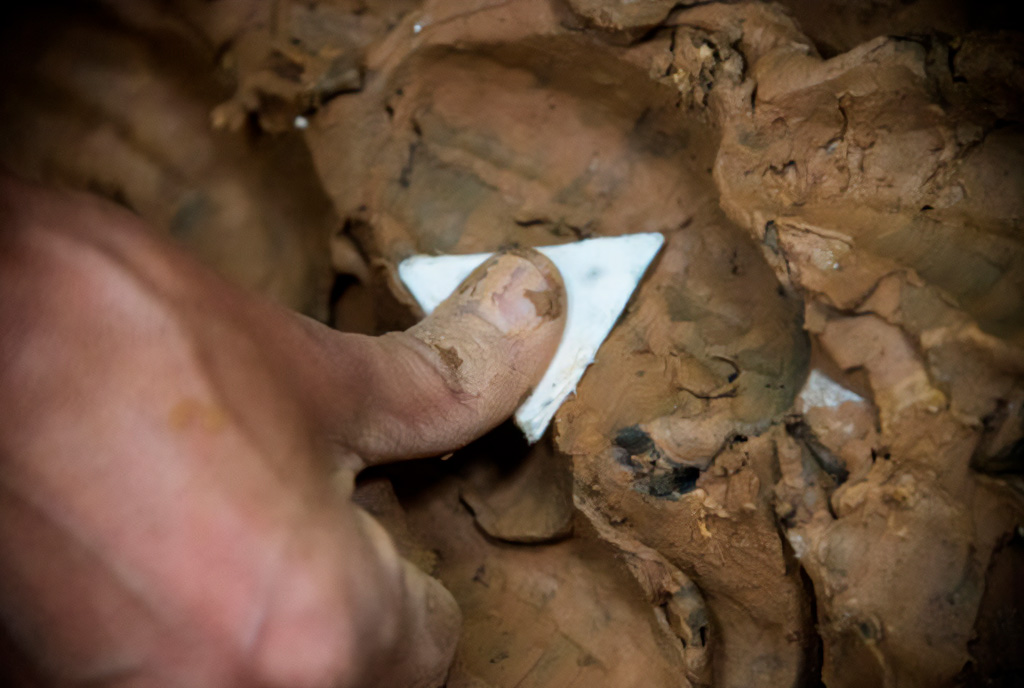
Arranged around the ring are triangular paper packets, the mechas, filled with gunpowder. Hitting one of them scores you three points and a roar from your teammates. There's no mistaking a hit on target: a bang goes off thanks to the explosive gunpowder.
Hitting a mecha and landing in the bull's-eye, or moñona, in the bocin earns you the maximum of nine points.
Players can expect to get dirty, either from splashes of clay from nearby fields or from having to dig their tejo out of clay that's a little too sticky. And don't get too close to the targets. Although accidents are rare, it's still a dangerous game, according to the Tejo Federation.
Growing international interest
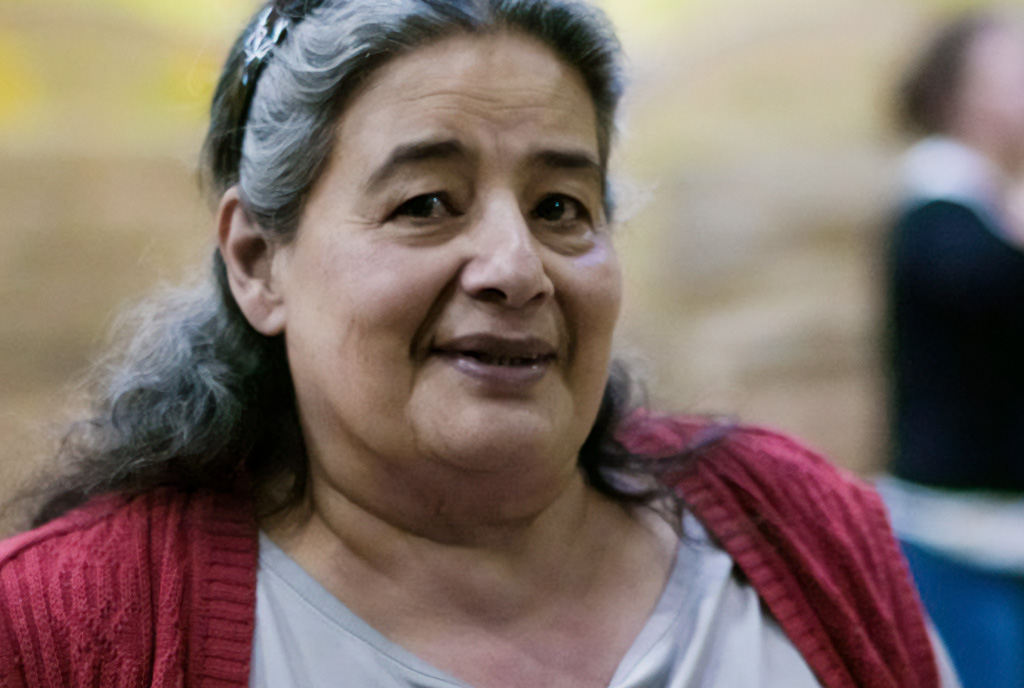
Yadira Ramirez owns the Los Bucaros tejo hall in the Santa Fe district of Bogota, Colombia's capital.
The hall, which runs from 10 a.m. to 10:30 p.m. and has just reopened after a lengthy closure during the pandemic, is especially busy on Fridays, and it has seen a surge of tourists in recent years.
While the business took a hit from a drop in foreign visitors because of the pandemic, Ramirez says locals were desperate to return to their national sport.
"Every day we have three to five groups of foreigners, up to 20 people in each group," Ramirez said in 2018, before the pandemic. "But Fridays are our busiest. Many of the tourists don't play, they rent the court mostly to drink beer.
"A lot of tour operators in Bogota use my hall as the last stop on the itinerary, after the graffiti tours, fruit tastings and tours of La Candelaria (the old town)."
Tejo can be a casual after-work pastime or a serious competition in the torneos relampago, or lightning tournaments. Players can win trophies and cash, and finalists are given household goods.
The vast majority of Colombians have played tejo at least once in their lives, and the sport is slowly gaining popularity in Venezuela, Ecuador and Panama. Some teams even travel from the United States to face off against their Colombian rivals.
Autumn is the height of the tejo season, with the national tejo championship held in Turmeque in October. The pandemic forced the cancellation of the 2020 tournament, and it's still unclear whether it will go ahead this year.
"It's the biggest professional event," Bernal explains. "But it's also a display of cultural richness, a way to show outsiders our traditions."
Toning down the drinking
Although tejo is known for being played under the influence, and many teams are sponsored by Colombian breweries, some purists are trying to steer the sport's image away from its boozy reputation.
Bernal says these enthusiasts hope one day to make tejo an Olympic sport, because it has "the high level of competitiveness needed for it."
Traditionally seen as a working-class men's sport, often with urinals lined up around the edges of open-air tejo fields, the game is opening up to women and to the Colombian elite, with more and more women's leagues appearing across Colombia and tejo halls popping up in middle-class neighborhoods of Bogota.
The top level of tejo in Colombia is the National Tejo Federation, and there is now a separate federation responsible for bringing tejo, albeit in a miniature, non-explosive version, into schools, along with a drive to get older people involved.
This article was first published in November 2018 and was updated and republished in September 2021.