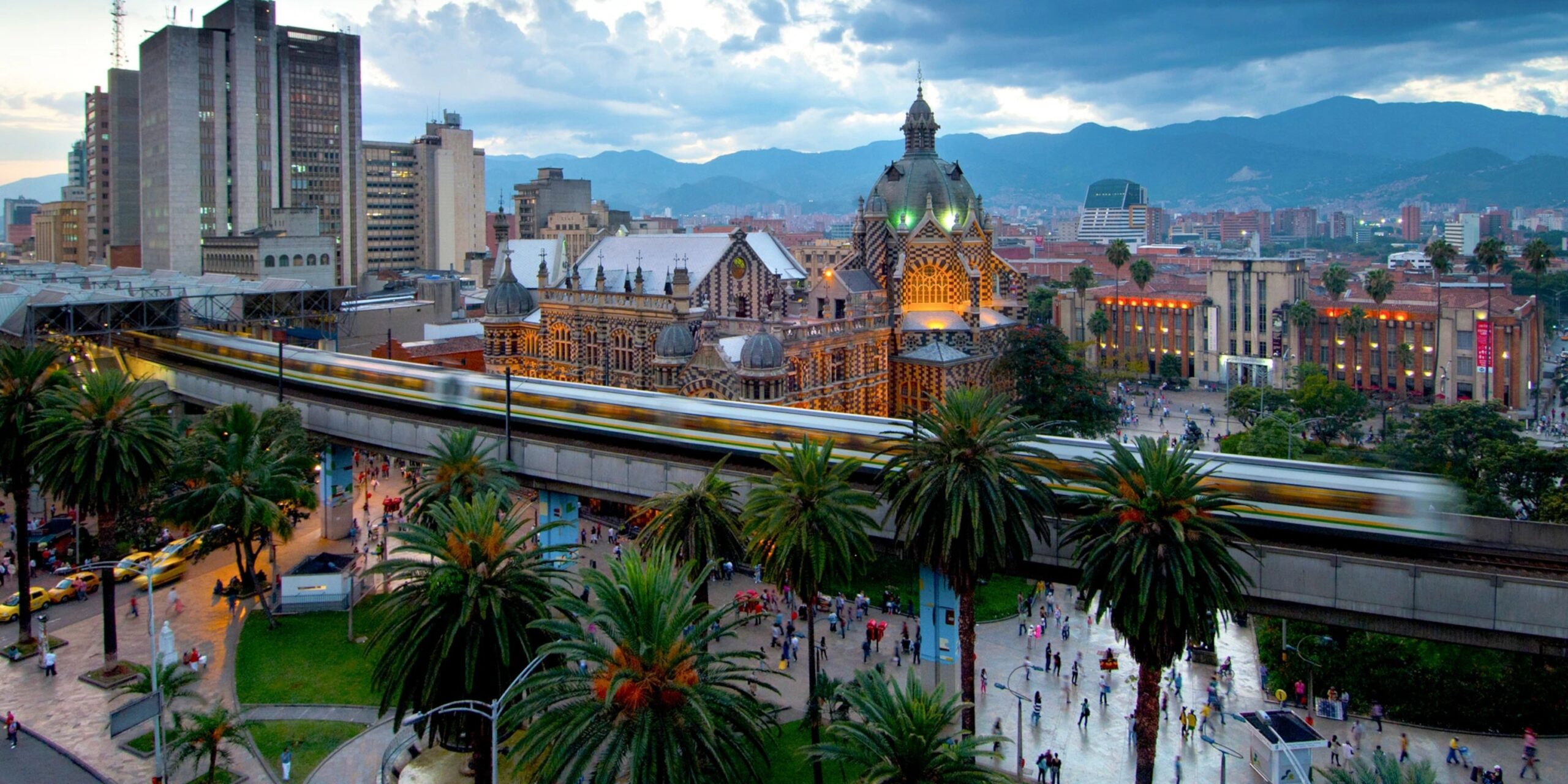


Medellin, once dubbed the "most dangerous city in the world," has worked hard to shed that reputation tied to drugs, gang wars and gun violence.
The "city of eternal spring," as Colombians affectionately call it thanks to its mild climate, has become a hot spot for travelers who come to sample refined dishes, trendy bars and, of course, world-class coffee.
The capital of Antioquia gives visitors a chance to get to know Colombia's loud, chaotic culture against a backdrop of soaring mountains and leafy coffee plantations.
Partner links: booking through them supports the blog at no extra cost to you.
The flight alone into Colombia's second largest city, home to 3 million people, is reason enough to visit. Nestled in a valley, the city clings to the mountain slopes, and the descent through low clouds hugging the coffee plantations is a breathtaking sight.
The pandemic hit Colombia hard, and the country's major cities, such as Medellin and Bogota, were especially affected by the coronavirus.
Still, Medellin has plenty of beautiful open spaces and no shortage of ways to get out of the city and into the fresh air.
Read on for the best things to do, where to eat and where to stay:
Getting Acquainted
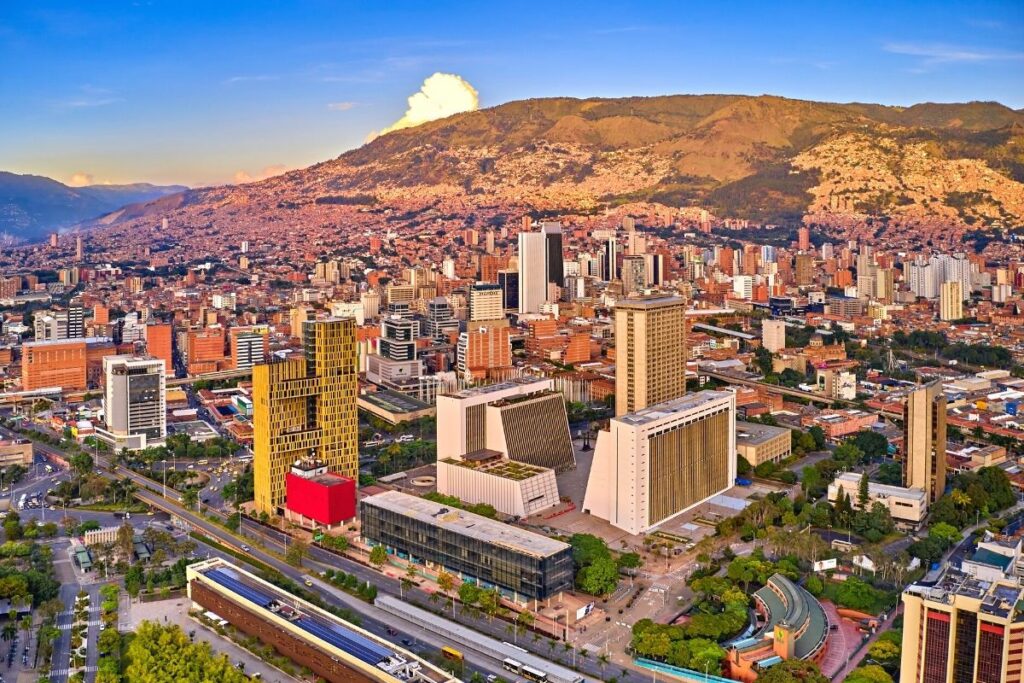
While Pablo Escobar may be the city's most infamous export, Colombian sculptor Fernando Botero, who created his signature large, exaggerated "boterismo" style and first rose to fame in the 1950s, is without a doubt the most revered figure in town.
His voluminous, sensual works of art are scattered all over the city, and Botero Plaza is a large, lively square dedicated to the artist's work. And if that isn't enough for you, the nearby Museo de Antioquia holds a vast collection of Botero paintings.
It's impossible to visit Medellin without encountering a mention of Escobar, the billionaire drug lord of the 1980s known as the "king of cocaine," and it would be foolish to ignore his impact on the city.
Although Escobar-themed tours exist, locals eager to move past the city's violent past tend to frown upon them. They're interesting, but other tours also touch on the subject of Escobar while offering extra cultural, social and historical insight into the city.
One such tour you can join for free. Real City Tours offers a free walking tour of the city center that "includes the topic of drugs, but we go far beyond the days of Pablo Escobar, exploring Medellin from its founding to the present day," the website says. "While we may mention him, this definitely can't be considered a tour dedicated to Pablo Escobar."
The company also offers three paid tours: a culinary tour, an exotic fruit tour and a "barrio transformation" tour.
Marveling at the Infrastructure
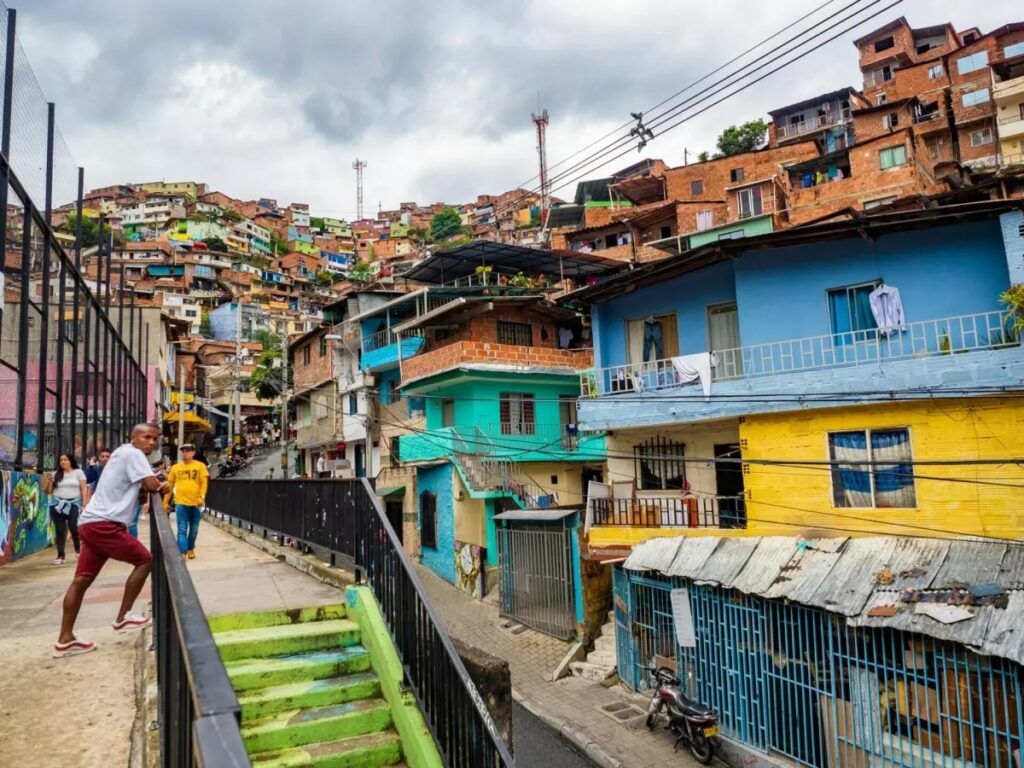
Around the world, Medellin is hailed as a beacon of using infrastructure to transform troubled, crime-ridden neighborhoods into thriving communities that draw tourists.
Comuna 13 is just one example of Medellin's impressive infrastructure.
Take a taxi to Cr 109 #36-63 and follow the crowd to the first "electric escalator," one of many escalators built at almost gravity-defying angles up the hillside to improve social mobility in the barrio, sparing residents an exhausting climb up the mountainside to reach the city center for work.
The way up is long, but the steep alleyways are lined with food and drink stalls, and the view of the Medellin valley from the top will make you want to linger for a few hours.
While the escalators grabbed international headlines for their innovation and social impact on the impoverished neighborhood, it's the metro system that makes the "Paisas," as locals colloquially call the area's residents, wax lyrical.
Built in 1995 during the hardest years of the country's 50-year conflict, it became a symbol of hope, resilience and pride for the city's residents.
Despite being more than a quarter of a century old, the metro is spotlessly clean and free of graffiti.
If you'd like to ride with a bit more gravity working against you, the city's cable cars can carry you up to the northeastern district of Santo Domingo, home to the award-winning modernist Parque Biblioteca España. It's another wonderful spot to take photos, admire the murals and try the city's best street food.
Switching to the metrocable's L line from Santo Domingo, you can travel even farther out of the city to Parque Arvi (open Tuesday through Sunday, 9 a.m. to 6 p.m.), where lush forests and waterfalls sit less than 20 miles from the city center. From the cable car station, you can reach the entrance to Piedras Blancas by horse or bus and stroll the trails around the lake.
What to Eat
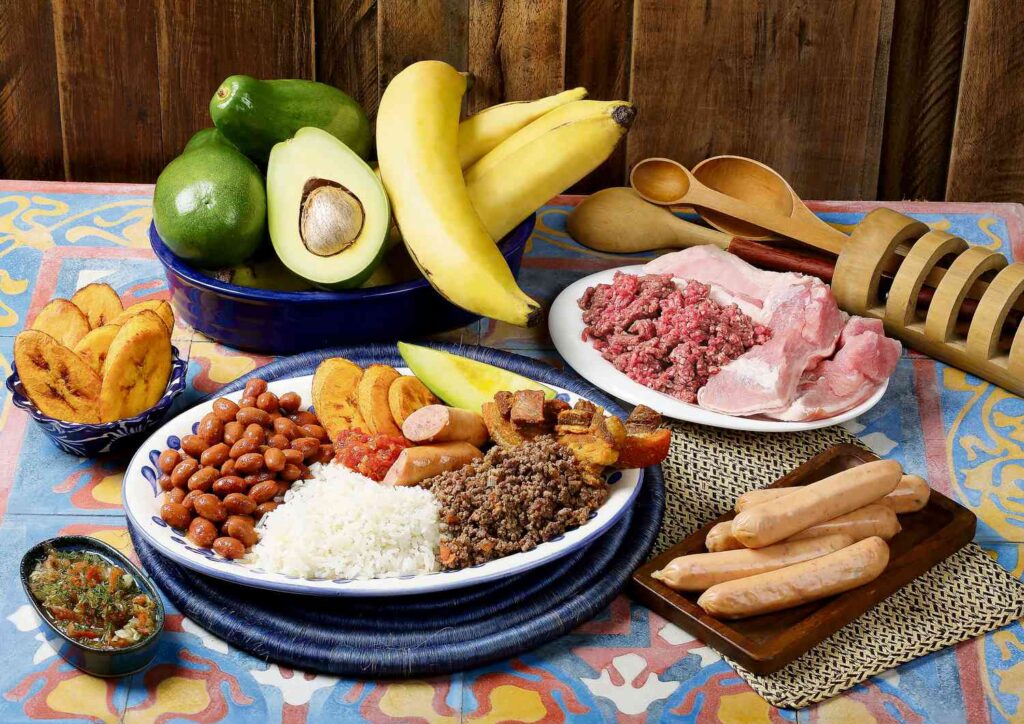
The El Poblado neighborhood is the main place most tourists head for. Parque Lleras is a leafy square dotted with clubs that can get pretty rowdy at night, but by day there are a few great cafes that wouldn't look out of place in Brooklyn.
The best coffee beans are no longer exported, and independent roasters serve premium coffee brewed every which way, from French press to siphon.
To truly understand Colombian coffee, you need to head out of the city to the world-famous Eje Cafetero, or Coffee Triangle.
Day trips or overnight trips to Concordia and Jardin, two of the country's most beautiful areas, are offered by LandVenture Travel.
Groups are small, sometimes just two people, and you're taken deep into the coffee axis while an expert local guide provides commentary as you make your way through valleys and rivers, past villages and up to mountaintops.
One of the highlights is picking your own coffee among the clouds at Don Modesto's plantation and learning how to brew the perfect cup.
Back in Medellin, El Poblado has long established itself as a foodie destination. In recent years, Michelin-starred chefs have flocked to this upscale neighborhood, opening a host of fine dining restaurants and contemporary spots aimed at a fashionable crowd.
At Carmen, a Colombian-Californian fusion restaurant run by a couple who trained at Le Cordon Bleu, you'll need to book a table in advance. They serve fresh fish from the Pacific coast, and you dine in a handsome room overlooking the open kitchen.
The elegant, urban OCI.Mde is a local favorite that specializes in slow cooking, with a glazed pork shank as its signature dish.