
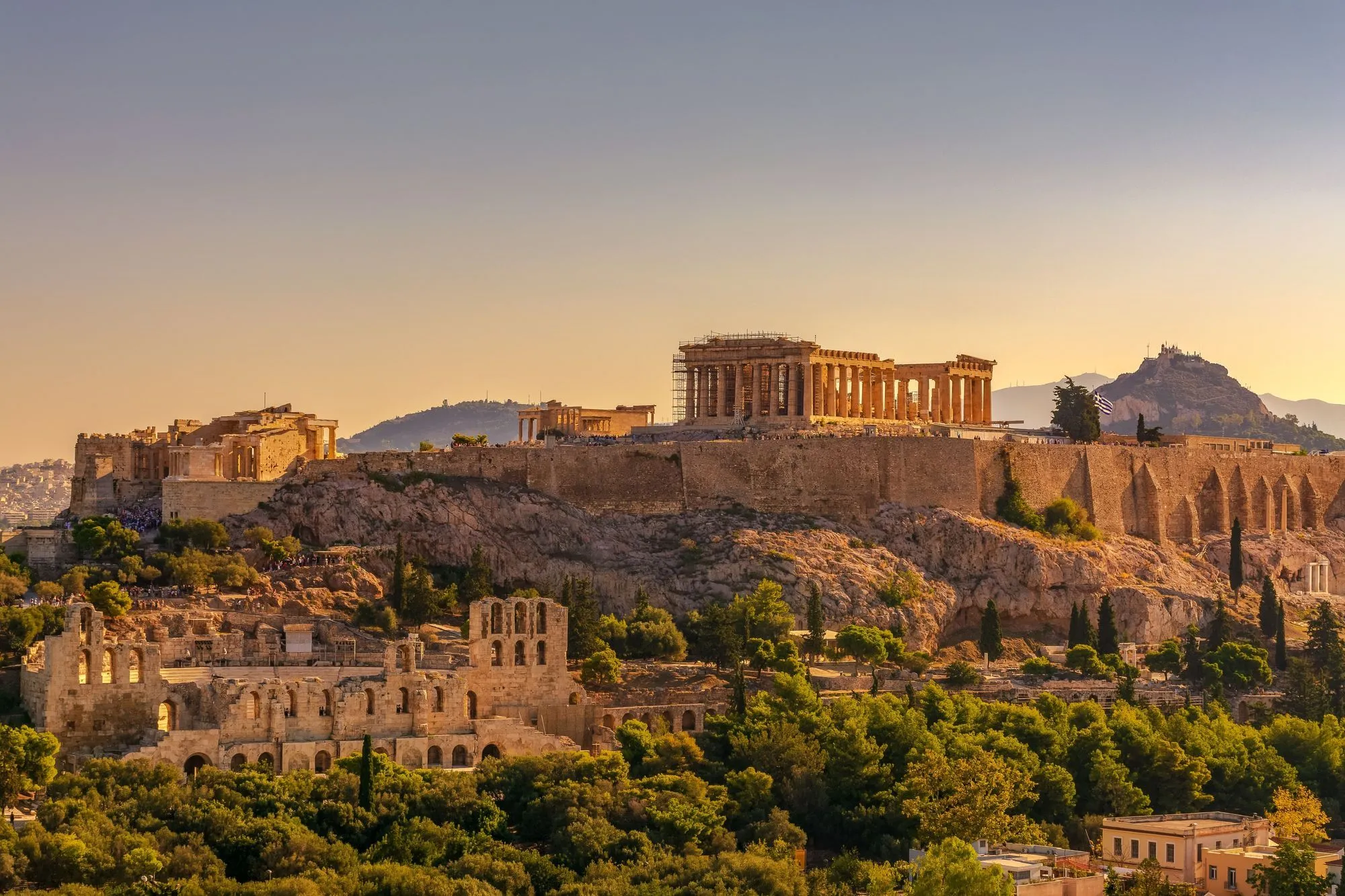
Greece is spending its national holiday under a coronavirus lockdown that Greeks are following with surprising patience.
Even the usually popular daily services marking Lent, the run-up to Easter, have been cancelled, while weddings and christenings have been put on hold.
But anyone who knows this country well is hardly surprised by how readily it has adjusted to the restrictions, because we Greeks are among the most health-obsessed people on the planet. Even though it was an English scholar who coined the word "hypochondria," it is no accident that he reached for Greek to do it.
Partner links: booking through them supports the blog at no extra cost to you.
To lighten these gloomy times and celebrate the country's special day, here are a few other things Greece does better.
Wishing you all the best

Greeks have a saying for every occasion in life, so many that foreigners often get lost in the maze of etiquette.
Where English mostly makes do with "congratulations," we draw distinctions between newlyweds ("may you live long," or "na zisete"), people who have just started a new job ("good progress," or "kali proodo") and those who have recently fallen pregnant ("a safe delivery," or "kali lefteria").
We wish people well at Christmas, New Year, Epiphany, Lent, Easter, the start of a week, a month, a weekend, winter, summer, on birthdays and, of course, on name days. Calendars remind us when to call Stavros, Vasso or Stelios to pass on our good wishes.
We have a wish for a new home ("kaloriziko," or "with good roots"), for sitting exams ("kali epitychia," or "good success"), for the best man at a wedding ("axios," or "worthy") and for every bachelor in sight ("kai sta dika sou," or "and to your [wedding] too"). To cap it all, we even wish the dear departed well at their funeral ("kalo paradeiso," or "a good heaven").
So, non-Greeks: to play it safe, just repeat whatever the person before you has said.
Sailing
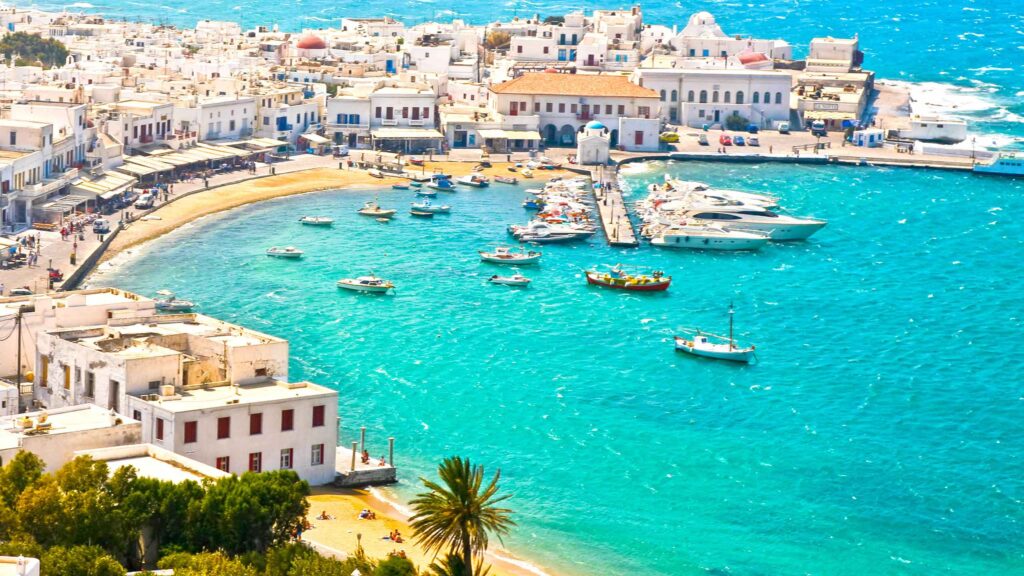
Even though Greece owes part of its fame to a sailor who lost his bearings for 10 years, Homer and his legendary Odysseus, it is the largest shipowning nation in the world, with assets worth more than 100 billion dollars.
Meanwhile, Piraeus, just outside Athens, is the busiest passenger port in the Mediterranean, with an average of 7.1 million travellers a year.
The Aegean and Ionian Seas hold no fewer than 227 inhabited islands, so it is no wonder we took to sailing, or that island-hopping is one of Greece's greatest pleasures.
In normal times, a sailing holiday is a wonderful way to explore Greece's archipelagos, especially if you are tired of staying put and would rather swim in secluded coves than lie on beaches packed with sun loungers.
And if you want to dive in and learn to handle a yacht, there are plenty of courses to choose from, with lessons set in some of the most beautiful places in the world.
Shouting
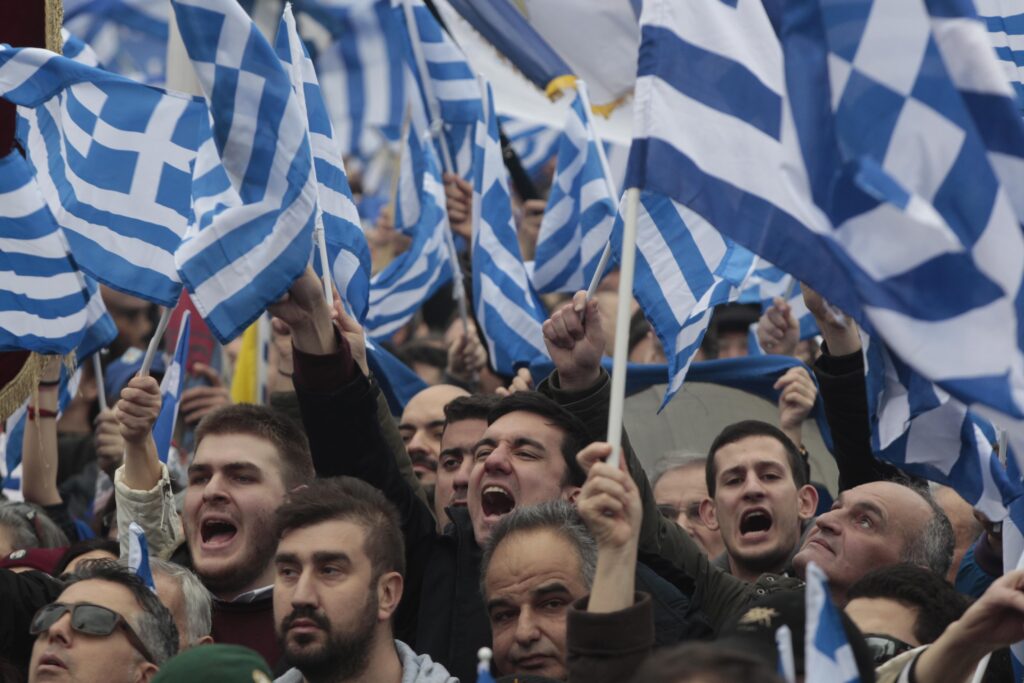
Perhaps the first thing you will notice after arriving in Greece is the raised tone of voice that everyone here adopts.
In some countries people gesture to get attention. In others they rearrange their words for emphasis ("Is that how you talk to your own mother?").
In Greece, we shout.
Non-Greek speakers could be forgiven for assuming that two passers-by are on the verge of a fight, when in reality they are most likely just complaining about the buses.
They are simply agreeing at full volume.
Some suggest the country's seafaring past is to blame, when sailors had to shout to be heard over the waves. Others point to the mountainous terrain, where shepherds had to call to one another across ravines.
Modern thinkers blame machismo and toxic masculinity, without explaining why women more than match men in sheer decibels.
My own theory is that shouting is the release valve of a people who were conquered and subdued, and forced in frustration to bow again and again before foreign rulers.
Drinking iced coffee
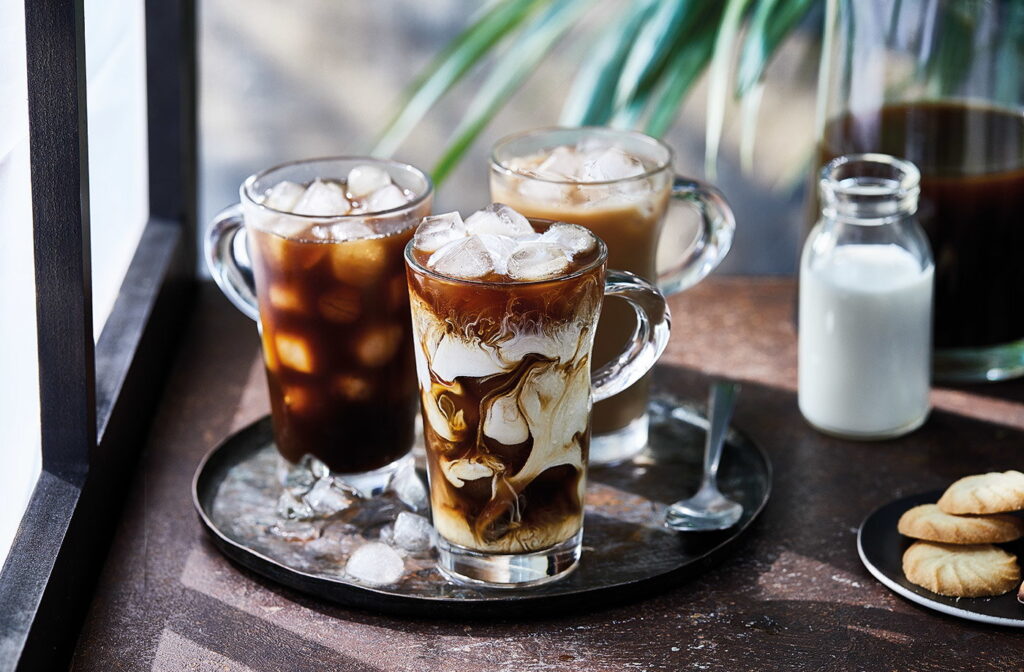
Forget moussaka, yogurt or tzatziki: our greatest contribution to world cuisine is the frappe, an iced coffee served over ice cubes, the perfect companion to a long stretch in a deck chair.
No special equipment is needed, because it is a triumph of simplicity over technology.
A spoonful of instant coffee in a tall glass is mixed with just enough water to make a paste, then topped up with cold water and shaken like a cocktail, and voila.
Legend has it that it was invented by a nameless barista in the early 1960s during a trade fair in Thessaloniki, when a power cut made it impossible to brew coffee.
Glory to that unsung genius, a perfect example of the resourceful improvisation so typical of his compatriots.
Never letting go of the past
As schoolchildren, we study our very long history over three years: first classical history, which wraps up quickly once the Romans arrive on the scene; then Byzantium; and finally modern Greece (with half the curriculum devoted to the War of Independence of 1821 to 1829).
Then, just in case we were not paying attention the first time round, we study the whole thing all over again for another three years.
As a result, we understand perfectly well that our past was far more glorious than our present, which is why we will never stop reminding you that while our ancestors were inventing democracy and calculating pi, the rest of Europe was still worshipping trees.
Always, always agree: yes, of course, the "West" owes everything to the Greeks, even if sticking to the teachings of Aristotle held back scientific thought for centuries, and yes, of course, the Greeks were the first to come up with the atom, the computer and the steam engine (all of it true).
But if we start claiming to have discovered Canada and interplanetary travel, you had best change the subject.
Smoking more
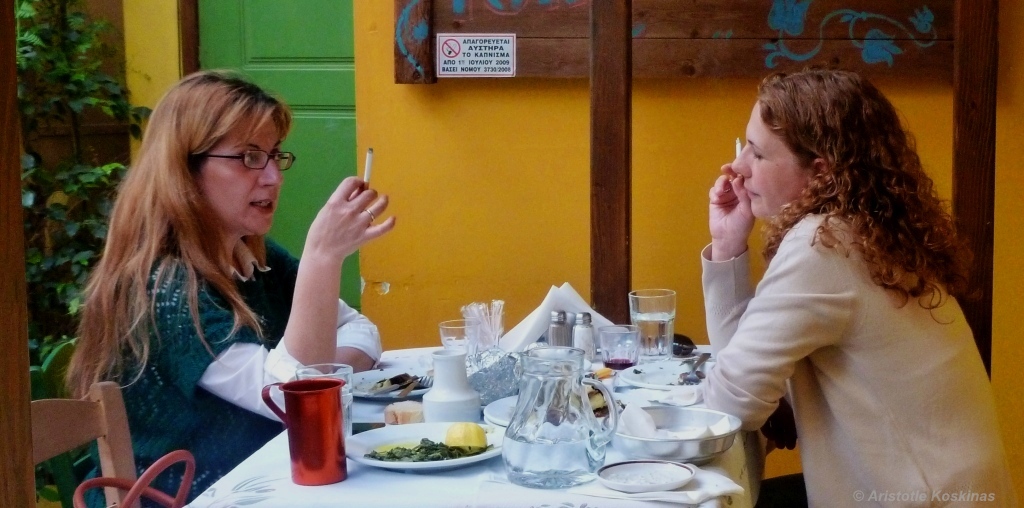
Our obsessive concern for our health is undone only by a blind spot when it comes to smoking, with 37% smoking cigarettes, the highest rate in the European Union.
Although a law banning smoking indoors has been on the books since 2010, it only began to be enforced in 2019, after delays caused by the country's recent financial crisis.
Even so, because everyone eats outdoors, the rules were never really applied.
Militant anti-smokers will appreciate the island of Astypalaia. The local council, perhaps a touch optimistically, has declared it smoke-free.
Celebrating Easter
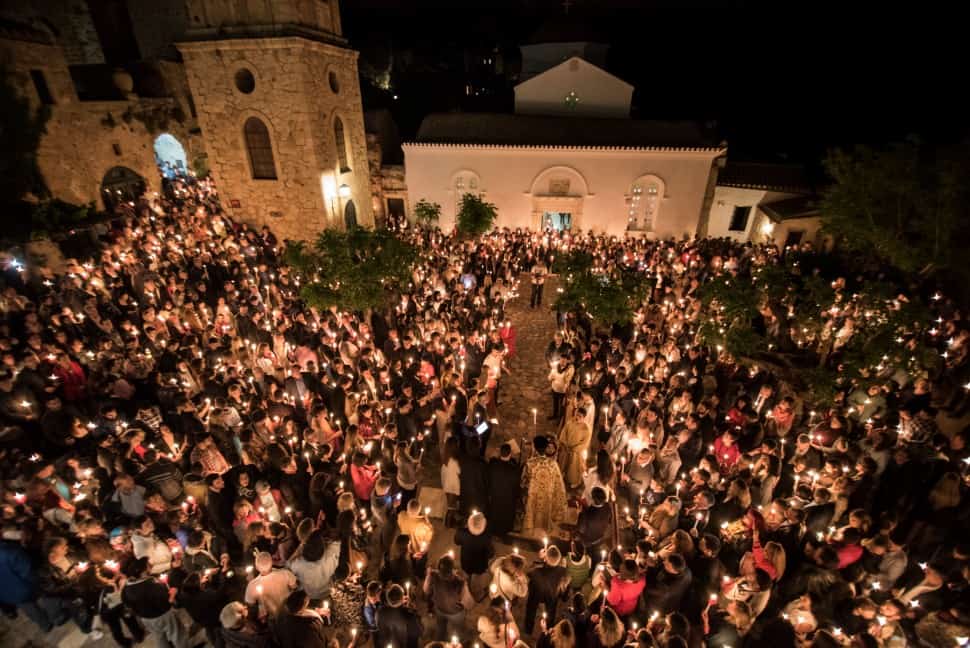
Most of our Christmas folklore is imported (the tree, the presents, the turkey), so it is at Easter that we look for our wealth of customs and traditions.
Each day carries its own meaning, with special fasting dishes and a lengthy Orthodox service that has remained unchanged for centuries.
In ordinary years, when the coronavirus is not swallowing us whole, the climax comes on Good Friday, when every church carries the garland-draped bier of Christ in procession through the parish streets, and we follow silently behind.
On Saturday we all gather outside the church at midnight and wait for the bells, the fireworks and the familiar melody of "Christ is Risen." And it goes on for the next 40 days, in case anyone missed the good news.
At home a traditional offal soup ("mageiritsa") awaits us, far tastier than it sounds, and on Easter Sunday the smell of roasting lamb drifts from makeshift garden spits across the whole country.
Other countries have Christmas markets, New Year fireworks or carnival festivities, but no one does Easter the way we Greeks do.
Making you feel like a welcome guest
Zeus, king of all the gods, was the patron of hospitality (filoxenia), and the remnants of that innate concern for a guest's wellbeing are still alive in the many family-run hotels scattered across Greece.
One of the secrets behind the explosive success of the tourism industry surely lies in the warm welcome guests find in every corner of our country.
First-time visitors to Greece are amazed to discover that the homemade dessert (kerasma) at the end of a meal in a restaurant is free, or that the digestif, usually mastiha liqueur, that comes with the bill is on the house.
They also find that long, heart-to-heart chats with a hotel's matriarch are conversations rooted in genuine human care, not idle gossip: the receptionist, the cleaner, the waiter, the cook really do want to get to know you better.
Let us hope the country will soon be open for business again.
Studying abroad
According to the Hellenic Quality Assurance Agency for Higher Education, more than 38,000 Greeks were studying at universities abroad in 2017. In terms of the number of students overseas relative to our population, we rank seventh in the world.
And our students do well: whether at Cambridge, Stanford or MIT, they often turn out to be top of the class.
Greek families have always striven for a better future for their children, and it seems our sons and daughters feel duty-bound to succeed in return.
What is more, a degree from a good foreign university has become a way to land a job in these recent hard economic times, given that the share of our unemployed graduates reached 20% in 2018.
Eating well
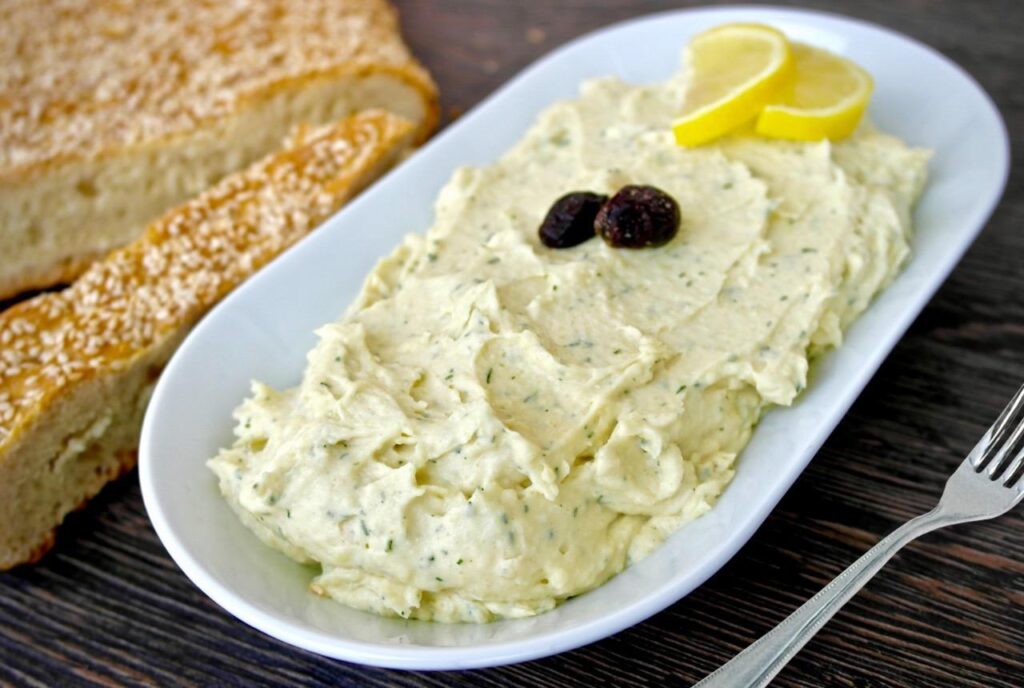
Taramasalata (Ταραμοσαλάτα): pictured alongside other Greek meze, taramasalata is a greyish yellow, though it is usually tinted pink.
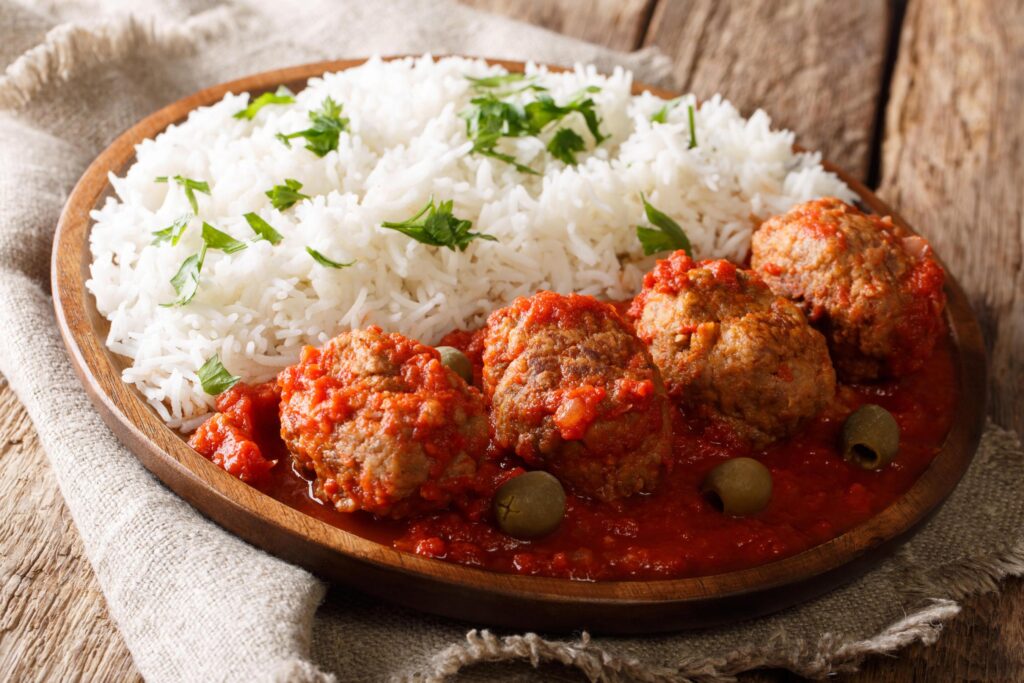
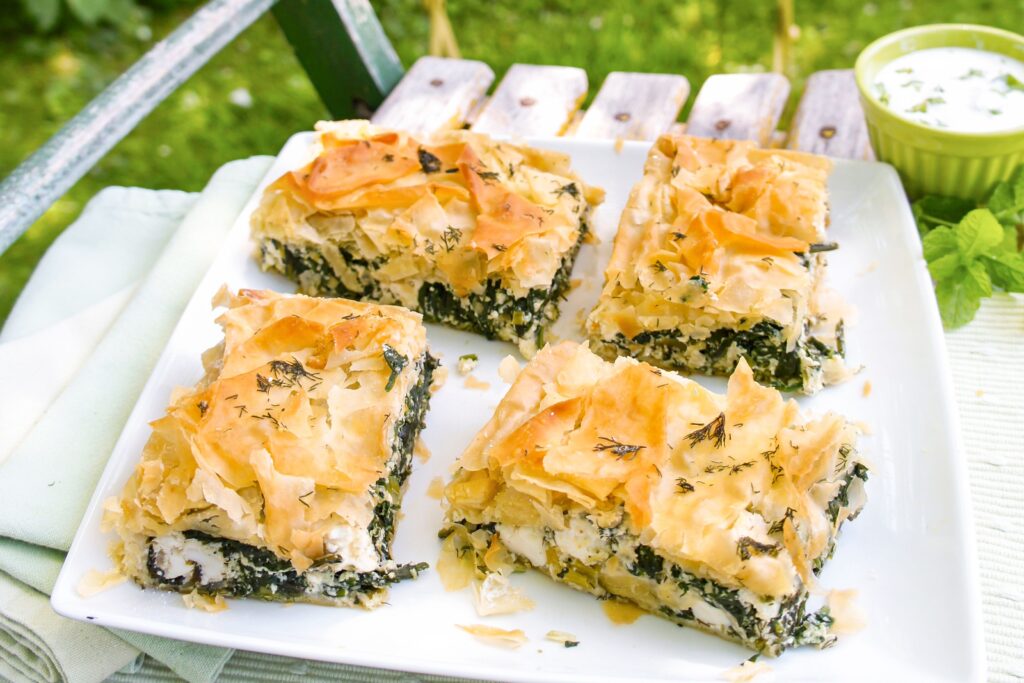
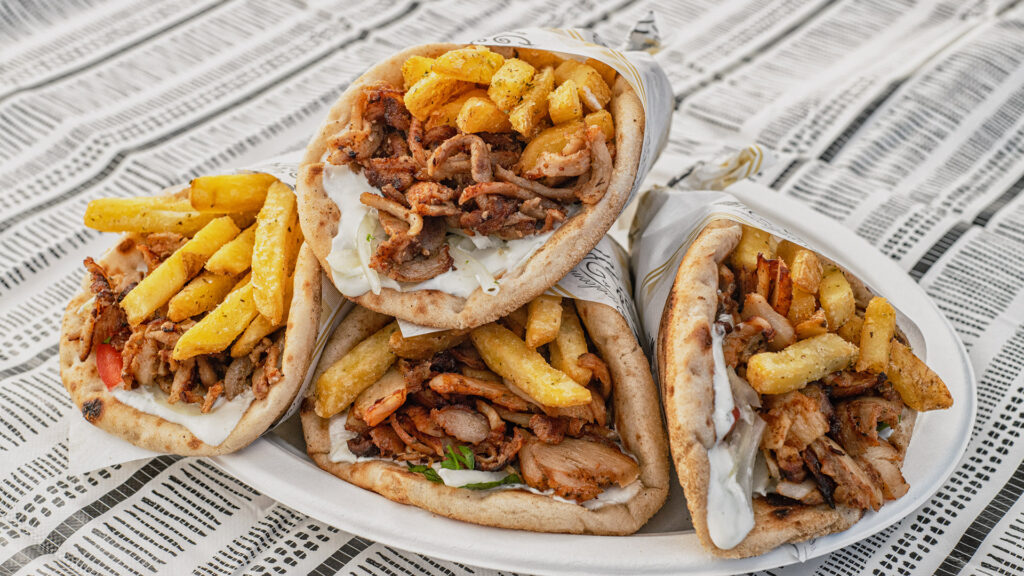
For a nation with no kosher or halal restrictions, or perhaps because of long contact with neighbouring cultures, we Greeks are incredibly particular about food.
We tend to avoid supermarkets and buy fresh fruit and vegetables at one of the thousands of farmers' markets that pop up on the streets of every village and town, even in the capital.
On restaurant menus, an asterisk flags meat and fish dishes whose ingredients were frozen rather than bought fresh from the local butcher or fishmonger.
Greece has weathered many crises in its history, and when the current one ends, the food scene will be the first to bounce straight back, of that I am certain.