

Reading hotel reviews properly means reading them against the grain: not top-down by rating, but filtered for recency, repeated complaints and how the owner behaves in the replies. A 9.2 on Booking guarantees nothing if it was earned three years ago under different management, and half the perfect scores say nothing beyond "everything was great".
A hotel with hundreds of reviews is a dataset, and inside it you can genuinely tell a systemic problem from one guest's bad luck. Here are the specific markers that turn booking from a gamble into a routine check.
Recency beats the average score
Rule one: sort by date and read the last three to six months. Hotels change fast: the good front-desk manager quits, a floor goes under renovation, the lot next door becomes a construction site. The average score is inertial and drags the past along; fresh reviews show the hotel you will actually check into.
Rule two: volume. A 9.6 built on eighteen reviews is weaker than an 8.7 built on three thousand. Small samples are easily inflated by the owner's friends and easily sunk by one furious guest. The threshold where a score starts to mean something sits somewhere around a couple hundred ratings.
Marker words: what to read between the lines?
One complaint is noise. The same complaint from three different voices within six months is a diagnosis. Certain phrasings betray a problem even inside an otherwise glowing review.
| Phrase in a review | What it actually means |
|---|---|
| "You can hear the neighbors", "thin walls" | The noise is structural; earplugs will not save a Friday night |
| "Musty smell", "damp" | Ventilation or mold issues, nothing a quick fix cures |
| "Photos don't match", "room is smaller" | The hotel knowingly embellishes; expect other surprises |
| "Slow check-in", "nobody answered" | Understaffed; peak dates will be worse |
| "Extra charge on site" | Hidden fees: towels, air conditioning, cash deposits |
| "Clean, but..." | The most valuable review type: the truth comes next |
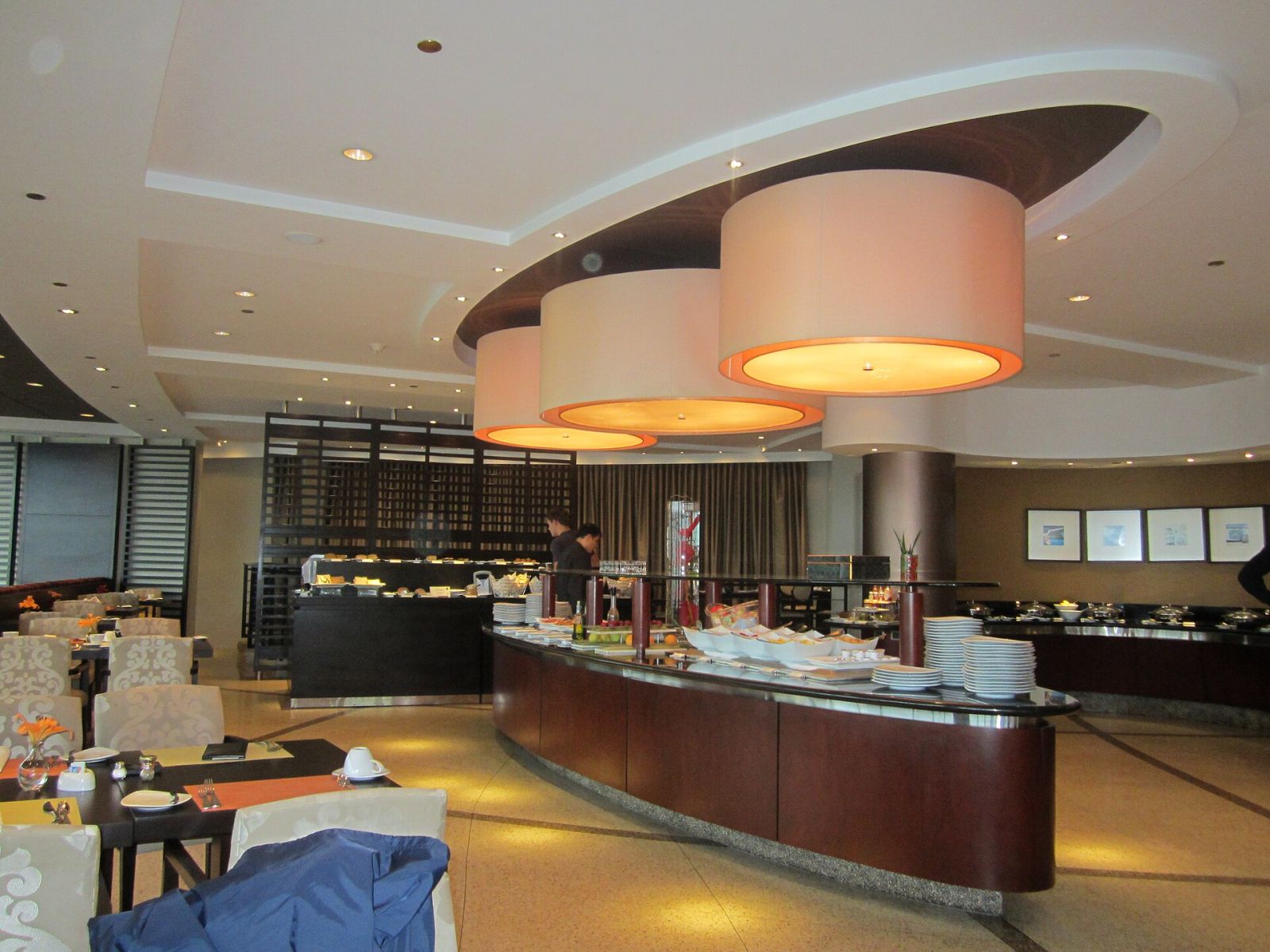
Pay attention to silence too. If fifty reviews never once praise the breakfast the hotel brags about in its lead photo, the breakfast is mediocre.
Owner replies: a stronger signal than the review itself
How a hotel reacts to criticism tells you more than the criticism does. An owner who answers a dirty-room complaint with "thank you, we replaced the housekeeper on that floor" is managing problems. An owner who replies "that was your own fault" or accuses the guest of lying will serve you the same attitude at the front desk. Boilerplate "thanks for your feedback, see you again" pasted under every complaint is a signal as well: nobody reads the feedback. And total silence from a hotel drowning in criticism means the feedback loop simply does not exist there.
Guest photos versus hotel photos
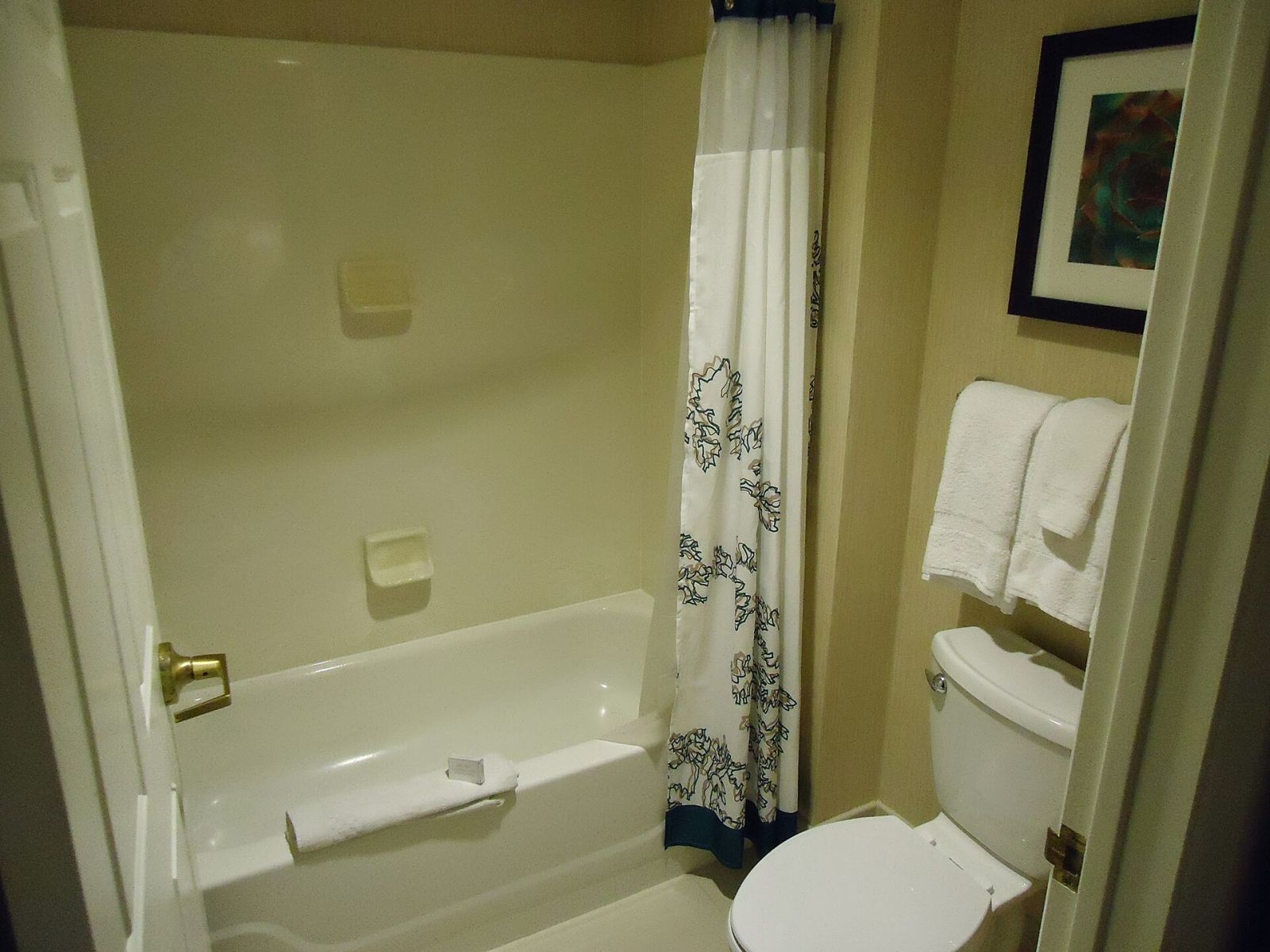
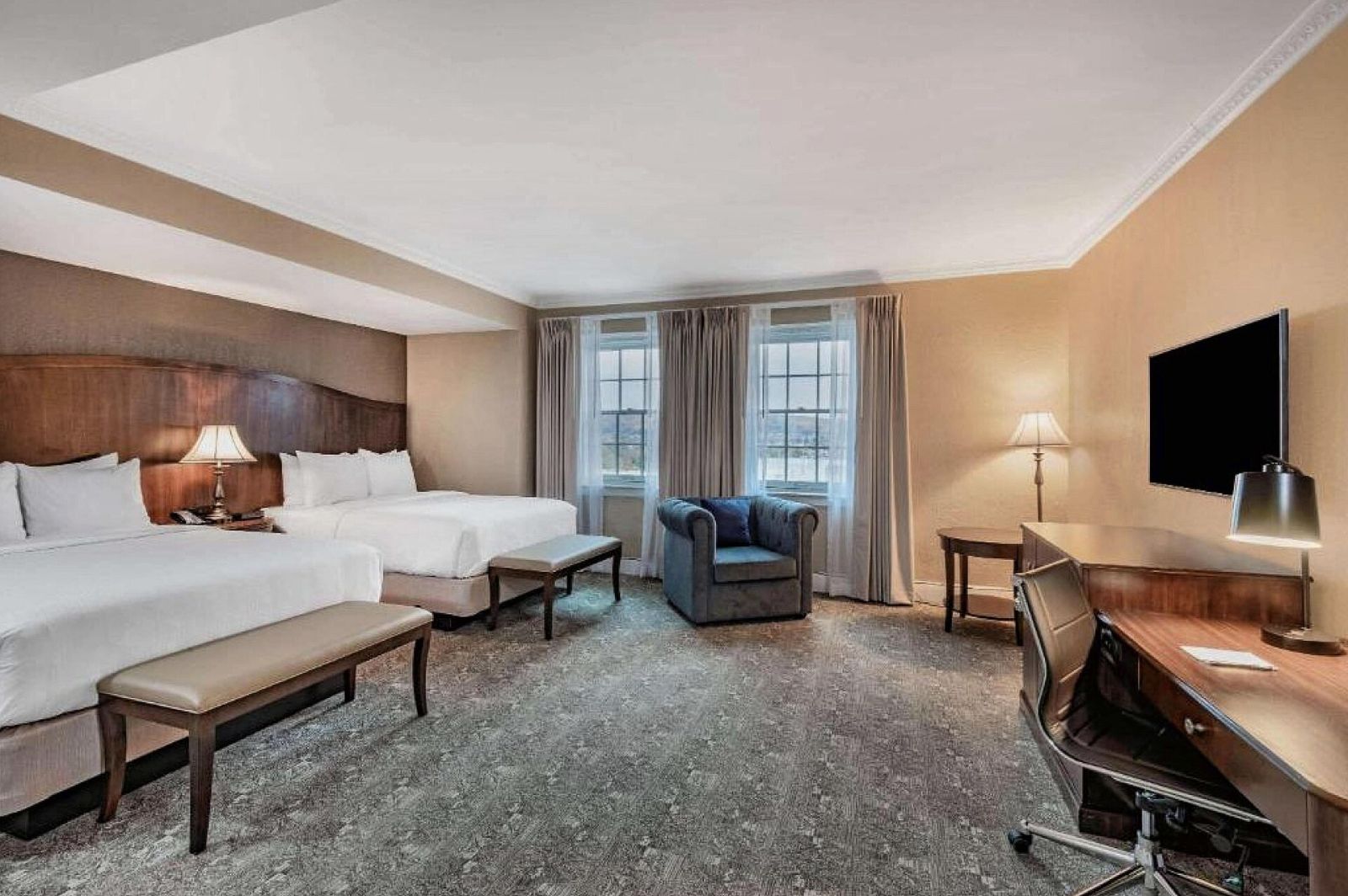
The official gallery is shot by a professional with a wide-angle lens, flattering light and a room cleaned an hour earlier. Review photos are shot on a phone at 8 p.m. by someone who just walked in. The truth sits in between, but closer to the guest shots. Study them with intent: the state of the bathroom grout and fixtures, the actual window view, the real bed size against the walls, scuffed furniture. Guests photographing the breakfast en masse is a good omen: people share what delights them. When guest photos are numerous and uniformly sad, believe them over the brochure.
9 versus 9.4: how different are these hotels?
Review scales are compressed toward the top: people rarely score below seven unless they feel wronged. The working range is therefore narrow, and half a point inside it carries real weight. A rough decoder for Booking: below 7.5 means genuine systemic problems, 8.0-8.5 is an honest hotel with small compromises, 8.6-9.0 is consistently good, and above 9.2 you enter territory where staff go beyond expectations. The gap between 8.9 and 9.4 is usually not about cleanliness but about service details: early check-in without a fight, help with luggage, flexibility at the desk. Paying double for that half point rarely makes sense, while the gap between 7.8 and 8.6 is one you will feel with your own hands.
Adjust for class as well: an 8.4 hostel and an 8.4 five-star are different universes, because guests rate against expectations. Compare scores only within one category and price bracket.
How do you spot fake reviews?
- A burst of perfect scores over a short period, especially right after a run of bad ones: the classic attempt to bury negativity.
- Identical vocabulary across reviews: "cozy atmosphere and friendly staff" five times in a row came from one hand.
- Enthusiasm without specifics. A genuinely happy guest remembers a detail: the water pressure, the balcony view, the receptionist's name. A fake praises in the abstract.
- Reviewer profiles with a single review each, all pointed at properties of the same chain.
- Negative fakes exist too: competitors post demolition jobs with no stay dates and no room details. On Booking only verified guests can review, which is why verified platforms outweigh open ones.
Where to read: each platform lies differently
The same pool of guests looks different on different platforms, and that is worth factoring in. Booking lets only verified guests review and quietly retires old scores from the rating, so its number is the freshest and most honest, even if inflated by the scale's general kindness. Google Maps is open to everyone: hotel guests get mixed with restaurant visitors, wedding parties and the guy who argued with the parking attendant. In exchange you get enormous volume and a visible trend across years. Tripadvisor has historically suffered from ranking manipulation, so treat its leaderboard positions with more skepticism than the review texts themselves. In Asia add Agoda, with the same verification model as Booking. The working approach: take the score from Booking, harvest details and photos everywhere, and decide only where two sources agree.
The five-minute routine
Before booking: sort reviews by date and skim the recent months, then filter the worst scores of the past year and hunt for a repeated complaint. Check how the owner answers criticism, scroll the guest photos. Finally weigh the score against the hotel's category and price. The whole check takes less time than picking a movie for the evening and saves more than one ruined vacation morning. Hotel reviews lie individually, but they almost never lie in chorus.