

Night trains in Europe have staged a comeback few saw coming: in 2016 Austria's ÖBB bought the sleeper routes Deutsche Bahn wanted to kill, and the Nightjet network has since grown past 20 destinations, with berths on popular dates selling out months ahead. The pitch is simple. You board in Vienna in the evening, sleep, and step out in central Paris or Rome the next morning with no airports, no transfers and no hotel bill for that night.
This is not a nostalgia project for rail enthusiasts. On routes of 500 to 900 miles a sleeper often beats flying on total door-to-door time, because airports swallow three or four hours in security lines and transfers. Add the saved hotel night and the trip economics look very different.
Why are sleeper trains back in fashion?
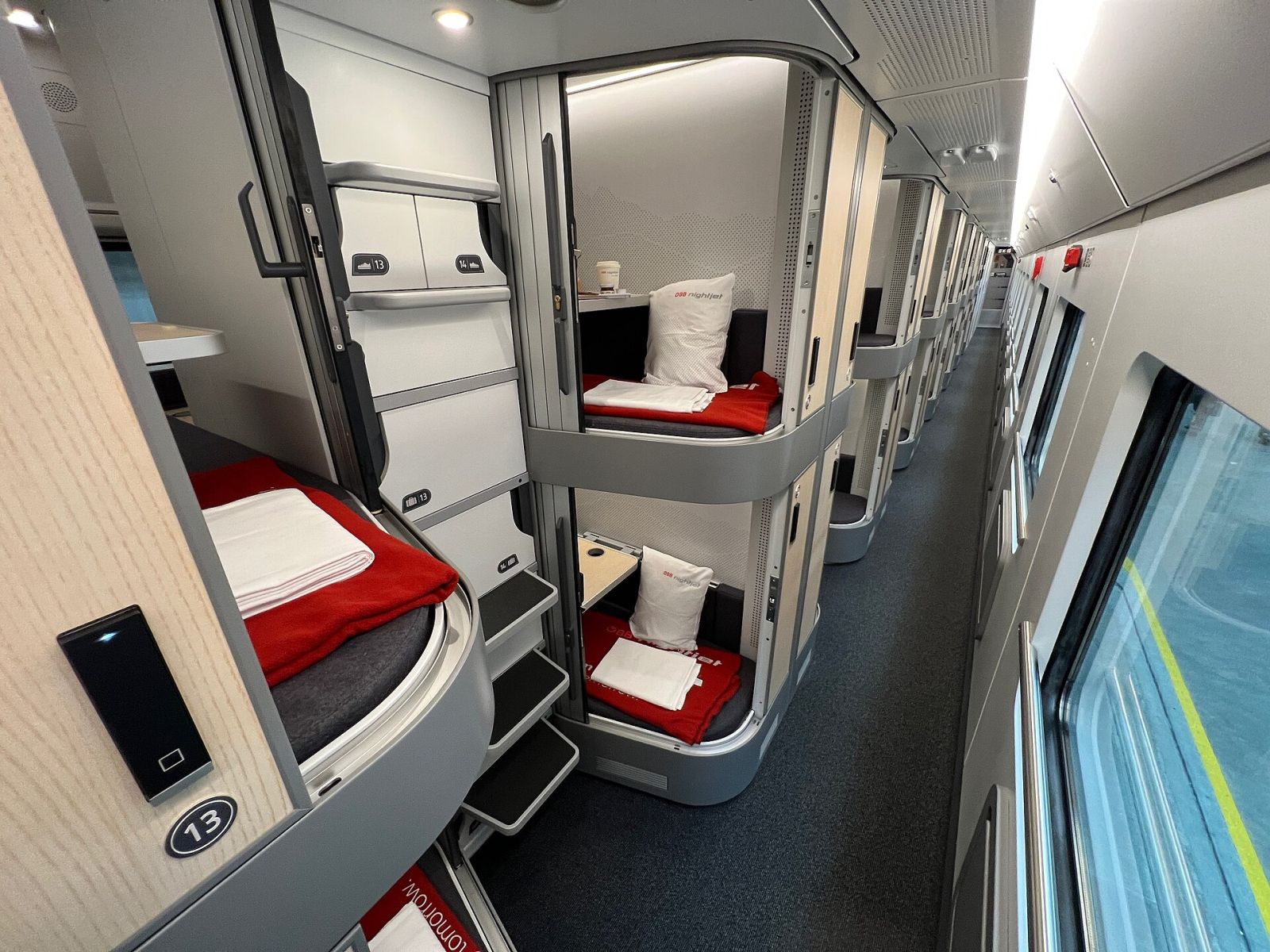
Three trends collided. First, ÖBB bet on a segment everyone had written off, and the bet paid. Since 2023 new-generation carriages have been entering service with solo mini cabins, en-suite showers in sleeper compartments and keycard locks. Second, flight-shame is no longer a fringe idea in Europe, and a slice of travelers now picks rail on principle. Third, new operators appeared, most notably the European Sleeper cooperative with its Brussels - Berlin - Prague route. Demand outruns supply so badly that the real bottleneck today is rolling stock, not passengers.
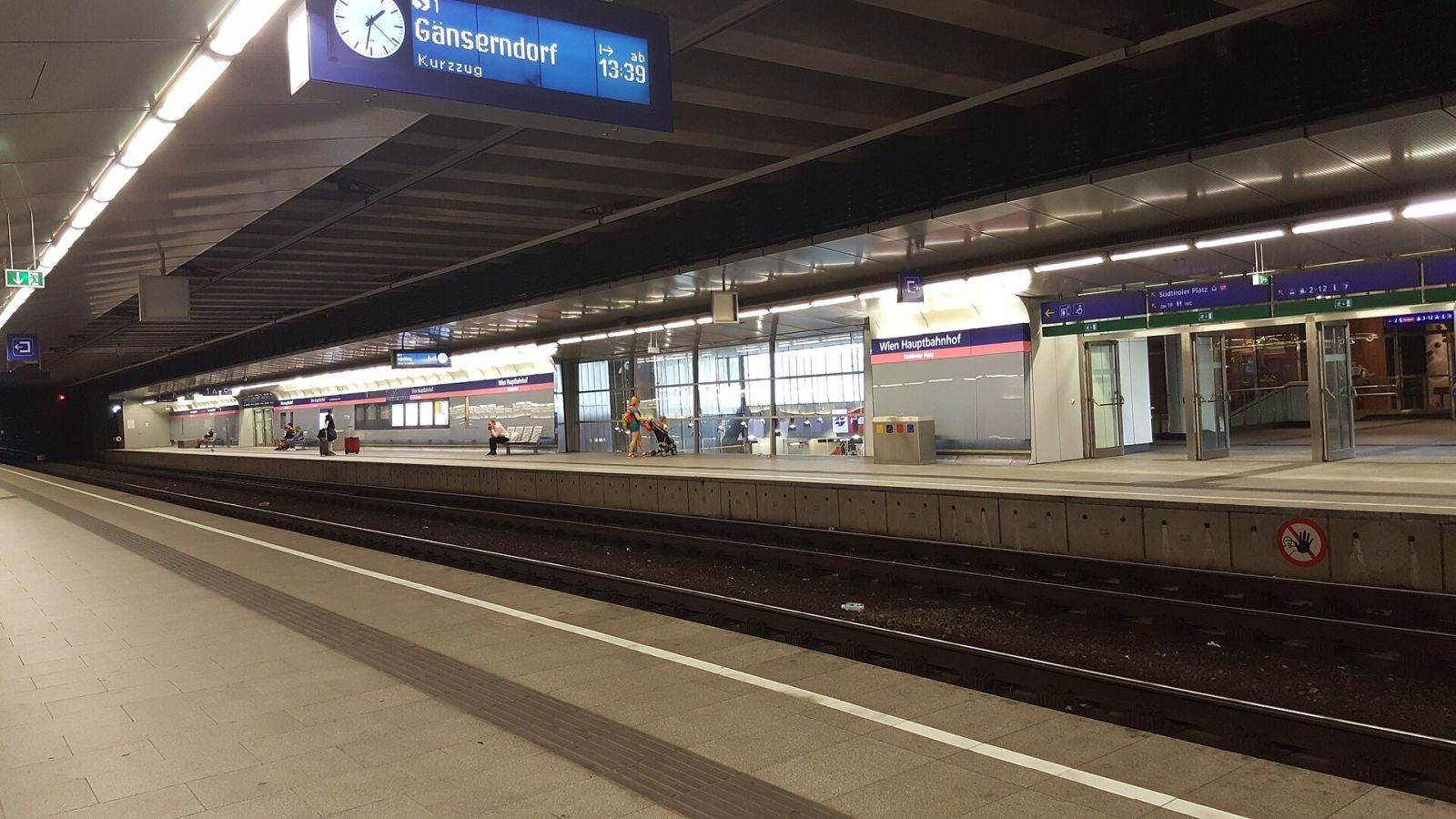
The key routes worth knowing
The network is denser than most people assume. These are the most useful links for travelers, always check current timetables before you buy.
| Route | Operator | Journey time | Price from (approx.) |
|---|---|---|---|
| Vienna - Paris | Nightjet (ÖBB) | about 14 h | 30-40 € seat, 60-80 € couchette |
| Zurich - Rome | Nightjet | about 12 h | 35 € seat, from 70 € couchette |
| Vienna - Amsterdam | Nightjet | about 14 h | from 35 € seat |
| Brussels - Berlin - Prague | European Sleeper | 10-15 h | from 50 € couchette |
| Stockholm - Hamburg | SJ EuroNight | about 12 h | from 40 € seat |
| Kyiv - Vienna | Ukrainian Railways | about 24 h | from 80-100 € sleeper |
Prices swing wildly: the same berth can cost 49 euros or 149 depending on when you book. It is low-cost airline pricing logic, transplanted onto rails.
Seat, couchette or sleeper: what is the difference?
Seated carriage (Sitzwagen)
The cheapest option: a regular seat in a six-person compartment. Honestly, sleeping there is rough, especially with a full compartment. Fine for short nights and young backs. A forum classic: if the compartment is not fully booked, passengers fold the seats into a makeshift bed, but there are zero guarantees you will get that luck.
Couchette (Liegewagen)
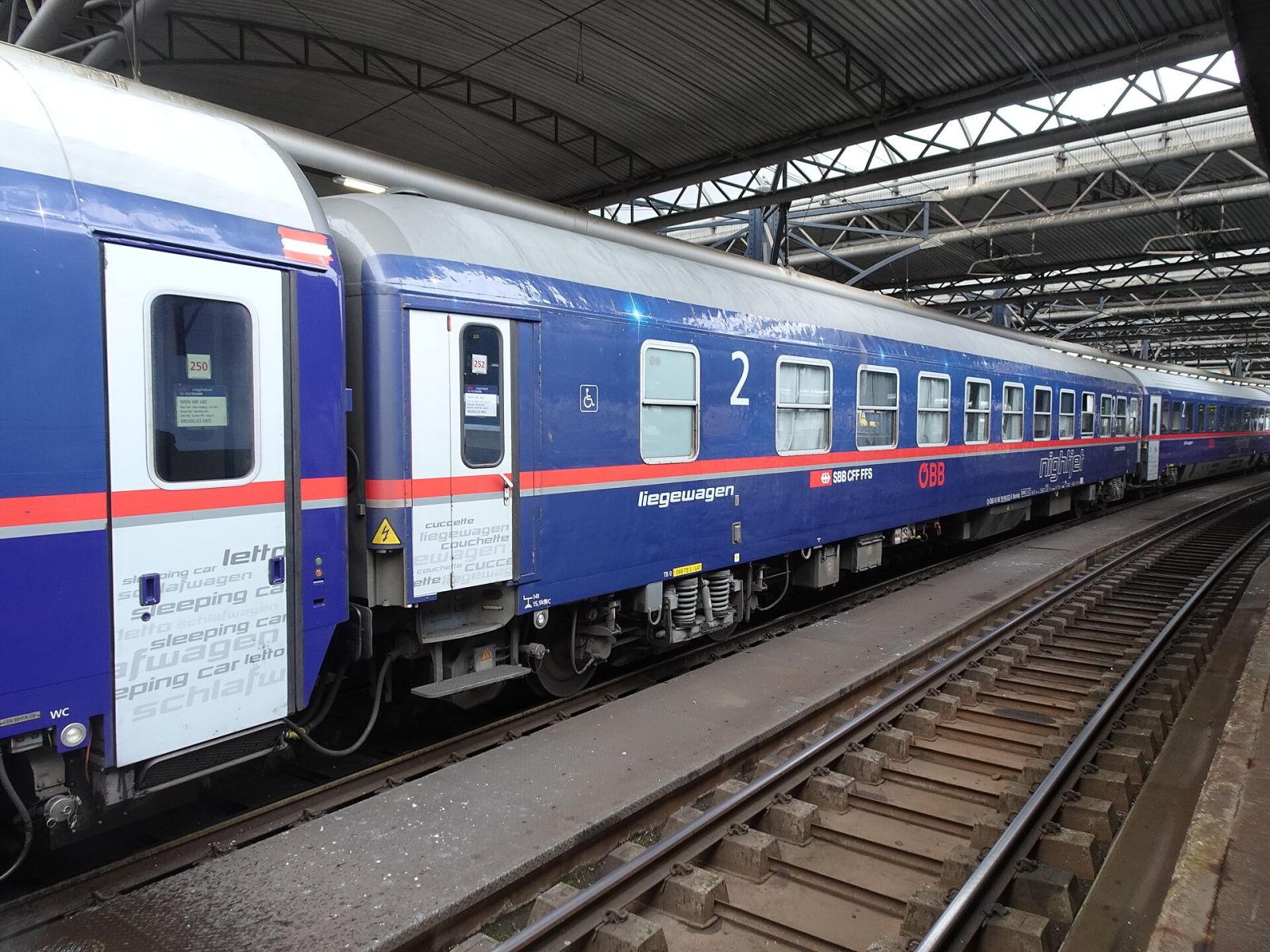
The sweet spot. Four or six bunks with a blanket, pillow and sheet. Little privacy, but the price is moderate and you lie flat. Women-only compartments can be selected at booking. A four-berth couchette is noticeably more comfortable than a six-berth one, and the price gap is small, so take the four-berth whenever the budget allows.
Sleeper (Schlafwagen)
A compartment for one to three people with a washbasin; new Nightjet carriages offer cabins with a private shower and toilet. Breakfast is brought to your door and included. This is a hotel on wheels and priced like one: a solo cabin on a popular route costs about as much as a decent city-center hotel room. Newer trainsets also carry mini cabins, individual pod-style berths that sit between couchette and sleeper in price.
How do you book without overpaying?
- Nightjet sales open roughly six months out. The cheap Sparschiene fares vanish first, so for summer and holidays book the moment sales open on the official nightjet.com.
- A couchette or sleeper ticket is always tied to a specific train. If a delay caused by the railway breaks your connection, they must rebook you, so keep every ticket of the journey together.
- Friday and Sunday are the priciest nights. Tuesday and Wednesday run consistently cheaper, sometimes by half.
- Traveling as a pair or a trio? Compare the cost of booking out a whole private compartment against separate berths. Buying all four couchette bunks is often only slightly more expensive.
Survival tips for a night on rails
- Earplugs and an eye mask are non-negotiable. Trains clatter over switches and station lights blast through the window.
- Keep your passport on you, not in your suitcase: border police occasionally wake passengers for spot checks even inside the Schengen area.
- Bring water and snacks. Not every train has a dining car, and the attendant's minibar charges airport prices.
- Lower bunks are better for sleeping, upper ones for privacy. Luggage goes under the bottom berth, valuables by your pillow.
- A 6 or 7 a.m. arrival means your hotel will not check you in yet. Scout a station luggage room in advance and plan breakfast in town.
Is it safe to sleep on a train?
Statistically yes, theft on European night trains is rare, but do not switch off entirely. Couchette and sleeper compartments lock from the inside, and sleepers add a chain or deadbolt that not even the attendant can open. Put your phone, documents and wallet in a small bag and sleep on it or keep it under the pillow, not in a jacket hanging by the door. There is no need to chain your suitcase; luggage does not vanish from the racks, and the classic losses involve small items left on the table. Seated carriages demand more vigilance: those compartment doors usually do not lock, so keep valuables on your body.
Night trains from Ukraine: the Vienna and Budapest link
Ukrainian Railways runs direct sleeping cars from Kyiv to Vienna and Budapest, currently one of the most convenient ways to reach central Europe without changing trains. The Vienna service travels via Budapest and takes about a day; the bogie change at the border adds an hour or two of standing time. Compartments are standard sleepers with bedding included. Tickets go on sale at booking.uz.gov.ua 30 days ahead and disappear within hours on peak dates, so set a reminder. From Vienna or Budapest the whole Nightjet map opens up: a Kyiv - Vienna - Paris chain entirely by rail, with two train nights replacing two hotel nights, is a perfectly realistic itinerary.
Who should skip the sleeper?
Light sleepers will struggle: the swaying, the stops, the neighbors. Anyone over 6 ft 3 in will find every bunk short. Families with infants should only book a full private compartment, otherwise the night turns stressful for everyone aboard. And do the honest math: on hops under 400 miles a daytime high-speed train is usually both cheaper and simpler.
For everyone else, a night train delivers something no flight can: you fall asleep in one country, wake up in another, and arrive with the entire day ahead of you. On routes like Vienna - Paris, Zurich - Rome or Kyiv - Vienna it is the most elegant way to move across Europe, and the momentum is only building.