

A budget New Year in Europe is entirely doable: Krakow, Budapest, Belgrade and Sofia all throw their main party on a central square, free of charge, and a couple can get through three days for 250-400 euros including accommodation. The real question is not where to go but when to book: the same Krakow apartment costs half as much in September as it does in late December.
Below are four cities that are easy to reach overland from Ukraine, plus the Lviv region of the Carpathians as a stay-close option. With honest numbers, and with the traps that usually wreck the budget.
How much to plan for
| Destination | Room per night (two people) | Dinner for two | 3 days for a couple, incl. travel from Lviv |
|---|---|---|---|
| Krakow | 50-80 € | 25-35 € | 320-450 € |
| Budapest | 45-75 € | 25-40 € | 350-500 € |
| Belgrade | 35-60 € | 20-30 € | 330-480 € |
| Sofia | 30-55 € | 18-28 € | 320-470 € |
| Lviv region (Slavske, Skhidnytsia) | 25-60 € | 15-25 € | 150-300 € |
These are New Year rates, not regular-week rates, and they drift with exchange rates and appetite. Double-check current prices before you book: hotels rewrite their price lists every season.
Krakow: the nearest slice of old Europe
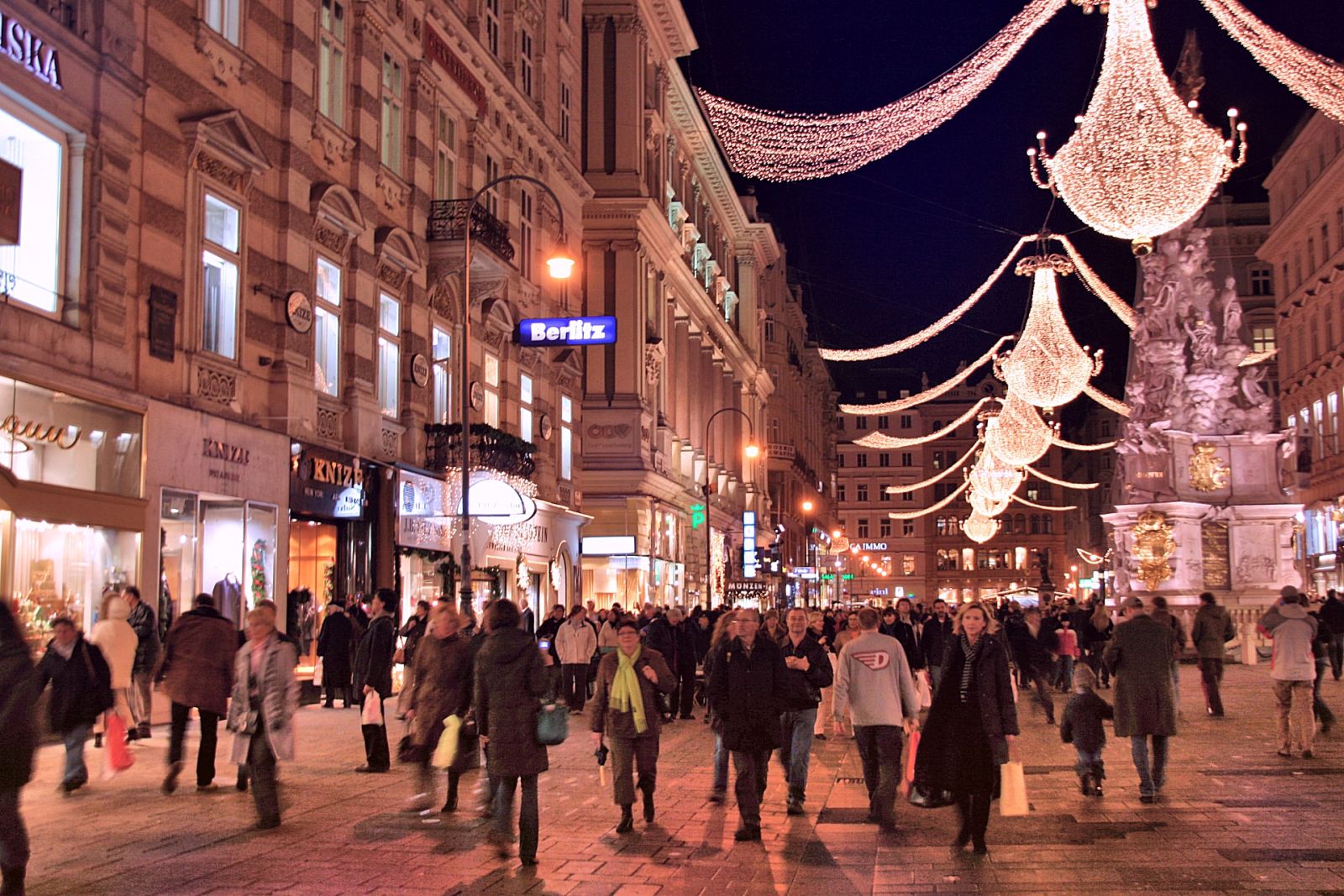
Lviv to Krakow takes 5-7 hours by train or bus, which is why the city fills up with Ukrainians every holiday. That is not a downside. It means familiar food on half the menus and zero language friction. The main party happens on the Main Market Square: a stage, a concert, fireworks at midnight, no ticket required. Mulled wine from a stall runs 15-20 zloty, and the zloty is kinder to your wallet than the euro.
Fair warning: on New Year's Eve the old town gets so packed that walking from the Cloth Hall to your hostel street can take half an hour. If crowds are not your thing, stay in Kazimierz and see midnight in from a bar. The atmosphere there is warmer and the prices are the same.
Budapest: a party plus thermal baths
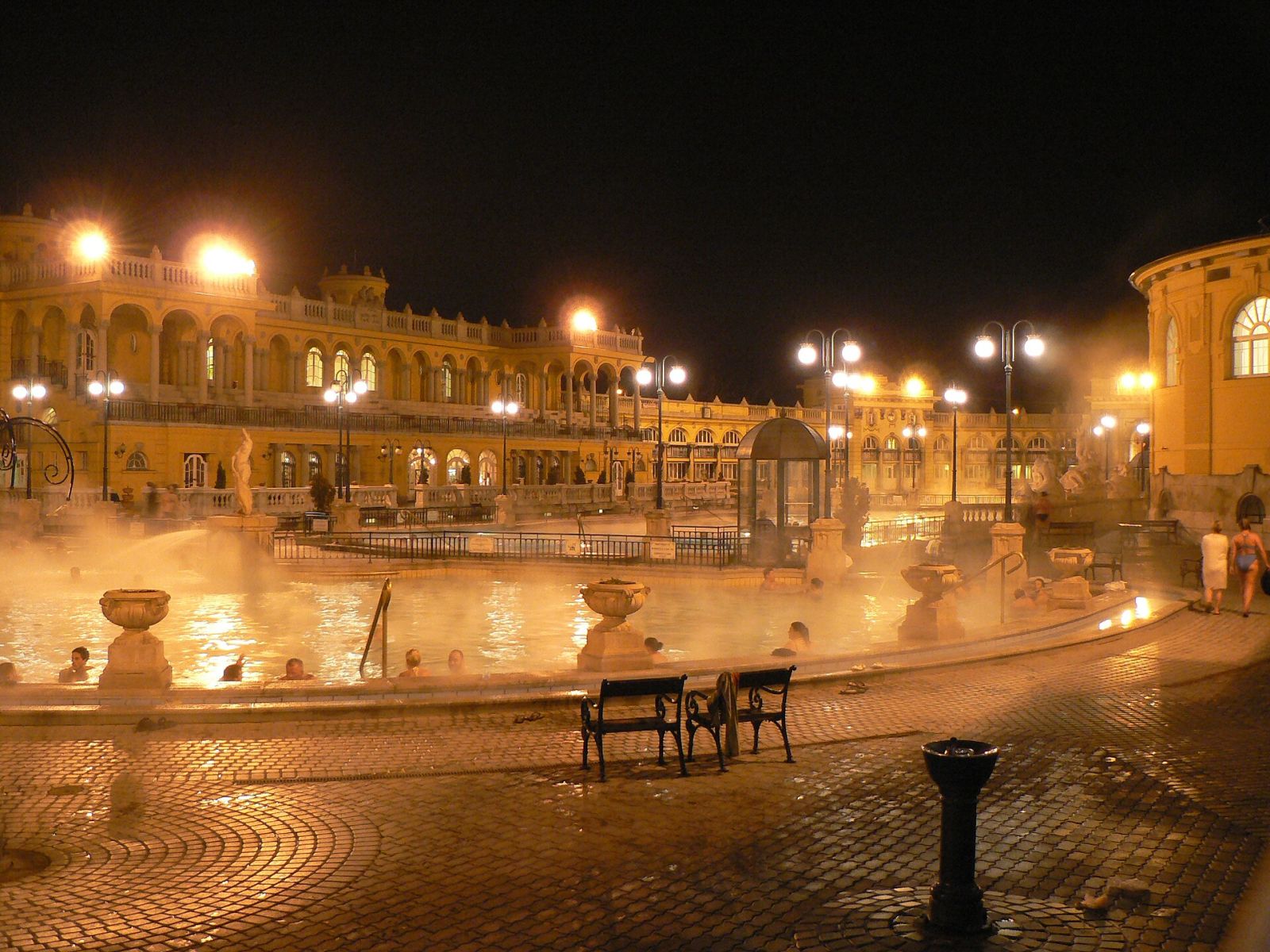
Budapest is a bit farther and a bit pricier, but it offers something nowhere else does: on January 1st you can soak in the outdoor hot pools of the Szechenyi Baths while the air sits at minus two. Entry costs around 30-35 euros on holiday dates, and it is the best money of the whole trip.
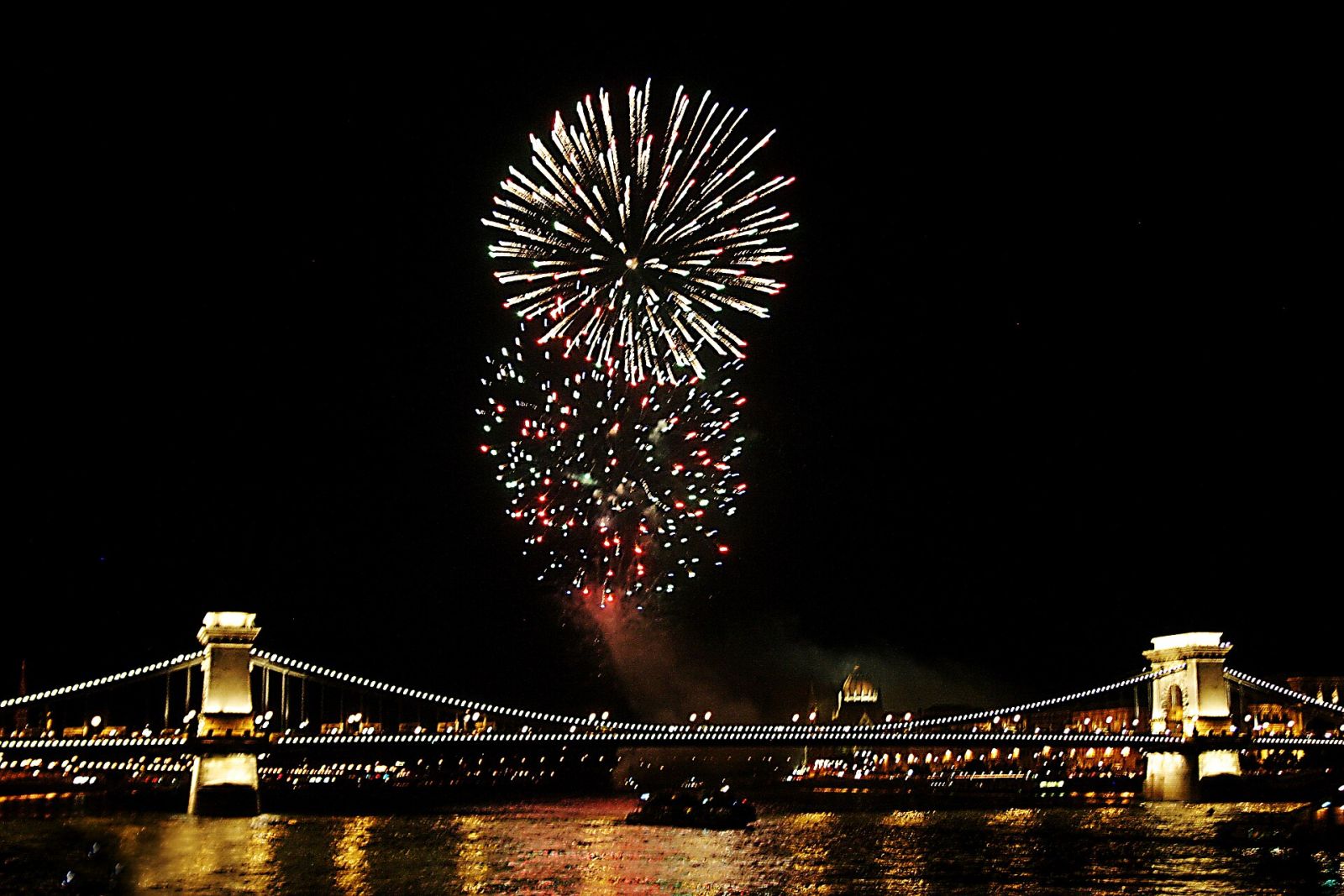
New Year's Eve here spreads across the whole city: crowds stroll the Danube embankment, a market runs on Vorosmarty Square, and locals fire rockets from every second courtyard. The forint works in your favor: a mug of grog at the market carries a tourist markup, sure, but dinner at an ordinary neighborhood pub costs less than its Krakow equivalent. Getting there from Lviv means a bus or a train via Chop, so plan on 12-14 hours.
Belgrade: the loudest street party in the Balkans
Serbs celebrate hard enough that New Year effectively happens twice: on December 31st and again on January 13th, the "Serbian New Year" of the old calendar. There are several free stages: Republic Square, Kalemegdan park, the Sava riverfront. Live music, flowing rakija, strangers hugging strangers. If you measure street energy per euro spent, Belgrade wins outright.
The honest downside is the journey. There is no convenient direct connection from Ukraine, so you travel via Budapest, and the whole trip takes about a day. Belgrade therefore makes sense for five or six days rather than three, otherwise transit eats half the holiday. Ukrainians need no visa, a biometric passport is enough.
Sofia: the cheapest price tag of the lot
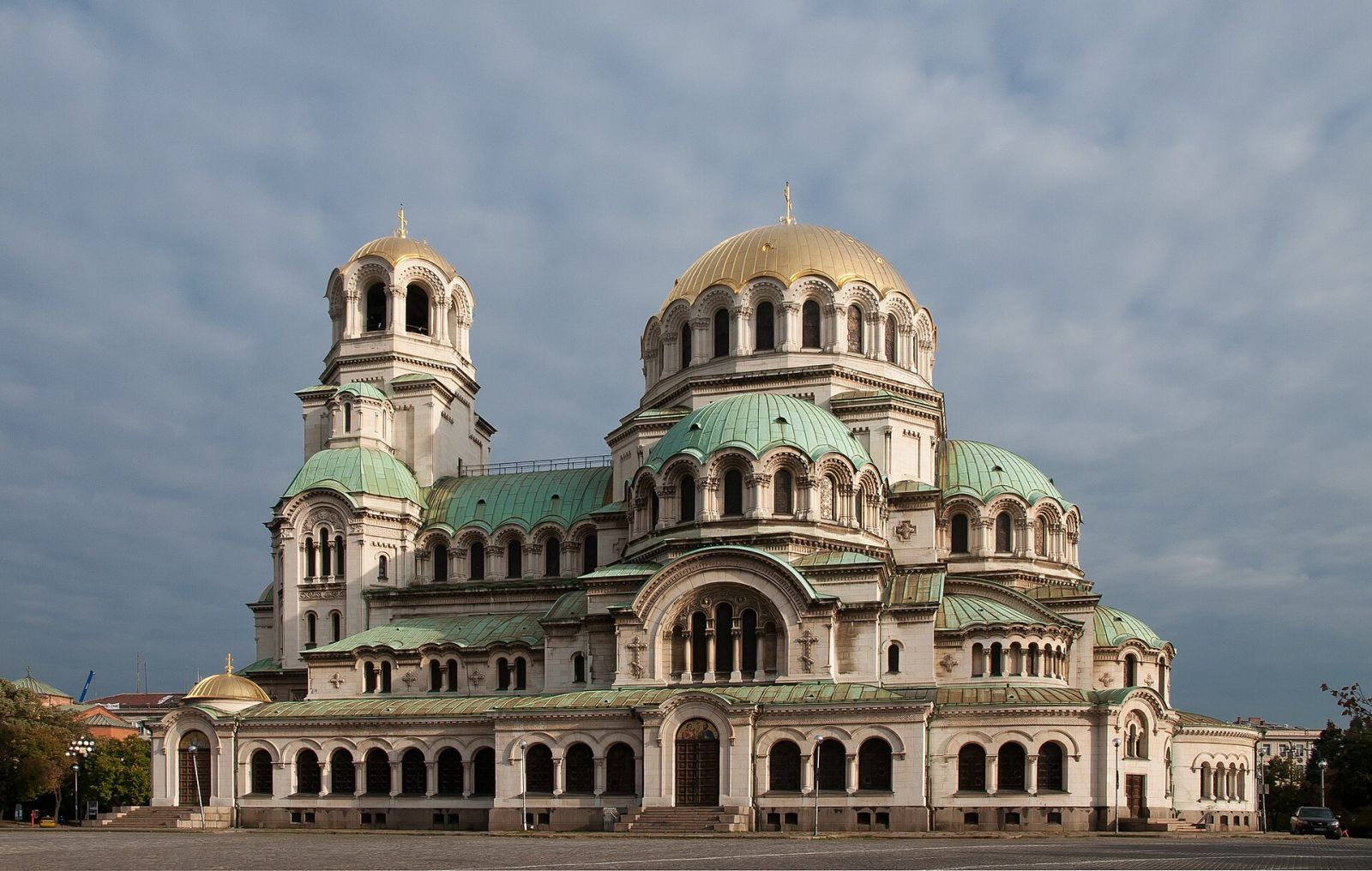
The Bulgarian capital keeps missing New Year roundups, and unfairly so. Rooms and food cost noticeably less than in Krakow or Budapest, and the Vitosha ski area starts right at the city limits: on the morning of January 1st you can be standing on a slope having arrived by public transport. The free celebration gathers in front of the Alexander Nevsky Cathedral and on Battenberg Square, with a concert and fireworks.
The food deserves its own mention: shopska salad, kachamak and house wine at a mehana cost about what fast food costs in Vienna. On the minus side, the grey post-socialist sprawl around the historic core disappoints some visitors, and the journey is long again, over a day overland or a flight with a connection.
The Lviv Carpathians: when you'd rather skip the border
Often the smartest option of all. Slavske, Skhidnytsia, Plavia or Oriavchyk offer snowy mountains, mountain taverns grilling meat over open fire, and guesthouses at 25-60 euros a night for two if you book in autumn. The New Year program at bigger resorts follows a standard formula: banquet, live band, midnight fireworks, with the banquet usually billed separately, from about 35 euros per person.
Compare that with the table above: three days in the Carpathians cost about as much as the transport to Belgrade alone. It is not "abroad" and there is no border-stamp thrill. But there are also no border queues, and home is four hours away instead of fourteen.
Book early or gamble on last minute?
The rule is simple and it runs against many travelers' instincts. For New Year dates the "wait for last-minute deals" strategy barely works: demand is guaranteed, so owners do not cut prices, they simply sell out the cheap options first. What actually works:
- Book in September or October with free cancellation. You lock the early price and can still change your mind until December.
- Re-check prices two weeks before departure: cancelled apartments occasionally pop back up, and then you release the old booking.
- Take an apartment with a kitchen. Breakfasts and a few home dinners cut the food budget by roughly a third.
- Look at neighborhoods 15-20 minutes' walk from the center: Podgorze in Krakow, the inner 8th district in Budapest. The price gap is real and the square is still walkable.
What actually eats the budget
Not the room and not the transport, but the holiday markups. Central restaurants on December 31st switch to fixed-price festive menus at double or triple the normal rate. The workaround is easy: eat a proper dinner at six or seven off the regular menu, because at midnight you will be on the square with mulled wine anyway, not at a table. Taxis multiply their fares on New Year's night too, so accommodation within walking distance of the center saves both money and nerves.
One more trap: currency exchange in tourist hotspots. In Krakow use kantors away from the Market Square, in Budapest avoid the "0% commission" booths on the main drags, the margin hides in the rate. Paying by card in the local currency almost always beats cash from a bad exchange office.
The bottom line: Krakow gives the shortest journey and the most predictable budget, Belgrade delivers the most energy per euro, Sofia has the lowest prices, and the Ukrainian Carpathians close out the holiday at half the cost of any option abroad. Book in autumn, have dinner before midnight and stay away from central exchange booths, and a New Year in Europe really does stay cheap.