

The same banknote left on the table will save your reputation in New York and offend a waiter in Tokyo so much that he may chase you down the street to give it back. Tipping runs on opposite rules in different parts of the world, and a traveler who leaves "ten on top" everywhere overpays in one half of the planet and looks rude in the other. Here is a region-by-region breakdown plus a table covering twenty popular destinations.
Europe: somewhere between "round up" and a real percentage
There is no single European rule. The rough dividing line: the further south and west you go, the more a tip is expected; the further north, the more relaxed everyone is about it.
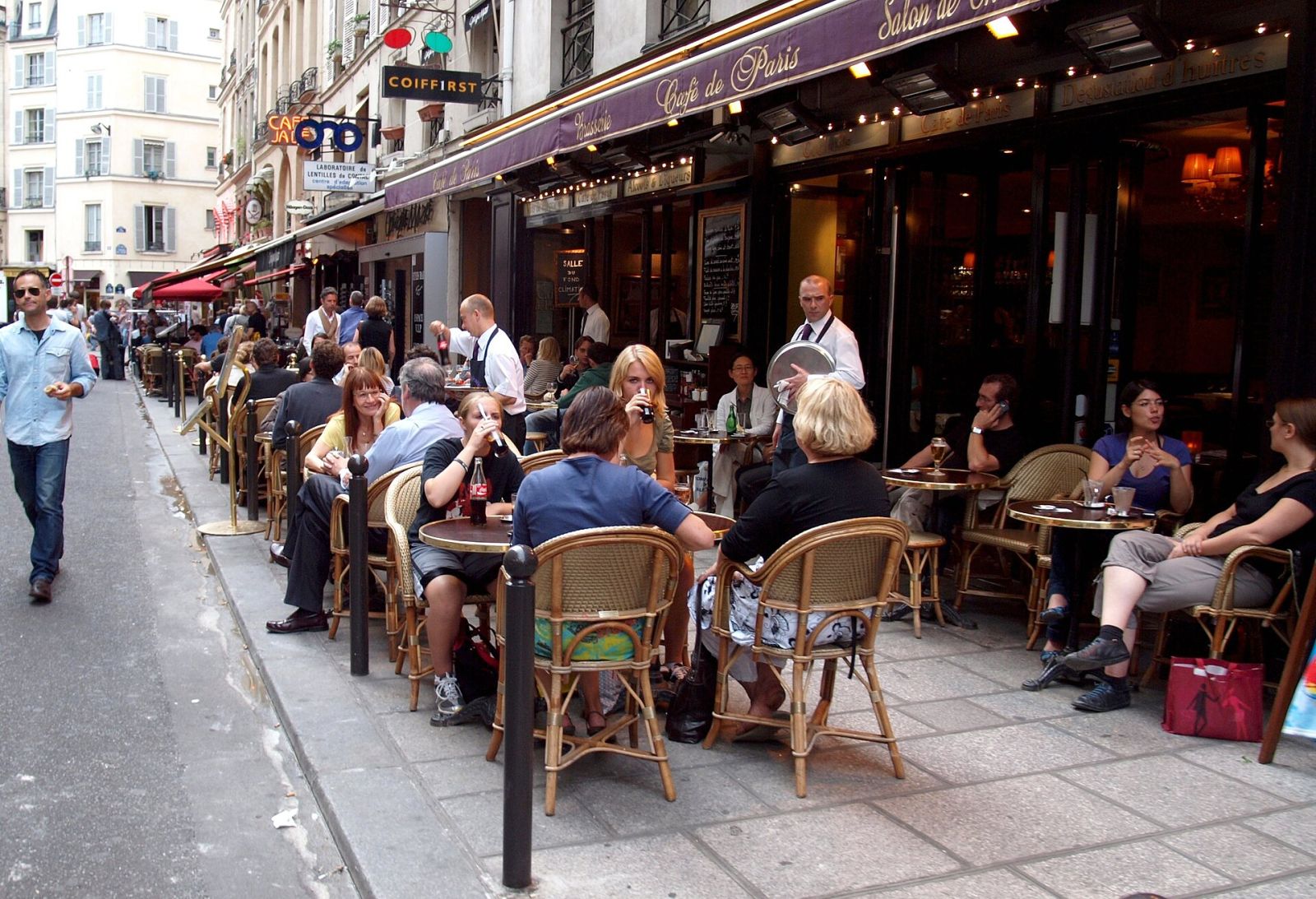
- France, Italy, Spain: service is formally built into the price (in France, service compris is required by law), so nobody will demand anything extra. Small change or rounding up after a good dinner is simply routine politeness.
- Germany and Austria: you say the tip out loud while paying. The bill is 27 euros, you say "thirty", the waiter charges thirty. Leaving coins on the table is not the custom.
- Scandinavia: service wages are decent, so a tip really is optional. Round up after a nice evening if you like; nobody will hold its absence against you.
- Czechia, Poland, Hungary: in tourist areas roughly a tenth of the bill is expected. In Prague read the receipt: a service charge is sometimes already included, and then nothing extra is needed.
The US and Canada: why skipping the tip is not an option
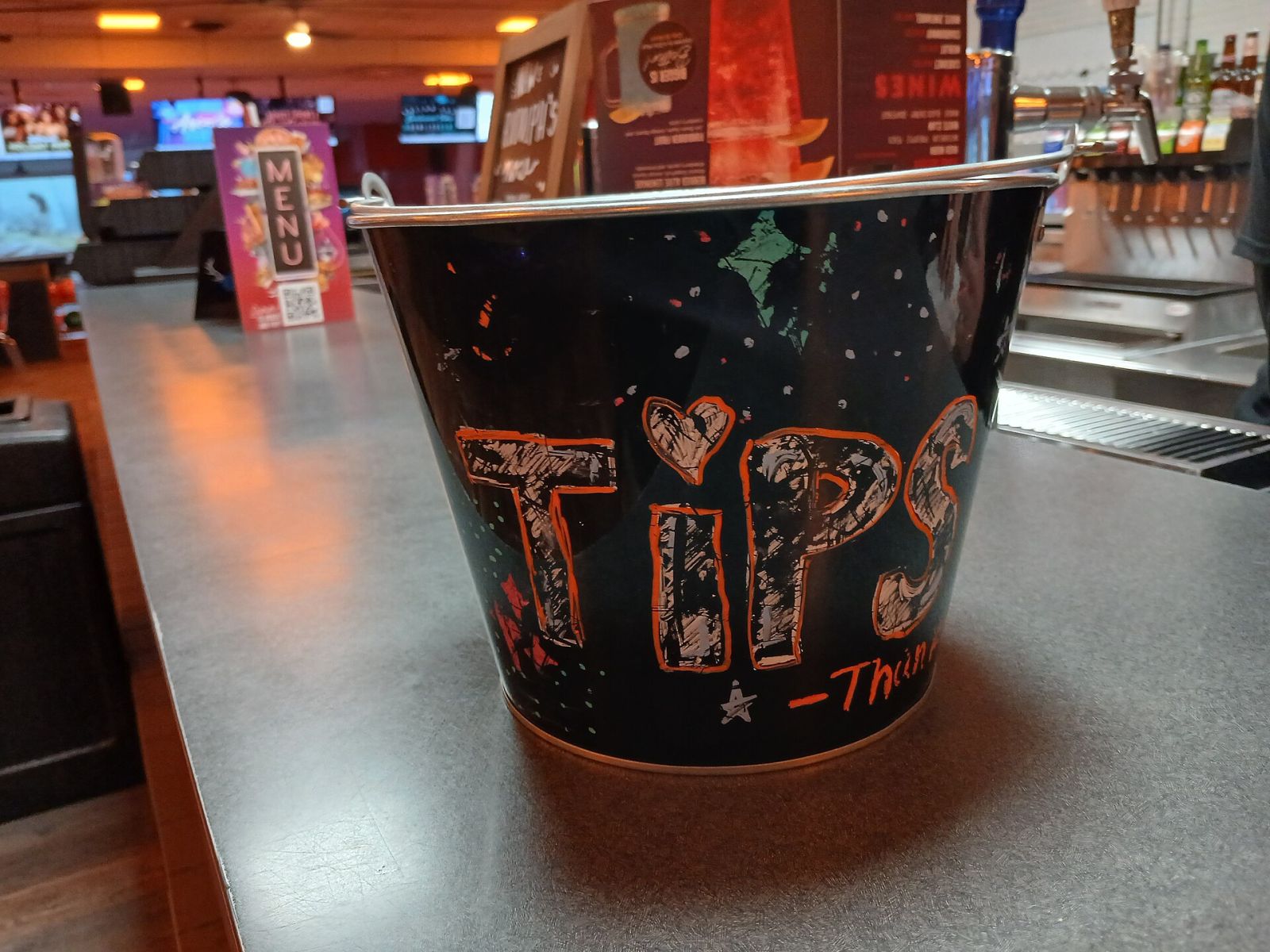
American tipping is not gratitude, it is effectively the wage. The federal minimum for tipped waiters still sits at 2.13 dollars an hour, and the rest comes out of your tips, as the US Department of Labor spells out. So at any sit-down restaurant a generous tip, around a fifth of the bill, is the baseline expectation, and "I did not like the service" is a conversation with the manager, not a zero on the tip line. The only places where no tip is expected are the ones where you stand at the counter yourself: fast food, takeaway coffee. When the payment screen there suggests adding something anyway, scrolling to No tip is perfectly fine. Canada runs the same system with a slightly lower bar.
Asia: where they thank you and where they take offense
The spread here is the widest, and this is where travelers stumble most often.
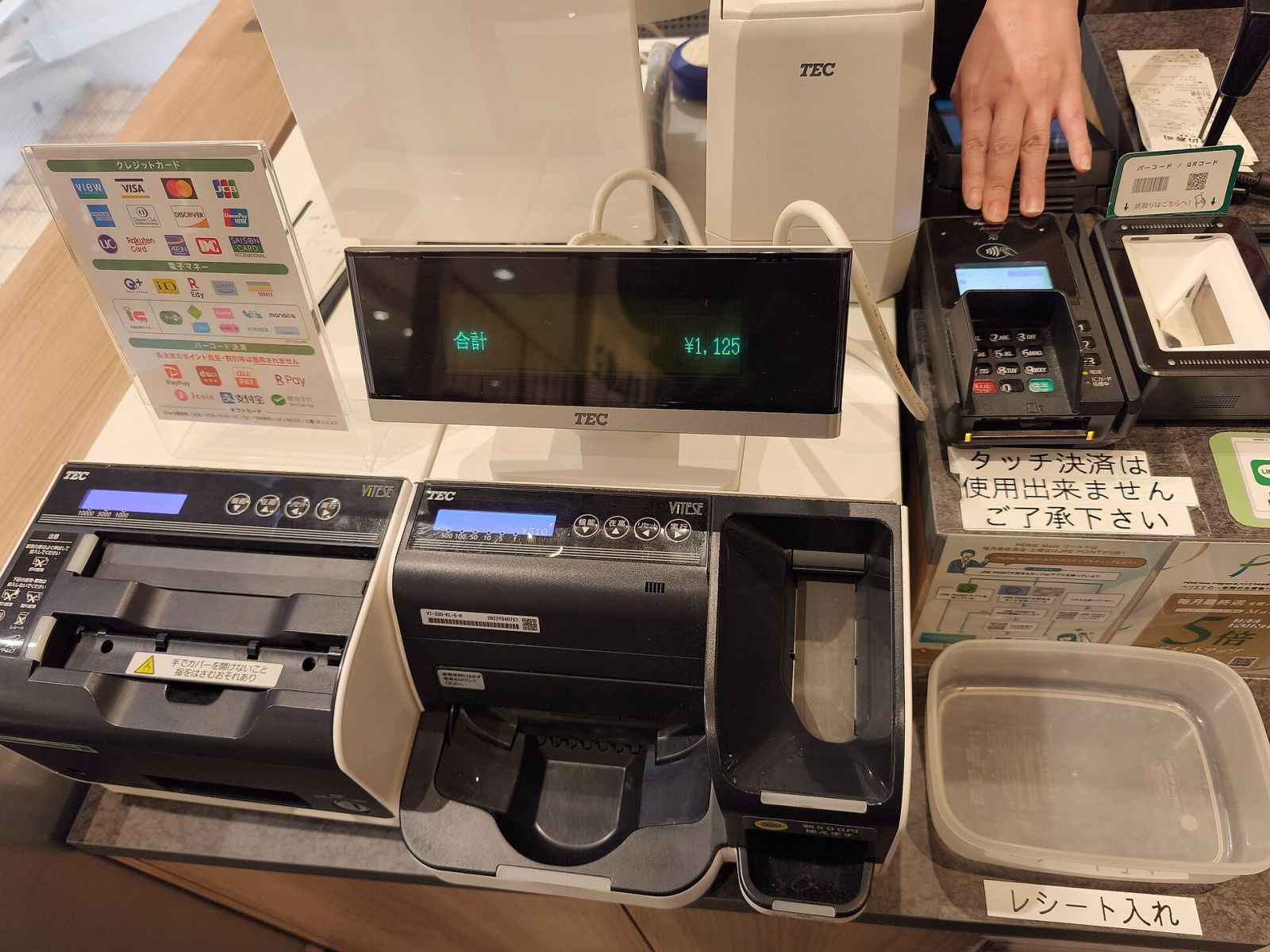
- Japan: no tipping at all. Extra money reads as a hint that the person is underpaid, and the official tourism portal japan.travel explicitly advises against it. Gratitude here means a small bow and the word "arigato".
- South Korea: the same, no tips expected, hotels may politely decline.
- China: not customary in regular places; tourist hubs like Shanghai are used to foreigners, but even there leaving nothing surprises nobody.
- Thailand, Vietnam: formally optional, but small change on top has become the norm in tourist areas and is received warmly.
- UAE: a service charge is almost always on the bill; beyond that, rounding up for a driver or porter is plenty.
Service already on the bill: how to spot it
Before calculating what to add, read the receipt to the end. Look for the lines service charge, servizio, couvert, service compris, cover charge. If one of them is there, the venue has already taken its share, and anything extra is a purely symbolic gesture for outstanding service. Italy deserves its own footnote: coperto, a fixed cover fee of one to three euros per person, is not a tip but a local tradition, and arguing with it is pointless. Tourist spots in Europe also run a familiar trick: a service charge on the bill plus a tip line on the card terminal. You are under no obligation to pay twice.
How much to leave: top 20 destinations
The figures are approximate and refer to sit-down restaurants with table service. Check current norms before your trip: they keep creeping upward, especially in America.
| Country | Restaurant | Taxi | Hotel (porter/housekeeping) |
|---|---|---|---|
| USA | 18-22% | 15-20% | $1-2 per bag, $2-5 per night |
| Canada | 15-18% | 10-15% | $1-2 per bag |
| United Kingdom | 10-12.5%, often on the bill | round up | £1-2 per bag |
| Ireland | 10% | round up | €1-2 |
| France | service included, 1-5% optional | round up | €1-2 |
| Italy | coperto on the bill, nothing extra needed | round up | €1-2 |
| Spain | rounding up or 5% | round up | €1 |
| Portugal | 5-10% | round up | €1 |
| Germany | 5-10%, said out loud | 5-10% | €1-2 |
| Austria | 5-10% | round up | €1-2 |
| Poland | 10% | optional | 5-10 zł |
| Czechia | 10%, check the bill | round up | 20-50 Kč |
| Greece | 5-10% | round up | €1-2 |
| Turkey | 5-10% in cash | round up | €1-2 in lira |
| Egypt | 10% plus small baksheesh | agree the fare upfront | $1-2 spread around |
| UAE | service on the bill, round up on top | round up | 5-10 AED |
| Georgia | often 10% on the bill, otherwise 10% | not customary | 2-5 lari |
| Thailand | small change, 5-10% in tourist spots | round up | 20-50 baht |
| Vietnam | optional, small change welcome | round up | 20-50k dong |
| Japan | do not tip at all | do not tip | do not tip |
Cash or card terminal?
Short answer: cash is safer. In many countries a tip added on the terminal goes through the venue's accounting, gets taxed and does not always reach your actual waiter; sometimes it is pooled across the whole shift, kitchen included. A banknote tucked into the bill folder or handed over directly is guaranteed to stay with the person. The practical takeaway: keep a stash of small local banknotes in your wallet for exactly this. America is the exception where card tips have long been the norm and the terminal line works honestly. In Turkey or Egypt, on the other hand, the terminal is almost always a dead end for tips, cash only.
Taxis, guides and everyone else people forget
Restaurants are only half the story. The rest of the service world lives off gratuities too, and the rules there are simpler.
- Taxis: in most of the world rounding up to a convenient figure is enough. The US expects a proper tip, and apps like Uber let you add it comfortably after the ride.
- Guides: on a group tour a few euros or dollars per person is standard; on a private tour noticeably more, roughly a tenth of the tour price per day. On "free" walking tours your payment at the end is the entire fee, so budget real money for it, not a handful of coins.
- Hotels: the porter per bag, housekeeping for a multi-night stay, the concierge only for genuinely unusual help such as a table conjured up in a fully booked restaurant.
- Bartenders: a dollar or two per drink in America, rounding up in Europe, nothing in Asia.
The universal insurance policy for any country looks like this: check the bill for an included service charge, and carry small cash. Then apply the local norm from the table, adjusted for how the evening actually went. Being off by a couple of percent offends nobody. Being off by a whole region, like bringing American habits into a Japanese izakaya, is exactly the mistake this article was written to prevent.