

The big question about food in Cuba is not "what to try" but "where to find it." The local cuisine is simple and filling: rice, beans, pork, fried plantain, and nearly all of it comes out delicious in a family-run eatery and easily ruined in a state canteen. So the traveler's first decision here is not a dish, it is a place.
The second honest point, one that glossy guides rarely mention. The island is living through a drawn-out food shortage. A tourist will not go hungry, paladares and hotels find ways to manage, but menus shrink without warning and "we don't have it" is a waiter's standard reply. According to official figures from Cuba's tourism authority, roughly 328,000 travelers visited the country from January to April 2026, almost 56% fewer than a year earlier, and part of the service sector is running at half strength. Set your expectations for simplicity, not for a culinary festival.
What Cuban cuisine really is
Food in Cuba is what people call comida criolla, a Creole home-style cooking pulled together by Spanish colonists, African traditions and Caribbean ingredients. It is not spicy. That is worth saying right away, because many people expect Latin American heat and get a mild, almost homey flavor instead: garlic, cumin, oregano, onion, lime. Chili peppers are barely used here.
Partner links: booking through them supports the blog at no extra cost to you.
The everyday table is simple to the point of austerity: rice, black beans and some kind of protein, most often pork or chicken. When rice is boiled together with beans in a single pot, you get congri (congri), a grayish, fragrant dish that western provinces more often call moros y cristianos. This is not a token side, it is the foundation a Cuban eats every day, and without it lunch is not really lunch.
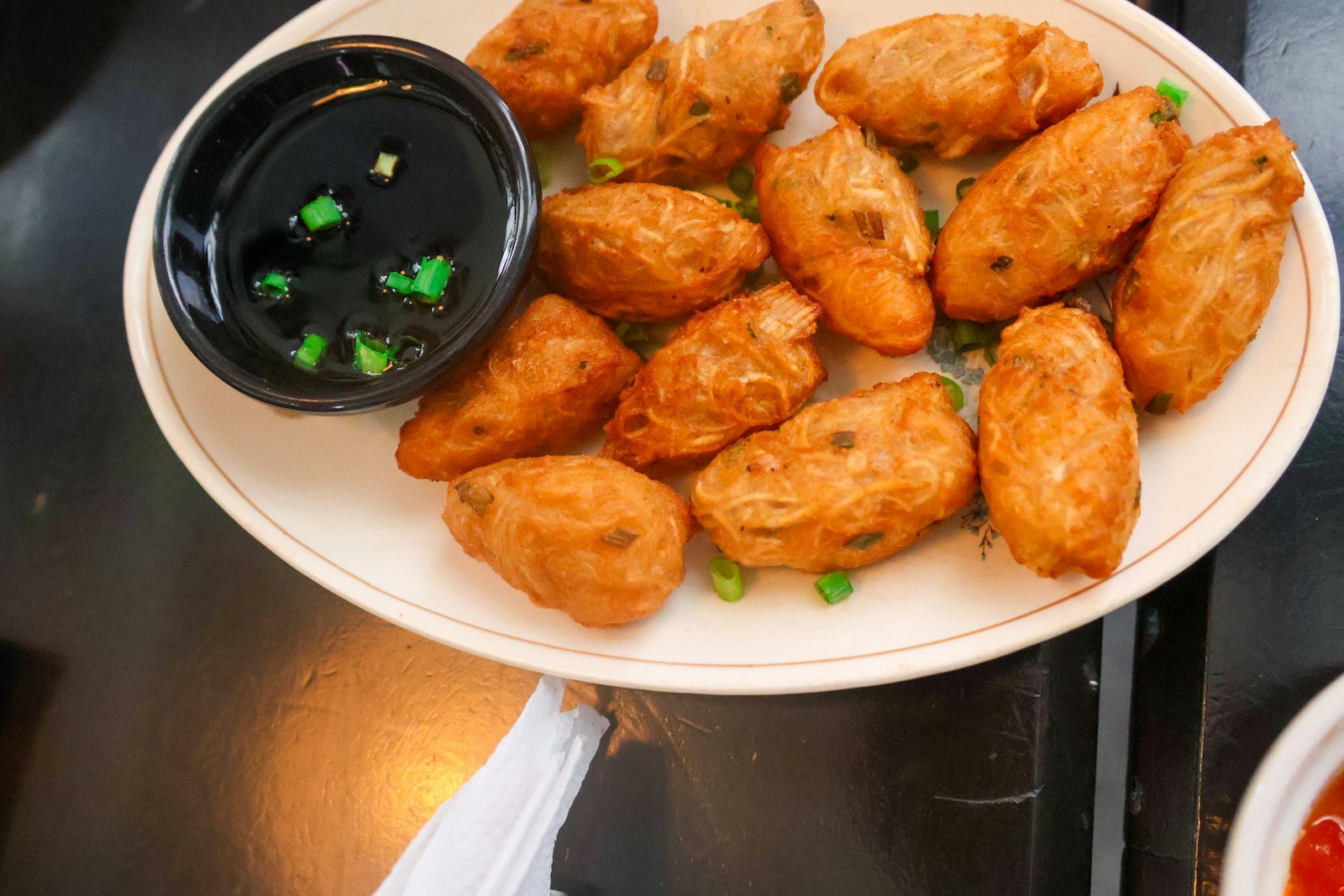
Ropa vieja (ropa vieja), literally "old clothes," is the national dish: beef stewed until it shreds in a tomato sauce with onion, sweet pepper and olives. The name is all about the look, the meat pulls apart into strings like a worn-out rag. Alongside it sit lechon asado (lechon asado), slow-roasted pork with garlic juice, yuca con mojo (yuca con mojo), that is boiled cassava under a garlic and citrus dressing, and tostones, twice-fried pieces of green plantain.
Seafood is its own story. Private restaurants along the coast often offer lobster and shrimp at prices that would seem laughably low in Europe. Officially, lobster fishing was long a state monopoly, so you almost never see it on a state menu, yet it turns up easily in a paladar. This is one of the few cases on Cuba where it is worth ordering the "expensive" option.
| Dish | What it actually is | Where to find it |
|---|---|---|
| Ropa vieja | Shredded beef in tomato sauce, the national dish | Paladares, home kitchens |
| Congri / moros y cristianos | Rice cooked together with beans, an everyday staple | Everywhere, from canteens to restaurants |
| Lechon asado | Slow-roasted pork with garlic and citrus | Family feasts, paladares |
| Yuca con mojo | Boiled cassava under a garlic and lime dressing | A side dish almost everywhere |
| Lobster and shrimp | Seafood at a modest price | Private restaurants on the coast |
| Tostones | Twice-fried green plantain, salted | Street stalls, paladares |
Paladares or state restaurants: where to eat in Cuba?
The short answer: almost always a paladar. These are private family restaurants that were legalized back in the early 1990s, often set up right inside the owners' home, cooking to family recipes. State-run places have historically worked differently: less interest, a narrower and unpredictable menu, service that depends on the mood. The exceptions are perhaps a few tourist spots in central Havana, but even there the private places usually win.
The difference in money is telling too. The very same plate of chicken and rice can cost around 2 dollars at a state counter, 8 dollars in a family paladar and 22 dollars in a trendy spot in Havana's Vedado district. A budget paladar runs roughly 2 to 8 dollars per person, a mid-range one 8 to 20, an upscale one 20 to 50. Prices are as of 2026, so double-check before your trip, because with inflation they move fast.
Another underrated option is a casa particular, private lodging along the lines of a guesthouse. The hosts often cook breakfast and dinner for an extra fee, and this is frequently the tastiest and most honest food in Cuba of the whole trip: fresh, homemade, with real local flavor rather than a tourist menu.
| Where you eat | Approximate bill per person | What to expect |
|---|---|---|
| State canteen or counter | 2 to 5 dollars | Cheap and filling, but a narrow, unstable menu |
| Budget paladar | 2 to 8 dollars | Home cooking, big portions, plain interior |
| Casa particular | 5 to 12 dollars | The most home-style flavor, order ahead |
| Mid-range restaurant | 8 to 20 dollars | Wider menu, lobster, cocktails |
| Upscale Havana venue | 20 to 50 dollars | Signature cooking, for a special evening |
How serious the shortage is and how to get around it
This calls for candor. Cuba's problem is not that food has physically vanished, but that locals cannot afford it: by some estimates a basic grocery basket costs many times the average wage, and in early 2026 a pound of meat or beans at the market reached a thousand pesos. A tourist will not feel that burden as sharply, but will see the consequences: no eggs one day, milk gone the next, then two out of ten items left on the menu.

Here is what to do about it in practice. First, do not rely on a single place to eat, keep a backup paladar nearby. Second, carry light snacks for the road between towns, because the choice along the highway can be grim. Third, during the season of power cuts the fridges sit off for hours, so order fish and seafood where you can see a busy kitchen and a steady flow of guests.
An all-inclusive hotel at the Varadero or Cayo Coco resorts is a separate reality. There the shortage is smoothed over, but the cooking is averaged out too: lots of plain dishes, rum flowing freely, yet fewer bright flavors than in a humble paladar in town. If you are traveling for the food and not only the beach, take at least a few dinners outside the hotel perimeter.
Rum, mojitos and what to drink on the island
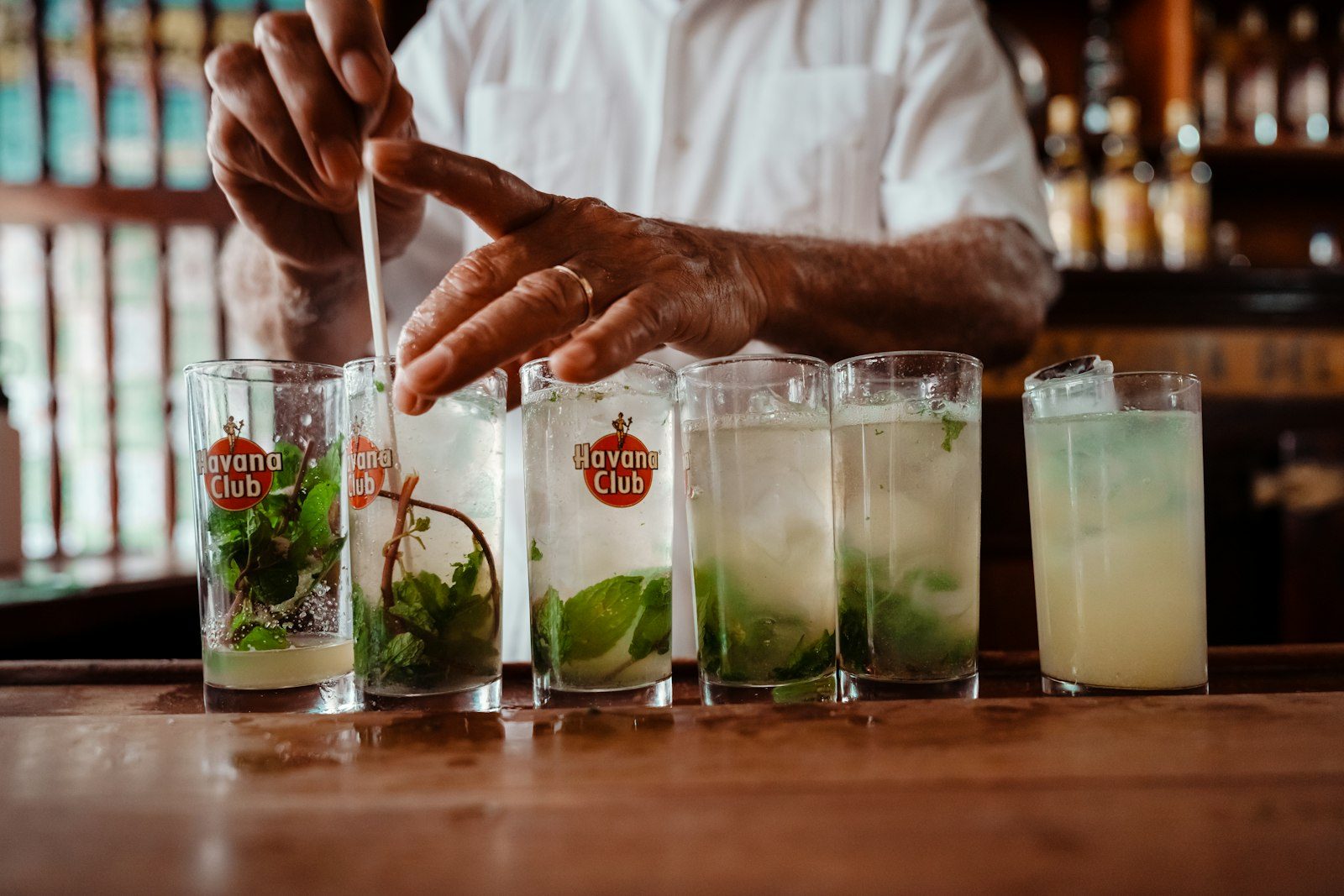
Rum is Cuba's second national dish, even if nobody chews it. The go-to brand everywhere is Havana Club, and the local cocktails are built on it. The mojito (rum, lime, mint, sugar, soda) was invented right here, in Havana's bars, while the daiquiri (rum, lime, sugar, ice) appeared in the east of the island, near Santiago de Cuba, and was only later popularized in the capital, so drinking them in their homeland just makes sense. Cuba libre is that same rum with cola and lime.
For beer the most common local labels are Cristal and the slightly stronger Bucanero. Coffee is a point of pride of its own: cafe cubano is a small, strong espresso sweetened right as it brews, served in tiny cups. Among non-alcoholic options it is worth trying guarapo, fresh sugarcane juice, and batido, a thick fruit shake made with mango or guava.
An important, dull piece of advice about water: do not drink tap water. Buy bottled, use it to brush your teeth too, and be careful with ice in drinks in questionable places. Decent bars and hotels make ice from purified water, but you cannot verify that in advance, so out in the countryside you are better off without it.
Money, cards and other table logistics
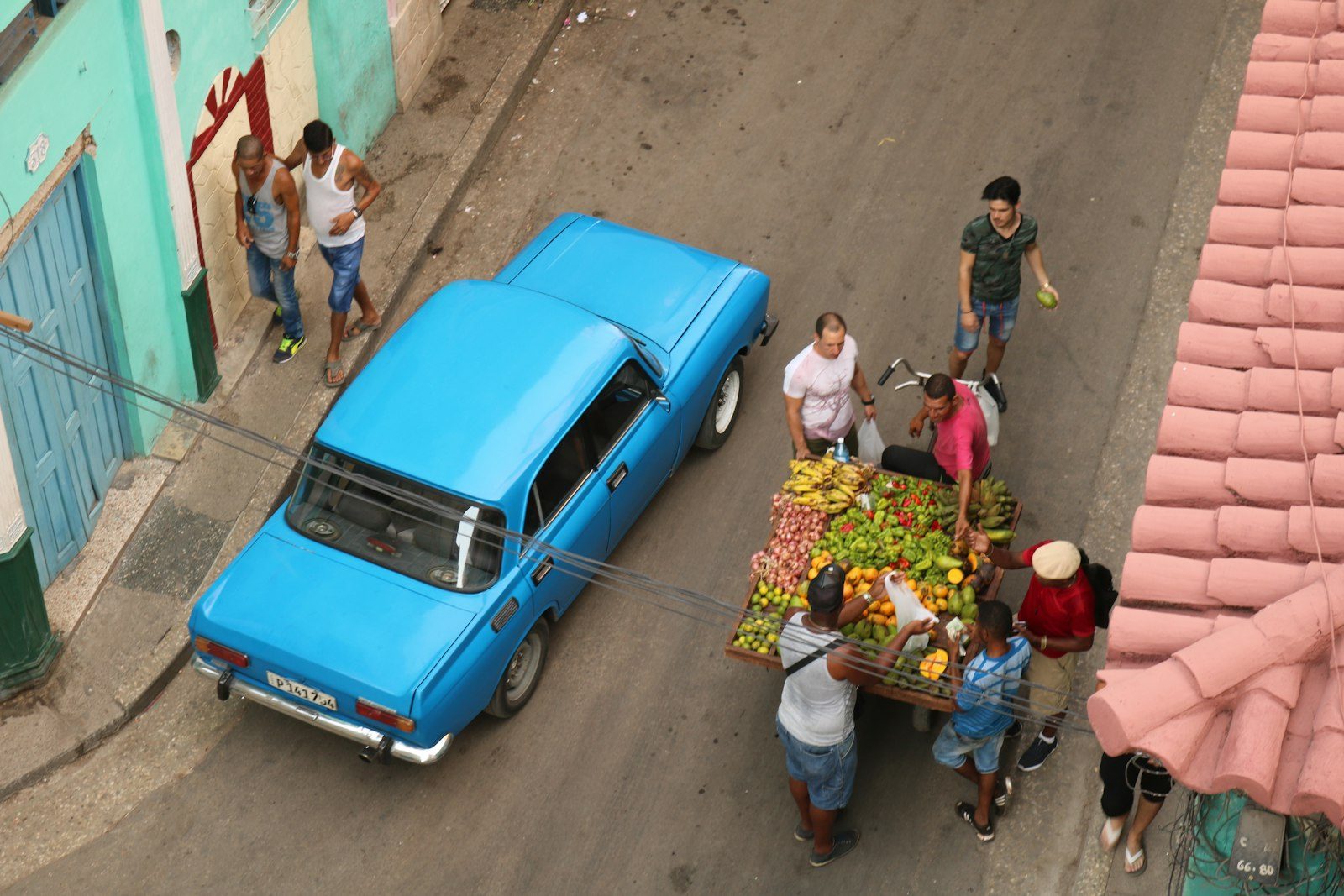
Cash decides everything. The only official currency is the Cuban peso (CUP); the old tourist currency CUC was abolished back in 2021, so if you read about CUC somewhere, that is outdated information. Dollars and euros are accepted almost everywhere informally, and cash hard currency is exactly what gets you the best rate.
The exchange rate is split, and that hits your budget directly. The official rate holds at around 600-something pesos to the dollar, while the real informal rate in August 2026 was noticeably higher, somewhere in the range of 670 to 690 pesos to the dollar. Because of American sanctions, cards tied to U.S. payment systems often do not work on the island, so counting on "I'll just withdraw from an ATM" is a bad idea. Bring enough cash for the whole trip and split it across your pockets.
A quick word on visas, since it is not a culinary topic, but without one you never make it to the table. Ukrainian citizens need a permit to enter: a tourist card or a visa, with a permitted stay of up to 90 days and the option of a single extension. On top of that, mandatory medical insurance and an online traveler registration before departure both apply. The rules change, so check the current requirements on the official resources of Ukraine's Ministry of Foreign Affairs (mfa.gov.ua) and the Cuban visa portal before buying tickets.
Where to start and where to go next
If you are in Cuba for the first time, stick to a simple plan: stay in a casa particular, have breakfast at home with the hosts, and for dinner pick a paladar with a live kitchen and a line of locals. Order ropa vieja, congri and a mojito, and that is enough to grasp the island's flavor without disappointment.
If you have already done the resort and want to go deeper, head to Trinidad or the small towns, seek out family tables with lobster for a few dollars, and do not be shy about asking the hosts what they eat themselves. That, and not the hotel buffet, is where real Cuban cuisine hides, with its gaps in the menu but also with a flavor you cannot fake.