


Havana, Cuba - As long as they meet certain requirements, many Americans can now legally travel to Cuba for the first time in more than 50 years.
After decades of isolation, the crumbling infrastructure of the Caribbean island nation is far from ready for the wave of tourists to come. But they'll come anyway.
Airlines are expected to add flights from countries such as the United States and China, and a growing number of cruise ships will dock at Havana's sole commercial port.
Partner links: booking through them supports the blog at no extra cost to you.
Here are 10 things to know if you're planning a vacation in Cuba.
Americans Still Need an Exception
Although American tourism to Cuba is still technically prohibited under the embargo, U.S. citizens can legally enter Cuba by using one of the 12 travel exceptions regulated by the U.S. State Department.
Americans no longer need to fill out paperwork, they simply have to be ready to name their exception if asked.
Book Your Flights Early
More and more commercial airlines are launching regular flights to Cuba, including a nonstop route from Beijing operated by Air China.
Book Your Hotels Early
Cuba faces a severe shortage of hotel rooms, especially during the peak tourist season, which runs from mid-December to mid-March.
Finding a last-minute hotel room in Havana is practically impossible. Your best bet is to rent a private room through Airbnb or other rental sites.
Cubans have extremely limited internet access, so confirming an online booking can take several days.
Leave Your Tablet at Home
The lack of Wi-Fi and cellular service in Cuba means your tablet or smartphone won't work here.
Bring Enough Cash for the Whole Trip
Cuba runs mostly on cash.
While major credit card companies are starting to make it easier to use American bank cards in Cuba, most U.S. credit or debit cards still won't work.
Bringing euros or Canadian dollars lets you avoid the steep taxes levied on U.S. dollars. And don't count on paying with local Cuban pesos. Foreigners have to use convertible pesos (CUC), which are valued the same as the U.S. dollar. When paying with CUC, visitors can usually expect to pay more.
Also, if you're American, don't check your bank account online from Cuba. Your funds will most likely be temporarily frozen.
Be Ready to Tip
If smiling women in bright Cuban dresses offer to pose for a photo with you, be ready to pay them once the picture is taken.
The same goes for Havana's street performers and the owners of cute dogs, who will likely ask for a "propina" (a tip) in exchange for a snapshot.
The clientele at many clubs and restaurants consists almost entirely of tourists.
If you're after a more authentic local experience, ask locals, your driver for instance, which spots are best to visit.
Don't Expect the Whole Menu to Be Available
Cuba has some wonderful private restaurants. State-run restaurants can be good too, but be prepared for many menu items to be unavailable due to limited food supplies.
Don't Plan on Coming Home with a Pile of Cigars
If you want to bring back the legally allowed 400 dollars in souvenirs, only 100 dollars of that can be rum and cigars. Cuban artwork makes a wonderful souvenir and a great value, but make sure it's certified by the artist.
Leave the Driving to the Professionals

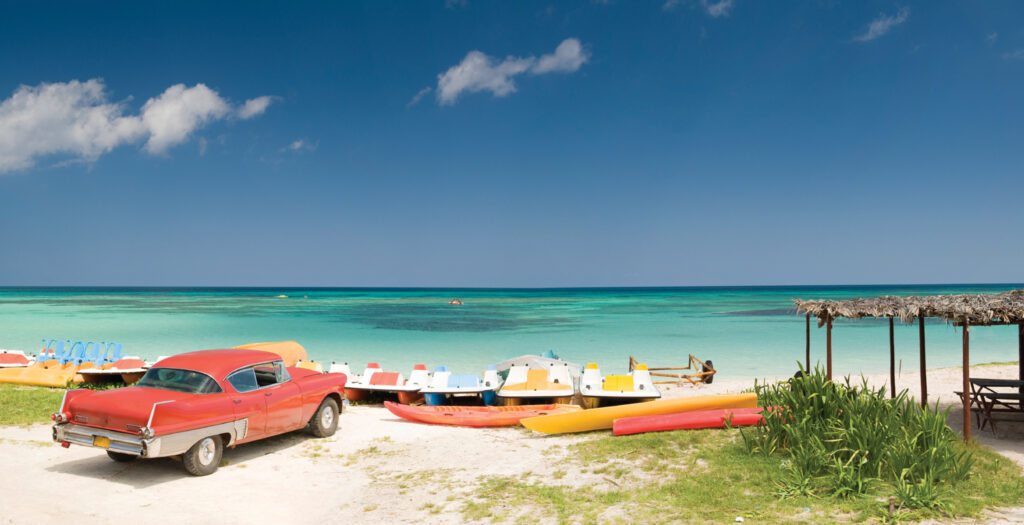
Hiring a taxi is easier and safer than driving around the country yourself. Classic cars can take you across the city, but be sure to agree on a price in advance.
Local taxis can be found for less, but they may not take foreigners who don't speak Spanish.
Take It Easy
Cuba's slow pace of life can catch some tourists off guard. Service in restaurants, clubs, and hotels can take far longer than you're used to. But in an oasis like Cuba, a bit of laid-back living may be exactly what fits.