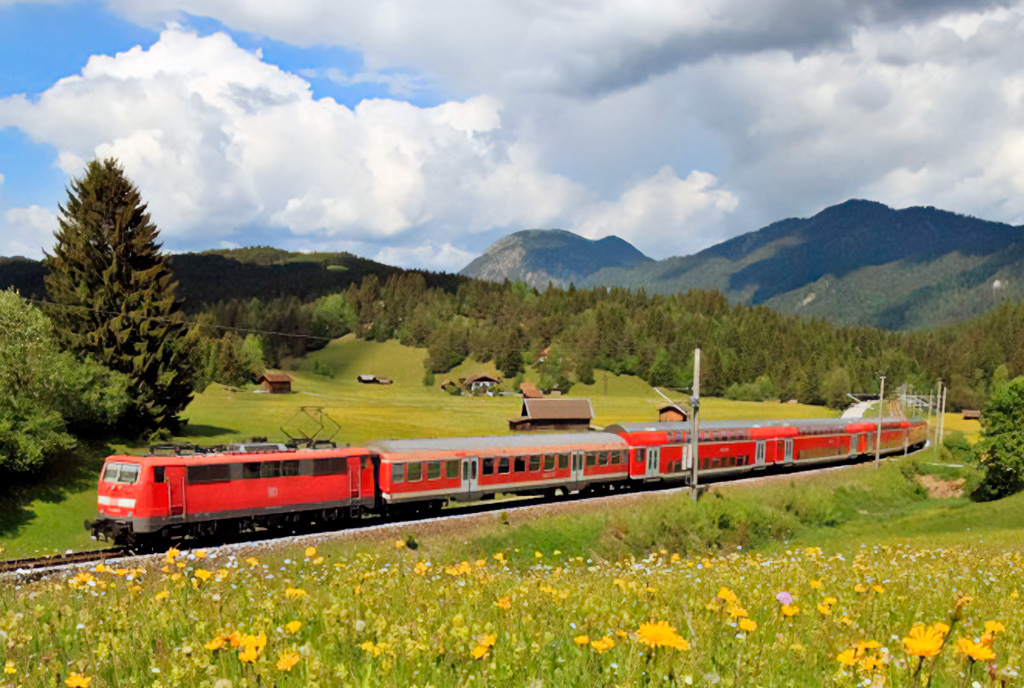


Germans are famous for grumbling about plenty of things: taxes, politics, Oktoberfest, and trains.
While we sometimes have good reason to complain about the deductions on our paychecks, dull elections and the annual invasion of beer lovers, trains are a different story.
Germany's railways, or Deutsche Bahn (DB), have a reputation for delays, technical failures and strikes. Yet when everything runs smoothly, gliding across the rail network is one of the most pleasant ways to travel through Germany, second only to a spin in a Mercedes-Benz 450.
Partner links: booking through them supports the blog at no extra cost to you.
Yes, punctuality has slipped in recent years, so hold off on the cliché comments about German efficiency for now, but the trains usually arrive on time, and DB says 90% pull in within five minutes of schedule. The network reaches every corner of the country, carrying 4.5 million people a day on 29,000 trains across 35,000 kilometers (21,700 miles) of track.
Here's how travelers can make the most of a rail journey through Germany:
Before You Board
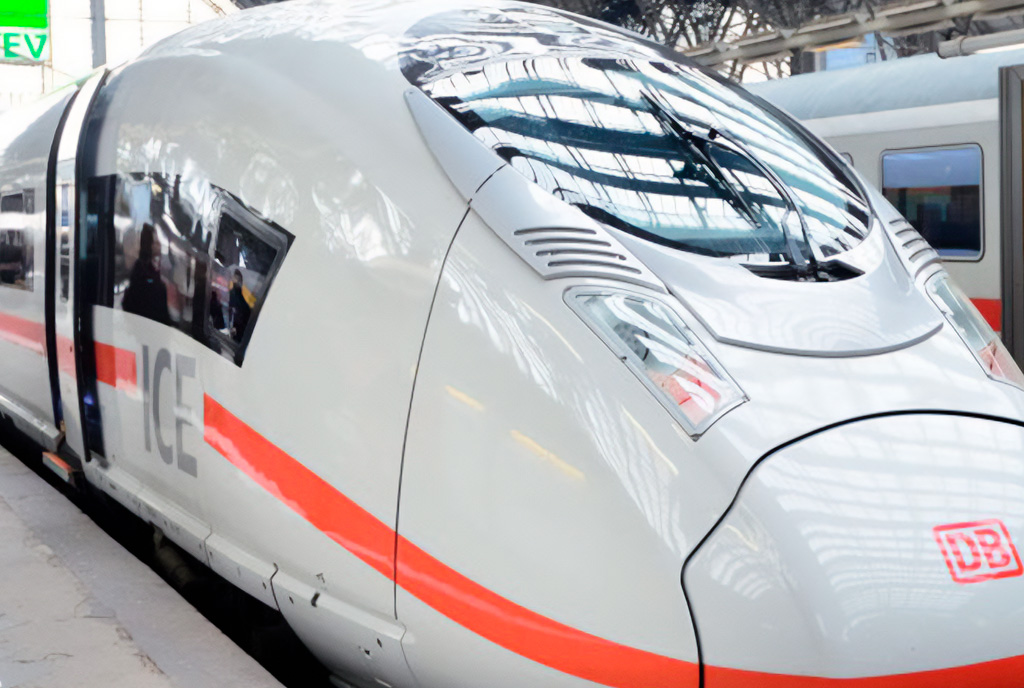
While the high-speed ICE (Intercity Express) trains connect most major cities, the regular InterCity (IC), EuroCity (EC) and regional trains are cheaper and serve plenty of destinations too.
German trains never require a mandatory reservation (night trains aside), so travelers can always buy a ticket right at the station. Standard fares are flexible and refundable, and you can simply hop on the next available train.
To skip the long lines at the ticket counter, try the red ticket machines at the stations, which have an English-language option. For long-distance trips, discounted fares start at 29 euros (32 dollars) on www.bahn.de. These special fares are valid only on the day of travel and for the specific train you booked.
Anyone from any country can buy tickets on bahn.de and, in most cases, simply print the ticket at home, but they will need to carry a photo ID along with the ticket and the credit card number used during booking.
Good news for parents: children under six travel free, and those aged six to fifteen also ride free when accompanied by a paying adult. The Schones-Wochenende ticket buys a full day of unlimited travel on regional trains anywhere in Germany over the weekend.
ICE and IC trains can't be used with this ticket, so a long-distance trip may be slower and involve several changes. But it's cheap: a group of five can cross the country for just 40 euros.
Transport strikes do happen, as they did in October 2014 with serious disruption for passengers. Even so, strikes are fairly rare. When a train runs significantly late, conductors hand out official delay certificates, and tickets are partially or fully refunded for any delay of more than 60 minutes. Just bring the certificate and your train ticket to the ticket counter after you arrive.
Night trains are a dying breed in Europe, and many classic European routes, such as Berlin to Paris, were recently scrapped as passengers switched to budget airlines.
DB remains one of the main night operators. City Night Line trains link Copenhagen and Amsterdam with Berlin, Prague and Munich. The adventurous can even catch a direct train to Moscow from Berlin.
On the Train
Timetables are posted throughout the station, either on printed placards or on large electronic boards, with signs in both German and English. On the platform, passengers will also find a handy diagram called the Wagenstandsanzeiger. It shows how the main trains are made up and where the different carriages stop, which is useful for anyone with a seat reservation.
Just to keep everyone on their toes, platform changes are sometimes announced over the loudspeaker at the last minute. If German-speaking passengers suddenly start grumbling and moving off, you can be sure a change is under way.
Last-minute changes will also appear on the main departure boards and platform displays. Seat numbers are clearly marked. In an open carriage they sit above the seat; in a compartment they are shown outside the cabin. On most ICE trains and some IC trains, reservation details appear on a small electronic display.
Every train in Germany has toilets, and most intercity trains have a bistro and dining car serving hot meals, snacks and drinks. There's no problem bringing your own food and drink either.
Where to Go?
The Rhine Valley
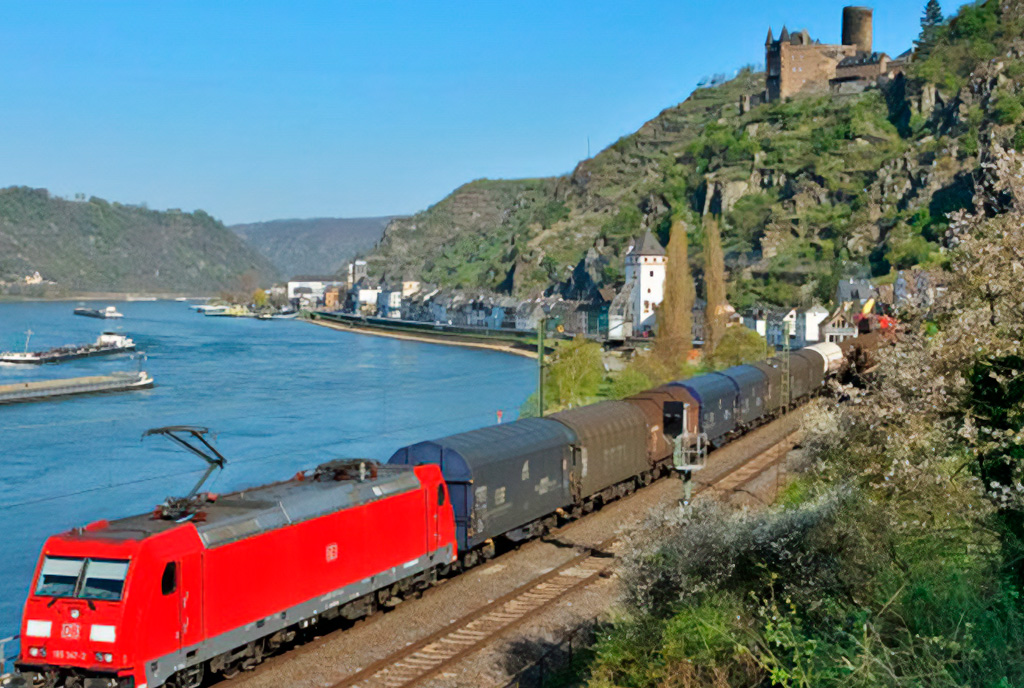
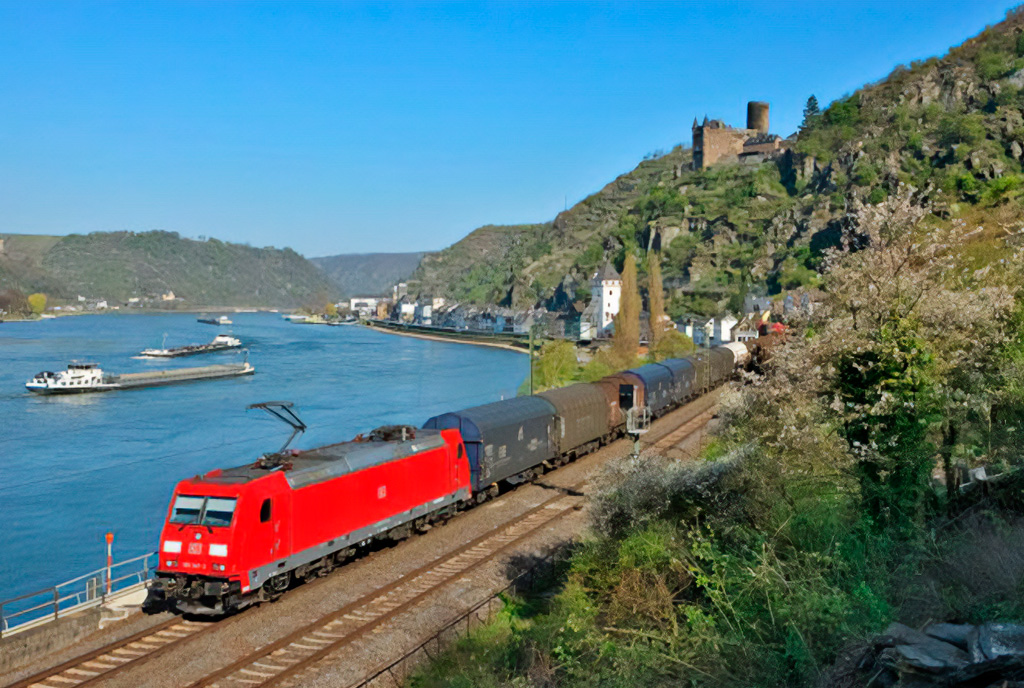
The Rhine, one of Germany's most scenic river valleys, is perfect for exploring by train. The route between Cologne and Mainz winds along the banks of the great waterway, past gentle hills, vineyards and castle ruins.
This stretch of the Rhine is served by not one but two rail lines, one on each side. The left bank is generally considered the more picturesque of the two. You can switch between them at Koblenz.
The Moselle Valley
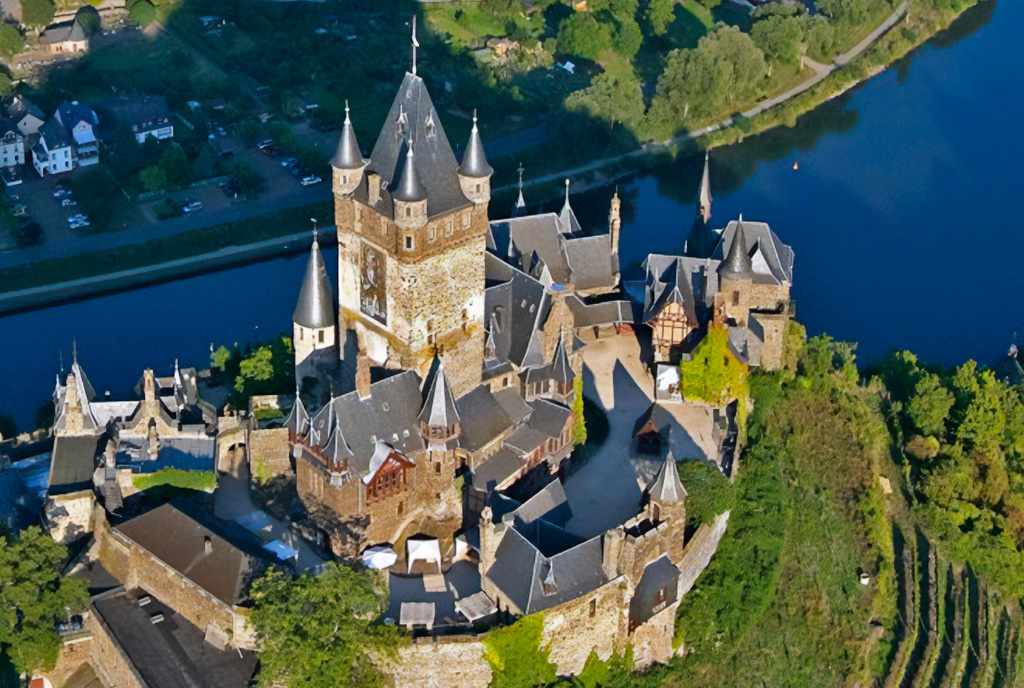
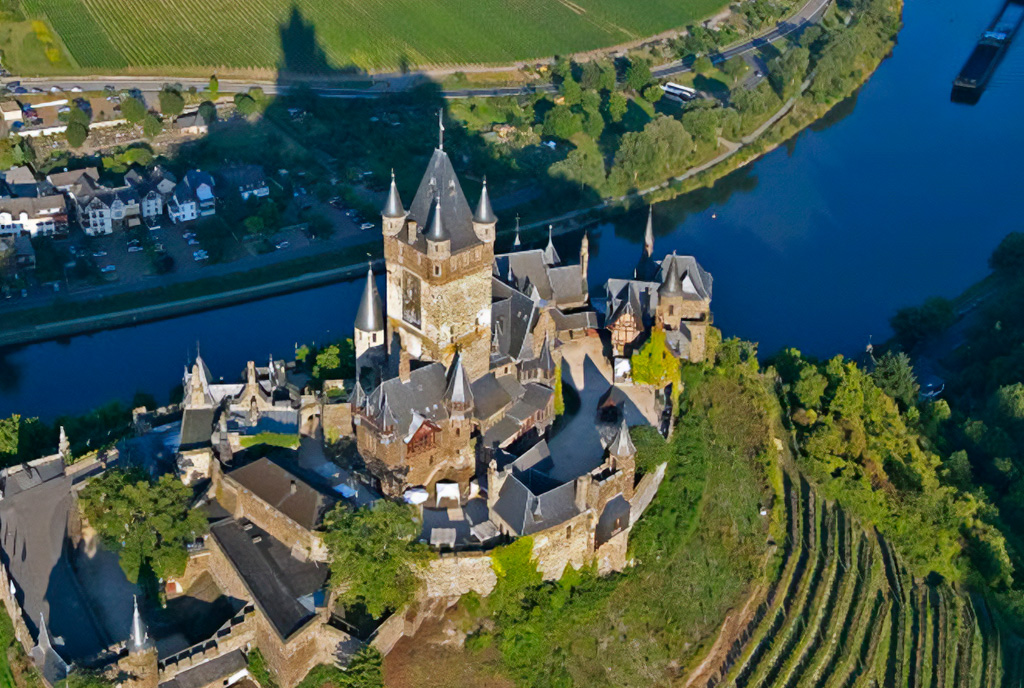
Just as scenic is the route along the Moselle River, which runs through one of Germany's most important wine regions and follows a tributary of the Rhine between Cochem and Koblenz.
You could pair it with a trip through the Rhine Valley for a full German river-and-rail travel experience.
The Schwebebahn
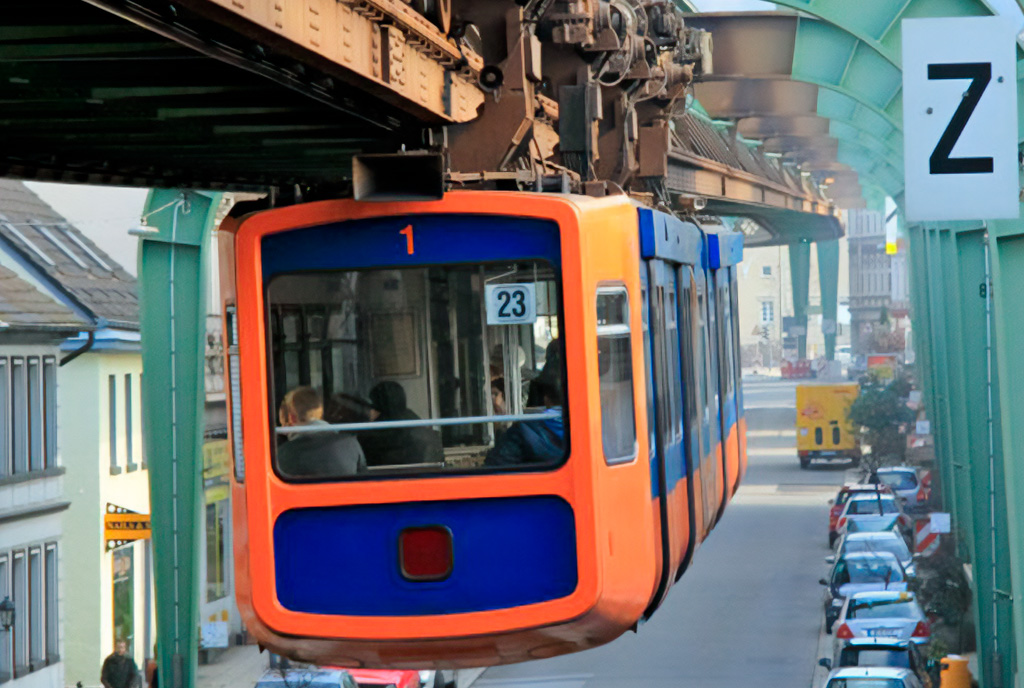
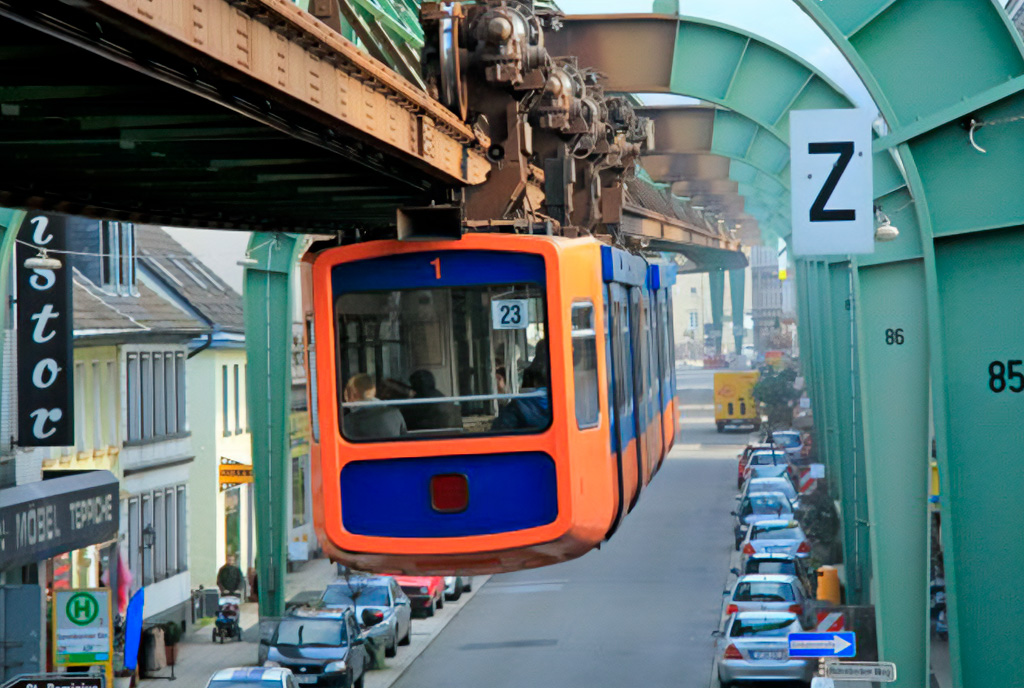
Born from a late 19th-century, steampunk vision of the future, the Wuppertal suspension railway is the oldest overhead railway of its kind in the world.
A classic example of technology from Germany's golden industrial age, the Gründerzeit, this elevated line, with its unexpected views into sixth-floor apartment windows, is reason enough to visit the western German city of Wuppertal. The line was built between 1897 and 1903 and runs 13 kilometers along the valley of the River Wupper.
Swaying gently, the Schwebebahn is still used as an ordinary commuter train, carrying 25 million passengers a year between its handsome stations, and it can be used with regional train tickets.
The Mittenwaldbahn
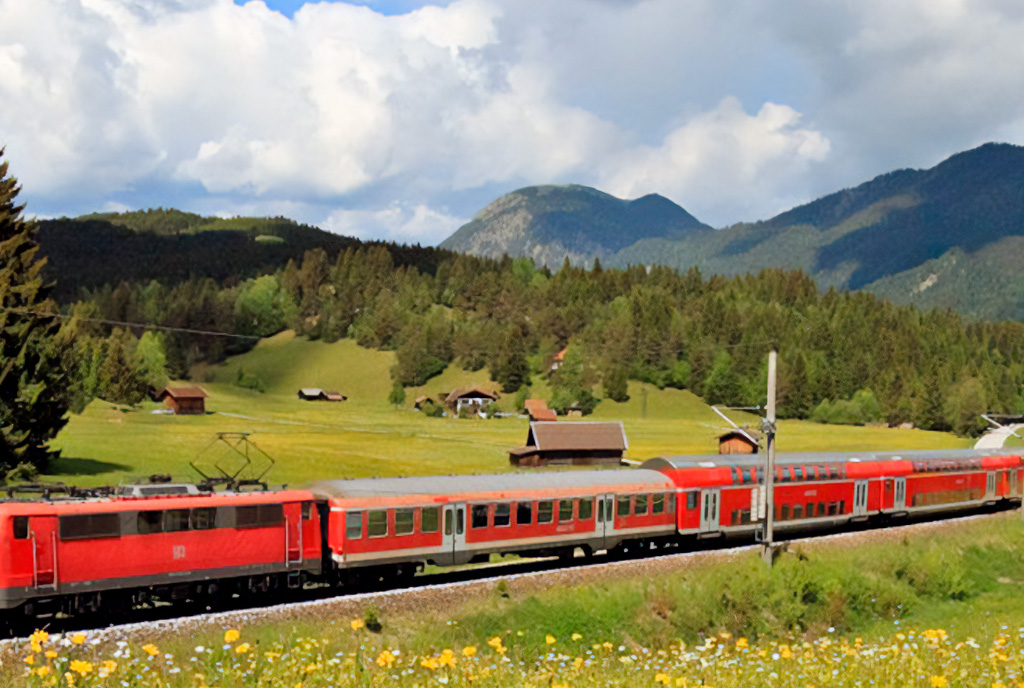
For anyone who prefers real mountains to the gentle slopes of river valleys, there's the Mittenwald railway (Mittenwaldbahn).
This Alpine line runs between Innsbruck in Austria and Garmisch-Partenkirchen in Bavaria, in southern Germany.
It passes through a series of dramatic mountain valleys dotted with wooden, Heidi-style farmhouses and dairy cows wearing enormous bells. The most spectacular part of the route is a long stretch along the edge of the Martinswand, a steep rock face threaded with tunnels.
The Berlin S-Bahn Ring
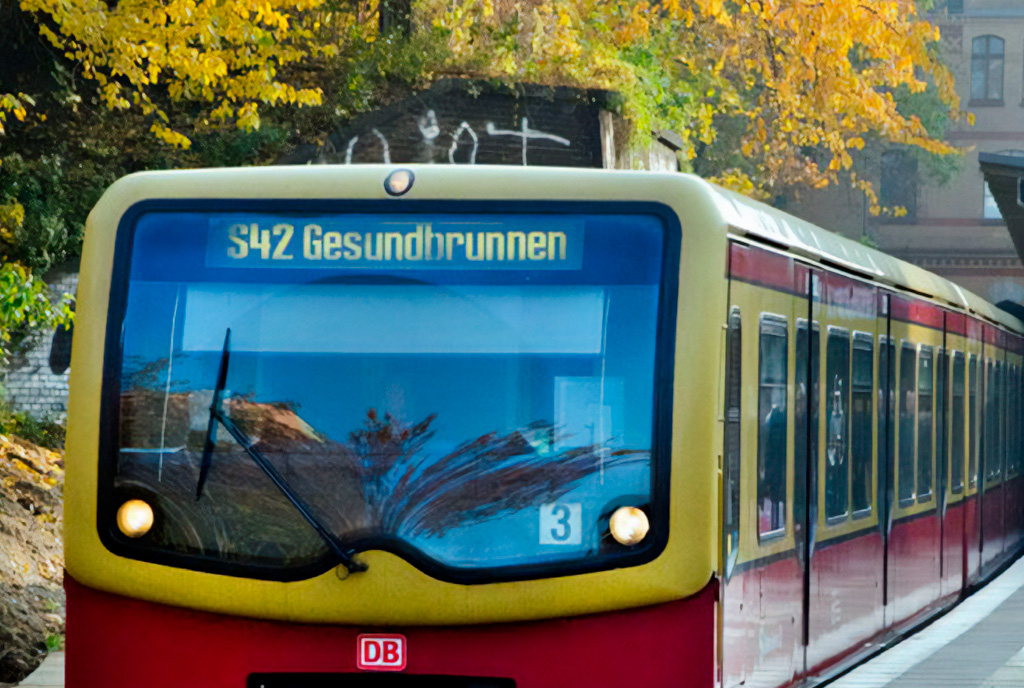
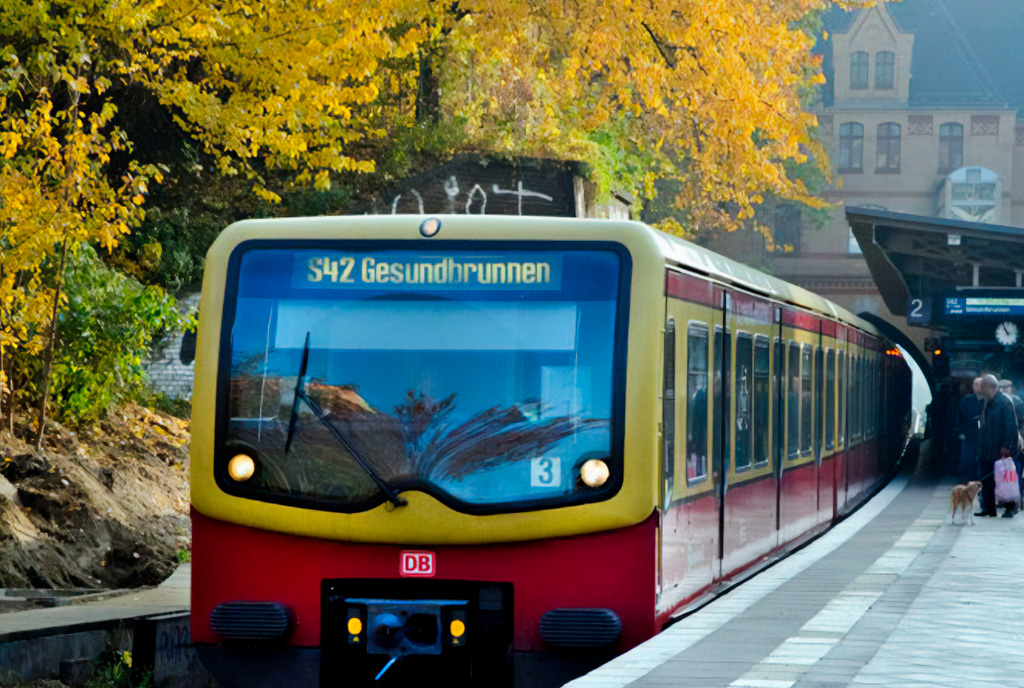
Berlin's ring railway (Ringbahn) is a wonderful, cheap way to explore one of Germany's most exciting cities.
Much like London's Circle line or Paris Metro lines 2 and 6, the Ringbahn is an overground commuter loop around the city center, letting you take in the sights for the price of a single train ticket (2.70 euros). Because of its distinctive shape, the line is often nicknamed the "Hundekopf," or Dog's Head.
The Kirnitzschtal Tram
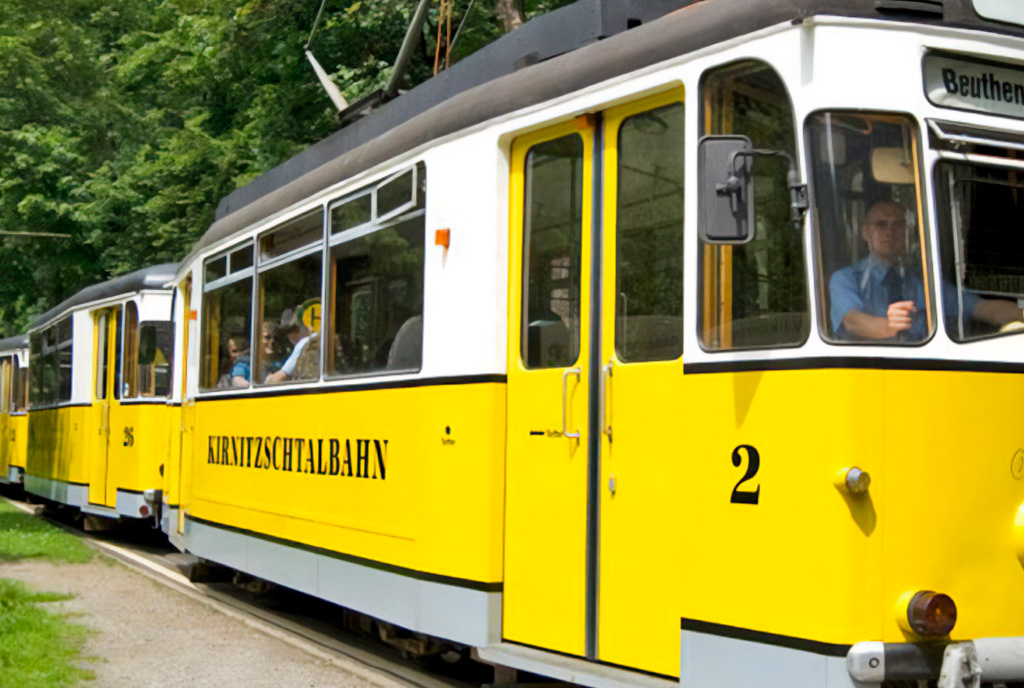
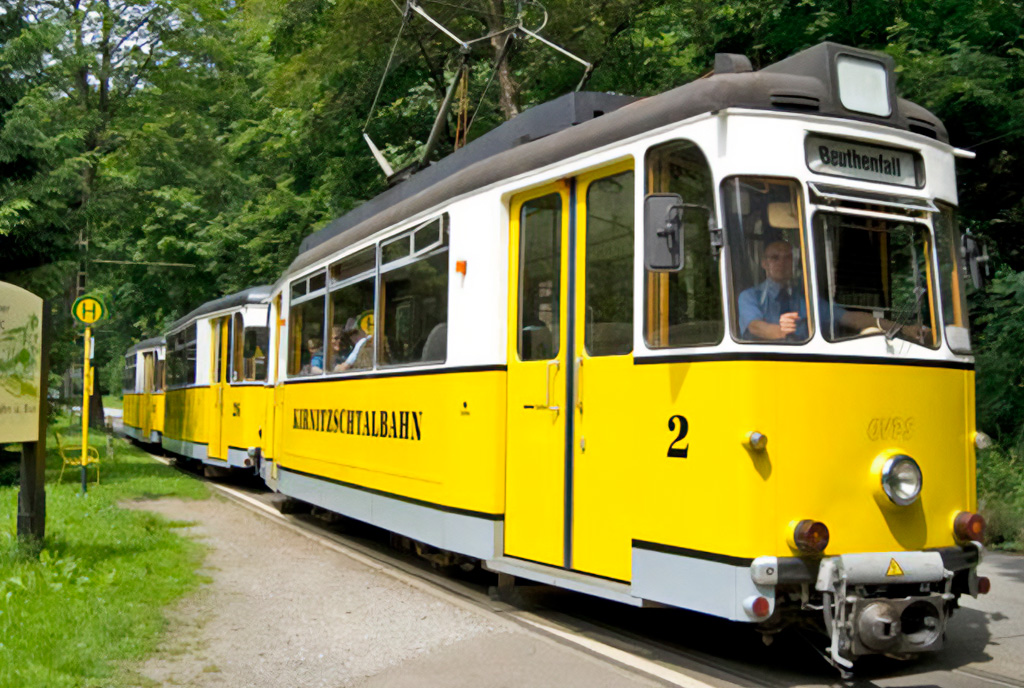
For anyone who loves pairing historic tram lines with pleasant mountain walks, there's the Kirnitzschtal tram. The line opened in 1898 and runs through the valley of the River Kirnitzsch in Saxon Switzerland (a region of Germany near the Czech border), from the town of Bad Schandau to the Lichtenhain waterfall.
The historic 1966 tram cars serve as the starting points for many of the walks in the area.
Hamburg: Sylt and the Hindenburgdamm
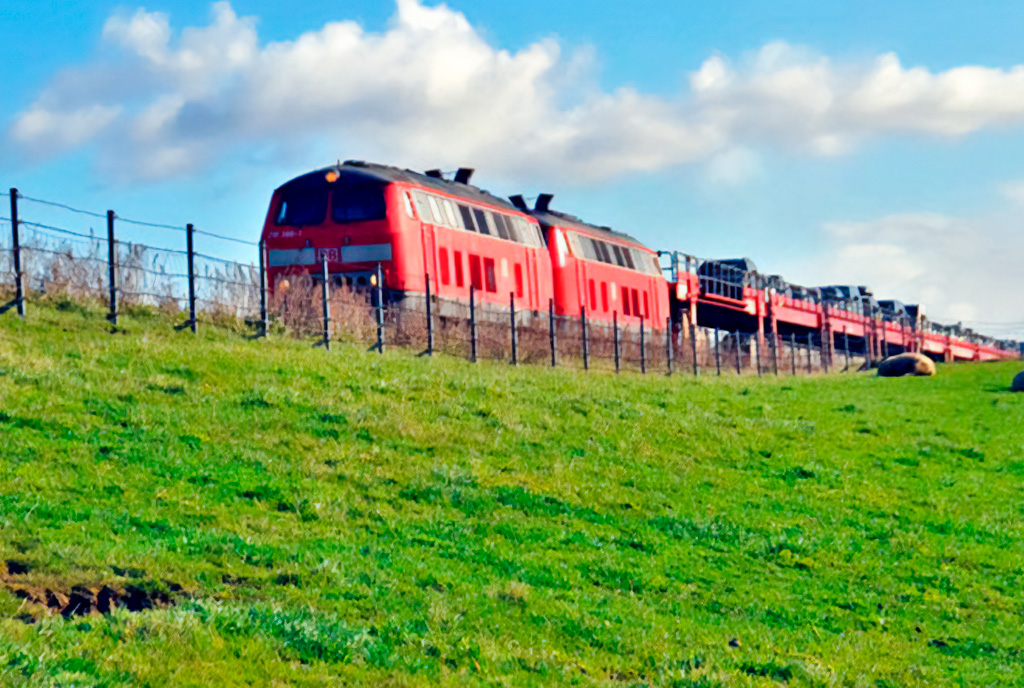
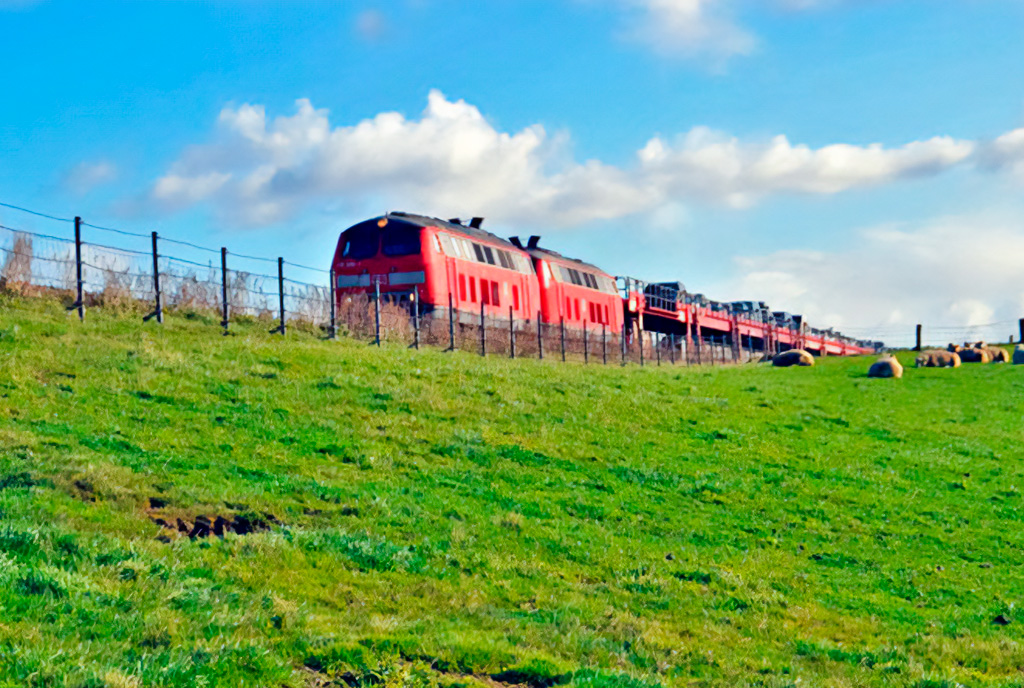
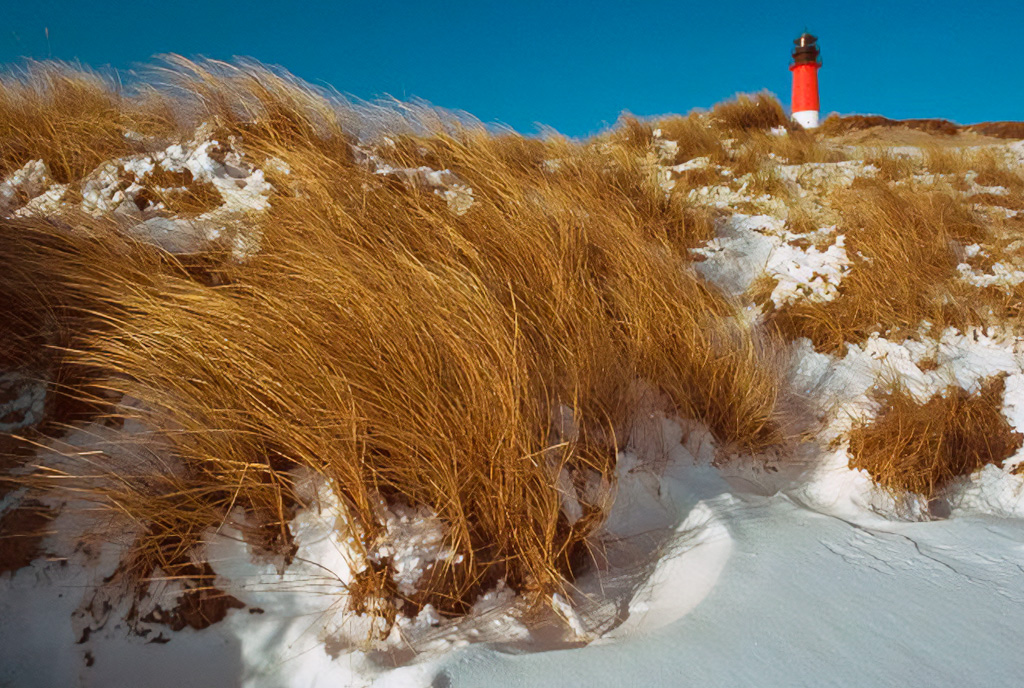
To ride a train across the sea, passengers can take a regional train linking Hamburg with the popular resort island of Sylt in the North Sea.
The island's only link to the mainland is the 11-kilometer-long Hindenburg causeway. It opened in 1927 and is a rail-only corridor, which means even the cars heading to Sylt have to be loaded onto the train before crossing.
The train ride across the causeway, between the car terminals at Niebull on the mainland and Westerland on Sylt, with tidal flats and sea on either side, takes about 30 minutes.
Kiel: Lubeck via Holstein Switzerland
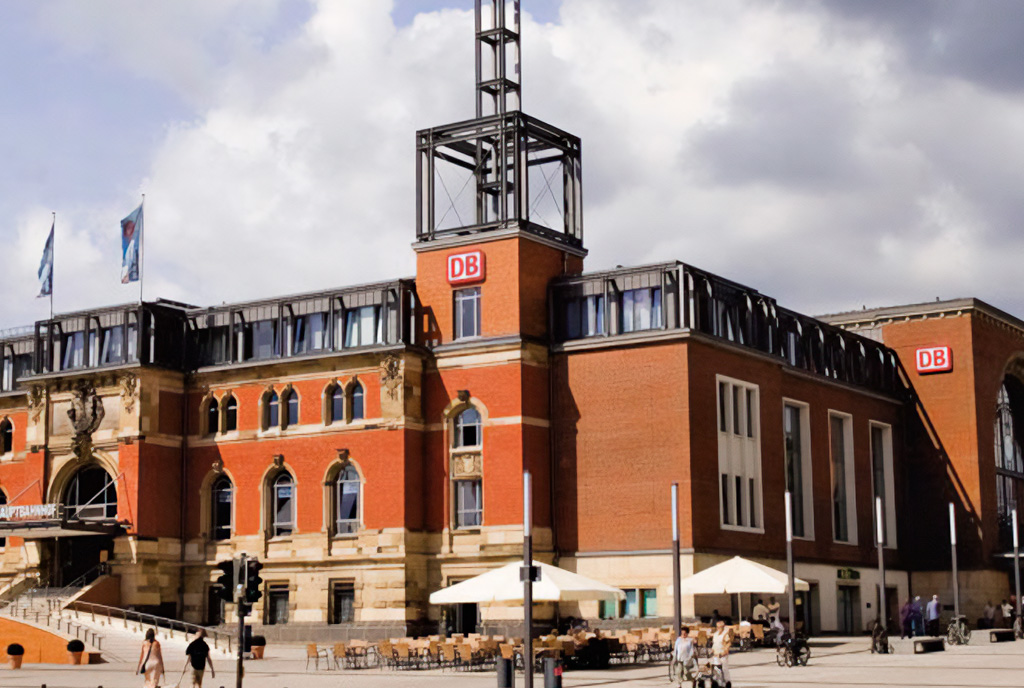
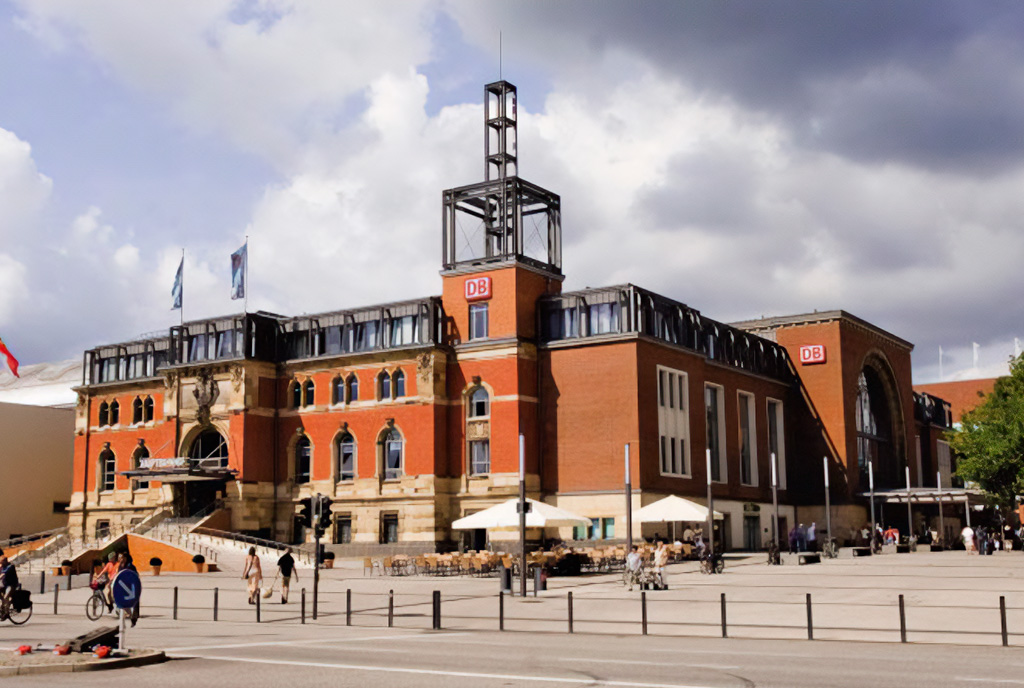
Another scenic route close to the sea is the railway in eastern Schleswig-Holstein, in northern Germany. It connects Kiel and Lubeck, the state's only two cities, and passes through Holstein Switzerland, a lovely recreation area known for its large lakes and dark forests.
Marcel Kruger is a German writer and translator based in Dublin and Berlin. He mostly writes about history, travel and beer, or all three at once.