

Ukrainian Easter traditions rest on three things: the intricately written pysanka egg, the festive basket of paska bread carried to be blessed before dawn, and the spring gaivky dances that spill over into a water-soaked Monday. And one detail people often get wrong: Easter has no fixed date. It is a movable feast, and in 2026 Ukrainians celebrate it around the middle of April, so you cannot pin a trip to a set number far in advance.
Below we get to the point: how a pysanka differs from a plain krashanka and what its symbols mean, what goes into the basket and why, how the gaivky sound, where the habit of dousing people with water comes from, and where in Ukraine these Ukrainian Easter traditions are living rather than staged. The Hutsul region and Polissia are a chapter of their own, because that is where the rite survived most fully.
When is Easter, and why does the date shift?
Easter is tied not to a calendar number but to the lunar cycle. By the rule, it falls on the first Sunday after the first full moon following the spring equinox, so the date roams across several weeks, usually from early April into early May. The Ukrainian Orthodox Church counts Easter by the old paschal calculation, which puts the 2026 feast in mid-April. It is worth checking the exact date before you travel, because it changes every year, and everything hangs off it: the whole preparation week before, and the spring gaivky after.
The week before Easter is called Holy Week. On Maundy Thursday people clean the house and bake, on Good Friday nothing festive is done, and on Saturday evening and through the night families head to church for the all-night vigil. That is where the feast itself begins. If you are coming for the atmosphere, aim for the night from Saturday to Sunday, because everything that matters happens then.
Pysanka and krashanka: what is the difference and what do the symbols mean?
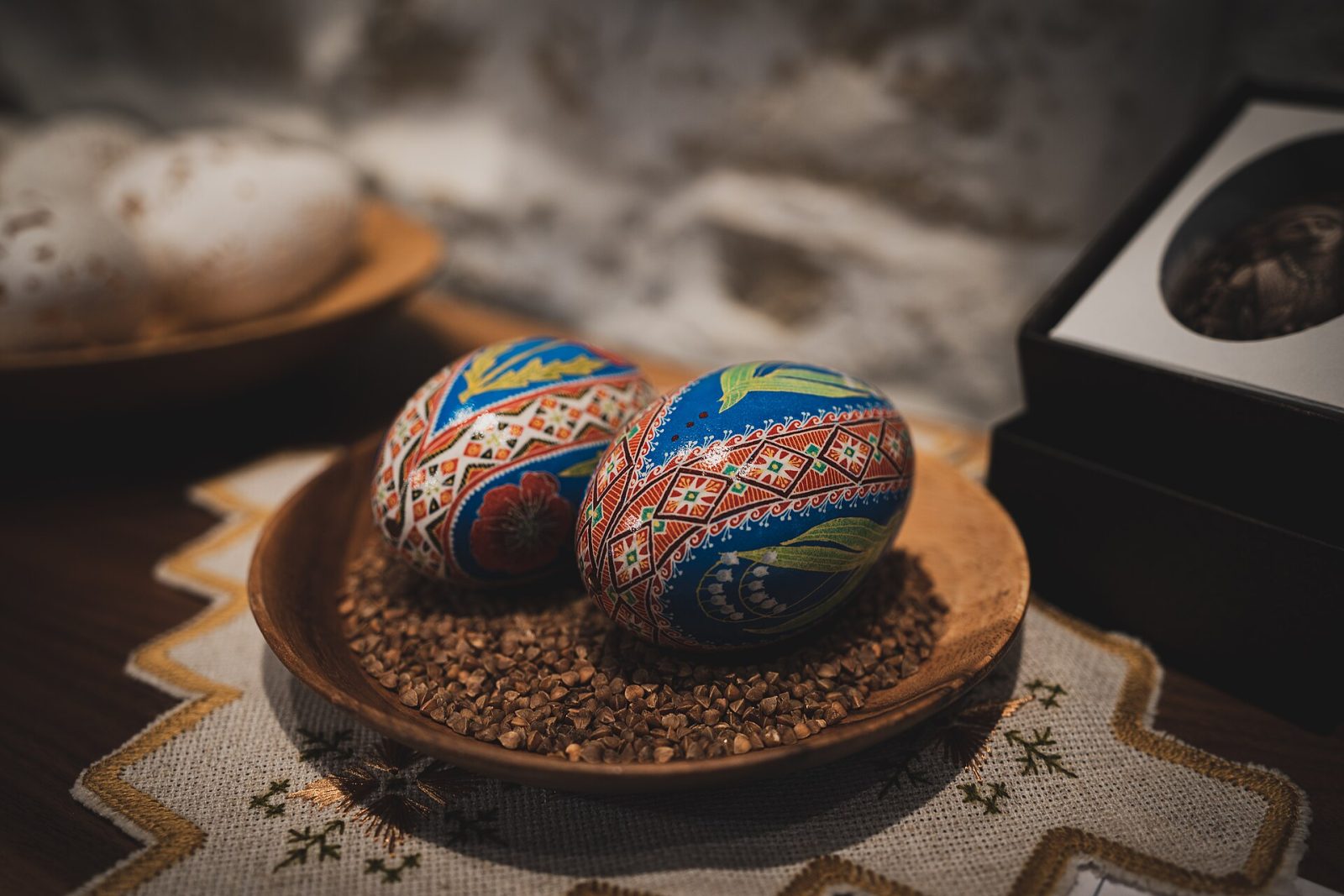
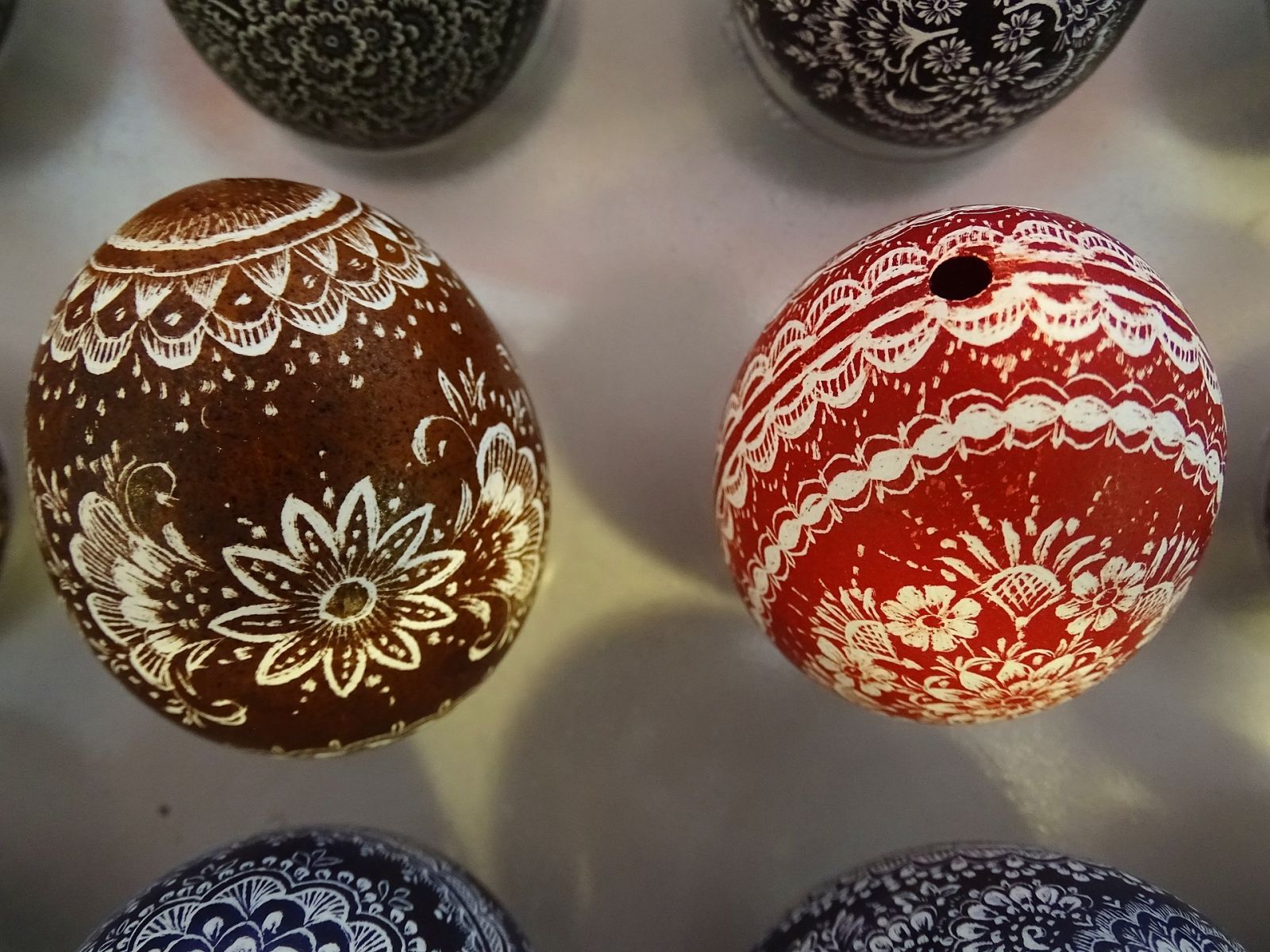
People mix them up, but they are different things. A krashanka is a boiled egg dyed a single colour, most often red from onion skins. It gets blessed and eaten. A pysanka is not edible: it is written on a raw egg with wax and dyes using an elaborate technique, and it works more as a talisman than as food. The red of the krashanka stands for blood and resurrection, which is why it leads the table.
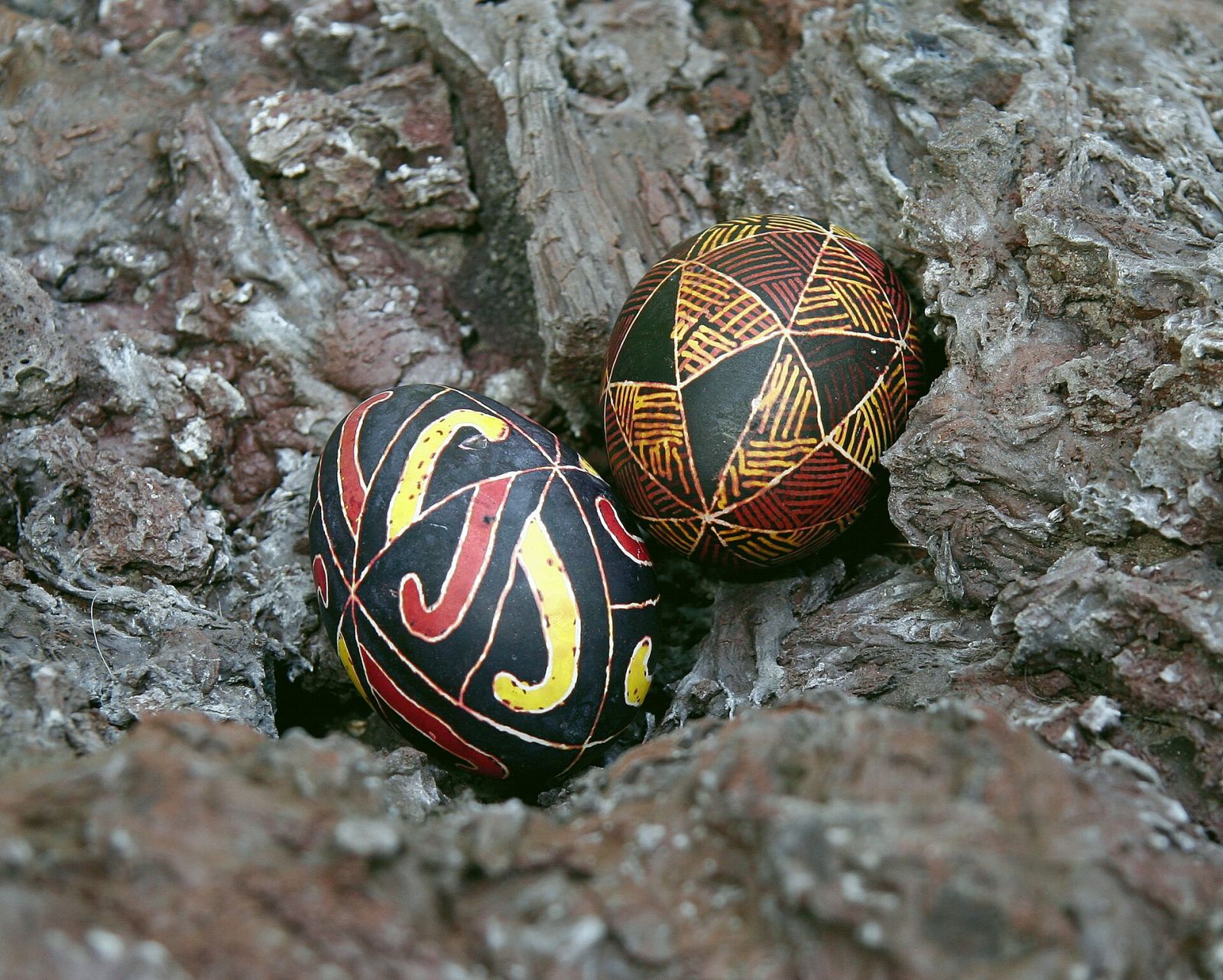
The marks on a pysanka are not decoration for its own sake. Each one meant something. The endless line, the bezkonechnyk, is life without beginning or end. Forty little wedges recall the forty days of the fast and the forty martyrs. A small pine or a sprig signals eternal youth, a rooster and a horse strength and plenty, and wavy lines the water that the harvest depends on. Regions had their own schools: Hutsul pysanky are tiny and geometric, those of Polissia plainer and more archaic, Podillia ones densely packed with plant motifs. From a single egg a practised eye can guess the village it came from.
What goes into the Easter basket, and why?
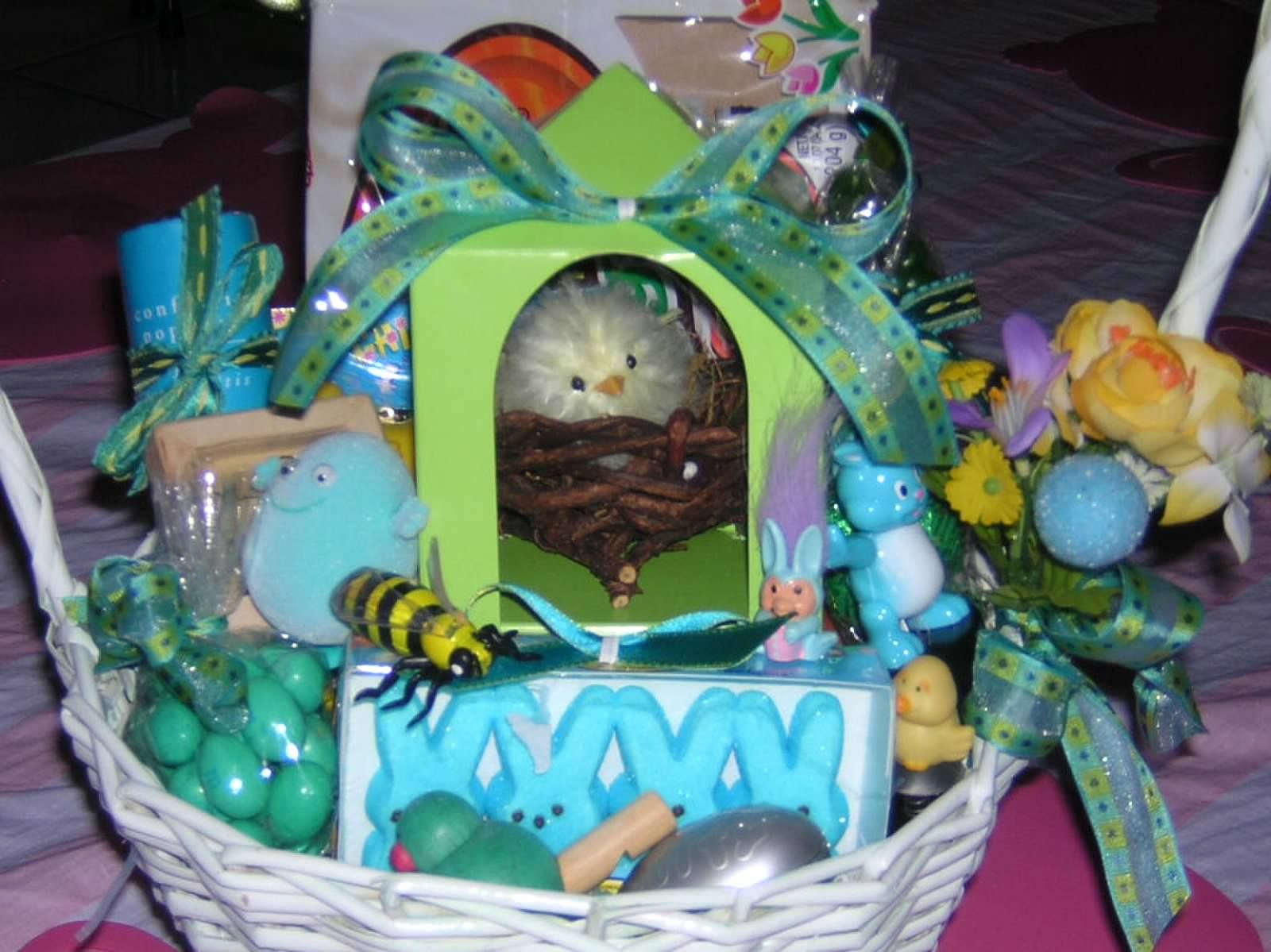
The blessing of the basket on Sunday morning is the peak of the holiday. People gather at the church, set their baskets in rows in the open air, and the priest walks along them sprinkling holy water. It looks especially fine when it all happens at sunrise beside an old wooden church. The contents are traditional and barely change.
- Paska. The main bread of the feast, tall and rich, often topped with dough braids and a cross.
- Krashanky. Dyed eggs, the sign of resurrection and new life.
- Meat. Ham, sausage, cured fat, because after a long fast the table is finally allowed to be rich.
- Salt and horseradish. Salt as a charm and a token of plenty, sharp horseradish as a reminder of Christ's suffering.
- Butter and cheese. Homemade dairy, sometimes shaped as a lamb.
- A candle. Lit during the blessing.
Back home with the blessed food, the family sits down to break the fast. They usually start with the blessed egg, shared among everyone so the year passes in harmony. And the day's first greeting is its own: Khrystos voskres (Christ is risen), answered with Voistynu voskres (Truly He is risen).
Gaivky, vesnyanky and Wet Monday
Easter in Ukraine is not only church and table. It has a loud spring side too. The gaivky, called gagilky or vesnyanky depending on the region, are old ritual songs with dances and games that girls once led by the church after the service. Their roots are pre-Christian, a call to spring and to the waking of the earth that the church folded into the feast over time. Round dances, games like the Crooked Dance or the Gatekeeper, songs about the return of warmth: all of it lingers in villages and at ethno-festivals, and in places it is being revived in the cities.
The Monday after Easter is called Wet Monday, and the rules are simple and cheerful: young men douse young women with water, and the next day the women get to return the favour. This custom is pagan in origin too, with water standing for cleansing and a year of health. Today it is more a joke and a bit of fun for the young than a strict rite, but in many villages it holds, so on those days walking past a well calls for caution.
Where in Ukraine is it interesting to spend Easter?
The fullest Ukrainian Easter traditions survive where urbanisation reached less: the Carpathians and Polissia. The Hutsul region is a world of its own for the pysanka and ritual singing, where women still write eggs by family patterns and the holiday services in wooden churches look as if time had stopped. Kryvorivnia, Kosmach and the villages of the Verkhovyna area in Ivano-Frankivsk region are the landmarks for anyone who wants the living thing rather than a reconstruction.
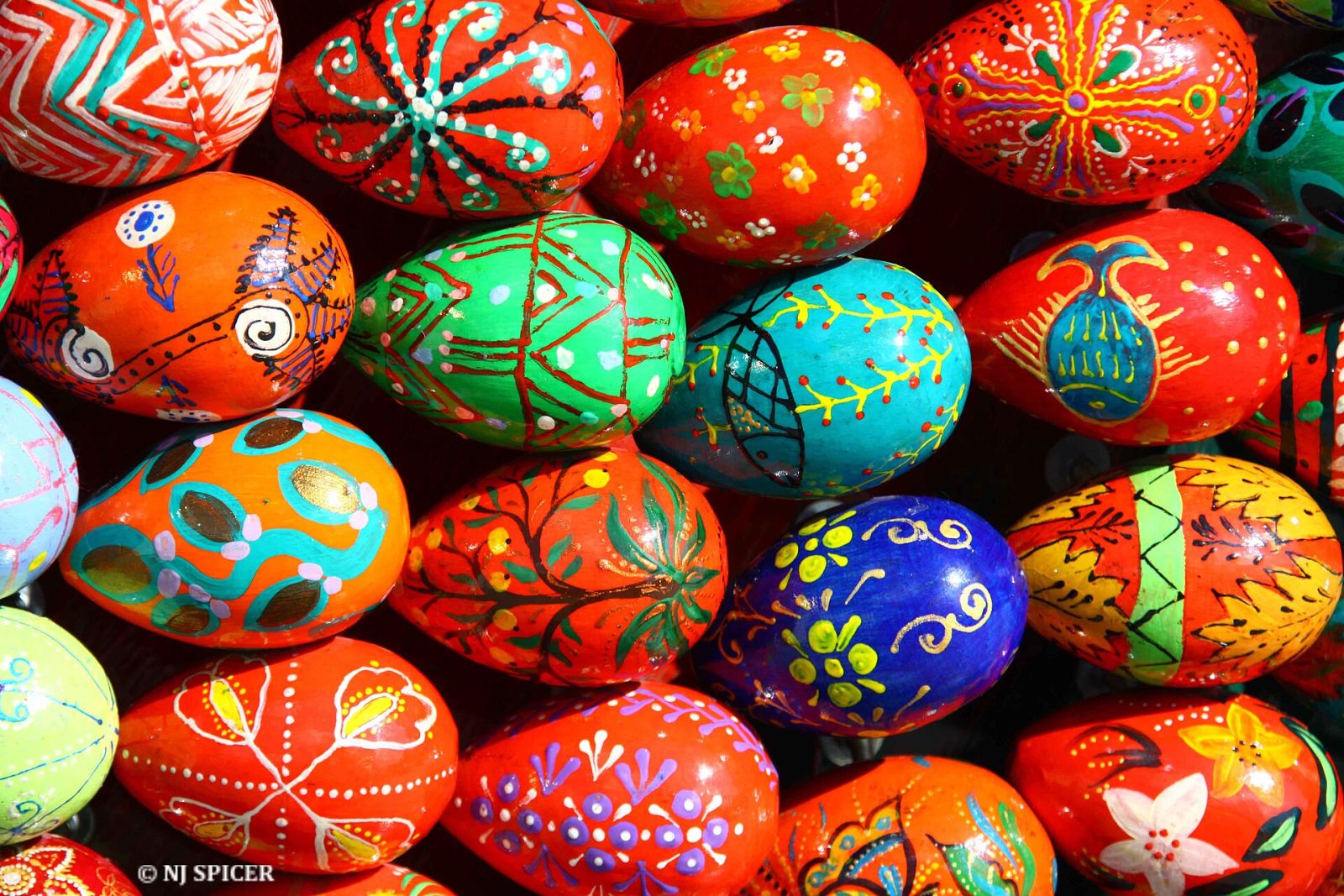
Polissia sets a different tone, more archaic and quieter. The old vesnyanky and rituals held on longer here, with less tourist gloss and more of the real thing. Lviv, by tradition, throws a big city celebration with Easter fairs, pysanka-writing workshops and a festival across its squares, a handy option if you want the mood without rural logistics. And in Kolomyia in the Prykarpattia stands the world's only Pysanka Museum, housed in a building shaped like a giant egg, worth a separate look.
| Place | What makes it special at Easter | Best for |
|---|---|---|
| Hutsul region (Kryvorivnia, Kosmach) | Living pysanka craft, ritual singing, wooden churches | Those after the real thing, not a museum |
| Polissia | Archaic vesnyanky, quiet, few tourists | Lovers of deep antiquity without gloss |
| Lviv | City fair, workshops, festival | Those wanting the feast without rural logistics |
| Kolomyia | Egg-shaped Pysanka Museum, Prykarpattia colour | Families and anyone who likes museums |
What to plan for before you go?
The main question is the date, because everything turns on it. Settle the year and the number first, then plan travel and lodging around it. In the Carpathians, guesthouse rooms over the holiday weekend sell out weeks ahead, so book early. Keep in mind too that the best moments often come at night and at dawn: the vigil, the morning blessing of the baskets. Save your energy and pack warm clothes, because April nights in the mountains are still cold.
And a last piece of advice, more about tact than logistics. In the villages, Easter is not a show for guests but a genuine rite that people live inside. Keep a low profile, ask before you photograph, do not push a camera into the church during the service. Do that, and you will almost certainly be offered paska and a blessed egg, and that is exactly what makes the trip worth it.