

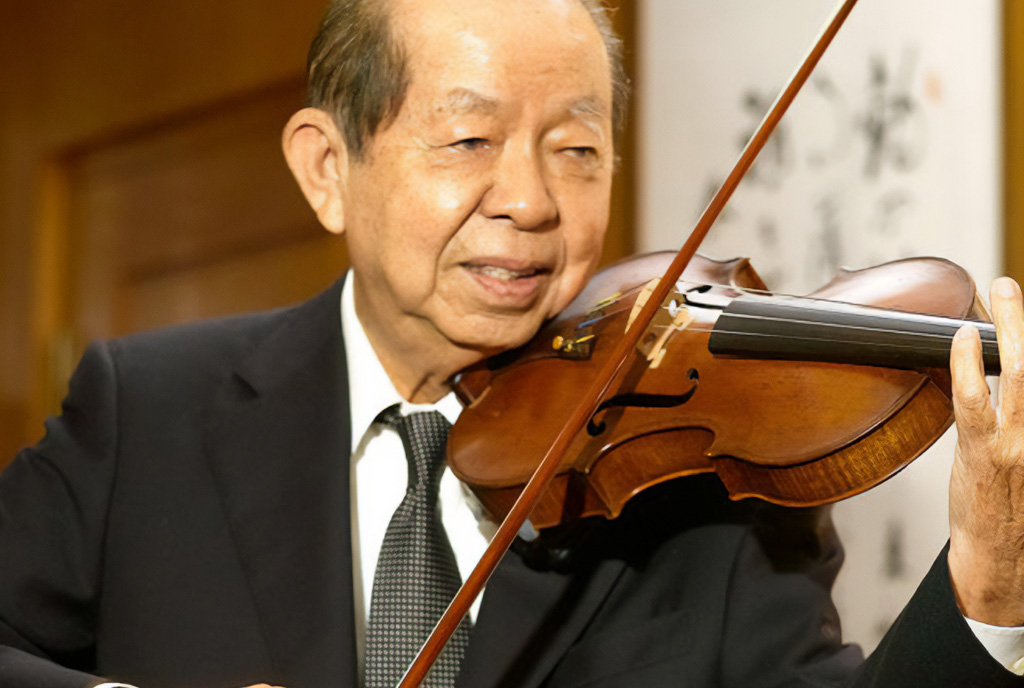
«Do you play piano? Take a look at this: a violin made by the inventor of the piano, built in 1705,» says Dai-Ting Chung, senior consultant of the violin collection at the Chimei Museum.
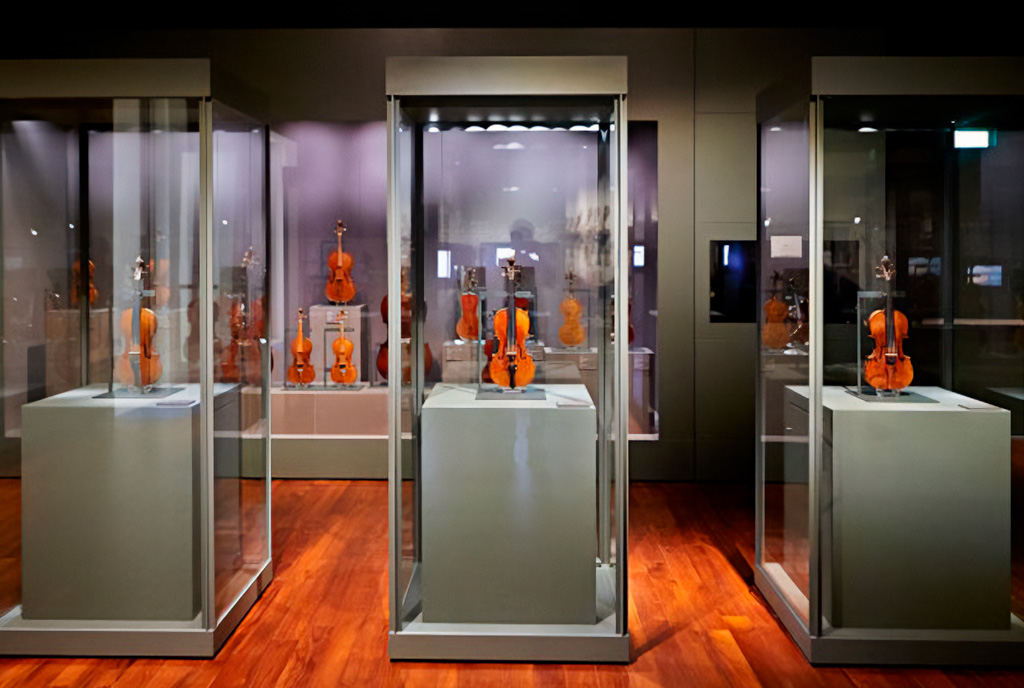
He points to a shelf dedicated to Bartolomeo Cristofori, the Italian instrument maker who created the piano while working for the Uffizi administration of the Medici family, Italian nobles, inside a well-guarded vault with controlled temperature and humidity.
This private museum in Taiwan's southern province of Tainan is home to the largest and most complete violin collection in the world.
Partner links: booking through them supports the blog at no extra cost to you.
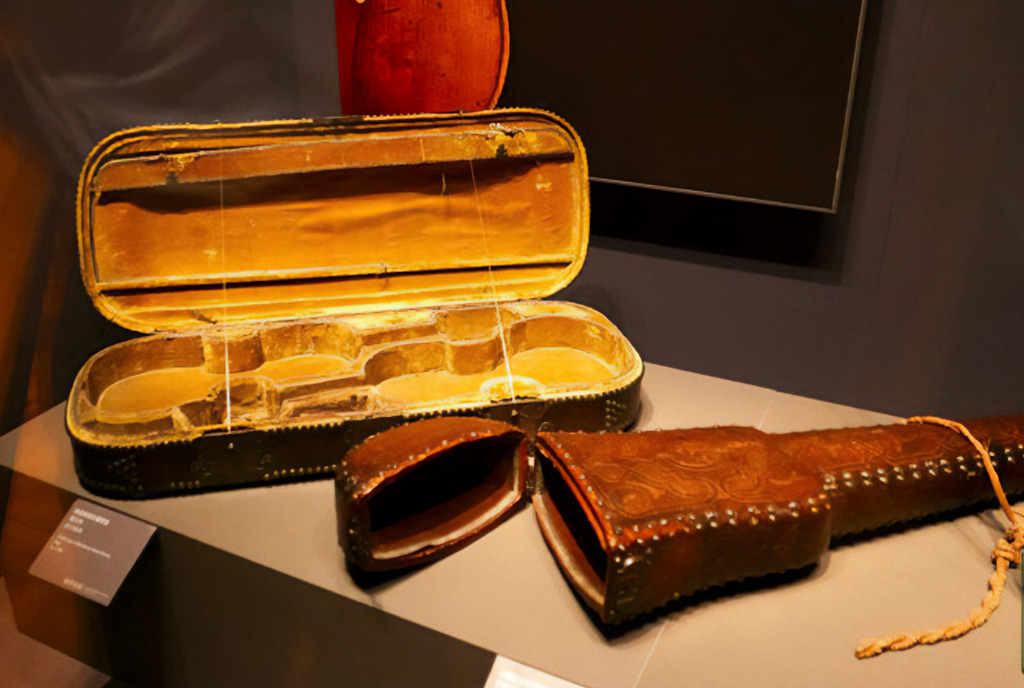
The violin made by Cristofori is one of the most remarkable finds among the museum's collection of 1,376 stringed instruments.
«We waited six years before we found it,» says Chung.
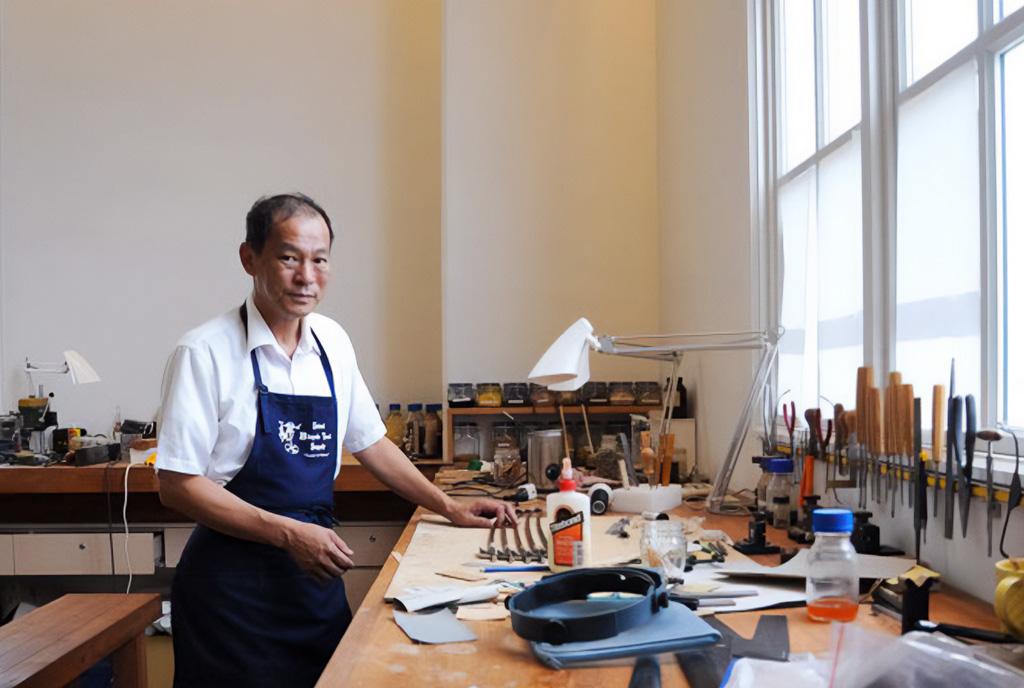
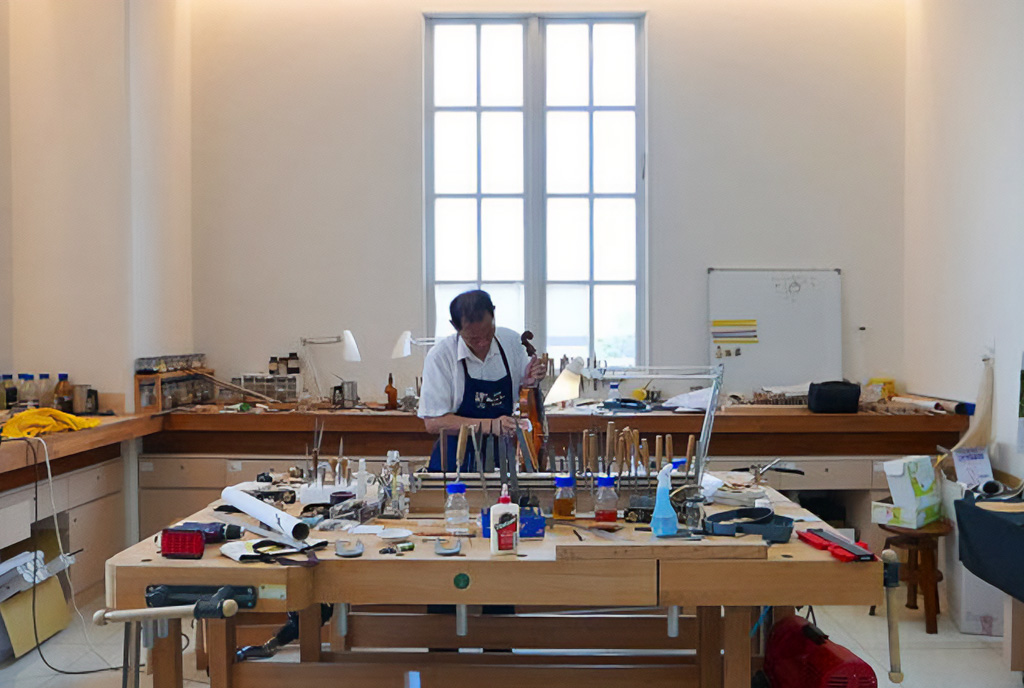
A violin maker himself, Chung is responsible for bringing most of the collections to the museum.
«There are only three stringed instruments made by Cristofori left in the world today: one at the Uffizi Museum [in Florence, Italy] and two at Chimei, a cello and a violin.»
A Museum for Everyone
Founded in 1992 by Shi Wen-long, one of Taiwan's wealthiest self-made businessmen and the founder of the Chi Mei Corporation, the Chimei Museum was housed in the company's administrative building before being relocated to Tainan Metropolitan Park in 2014.
Open to the public, it showcases stunning collections of Western art, natural history, weapons and armor, antiquities and artifacts and, of course, a must-see musical instrument section.
Unlike some private collectors who gather impressive works of art and relics based on their own tastes, Shi began amassing pieces to fulfill his dream of building a museum for everyone.
Born in 1928, Shi grew up during wartime in a poor family with 10 children. His only refuge was a small local museum in Tainan.
«It was like a paradise for a child in wartime,» says Patricia Liao, deputy director of the Chimei Museum Foundation.
«He thought that when he had the chance, he would like to build a museum for everyone, especially for the underprivileged. So this museum wasn't built to collect works of art that could be sold at a better price.»
«He built it with this idea in mind: to bring Western art and culture here. It's for those who don't have the chance to travel and visit museums abroad.»
The museum charges 200 Taiwan dollars (6.50 US dollars) for admission, but it's free for Tainan residents and students, so that «the farmers working in the nearby fields can visit it all the time.»
The Largest and Most Complete Violin Collection in the World
Resembling a European palace, the museum sits inside a magnificent garden filled with sculptures and replicas.
Right now the space displays about 4,000 works, just one third, of the museum's entire collection.
Its curation reflects Shi's mission to offer a museum for everyone.
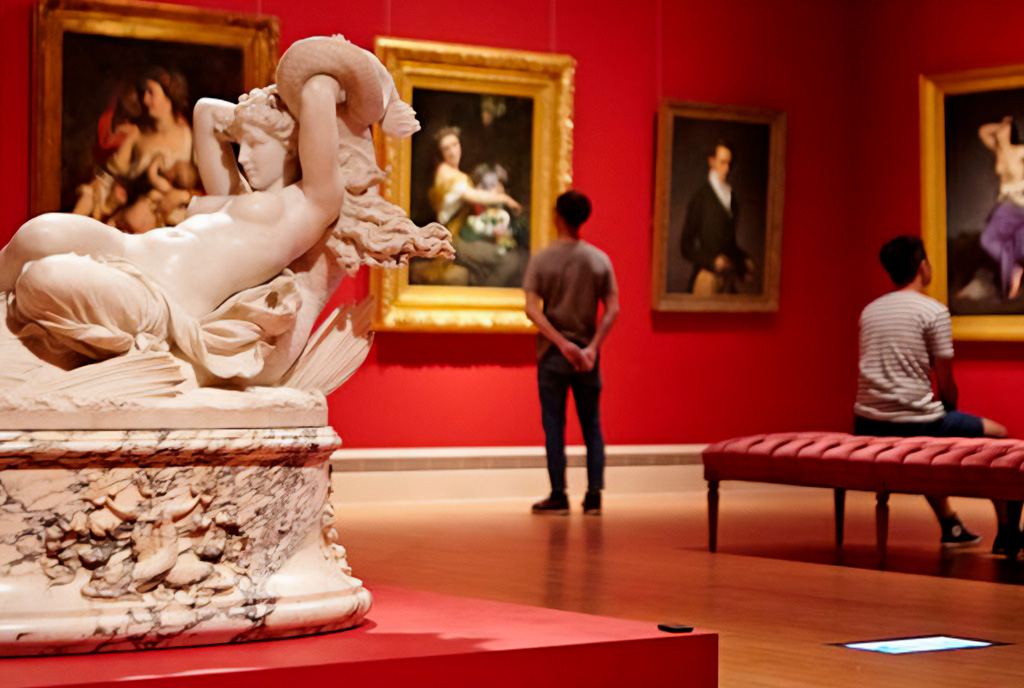
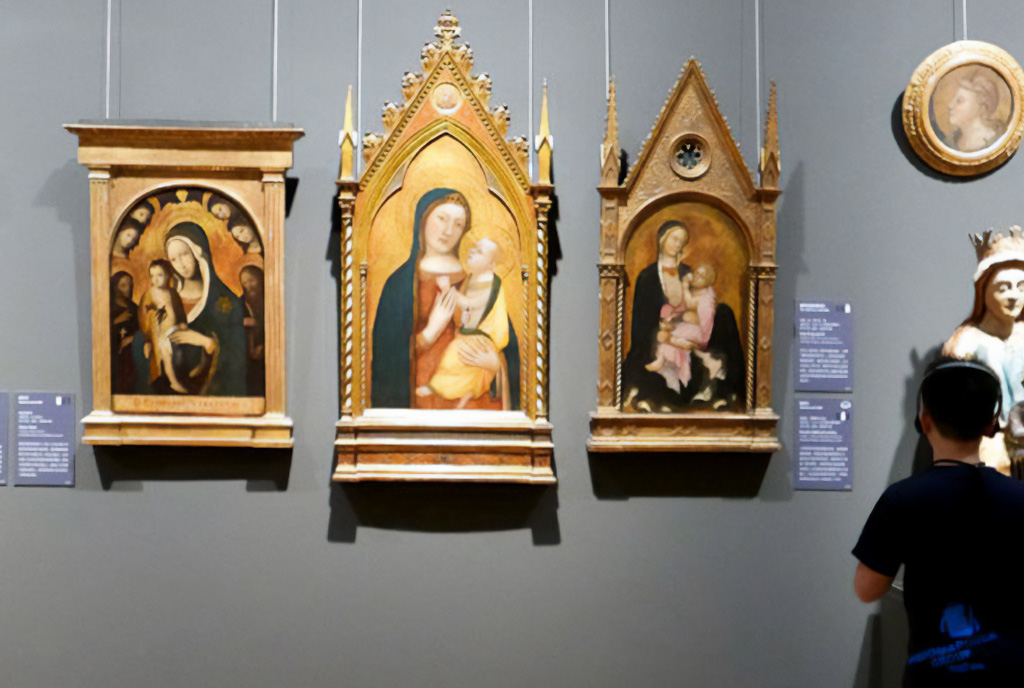
Stepping into the Hall of Fine Arts, several famous images of the Madonna and Child hang just inches apart from one another.
«Other museums might reserve an entire wall for an important work, but what we want most is to paint the big picture for people who don't yet have a sense of it,» says Liao.
«Shi believes it would be a shame to keep these works in storage instead of putting them on display for everyone. It's a very packed exhibition compared to other art museums.»
Notable exhibits include «Saint Martin and the Beggar» by the Spanish painter El Greco, «Theseus Fighting the Centaur Bianor» by the French sculptor Antoine-Louis Barye, and more than 1,600 pieces of weaponry and armor.
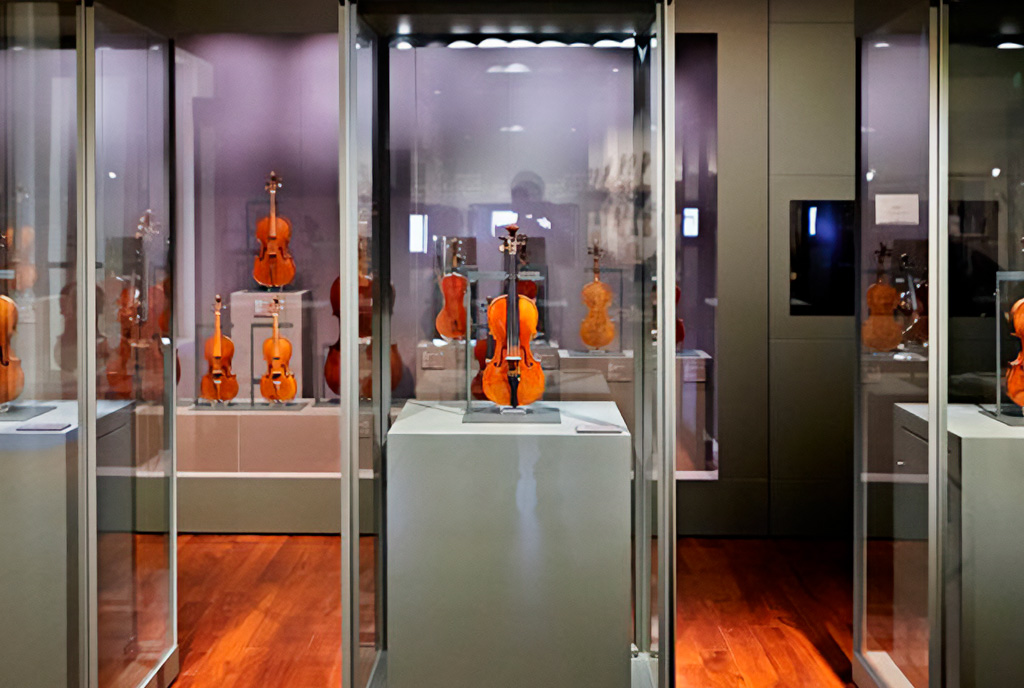
But the most striking exhibit remains its collection of musical instruments.
Shi himself is a passionate violinist. He once started a business during the war, pulling scrap metal from abandoned warships and fighter planes to make violin strings.
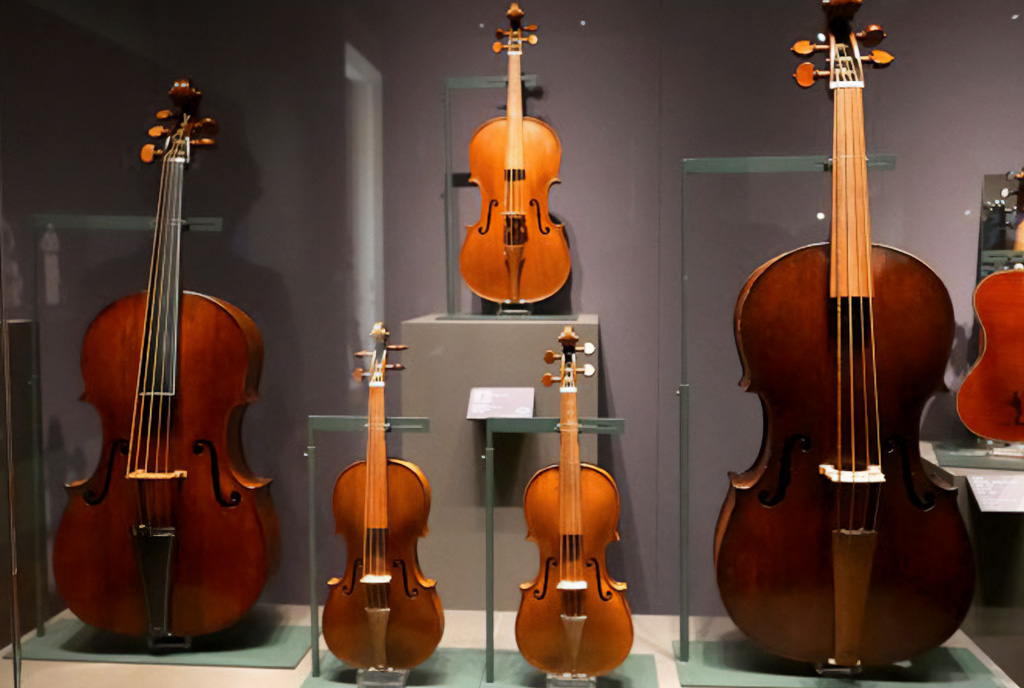
The Chimei Museum is home to the world's oldest playable cello (dated 1566), created by the renowned luthier Andrea Amati.
Chimei also holds precious works by the Stradivari and Guarneri families, the two other most famous violin-making dynasties in the world, including the «Ole Bull» by Giuseppe Guarneri del Gesu, one of the most expensive and celebrated violins.
«These two were made by Gasparo da Salo. You usually read about them in books. They're truly rare in the world, only six are left,» says Chung.
«We don't aim to collect the most valuable and famous violins, but the ones that play an important role in completing the history of stringed instruments.»
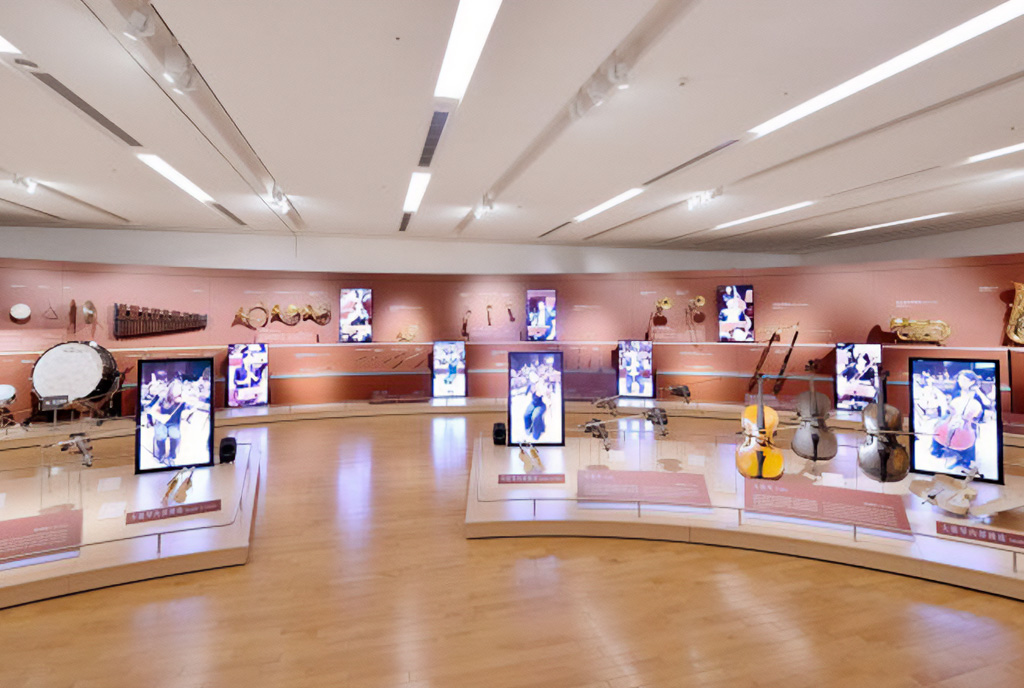
Beyond the stringed instruments, the museum also offers a family-friendly show of mechanical instruments and an immersive orchestra display you can walk through.
A Keeper of History
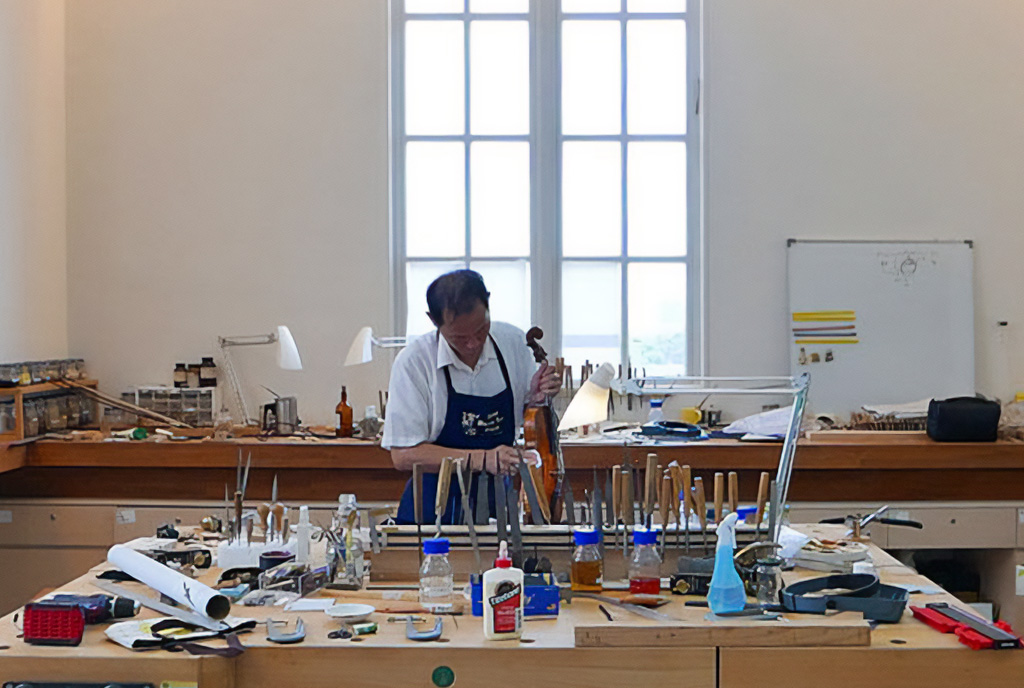
Thanks to its collection, Chimei has become a popular gathering place for violin conferences, including the American Federation of Violin and Bow Makers (AFVBM) and the International Association of Violin and Bow Makers (EILA).
«Carl Becker's grandson came to see his grandfather's work,» says Chung, talking about some of the violin makers he has hosted. «Morassi's son and grandson came here. His grandson is 18 now, and he has just started making violins.»
«This is the only place where violin makers can gather and study more than 100 different violins at the same time.
«Chimei is like an incredibly busy information center for violins. Our database is widely regarded as the most complete in the world, bigger than Sotheby's and Christie's.
«We help people who need information, from book publishers to researchers who want to see the label inside a particular violin.»
There is also the Chimei Arts Award, created to support local talent.
About 200 violins have been lent free of charge to students and musicians who may not be able to afford one of their own or need one for a special performance.
«The program offers a win-win situation: the talent gets the chance to use a good violin. It helps his or her family financially. It lets a good violin be heard,» says Liao.
«If these violins aren't used, they're just pieces of wood.»
The most famous borrower? Yo-Yo Ma, who needed a rental when his cello broke before a performance in Taiwan.
The young Taiwanese violinist Tseng Yu-chen also used a violin from Chimei when he became the first Taiwanese to win the International Tchaikovsky Competition.
«It's like a dreamland of violins, where all your violin fantasies come true,» says Chung.
«Since I took on this job, the strongest feeling is that I stand at just one point in the mighty stream of history. That's why it's also stressful: these violins are several hundred years old, and you're only a passerby and a keeper in their story.»
Chimei Museum, 66, Section 2, Wenhua Road, Rende District, Tainan City, Taiwan; open Thursday through Tuesday, 9:30 a.m. to 5:30 p.m.