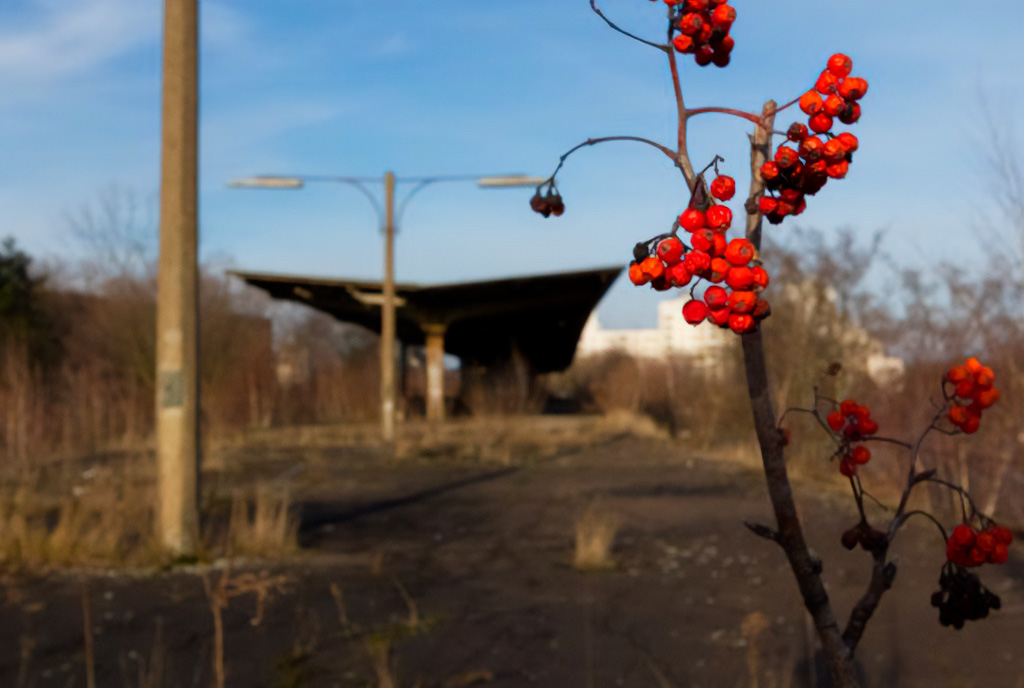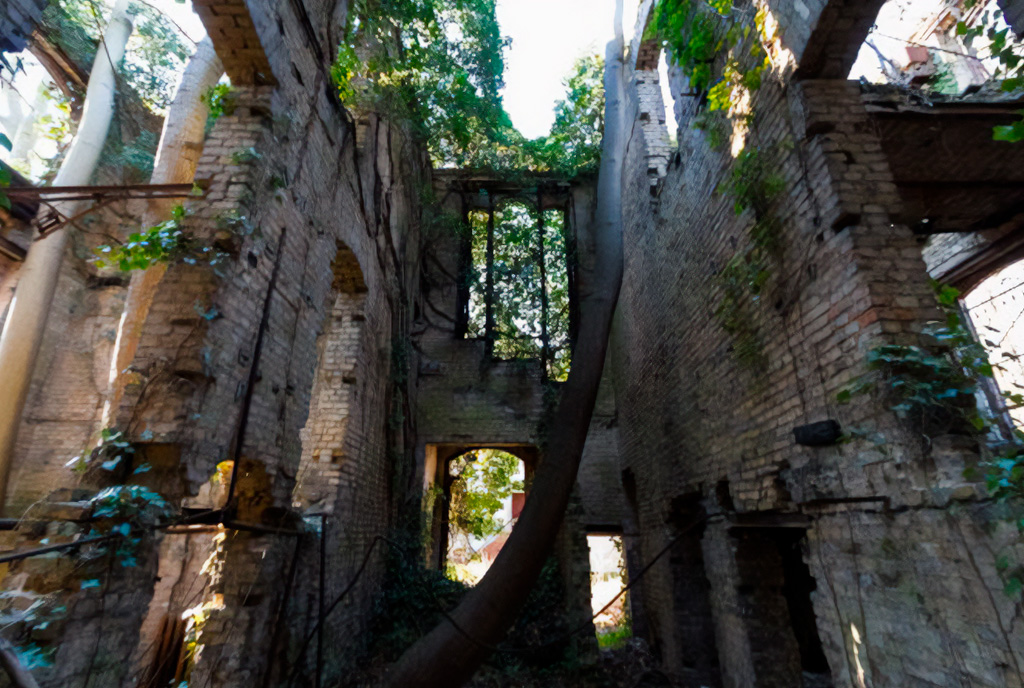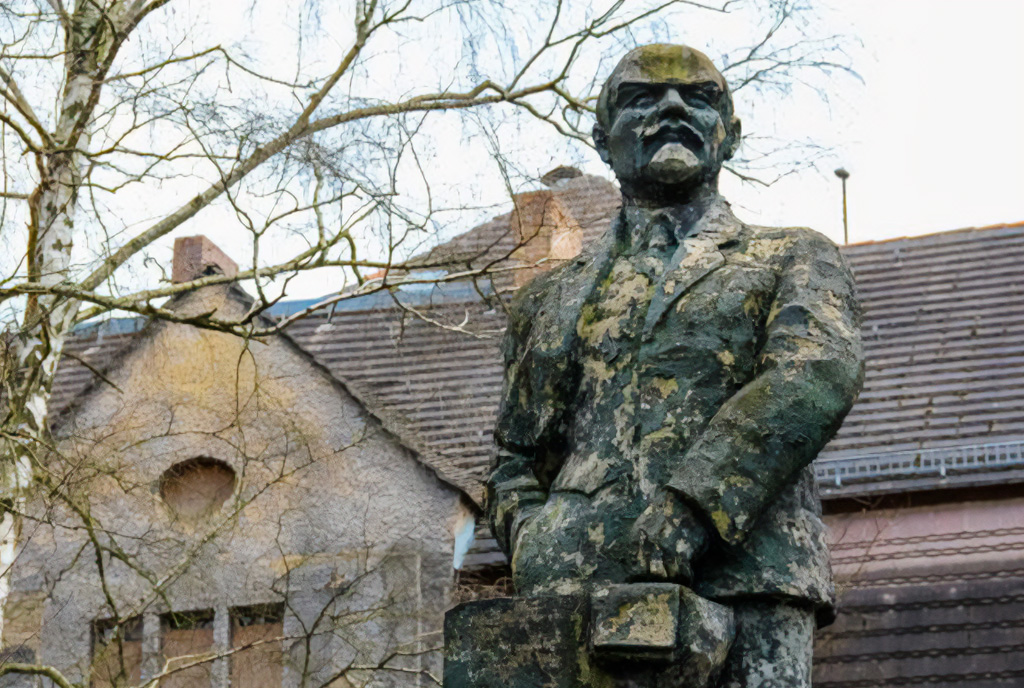


“Germany's history is pretty unique,” says Ciaran Fahey. “I don't think there's the same level of ruin and desolation in any other country in Europe.”
An Irishman, Fahey is the photojournalist behind Abandoned Berlin, a popular website that grew into a book of the same name.
Fahey is passionate about exploring the German capital's abandoned buildings, hunting for the memories that hide behind the city's crumbling walls.
Partner links: booking through them supports the blog at no extra cost to you.
Becoming a Time Traveller
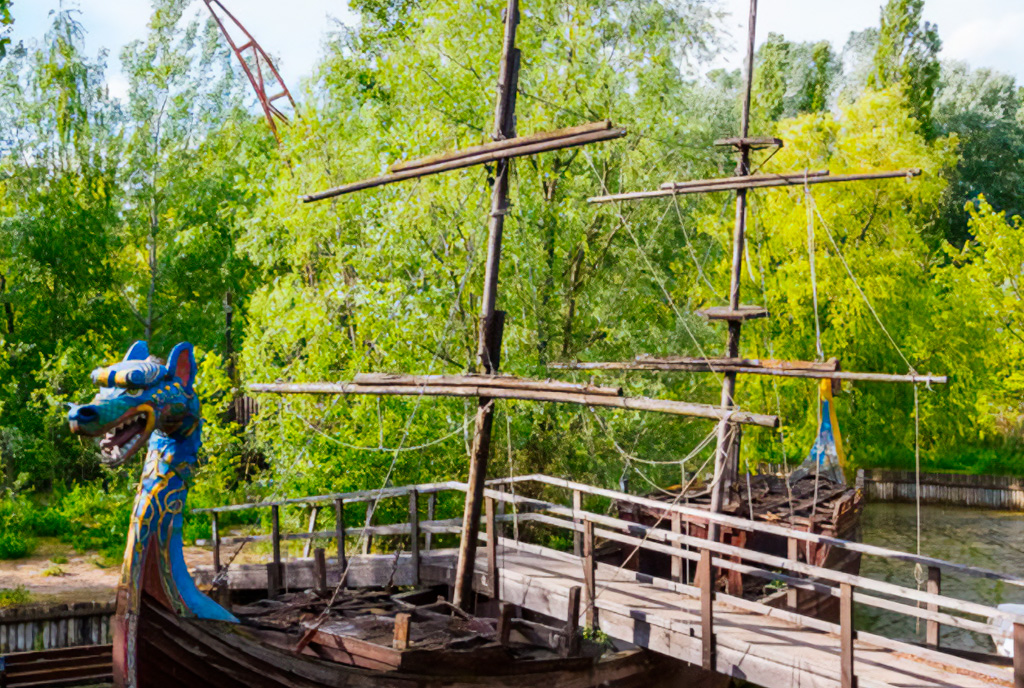
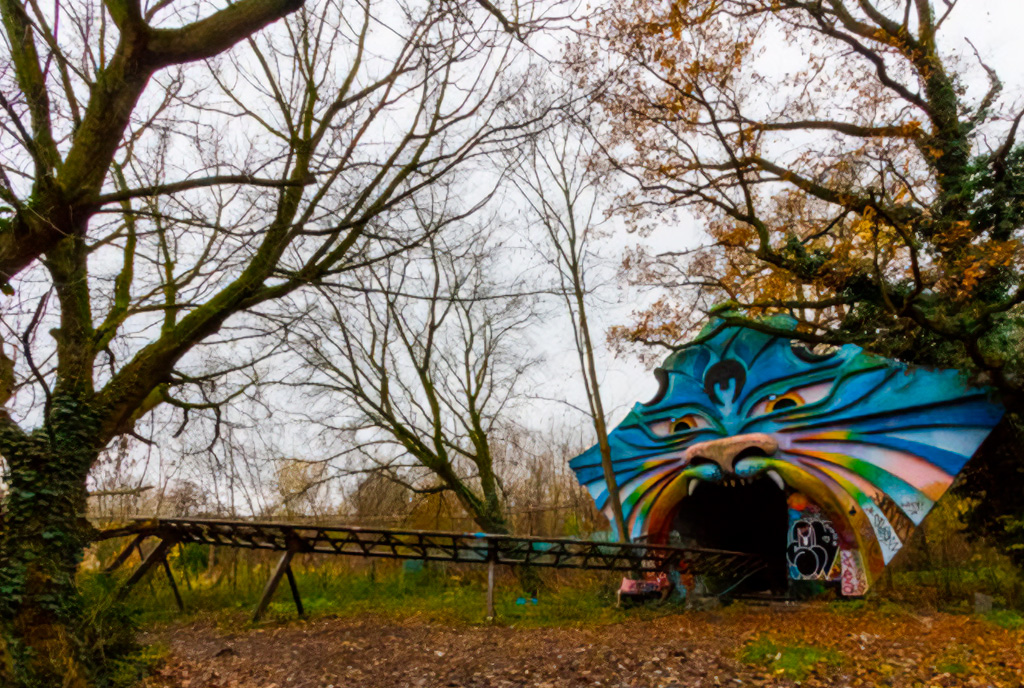
“I've always been interested in photography, and since I work as a journalist, I suppose I have that natural curiosity,” Fahey says. “But for me it all started in 2009 with Spreepark, an abandoned amusement park near the centre of Berlin.”
Spreepark is the eerie shell of a theme park. Once East Berlin's go-to spot for fun, it opened its doors in 1969 to mark the 20th anniversary of the German Democratic Republic, or GDR, as East Germany was officially known. Closed in 2002, it's now a sinister, forgotten space.
The abandoned, nightmarish roller coasters are swallowed by overgrown weeds, dinosaur sculptures lie toppled on the ground, and a broken Ferris wheel looms over the spooky landscape. The rides were abandoned when the park shut its gates, and left to rot.
“My girlfriend at the time was from East Germany,” Fahey explains. “And she told me that this amusement park she used to visit as a child had been closed down and abandoned, that no one was allowed inside, that no one dared to go in.”
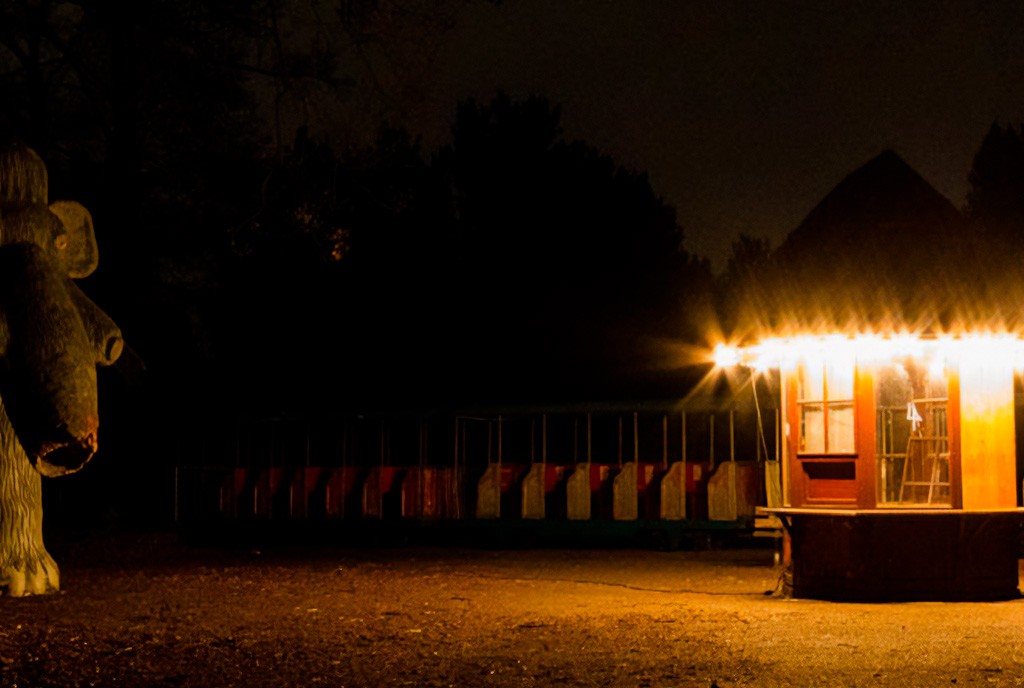
Fahey was intrigued, he couldn't help wondering what lay behind Spreepark's locked gates.
“It took a while, but eventually I plucked up enough courage to go in,” he says. “I went on my own, because I couldn't talk anyone into coming with me. And it was such a magical experience that when I got home, I just had to write about it.”
After Spreepark, Fahey started hunting for other forgotten places across the German metropolis.
“It all happened by chance, one place led to another,” he says. “I just kept finding more and more, and that's when I decided to bring them all together on a dedicated site about abandoned places. That's when things really started to take off.”
Into the Past
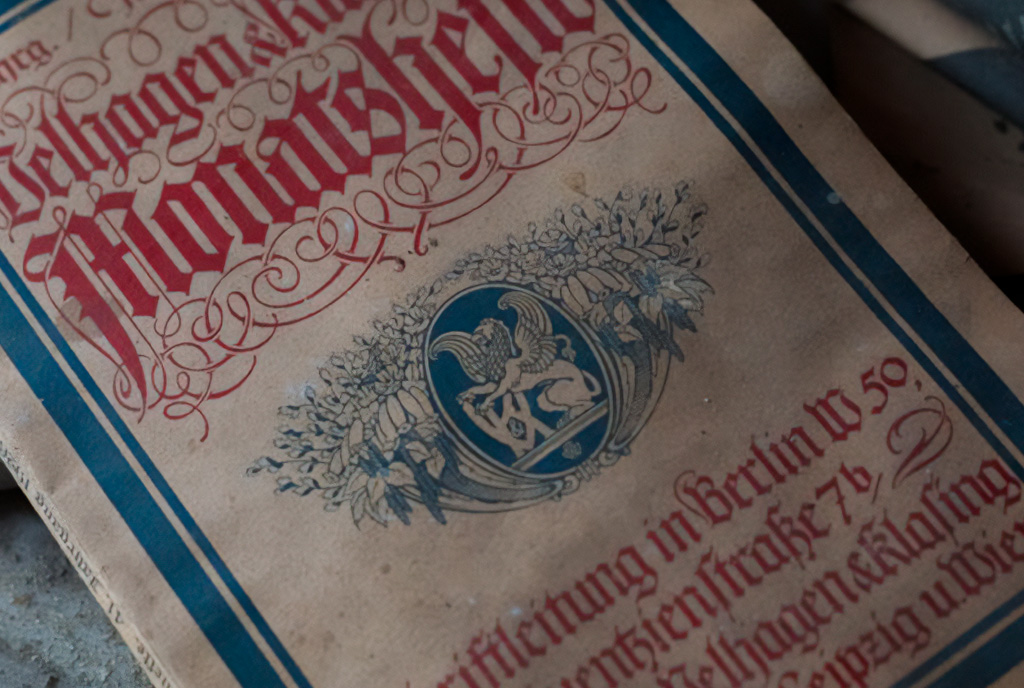
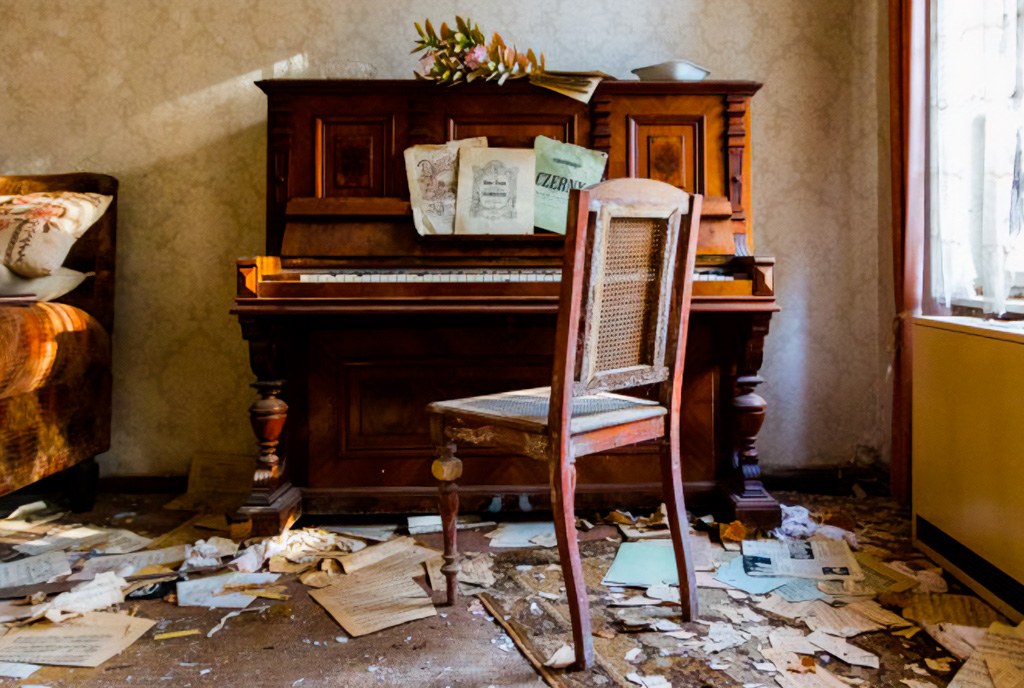
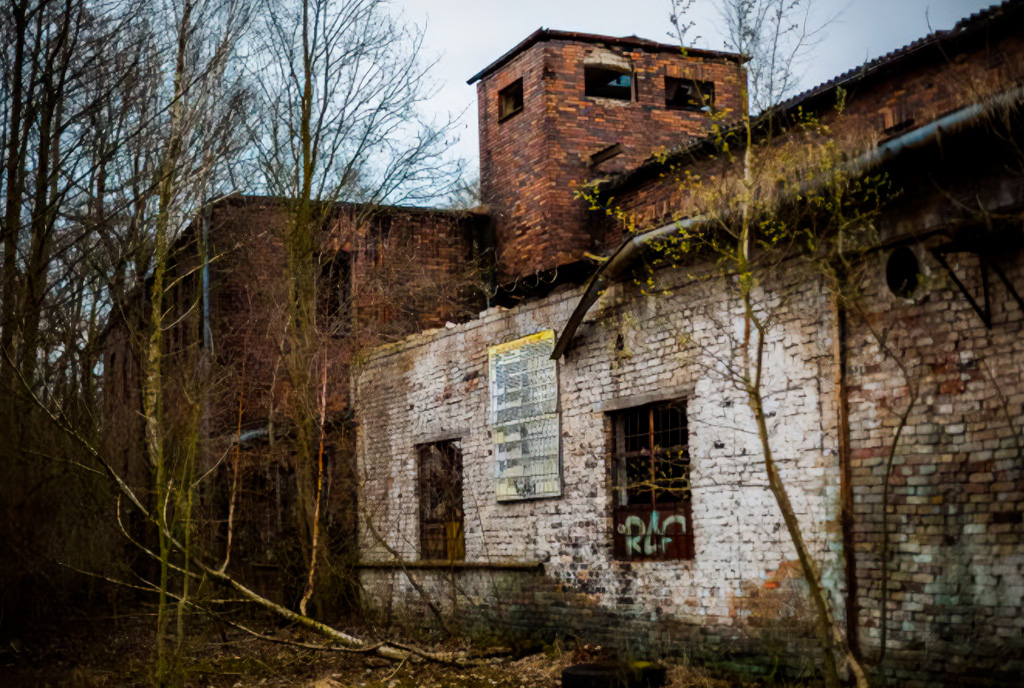
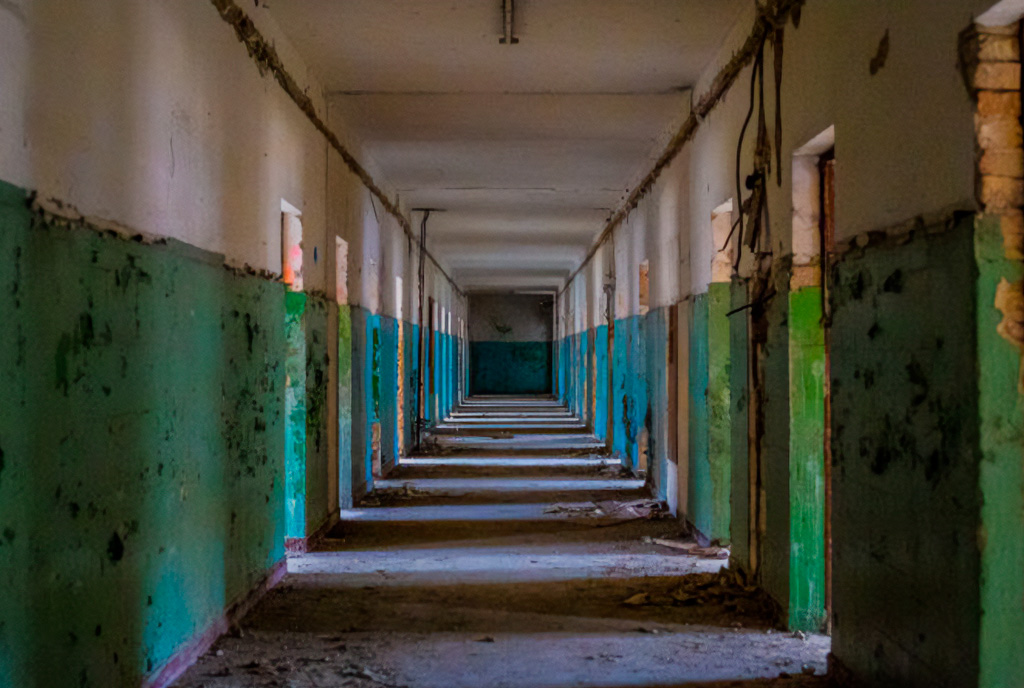
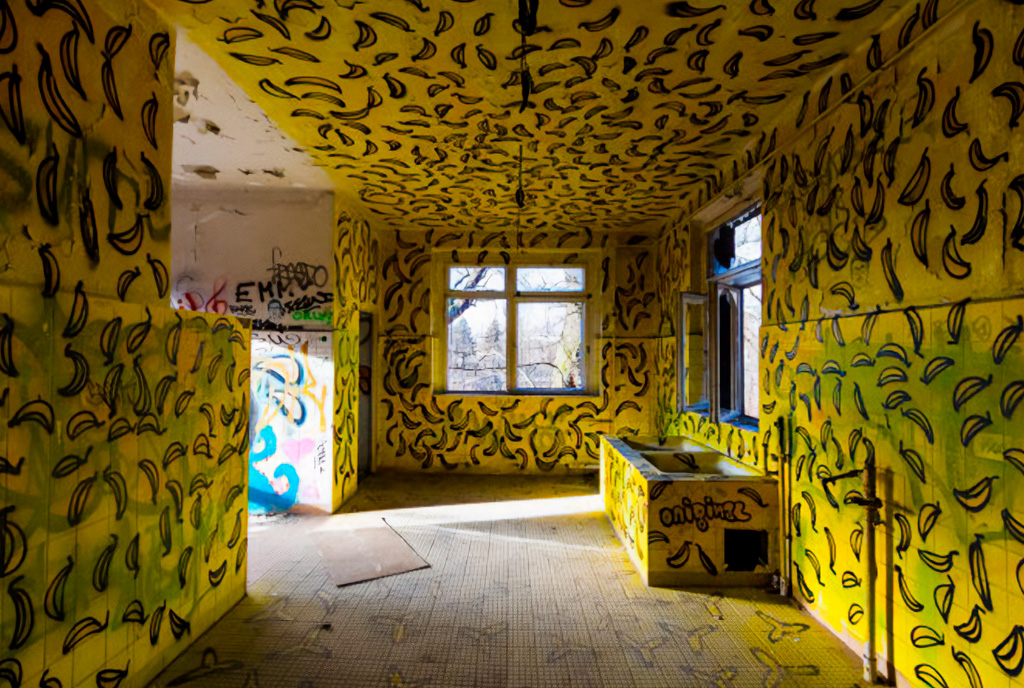
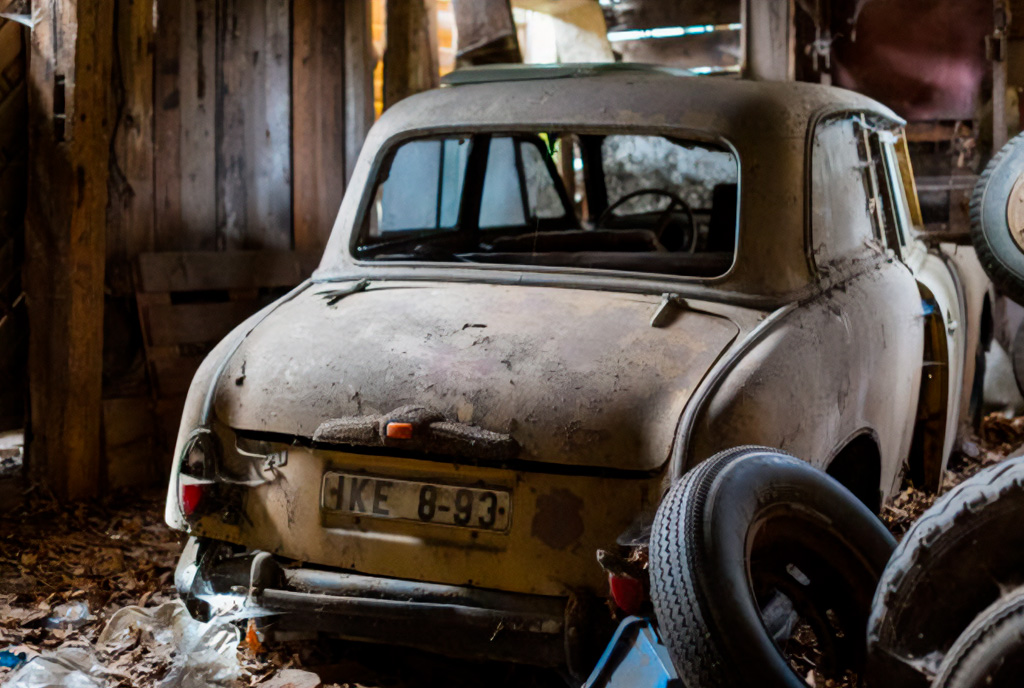
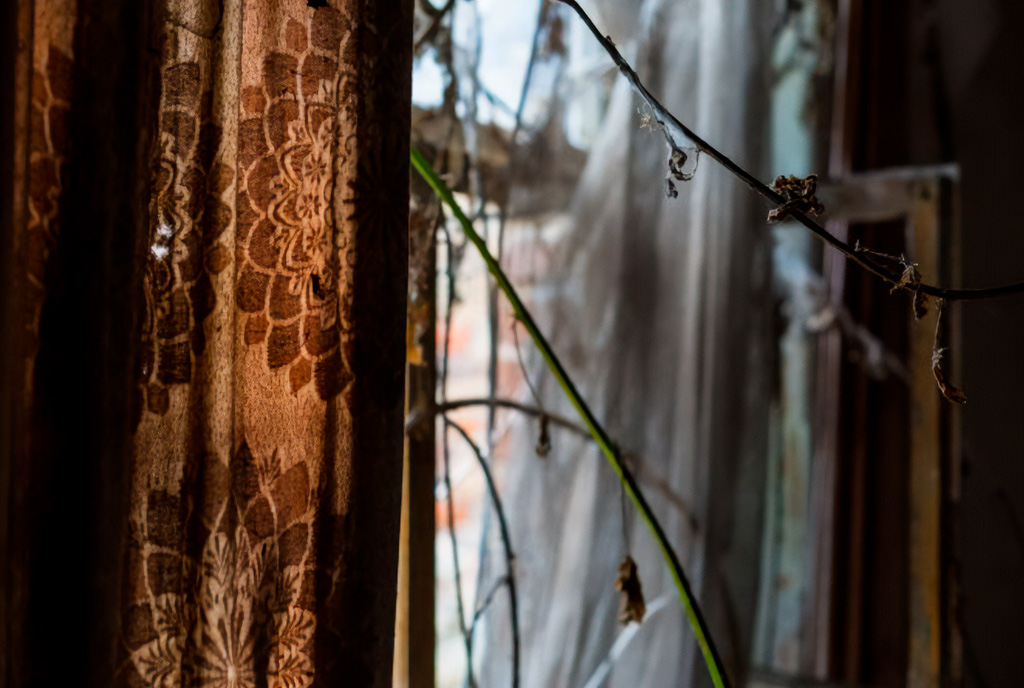
Fahey's photographs are haunting snapshots. Through his inquisitive lens, the echoing corridors of a former military headquarters, or the moth-eaten corners of a 1920s magazine, come eerily back to life.
But it's Fahey's determination to document the stories behind the photos that makes his venture a success.
“It would be a lot quicker to just go somewhere, take a bunch of photos, publish them and forget about it,” he says. “But for me, the most important thing is really the stories behind it all.”
Most of the places Fahey visits have been abandoned within the last 30 years.
“I'd say 90% of them since the fall of the Berlin Wall,” he says.
That means the information can usually be tracked down online and in newspaper archives.
“There are usually newspaper articles about it, about factories or hospitals closing down, or moving somewhere else, you can find a lot of information through the local papers,” he says.
Urban Explorer
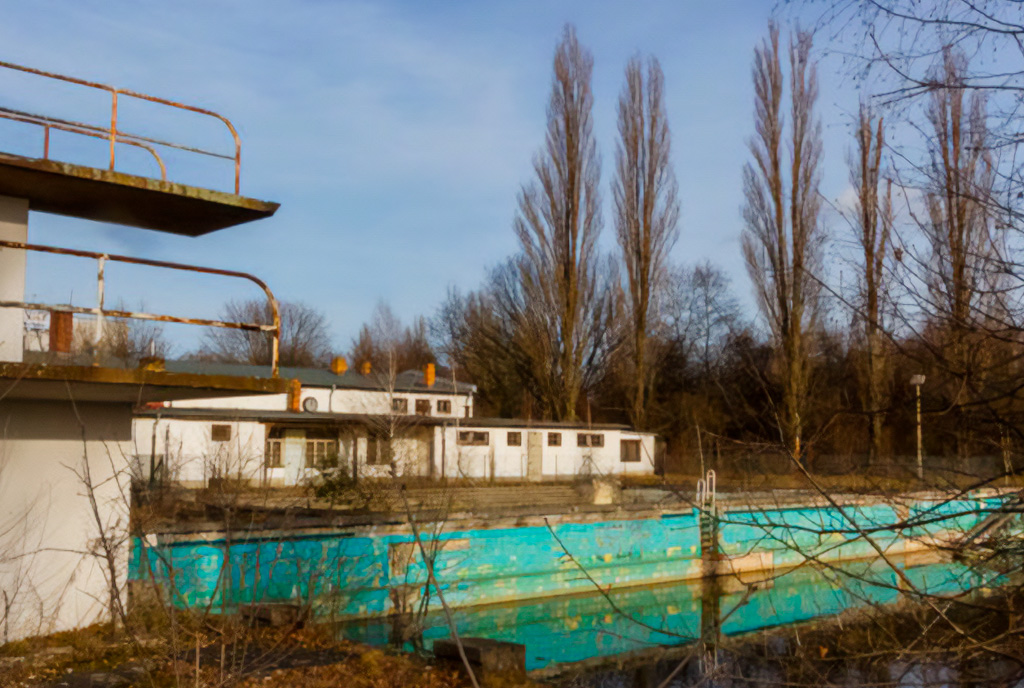
Visiting abandoned spaces lets Fahey piece together the puzzles of the past. But getting inside an abandoned building isn't as easy as it sounds, after all, it can be a crime. It's also pretty dangerous and not recommended for the average tourist.
On his website, Fahey offers tips on getting around security, but he says the ease of access changes over time and varies from site to site.
“It really depends on each place,” he says. “Let's say, for example, if it's an old psychiatric hospital or something like that, I walk the whole perimeter of the site, just to check and see if I spot any broken windows, or open windows, or any way in at all.”
Fahey says he's had a few moments where he was nearly caught, or caught off guard.
“I remember one place I was trying to get into that was incredibly difficult to enter,” he recalls. “I noticed a gap above the door, a window that was slightly ajar. I managed to climb up the railings and squeeze over the door, push myself over the top, but it was really, really tight [...] Eventually I came down the other side and found myself inside the building, but then I had a problem, how was I going to get back out, because that was a bit of a worry!”
Fahey made it, but he said there were some close calls.
Decades of Upheaval
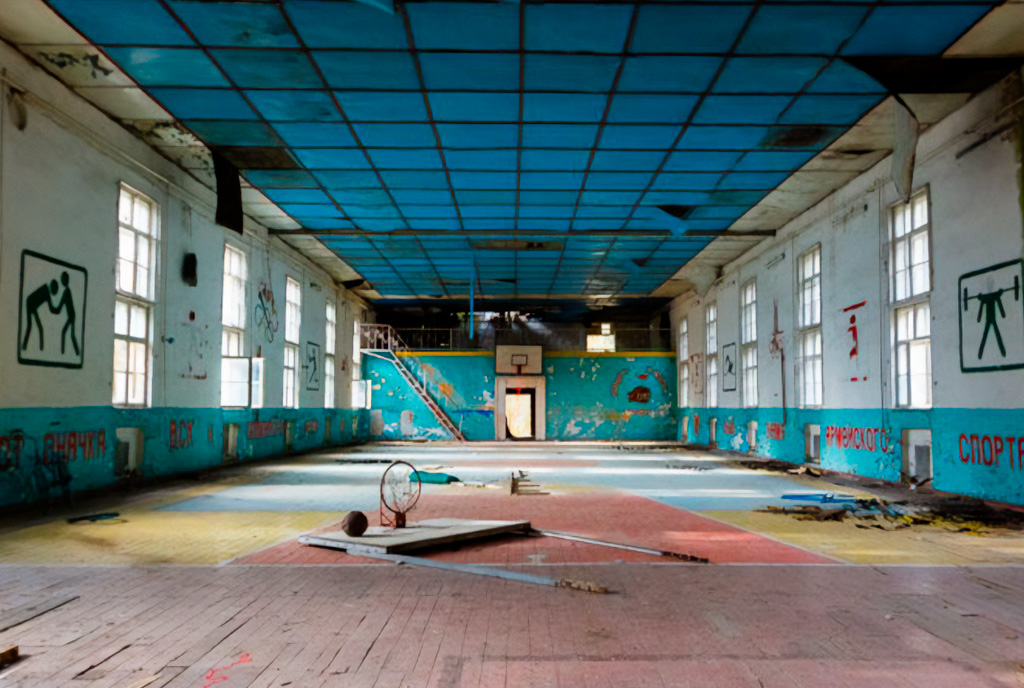
A basketball court at the former Soviet military camp of Vogelsang.
At the time of writing, Fahey says he knows of at least 90 abandoned buildings in Berlin that he still hasn't visited. So why are there so many of them in the city?
“Germany is very careless with its buildings,” Fahey says. “It seems like they go through them the way other people go through a bag of crisps, they just get consumed and then tossed away.”
Germany's history is marked by upheaval and radical change. Throughout the 20th century, buildings were put up and abandoned in cycles, as one system of government gave way to another.
After the fall of the Berlin Wall, many former East Berlin businesses went bankrupt, and their buildings were abandoned.
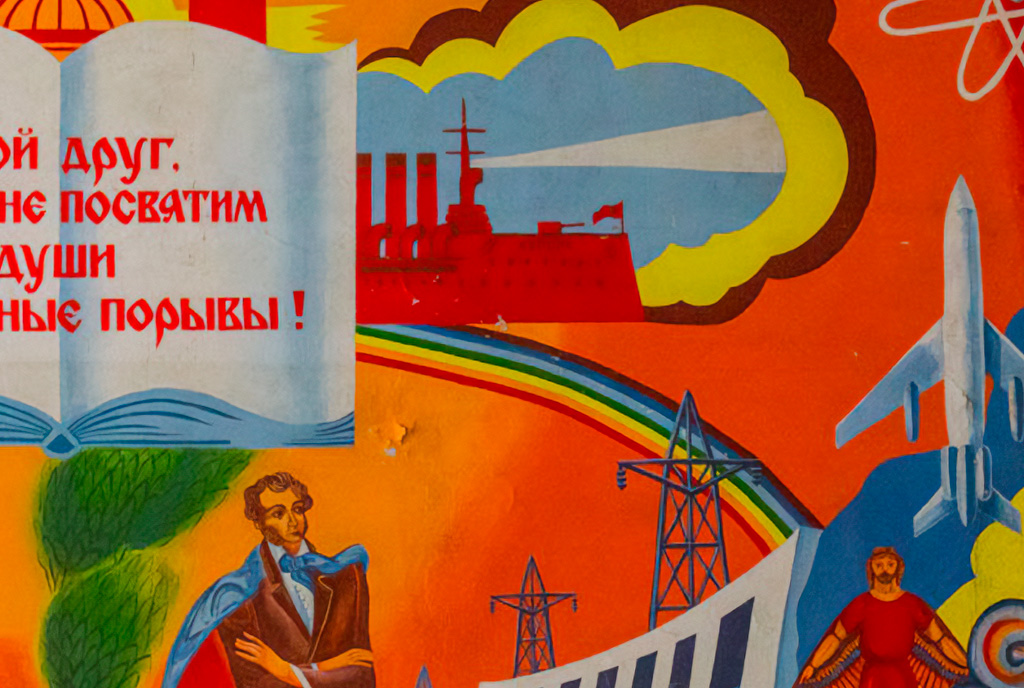
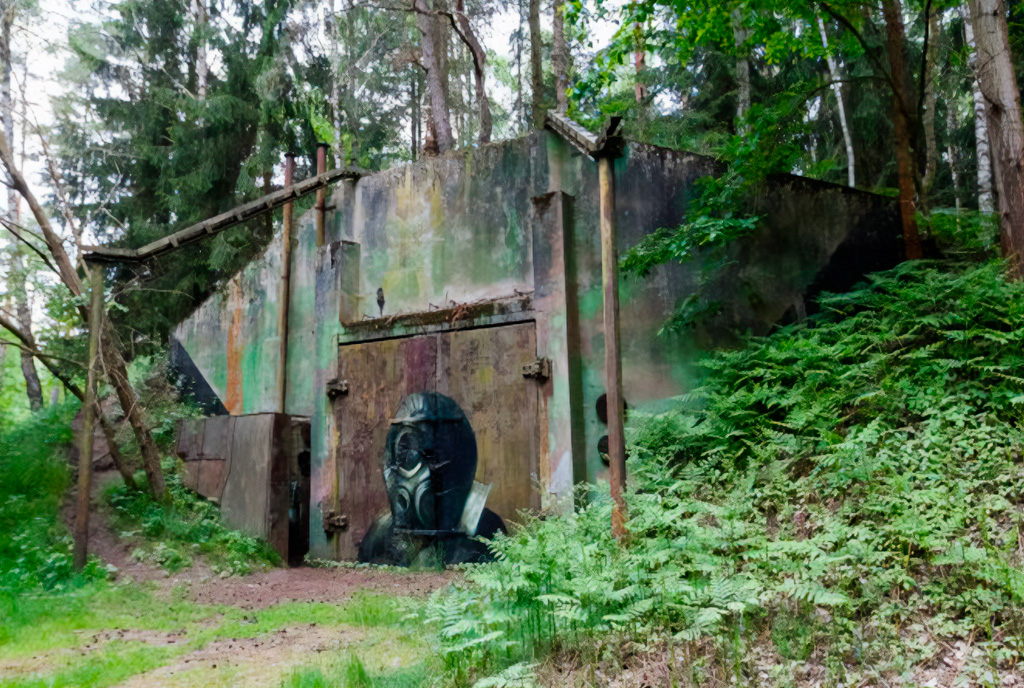
Fahey photographed this mural in Wünsdorf, an abandoned former Soviet military headquarters in Germany.
“After reunification, so many businesses shut down,” Fahey says. “Germany still hasn't caught up, it still hasn't found a use for these buildings.”
Even so, times are changing.
“Berlin always had a reputation as a city with no money, always broke, but now there's a lot more money and investment here,” Fahey says. “The gaps are constantly being filled. Old buildings are being occupied again.”
Even Spreepark, it seems, might get a new lease of life, the city bought the park in 2014, and there are rumours of a revamp.
A Traumatic History
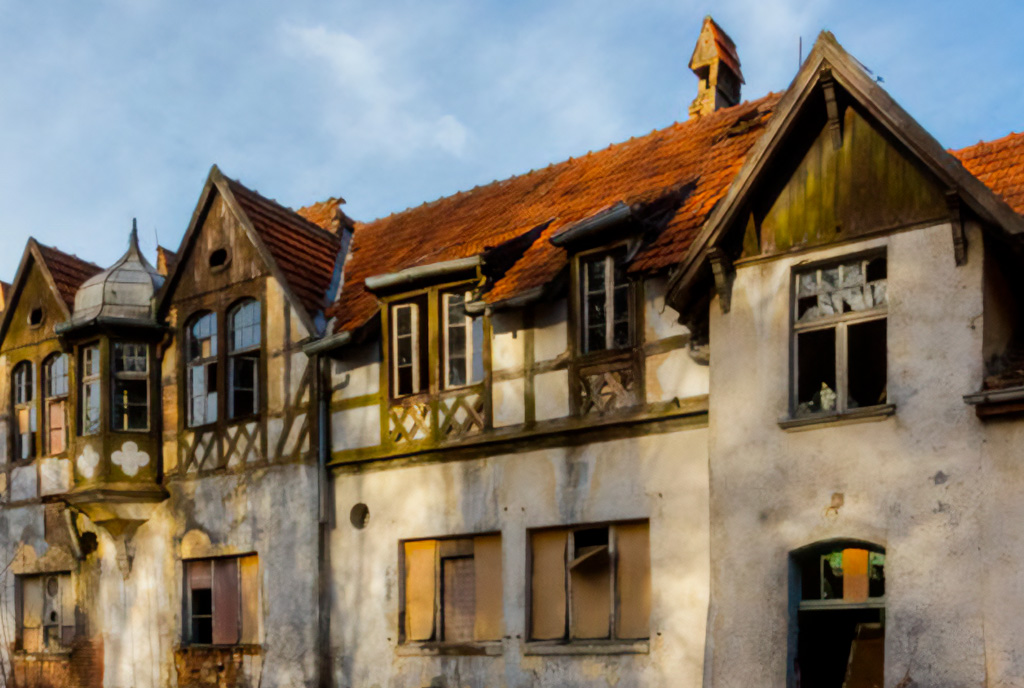
Heilstätten Hohenlychen is a sanatorium complex where the Nazis carried out horrific experiments on prisoners.
While many relics of the former GDR are scattered all over East Berlin, fewer abandoned buildings from the Nazi era have survived.
“The city was practically wiped off the face of the earth during the war, very little really survived,” Fahey says.
The fate of the former Third Reich buildings that remain in Berlin is a contentious issue.
Some argue for demolishing them, to stop them becoming shrines. Others say they should be preserved as a warning from history for future generations.
“Personally, I'd prefer to see [Nazi-era buildings] preserved as artefacts,” Fahey says. “I think Germany, on the whole, handles it well, it doesn't just wipe everything clean and pretend nothing happened, it really singles it out.”
Some buildings from this period have been left to fall into ruin, such as the former Heilstätten Hohenlychen sanatorium, which Fahey visited in a town north of Berlin. Horrific experiments on concentration camp prisoners were carried out here.
On his first visit, Fahey knew nothing about the building's terrible history.
“There's no plaque or anything like that, nothing on the outside tells you that these terrible things happened here,” he says.
“I only learned about it when I was writing about it [...] It was really chilling when I started digging into the history behind it, to find out what actually went on there. Maybe that's why it's important to preserve them.”
Broadening Horizons
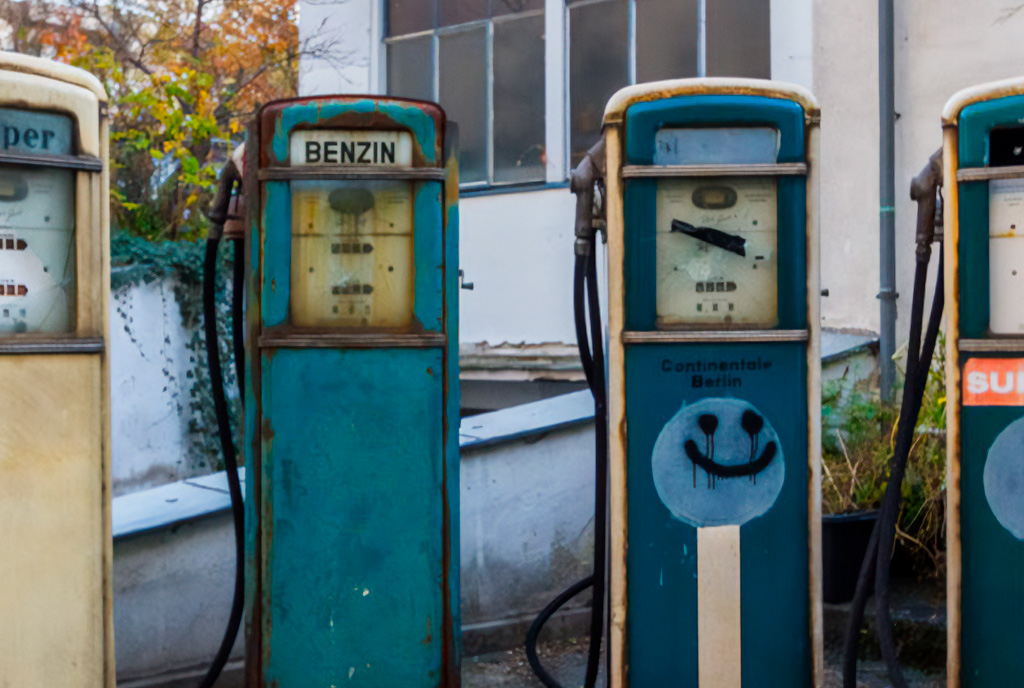
Fahey also took this shot of the pumps at an abandoned petrol station in central Berlin.
Fahey's urban exploration of Berlin has now become the subject of a new book, published by the Berlin publishing house be.bra verlag.
“At first I wasn't sure [...] because every time you go into these places and take a photo, it's evidence of a crime and of you trespassing on someone else's private property,” Fahey admits.
But once the publishers confirmed they'd take care of all the legal matters, Fahey agreed.
He's glad the book has, for the first time, opened up his work to German-speaking readers.
As his work grows more popular, Fahey has thought about broadening his horizons beyond his adopted city.
“But there's just too much here to keep me busy for now, before I even think about branching out or travelling abroad or anything like that,” he says.
“It's a very Berlin thing, Berlin and its surroundings. So I'm going to focus on that for now. There's still so much here I haven't written about.”