

If Fogo Island isn't already on your bucket list, it should be.
Rugged and wind-swept, Fogo Island offers a different kind of experience than most destinations, a sort of salty Narnia that, if you still believe the Earth is flat, is known as one of the four corners of the world.
Fogo Island is the largest of the offshore islands belonging to the Canadian province of Newfoundland and Labrador, which sits north of Prince Edward Island and Nova Scotia.
Partner links: booking through them supports the blog at no extra cost to you.
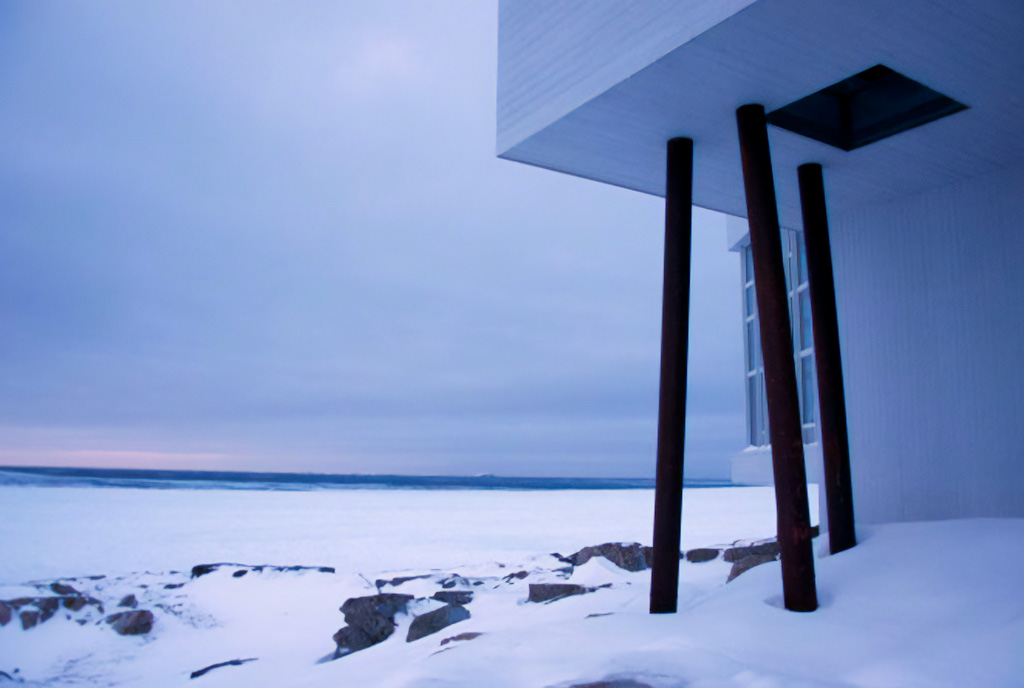
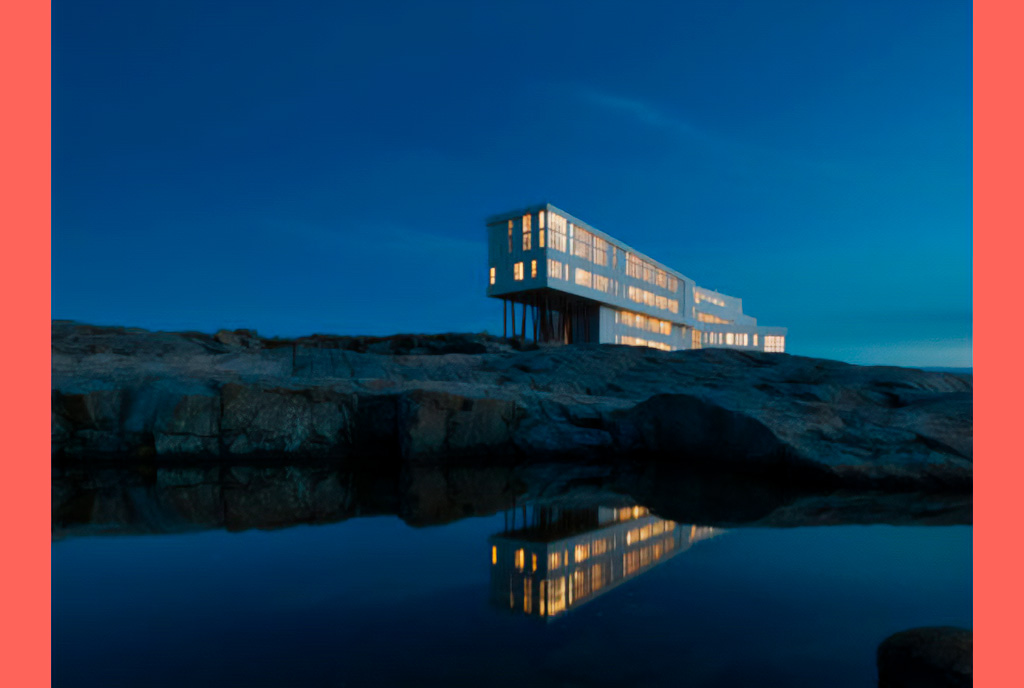
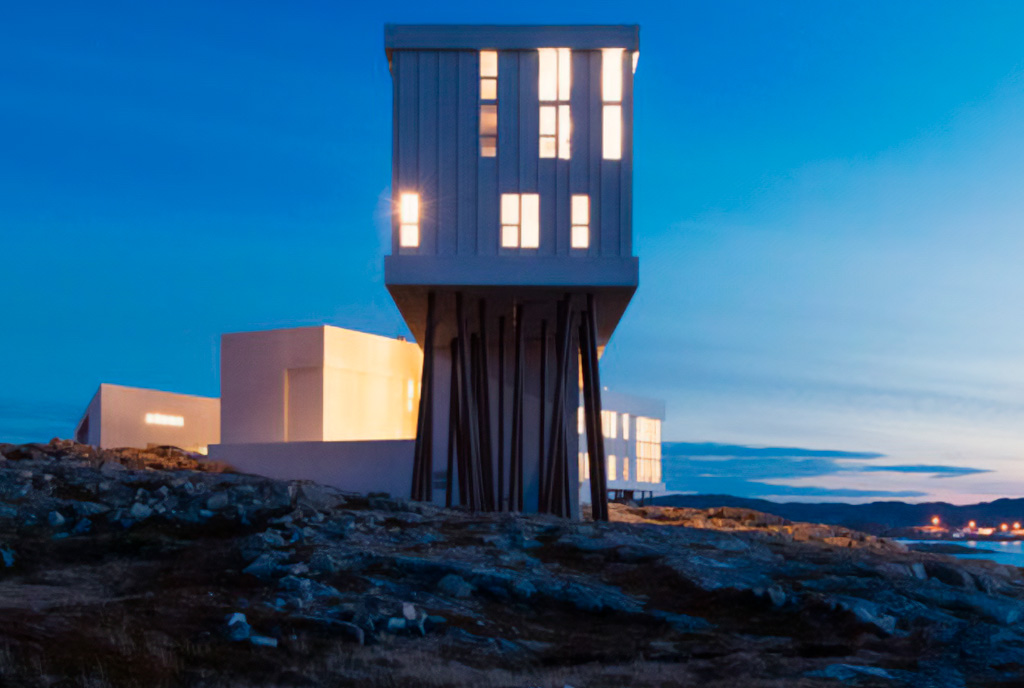
Set against the dramatic backdrop of the cold, stormy North Atlantic stands the island's main landmark: the Scandinavian-style Fogo Island Inn, perched on a low rise of rocky granite slabs.
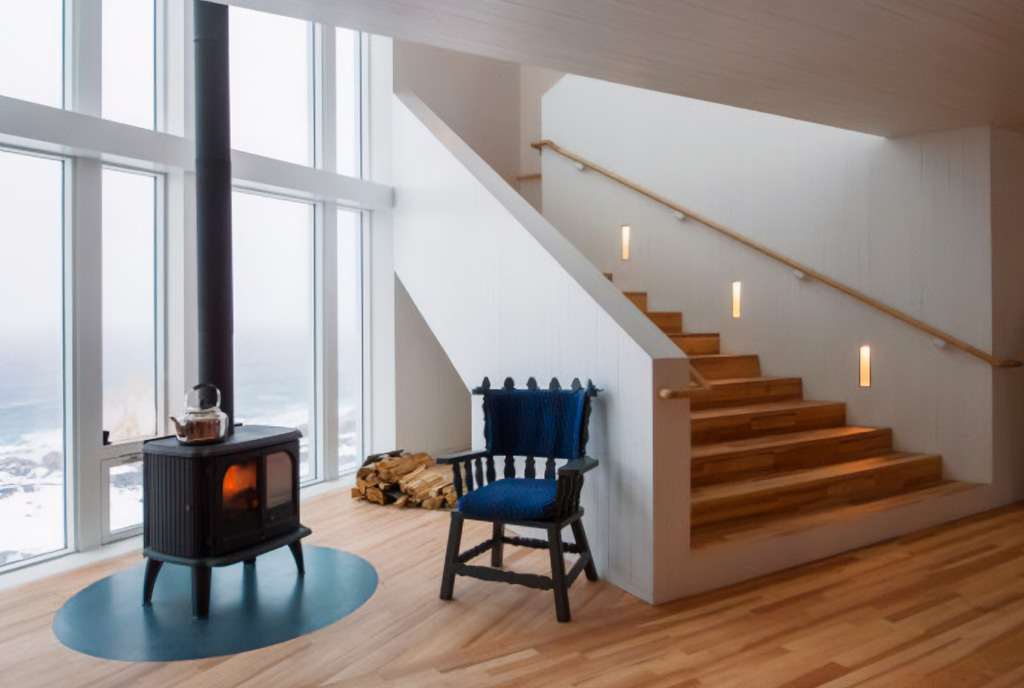
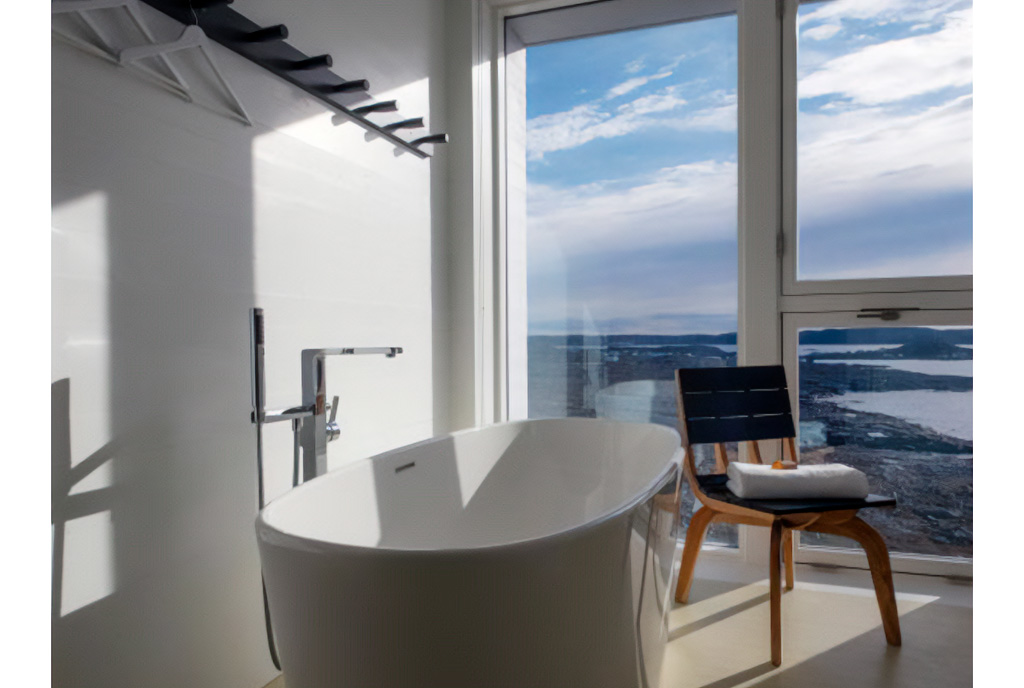
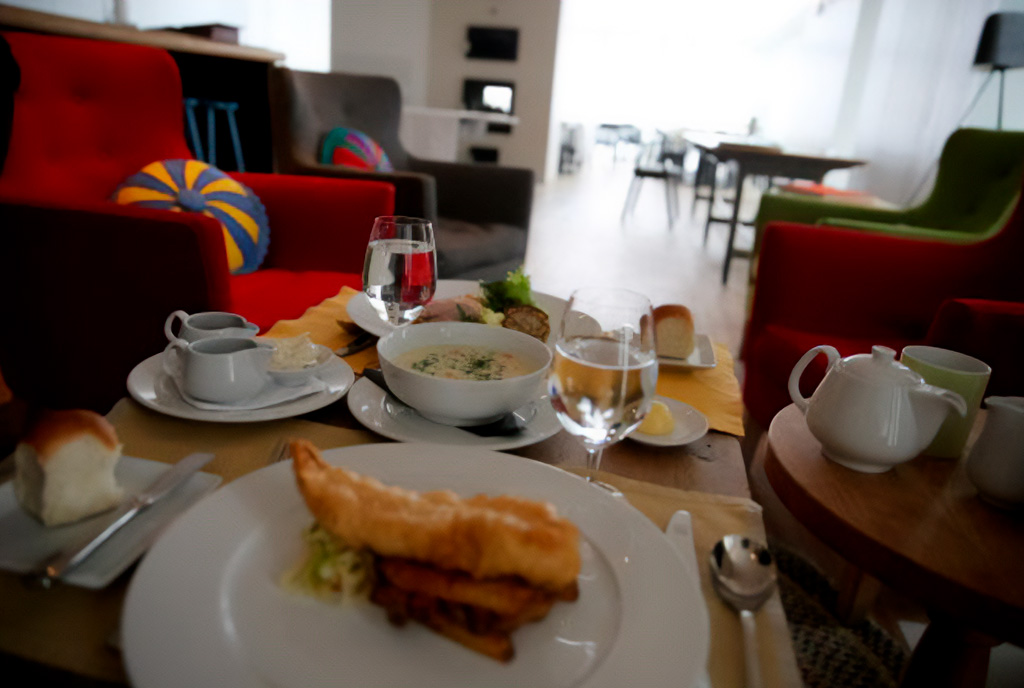
With just 29 rooms, the inn feels like a very upscale bed and breakfast, all small, cozy spaces (most rooms have wood-burning stoves), yet it still manages to feel remarkably expansive, with its own art gallery, a 32-seat cinema, private guest saunas and rooftop hot tubs. In 2013 the inn's restaurant ranked among Canada's top three best new restaurants according to enRoute magazine.
The most unforgettable thing about the inn, though, is the hospitality, a sense of community you can feel everywhere.
Many who work at the inn come from families whose history goes back generations, to the English and Irish settlers who lived here hundreds of years ago. Cod fishing brought them to the island, and some settled here rather than head back home.
English and Irish accents can still often be heard. If you drink Flat Earth, the island's popular coffee brand, it's not unusual to hear it pronounced "flet urt."
Discovering the island's simple pleasures
Martin Foley is one of these welcoming islanders.
A true lover of nature at the ripe age of 72, he has lived on Fogo Island his entire life, never straying more than a few miles from his family home in the town of Tilting until he was 18.
Foley, a former schoolteacher, works at the inn as a community host, accompanying guests during their stay across the pristine and unspoiled landscape.
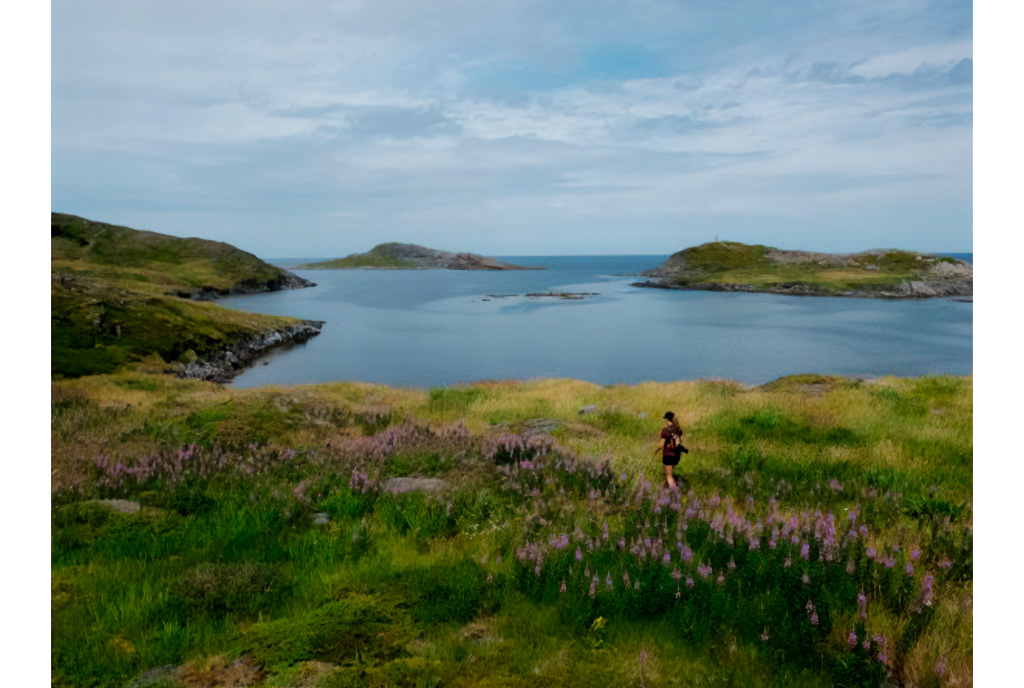
Walks along the beautiful seascapes and cliffs, visits to cemeteries with the graves of English and Irish settlers from the 1800s and 1900s, and the traditional preparation of freshly caught cod and king snow crab are all things Foley has done since childhood and delights in showing visitors.
The island can be disorienting at first, and that's by design. Everyday conveniences aren't at your fingertips. It's quiet here, no cinemas, no manicured lawns, no mega-malls. Time all but stands still.
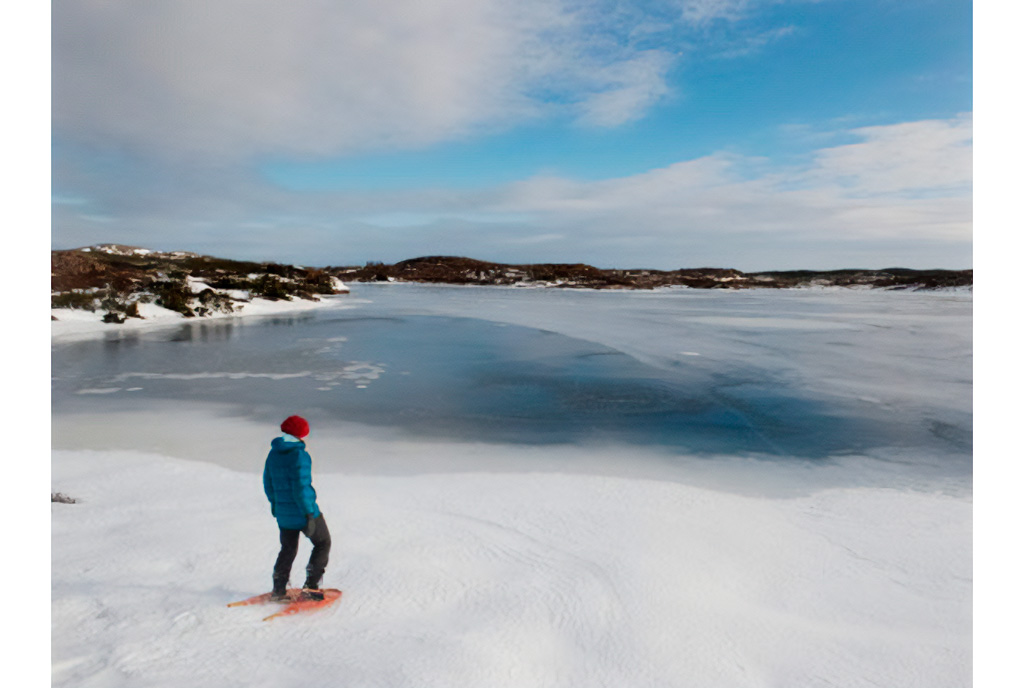
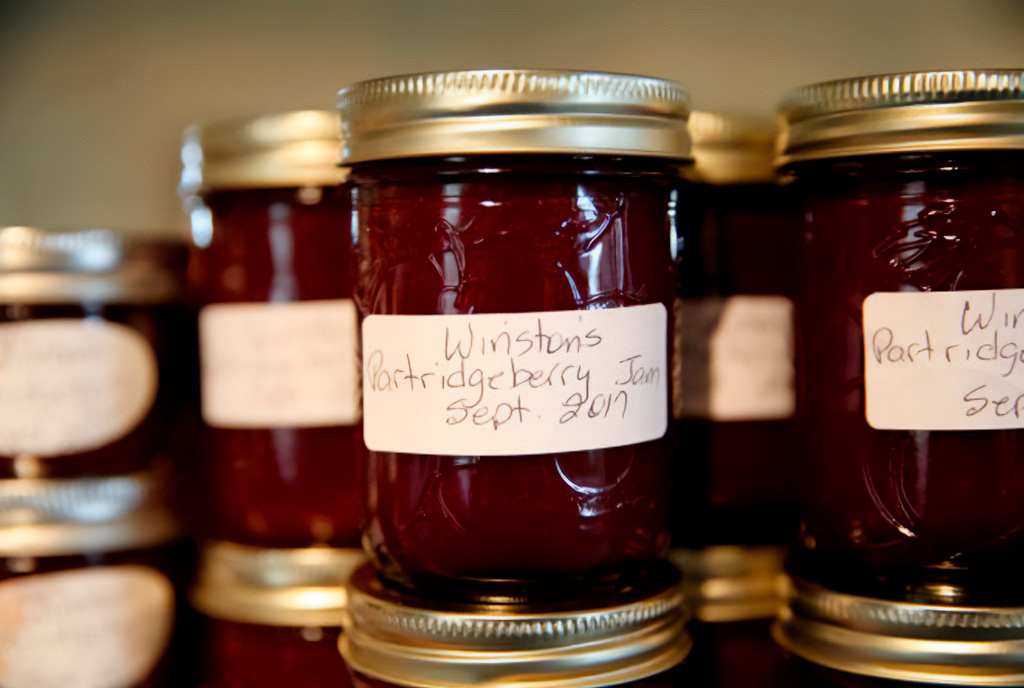
The island even has its own quirky time zone, along with seven distinct seasons. Each one offers something meaningfully different, from snowshoeing and iceberg watching to berry picking and sitting by bonfires on cool summer nights.
As the Fogo Island Inn defines it, "our seven seasons consist of a warm summer, a snowy winter, a breathtaking ice season, a promising spring, June's trap season, an abundant wild berry harvest in the fall berry season and an unpredictable late fall."
Striking a balance
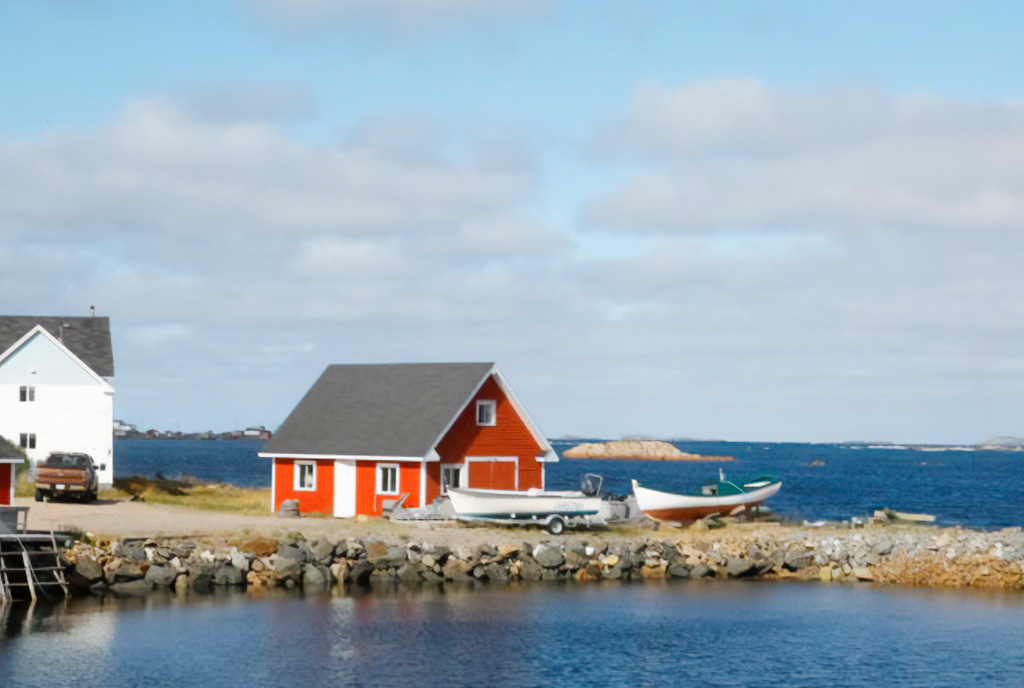
There's no doubt the terrain here is genuinely harsh. Yet the Fogo Island Inn manages to create a sense of balance between quiet solitude in nature and a stylish hotel.
The challenge for the inn lies in preserving the history of a small, sleepy fishing island with a total population of just 2,395 people while building a 21st-century enterprise.
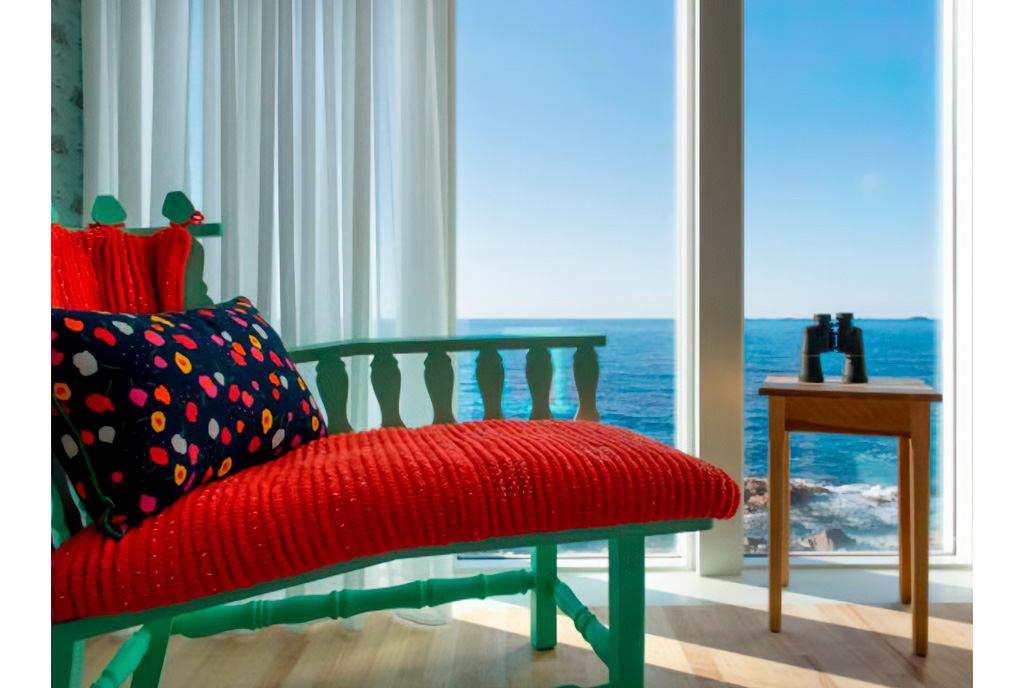
The exterior and interiors of the inn strike this delicate balance to perfection, with the ebb and flow of new and old. The modern building, designed by Norwegian architect Todd Saunders, is paired with handmade furniture and quilts made by Fogo Island residents, helping to create the impression of a hotel that works in keeping with the island's ideals rather than against them.
In places, the inn resembles a very large boat, deliberately designed to touch the landscape lightly. At times you can feel faint vibrations as the North Atlantic rages and foams outside.
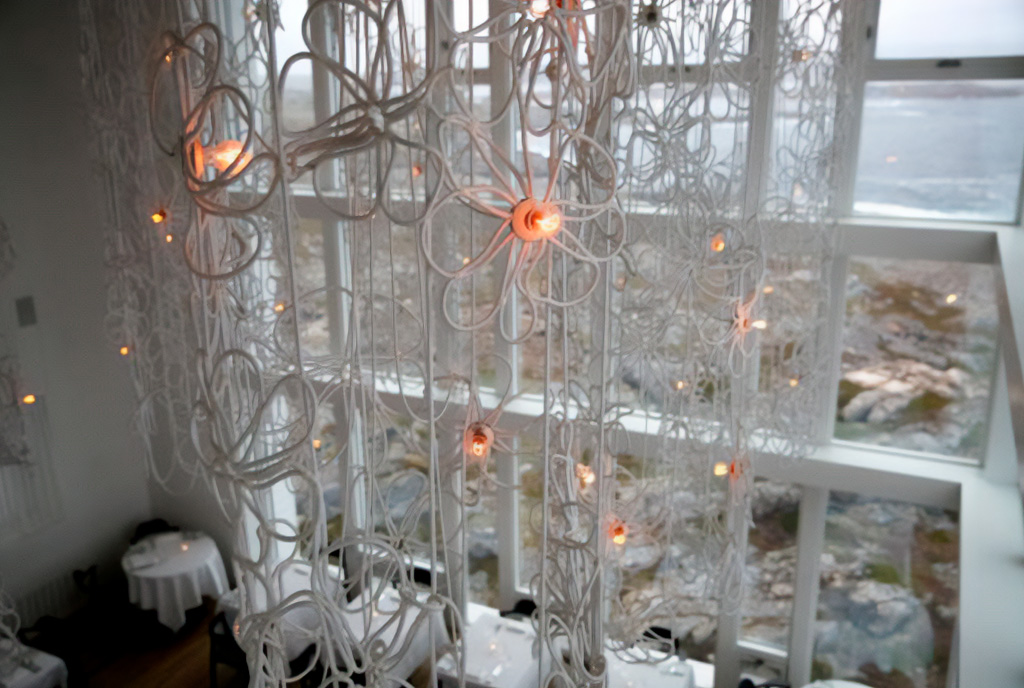
Floor-to-ceiling windows showcase the dramatic scenery. The shape of the building's structure itself, 300 feet long and 30 feet wide, helps evoke the feeling of a ship.
New growth
It's fair to say the island is experiencing a kind of renaissance after years of economic decline. Completely dependent on the cod industry, which all but vanished in the early 1990s, residents were left with limited means of making a living.
This is where Zita Cobb, owner of the Fogo Island Inn, enters the scene.
A former tech titan, she returned to the island of her birth in the early 2000s after working as chief financial officer of a fiber-optics company. A millionaire many times over, she had earned more money than she could ever need in a lifetime.
Her goal? To use the Fogo Island Inn as an economic engine. Providing work for 153 people, the inn is one of the island's main sources of employment, sparking a surge of interest in a place where many had struggled to get by.
Cobb's mission, however, comes with its own set of fears. She worries that consumerism brings a flattening of culture, and that if it takes hold, every community will look the same, the hills will be paved over, and the island's past will no longer be accessible to the next generation.
She knows it's a delicate dance with the devil, but it's worth it to bring Fogo Island back to life.
Her first attempt to help the community involved scholarships for the younger generation, but then a community member raised an important point: the scholarships were sending the young people away.
That led to the creation of Shorefast, a charity she founded with her brother Tony to return resources to the economy. So far these efforts have produced six contemporary art studios scattered across the island, an artist-in-residence program and countless other projects, including the inn itself.
Surplus income from the inn goes back into the community. It's a tricky balance, building a future for Fogo Island while preserving its ties to the past, but Cobb remains optimistic.
If the community doesn't strive for that equilibrium, Cobb says, "our past will become inaccessible to us; we need to know it and turn it into new things."
As the French say, "qui n'avance pas, recule"... or "those who do not move forward, move backward."
Without losing its identity, Fogo Island is moving forward.
If you go
Accommodation information:
Fogo Island Inn: Open year-round. Double rooms start at US$1,300. Rates include all meals (a welcome snack, morning service, breakfast, lunch, dinner) and all non-alcoholic drinks, a half-day orientation with a community host and full use of all the inn's amenities: the cinema, sauna, contemporary art gallery, gym and yoga space, and heritage library.
The inn has Wi-Fi, bicycles for exploring on your own and storm-weather gear, with rubber boots and binoculars in every room.
The Old Salt Box Co.: Eight standalone saltbox-style houses across the island for rent, most with ocean views and perfect for families.
Quintal House Heritage Guest Home: Nadine is a wonderful host at this cozy bed and breakfast with just three rooms. Rates start at US$120.
Other places to visit:
Nicole's Café: Located in the small community of Joe Batt's Arm, Nicole's Café is one of the few restaurants on the island. The menu changes daily, but expect fresh fish, pasta made the same day and homemade ice cream from Growler's, the island's only ice cream shop. (Closed for the season, check the website before making plans.)
Quilt and Jam Shop: The family home of islander Mona Brown is filled with jams, handmade quilts and clothing amid vintage antiques.
Herring Cove Art Gallery: Local artists Linda and Winston Osmond sell traditional paintings, postcards, jewelry and quilts. All handmade.
How to get to Fogo Island:
Fly to Gander, Newfoundland. From there, rent a car and drive to Farewell to catch the ferry to Fogo Island. Note: the ferry doesn't take advance reservations, service is first come, first served. The Fogo Island Inn also offers transportation from Gander to the inn.