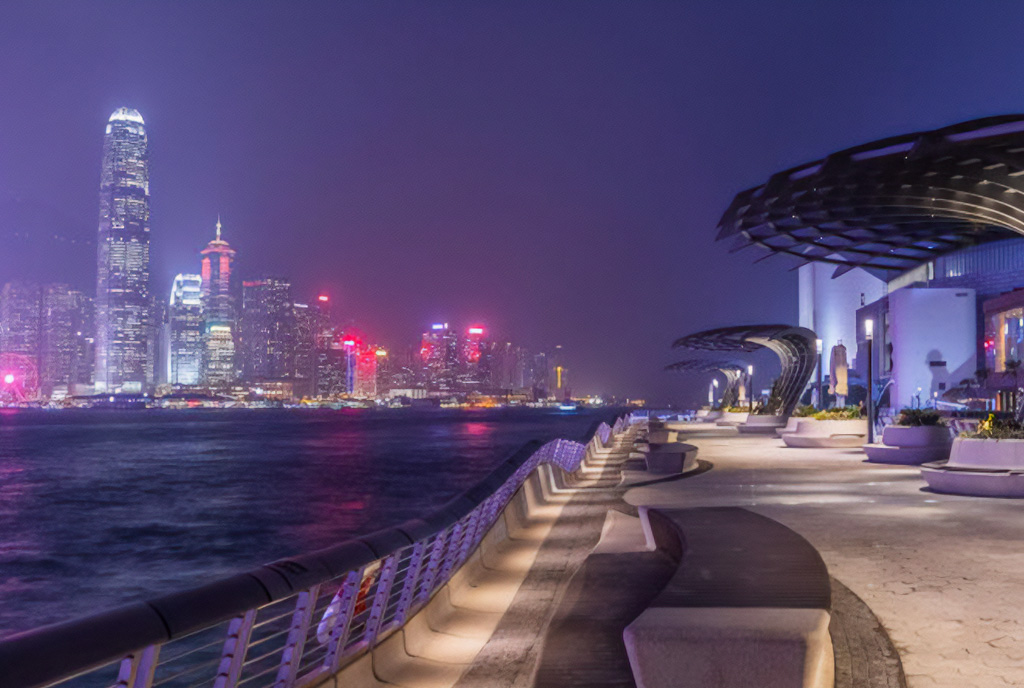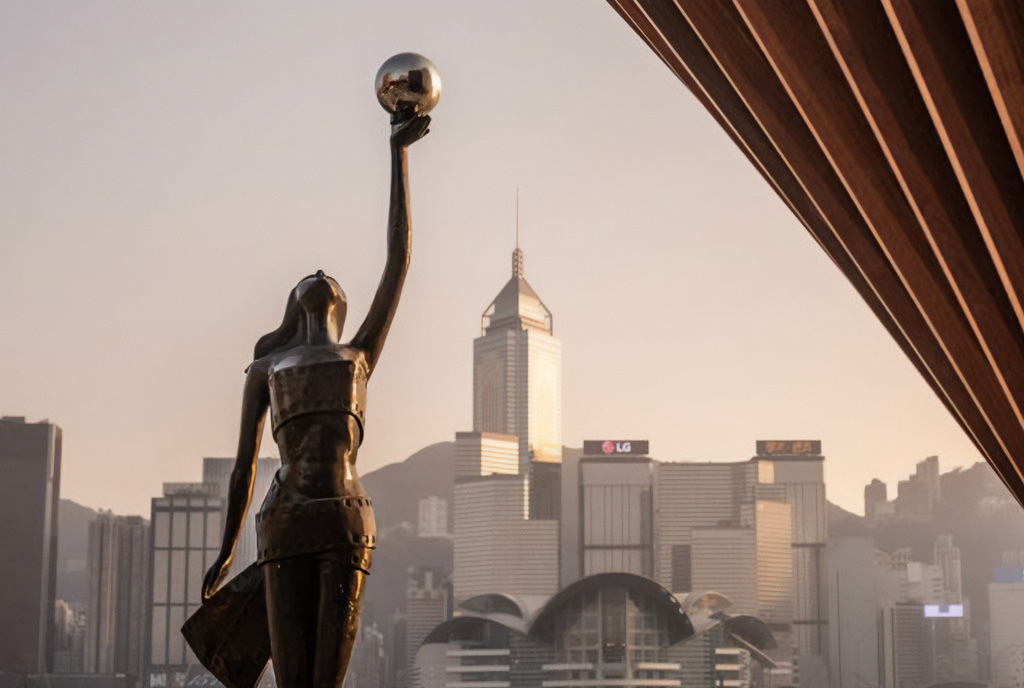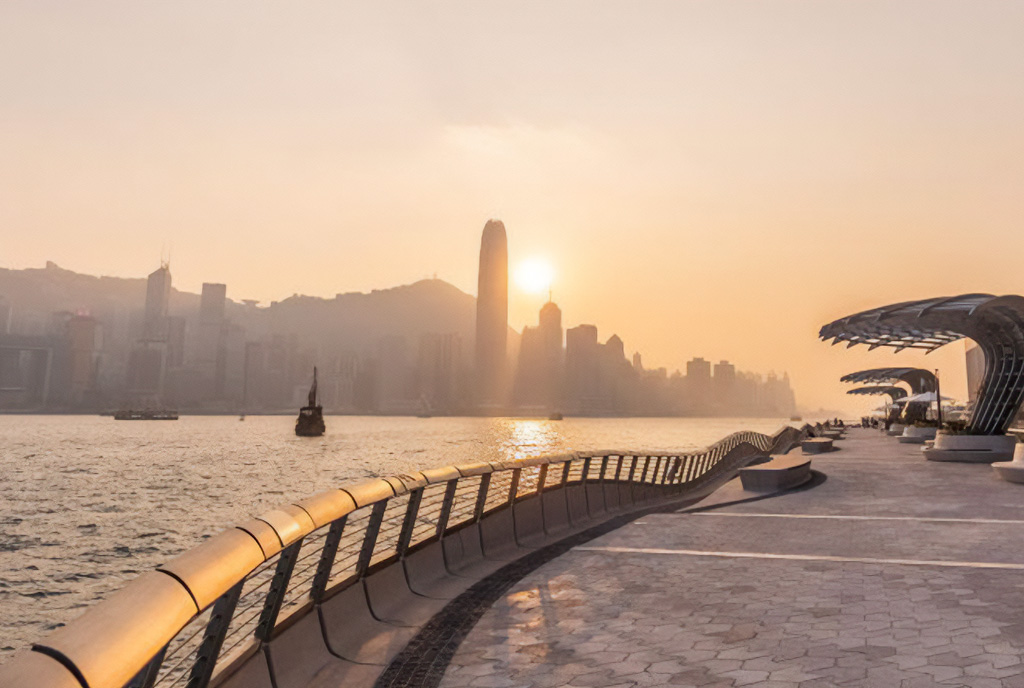


If there's one postcard image that says Hong Kong, it has to be the neon skyline seen across the harbor from the Tsim Sha Tsui waterfront.
No wonder the 457-meter Avenue of Stars promenade in Tsim Sha Tsui was one of the territory's most visited attractions before it closed for a makeover in 2015.
Now it's open again after a three-year revamp led by architect James Corner (the mind behind New York's High Line and Seattle's Central Waterfront) and the local team at New World Development.
Partner links: booking through them supports the blog at no extra cost to you.
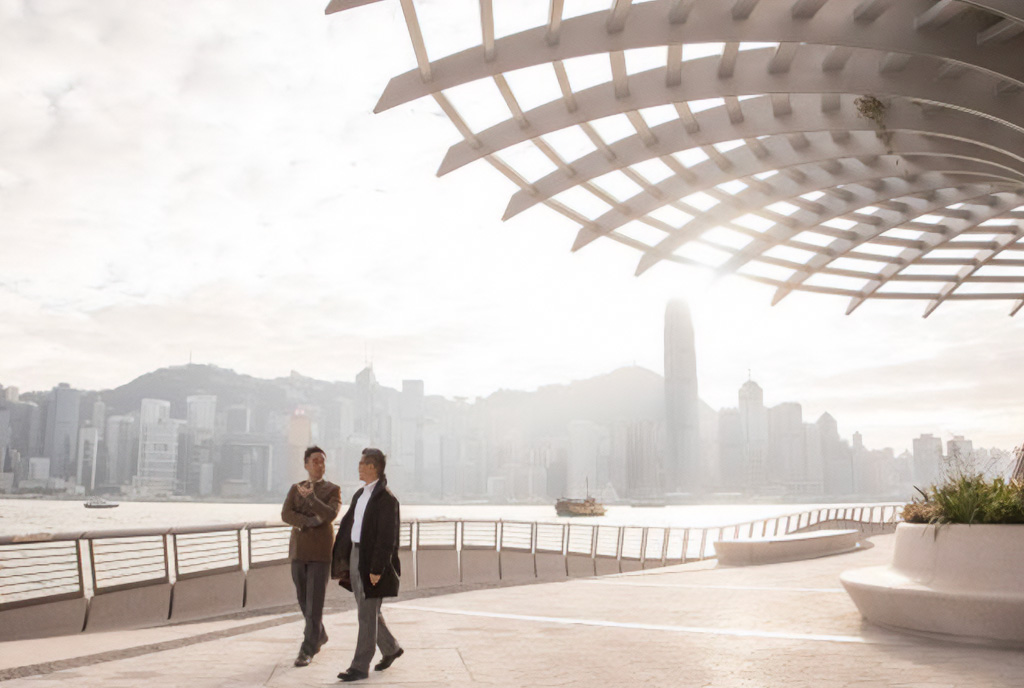
The upgraded walkway, which reopened on January 31, aims to be more than just a popular (and very touristy) viewpoint. It's meant to be a sustainable, welcoming destination for locals and visitors alike.
A $2.6 Billion Overhaul
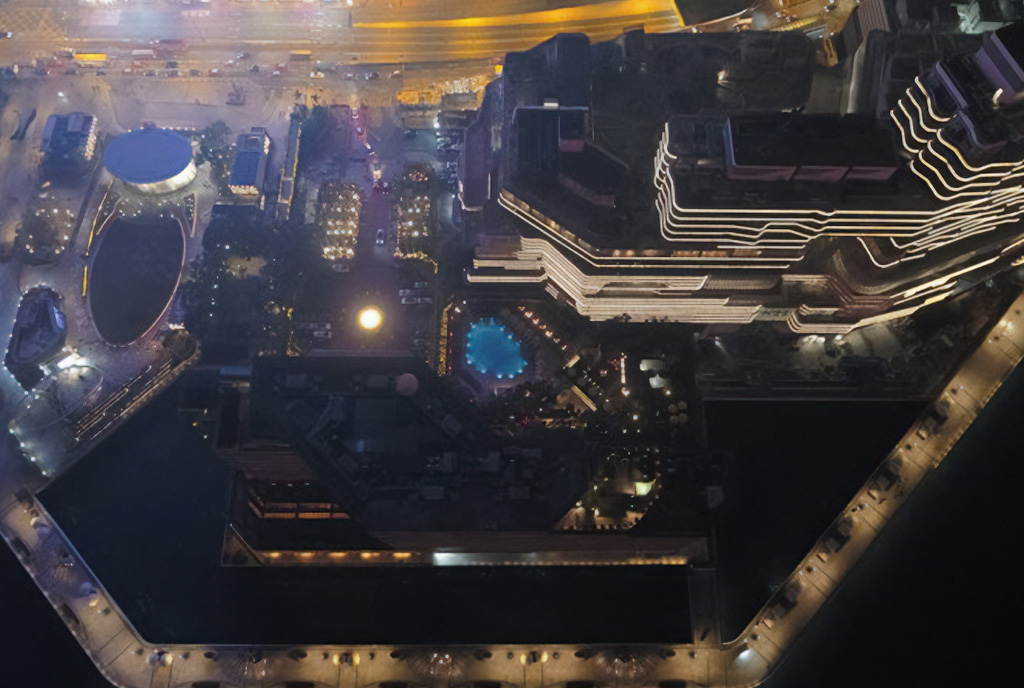
"The Avenue of Stars is part of an ambitious revitalization project through which we're turning this historic site into a world-class waterfront and cultural destination for the people of Hong Kong and the world," says Adrian Cheng, executive vice-chairman of New World Development.
First opened in 1982, the promenade stretched along what was then the thriving eastern shore of Tsim Sha Tsui.
In 2004 it was renamed the Avenue of Stars and given a cinematic theme, much like the Hollywood Walk of Fame in Los Angeles.
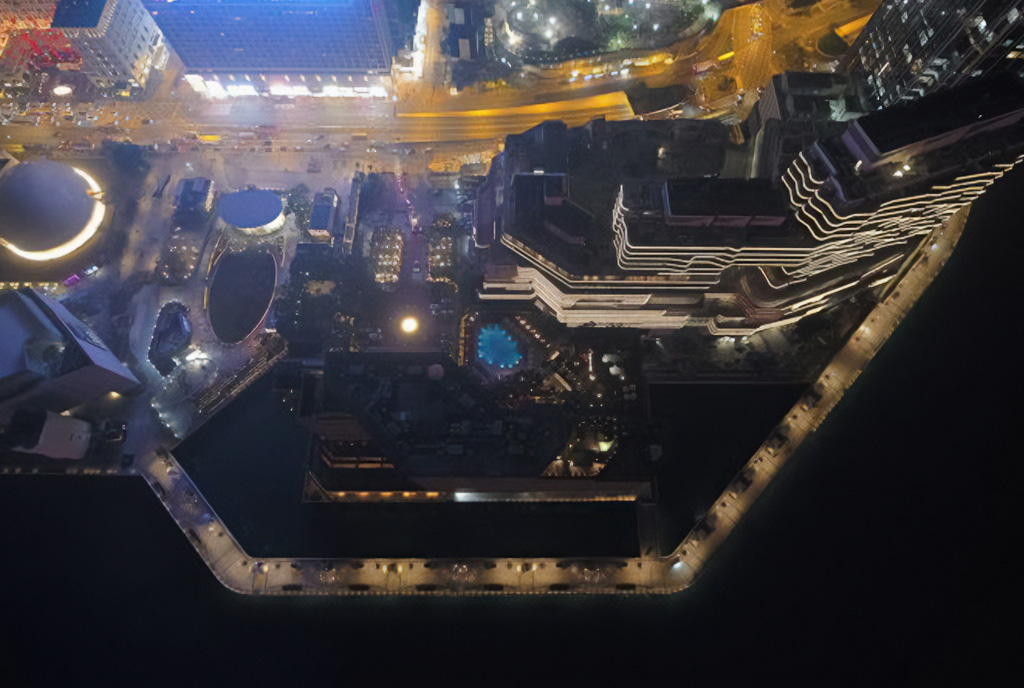
Today, along with the neighboring Salisbury Garden and the old New World Centre, the Avenue of Stars is part of the three-million-square-foot Victoria Dockside redevelopment, worth 20 billion Hong Kong dollars (2.6 billion US dollars).
The long-awaited project, which will open in phases, will be home to the new K11 MUSEA museum-and-mall, Hong Kong's first Rosewood hotel (slated to open in March), as well as residential and office buildings.
A Sweeping Transformation
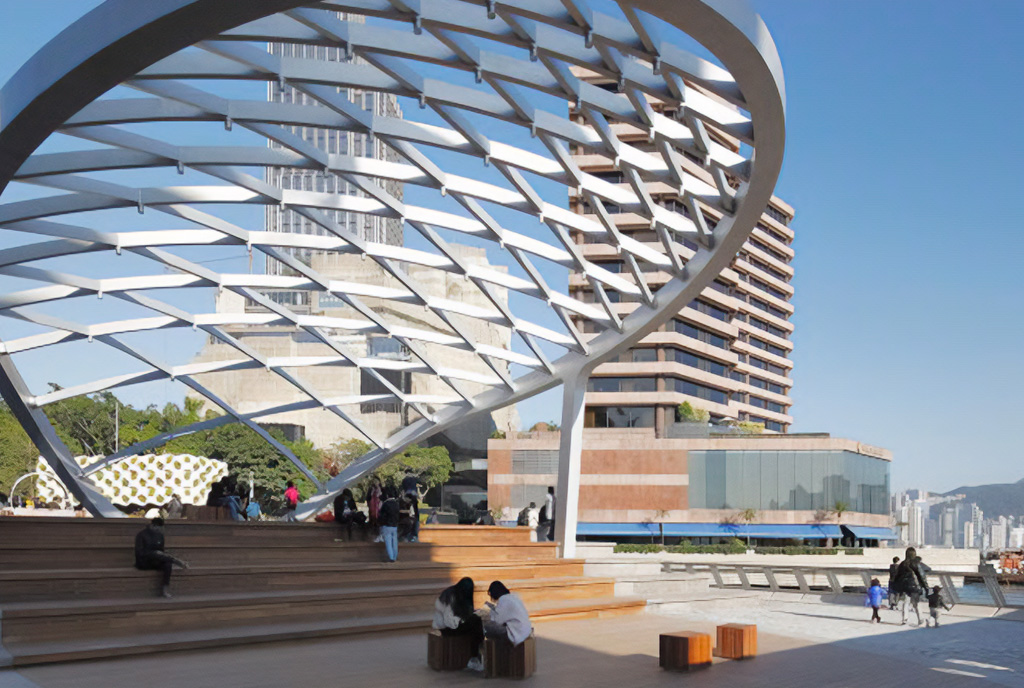
Before the revamp, the Avenue of Stars had been criticized for its lack of seating, greenery and character.
Its overhaul mirrors the way public spaces around the world have evolved in recent years.
"Many public spaces in the 20th century were designed quite plainly, without much richness of fabric, texture, amenity or character," Corner explains. "A lot of them looked the same all over the world and stayed unremarkable, empty and underused.
"Today, by contrast, far more attention goes into well-designed public places that draw on their context and offer a rich palette of experiences for everyone who uses them. Cities want authentic, unique spaces that enliven and enrich everyday life."
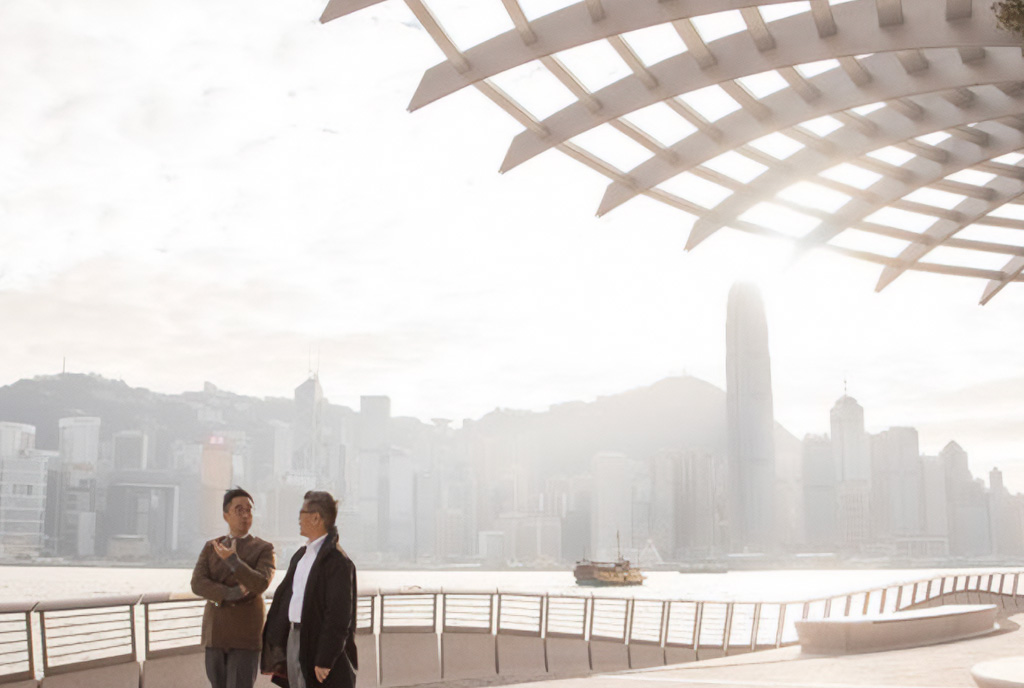
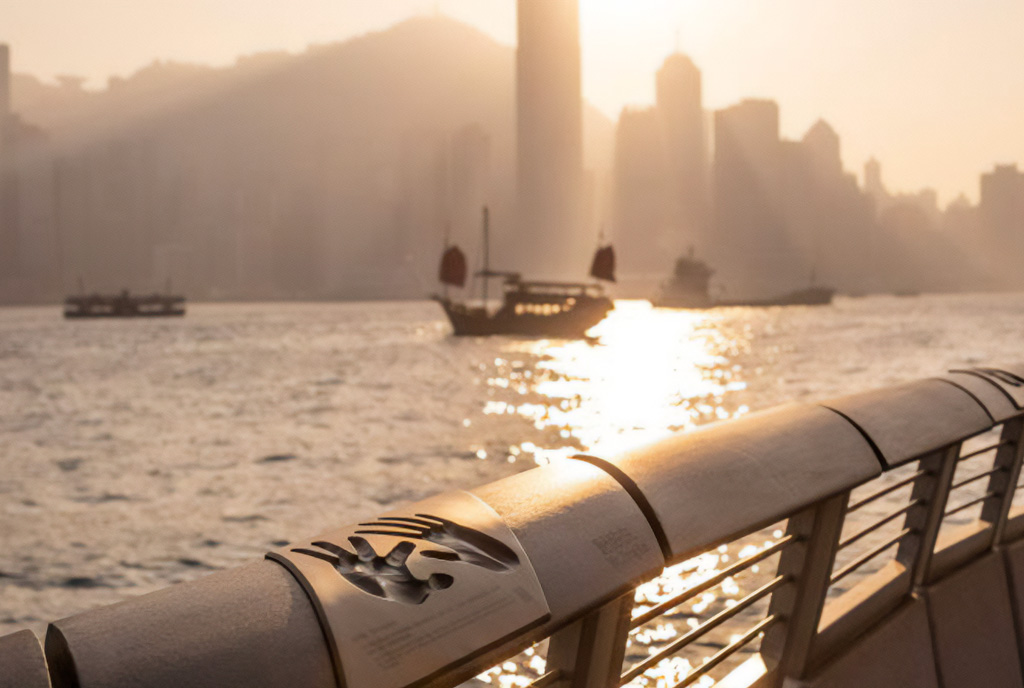
Along with lifting the celebrity handprints off the ground and onto the promenade's railings, the new design doubles the amount of available seating.
It provides seven times more shade and eight times more greenery than the old Avenue of Stars.
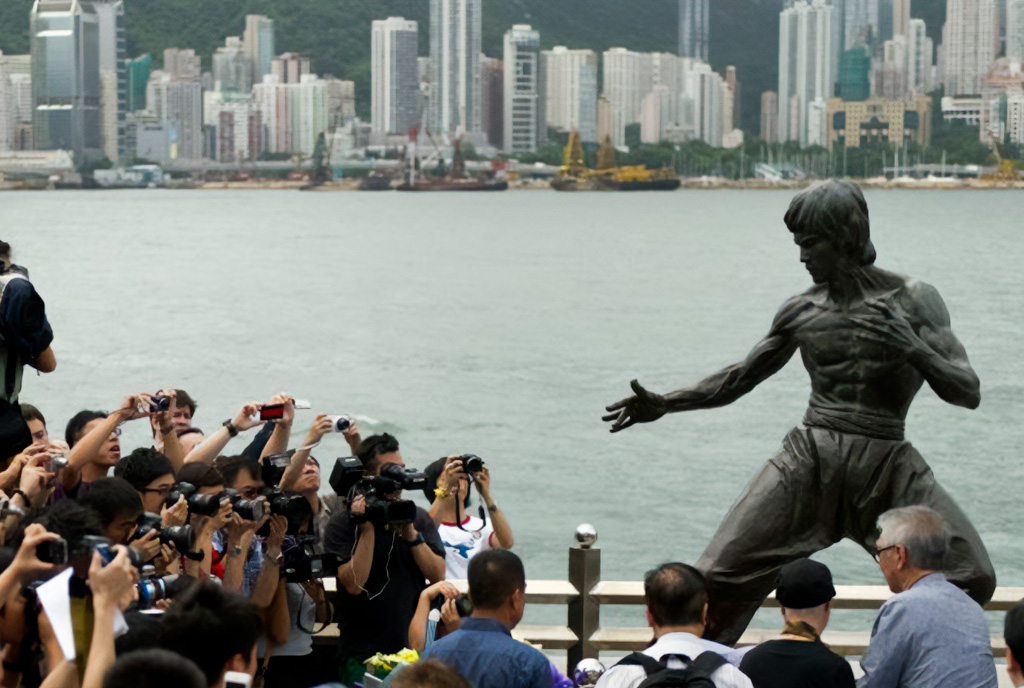
Statues of stars such as martial arts legend Bruce Lee and Cantopop queen Anita Mui will no longer sit behind barriers, but will stand on a fountain platform instead.
Reimagined kiosks will sell local food and brands, while Salisbury Garden will offer a green space to relax, plus a small stage for performances.
Sustainability is another hallmark of the new Avenue of Stars.
It's home to Greater China's first wave-energy generator, and solar panels power some of the lighting fixtures along the promenade.
The kiosks won't sell plastic water bottles. Instead, drinking fountains have been installed.
Hong Kong's "High Line"
"Great public spaces are the backbone of great cities," Corner says. "They're key to a particular city's distinct identity, image and quality of life."
He says the revamped walkway will hold its own against his work on New York's High Line and Seattle's waterfront.
"These projects are alike in that they're all linear and try to reinterpret the old typology of the promenade, the walking path and the pleasure of being among other people," he adds.
"But on the other hand, they're all different, mostly because of their context.
"Our project in Tsim Sha Tsui, both Salisbury Garden and the Avenue of Stars, sits within the grand setting of the harbor and the city skyline; it's an incredibly wide, panoramic context. That's what makes this project so unique and specific to Victoria Dockside and Hong Kong."
Getting there: If you're taking the metro, get off at Tsim Sha Tsui station and head for Exit J. The Avenue of Stars is just a few minutes' walk along Salisbury Road. For a more scenic route, hop on a ferry from Central or Wan Chai pier and stroll along the Tsim Sha Tsui waterfront to the Avenue of Stars.