

Georgia may be small in size, but it still packs in an astonishing geographic variety.
In the west you'll find subtropical citrus groves stretching down to the Black Sea, while in the east vineyards give way to arid steppes where thousand-year-old monasteries rise up.
This is also home to three of Europe's six highest mountains; in their shadow the Caucasus wilderness spreads out in every direction, where bears, eagles and wolves share the land with some of the most remote and picturesque mountain villages you've never heard of.
Partner links: booking through them supports the blog at no extra cost to you.
Here are 10 stunning places in Georgia guaranteed to fuel your wanderlust.
Mutso
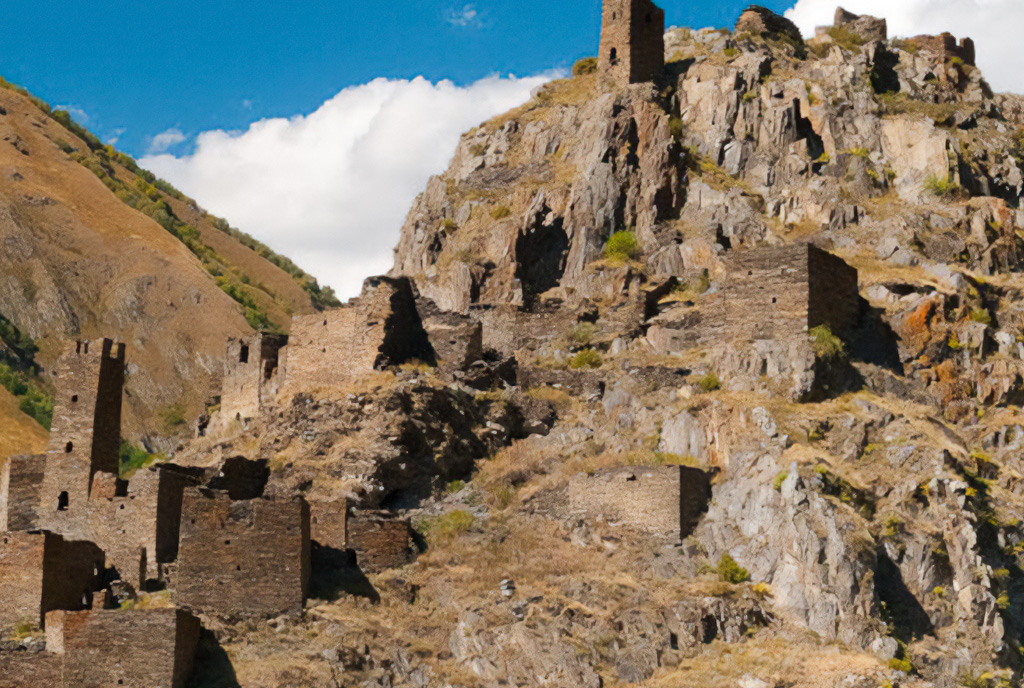
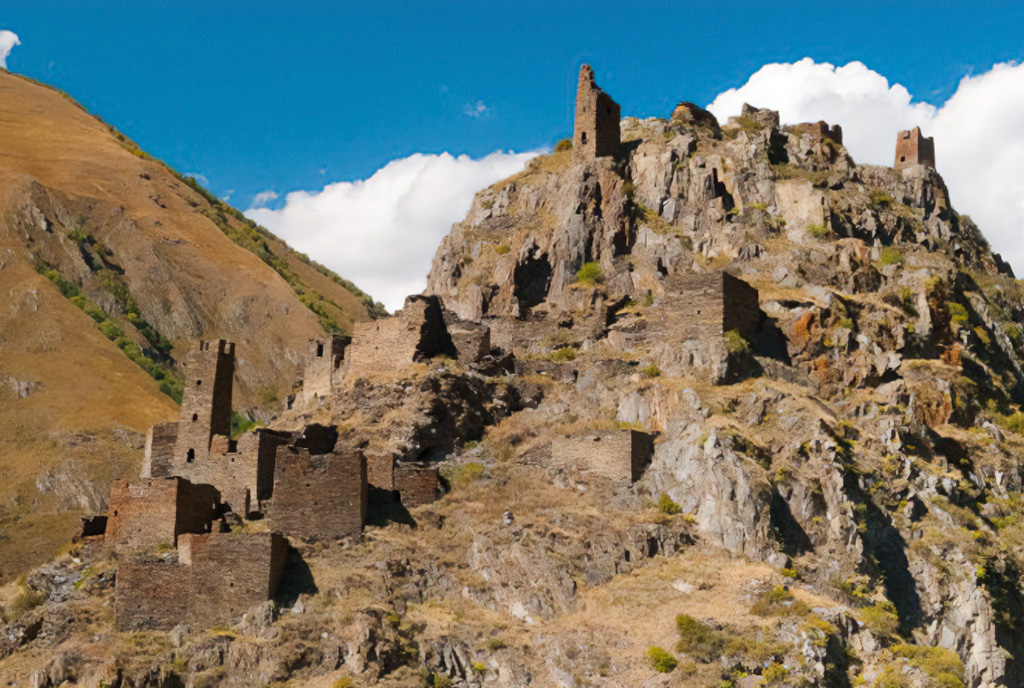
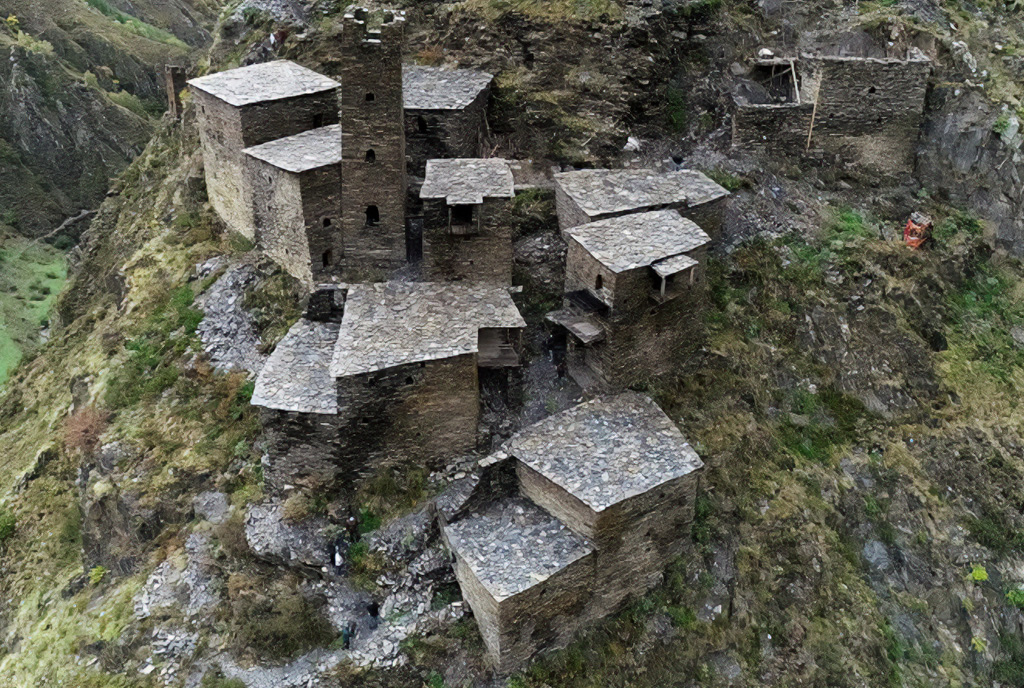
Mutso, a fortified town spread across three towering cliffs on the border with Chechnya, was the most impregnable stronghold of northern Georgia throughout the Middle Ages, yet in the 20th century it was all but abandoned due to a lack of water and crumbling infrastructure.
By the turn of the new millennium, only 22 Khevsurs remained (a local ethnic community with pagan-Christian rituals and distinctive dances and dress).
Help finally arrived in 2014 in the form of a $1.2 million grant funded by Georgia's National Agency for Cultural Heritage Preservation.
The ancient watchtowers were restored, homes were rebuilt, and electrical cables were laid, all with meticulous care not to disturb the village's historical and ethnological integrity.
Today Mutso is ready for its moment in the spotlight, and the whole world is watching. In 2019 the town won the Europa Nostra Award, Europe's most prestigious prize for cultural heritage.
Ushguli
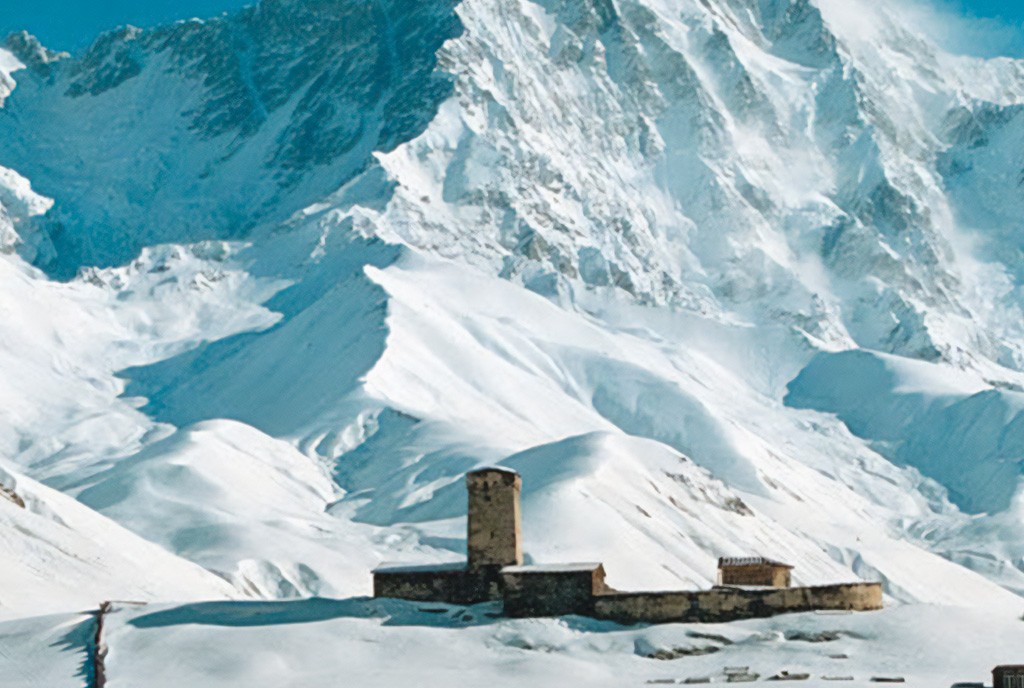
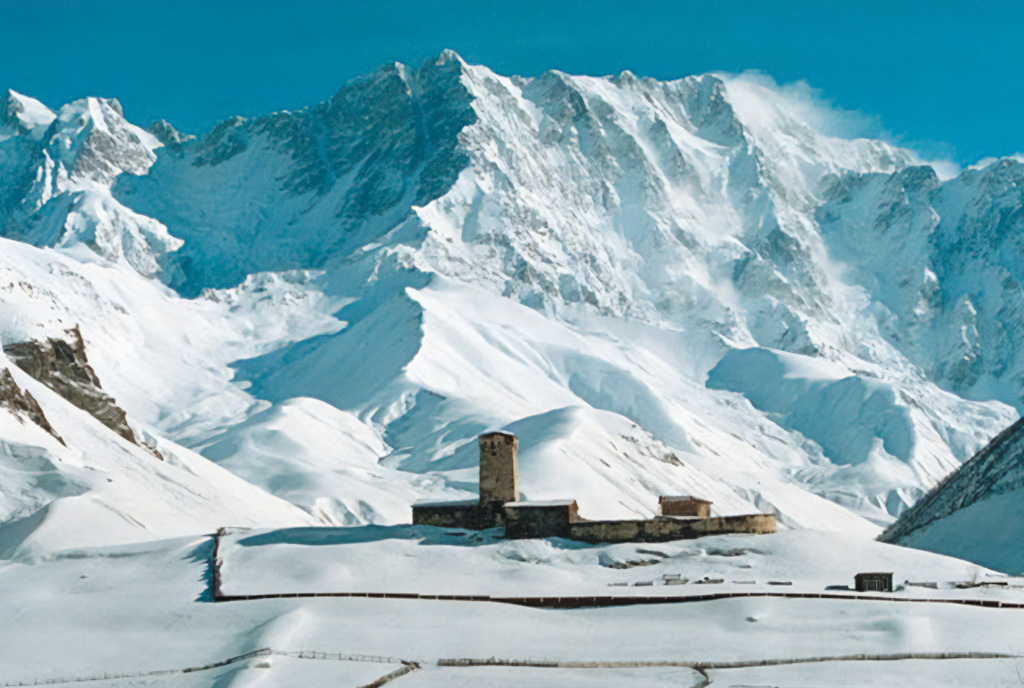
Ushguli is one of the highest continuously inhabited settlements in Europe, sitting at an altitude of 2,100 meters.
Tucked deep in the Caucasus wilderness and blanketed in snow for roughly eight months of the year, its isolation has preserved a thousand-year-old culture marked by bareback horse racing, animist rituals and an unwritten 4,000-year-old language.
It's hard to say what's more captivating: Ushguli's dozens of jagged, UNESCO-protected watchtowers, some more than a thousand years old, or its dramatic setting against the snowy folds of the Shkhara glacier.
Vardzia
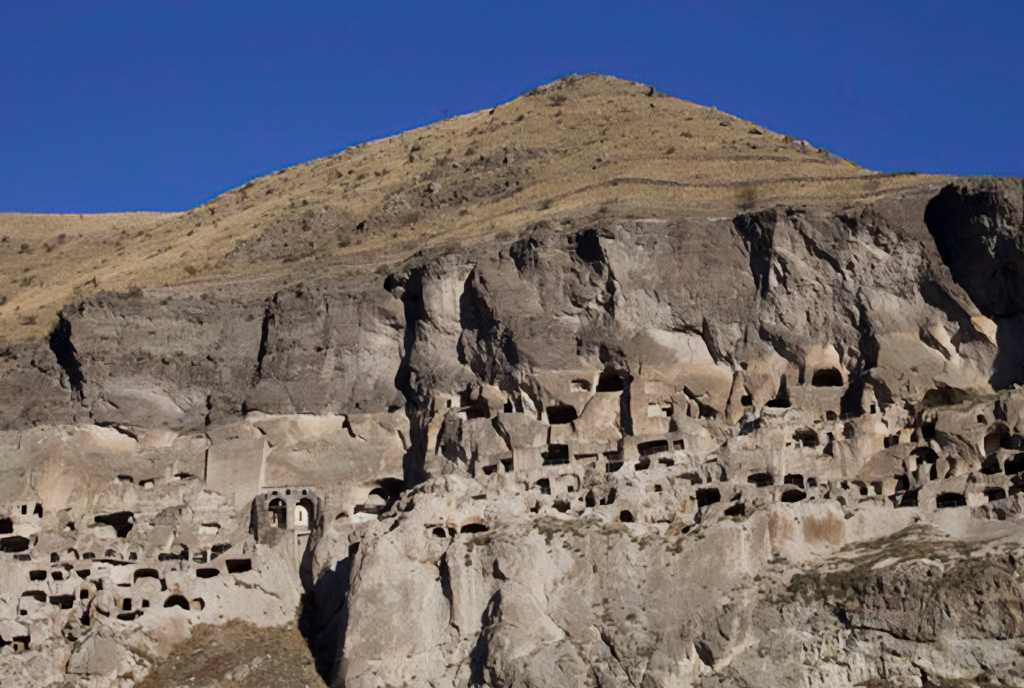
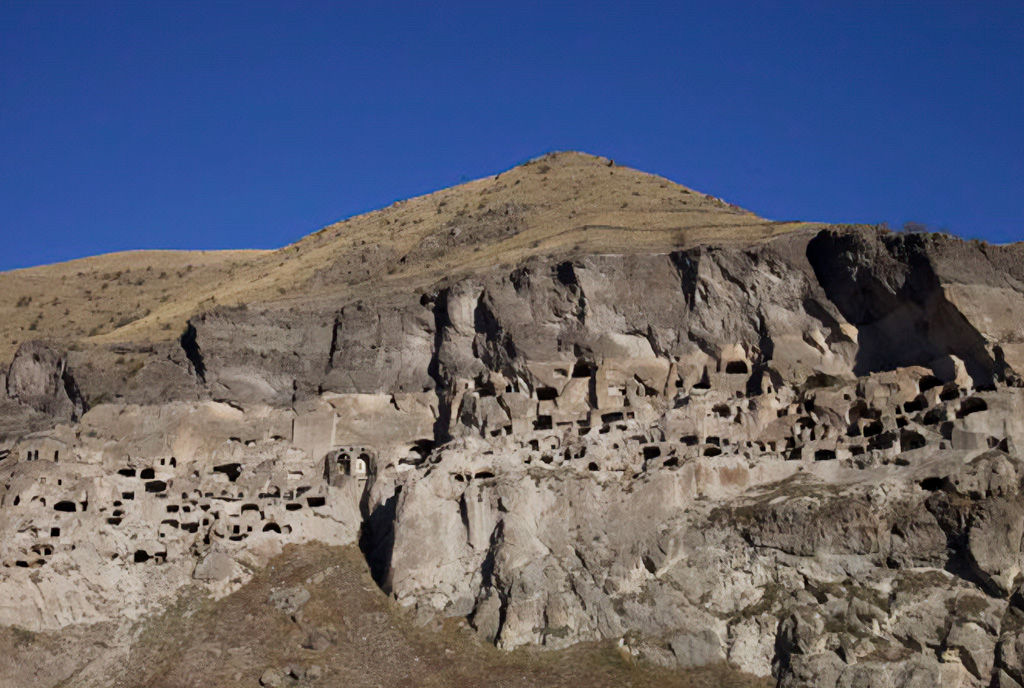
Despite its captivating history and undeniable beauty, most tourists never make it to Vardzia, a nine-level cave complex towering over the arid foothills of Samtskhe-Javakheti.
That's largely down to the grueling five-hour drive from Tbilisi (or the hour-long trip from the nearest market town of Akhaltsikhe) that visitors have to make to reach it.
But those who do dare to make the journey will be rewarded with one of Georgia's most magnificent sights: an entire mountainside dotted with man-made caves that invite hours of exploration.
Built as an elaborate bunker by George III during Georgia's golden age, it is said to have had 19 stories at its peak and to have been entirely self-sufficient.
A devastating earthquake in the 13th century marked the start of Vardzia's decline, and its last permanent residents, a group of monks, abandoned the site in 1578 under Ottoman siege.
Visitors can burrow into the roughly hewn passageways of the complex, which lead from frescoed chapels to wine cellars and living quarters, connected by hatches and curving stone staircases.
As you step into the Church of the Dormition, be sure to look up to admire a rare portrait of Queen Tamar, Georgia's greatest ruler.
Gelati Monastery
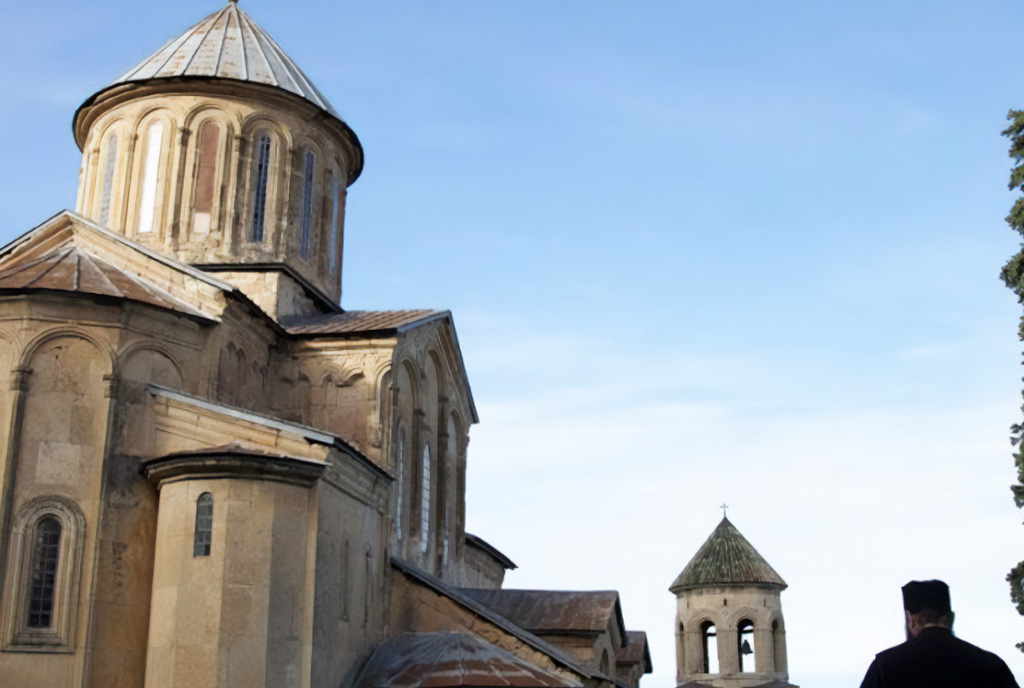
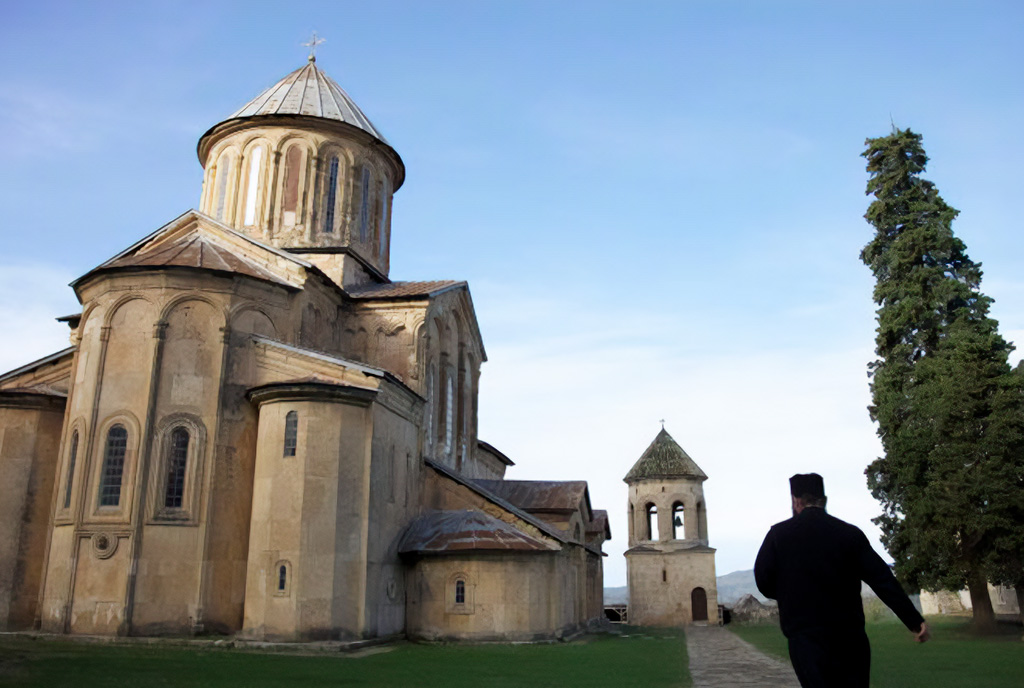
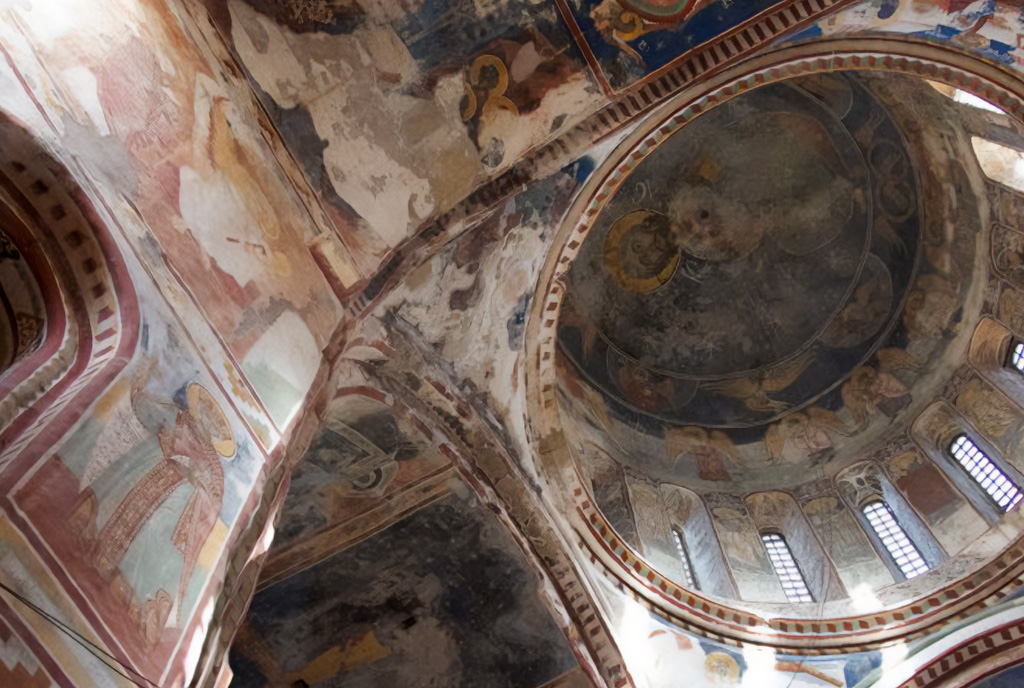
Step into the Cathedral of the Virgin at Gelati Monastery, six miles north of Kutaisi, and you'll instantly be immersed in a sea of colorful Byzantine-style frescoes that stretch from the lowest stone plinth to the highest points of the conical dome.
It's a wonder these vivid works have survived and show shockingly little damage, considering that most frescoes in Georgian churches were whitewashed by Russian imperialists in the 19th century.
When you reach the apse, be sure to take note of the church's most striking feature: a 12th-century mosaic made of nearly three million tiles, depicting the Virgin and Child flanked by the archangels Michael and Gabriel.
Gergeti Trinity Church
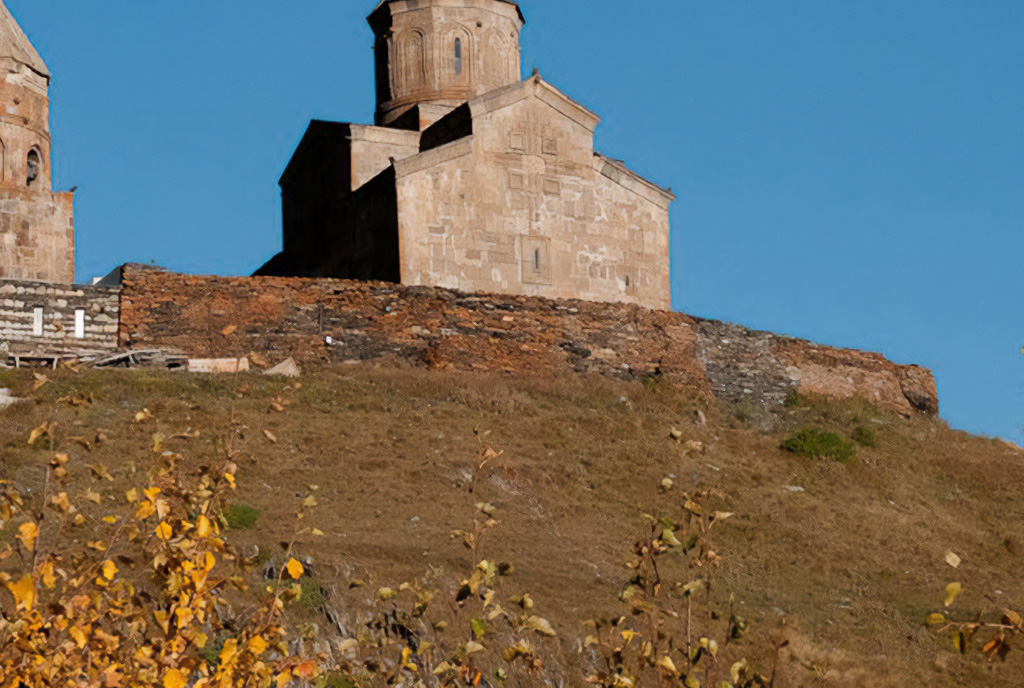
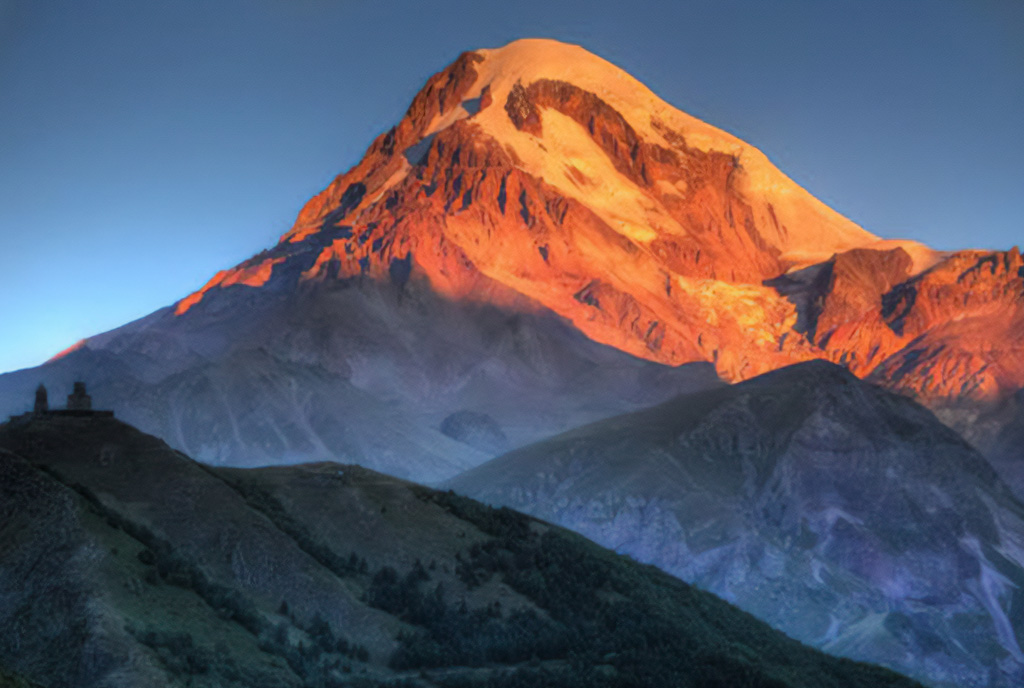
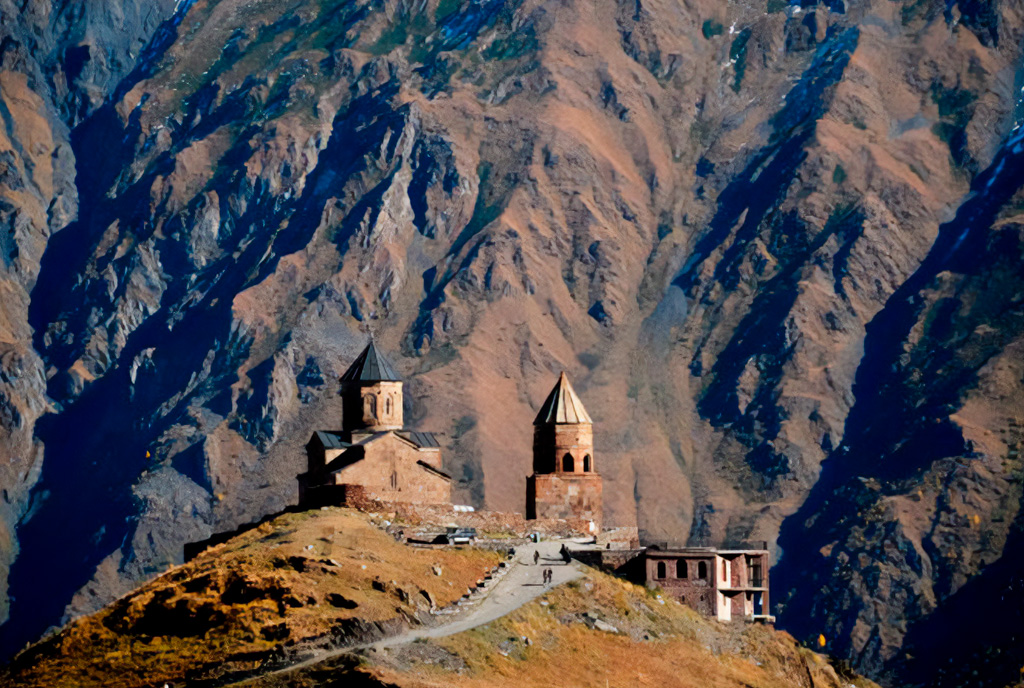
Gracing the covers of countless guidebooks and travel magazines, Gergeti Trinity Church has long inspired awe thanks to its dramatic hilltop setting in the shadow of Mount Kazbek, Europe's fifth-highest peak.
It's hard to believe that 14th-century villagers managed to haul such massive hewn stones up the mountainside to build this harmonious church, distinguished by its conical dome and freestanding bell tower cloaked in orange lichen.
A handful of black-robed monks still live in an adjacent building. If you enter the church in shorts, a hat, or anything revealing, you risk drawing their wrath.
Ananuri
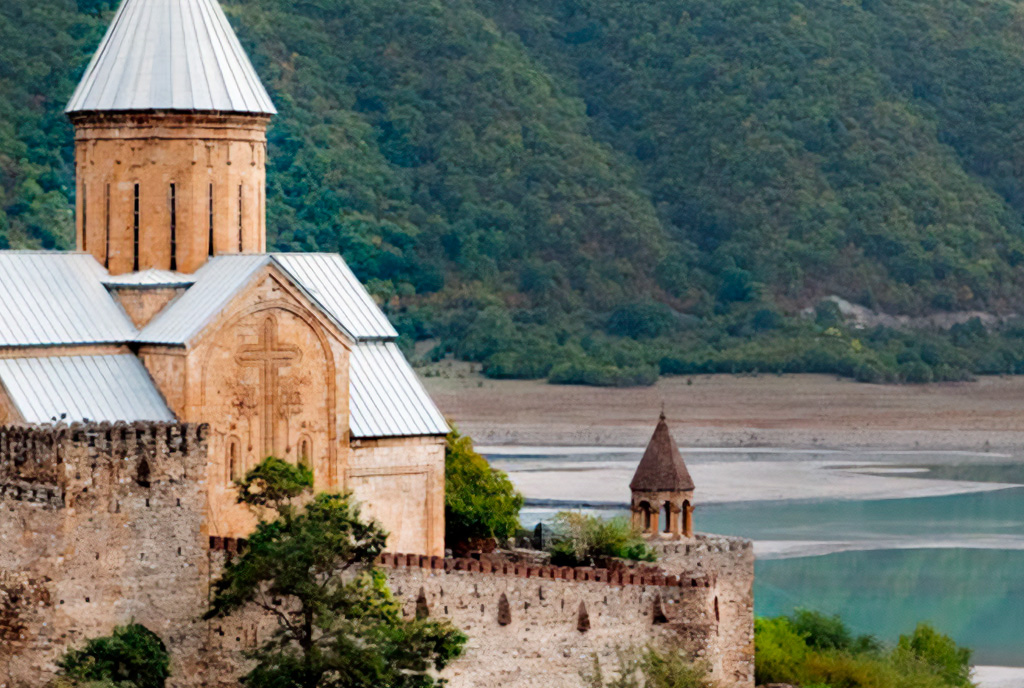
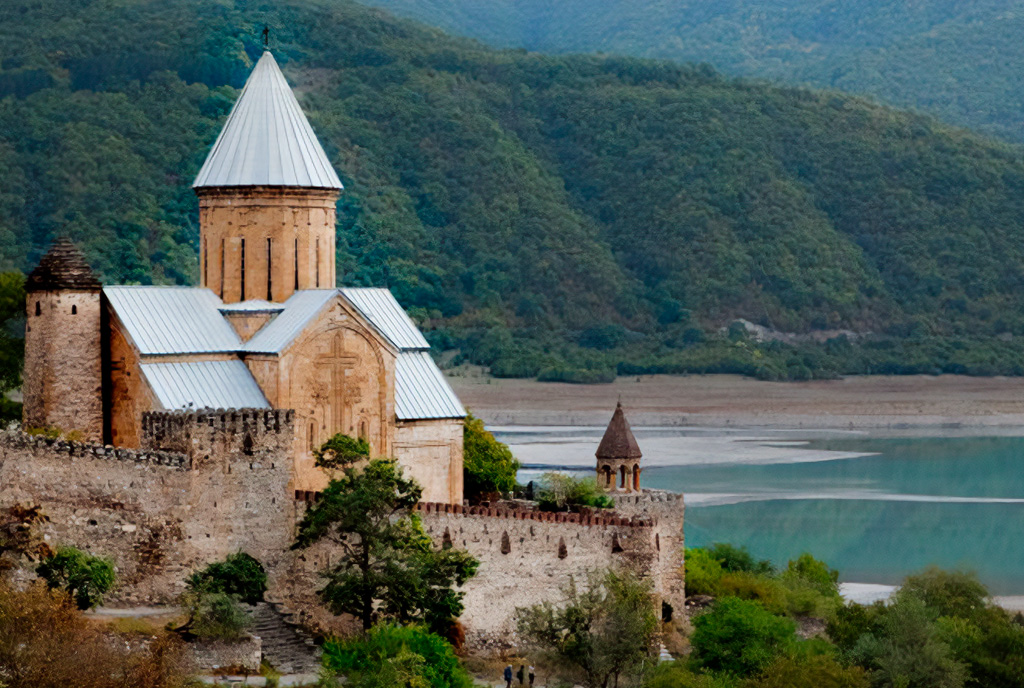
If Soviet bureaucrats had had their way, you'd need a diving mask to admire Ananuri, a church-and-fortress complex 40 miles north of Tbilisi that was very nearly flooded by a reservoir.
Fortunately, Ananuri's 12th-century watchtower, crenellated keep and two 17th-century churches adorned with pagan motifs (see if you can spot the clusters of grapes, rams' heads and dragons) have stood the test of time.
Insider tip: after you've snapped panoramic shots of the churches against the turquoise lake, drive 15 miles north along the main road to the town of Pasanauri to enjoy what many Georgians consider the best khinkali (soup dumplings) in the country.
Gomismta
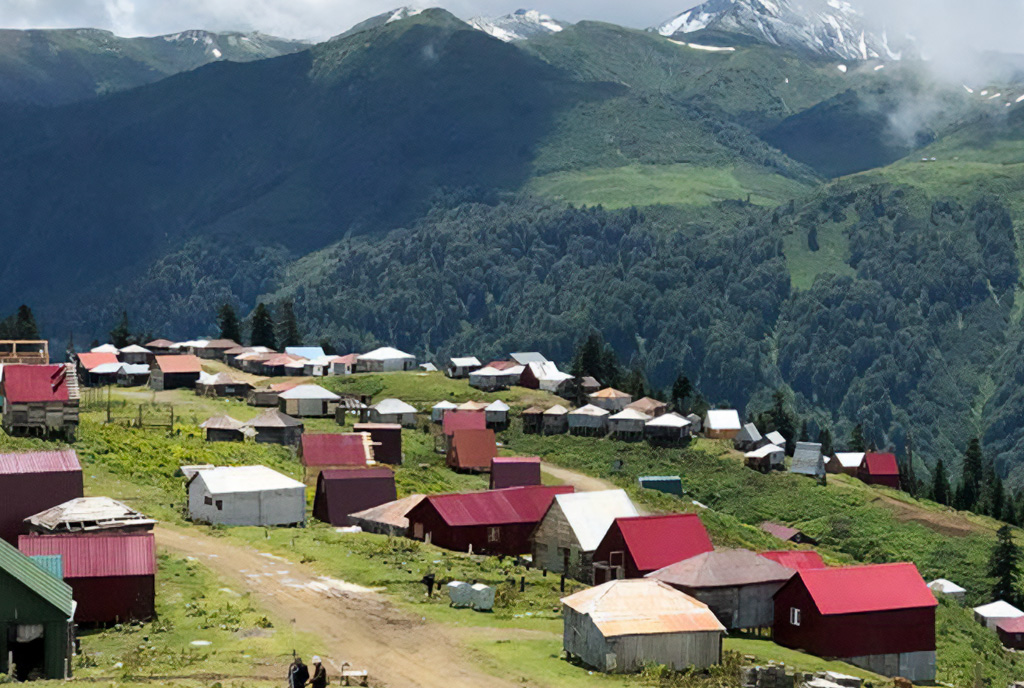
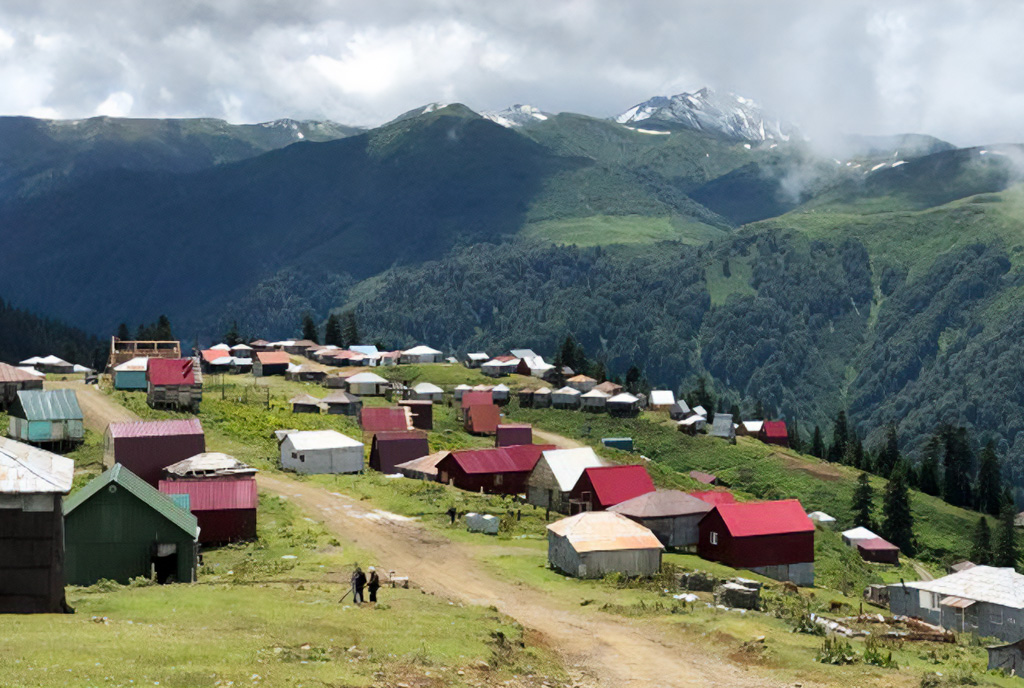
Guria is a small rural region in western Georgia known for its tea plantations, khachapuri (cheese bread) with egg, piercing yodeling (krimanchuli) and idyllic mountain resorts such as Gomismta, where shepherds bring their sheep to graze in summer.
Unlike more popular mountain areas such as Stepantsminda, Borjomi and Mestia, Gomismta is a little-known paradise where you can stay in a guesthouse alongside friendly Georgian holidaymakers.
The multicolored shepherds' huts and the sweeping amphitheater of mountains are the area's main attractions, but the rural mosque, set inside a decommissioned Soviet oil tank, is a curious spot well worth seeking out.
There are no addresses or street names here, so you'll have to ask a local to point you in the right direction.
Sighnaghi
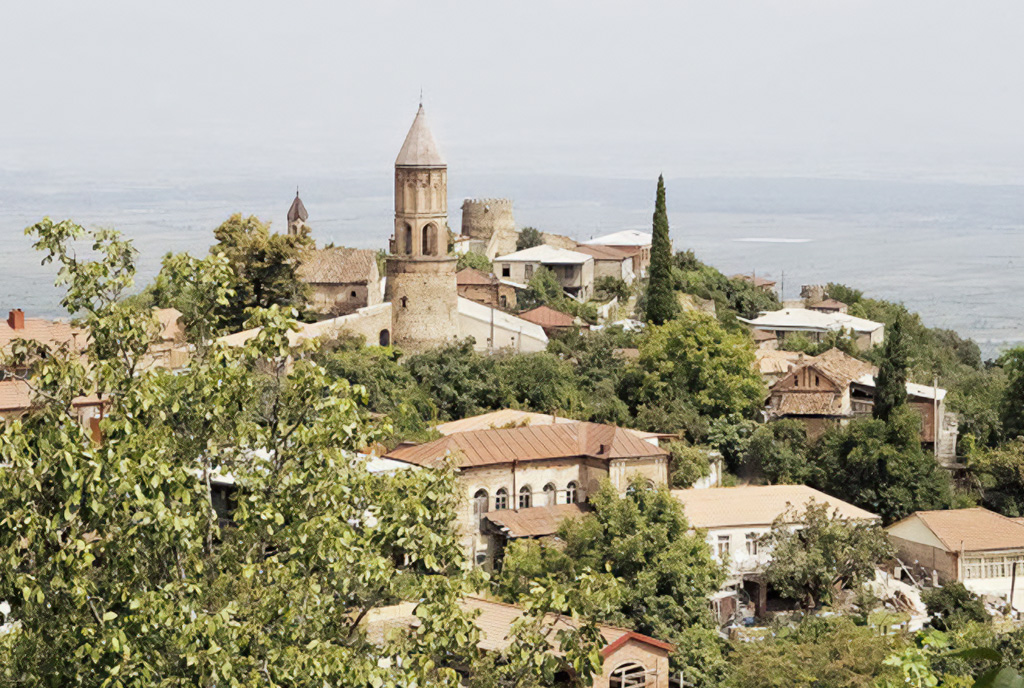
Forget the lavish wine chateaux of Bordeaux; wine tourism in Georgia is a cozy, rustic affair aimed at down-to-earth travelers with a taste for unusual natural wines.
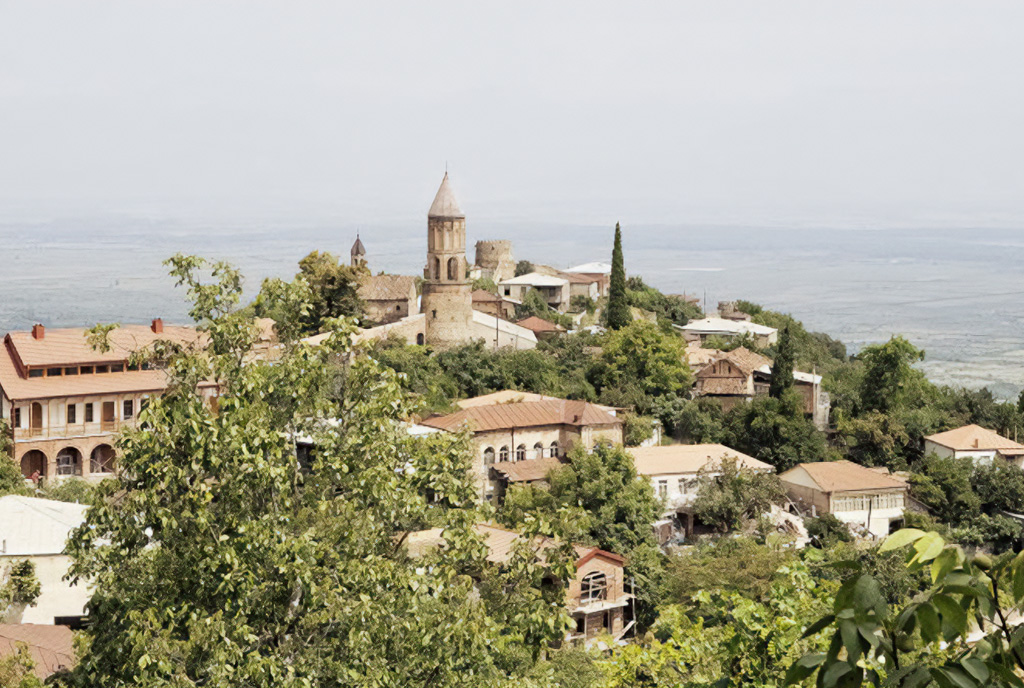
Travelers can sample Georgia's famous wines, fermented in underground qvevri, from two of the country's finest producers, Okro's Wines and Pheasant's Tears, in the fairy-tale town of Sighnaghi.
Here, red-roofed Italian-style houses rise above the sprawling Alazani Valley, and on clear days you can even spot the snow-capped Caucasus Mountains.
Dartlo
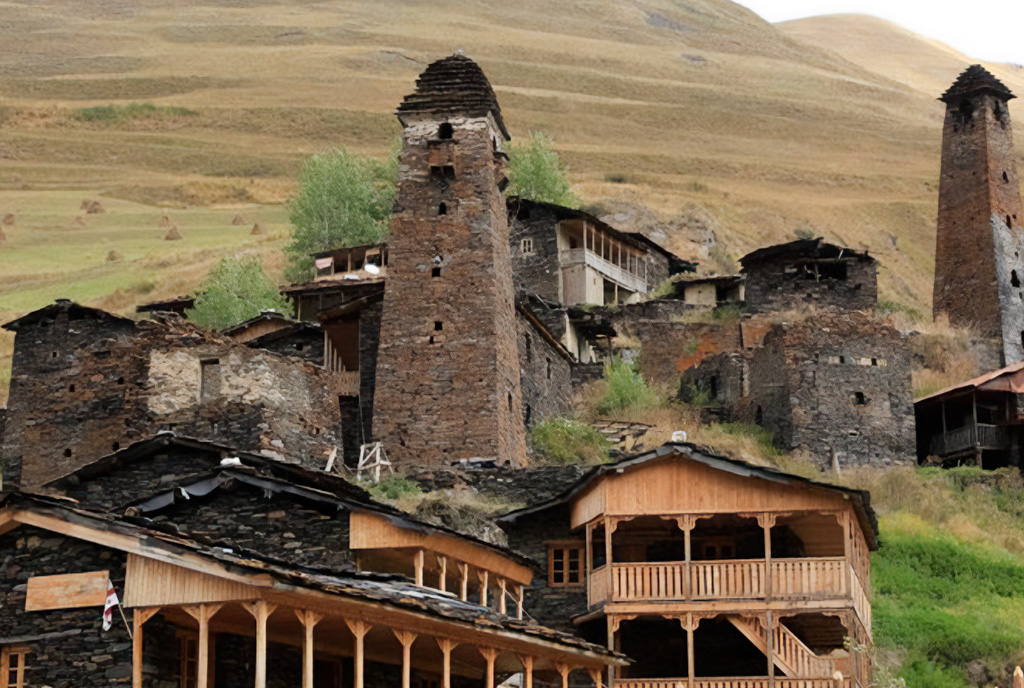
You'll need an off-road vehicle, a Georgian-speaking guide (we recommend Inter Georgia Travel) and a taste for adventure to reach Dartlo, the most beautiful village in the wild mountain region of Tusheti.
Clinging to an almost sheer mountainside, it's a slice of paradise frozen in time, with stone towers, meadows blanketed in wildflowers and charming old houses that smell of woodsmoke and home cooking.
Keep an eye out for the khatebi, low stone huts on the edge of town that the indigenous Tush visit for worship and animal sacrifice.
David Gareja
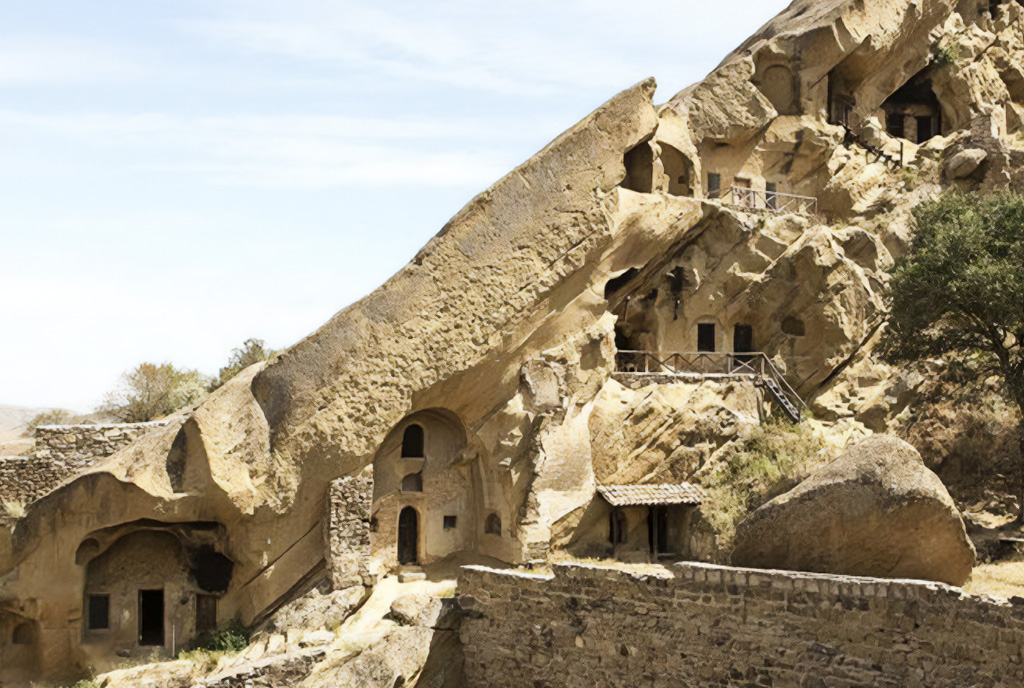
To trace the origins of the David Gareja monastery complex, a series of nearly 30 frescoed monasteries carved into the sandstone, you have to travel back in time to the sixth century AD, when the holy Assyrian father David laid the foundation here for an order of Christian monks.
By the Middle Ages a thriving spiritual community had formed here, with an estimated 6,000 monks, who were later wiped out by Abbas the Great.
Today only three monasteries remain active, run by an ever-dwindling group of Georgian Orthodox monks.
Built in the sixth century, the scenic caves of the Lavra Monastery, whose lower courtyard holds the tombs of David and his disciple Lukian, lie at the very heart of the complex.
Benjamin Kemper followed the call of jamon iberico from Brooklyn to Madrid, where since 2014 he has been writing about the places that whet his appetite the most.