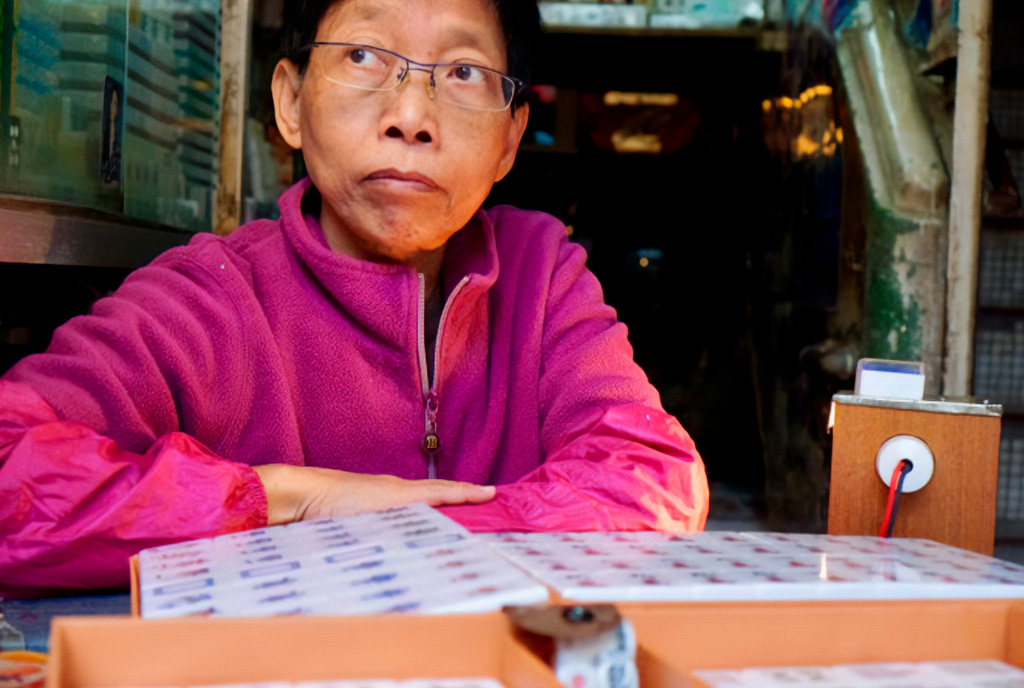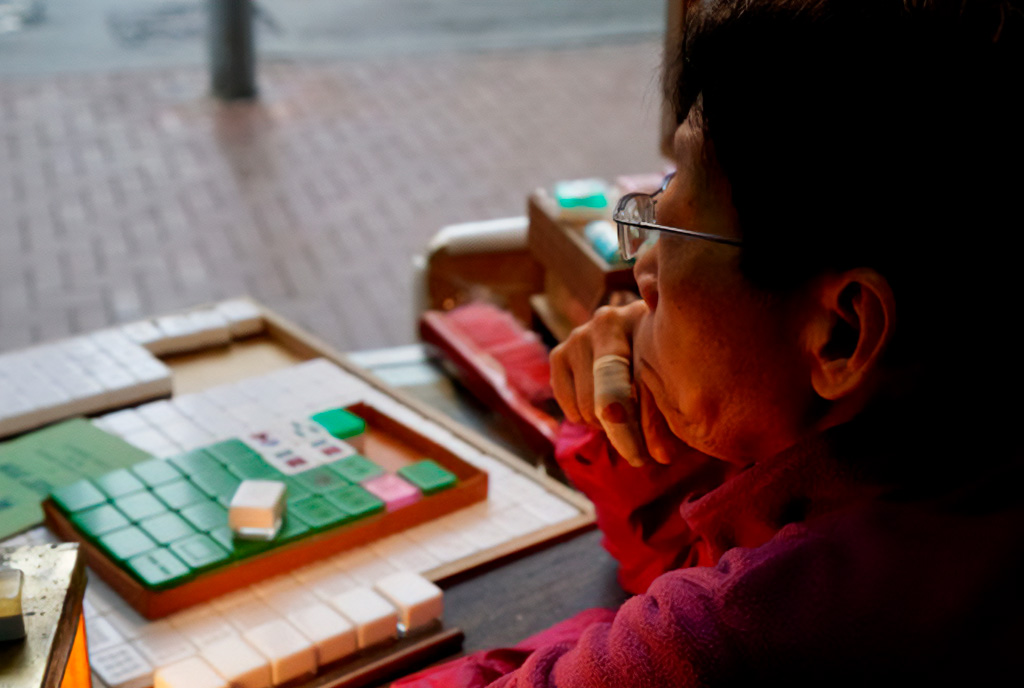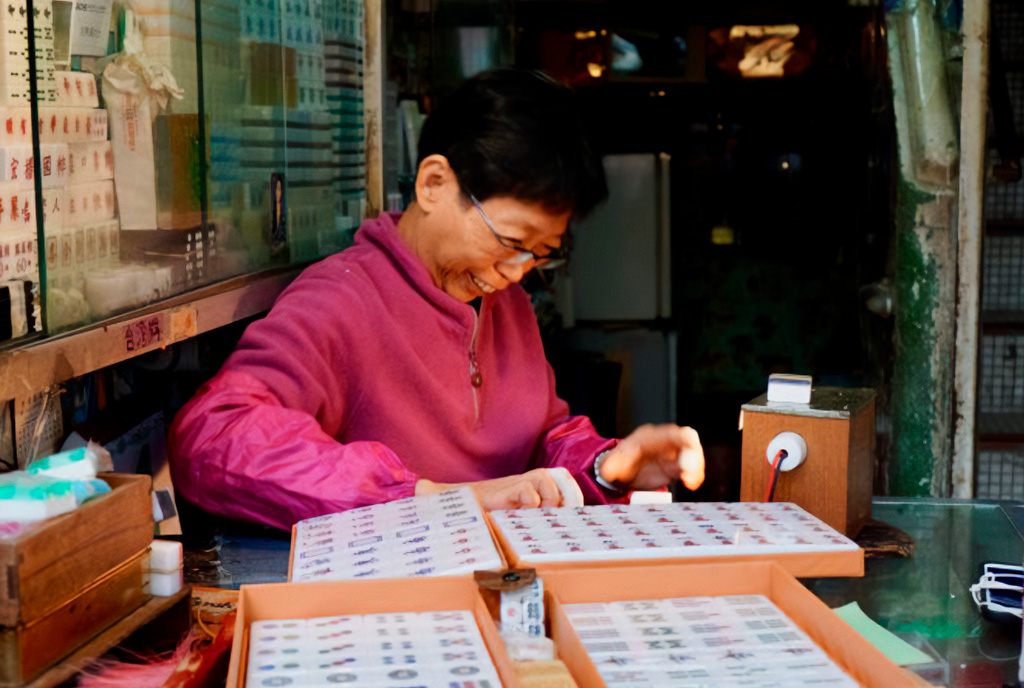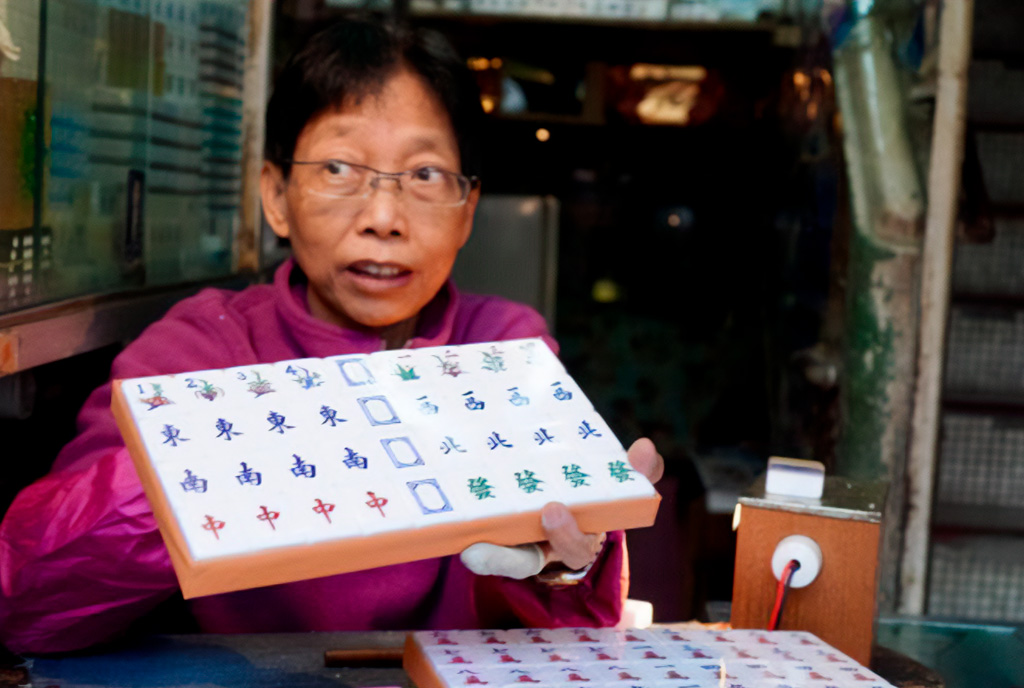


«The setting sun is endlessly beautiful, but daylight is running out,» says Ho Sau Mei, one of the last mahjong tile carvers left in Hong Kong.
The 59-year-old quotes a Chinese proverb to capture the mix of sadness and joy she feels as she watches her industry fade away.
Back in the 1960s, there were more than 20 mahjong tile carvers, and even an association devoted to the trade.
Partner links: booking through them supports the blog at no extra cost to you.
Now, by Ho's estimate, she is one of only four or five tile-carving workshops still going. The rest, she says, have closed down because sales were too low.
In 2014, the craft was recognized as «intangible cultural heritage» by the Hong Kong government, alongside umbrella-making, folk songs, kung fu and various street foods.
Yet while the traditional craft may be dying out, the game itself, a more complex take on gin rummy played with tiles, seems alive and well, with a wave of stylish new mahjong venues popping up across the city. (See the basic rules below.)
«The good thing is that mahjong has history,» Ho says.
«Mahjong is a national treasure.»
A labor of love
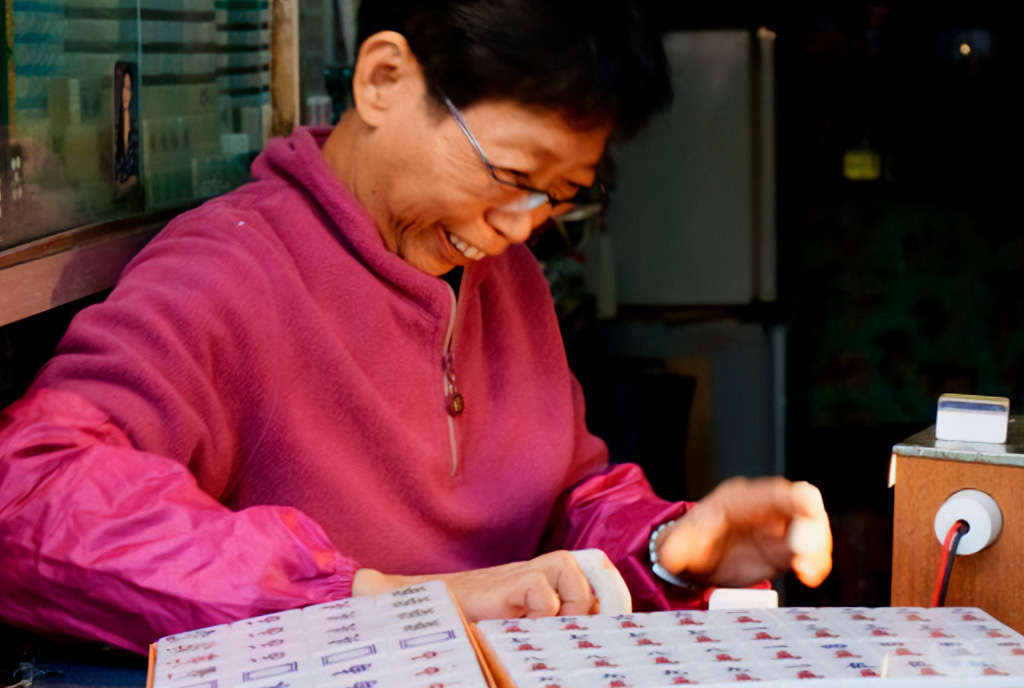
Tucked away in Hung Hom, east of Tsim Sha Tsui on Hong Kong's Kowloon peninsula, the Kam Fat mahjong shop is barely bigger than a postage stamp.
The walls are covered with newspaper clippings and family photos, and a tiny old television sits in the far corner beside a glass cabinet full of mahjong sets.
«The shop holds my childhood memories, I grew up here,» says Ho, who has been hand-carving mahjong tiles since she was 13.
«My parents raised me for this work, so I have a very strong connection with mahjong.»
When her father retired, she inherited the family shop, because none of her three siblings were interested in carrying on the craft.
«This industry is dying,» she says. «Even before mass-produced mahjong sets became more common, not many people bought these hand-carved tiles, because they last so long.»
When you buy a high-quality mahjong set, she says, you tend to keep it for at least 20 years, sometimes as long as 50.
«If you need to support a family, there's no way to survive on this job,» Ho says. «I never did it for the money. I can make a living from it only because my husband works too.»
Carved into memory
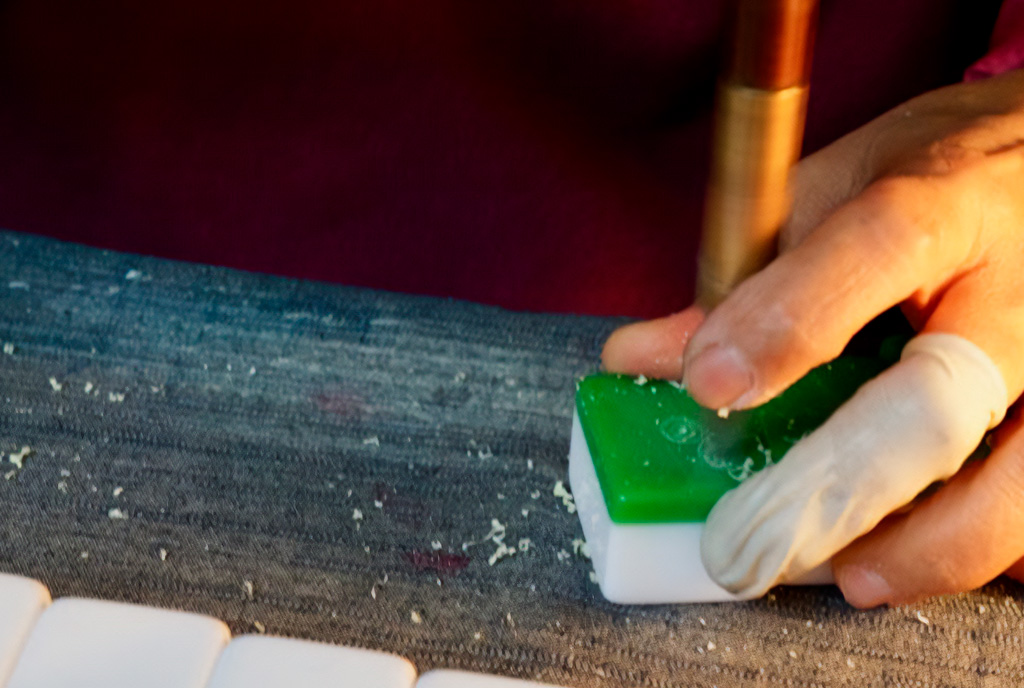
Despite the industry's decline, Ho is busier than ever, with a waiting list of at least a month for one of her hand-carved sets.
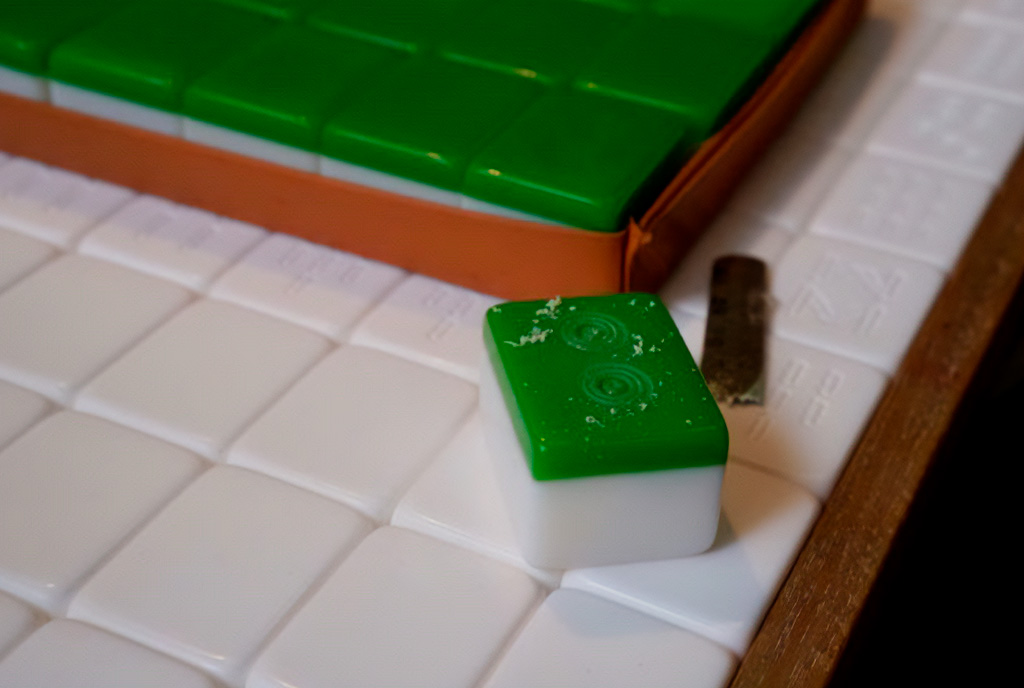
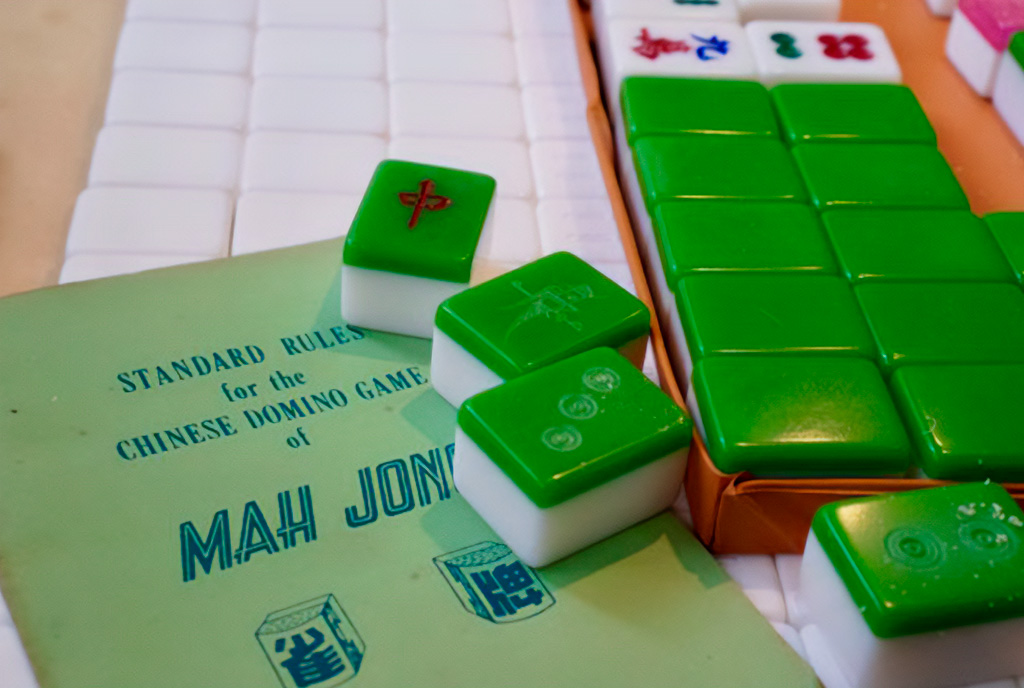
They used to be made from wood, ivory and bamboo, but nowadays they are crafted from a hard plastic that is easy to store and stack.
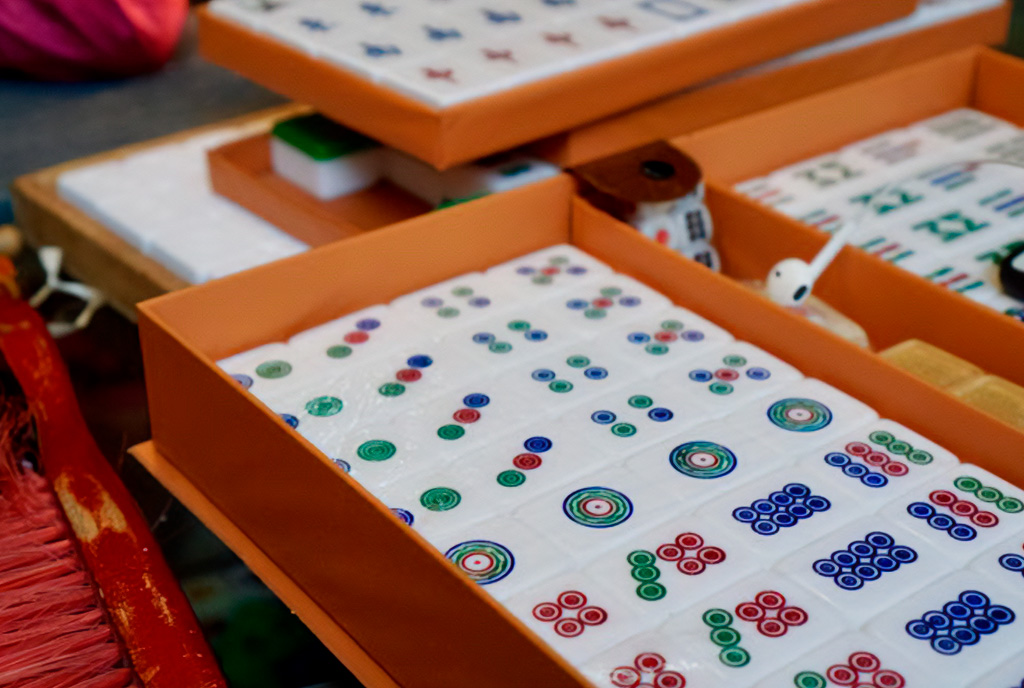
A Hong Kong mahjong set for four players is made up of 144 tiles, including four suits (bamboo, dots, characters and winds) plus special tiles such as flowers, seasons and dragons.
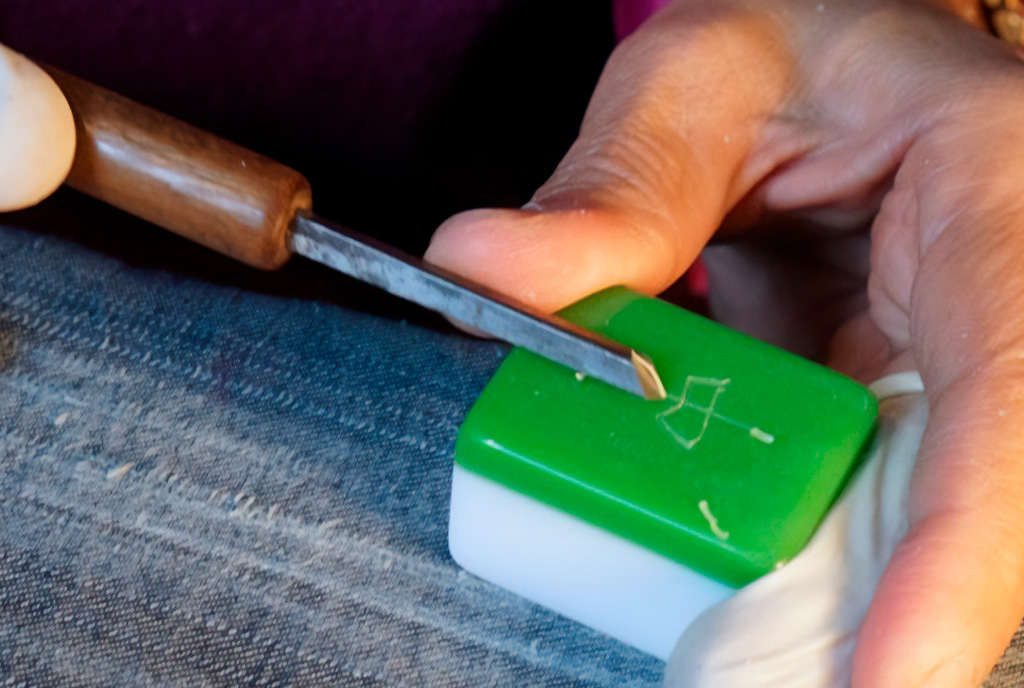
«Every step is carved into my memory, so it's not difficult for me,» Ho says. «But because of problems with my back and my eyes, I've become slower than I used to be.»
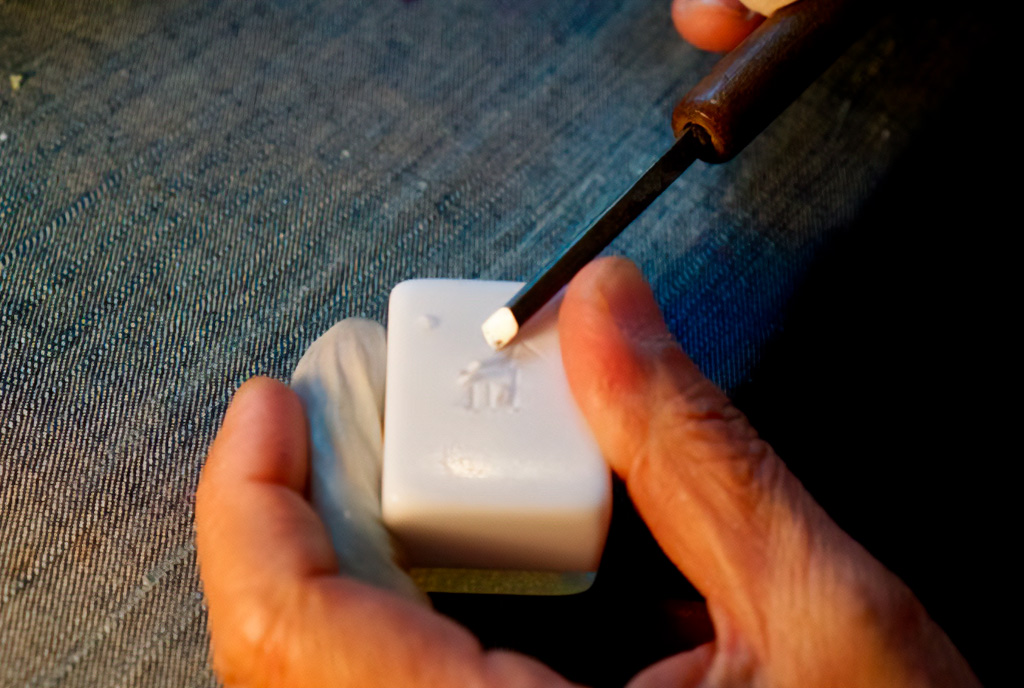
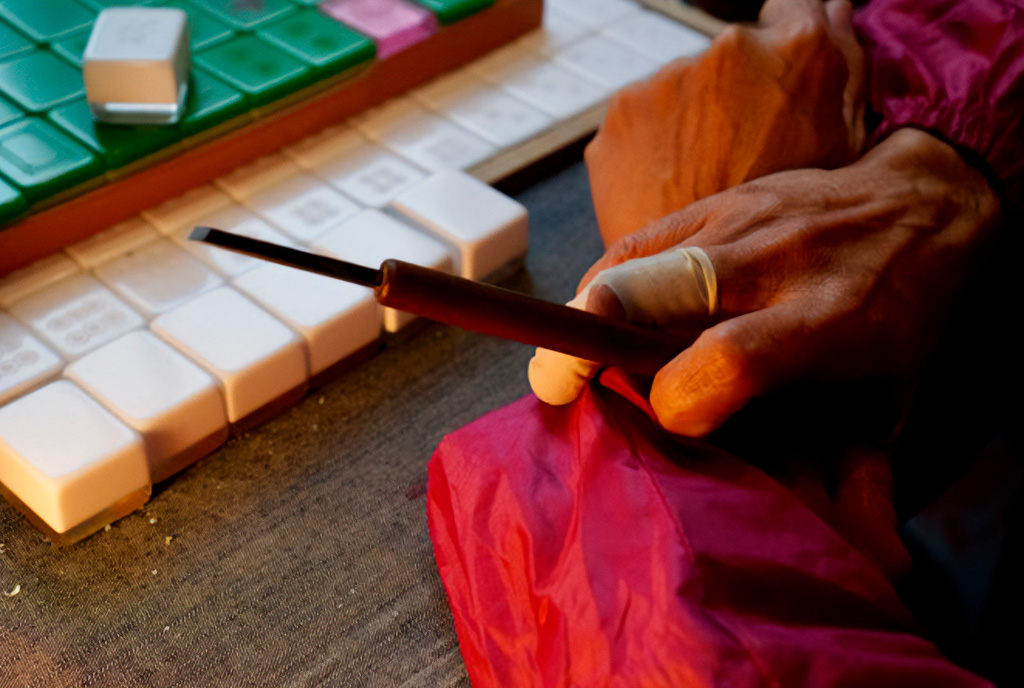
Ho spends four or five hours a day hunched over a small workstation, where she uses a heat lamp to soften the plastic rectangles so they can be engraved.
«I actually retired for a few months last year, but my customers (and public interest) drew me back,» Ho says.
«I think it's cruel to turn students away (for interviews), and I want to promote this craft to others. That's why I came back.»
Ho sharpens and prepares every tool herself, from an iron ruler to a MacGyver-style, improvised circle-shaper.
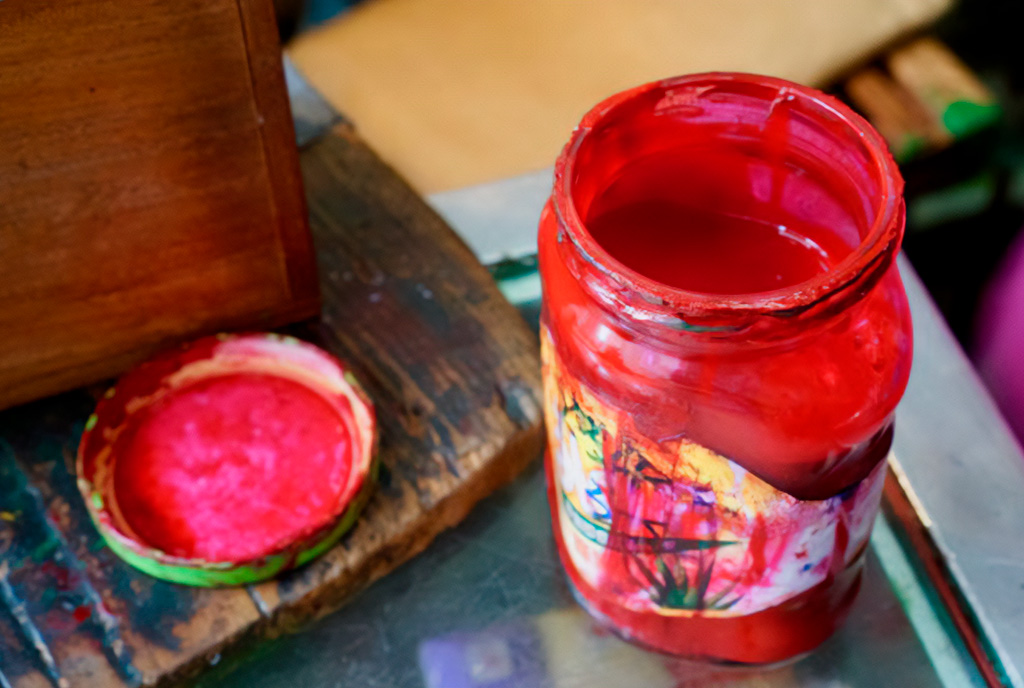
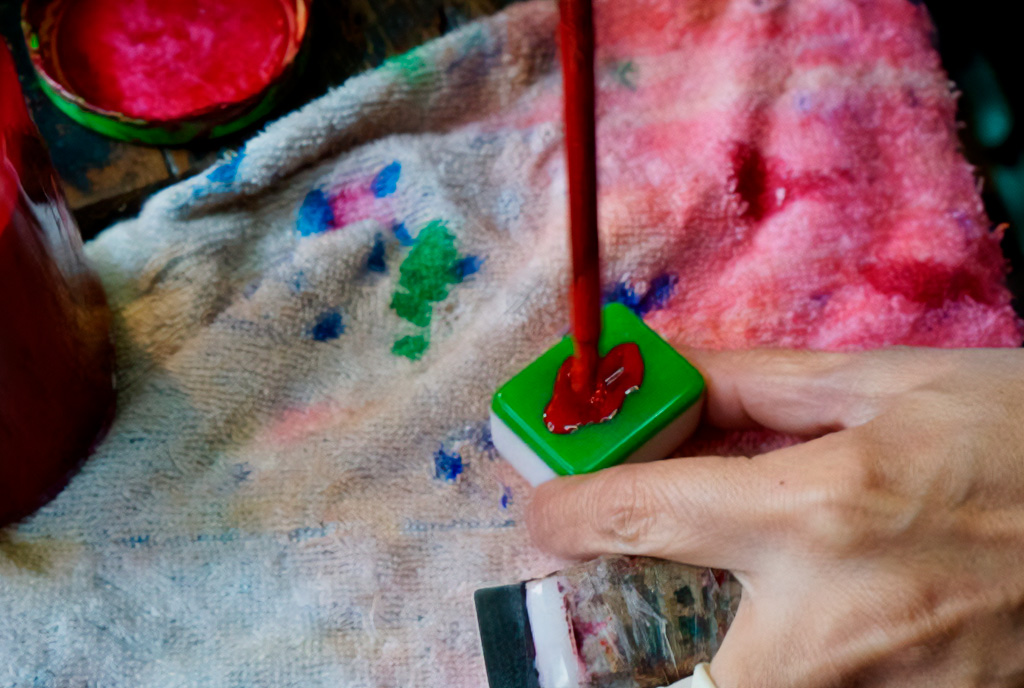
Once each design is engraved, she uses a brush to fill the grooves with red, green or blue, wiping away the excess so only the pattern remains.
Then she reaches for the heat lamp again, this time to dry the paint. With intense concentration, she repeats the process with the next tile, and the next, and the next.
It takes Ho roughly four or five days to finish a traditional mahjong set, which she sells for about 230 US dollars.
A family affair
China's national game, thought to have originated in the 1800s, is believed to be one of the most popular in the world, with an estimated 350 million players in Asia alone.
Walk the streets of Hong Kong and the game is everywhere. Day or night, you'll hear the clatter of mahjong tiles ringing out from shops and homes.
«Every Sunday I play mahjong with my siblings,» Ho says. «It brings people together. When people don't get enough time with one another, mahjong can lift the mood.
«Some of the older generation feel terrible if they go a week without playing. They're like mahjong addicts!»
She says younger people are more likely to play mahjong alone on their phones, or at an electric mahjong table, than with traditional tiles.
«My son is 30, and he plays on his devices on the subway, where he doesn't need a partner to play,» she says.
Elsewhere, modern restaurants are serving up refined dim sum and cocktails to give the experience a fresh spin.
Where to play
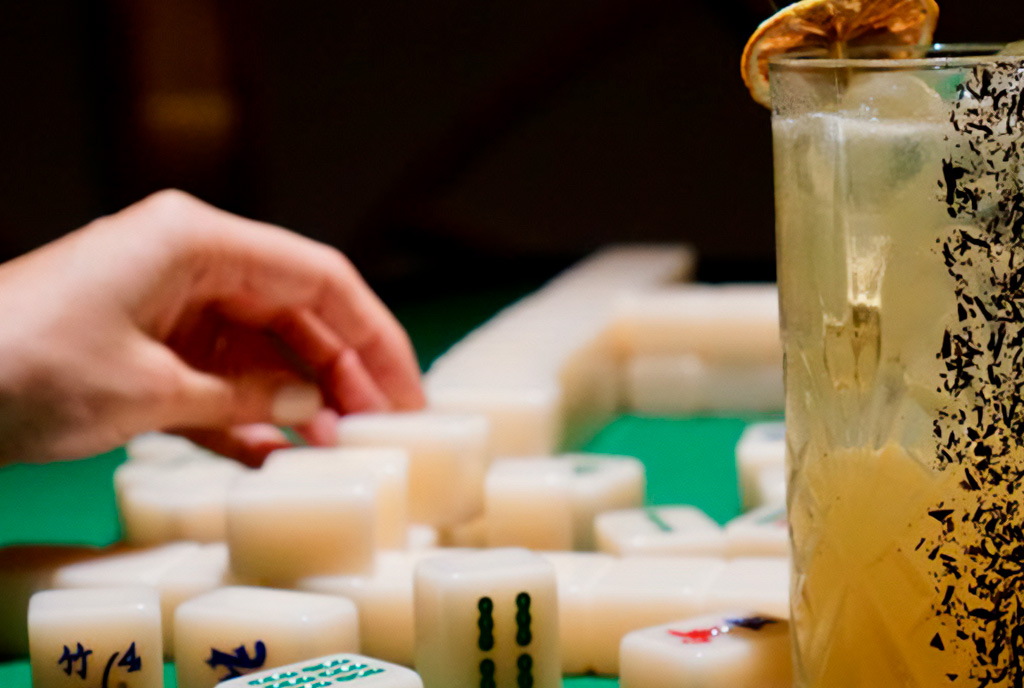
The good news is that you don't need to be part of a Hong Kong family to join in.
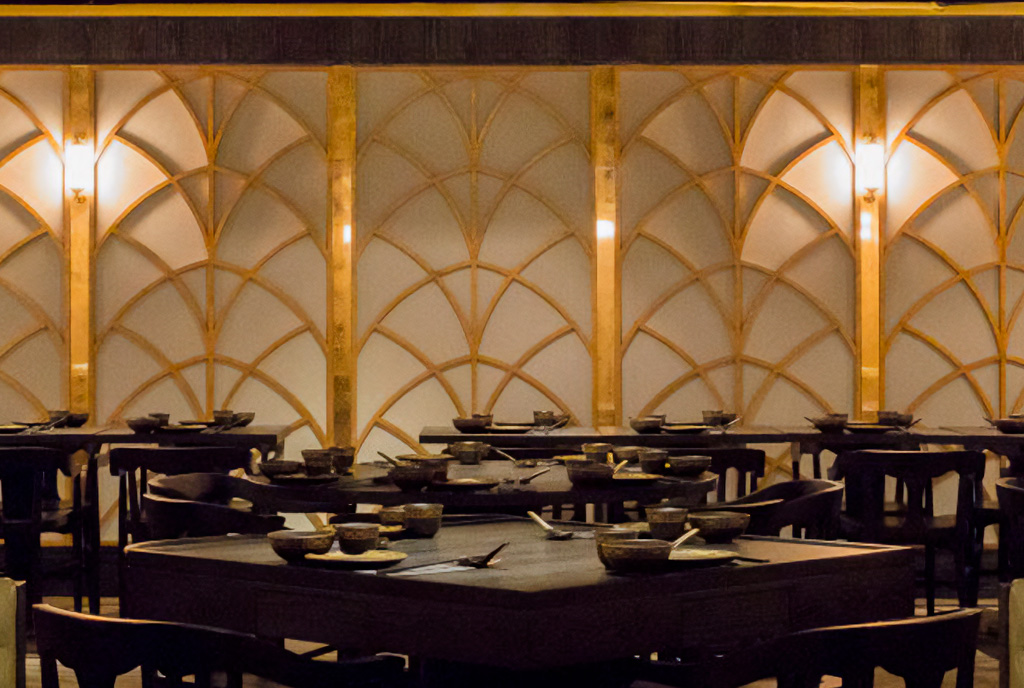
Dim Sum Library, a new restaurant in the Pacific Place mall in the Admiralty district, close to Central, offers a modern setting with cocktails and refined dim sum.
At the back of the restaurant, guests step into a new-school mahjong parlor decorated in chinoiserie style and, of course, fitted with square tables for groups of four.
«Every Hong Konger grows up with mahjong tiles stuck to their fingers,» says David Yeo, founder of Aqua Restaurant Group, which is behind Dim Sum Library.
«The game has been played in Hong Kong for hundreds of years, and it's passed down from generation to generation, bringing people together over tea and snacks.»
On top of round-the-clock access to the restaurant's mahjong tables, Yeo says the venue will soon introduce mahjong lessons aimed at locals, English speakers and young Hong Kongers, anyone who wants to learn.
«It's part of this city's DNA, it's part of most family traditions,» Yeo says. «I really wanted to keep this tradition alive.»
The Joy Luck Club 2.0
In some circles, mahjong isn't just surviving, it's thriving.
Caroline Roberts, a luxury fashion and marketing consultant, says she has played with limited-edition mahjong sets from brands such as Louis Vuitton and Shanghai Tang, the latter selling for more than 5,000 US dollars.
«[Playing mahjong] is actually quite a chic habit,» says Roberts, who hosts regular mahjong evenings at Dim Sum Library for her «Elite Joy Luck Club,» mostly for English speakers.
The game, she says, is popular with professionals looking for healthy outlets and new ways to exercise their brains.
Roberts started playing mahjong when she was about five years old, a favorite family pastime during weekends and holidays.
«I want to promote mahjong as an important part of Chinese culture,» Roberts says.
«Most expats may not have the time to become fluent in Cantonese, but perhaps they can learn to play mahjong while they're living in Hong Kong.»
Mahjong basics
A more complex version of gin rummy, mahjong brings together a group of four players around a table for hours at a time.
Players draw and discard tiles to line up pairs, triplets and runs of the same suit.
The rules vary across Asia, but in Hong Kong each player starts with 13 tiles, and the goal is to assemble a 14-tile hand, using every tile in a combination of pongs, eyes and runs.
Special tiles such as flowers and dragons make the game more challenging, but beginners can ignore these until they've mastered the basics.
When a player has a winning hand, they shout «mahjong!», or more commonly «sik wu» (meaning «eat pudding»), to end the round and tally up the points.