

Madeira stays between 17 and 26 degrees Celsius all year round, which is exactly why people call it the island of eternal spring. This Portuguese volcanic island sits 700 km off the African coast, and within an hour you can climb from a subtropical shoreline into a cloud forest, then drop back down to natural lava pools. Classic beach holidays are thin on the ground here. Hiking, cable cars and greenery, on the other hand, will fill a week and still leave you a list.
Funchal: where to start
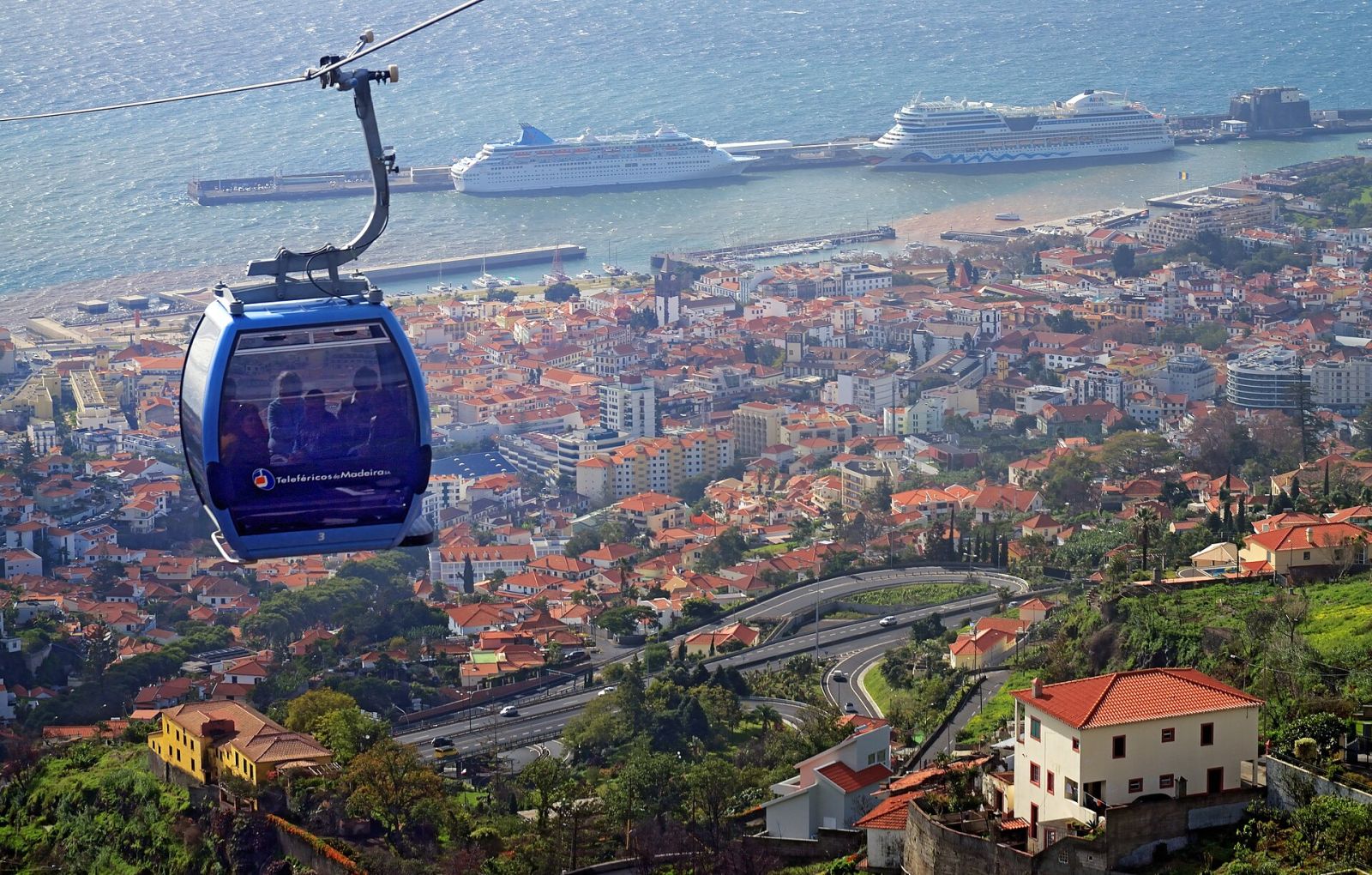
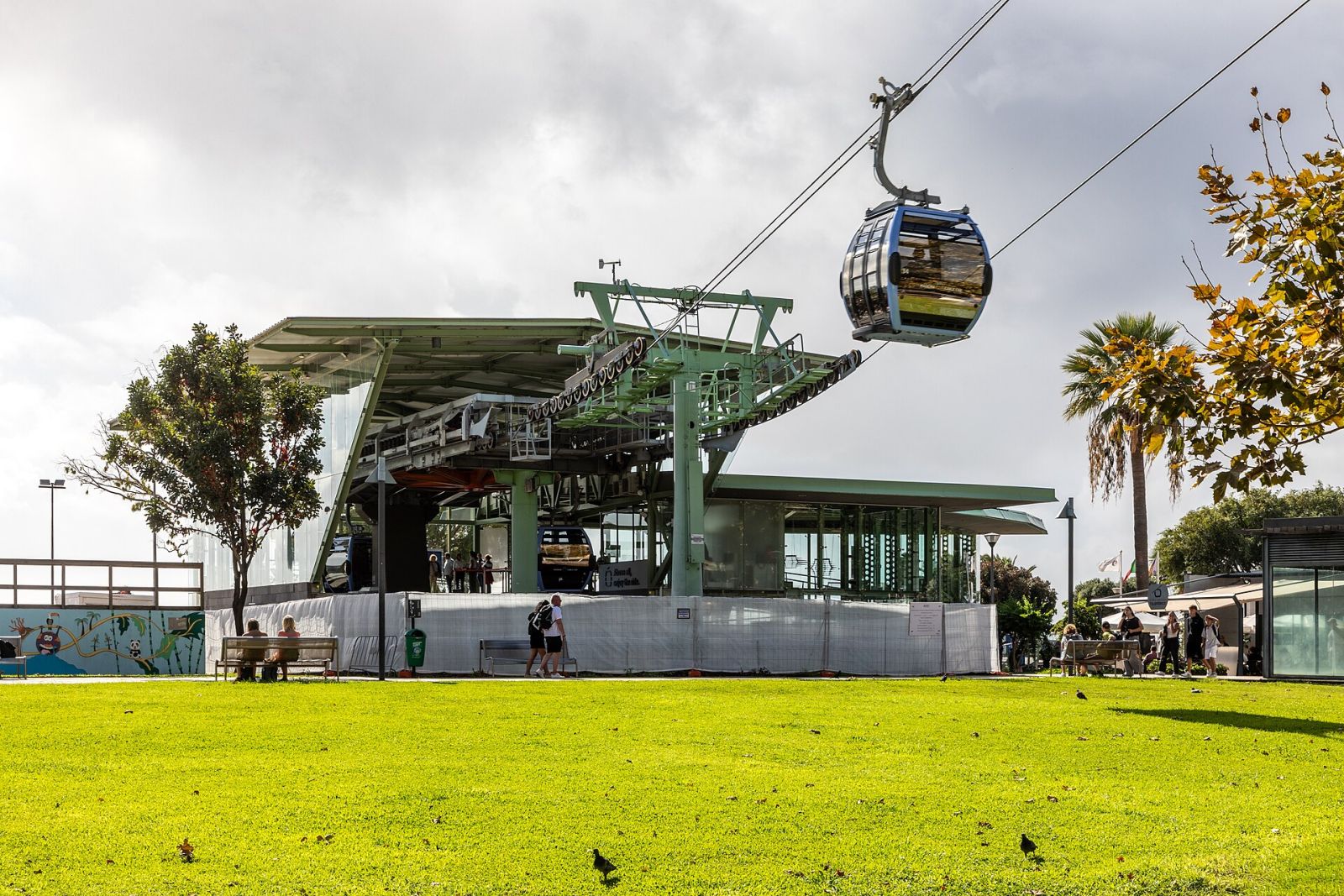
The island's capital spills down the slopes like an amphitheatre, so the main entertainment is vertical. The Funchal to Monte cable car lifts you 560 metres in 15 minutes, with the whole bay, terracotta roofs and banana trees growing between houses below your feet. At the top, the Monte Palace tropical garden is worth an hour: azaleas, Japanese bridges, koi ponds. The way down is the famous part: wicker toboggan sledges steered by two men in straw hats. The ride is about two hundred years old and looks precisely as odd as it sounds.
In town, hit the Mercado dos Lavradores market in the morning. Vendors let you taste exotic fruit, but haggle, tourist markups here are shameless. The old Rua de Santa Maria has painted doors turned into an open-air gallery, each one a separate artwork. And yes, Funchal is Cristiano Ronaldo's hometown; the CR7 museum stands right on the waterfront.
Levadas: the real reason to come
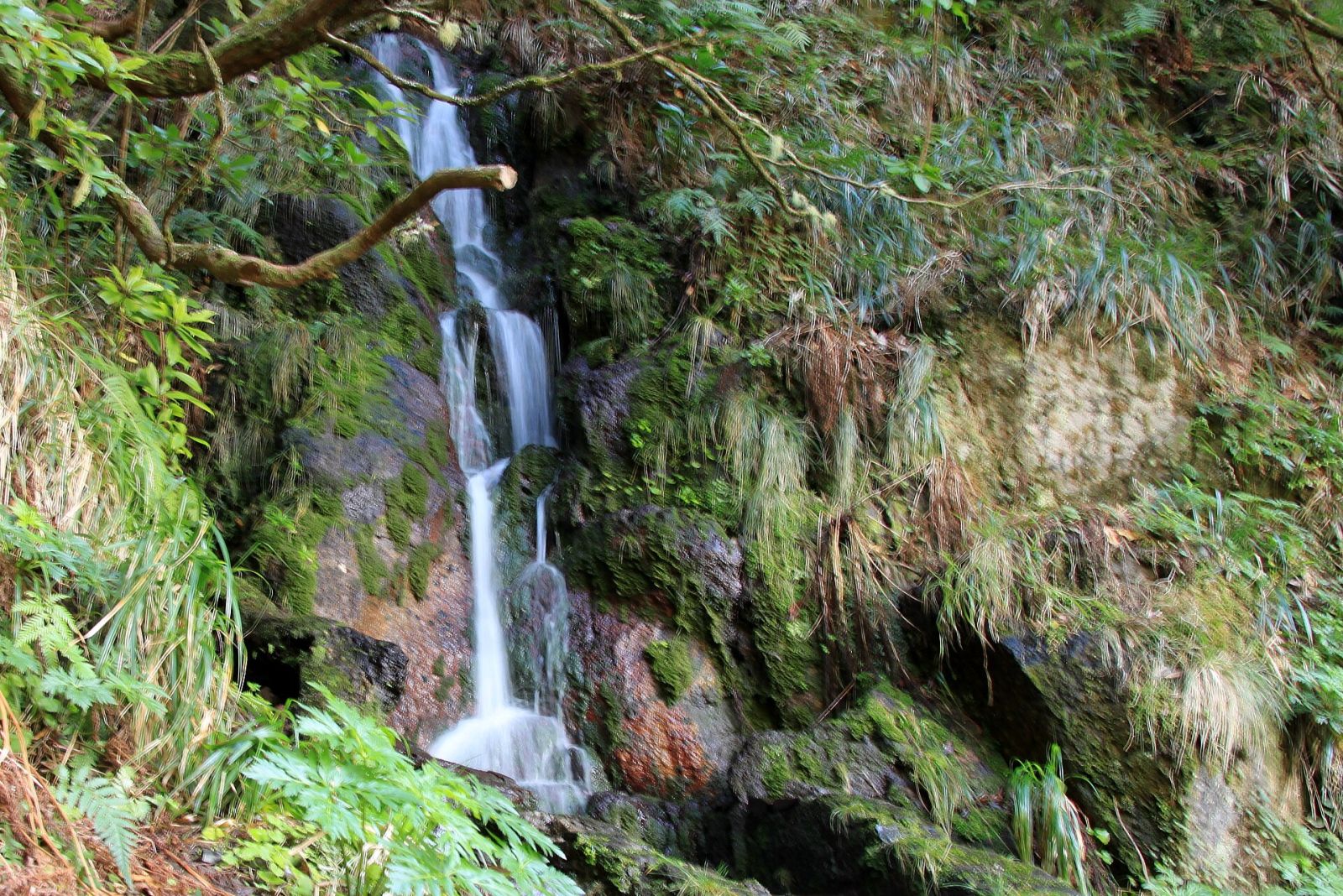
Levadas are irrigation channels carved into the cliffs since the 16th century to carry water from the rainy north to the dry south. Maintenance paths run alongside them, and those paths became the island's signature: over 2,000 km of routes, mostly near-flat, because water flows at a minimal gradient. You can walk beside a levada for hours with a channel of water on one side and a drop to the ocean on the other.
Which routes to pick
- Levada das 25 Fontes (PR6): the most popular one, leading to a cirque with 25 springs and the Risco waterfall. About 9 km round trip; arrive before 9 am or the trail turns into a queue.
- Levada do Caldeirão Verde (PR9): rock tunnels (a headlamp is mandatory) and a hundred-metre waterfall in a green cauldron. It is wet here always, even in August.
- Vereda dos Balcões: short and level, 3 km, with a balcony viewpoint over the Ribeiro Frio valley. Perfect as a warm-up or with kids.
- Ponta de São Lourenço (PR8): not a levada but a coastal trek along the treeless eastern cape. Cliffs, wind, coloured layers of volcanic rock. Zero shade, bring water and a cap.
Check trail conditions and landslide closures before setting out on the official IFCN Madeira site. After heavy rain routes get closed, and it is no formality: rocks genuinely come down.
Pico do Arieiro and Portugal's finest sunrise
Pico do Arieiro, at 1,818 metres, is the island's third-highest peak and the spot half the island drives to before dawn. The reason is simple: up there you stand above the clouds, and the sun rises out of a white sea instead of a horizon. A paved road runs to the summit, so no mountaineering required, you park and watch. Leave Funchal around 5 am; the temperature at the top can be 5 degrees even in summer, so a jacket is non-negotiable.
From here starts the iconic PR1 trek to the island's highest point, Pico Ruivo (1,862 m): 7 km one way along ridges, staircases and tunnels. It is widely considered Madeira's most spectacular hike, but it demands fitness, with over a kilometre of total ascent across the day. Sections close periodically for repairs; when that happens, Pico Ruivo is reached by the easier path from Achada do Teixeira.
Porto Moniz and the lava pools
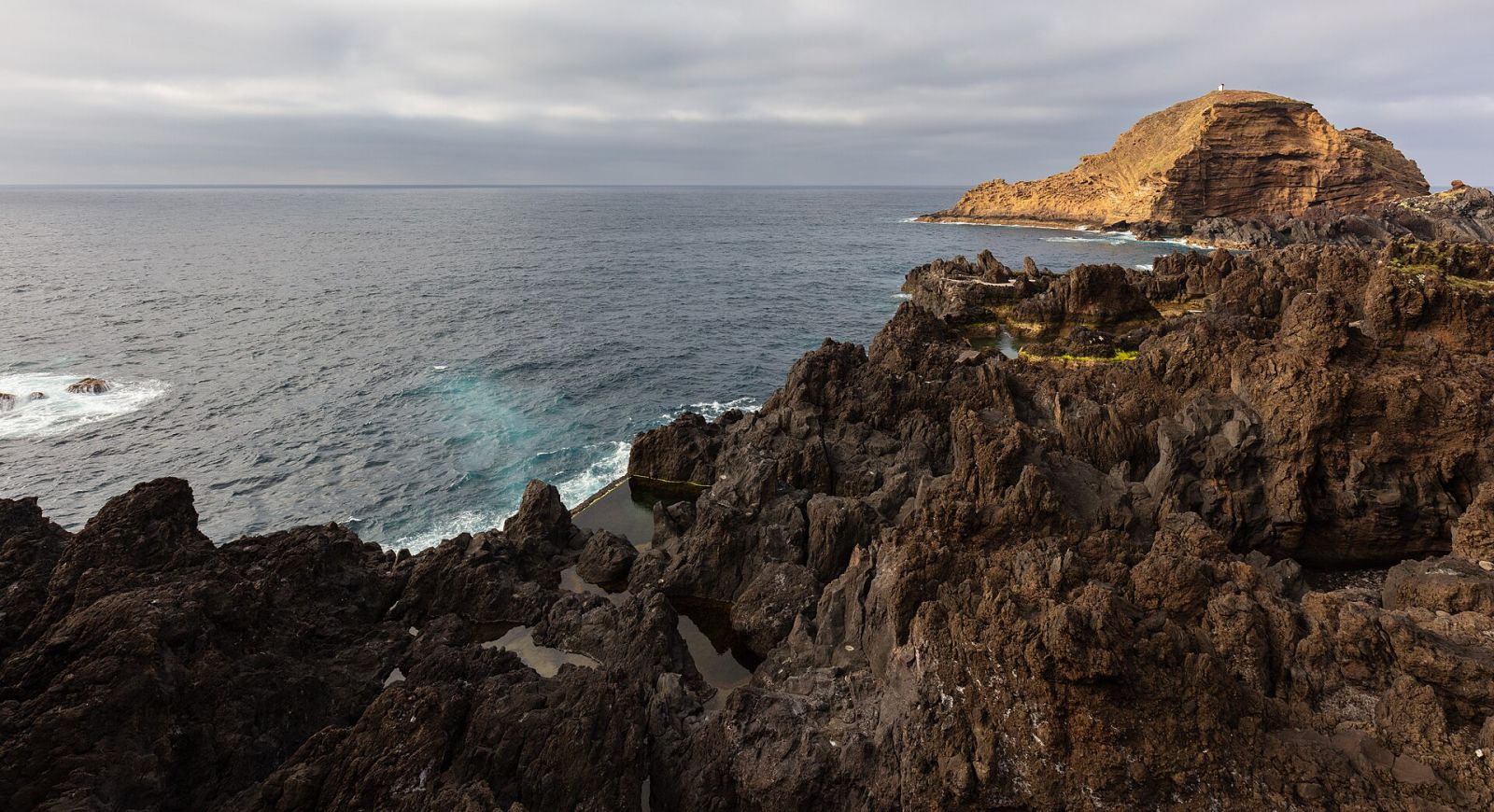
On the island's northwestern tip the ocean once flooded old lava fields, creating the natural pools of Porto Moniz: black rock walls enclosing calm, clear water refreshed by the tide. The complex is well kept, with changing rooms and lifeguards, and entry costs a few euros. The water is brisk, around 18 to 20 degrees, but after a hike it feels glorious. Next door are the wild Cachalote pools, free of charge, though climbing out over slippery rocks takes more nerve.
The road to Porto Moniz is an attraction in itself: hairpins, tunnels, waterfalls hanging over the tarmac. There is a viewpoint by the Véu da Noiva waterfall, and the Anjos waterfall on the old road pours straight onto the carriageway, where drivers literally rinse their cars under it.
Fanal: the foggy forest that made Madeira Instagram-famous
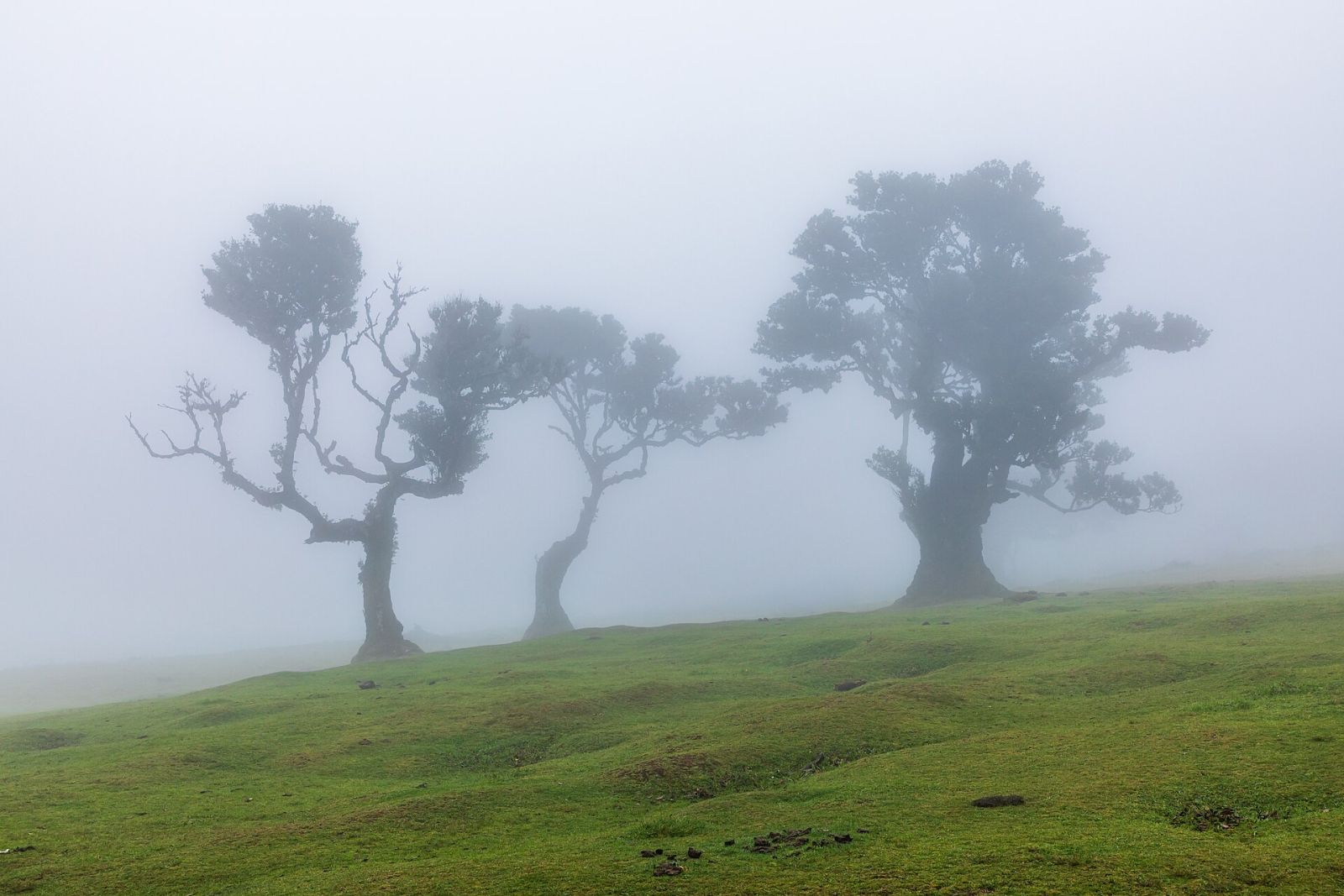
The Fanal plateau in the northwest is a remnant of the laurisilva laurel forest, tens of millions of years old and protected by UNESCO as a relic ecosystem. Ancient twisted trees stand scattered across pastures, and when fog rolls in from the ocean (which happens every other day), the landscape turns frankly otherworldly. Photographers hunt for the fog specifically: sunny Fanal is pleasant, foggy Fanal is unforgettable. Your best odds of that milk in the air are in the afternoon and between May and September, when the trade-wind cloud layer settles on the plateau.
What to eat and drink: poncha, espetada, black scabbardfish
- Poncha: the local cocktail of aguardente (sugarcane spirit), honey and lemon juice, whipped with a wooden muddler in village bars. Treacherous: drinks like lemonade, works like rum.
- Espetada: beef grilled on a laurel skewer, hung vertically above your table. Order it with bolo do caco, the garlic flatbread.
- Espada with banana: black scabbardfish paired with local banana. Sounds questionable, tastes surprisingly coherent.
- Lapas: grilled limpets with garlic butter, a staple of seaside towns like Câmara de Lobos.
When to go: climate month by month
The key fact: Madeira's weather depends less on the month than on the coast. The south (Funchal) is almost always drier and warmer than the north, and the mountains run their own third weather system. Add microclimates: clouds over Funchal do not mean clouds over Ponta de São Lourenço.
| Months | Daytime air | Ocean | What it actually means |
|---|---|---|---|
| December - February | 17-20 C | 18 C | Wettest stretch, yet everything still blooms; Funchal's New Year fireworks are among Europe's biggest |
| March - May | 19-22 C | 18-19 C | Fresh greenery, the Funchal Flower Festival (April-May), prime levada season |
| June - August | 23-26 C | 21-23 C | Driest and busiest; mornings in the mountains are often cloudy |
| September - November | 22-25 C | 22-23 C | Warmest ocean, fewer tourists; October already brings rain to the north |
Swimming is most comfortable from August to October. For hiking, April, May and September win: dry but not hot. You can come any time of year for the weather itself; just budget a spare day in winter in case of rain.
Practicalities
Madeira without a car is hard work: buses exist, but horizontal roads are scarce and a cross-island trip by public transport eats half a day. Rent a small car, since the hairpins are narrow and parking spots tiny. A standard licence is enough, though a manual gearbox on 20 percent gradients keeps you alert. Funchal airport is famous for its crosswinds; pilots certify separately to land here, so do not panic if your plane goes around. One last thing: Madeira is not a resort for lying down, it is an island for your legs. Plan your routes, pack hiking shoes, and save the beach day for neighbouring Porto Santo with its nine kilometres of sand.