

A 5-7 day Jordan itinerary assembles itself like a kit: Petra, the Wadi Rum desert, the Dead Sea and Aqaba sit on a single north-south line, with under 350 km between the far ends. The key to the budget is called the Jordan Pass: it covers your visa and Petra entry in one purchase, saving most travellers over a hundred dollars. Here is the route point by point, with prices, heat advice and honest warnings.
Jordan Pass and the visa: do the math before flying
The setup: a tourist visa on arrival costs 40 dinars (about 56 US dollars), and a one-day Petra ticket another 50. The Jordan Pass bundles both, plus dozens of other sites (Wadi Rum, Jerash, Amman's amphitheatre). One condition: you must spend at least three nights in the country, otherwise the visa fee is not waived. Buy the pass online before your trip at the official jordanpass.jo; at the border you simply show the QR code.
| Option | Price | What is included |
|---|---|---|
| Jordan Wanderer | 70 JOD | Visa + Petra 1 day + 40+ sites |
| Jordan Explorer | 75 JOD | Same, Petra 2 days |
| Jordan Expert | 80 JOD | Same, Petra 3 days |
| No pass | 40 JOD visa + 50/55/60 JOD Petra | Everything paid separately |
The Explorer at 75 dinars is the smart pick: one day in Petra is physically not enough. Visa rules change, so verify the current conditions for your passport on official sources before booking flights.
Petra: how not to waste the biggest day of the trip
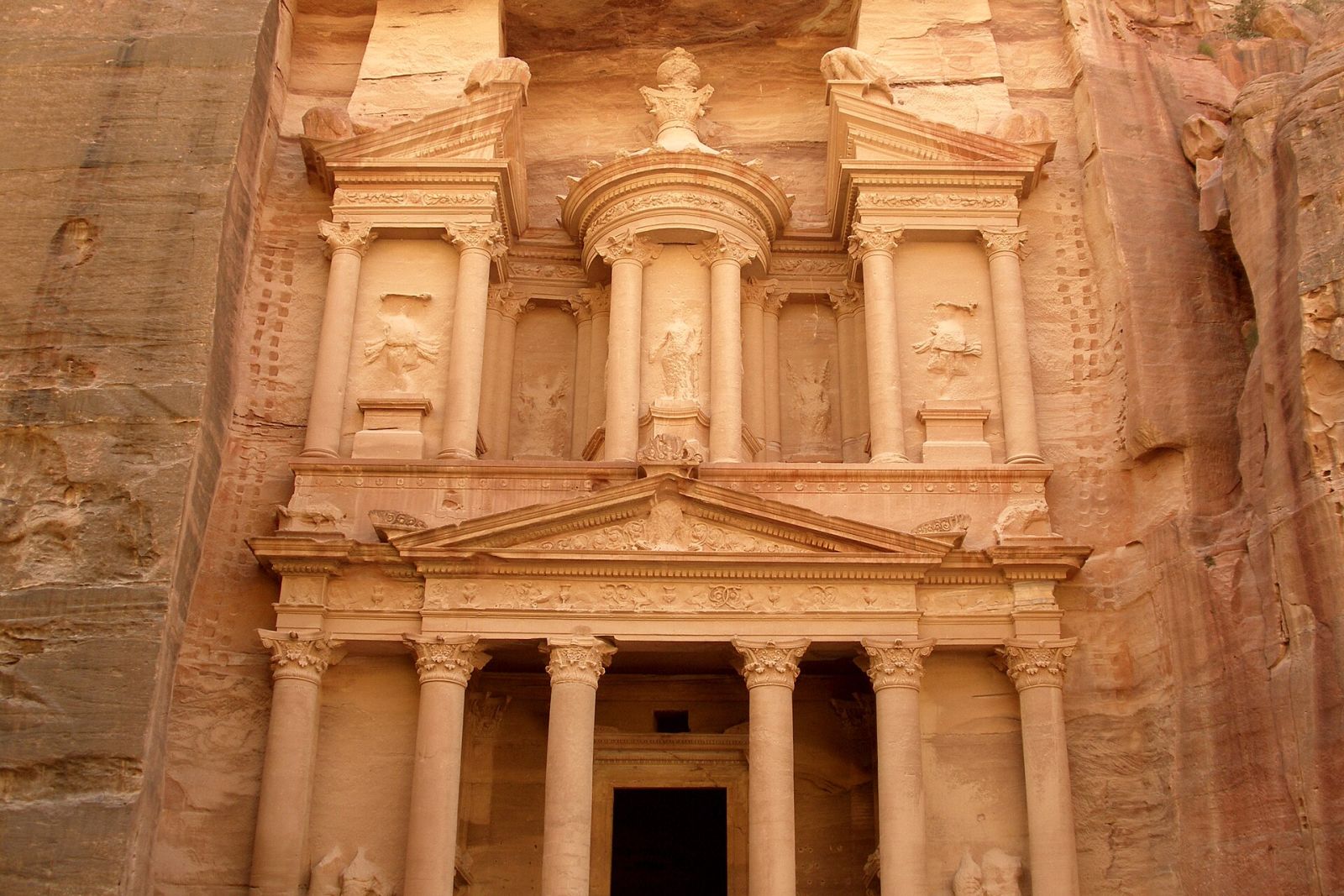
The Nabataean capital, carved into rose-coloured sandstone over two thousand years ago, is not a single monument but an entire city spread across dozens of square kilometres. You enter through the Siq, a kilometre-long canyon whose walls narrow to a few metres, and through its final crack appears the Treasury, Al-Khazneh, the facade you know from Indiana Jones. Beyond it come the Street of Facades, a Roman theatre, the Royal Tombs, and all of that is merely the warm-up.
Practicalities that save the day. Gates open at six in the morning: the first two hours give you the best light on the Treasury, bearable temperatures and a nearly empty Siq. Carry at least two litres of water per person; inside, it costs three times as much. Closed shoes only: dust, rocks, and 15-20 km rack up over a day. Offers of a secret Treasury viewpoint for 10 dinars are semi-legal trails Bedouins run on the side: the view genuinely delivers, but the climb is slippery and there is no insurance of any kind up there.
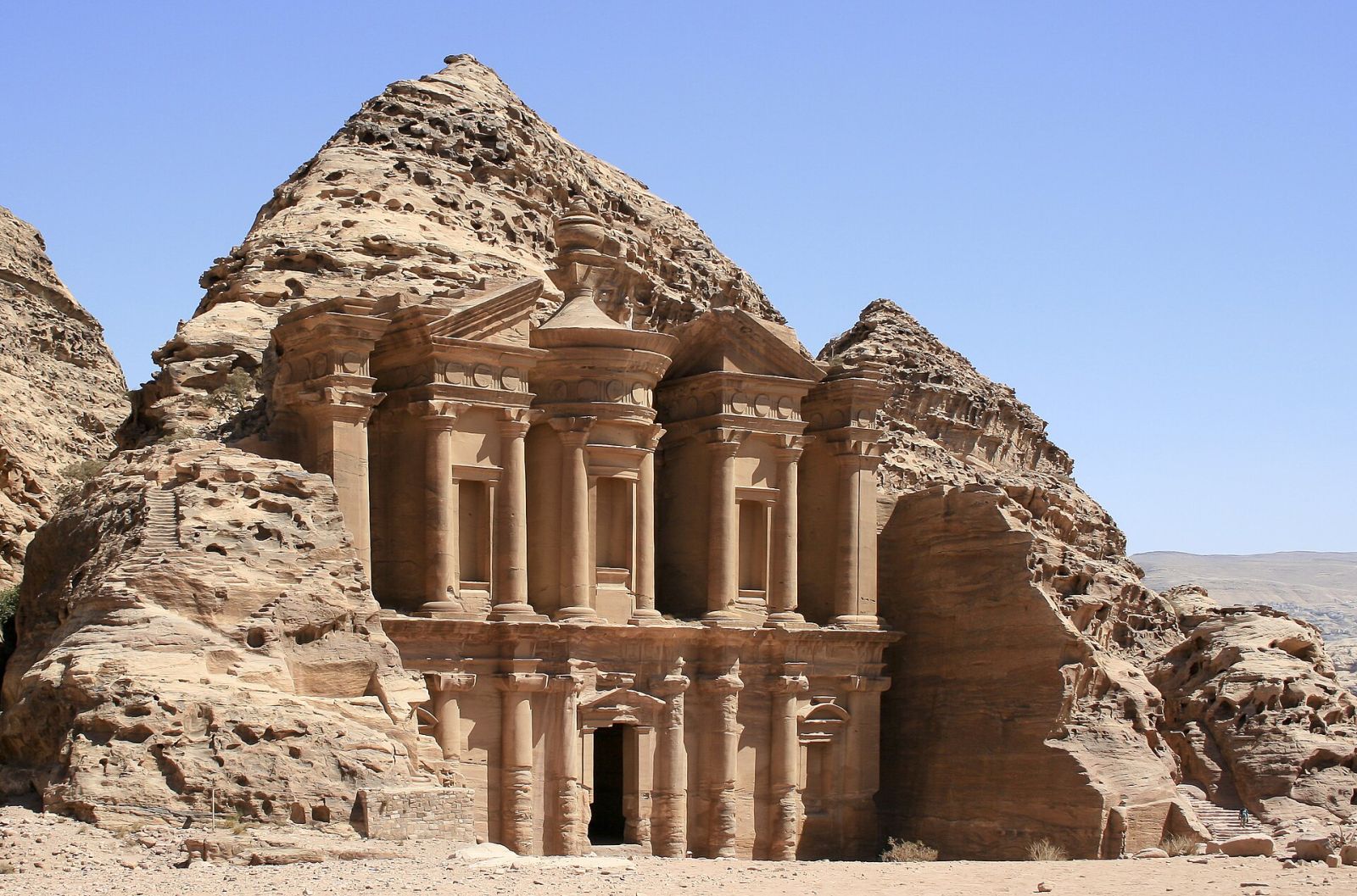
The trail to the Monastery, Ad Deir
The headline of day two (or the second half of day one, if your legs are fresh): roughly 800 rock-cut steps climbing from the city centre to the Monastery. Ad Deir's facade is bigger than the Treasury's, nearly 50 metres, and the crowds are a fraction of the size. The ascent takes an hour to ninety minutes; the best start is after 3 pm, when the sun leaves its zenith and warm light hits the facade. Donkey rides will be offered every five minutes: the animals have a rough deal on those stairs, so if your legs hold, walk. Two cafes with a view wait at the top, and no cup of tea ever feels more earned.
Wadi Rum: jeep tour and a night in a desert camp
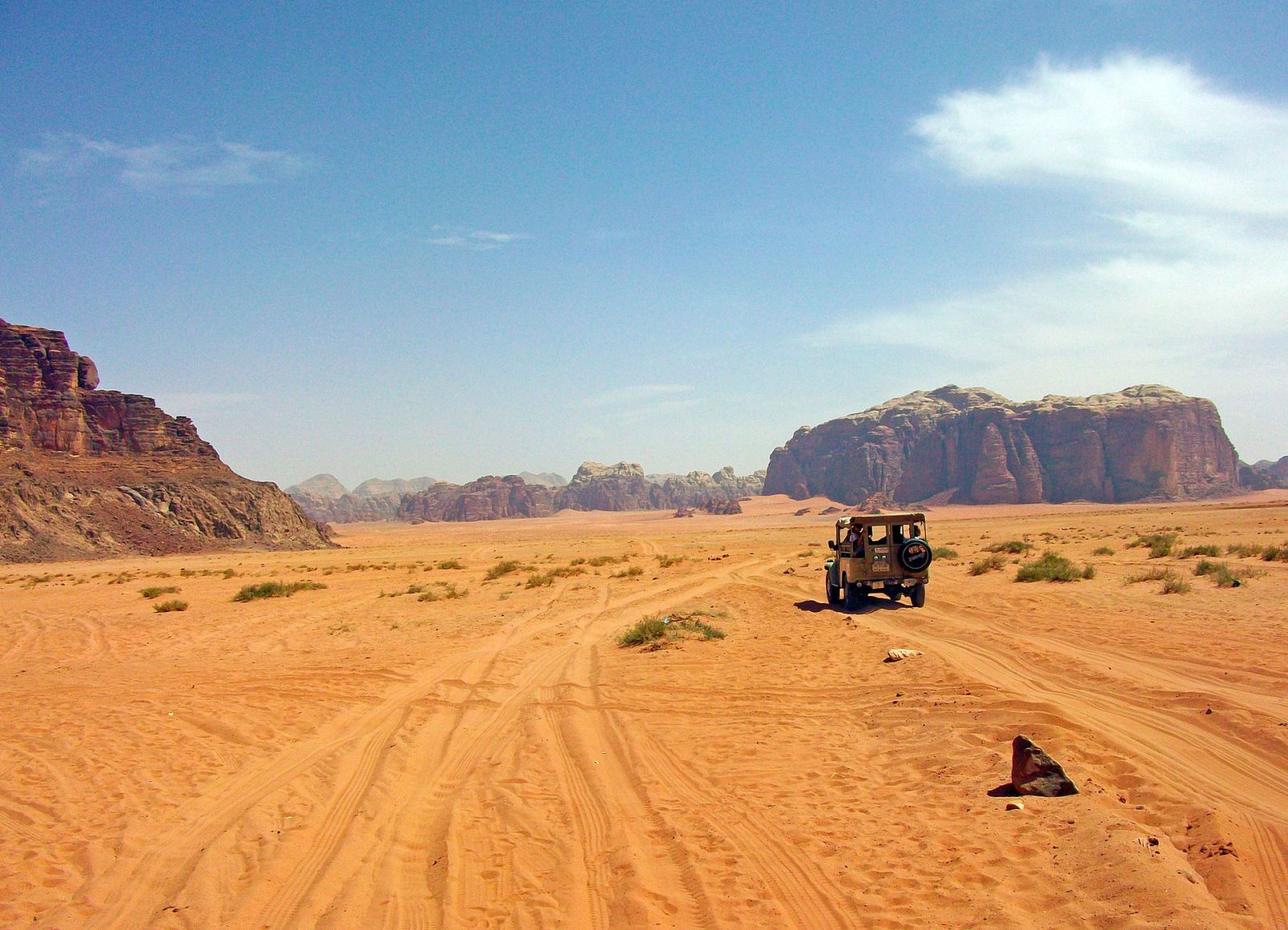
Two hours south of Petra lies Wadi Rum, the Valley of the Moon, where The Martian, Dune and half the space blockbusters of the past decade were filmed. The format is well oiled: a jeep tour in the back of a pickup for 4 hours or a full day, then a night in a camp. The standard circuit: a red sand dune, the Um Fruth rock bridge, Khazali canyon with Nabataean petroglyphs, and sunset tea on a rock.
Camps split into three leagues: simple Bedouin tents with shared bathrooms (30-50 dinars including dinner and breakfast), comfortable camps with private bathrooms, and Martian bubbles with a transparent dome over the bed (from 150 dinars upward). Honestly: the stars look identical from every price bracket, and the zarb dinner, meat and vegetables baked in a pit beneath the sand, is included almost everywhere. Desert nights are cold even in summer and can approach zero in winter, so pack a warm layer without fail.
The Dead Sea: 40 minutes you will never forget
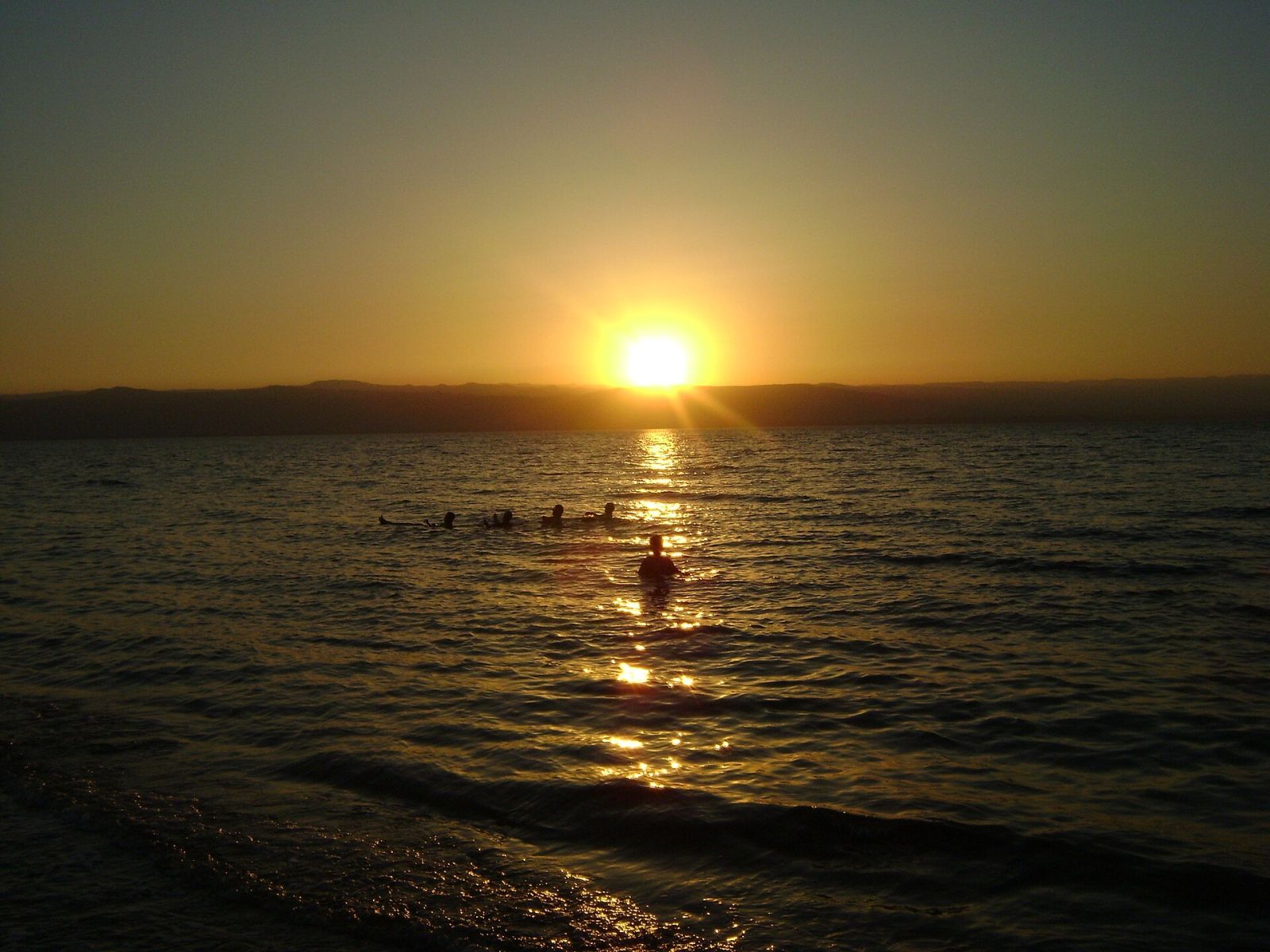
The lowest point on the planet's land surface, more than 430 metres below ocean level, with water pushing 34 percent salinity in which sinking is physically impossible. You lie on your back like a cork, hold up the proverbial newspaper, take the photo. The rules are simple and strict: no shaving for a day before the swim (salt will find every scratch, and the sensation is unforgettable in the worst way), no diving or splashing, since one drop in the eye takes you out for half an hour, 15-20 minutes in the water maximum, then a freshwater shower. The public Amman Beach charges entry with showers, but most visitors buy a day pass at a Sweimeh-zone hotel: Holiday Inn or Dead Sea Spa admit you to beach and pools for 20-25 dinars. Dead Sea mud lies free for the taking right on the shore, and smearing yourself in it is the local national sport.
Aqaba: sea, corals and an exhale at the end
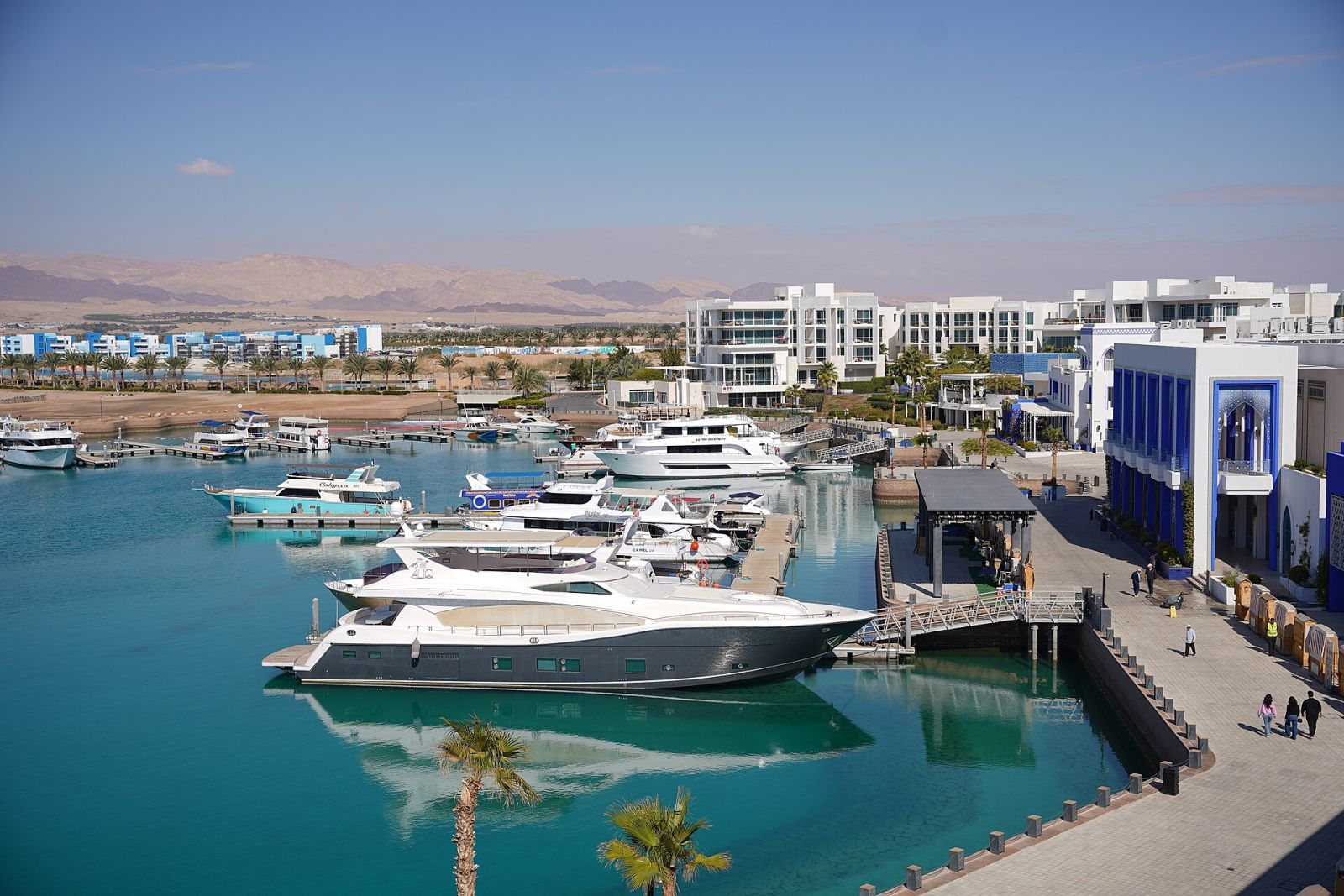
Aqaba is Jordan's only outlet to the Red Sea and the logical closing point: after the dust of Petra and the desert, it simply feels good. The southern coast reef (Japanese Garden, the sunken Cedar Pride wreck) offers decent snorkelling straight from shore, and dive centres number in the dozens. The city is a duty-free zone, so seafood and shisha cost noticeably less than in Amman. Aqaba is also the easiest exit: its airport takes low-cost flights from Europe, and the whole route can just as well be run in reverse, south to north.
Heat, water, and when to go at all
Jordan is a desert country and the season decides everything. The best windows: March to May and October to November, with daytime temperatures of 25-30 C and cool nights. Summer is brutal: Wadi Rum and the Dead Sea hit 40 C and above, and in July Petra is only viewable early morning and evening. Winter deceives: Amman and Petra (sitting at 800-1,100 metres) get rain, wind and even snow, while the Dead Sea and Aqaba stay at a comfortable 20-25 C.
- Water: the hot-season norm is 3-4 litres per person per day. Do not drink tap water; bottled water costs pennies in supermarkets and triple at the sites.
- Clothing: covered shoulders and knees outside beach zones, a matter of respect and, in the heat, of sun protection. A hat is non-negotiable.
- Ramadan: cafes run limited daytime hours and eating in the street is best avoided. Dates shift each year, check before booking.
- Cash: dinars are needed for tips, taxis and Bedouin camps; ATMs exist in cities, not in the desert.
A working 6-day scheme
Day 1: land in Amman, transfer to Petra (3 hours by highway). Day 2: Petra from six in the morning, the Treasury, the Royal Tombs. Day 3: Petra again, the Monastery trail, evening transfer to Wadi Rum. Day 4: desert jeep tour, night in a camp. Day 5: transfer to the Dead Sea (4 hours), float and mud. Day 6: Amman or Aqaba, fly out. The scheme flexes: with Aqaba as the finale, add a day or two. The core rule of any Jordan itinerary stays the same: the country runs north to south (or the reverse) in one clean line, and you never have to backtrack.