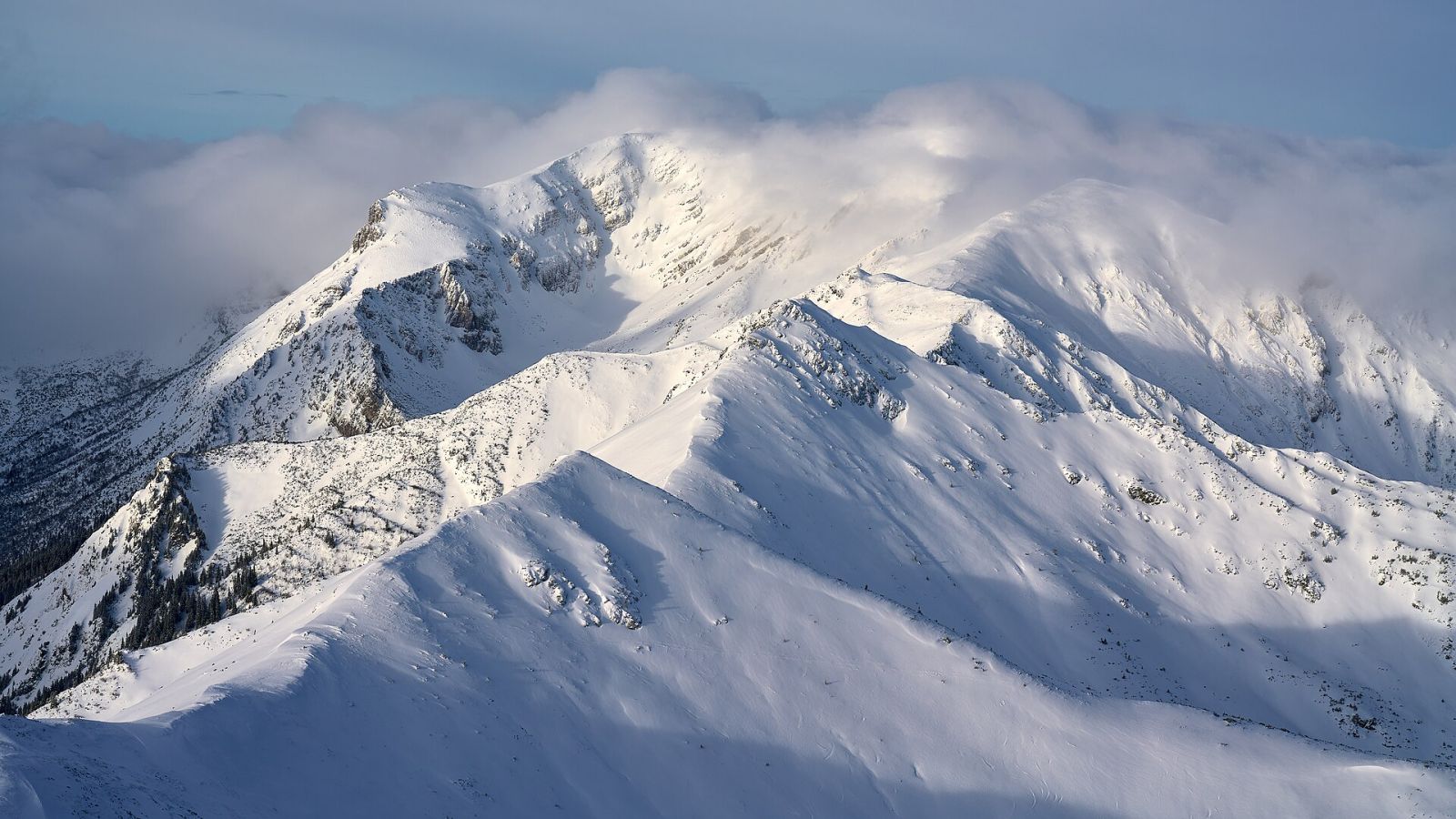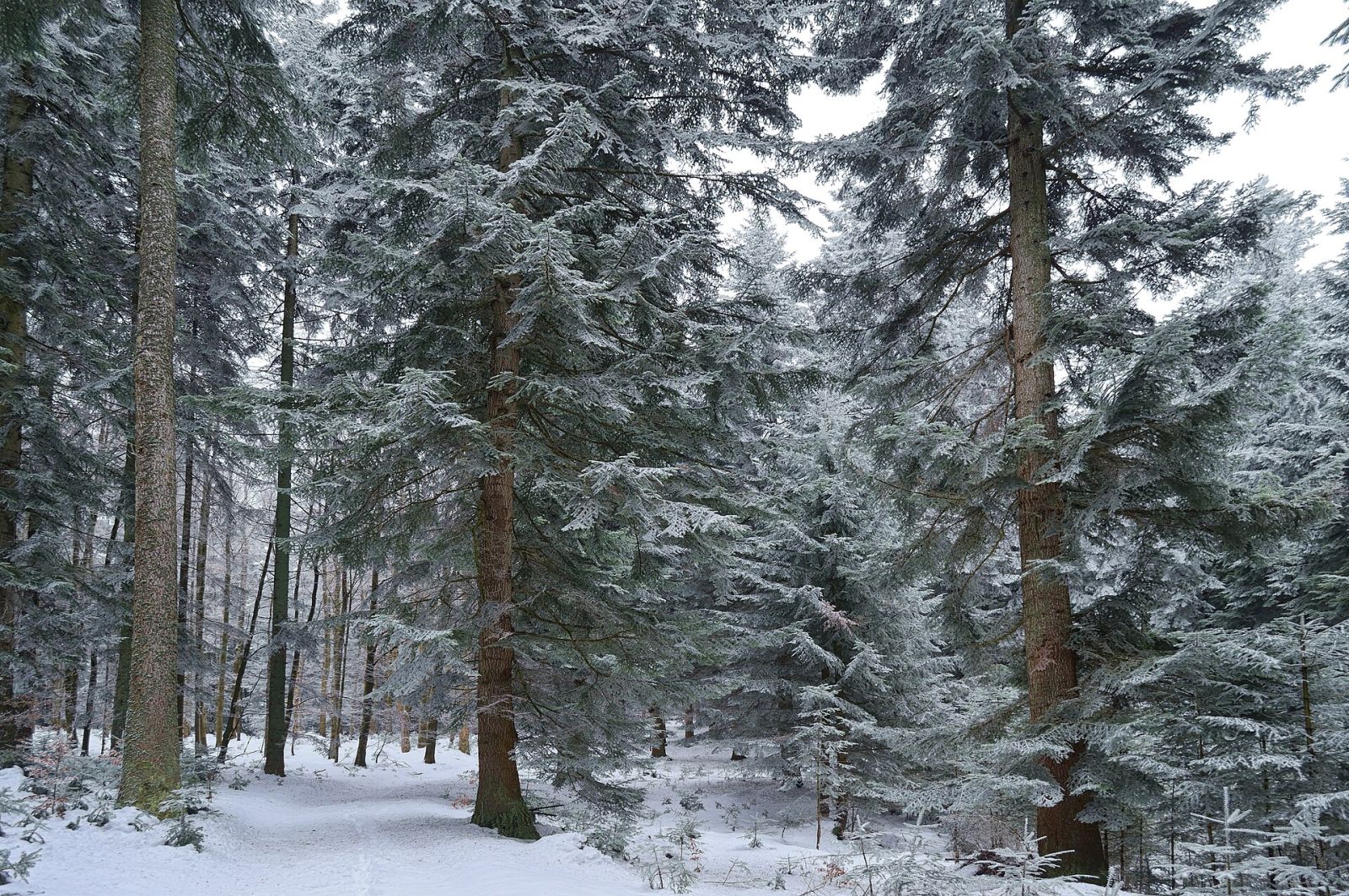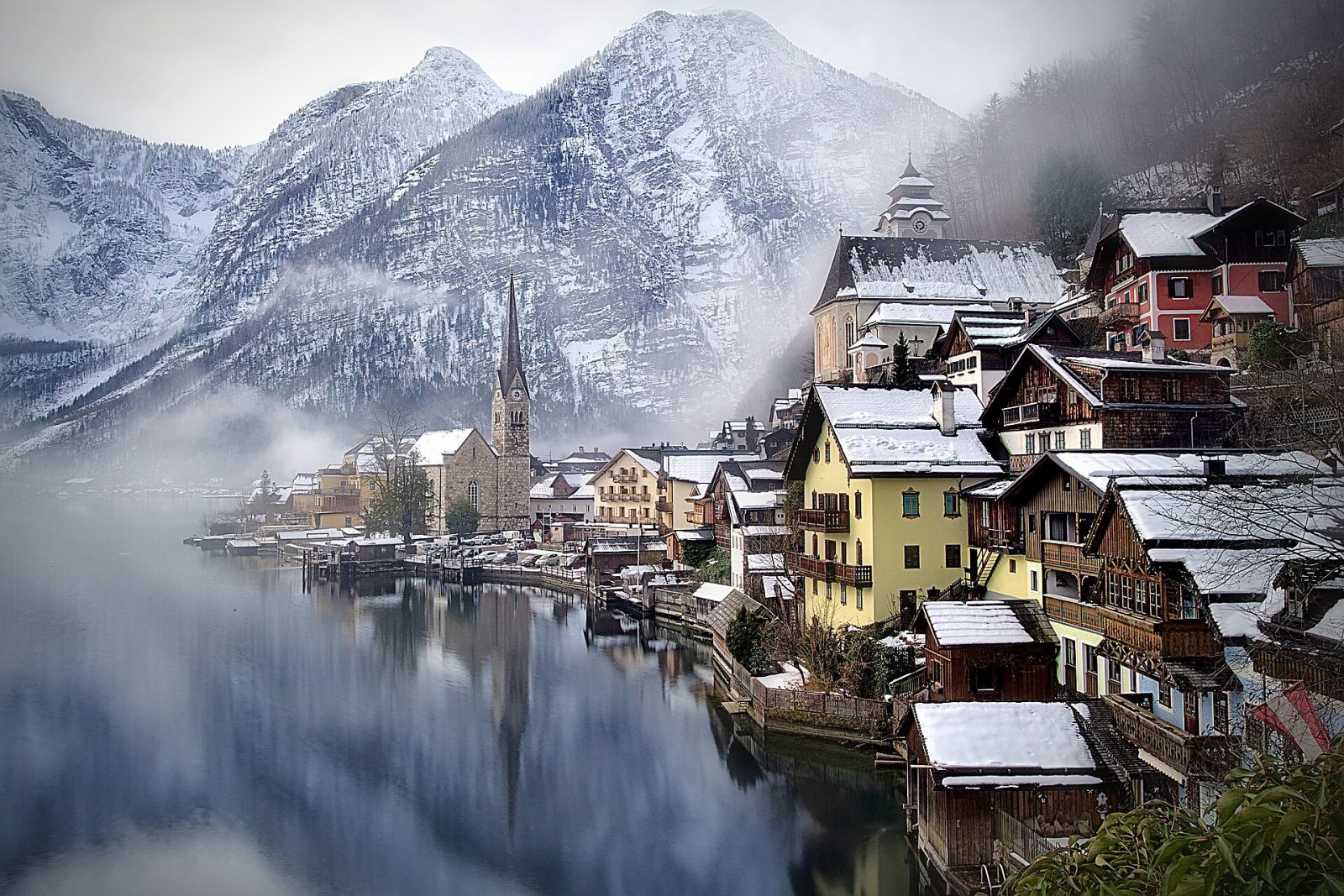


New Year's Eve in the mountains costs one and a half to two times more than any other week of winter, and it needs booking six months out, or there will simply be nothing left to choose from. Even so, New Year in the mountains remains the most popular way to spend the holiday: real snow, real fir trees and the chance to pair a festive dinner with skiing. Here is an honest look at what the Ukrainian Carpathians can offer under wartime restrictions, what the Tatras and the Alps bring, what it all costs and why fireworks are off the menu almost everywhere in the mountains.
The Carpathians: the honest picture
Ukraine's Carpathians are open, and the New Year dates sell out as always. But the pre-war postcard needs adjusting. Martial law applies: a curfew is in force (in most western regions from around midnight, though times change, so verify before travelling), which rules out an all-night restaurant party; celebrations wrap up before midnight or continue quietly inside the hotel. Fireworks are banned across the whole country, and that is a legal rule rather than advice. Air-raid alerts reach the mountains too; hotels have shelters, and ski lifts stop during an alert.
Now the money. Bukovel over New Year week is the region's priciest destination: slope-side accommodation matches decent Alpine rates, and restaurant tables get reserved from autumn. Cheaper scenarios exist: Slavske, Drahobrat, Pylypets, guesthouses around Yaremche. Snow reliability in the Carpathians is moderate; Drahobrat's altitude keeps cover more stable, while the lower valleys sometimes get rain over New Year. The upsides are real as well: no visas or borders for Ukrainians, local cuisine, carol singing, and the money stays in the country.
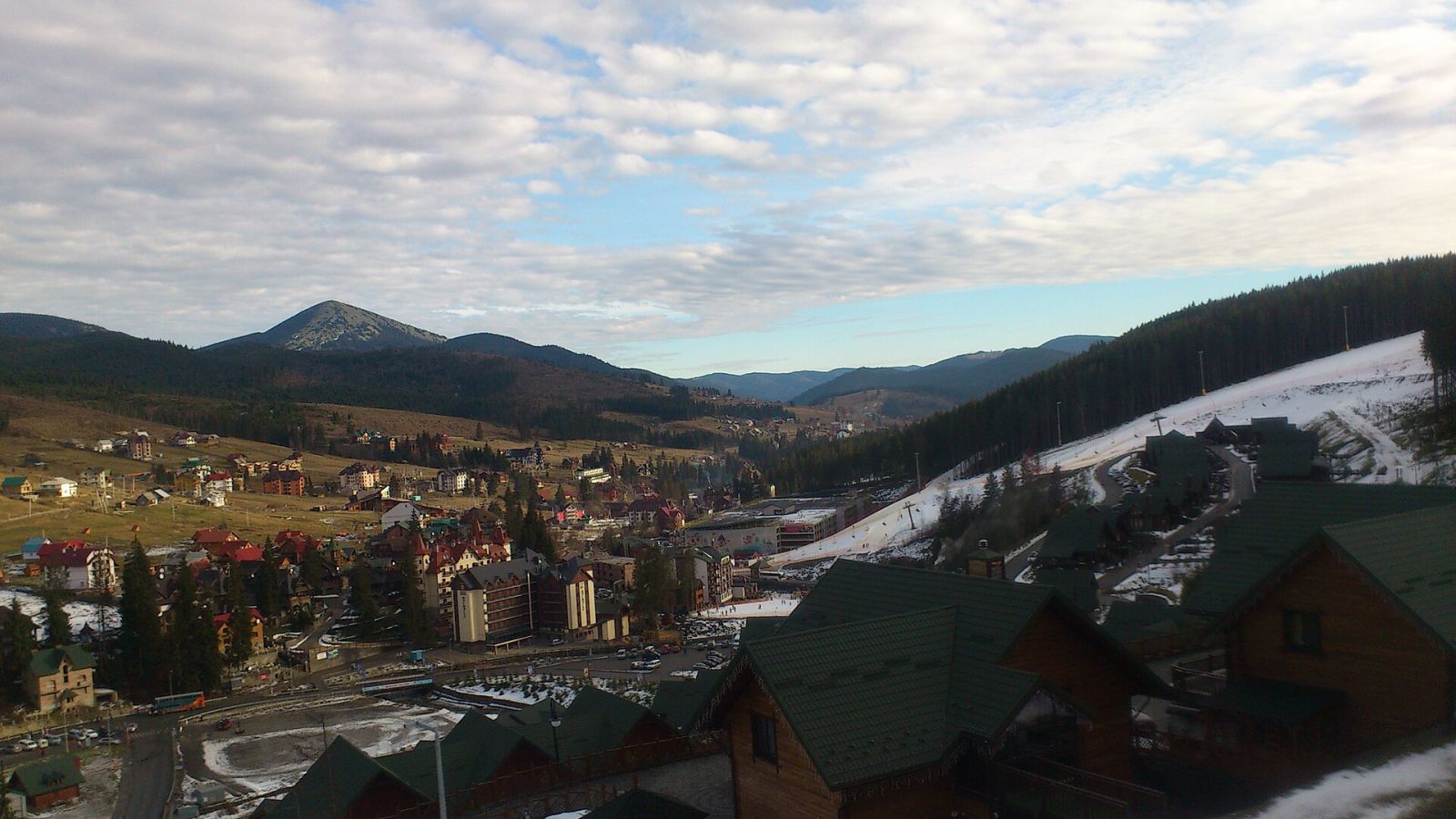
The Tatras: Zakopane and Slovakia's Jasná
The nearest foreign alternative. Poland's Zakopane wins on atmosphere: timber architecture, oscypek smoked cheese, the market on Krupówki street and thermal complexes nearby such as Chochołowskie Termy. The skiing is modest and scattered across small stations, so coming purely for the slopes makes little sense, but for a festive backdrop of cheese and mulled wine it works well. Crowds over New Year are heavy; Krupówki in those days feels like a railway station at rush hour.
Slovakia's Jasná on the slopes of Chopok is a proper resort by contrast: about 50 km of pistes, modern lifts, the best skiing in Eastern Europe. The neighbouring valley holds the Tatralandia and Bešeňová water parks, ideal for soaking after the slopes. Prices sit well below Alpine levels. For a first foreign ski New Year, this is the best-balanced option for cost, snow and logistics.
The Alps on a budget: is that even a thing?
It is, as long as you avoid the headline names. The saving rules are simple: stay in a village near the ski bus rather than in the resort itself, choose an apartment with a kitchen over a hotel, and travel as a group of four to six. Reliable directions include Austria's Zillertal and Salzburgerland valleys with their hundreds of small guesthouses, Italy's Val di Sole or the Piedmont resorts, and French apartment stations like Tignes. A weekly budget per person on this approach runs 700-1,000 euros including the lift pass, flights excluded. The New Year surcharge exists in the Alps too, but outside the top resorts it is gentler: 20-30 percent above a regular week rather than the doubling you see in Courchevel.
Chalet or hotel?
For a New Year trip this is the main fork in the road, and it is about the format of the celebration rather than the money.
- Chalet or apartment: your own kitchen, your own table, your own champagne without restaurant markup, and a night that runs on your schedule. Downsides: you cook the festive dinner yourselves, and cleaning and shopping are on you. Ideal for groups of four or more and families with children.
- Hotel: the gala dinner is included or bookable, there is entertainment, a spa after skiing and zero household chores. Downsides: a fixed evening script, a room shared with strangers, and the New Year dinner is often mandatory to pay for even if you do not want it, which can mean 100-200 euros per person.
Groups of friends almost always do better in a chalet, a couple without kids in a hotel with a spa. Families sit in between: look at the kids' programme and the distance to the lift.
Where exactly: the destination table
| Destination | Weekly budget per person | Snow at New Year | Best for |
|---|---|---|---|
| Bukovel | 600-1,200 € | moderate, with snowmaking | visa-free comfort for Ukrainians |
| Slavske / Pylypets | 300-600 € | unstable | a budget holiday without the gloss |
| Zakopane | 500-800 € | moderate | festivities and thermal baths over skiing |
| Jasná | 700-1,000 € | good | serious skiing at sensible prices |
| Austria, small valleys | 800-1,100 € | good | a first Alpine New Year |
| Val Thorens / Tignes | 900-1,300 € | guaranteed | snow above all, apartment style |
Figures are indicative and cover accommodation, lift pass and food, transport excluded. New Year week costs more than the weeks around it everywhere, so with flexible dates an arrival on 2-3 January instantly cuts the budget by a quarter.
Why book six months ahead?
New Year week is one of winter's two peak weeks, alongside the February school holidays. Good Alpine chalets for these dates go in July and August; decent lift-side accommodation in Bukovel disappears by October. By November you are left with either the most expensive options or places a 20-minute drive from the slopes. Early booking also means a lower price, since many operators lock in summer rates. Refundable bookings remove the main fear: reserve in summer with free cancellation, decide for real closer to the date.
What about fireworks in the mountains?
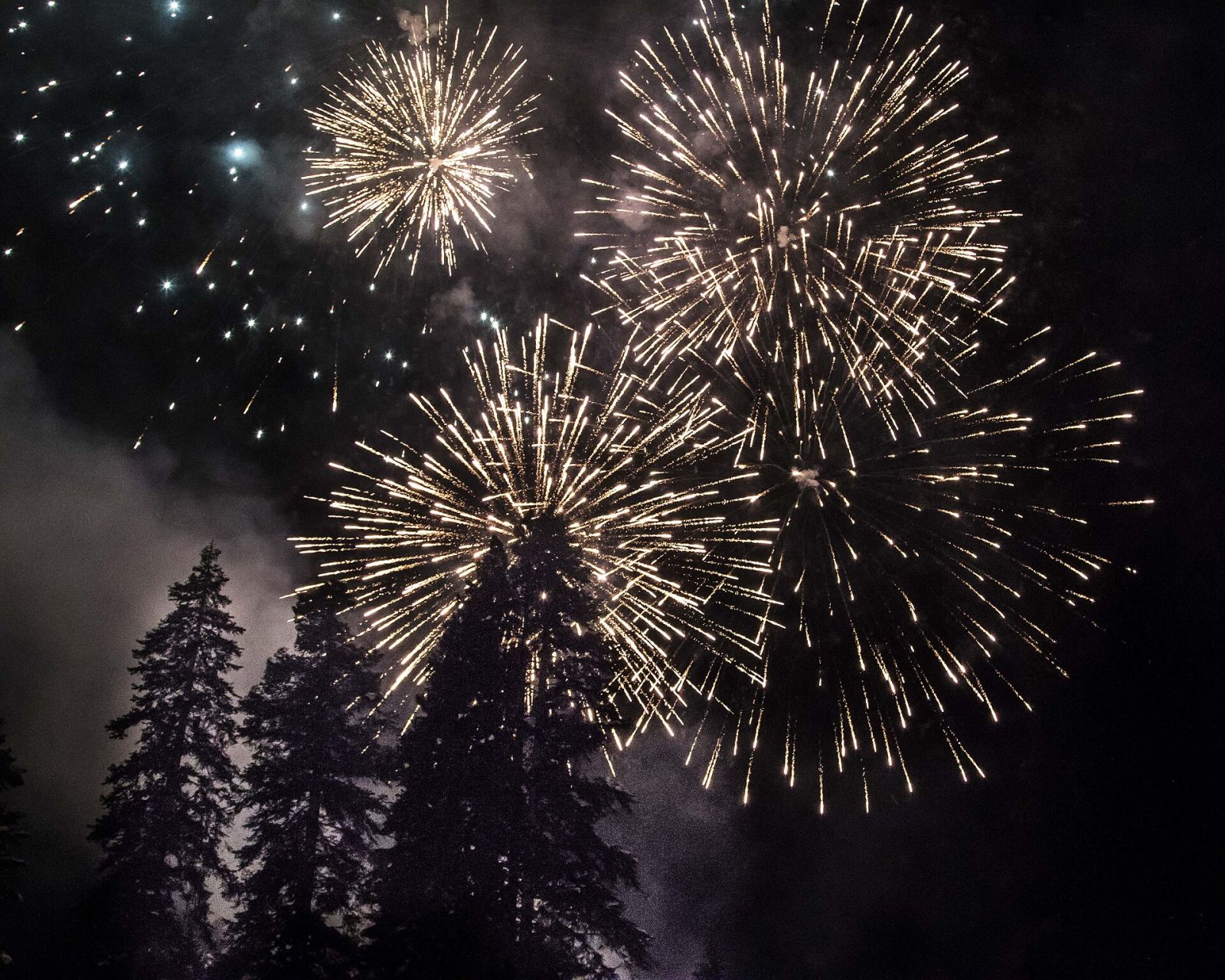
The short answer: almost nowhere and almost never. In Ukraine fireworks are banned under martial law across the entire country, mountains included. In the Alps private fireworks were being squeezed out even without a war: loud explosions can trigger avalanches and terrify wildlife and livestock, so many Austrian and French municipalities either reserve launches for the town hall or ban them outright. Resorts offer their own spectacle instead: instructors' torchlight descents on New Year's night, fire shows, lantern-lit sleighs, and a short official display over the valley where one is approved. Frankly, it looks better than a chaotic barrage, and the torchlight descents draw the biggest crowds of the season. If a fireworks display matters to you, check the specific resort's programme in advance rather than packing pyrotechnics: fines in the Alps are real.
A practical checklist
- Accommodation: book June-August for the Alps, by October for the Carpathians.
- Hotel gala dinner: before booking, check whether it is compulsory and what it costs.
- Insurance with winter sports cover if you plan to ski.
- For the Carpathians: verify the current regional curfew hours and whether the hotel has a shelter and a generator.
- In the Alps, book the airport transfer together with the accommodation; cars run short over the New Year dates.
New Year in the mountains takes more planning than a beach week, but the payoff is of a different kind: snow outside the window, a hot tub or spa, torches on the slope at midnight. The key decision gets made in summer, and that is not an exaggeration, just the arithmetic of available beds.