


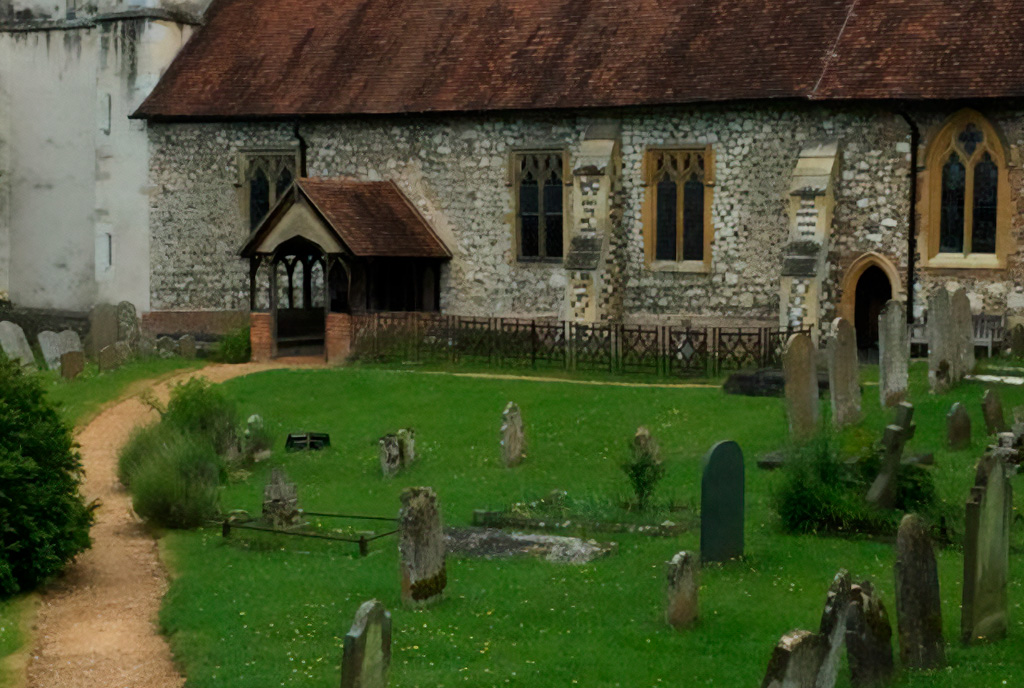
The grounds of Medmenham Abbey in Buckinghamshire, England, could easily pass for the backdrop of a romanticised period drama.
Ducks bask along the riverbanks while green fields roll off into the distance. This 18th-century manor, spread across 1,123 square metres, sits just an hour's drive from London.
With its long wooden corridors and 42 acres of lush greenery to take in, the place has every quality fit for a king, along with a scandalous past.
Partner links: booking through them supports the blog at no extra cost to you.
"This property has an interesting, slightly murky history," said Nicholas Brown, a partner at the estate agency Knight Frank.
"At one point it belonged to the Hellfire Club (a secret society whose members were rumoured to indulge in all sorts of debauchery)."
"Their motto (was) 'over the fireplace here, do what thou wilt'."
On Sale for a Royal Sum
Medmenham Abbey, once home to the knights of a brotherhood order, is now on the market for more than 15 million dollars.
It is a royal sum, but its position within England's specially designated green belt makes it a sound investment.
Property in protected areas, where building is banned, sells at a premium of 10 to 20 percent.
"Being in a protected zone, you can rest assured that your investment is well safeguarded; there is no chance of construction going up nearby," said Brown.
But not all of the English countryside enjoys the same level of protection.
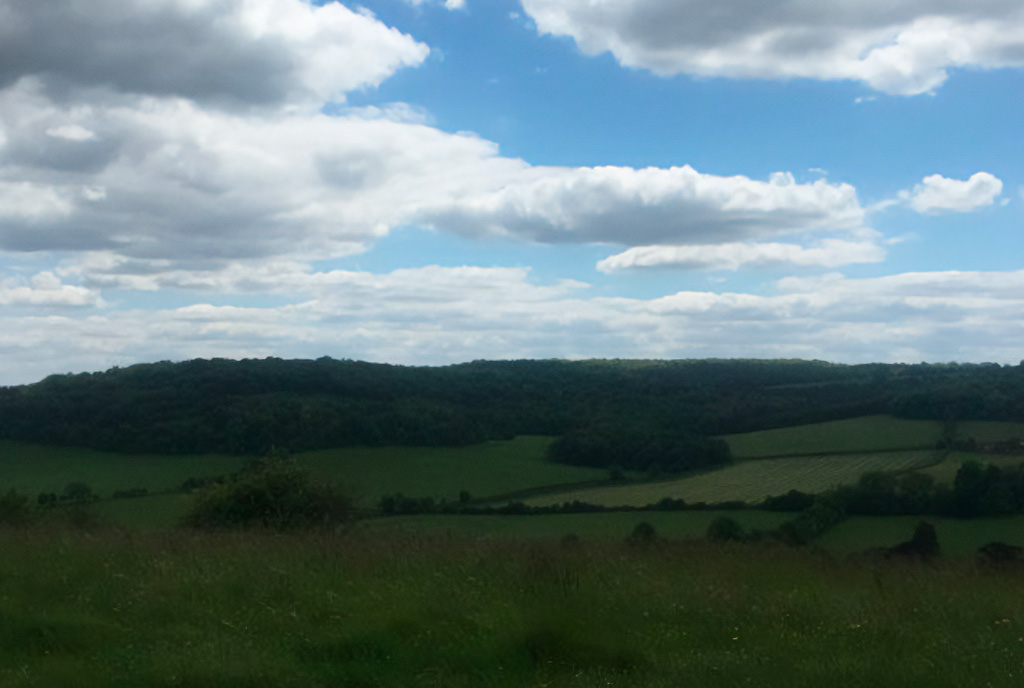
Seventy miles away, in the county of Hertfordshire, the small town of Buntingford lies in unprotected countryside.
Planning permission has just been approved here for more than 200 new homes on a prime plot of farmland, currently blanketed in rapeseed.
Even so, this is only a small fraction of Britain's demand. It is estimated that the UK needs to build 250,000 homes every year.
Meeting these needs presents a dilemma for developers and rural residents alike.
Kevin Fitzgerald is the honorary director of the Hertfordshire branch of the Campaign to Protect Rural England, a volunteer group that lobbies for the protection of the countryside.
He explained that he is not against building homes, but believes development should be focused on land that has already been developed.
Countryside in the Premium Bracket
"Not far off, an hour or two away, there is space (and) abandoned factories. There is a need for economic growth there," said Fitzgerald.
"In the wealthy south-east, where the countryside sits in the premium bracket, there is no such need," he added.
Local residents of Buntingford are also having their say.
Joyce Dubner has lived here for 48 years and hopes that future building will benefit everyone in the community.
"I think, if they are going to build homes, they should be starter homes and more rental properties," she said.
New homes do not come cheap, though. A three-bedroom house costs more than 500,000 dollars. Even so, their location makes them popular.
"Clearly, overdevelopment can have a negative effect in the early stages, but later on, once everything settles, it will soon be forgotten," said Brown. "The fact that it is a convenient location, beautiful countryside, means there will always be people who want to buy here."
And for some, paying a premium to keep the countryside in its unspoilt state is a price worth paying.