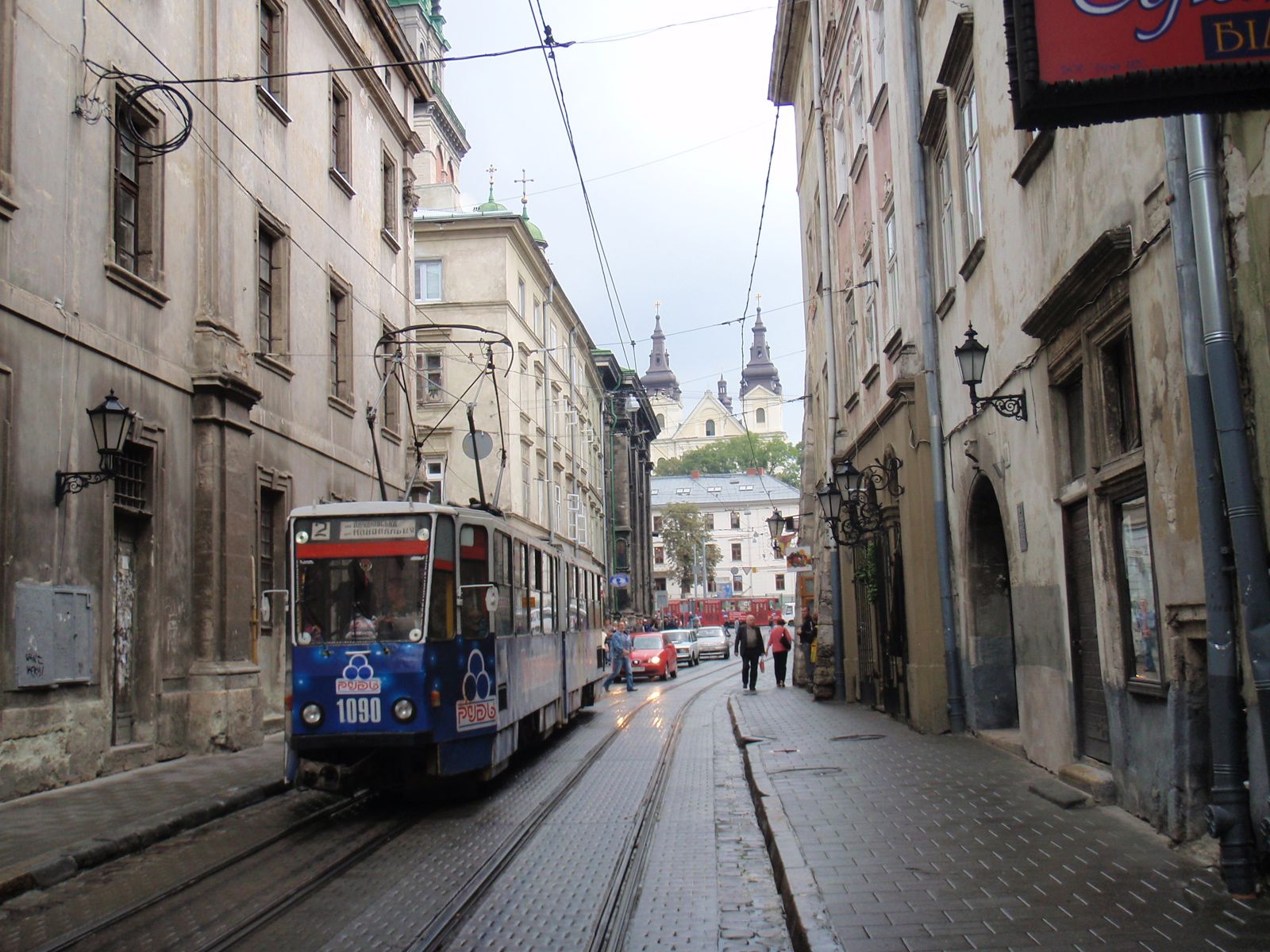
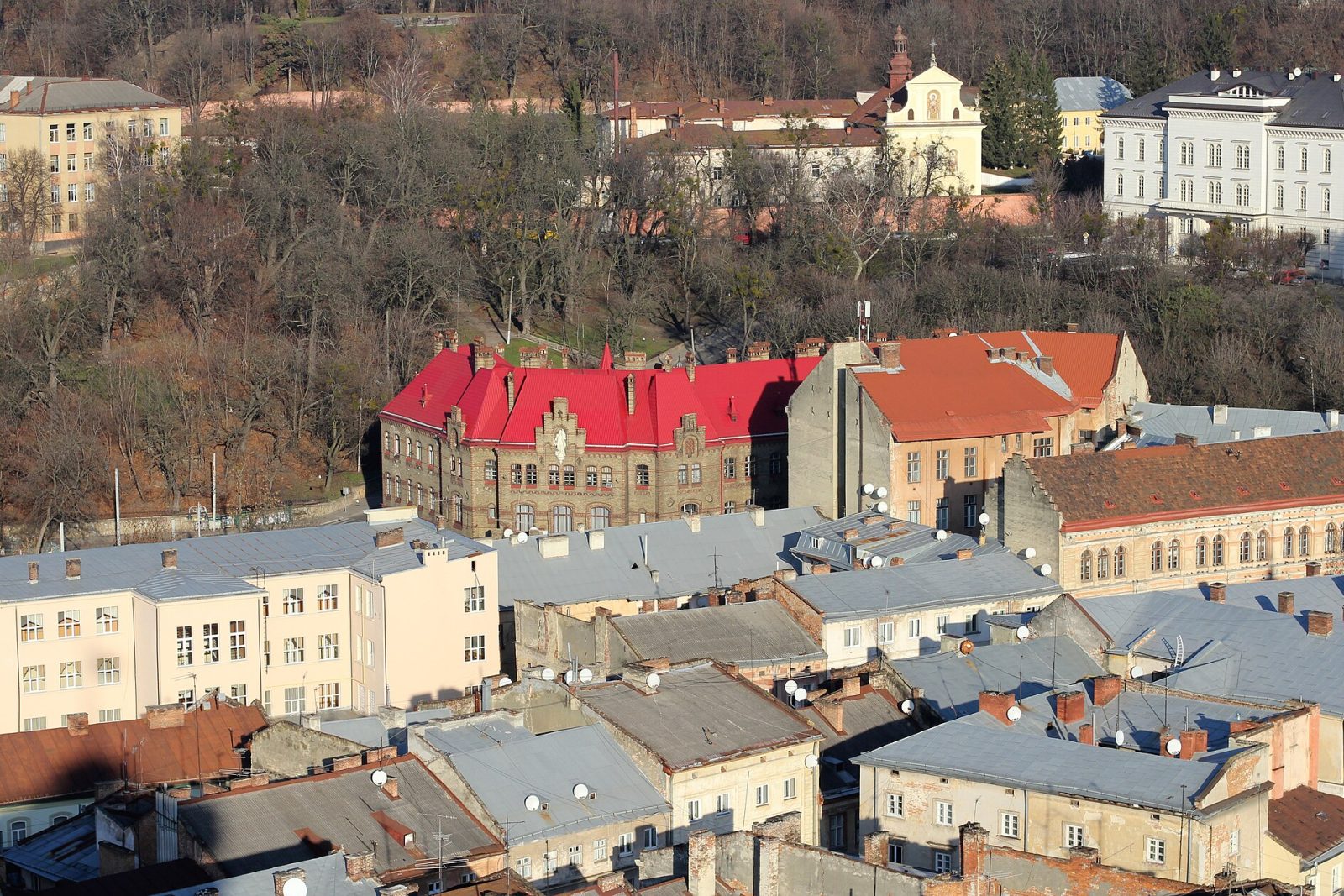
The short answer to the question of what to see in Lviv over two days: Rynok Square with the Town Hall, the Vysokyi Zamok (High Castle) viewpoint, the interior of the Opera House and Lychakiv Cemetery. Everything else strings together between them, because the historic core is compact and walkable. Two days give you a realistic minimum: keep the first within the old town, and spend the second on Lychakiv and one longer, unhurried walk.
The historic centre of Lviv was inscribed on the UNESCO World Heritage List back on 5 December 1998, and the protected zone stretches over roughly 120 hectares. The practical takeaway is simple: you are not walking between separate monuments but inside a continuous ensemble, where a 16th-century facade sits next to a cafe worth stepping into.
Where to start and why the centre decides everything?
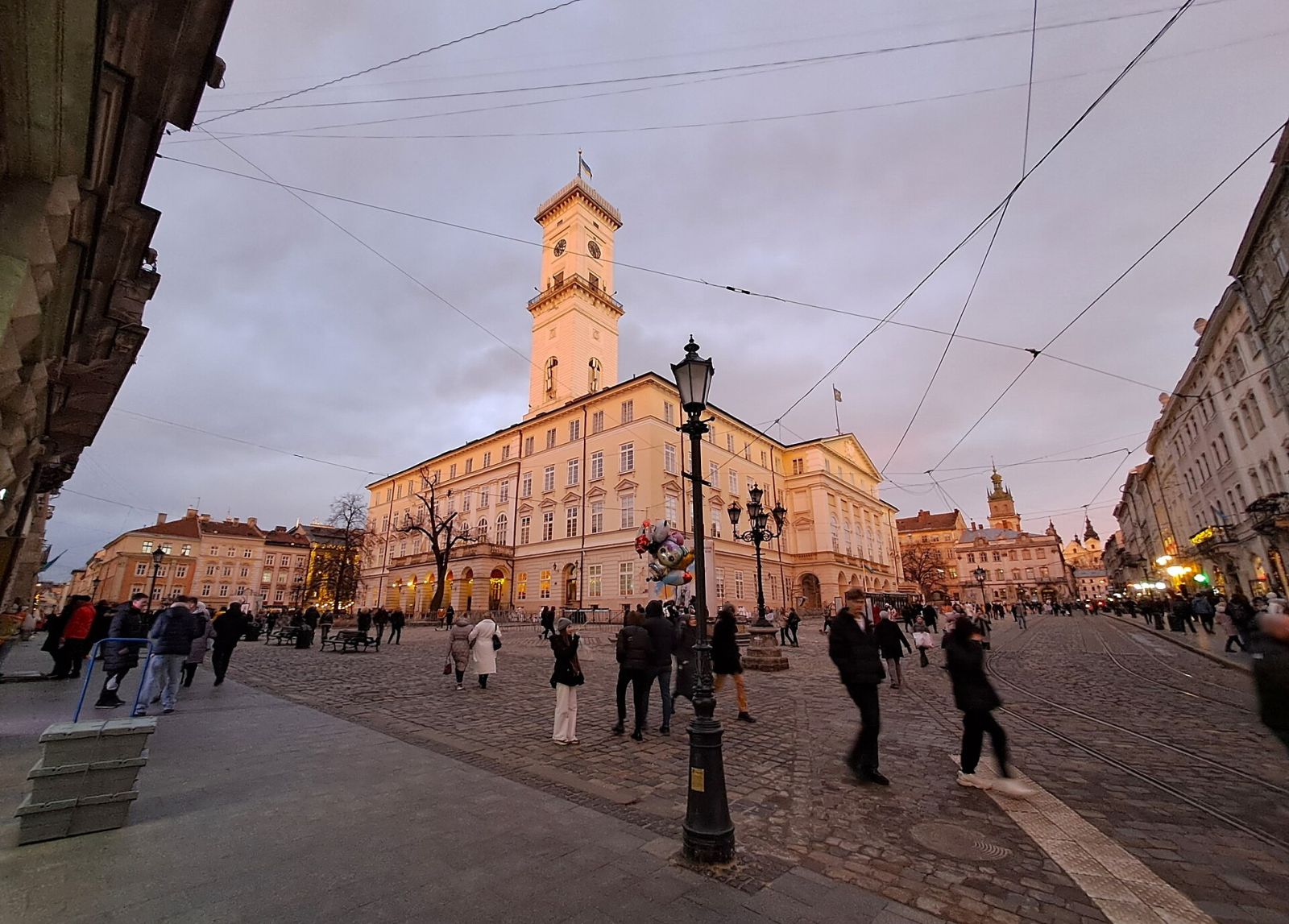
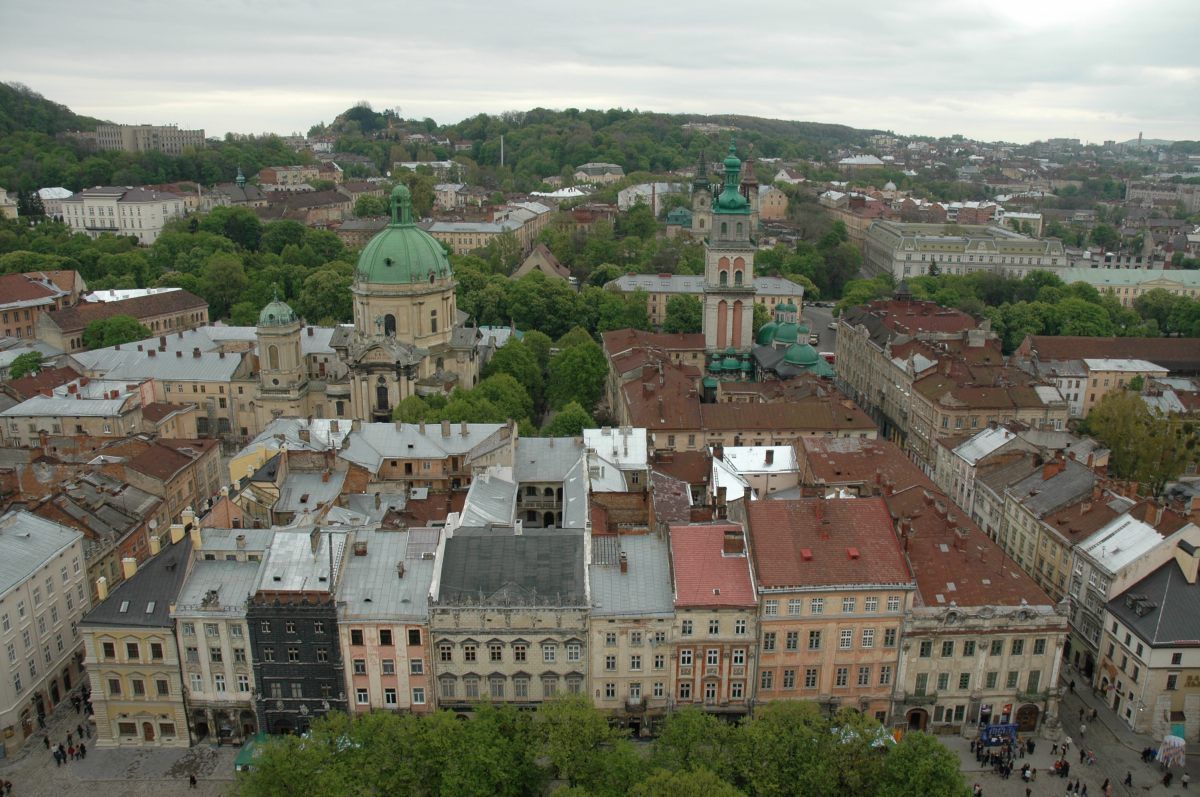
Start with Rynok Square. It is an almost perfect square measuring about 142 by 129 metres, surrounded by 44 townhouses, with the Town Hall in the middle and four fountains at the corners (Neptune, Diana, Adonis, Amphitrite). The buildings are of different ages, but the Renaissance set the overall look, so the facades are three-windowed and asymmetrical. The simplest way to understand what to see in Lviv first is to stand with your back to the Town Hall and slowly walk the square in a circle, reading the details above the windows.
The Town Hall tower is 65 metres tall. More than three hundred narrow steps lead to the top, and that is honestly worth keeping in mind for anyone who struggles with their knees or shortness of breath. The reward at the top is a full-circle view of the city in every direction. A ticket costs roughly 50 hryvnias for an adult and about 20 for a child, but prices and the schedule change from time to time, so check before your visit.
How much does it cost to climb the viewpoints?
Lviv has two obvious viewpoints, and they differ in character. The Town Hall gives a geometric view straight onto the rooftops of the old town, up close. Vysokyi Zamok (High Castle) is one of the highest points of the city, 413 metres above sea level, from which you see a panorama with the suburbs and churches on the horizon. The mound at the top was made artificially between 1869 and the early 1900s to mark the three hundredth anniversary of the Union of Lublin, so the hill itself is also part of history, not just a spot for photos.
| Viewpoint | Height | Ascent | Entry | Who it suits |
|---|---|---|---|---|
| Town Hall tower | 65 m (the tower itself) | over 300 steps on foot | about 50 UAH | those who want a close-up view of the centre's rooftops |
| Vysokyi Zamok | 413 m above sea level | a climb up the park slope, gentle paths | free | those who want a wider panorama and a walk |
The logic of the choice is this: if the weather is clear and your legs are fine, go to both, but leave the Town Hall for the morning while there are fewer people, and Vysokyi Zamok for the evening at sunset. If time is short, Vysokyi Zamok gives you more for zero hryvnias.
What can you realistically fit into the first day?
Keep the first day on foot and do not chase checkmarks. A working skeleton of the route looks like this.
| Time | What to do | How much to allow |
|---|---|---|
| Morning | Rynok Square, climb up the Town Hall tower, coffee nearby | 2 hours |
| Midday | The Latin Cathedral and the Boim Chapel, the lanes around the square | 1.5 hours |
| Lunch | A restaurant in the old town, with no markup for a scenic spot | 1 hour |
| Afternoon | The Opera House outside and inside, Svobody Avenue | 1.5 hours |
| Evening | Vysokyi Zamok at sunset | 1.5 hours |
The Boim Chapel next to the Latin Cathedral is worth a separate minute: its facade is densely covered with carving, and it is one of those objects that are easy to miss, because it stands modestly, with no queue and no hype.
Why go to the outskirts to Lychakiv Cemetery?
Lychakiv Cemetery is not a gloomy obligatory stop but an open-air museum reserve. It was laid out back in 1786, occupies about 42 hectares and is considered one of the oldest still-active necropolises in Europe. There are more than three hundred thousand burials here and about five hundred sculptures and reliefs, so you are effectively walking through a gallery of stone sculpture beneath the trees.
Entry is paid, because this is an official museum: roughly 100 hryvnias for an adult and 80 for students and schoolchildren, opening hours approximately from nine to eighteen. The figures are revised from time to time, so check before your trip. Allow at least an hour and a half here and comfortable shoes, because the alleys are hilly. You can get there by tram from the centre, and it is a ten to fifteen minute ride, not a separate expedition.
Where to drink coffee and what is tied to it?
The city's coffee reputation rests on real history, not on marketing. Yurii Kulchytskyi, a native of Sambir near Lviv, opened a coffee house in Vienna after the Battle of Vienna in 1683. The first genuine Lviv "Viennese coffee house" appeared on what is now Svobody Avenue in 1829, and by the early 20th century about sixty coffee houses were operating in the city, where the intelligentsia gathered.
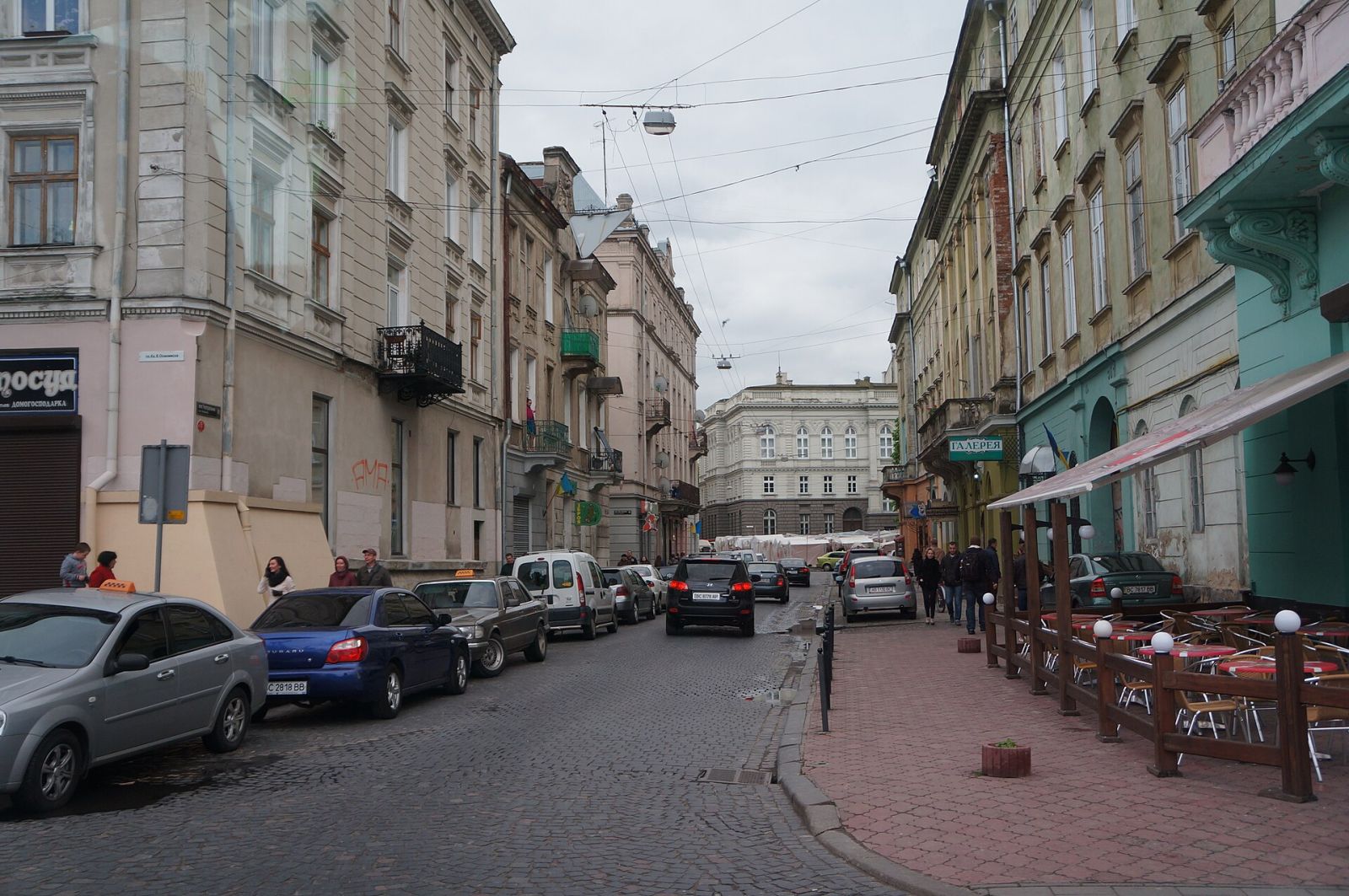
The most touristy place is the "Lviv Coffee Mine" on Rynok Square, which plays on the legend that coffee is literally mined from under the ground here. It is crowded and a bit of an attraction, but the cellars with their elevators go down well with children. Nearby is the "Lviv Chocolate Workshop", which people usually visit for gifts and a cup. An honest warning: on the square itself the coffee is pricier and the queues are longer, so for some peace and quiet head to the neighbouring streets where locals drink every day.
The Opera House: go inside or is the facade enough?
The Lviv Opera House is beautiful on the outside, but its main draw is hidden inside, so the facade is not enough. A daytime tour of the halls lasts about 45 minutes and costs roughly 100 hryvnias for an adult and half that for students and pensioners. If you buy a ticket for a performance, you do not pay separately for entry, and ticket prices for performances vary widely and depend on the title, so check the playbill in advance.
A practical tip for those choosing between a tour and a performance: if you are a music lover, take an evening and live music, the Mirror Hall is worth it. If music leaves you indifferent, the daytime walkthrough in 45 minutes satisfies your curiosity more cheaply.
Where to eat without a tourist markup?
The main rule of easy money in Lviv: the closer to the centre of Rynok Square, the higher the price for the same dish. Themed restaurants in the old town are more of an attraction with an interior and a show than a place to eat cheaply. For an honest lunch, move a block or two away from the main tourist spots, where the cuisine is the same but the bill is noticeably smaller. The same rule applies to coffee: a terrace with a view costs more than the taste in the cup.
If you like sweets, leave room for pastries and hot chocolate, this is the part of Lviv cuisine that the city really keeps up to standard. Heavy meat dishes, on the other hand, are better taken in the evening, when you have already done your walking and are in no hurry.
How to put together a route that is truly your own?
The fork is simple. If you are in Lviv for the first time, stick to the backbone: Rynok and the Town Hall, the Opera, Vysokyi Zamok on the first day, Lychakiv and coffee on the second, and simply walk the rest of the central square area on foot without a plan. If you are not here for the first time and have already seen the centre, shift the emphasis: take an evening at the Opera, a longer climb up Vysokyi Zamok at sunset and half a day at Lychakiv Cemetery with separate attention to the sculpture, and for coffee move away from Rynok deeper into the side streets, where there are no queues and no markup.