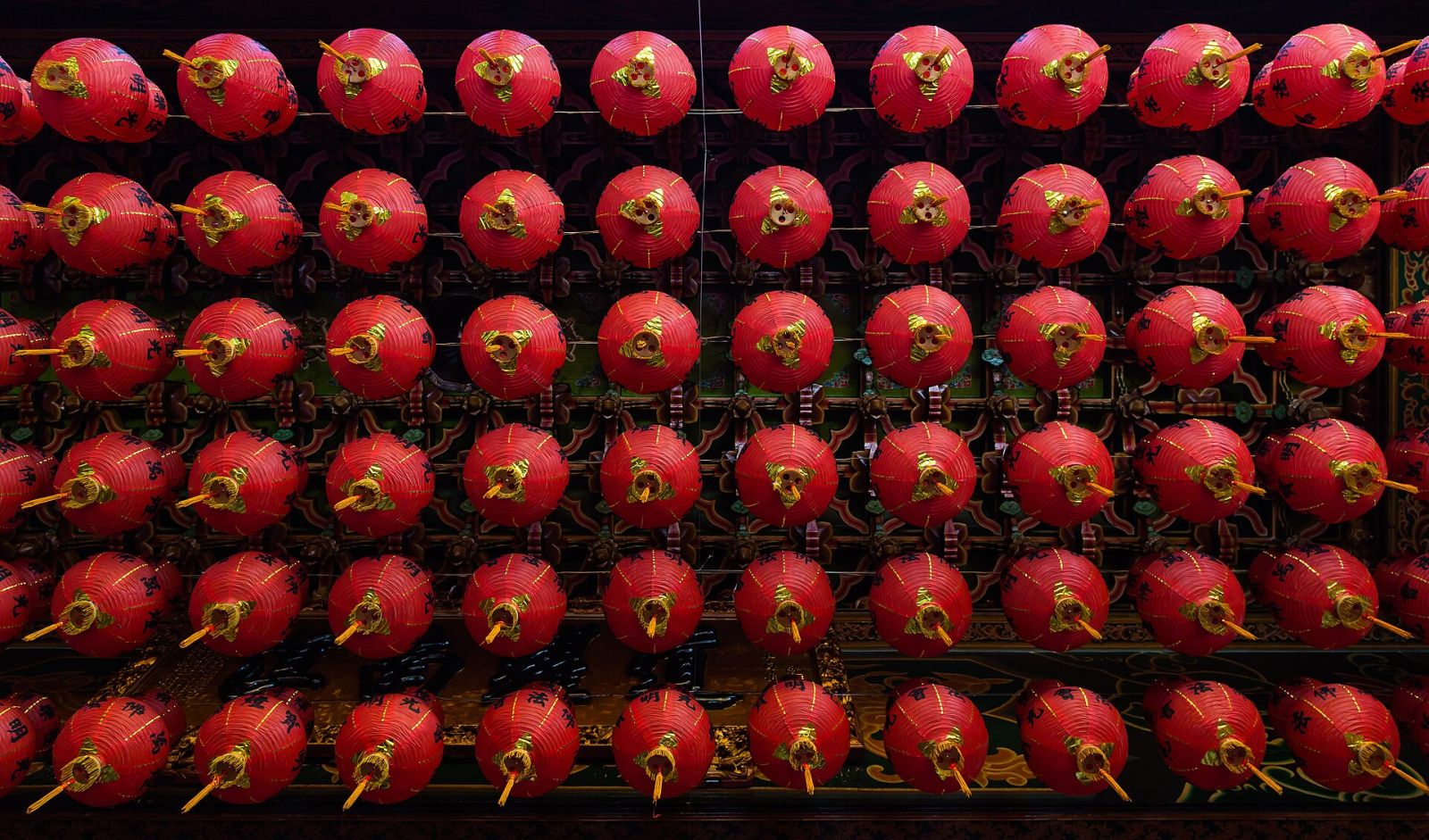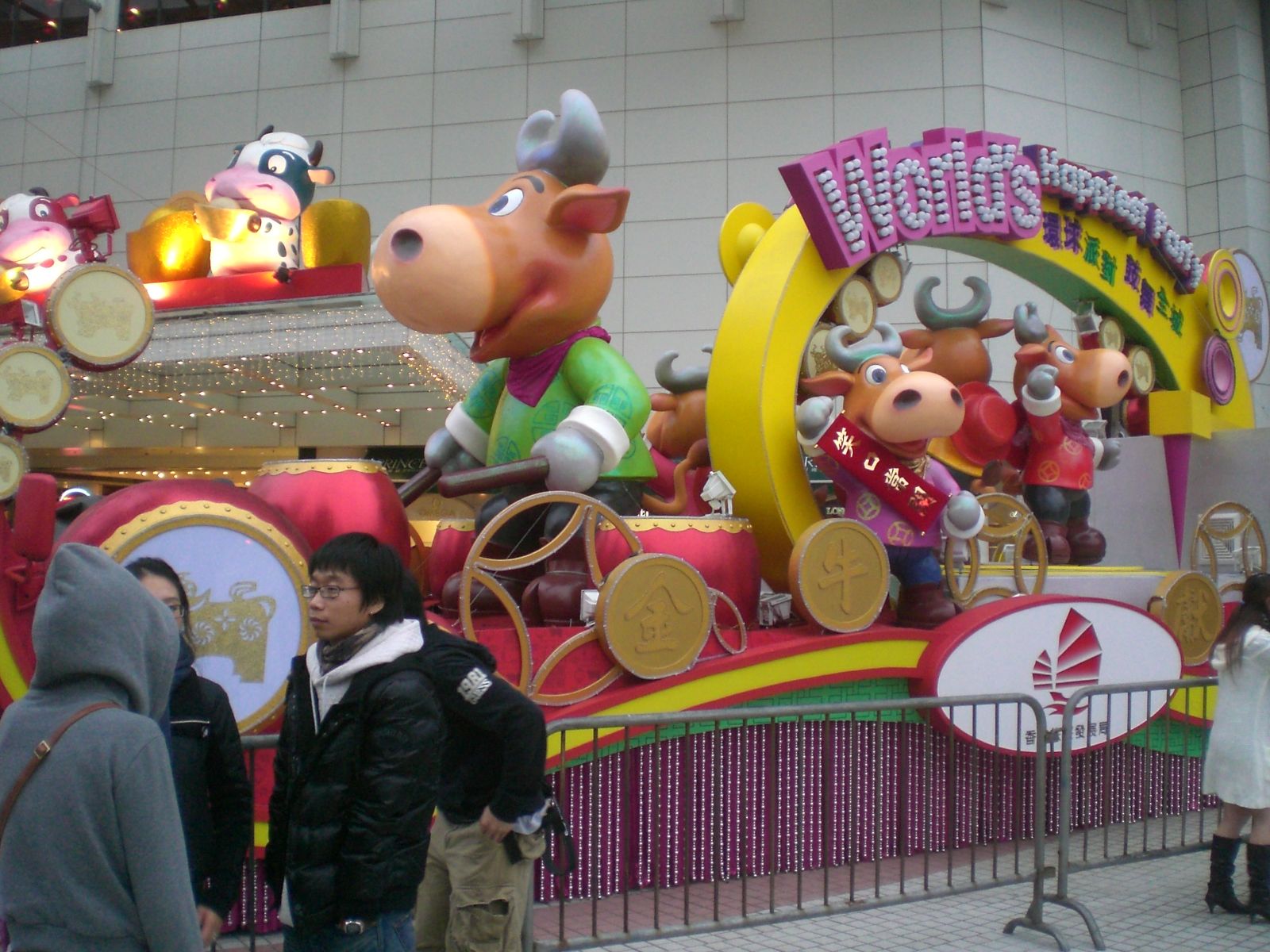


In the forty days around the Spring Festival, China makes several billion trips: people head home, stations fill with queues, and train tickets vanish within minutes of going on sale. That is why Chinese New Year 2027 is more rewarding for a traveller in places where it spills onto the streets with parades, lanterns and fireworks than where it stays behind closed doors around the family table.
When is Chinese New Year 2027, and whose year is it?
The first day of the lunar new year falls on Saturday, 6 February 2027. The big reunion dinner, when the whole family gathers, takes place the evening before, on Friday 5 February. It will be the year of the Fire Goat; the Chinese character can mean either goat or sheep, which is why English-language calendars use both. The year runs until 25 January 2028.
Officially the festival stretches over fifteen days and ends with the Lantern Festival, which in 2027 lands on Saturday, 20 February. Vietnam (Tet) celebrates on the same 6 February and Korea (Seollal) a day later, on 7 February, so the whole of East Asia is travelling and partying at once.
Hong Kong: a parade, fireworks over the harbour and a day at the races
Hong Kong runs the tidiest festive schedule. On the first evening of the new year a night parade of floats, lions and dance troupes from around the world sets off from the Cultural Centre in Tsim Sha Tsui, along Canton Road, Haiphong Road and Nathan Road, with roads closed from early afternoon. On the second evening fireworks go up over Victoria Harbour; in 2026 the show lasted about 23 minutes. The best spots on the Tsim Sha Tsui promenade are taken by mid-afternoon.
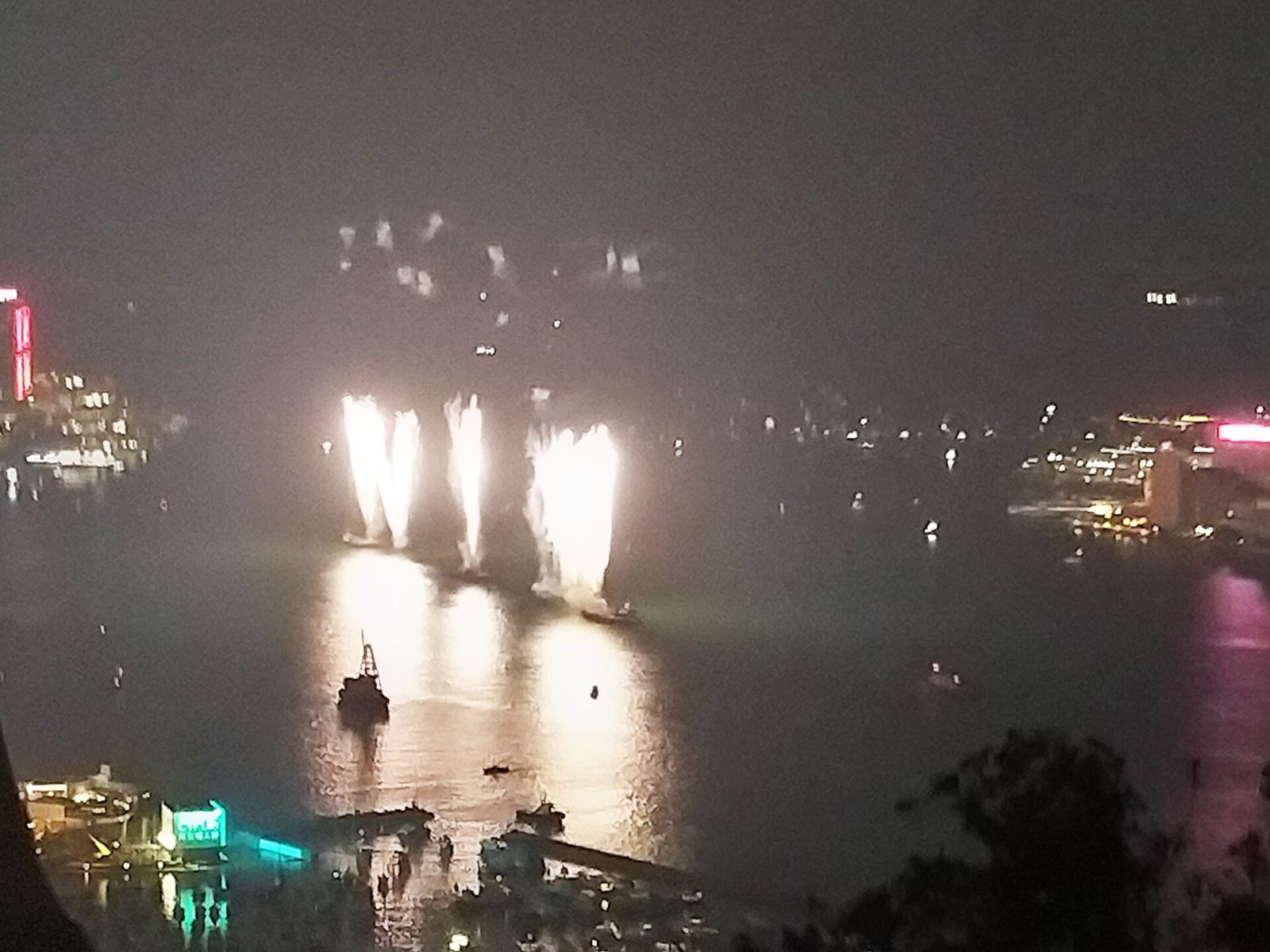
Did the fireworks come back after the fire? Yes. The New Year's Eve show on 31 December 2025 was cancelled in memory of the victims of the Wang Fuk Court fire in Tai Po, but in February 2026 the lunar new year display went ahead as usual. If the pattern holds, the 2027 parade will be on 6 February and the harbour fireworks on 7 February; the tourism board posts the official programme on Discover Hong Kong. On day three the city goes to the races at Sha Tin, and on New Year's Eve thousands queue at Wong Tai Sin Temple to place the first incense of the year.
Singapore: Chinatown lights and River Hongbao
Chinatown dresses up weeks ahead: giant figures of the zodiac animal hang over Eu Tong Sen Street and New Bridge Road, and the street bazaar sells bak kwa dried meat, pineapple tarts and mandarins. The main festival, River Hongbao, with its lantern installations, was held at Gardens by the Bay in 2026, its fortieth edition. Entry is free, and fireworks went off at midnight on New Year's Eve and at 9pm on the first two days. The venue has moved several times over the years, so look for the 2027 programme on the official festival website. A few weeks later comes the Chingay parade, loud and multicultural.
Taiwan: the prettiest part comes two weeks later
Taipei is quiet in the first days of the new year. The city scatters to visit relatives, some cafes and shops close, and a tourist landing on 6 February may feel the party is happening somewhere else. It is: Taiwan saves its brightest celebrations for the end, the Lantern Festival. The island's main lantern festival moves to a different city every year, and for 2027 it has provisionally been given to Miaoli County, next to the high-speed rail station, from 20 February to 7 March.
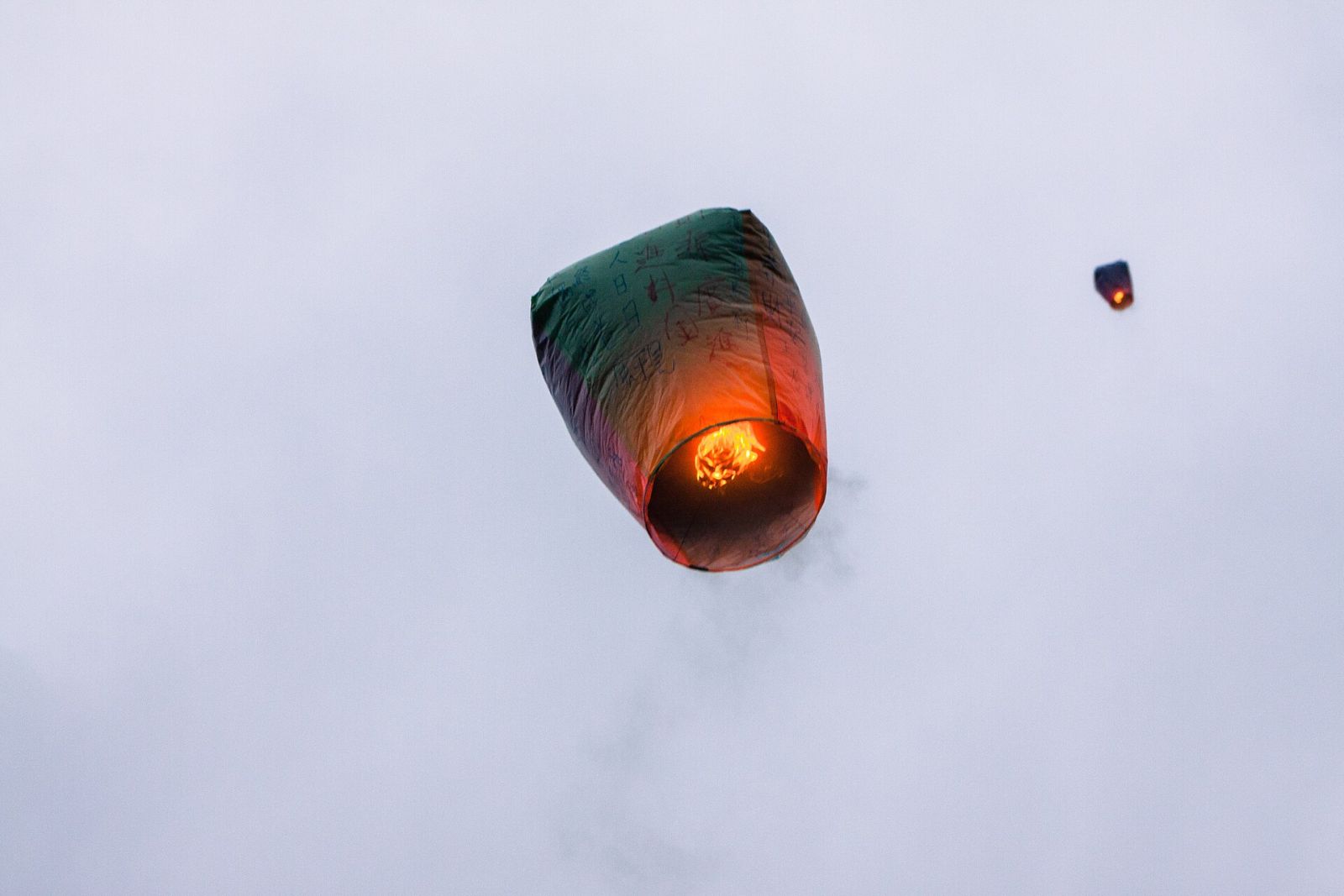
In the villages of Pingxi and Shifen, on a mountain branch line outside Taipei, people write wishes on paper sky lanterns and let them float up. Mass releases are held on two evenings, the second usually on the Lantern Festival itself. On those days the little trains are packed and entry to the release grounds is managed by queue. The lantern debris later ends up in the hills and rivers, and environmentalists argue about the custom every year.
Penang: the Jade Emperor and mandarins in the sea
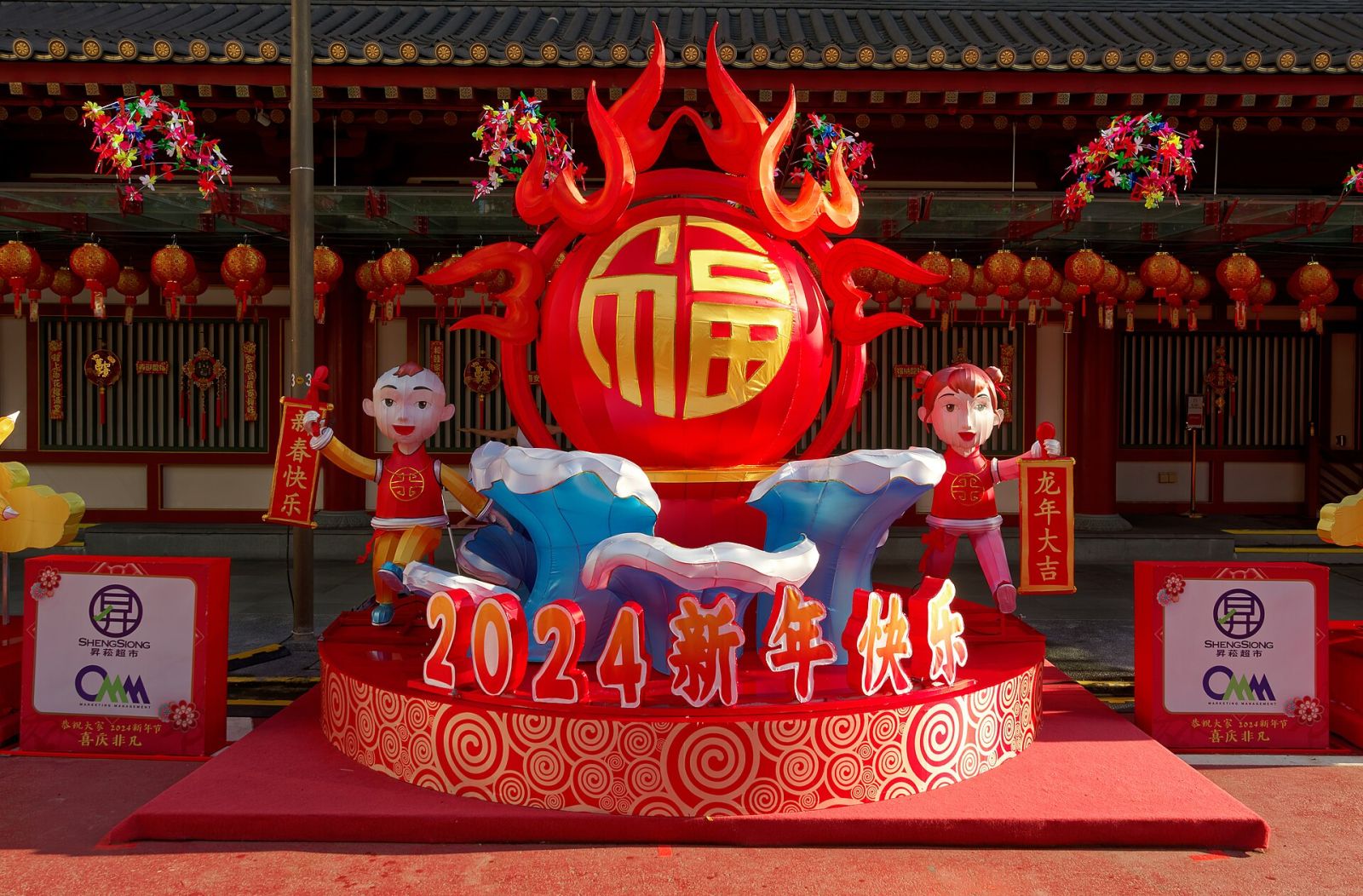
Many of George Town's communities trace their roots to Fujian province, and for them the most important night is the ninth, the birthday of the Jade Emperor. In 2027 it falls on 14 February. On the wooden stilts of the Chew Jetty clan pier, families build altars decorated with sugarcane stalks, and at midnight the sky over the strait explodes with firecrackers. The Kek Lok Si temple complex on the hill is lit with thousands of lanterns all season. On the fifteenth day, Chap Goh Meh, single women throw mandarins into the sea from the waterfront, which is said to bring them a good husband.
London and Bangkok: the festival far from China
London hosts one of the largest celebrations outside Asia. The dragon parade sets off near Trafalgar Square, winds through Chinatown to Shaftesbury Avenue, and the square itself has a stage running all day with lion dances and a closing light show. It takes place on the nearest Sunday: in 2026 that was 22 February. Entry is free, and the date is announced on the Mayor of London's website.
In Bangkok the celebrations gather on Yaowarat, the main street of Chinatown. It is closed to traffic, red lanterns hang overhead, and queues with incense sticks form at Wat Mangkon Kamalawat. Stalls sell roast duck, sesame sweets and steamed buns, all at around thirty degrees, so carry water and skip a daytime visit.
Hongbao, the colour red and no sweeping allowed
- Hongbao, red envelopes of money, go from married people to unmarried ones and to children. The notes should be crisp and new, the sum even, and fours are avoided because the word sounds like "death". Envelopes are given and received with both hands.
- Red wards off bad luck. Anyone entering the year of their own zodiac animal wears red underwear or a red bracelet all year.
- Nobody washes their hair on the first day: the word for "hair" sounds like "prosper", and the luck could go down the drain with the water.
- Sweeping and taking out the rubbish are also off limits, since good fortune would be swept out of the house. All the cleaning is done the day before.
- Longevity noodles are eaten without being cut: the longer the strand, the longer the life. In northern China families make dumplings, in the south they eat sticky rice cake, nian gao.
- Mandarins are given in pairs, while scissors, clocks and white flowers make bad gifts.
What will be closed, and what will the trip cost?
In mainland China the Spring Festival brings an official week off; in 2026 it was even nine days in a row. The government usually publishes the 2027 holiday calendar in November. Train tickets go on sale 15 days before departure and popular routes sell out within minutes, while flights and hotels cost several times more. Small family restaurants close for three to five days; major sights and museums mostly stay open, but crowded.
In Hong Kong, Singapore and Taiwan, small shops and some street food places shut for the first three days, and some restaurants add a holiday surcharge to the bill. Hotels with harbour or river views are booked months ahead. A hongbao for hotel staff or a guide is a welcome gesture, too.
Where to celebrate Chinese New Year 2027: a comparison
The dates in the table were gathered at the end of October 2026, and some 2027 events have not yet been announced by organisers, so confirm the schedule closer to your trip.
| City | Main event | Date in 2027 | Keep in mind |
|---|---|---|---|
| Hong Kong | night parade, harbour fireworks | 6 and 7 February if the usual pattern holds | promenade spots taken from early afternoon |
| Singapore | River Hongbao, Chinatown lights | several days around 6 February | the festival venue may change |
| Taiwan | Lantern Festival, Pingxi sky lanterns | 20 February, Miaoli festival provisionally until 7 March | Taipei is quiet in the first days |
| Penang | Jade Emperor night, Chap Goh Meh | 14 and 20 February | George Town hotels get pricier |
| London | parade and Trafalgar Square stage | the nearest Sunday | free, date announced in winter |
| Bangkok | Yaowarat street celebrations | 6 February and the weekend | heat, queues at the temple |
| Mainland China | family gatherings, temple fairs | official holiday of about a week | train tickets sell out in minutes |
Chinese New Year pairs easily with a winter break in warm Asia: February in Singapore, Bangkok and Penang is dry and sunny, and after a Kyiv frost the cool Hong Kong air feels like spring. If you would rather count down at midnight on 31 December, there are ideas in our guide on where to go for New Year.