

“Hawaii.” Just saying the word out loud stirs up daydreams of a tropical resort, complete with leis, luaus, fancy hotels and hula dancing.
Forget the hula. Hawaii gets far more interesting once you tune out all that noise.
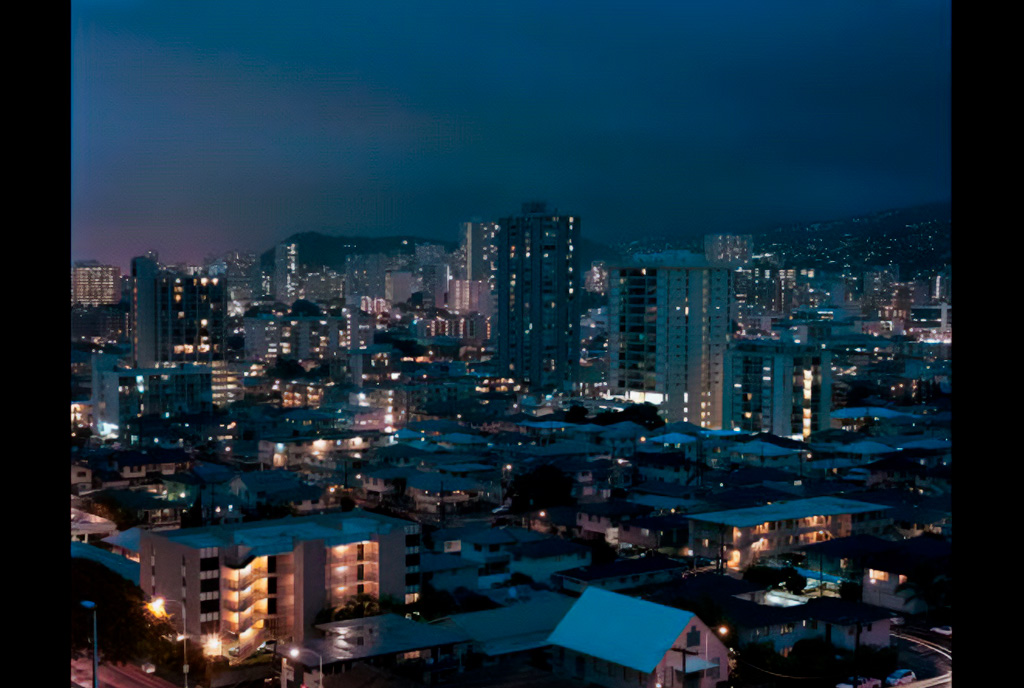
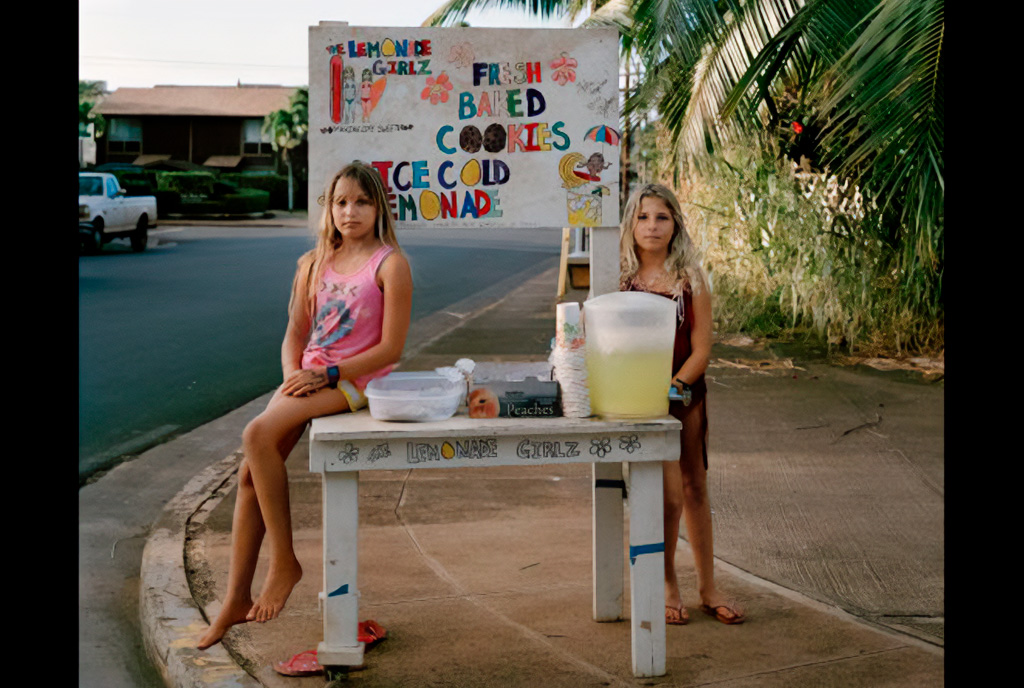
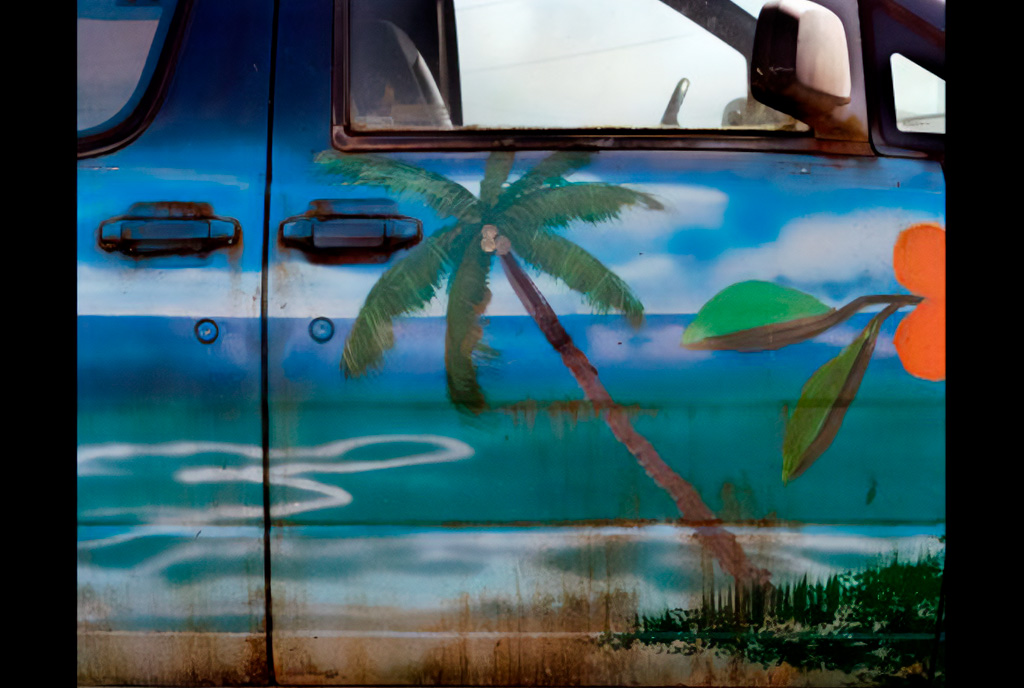
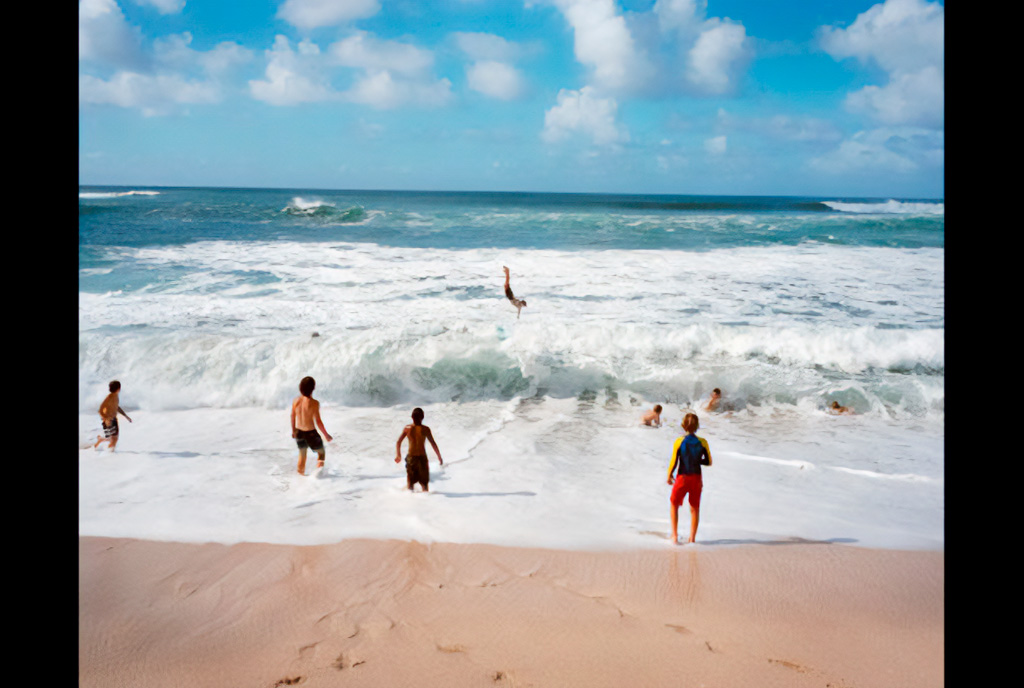
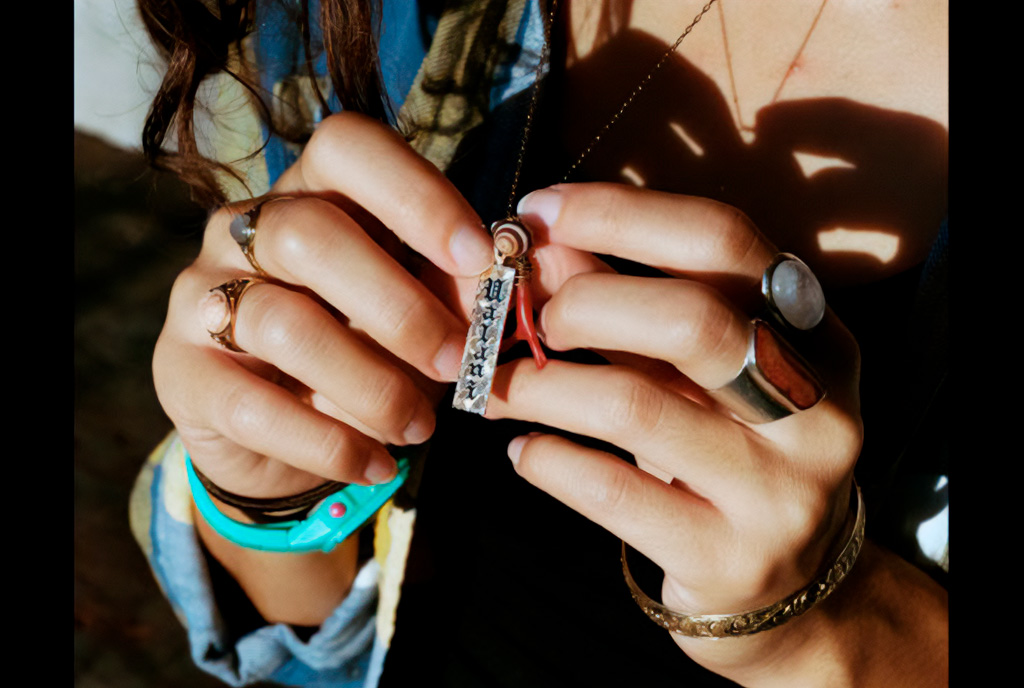
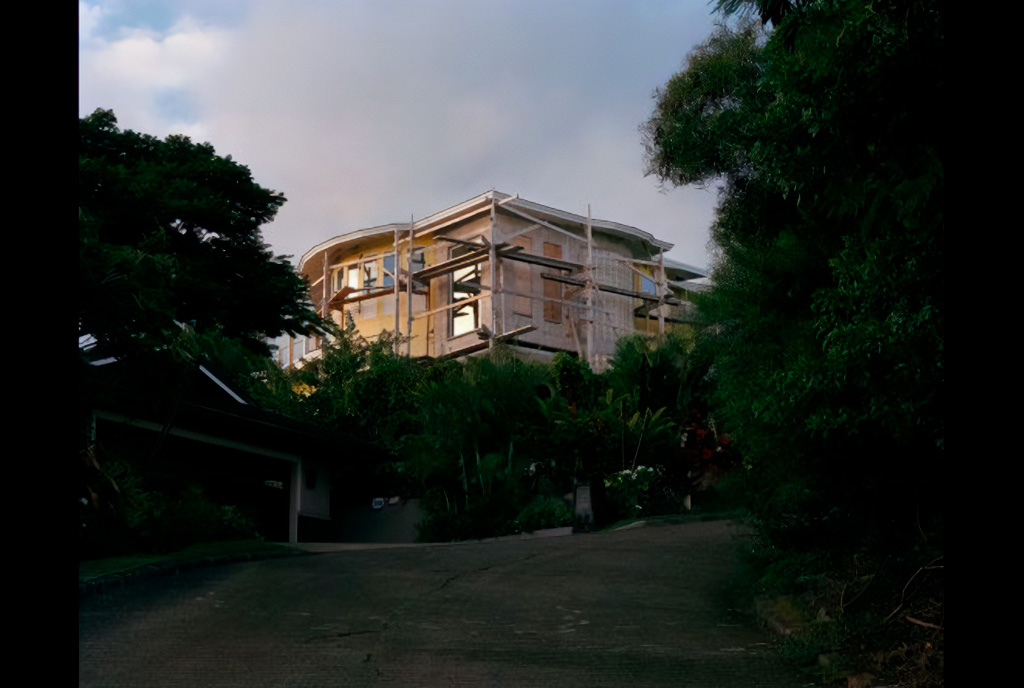
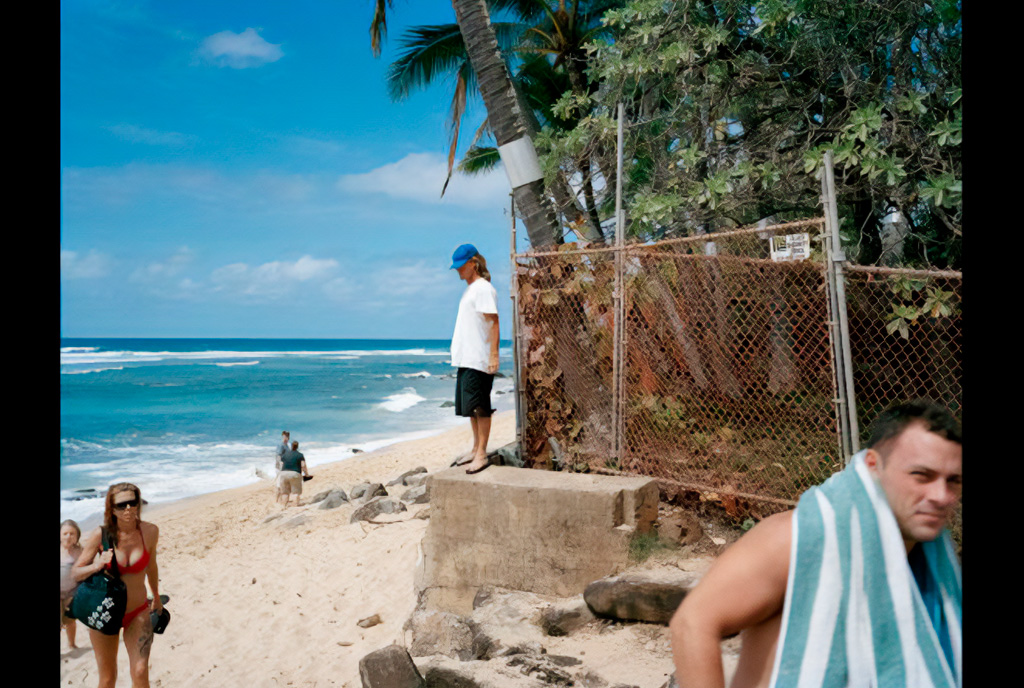
Photographer Phil Jung has pulled back the fake curtain of tourist attractions and Hollywood cliches to reveal the real Hawaiian island of Oahu.
Partner links: booking through them supports the blog at no extra cost to you.
He offers a one-of-a-kind look at the island that is home to Honolulu, Pearl Harbor, Waikiki, Diamond Head and the surf-sacred North Shore.

Armed with a large-format 4x5-inch camera, Jung explored lesser-known spots like bus stops, parks, rivers and other places where real life plays out.
“These images, for me, are trying to complicate the notion that Hawaii is just this sort of beautiful, lush paradise. There's so much more to it,” Jung said. At the same time, he notes that he starts every project without any agenda. “I just want it to feel transparent.”
One example is Jung's captivating study of the front seat of a Hawaiian car (No. 13 in the gallery above).
This photo, he says, captures a proud working-class community.
“I don't know this person very well, but my sense is that he works pretty hard,” Jung said. The objects scattered around the car tell a story.
“He's got work boots in the car. You can see he's got L&L Hawaiian Barbecue (a well-known local fast-food chain) and a can of Aloha Maid soda (a classic local drink). He has to eat in the car to squeeze in lunch before heading off to his next job.”
So what's the point?
When Jung tells people on the mainland that he lives in Hawaii, they often say, “Oh, you're so lucky!”
“And of course I'm lucky, it's beautiful here,” Jung explains. “But, like everyone else, I don't walk out my door and have someone place a pina colada in my hand.”
And for plenty of people in the state, just like anywhere, making a living can be hard. There are many who have built a good life for themselves, but it isn't a life you'd call “magical,” Jung said.
What makes someone Hawaiian?
Jung, a New York native, landed a job in 2014 as a visiting professor at the University of Hawaii. Talking with him by phone last week, you could hear his unguarded enthusiasm for exploring his new surroundings through photography.
“I have this curiosity that just drives me,” he said. “It has driven me ever since I first picked up a camera, and it was only in college that I seriously picked up a camera, so it's been nonstop since then. I can't remember a time in the past 20 years or so when I wasn't taking pictures.”
Jung's curiosity about Hawaii led him to explore the connection between the land and its people.
What does it mean to be Hawaiian? As Jung discovered, it's about far more than having a Hawaiian address.
For some people who might move to New York, Jung said: “It's like if you hauled your stuff into your tiny apartment, and two weeks later you bought a Yankees cap and felt like a New Yorker, right? In Hawaii, it doesn't work that way.”
To count as someone from Hawaii, you have to have ties that reach back centuries.
“Basically, if you're here two, three or four generations, then maybe you're considered a local,” he said. “And that's someone who has been here several generations. But you're still not considered someone from here.”
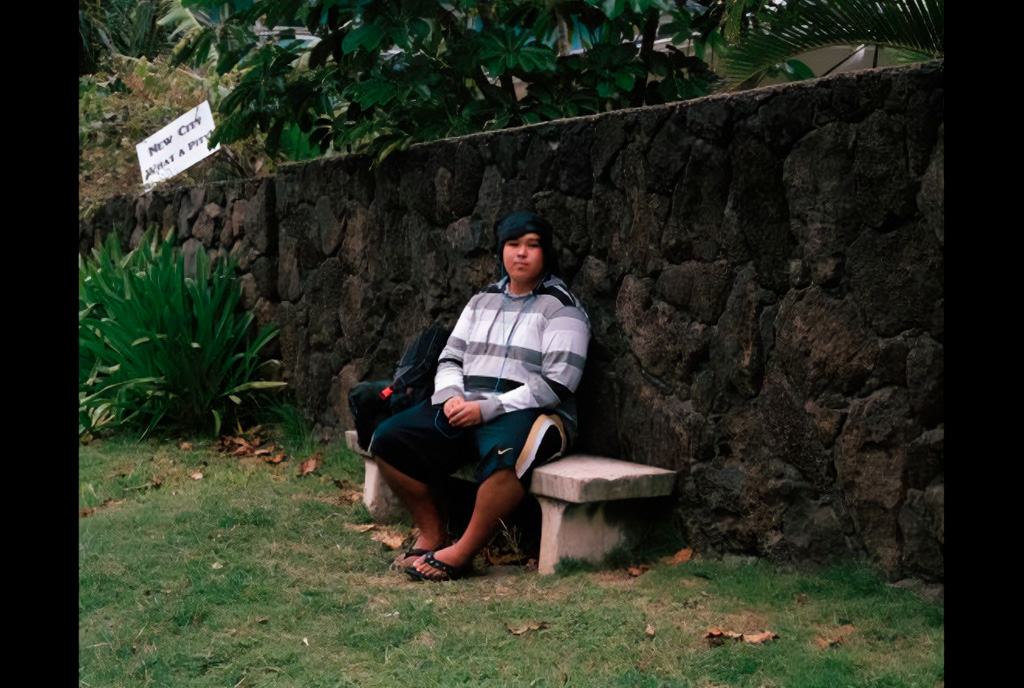
The deep cultural bonds between Hawaiians and the islands come through in Jung's photo of a young man named Keoni, sitting on a bench at a bus stop.
In the upper left corner of the photo, No. 5 in the gallery above, there's a sign that reads: “New town. What a shame.”
The sign points to the fact that this area is slated for development, Jung said. “A lot of people want to keep the countryside rural. They say, 'We don't want any more development.' You see it happen here a lot.”
Tradition demands that the land be protected, because it's so deeply tied to the culture and to the belief that no one can truly “own” it. “The spirit world owns everything, including the land itself,” Jung said.
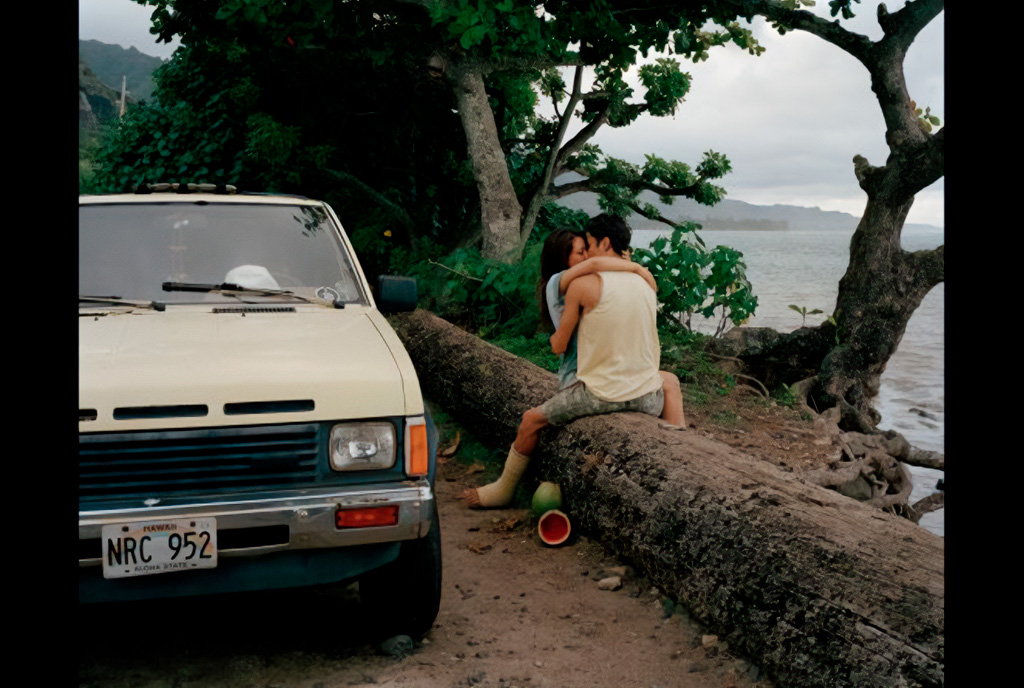
The kissing couple
In his search for the real Hawaii, Jung said he owes a debt to the “photography gods” who helped him capture an image that turned out to be photographic “gold.”
One day, after driving around Oahu for hours looking for subjects to photograph, Jung had no more than a couple of shots.
He decided to cut his losses and call it a day. So he started driving home, until he spotted a couple kissing against a highway guardrail next to a pickup truck.
Sensing the potential of the image, Jung thought, “God, this is incredible.”
He immediately turned his car around, parked, introduced himself and asked the man and woman if they'd mind carrying on with their canoodling.
And then, as Jung put it, they simply went back to “kissing.”
“I couldn't have asked for more things to come together and make a photograph,” he said.
The man had a cast on his left leg and foot. The cast happened to match the color of his tank top and the color of the truck. And then you see this watermelon, screaming with its greens and reds.
Jung said he could never have dreamed up the image in his head: “It's just something I was able to grab from reality itself.”
He said he tells his students: “When things go right, reality turns out to be far better than anything you could invent.”
For Jung, the image is the end result of a wider experience. Like the family he photographed on the west side of Oahu.
In the photo, No. 17 above, three family members sit on the tailgate of a pickup, looking straight into the camera, while two others sit in chairs, gazing out at the Pacific Ocean.
“I spent quite a bit of time with that family,” Jung said. “I must have taken who-knows-how-many shots, because I didn't feel like I had the shot I wanted. Then they were like, 'Oh, you want to hang out?'” The experience of meeting and connecting with the people in his photos shapes the outcome of his images.
It happens often, Jung said. “I end up connecting and having a real experience with the people I photograph. I think it matters, and I hope that's what comes through.”